

Las Vegas in 3 Days: Practical Itinerary for First-Timers
A clear 3-day plan for Las Vegas with practical transit tips, neighbourhood routes, realistic costs, and exactly what to skip to save time and money.
A no-nonsense 72-hour plan that balances the Strip, downtown, and a nearby outdoor escape, with real transit tips, entry-cost ranges, and where to avoid wasted time.
Las Vegas is a city of contrasts: the Strip’s concentrated showrooms and casino resorts, a walkable downtown with older neon signs, and desert landscapes within an hour. First impressions are bright lights, loud slots, and a heavy service-industry tempo; the pace is fast in tourist areas and much slower two to three blocks off the main drags. Many visitors assume everything useful is on the Strip and miss the better food and local nightlife in the Arts District and Fremont East. Conscientious travelers who plan logistics—transport, resort fees, and timed attractions—get much more out of 72 hours than those who move from casino to casino expecting to stumble into the city’s best moments.
Is 3 days in Las Vegas enough?
Yes—three days buys a solid overview: one day on the central Strip, a day downtown and in the Arts District, and a day trip to Red Rock Canyon or Hoover Dam. The honest caveat: there won’t be time for multiple headline shows or a full casino-hopping deep dive without sacrificing neighbourhood exploration.
Who This Guide Is For
Best for first-time visitors who want a balance of sights, meals, and a single outdoor excursion; less suitable for someone who wants to spend all time at one casino or attend multiple headline shows on consecutive nights.
Local Tips for Las Vegas
Practical details that most travel sites skip — specific to Las Vegas.
- Harry Reid International Airport uses code LAS; rideshare pickup is at Terminal 1 and Terminal 3 designated zones—expect $15–35 to the central Strip depending on time and surge pricing.
- The Deuce and the Strip & Downtown Express (SDX) buses run 24/7 along S Las Vegas Blvd and to Fremont Street; buy fares in the RideRTC app or at machines at major stops.
- Most hotels add a mandatory daily resort fee (commonly $25–45) on top of the room rate; confirm the line item before booking to compare real nightly cost.
- SlotZilla on Fremont Street has two levels: the Zipline and the Zoomline; prices start around $20–35 per ride depending on time of day and discounts for groups.
- Eggslut at The Cosmopolitan’s Counter inside the property does long breakfast lines; going at 8:00–9:00 AM or after 10:30 avoids peak wait times on weekends.
How This Guide Was Prepared
Three days in Las Vegas is often framed as pure partying or gambling, but the city splits into distinct pieces—Strip spectacle, downtown grit, and nearby desert scenery—and most guides over-focus on casinos while skimping on transit, resort fees, and time lost moving between venues. This guide treats Las Vegas as a practical, compact city trip: concrete walking times, transit options, and budget realities rather than a brochure of every show. This guide was prepared through a structured research that combines destination research, geographic context, itinerary planning logic, and content review.
Plan Your Stay in Las Vegas
Use this itinerary as your starting point, then compare areas to stay, transport options, seasonal timing, and realistic daily costs before booking.
Why Visit
Las Vegas condenses spectacle and service: a single boulevard contains major hotels with large-scale attractions that can be seen in short visits. The Bellagio Fountains and Conservatory offer free, reliable shows and photo opportunities without an entry fee. Downtown—Fremont Street, the Mob Museum, and the Neon Museum—shows the city’s earlier eras and a grittier, more walkable scene that most people miss on a first pass. Finally, proximity to landscape escapes like Red Rock Canyon and Hoover Dam lets a short city break include a genuine outdoor day trip without long transfers.

Quick Planning Tips
Fly into Harry Reid International Airport (LAS); rideshare pickup points are clearly signed in both terminals and are usually faster than airport taxis at non-peak times. The cheapest way to move along the Strip and downtown is the Deuce/SDX bus or a 24-hour Monorail pass if most activities are on the east side of Strip hotels. Most venues accept credit cards, but carry small bills for tips: $1–3 per drink and $1–5 for porters and housekeeping. Avoid the planning mistake of assuming published room rates include resort fees and self-parking—those add a significant daily surcharge and vary by hotel.

Day 1
Start where most visitors do: the central Strip. Begin at the Bellagio (Bellagio Conservatory and Botanical Gardens and the Fountain show). The conservatory visit takes 20–40 minutes; Fountain shows run every 15–30 minutes in the evening. Walk north 5–10 minutes to Caesars Palace and the Forum Shops for designer windows and the public art. From Caesars, it’s a 7–12 minute walk to The Venetian; the Grand Canal Shoppes and St. Mark’s Square-style canal are on-site and useful for lunch options such as Yardbird or Bouchon in the Venetian.
After lunch, move to the LINQ Promenade and the High Roller observation wheel—plan 30–60 minutes for a standard rotation and photos. From the High Roller, the nearby Flamingo Wildlife Habitat is a 5–8 minute walk if seeking a quieter pause. Expect surface walking between these stops of 5–20 minutes and add extra time for crossing major intersections.
For a late-afternoon break, head back to the Bellagio or the Cosmopolitan for a rooftop viewpoint; the glass-walled terrace at the Cosmopolitan gives a good vantage of the Strip. Dinner suggestion: Mon Ami Gabi at Paris Las Vegas for patio seating facing the Bellagio fountains—prices around $25–45 per main. Evening recommendation: buy a show ticket in advance (Cirque du Soleil productions and headline concerts are common), or take a nighttime High Roller rotation to see the Strip lit up; both consume 2–3 hours.

Day 2
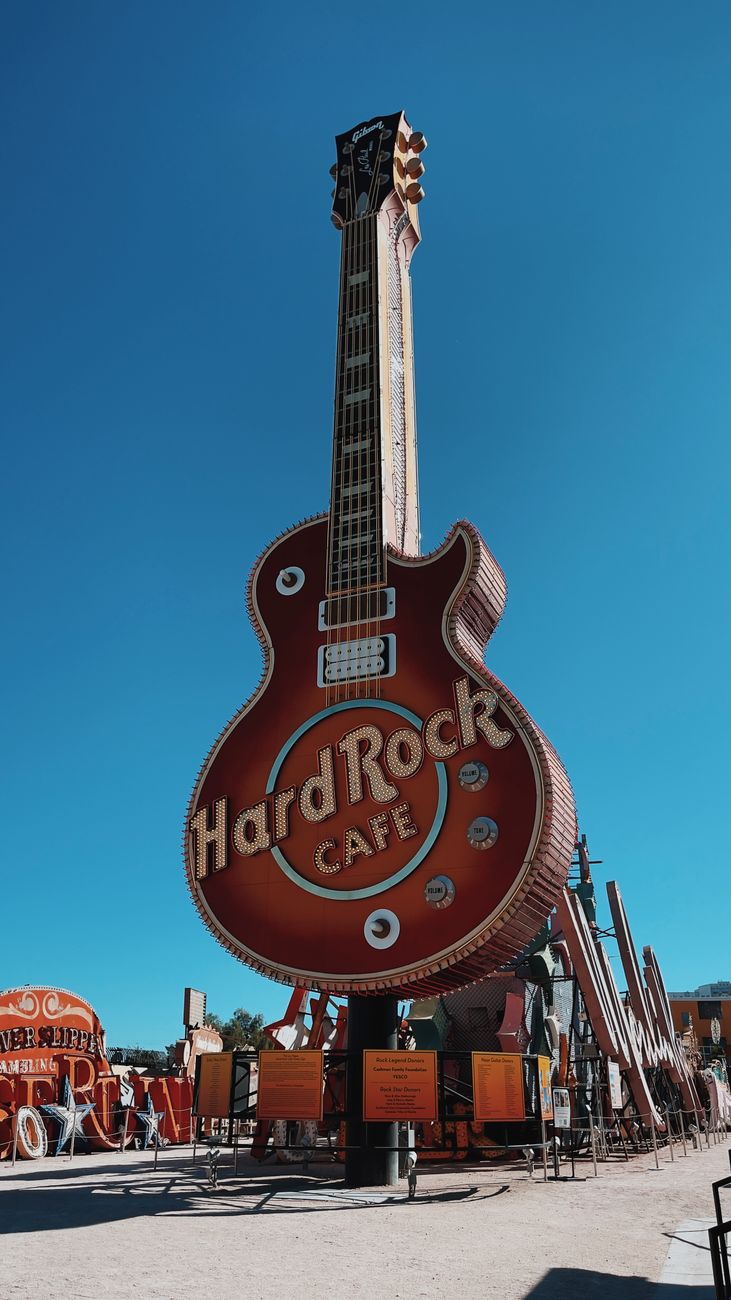
Spend the second day in downtown and nearby neighbourhoods for a very different feel. Start at the Neon Museum in the morning when light is best for photos; allocate 60–90 minutes including the guided or audio tour. From the Neon Museum, a 10–15 minute taxi or an RTC ride gets to the Mob Museum on E Fremont Street, where tickets are typically $25–35 for adults. After the Mob Museum, walk the Fremont Street Experience canopy for street performances and exterior neon; allow time for a SlotZilla zipline if that appeals—budget at least 1–2 hours including line and safety briefing.
Lunch in the area: Eat at the Heart Attack Grill for a novelty meal or find local tacos at therapy-worthy spots around Main Street. In the afternoon, cross over to the Arts District on 7th Street—this neighbourhood houses galleries, vintage shops, and restaurants like Esther’s Kitchen; transit from Fremont is about 10–20 minutes by rideshare or a short bus ride. The Arts District thrives late afternoon into evening with relaxed bars and small-venue music, so linger for dinner at a local spot such as Rachel’s Kitchen or Dinner Bar.
Evening recommendation: return to Fremont East for bars and live music or book a late-night DJ set on the Strip if festival timing aligns. Downtown evenings are louder and more local than Strip nightlife and often cheaper for drinks and cover charges.
Day 3
Use the final day for a landscape escape or a less touristy attraction. Red Rock Canyon National Conservation Area is a 25–35 minute drive from most Strip hotels; the Scenic Drive is roughly 13 miles and takes 1–3 hours depending on stops for short hikes and viewpoints. Bring water, sunscreen, and a map; vehicle access requires a small entrance fee, or join a half-day tour that includes pickup from the Strip. An alternative is a half-day tour to Hoover Dam and Lake Mead—expect a 45–60 minute drive each way and guided-tour options ranging $50–100.
If constrained by an afternoon flight, plan to return to the hotel two hours before planned airport arrival to collect bags and confirm shuttle or rideshare timing. Many hotels offer luggage hold for a small fee; verify with the front desk. For an urban final option, use the last morning for a relaxed buffet brunch at a major resort such as Bacchanal Buffet (Caesars) or Wicked Spoon (Cosmopolitan) before heading to the airport.
Practical departure note: leave at least 60–90 minutes for travel to Harry Reid International Airport from the central Strip in non-peak traffic, more during peak holiday periods. For an afternoon flight, check out by late morning and either store luggage or schedule an early rideshare pickup to avoid last-minute delays.

Best Local Experiences
Attend First Friday in the Arts District if dates align—local artists, food trucks, and gallery openings make for a lively Friday evening. Take the Neon Museum night tour for restored signs lit after dark and markedly different photo conditions than daytime. Experience Fremont Street’s canopy light show and consider riding SlotZilla for a direct view down the pedestrian mall. Drive or join a guided trip through Red Rock Canyon for short hikes (Calico Tanks, Ice Box Canyon) and desert geology easily done in a half day. Eat tacos at Tacos El Gordo (multiple locations) for a very local, late-night food option—order adobada al pastor at the counter. Additional experiences include catching a sporting event at Allegiant Stadium, visiting the Mob Museum for modern Vegas history, and trying a buffet such as Bacchanal for the sheer scale of selection.

Where to Stay
The Strip (S Las Vegas Blvd): suits first-time visitors who prioritize convenience and proximity to major shows and casinos. Expect nightly rates ranging widely: budget rooms start around $80–150 USD (about €75–140) off-peak, midrange $150–300 (about €140–275), and luxury suites $400+ (about €365+); add resort fees $25–45 per night. Downtown / Fremont East: suits visitors who want an older Vegas feel, lower room rates, and walkable nightlife; expect $50–150 USD (about €46–138) per night with fewer large resort fees. Arts District / 7th Street and adjacent neighbourhoods: suits travellers who want local restaurants, galleries, and small hotels or short-term rentals; rates typically $80–180 USD (about €74–165) per night. For quiet and local access, stay in Summerlin or Henderson for suburban hotels; these require a car and cost $80–200 USD (about €74–183) per night.
Food and Drink
Eggslut (The Cosmopolitan) — a popular breakfast sandwich spot known for the Fairfax sandwich (coddled eggs, potato, mayo) and egg-centric sandwiches; expect $8–12 for a sandwich. Tacos El Gordo — street-style tacos, especially adobada (marinated pork) served at the counter; price roughly $3–4 per taco; open late. Bacchanal Buffet (Caesars Palace) or Wicked Spoon (Cosmopolitan) — large buffets that showcase the city’s all-you-can-eat culture; lunch/dinner $40–70 depending on day and time. Lotus of Siam — highly regarded northern Thai dishes, expect $18–35 for mains; reservations strongly recommended. Secret Pizza (The Cosmopolitan) — a late-night slice counter offering New York-style slices and whole pies, roughly $4–8 a slice. For cocktails, sample a classic Old Fashioned at a hotel lounge ($12–18) or try a Vegas staple shot like the Vegas Bomb at lounge bars; prices vary widely. For street-food breakfast, try a local coffee shop or a viral croissant from a bakery on the Strip; prices $3–8.
Getting Around
Major public options include the RTC Deuce and the Strip & Downtown Express (SDX) buses that run along S Las Vegas Blvd and link the Strip to downtown. The Las Vegas Monorail runs on the east side of the Strip and is useful for north-south hops between several resorts; single-ride monorail fares are around $5 with one-day passes commonly available. Use the RideRTC app for bus fares and schedules and the Monorail app or website for monorail tickets. Rideshare services (Uber/Lyft) are convenient and often the fastest door-to-door option; airport trips typically range $15–40 depending on surge and destination. A single RTC bus fare for the Deuce/SDX is approximately $6 and day passes vary—check the app for current prices. Taxi fares from Harry Reid International Airport to the Strip are roughly $20–35 plus tip. For longer day trips (Red Rock or Hoover Dam), renting a car or booking a guided tour with pickup from the Strip is the most practical option.
Best Time to Visit
Spring (March–May) and fall (September–November) offer the best balance of temperature and value: daytime highs typically between 65–95°F (18–35°C) with pleasant evenings. Summer (June–August) is very hot with daytime highs often exceeding 100–110°F (38–43°C); crowds and prices peak around July and major holiday weekends. Winter (December–February) is cooler—daytime highs often 50–60°F (10–16°C) and nights occasionally drop near freezing—and rates can be lower except around New Year’s Eve when hotels charge premiums. For best hotel value with decent weather, consider late January through March or late September through November; avoid major trade-show weeks (check the Las Vegas Convention Center calendar) when room rates spike.
Budget and Practical Tips
Typical daily budgets depend on travel style. Budget traveler: $80–150 USD per day (about €73–138) including a budget hotel or hostel ($40–90), food from food courts and late-night tacos ($20–40), transit and short rides ($10–20), and one paid attraction. Midrange traveler: $200–350 USD per day (about €184–322) with a midrange hotel on the Strip ($120–220), meals at midrange restaurants ($50–100), transit or rideshares ($20–40), and one paid show or museum visit. Luxury traveler: $400+ USD per day (about €368+) including suite rates, fine dining, shows, and taxis.
Factor in one-off charges: resort fees $25–45 per night, self-parking fees at some hotels $10–30, and tip expectations. Tipping norms: 15–20% at sit-down restaurants, $1–3 per drink for bartenders and cocktail servers, $1–5 per bag for bellhops and porters, and $2–5 per night for housekeeping if leaving daily. ATMs inside casinos charge higher fees—use an ATM outside the casino or pay by card to avoid surcharge.
FAQ
Is Las Vegas safe for solo travelers on the Strip and downtown?
Both the Strip and Fremont Street are heavily policed and safe for daytime and evening visits, but standard precautions apply—keep valuables secure, watch drinks in bars, and avoid poorly lit side streets late at night.
Is three days enough to see the main attractions?
Yes; three days allows a Strip day, a downtown/Arts District day, and one outdoor trip, but it won’t cover multiple headline shows or gambling deep-dives.
Is a Las Vegas attraction pass worth buying?
Passes can pay off if visiting multiple paid attractions (Neon Museum, High Roller, Mob Museum, Hoover Dam tours) in a short period; run the numbers against individual ticket prices and the pass’s valid days.
How do most people get from Harry Reid International Airport to hotels?
Rideshare (Uber/Lyft) and taxis are the main choices; shuttles are cheaper but slower. Expect $15–40 for rideshare to the Strip, depending on demand.
Can public transit cover most sightseeing needs?
The Deuce and SDX buses plus the Monorail cover the Strip and downtown fairly well; however, rideshare is often faster for door-to-door trips, especially in peak heat or late nights.
Are shows family-friendly?
Some daytime and family-branded shows are suitable for children, but many headline shows and late-night lounge acts are adult-oriented—check age recommendations and show times before booking.
What about gambling limits—can beginners try low-stakes tables?
Yes, many casinos have low-minimum table games and dedicated low-limit poker rooms; however, table minimums rise on weekend nights and in luxury venues.
Conclusion
A three-day visit yields a clear sense of what makes the place unique: the concentrated spectacle on the Strip, the neon and local life downtown, and accessible desert scenery a short drive away. Practicalities—resort fees, transit choices, and show-booking—determine whether those 72 hours feel rushed or well used. If time runs short, prioritize one Strip landmark (Bellagio fountains and Conservatory) and one downtown experience (Neon Museum or Mob Museum) plus a single outdoor half-day; that triangle gives a representative cross-section without overscheduling.
How this guide was prepared
This guide was prepared through a structured research that combines destination research, geographic context, itinerary planning logic, and content review.