
Practical 3-Day Guangzhou Itinerary: Food, Metro and Sights
A realistic 3-day Guangzhou itinerary with transit tips, exact timings, food picks and budget numbers to plan a practical short trip without surprises.
A focused, transport-savvy 72-hour plan covering historic Liwan, modern Zhujiang New Town and Guangzhou's best food spots, with transit times and costs.
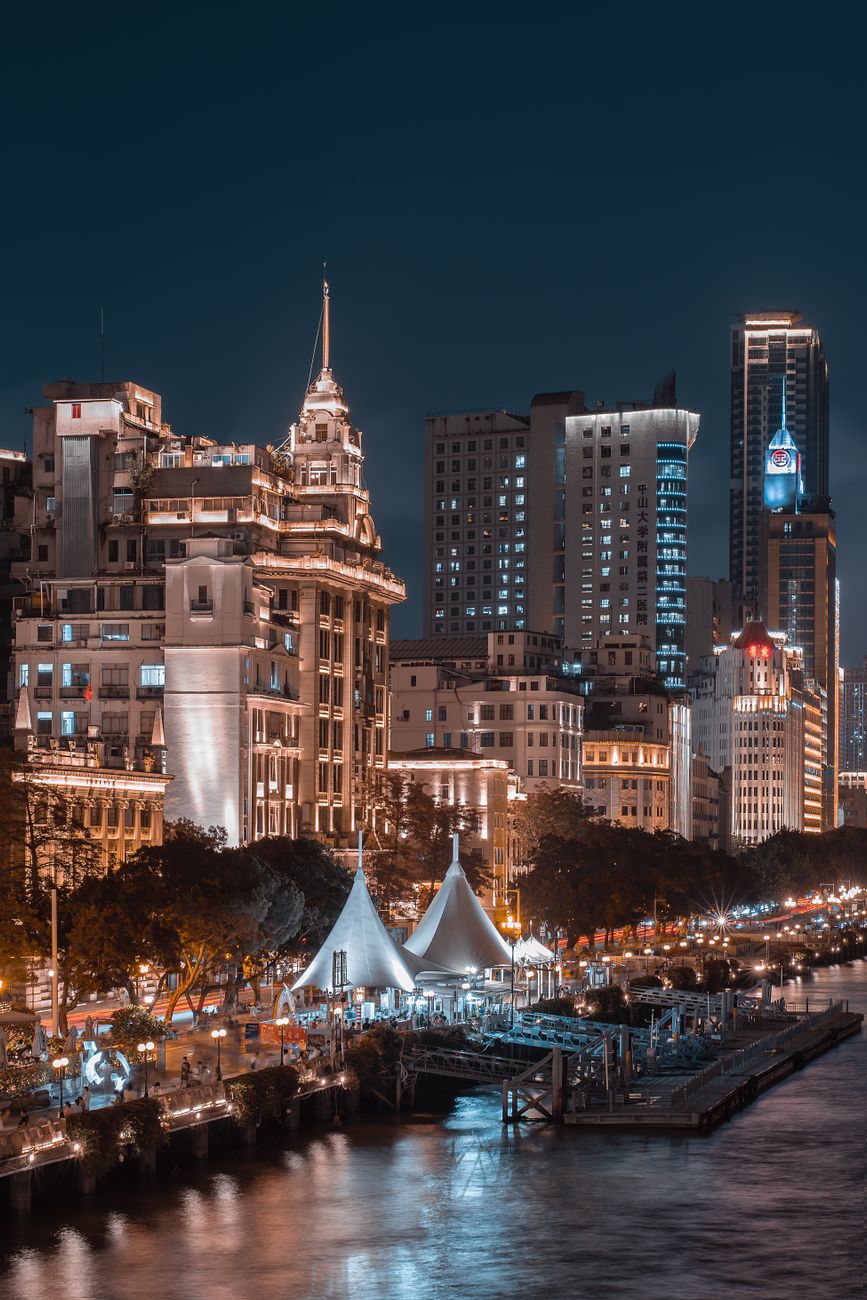
First impressions focus on scale and contrasts: low-rise market lanes full of stores and eateries sit a short metro ride from high-rise office towers and glass museums. The pace is pragmatic rather than touristy — mornings bring wet markets and bowl-after-bowl soup shops; late afternoons shift toward air-conditioned malls and rooftop bars. Expect frequent construction, loud traffic in older districts, and heavy humidity during warm months; that combination affects how much ground can be covered comfortably in a day. Neighborhoods keep a clear working-city logic: Liwan is for market life and heritage buildings, Tianhe for business and shopping, Zhujiang New Town for museums and skyline views.
Is 3 days in Guangzhou enough?
Yes — three days is enough to see the core: Chen Clan Ancestral Hall, Shangxiajiu and Qingping Market, Huacheng Square and Canton Tower plus a Pearl River cruise. The honest caveat: day trips to Foshan or Kaiping require extra time and will have to be deferred.
Who This Guide Is For
Best for travelers who want intensive urban exploration, Cantonese food and efficient metro travel. Poor fit for those seeking slow countryside, beaches or multi-stop provincial touring.
Local Tips for Guangzhou
Practical details that most travel sites skip — specific to Guangzhou.
- Buy a Yang Cheng Tong (羊城通) card at any metro station for a CNY 20 refundable deposit; it works on metro, city buses and many convenience stores and is faster than buying single tickets.
- Guangdong Museum offers free entry to permanent exhibits but requires an online reservation via its WeChat mini program; weekend slots fill quickly, reserve at least two days ahead.
- Qingping Medicine Market in Liwan near Xiguan (on Shangxiajiu side) is busiest 09:00–12:00 and most vendors prefer cash for small purchases; bring exact change for small herbal stalls.
- Pearl River night cruises board at Tianzi Wharf (天字码头) and Party Pier (琶醍); public cruise prices range from CNY 60–120 depending on route and departures are denser after 19:00.
- Metro Line 3 connects Baiyun Airport (terminal stations) with the city; expect 35–45 minutes to Tianhe/Guangzhou East and pay around CNY 7–10 depending on destination.
How This Guide Was Prepared
Three days here means parsing two faces of the city: old commercial districts where Cantonese daily life plays out and a fast-expanding glass-and-concrete skyline around Zhujiang New Town. Most guides point at Canton Tower and a food list; they skip practical transit sequencing, market quirks and how humidity affects pacing. This guide was prepared through a structured research that combines destination research, geographic context, itinerary planning logic, and content review.
Plan Your Stay in Guangzhou
Use this itinerary as your starting point, then compare areas to stay, transport options, seasonal timing, and realistic daily costs before booking.
Why Visit
Three primary reasons stand out. First, food: Cantonese dining ranges from street cheung fun stalls to classic tea houses like Tao Tao Ju and old-school Cantonese restaurants such as Guangzhou Restaurant and Panxi (泮溪酒家), all within short distances. Second, mixed urban fabric: historic Xiguan lanes, the colonial architecture of Shamian Island and the Chen Clan Ancestral Hall sit next to the high-density commercial center in Tianhe and the museum cluster at Huacheng Square. Third, accessible transit and short travel times: the metro network plus Guangfo Line let visitors cover very different districts in 20–40 minute trips, so three days can feel full rather than rushed. Addable perks include a Pearl River night cruise and a Canton Tower visit for city orientation.

Quick Planning Tips
From Baiyun Airport take Metro Line 3 (Airport North/Airport South stations) to city stations; travel time to Tianhe is about 35–45 minutes and ticket cost is roughly CNY 7–10. Yang Cheng Tong card (羊城通) is the easiest fare method — buy and top up at any metro station; mobile payments via WeChat Pay or Alipay are accepted widely but set them up before arrival. Pack light for summer: breathable clothes, a foldable umbrella and a refillable bottle; a midday break in an air-conditioned mall saves time. Avoid the planning mistake of scheduling long walking circuits in hot months; swap to museums or indoor markets during the hottest hours.

Day 1
Morning: Start at Chen Clan Ancestral Hall (陈家祠) — allow 60–90 minutes to view architecture, wood and ceramic carving; nearby is a metro stop (Chen Clan Academy, Line 1) and a short walk from Guangzhou Station. Walk 10–15 minutes or take one metro stop to Shangxiajiu Pedestrian Street for market lanes and snack stalls; expect dense crowds after 11:00. Lunch: Tao Tao Ju (陶陶居) on Shangxiajiu or the Guangzhou Restaurant (广州酒家) for traditional dim sum and roast meats; budget CNY 40–120 per person depending on dishes. Afternoon: Walk 5–10 minutes to Qingping Medicine Market — spend 45–60 minutes unless browsing intensely; then walk 15 minutes to Shamian Island and stroll the colonial promenades (easy, shaded). Evening: Head to Tianzi Wharf for a Pearl River night cruise (board around 19:00–20:00); allow 30–45 minutes after landing to reach the dock by taxi or metro (metro + short walk). Finish with a riverside drink or a simple noodle stall near the pier.

Day 2
Morning: Take Metro Line 3 or Line 5 to Zhujiang New Town (Huacheng Square station on Line 3/5/APM) and start at Guangdong Museum — reserve a free slot online if possible and plan 60–90 minutes. Walk 5 minutes to Huacheng Square for photo views and then to Guangzhou Opera House (Zaha Hadid building) for an exterior visit; if a performance is booked, aim for an evening slot. Lunch: try a mall-level Cantonese bistro inside Taikoo Hui or IFC Mall in Tianhe for quick service and air-conditioning. Afternoon: Cross the river to Canton Tower for observation platforms and the Sky Drop if desired; allow travel time of 20–30 minutes from Huacheng Square by metro/transfer and budget CNY 150–220 for higher observation tiers. Evening: Return to Zhujiang New Town for dinner at a modern Cantonese restaurant or a seafood place in Tianhe; finish at a rooftop bar or the Canton Tower base for light shows after dark.
Day 3
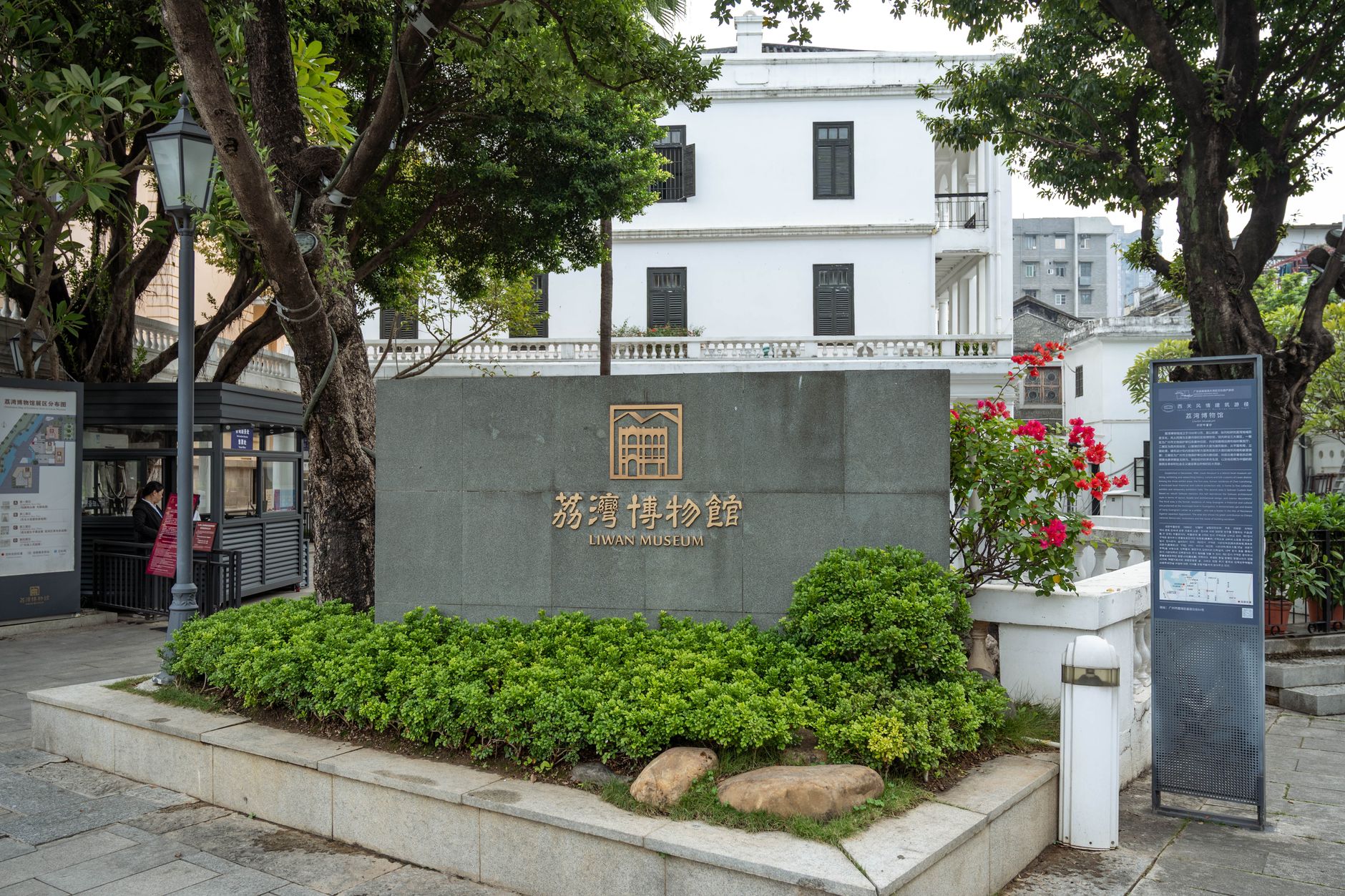
Morning: Choose a slower-start neighbourhood visit. Option A: Liwan area — Panxi Restaurant and Panxi Garden for a relaxed dim sum breakfast, then walk Liwan Lake and nearby lanes for 90–120 minutes. Option B: Yuexiu Park — visit the Five Rams Statue and Museum of the Nanyue King (entry about CNY 10) and allow 90 minutes. Midday: Walk Beijing Road for layers of street-level shopping and archaeological glass displays beneath the pavement; quick lunch at a lane cheung fun stall (CNY 8–15). Practical afternoon: If catching an afternoon flight, return to hotel to check out, then take Metro Line 3 from Tiyu Xilu or Zhujiang New Town to Airport; allow 90 minutes from central areas including buffer for security. Evening option: If flight is later, squeeze in a short market visit or an early dinner near the train station.

Best Local Experiences
Shangxiajiu Pedestrian Street for street snacks and local shoppers is essential for tasting small-plate Cantonese snacks. Qingping Medicine Market in Liwan gives a practical look at traditional medicines and dried goods; bring cash for small buys. Lychee Bay (荔枝湾) and Panxi Garden show older Guangzhou canal-side life and garden restaurants for longer meals. Pearl River night cruise or a short riverside walk at Party Pier is the main evening cityscape experience. Weekend or off-season: check the Canton Fair schedule if timing aligns, but note it is a buyer trade show and not a tourist fair; attending changes hotel availability and prices. Add a short stop at the Guangzhou Opera House to see modern architecture and the museum cluster at Huacheng Square for an indoor break.

Where to Stay
Tianhe (天河) suits business travellers and shoppers; near Guangzhou East and Tianhe Sports Center, it offers many high-rise hotels and quick access to Line 3 and Line 1. Expect midrange rooms around CNY 400–700/night (≈USD 56–98, EUR 52–91). Yuexiu/Beijing Road fits visitors who want central heritage access; walking distance to Beijing Road and Yuexiu Park makes it convenient for markets and older districts. Midrange options cost CNY 250–500/night (≈USD 35–70, EUR 32–65). Liwan/Shangxiajiu is best for food-focused visitors who prefer older lanes and morning markets; small hotels and guesthouses run about CNY 200–400/night (≈USD 28–56, EUR 26–52). Choose a hotel near a metro station to save transit time and street-level walking in heat.
Food and Drink
Dim sum (点心) — small plates like har gow and siu mai served at morning tea; go to Guangzhou Restaurant or Tao Tao Ju for classic service. Expect CNY 40–120 per person for a full dim sum breakfast. Roast goose (烧鹅) — roasted whole or by portion and available at traditional roast shops around Shangxiajiu and Beijing Road; budget CNY 60–150 for a shared portion. Cheung fun (肠粉) — rice noodle rolls with sweet soy and fillings; street stalls sell bowls for CNY 5–15 and these are the best quick snack. Double-skin milk (双皮奶) — steamed milk dessert available at dessert shops and some Cantonese teahouses for CNY 10–25. Cantonese slow soups (老火汤) appear on many menus as daily broths; a simple soup at a neighborhood restaurant costs CNY 15–40. Drink options: Zhujiang Beer (珠江啤酒) is a local lager (CNY 6–15), and coffee-milk blends (Yuan Yang-style) appear in cafés influenced by nearby Hong Kong. For dinner, Panxi Restaurant offers a classic menu in a garden setting and is suitable for a longer Cantonese meal (CNY 150–300 for two).
Getting Around
The metro is the most reliable option: major lines include Line 1, Line 2, Line 3 (airport branch), Line 5, Line 8, Line 14, Line 18 and the APM in Zhujiang New Town; Guangfo Line connects to Foshan. Single metro fares start at CNY 2 for short trips and rise with distance (typical inner-city rides CNY 2–6; longer rides up to CNY 14–16). Yang Cheng Tong (羊城通) is the stored-value card; top-up machines are at all metro stations. Taxi base fare is CNY 12 for first 2–3 km then about CNY 2.5–3 per km; airport taxis to central districts commonly cost CNY 120–160. Use Gaode (Amap) or Guangzhou Metro app for routes and transfers; Didi is the main ride-hail app.
Best Time to Visit
Autumn (September–November) offers the most comfortable combination of lower humidity and temperatures from about 20–28°C and is generally the best balance of crowds and weather. Spring (March–May) is warm (18–28°C) with occasional rain and good value outside the Dragon Boat festival dates. Summer (June–August) is hot and humid, temperatures commonly 28–35°C with frequent rain and a typhoon risk at times; expect higher hotel prices during peak domestic travel weekends. Winter (December–February) is mild (8–18°C) and drier, useful for budget travel though some outdoor attractions feel chilly without sun. For best value and manageable climate, aim for October or late March.
Budget and Practical Tips
Daily budget estimates (per person): budget traveler — accommodation CNY 100–200 (≈USD 14–28, EUR 13–26), food CNY 80–120, transport CNY 20–40, entries CNY 30–80; total roughly CNY 230–440/day (≈USD 32–62). Midrange — accommodation CNY 300–600 (≈USD 42–84, EUR 39–78), food CNY 120–200, transport CNY 30–50, entries and extras CNY 100; total about CNY 550–950/day (≈USD 77–133). Luxury — accommodation 800+ CNY (≈USD 112+, EUR 104+). Tipping is uncommon in local restaurants; round up small bills if desired but do not expect a culture of tipping. Carry some cash for small market purchases; for larger bills use WeChat Pay or Alipay where accepted. Keep copies of hotel addresses in Chinese for taxi drivers and screenshot station names for offline use.
FAQ
Is Guangzhou safe for solo travelers?
Yes; daytime and central areas are generally safe, though pickpocketing can occur in crowded markets. Stay aware in dense pedestrian streets and keep valuables secure.
How do I get from Baiyun Airport to the city center?
Take Metro Line 3 to the city (about 35–45 minutes) or an airport taxi for roughly CNY 120–160 depending on traffic. Allow extra time for peak-hour congestion.
Is a city card or metro day pass worth it?
Buy a Yang Cheng Tong stored-value card for convenience; there is no widely used unlimited day pass for all transit, so stored value is the most flexible option.
Can English be used widely on transit?
Station announcements and signage include English at major interchange stations, but have Chinese names ready for taxi drivers and smaller stops.
Are museums expensive?
Many local museums have low fees (CNY 0–30); Guangdong Museum’s permanent exhibits are free but require online reservation. Special exhibitions may charge more.
Is the Pearl River cruise mandatory to see the skyline?
Not mandatory; the riverside promenades at Party Pier and Huacheng Square offer good views without a cruise, but the cruise adds a different perspective after dark.
How much walking should be expected each day?
Expect moderate walking—2–6 km daily if following this itinerary; use metro to shorten surface distances in summer.
When is Canton Fair and will it affect travel?
Canton Fair occurs in spring and autumn in phases; hotel prices rise and some business hotels book out well in advance during fair weeks.
Conclusion
Three days here give a clear sense of the city's dual personality: morning market and dim sum routines, and an afternoon/evening life linked to malls, museums and the river. Most travelers will remember the food and the contrast between old lanes and the skyline; good sequencing avoids heat and wasted transit time. If running short on time, prioritize a market or tea-house breakfast, a Chen Clan Ancestral Hall visit and a short Pearl River cruise or Canton Tower observation to get a compact, representative experience.
How this guide was prepared
This guide was prepared through a structured research that combines destination research, geographic context, itinerary planning logic, and content review.