

3-Day Practical Guide to Salou: Beaches, PortAventura & Food
A straightforward 3-day plan for Salou covering beaches, PortAventura, transport from Reus and Tarragona, and realistic costs for a weekend trip.
A compact, no-nonsense 72-hour plan for Salou that balances beach time, PortAventura, local seafood and a short Tarragona visit with realistic transit and budget notes.
Salou is a concentrated seafront resort town shaped around its beaches, the main promenade and a major commercial port. The mood is service-driven: cafes, ice-cream stands and apartment blocks edge the shore, and the town swings between quiet off-season streets and very busy summer weeks. First impressions are usually the wide palm-lined Passeig Jaume I, the Fuente Luminosa, and the compact grid of shops and restaurants within a short walk of the shoreline. Expect families, school groups and theme-park crowds rather than a sophisticated food scene or nightlife for every taste.
Many guides treat Salou as a single-activity stop (usually PortAventura or nightclubs); planning a realistic three-day stay means accepting a mix of beach hours, one busy attraction day and at least one stroll outside the busiest strip. This setup suits travelers who want easy logistics, short transfers from Reus or Tarragona and beaches with basic services. Those seeking slow exploration of Catalan towns or an upscale culinary itinerary will need to look to nearby places such as Cambrils or Tarragona for that focus.
Is 3 days in Salou enough?
Yes—three days are enough to cover the main beaches, spend a full day at PortAventura World and fit a half-day visit to Tarragona. The trade-off is skipping deeper Costa Daurada exploration (Cambrils, inland wineries) or a relaxed multi-day beach pace.
Who This Guide Is For
Best for families, theme-park visitors, and short-stay beach travelers who accept some tourist infrastructure and noise. Not ideal for travellers seeking quiet rural Catalan life or a slow food-focused escape.
Local Tips for Salou
Practical details that most travel sites skip — specific to Salou.
- Catch Rodalies (R16) trains to Salou–PortAventura station from Barcelona Sants or Tarragona; journey from Barcelona Sants takes about 1h10–1h30 and fares typically run €8–€13 one-way.
- Reus Airport (REU) has regular Alsa shuttle buses to Salou (about 20 minutes) for roughly €3–€6; book a transfer in high season to avoid long waits.
- Passeig Jaume I runs from Plaça d'Europa down to the port and contains the Fuente Luminosa and rows of palms — plan to walk at least a kilometre if exploring the whole promenade.
- Platja de Llevant and Platja dels Capellans have lifeguard service and public showers from June to September; outside those months expect limited services and cooler water.
- Buy PortAventura World tickets online and check combined transport+park offers; same-day box office prices are usually higher and queues form early in July and August.
How This Guide Was Prepared
This guide treats Salou as a seasonal, service-oriented seaside town rather than a Mediterranean cliché. Many guides focus only on PortAventura or the nightlife strip; this one shows how to combine the theme park, the seafront promenade and a short local culture loop without overpacking. This guide was prepared through a structured research that combines destination research, geographic context, itinerary planning logic, and content review.
Plan Your Stay in Salou
Use this itinerary as your starting point, then compare areas to stay, transport options, seasonal timing, and realistic daily costs before booking.
Why Visit
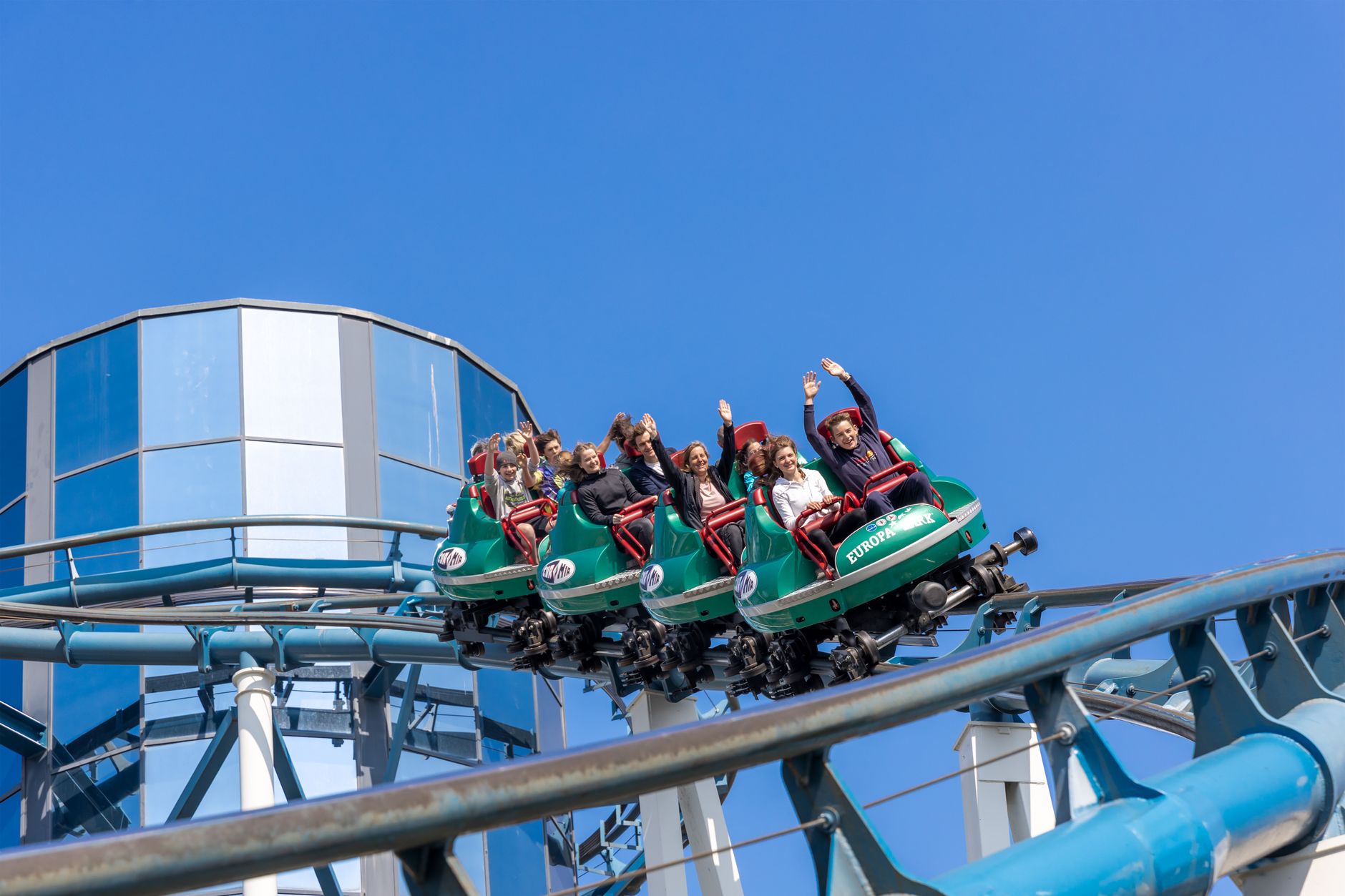
PortAventura World is the single most common reason to book time here: the park and Ferrari Land draw families and roller-coaster fans from across Spain and Europe. Plan one full day if rides are a priority.
The seafront delivers easy beach days on Platja de Llevant and Platja dels Capellans with straightforward facilities; short walks connect one beach to the next so a relaxed, walk-and-dip rhythm is practical. Passeig Jaume I and the port area offer a pleasant promenade for evening walks and basic seafood restaurants without needing a car.
Short transfer times to Tarragona make a half-day visit feasible; Tarragona’s Roman remains, the cathedral and the amphitheatre provide historical contrast to the resort feel here. The town also works as a base for family groups who want theme-park access plus quieter nearby towns like Cambrils for a dedicated seafood meal.
Quick Planning Tips
From Reus Airport the fastest option is the Alsa shuttle or a pre-booked taxi; rides take roughly 20 minutes and cost €3–€6 on the shuttle or about €20–€30 by taxi. From Barcelona Sants or El Prat, take the direct Rodalies R16 train to Salou–PortAventura station; expect around 1h10–1h30 and fares of €8–€13 one-way. Tarragona central station is 15 minutes by local train or regional bus.
Cash is accepted everywhere, but most restaurants and shops prefer card contactless; small kiosks and some market stalls may be card-unfriendly. A practical mistake is not pre-booking PortAventura tickets and timed entries for July and August—online advance purchase saves money and queue time. Another planning trap is underestimating walking distances along the promenade; allow 20–30 minutes to walk between Platja de Llevant and Salou Port at a relaxed pace.

Day 1
Morning: Start on Passeig Jaume I at Plaça d'Europa and walk toward the Fuente Luminosa and the lighthouse (Far de Salou). The promenade is roughly 1–1.5 km end-to-end; allow 20–30 minutes walking time including stops. The fountain and palm-lined walk are best early to avoid midday crowds.
Late morning: Drop down to Platja de Llevant for a sun-and-swim session. Lifeguard towers and public showers operate in summer; renting a sunbed costs around €6–€12 depending on season. Beach-to-promenade walking time back to the centre is 5–10 minutes.
Lunch: Eat at a seafood-focused place near the port such as one of the restaurants on Carrer Barcelona or next to Salou Port; expect fresh prawns or fideuà for €12–€20 per person. After lunch, explore Torre Vella, an old coastal watchtower now used for exhibitions — a short 8–12 minute walk from the promenade.
Afternoon: Head to Salou Port and Cala Crancs for quieter water and rock-shelf swimming; from Torre Vella it's a 10–15 minute walk. Consider renting a paddleboard near the marina for about €15–€25 per hour.
Evening: Return to Passeig Jaume I for dinner and an after-dinner promenade. For a quieter end to the day, walk the short jetty beside the lighthouse at sunset and choose a mid-range restaurant on Carrer de Barcelona or the port area.

Day 2
Full day at PortAventura World and Ferrari Land. Travel: take the local bus or walk to Salou–PortAventura train station and arrive before park opening to minimize queue time. One-day tickets typically run €45–€60 if bought in advance; peak-season gate prices will be higher.
Plan: Start with the high-demand rides in PortAventura Park in the morning, then move to Ferrari Land in the early afternoon when some crowds shift. Use single-ride app options and check the park map for show times. Lunch options inside the park range from €8 for quick snacks to €20 for sit-down meals.
Late afternoon: If energy remains, return to Salou centre and cool off on Platja dels Capellans for a shorter beach stop; from the park a taxi or bus takes 10–15 minutes. Alternatively, reserve a late afternoon round at Lumine Mediterrània Golf (nearby) if travelling with a non-rider who wants a quieter activity.
Evening: For families, evening shows at the park are attractive; otherwise, have a relaxed dinner near Plaça de la Vila and an early night after a long day. Factor in transfer time back to accommodation—taxis can surge during park closing times.

Day 3
Morning: Take a short train or bus to Tarragona (about 10–20 minutes). Focus on the Roman amphitheatre and the cathedral — both are compact and can be seen in a 3–4 hour loop. The Roman amphitheatre entry fee is approximately €4–€7 depending on exhibitions.
Midday: Have lunch in Tarragona’s Plaça del Fòrum or along Rambla Nova to taste local seafood and a seafood paella; expect €12–€25 for a restaurant meal. Return to Salou by mid-afternoon for final beach time or a last walk on Passeig Jaume I.
Afternoon: If checking out and catching an afternoon flight from Reus, leave Salou at least 60–90 minutes before your flight for the shuttle; taxis take about 20 minutes to Reus and cost around €20–€30. For an El Prat flight, allow 1h30–2h to reach Barcelona airport by train plus transfers.
Departure note: Keep luggage accessible and consider storing bags at the hotel or station if planning a last swim; many hotels charge small fees for late use of facilities after check-out.

Best Local Experiences
Passeig Jaume I evening walks around Fuente Luminosa and the Far de Salou are a local scaffold of the town’s social life; aim for late afternoon to avoid heat. A PortAventura World day, including Ferrari Land if interested in high-speed coasters, is often the defining single experience for visitors.
Platja dels Capellans early-morning swims reward those who get up before beach crowds and offer better snorkeling off the rocks. Cala Crancs provides small-cove swimming with fewer people than main beaches; the walk from Salou Port takes around 10–15 minutes.
Visit Torre Vella for rotating municipal exhibitions and a small local-history angle, or take a short train to Tarragona to see the Roman amphitheatre and cathedral. A seafood dinner in Cambrils (20–25 minutes by taxi) is a worthwhile upgrade for serious seafood lovers.
Market and local food: the municipal market near Plaça de la Vila runs morning stalls selling fresh fish and basic produce; check opening hours before going. Finally, joining a small boat trip from the port for a coastal viewpoint or a sunset cruise is a popular local activity and lasts around 1–2 hours.

Where to Stay
Centre / Passeig Jaume I: Suits visitors who want the promenade, beaches and restaurants on the doorstep. Expect mid-range hotel rates from €70–€120 per night (around €75–€130 USD) in high season and cheaper in shoulder months.
Salou Port / Marina area: Good for small-group travelers who want quieter evenings and direct access to boat trips and seafood restaurants. Nightly prices range €60–€110 (about €65–€120 USD) depending on sea view and season.
Near Salou–PortAventura station / Cap Salou: Best for families focused on PortAventura and quick park transfers. Apartment complexes and family hotels run from €80–€160 per night (roughly €85–€170 USD) in peak weeks; outside July–August prices drop substantially.
Budget option: Look for guesthouses and hostels on side streets off Carrer Barcelona and Plaça d'Europa where nightly rates can start around €40–€60 (about €45–€65 USD) in low season. Booking early for July and August is essential, as family rooms fill fast.
Food and Drink
Fideuà: A noodle-based paella alternative with seafood; commonly available at port-side restaurants and taverns. Expect €12–€25 per portion in mid-range places. Suquet de peix: Coastal fish stew with potatoes and garlic; find it at family seafood restaurants in Cambrils and port eateries in Salou for €15–€25.
Gambas a la plancha: Simply grilled prawns, priced roughly €8–€16 depending on size and season; order at fish-focused menus near Salou Port. Pa amb tomàquet: Bread rubbed with tomato and olive oil — a standard Catalan side available at most cafes; cost is typically €2–€4 as part of a breakfast or tapa.
Crema catalana: A baked custard dessert flavoured with lemon and cinnamon; served at mid-range restaurants for about €3–€6. Breakfast option: bocadillo with ham and coffee or a pastry from a bakery on Carrer Barcelona; expect €3–€6.
Drink: Vermut served on tap in many bars for around €2.50–€4 a glass; cava is the local sparkling wine option for celebrations and bottles start at €8 in supermarkets. For casual daytime refreshment try a clara (beer with lemon) priced about €2.50–€4 in a bar.
Getting Around
Main rail: Rodalies de Catalunya R16 serves Salou–PortAventura station with trains to Barcelona Sants and Tarragona. Local buses connect the main beaches, town centre and the park; look for Alsa-operated routes and local Plana service buses in timetables.
Single train tickets from Tarragona or Barcelona typically cost €8–€13 one-way from Barcelona and €2–€4 from Tarragona; regional bus tickets are cheaper but vary by operator. There is no unified Barcelona T-10 fare system here, so buy point-to-point tickets on trains and buses.
Taxi fares: from Reus Airport to central Salou expect around €20–€30; from Tarragona station to Salou €15–€25 depending on time and luggage. Useful apps: Rodalies Renfe app for train times and Alsa app for some regional bus schedules. Bike hire and scooter rental are common for short trips along the promenade but check local operator insurance rules before riding.
Best Time to Visit
High season: July–August brings hot temperatures (26–32°C) and large crowds; beach services and lifeguards are fully active but prices and queue times peak. For families committed to summer holidays, these months deliver guaranteed seaside weather and full park programming.
Shoulder seasons: May–June and September offer warm weather (18–26°C), fewer crowds and lower prices; water is often warm enough for swimming and local businesses retain most services. These months are the best balance of value and pleasant conditions.
Low season: November–March is quiet with cooler temperatures (8–16°C) and many tourist services reduced; choose this time only for budget travel, quiet walks and off-season rates. Avoid late August if sensitive to noise—festivities and high tourist volumes can make nights loud in the central strip.
Budget and Practical Tips
Daily budget (mid-range traveler): Accommodation €70–€120 per night (~€75–€130 USD), food €25–€45 (three meals, mid-range restaurants and snacks), transport €5–€15 (local buses, occasional train), entry fees €10–€60 (PortAventura day ticket is the big ticket item). A reasonable daily total in summer is €110–€220 (~€120–€240 USD) depending on park days and hotel choice.
Cheaper options: self-catering apartments and beach picnics cut food costs, and off-peak trains to Tarragona reduce day-trip fares. Tipping: small tip rounding up or 5–10% in sit-down restaurants is common but not obligatory; leave small change at cafes and for taxi drivers if service was helpful.
Carry sunscreen and a reusable water bottle—shop prices on the promenade rise by 20–40% compared with streets one block back. Pack a compact umbrella or light rain layer for spring showers, and always check train timetables for the R16 before planning cross-town transfers.
FAQ
Is Salou safe for solo travellers?
Yes; daytime areas and the promenade are generally safe. Take usual precautions at night, especially around busy bars in July–August, and keep valuables out of sight on crowded beaches.
How do I get from Reus Airport to my hotel?
Use the Alsa shuttle bus to central Salou (about 15–25 minutes, €3–€6) or a pre-booked taxi (€20–€30). Arrange transfers in advance during high season.
Is PortAventura worth one full day?
Yes; arriving at opening time is recommended to hit popular rides before queues grow. Expect to spend the whole day if aiming to do major attractions without long waits.
Should a visitor buy a city card or tourist pass?
There is no widely used all-in-one Salou city card for attractions. Buy PortAventura tickets online and use separate transport tickets for trains and buses.
Are the beaches wheelchair accessible?
Main beaches such as Platja de Llevant have accessible wooden walkways and beach wheelchairs in summer, but accessibility varies by beach—check with local tourist office for current facilities.
Can day trips be made to Barcelona or Sitges?
Yes; trains connect to Tarragona and Barcelona via R16, and Sitges is reachable by changing at Tarragona or Barcelona depending on the route. Allow 1.5–2.5 hours for a comfortable one-way trip.
Conclusion
Three days in Salou work well as a compact seaside break that combines at least one full day at PortAventura, easy beach time and a short historical visit to Tarragona. Travelers will most likely remember the promenade walks, the contrast between busy summer weeks and quieter early mornings, and either a highlight coaster or a memorable seafood meal. If time runs short, prioritise an early-morning walk on Passeig Jaume I and a booked PortAventura ticket for the day—those two choices capture the town’s main offerings in minimal time.
How this guide was prepared
This guide was prepared through a structured research that combines destination research, geographic context, itinerary planning logic, and content review.