
3-Day Malaga Itinerary and Practical Weekend City Guide
A practical 3-day Malaga plan covering museums, beaches, chiringuitos, transport and budgets so travelers can see the city's highlights without wasting time.
A clear, no-nonsense 72-hour plan for seeing Alcazaba, Picasso, the waterfront and beach neighbourhoods, with real transit, meal and price detail for efficient travel.
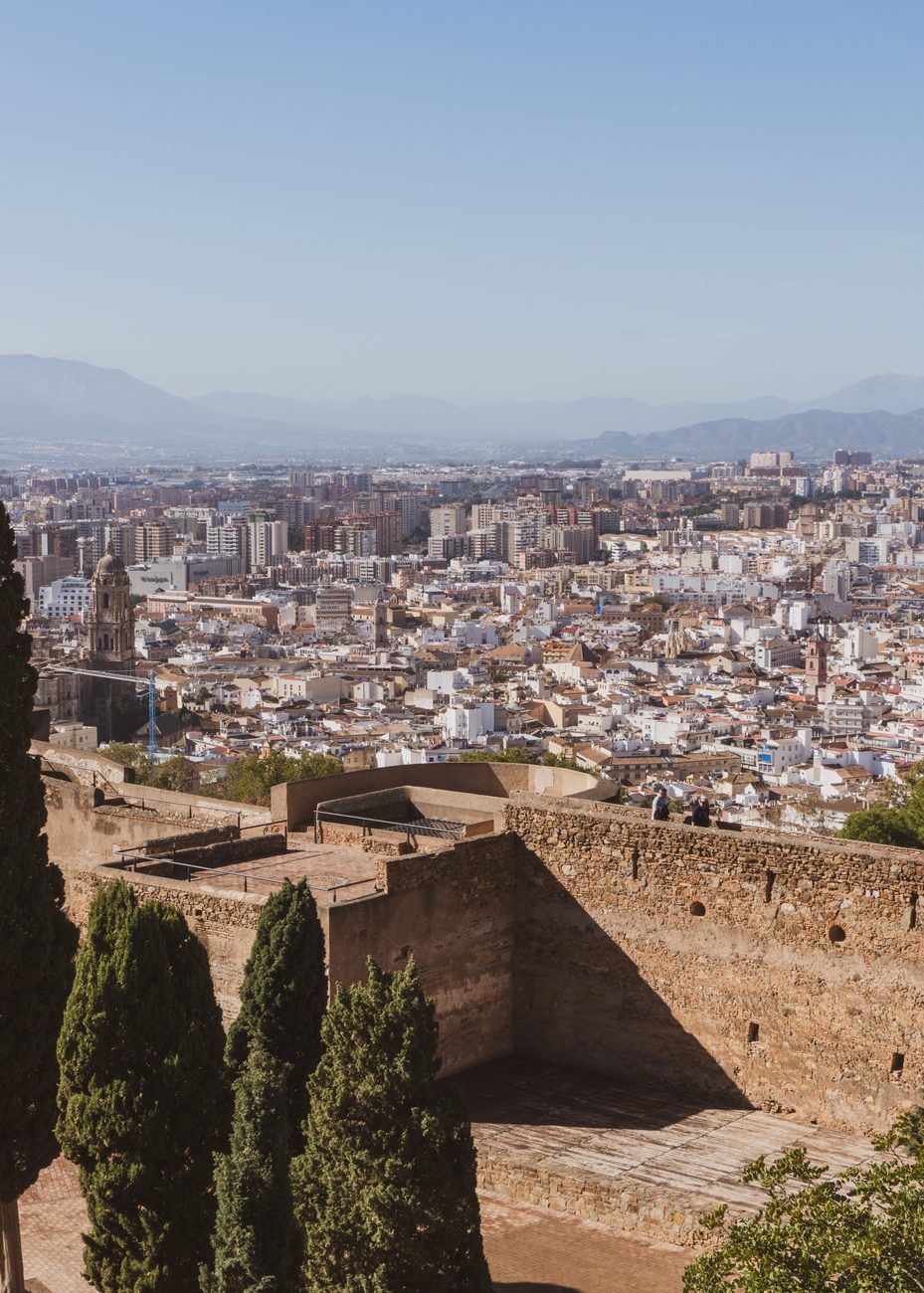
A working port with long beaches and more museums than many visitors expect, Malaga feels like a Spanish city that happens to sit by the sea. Streets near Calle Larios and Plaza de la Constitución are compact, often noisy after sunset, and easy to cover on foot. The first impression is sun, salt air and a concentration of museums and fortifications clustered on a small hill above the old port.
Expect crowds around Alcazaba and the Picasso Museum in high season and locals spilling into chiringuitos along the Paseo Marítimo. Many guides treat the place as a simple beach gateway; the city deserves time for its markets, fortress walk and evening waterfront. This suits travelers who like short walks, tapas-focused meals and museums, but less so those seeking quiet mountain escapes or full-day excursions every day.
Is 3 days in Malaga enough?
Three days are enough to see Alcazaba, the Picasso Museum, Muelle Uno waterfront and one or two beach neighbourhoods with relaxed pacing. A caveat: a true Costa del Sol road-trip or inland hikes like Caminito del Rey require extra time and a full day each.
Who This Guide Is For
Best for first-time visitors who want a mix of museums, beaches and food without long day trips. Less suitable for travelers seeking mountain hiking, nightlife-focused clubbing, or those on a very tight budget looking only for free options.
Local Tips for Malaga
Practical details that most travel sites skip — specific to Malaga.
- Take the Cercanías C1 train from Málaga Aeropuerto to María Zambrano station — ~12 minutes and tickets bought at the Renfe machines cost around €1.80–€2.50.
- Mercado Central de Atarazanas opens at 8:00 most days and many fish stalls close by mid-afternoon; go before 13:00 for full choice and the tapas bars inside.
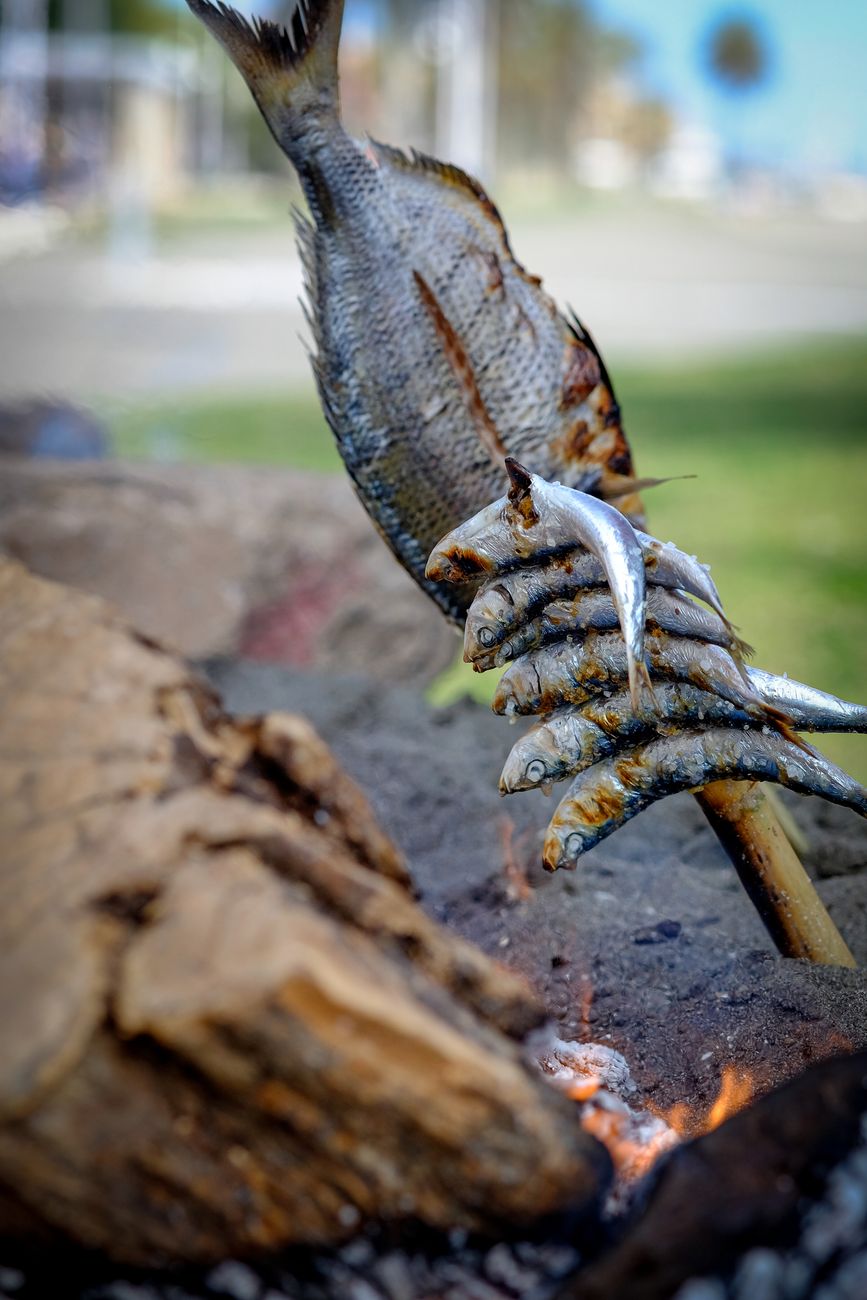
- Pedregalejo chiringuitos roast espetos (sardine skewers) over open coals; look for 'espeto' on the menu and expect €4–€7 per skewer in beach bars.
- Buy a Tarjeta Multi (reloadable transport card) at metro stations for about €2 and top it up for bus and metro rides — ticket machines accept cards and coins.
- El Tintero (El Palo) runs auction-style order calls; arrive early for seating and expect a noisy, cash-friendly scene with seafood plates from €6–€12.
How This Guide Was Prepared
This guide treats Malaga as a working seaside city with a strong museum scene and a serious local food culture, not only a beach stop. Many guides overfocus on sunny beaches or Picasso and skip how the port, markets and neighbourhood chiringuitos shape daily life and travel logistics. This guide was prepared through a structured research that combines destination research, geographic context, itinerary planning logic, and content review.
Plan Your Stay in Malaga
Use these planning pages to compare areas to stay, expected costs, seasonal timing, and local transport before booking.
Why Visit
There are concentrated cultural returns: Picasso Museum and Museo Carmen Thyssen sit within the Centro Histórico, so a museum-heavy day is efficient. The Alcazaba and adjacent Roman Theatre offer a compact archaeological pair with quick climbs and views over the port.
Beach and food culture are genuinely local: La Malagueta and Pedregalejo chiringuitos serve espetos and pescaíto frito that define the coastline experience. The port area Muelle Uno and Palmeral de las Sorpresas are modern public spaces for evening promenades.
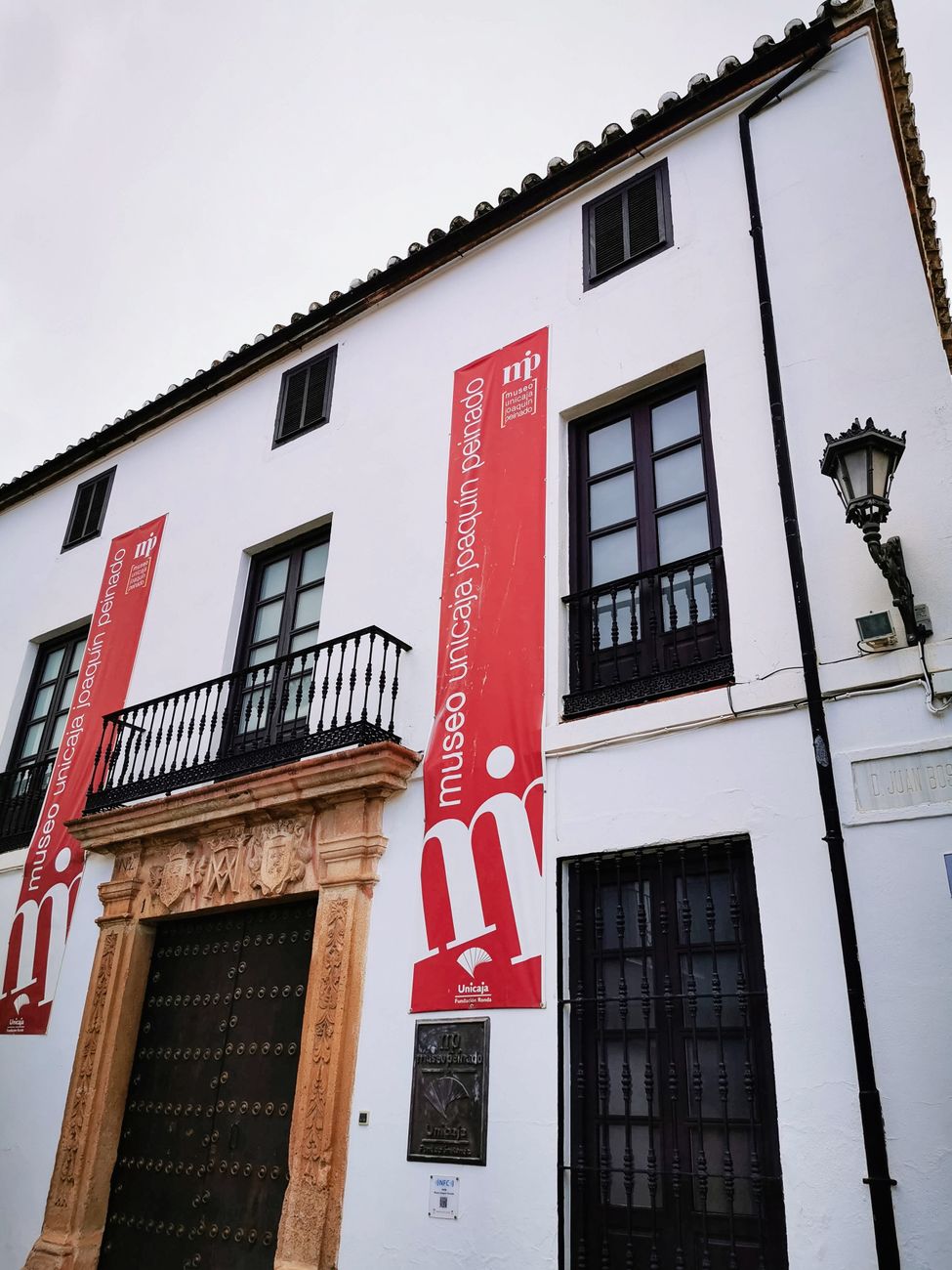
Transport makes short day trips practical: Renfe Cercanías C1 links the airport and María Zambrano to Fuengirola for seaside side-trips, while Córdoba and Ronda are reachable for full-day rail or coach excursions. These practical connections let three-day visitors add a focused outing without losing base time.
Quick Planning Tips
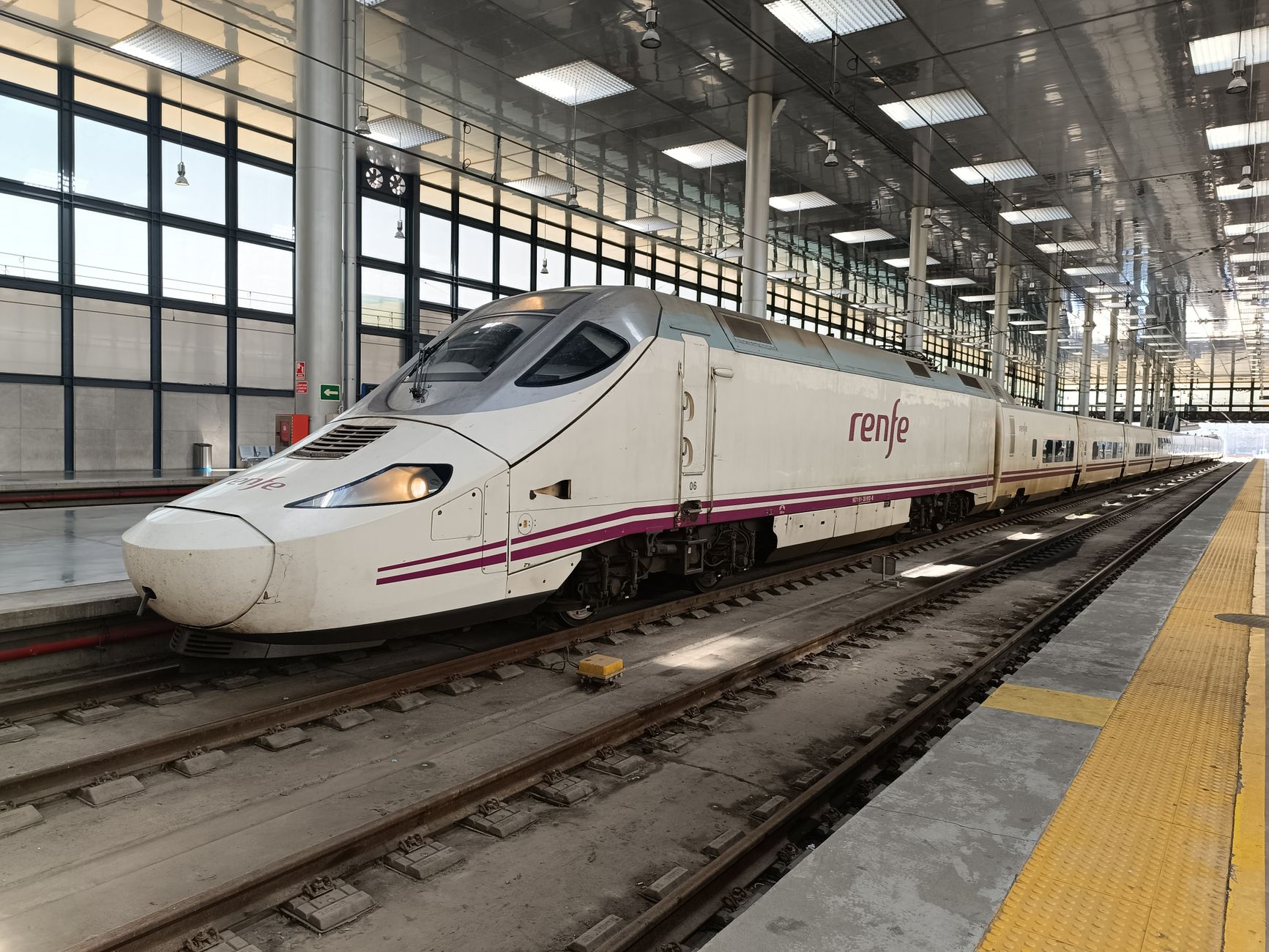
From Málaga Aeropuerto the fastest public option is the Renfe Cercanías C1 to María Zambrano or Centro Alameda; the ride is about 12 minutes and machines sell single tickets. Taxis from the airport to central neighborhoods range €20–€30 depending on luggage and hour.
Carry a small amount of cash for beach chiringuitos and some tapas bars; most restaurants and metro/bus machines accept contactless cards. Book museum timed entries (Picasso, Alcazaba combined ticket) for mid-morning slots in summer to avoid queues.
Avoid the mistake of planning only beach time in August: the city fills with local Feria events and many small businesses have altered hours then. Reserve at least one evening for a waterfront meal or a rooftop bar to experience local rhythms after shops close.
Day 1
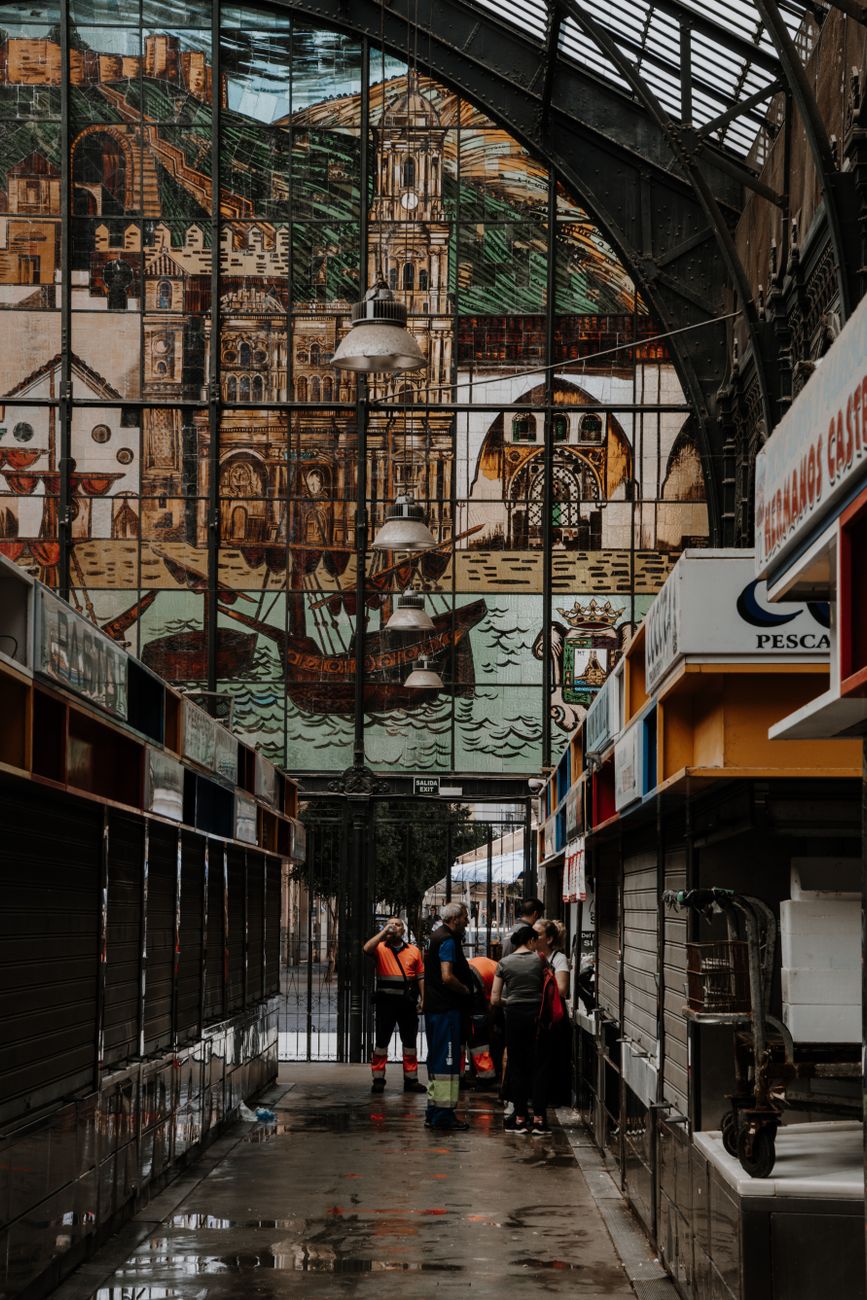
Morning: Start at Mercado Central de Atarazanas to sample olives, Iberico ham and fresh fruit — arrive by 09:00. Walk 5–8 minutes to Plaza de la Merced for the Picasso Museum; a typical visit takes 1–1.5 hours. Tickets for Picasso Museum are around €8–€12 depending on temporary shows.
Midday: From the museum it is a 6–10 minute walk to the Alcazaba and Roman Theatre. Explore both; a combined ticket for Alcazaba plus Gibralfaro often runs around €5–€6 and climbing to Gibralfaro on foot adds 20–30 minutes but yields the best sunset view over the bay.
Lunch: Eat at El Pimpi near the Roman Theatre for a classic Andalusian menu and an accessible atmosphere; set menus start around €12–€18 per person. Afternoon: Stroll down Calle Larios toward Plaza de la Constitución and the waterfront, allowing 10–15 minutes walking across the centre.
Evening: Walk along Muelle Uno and Palmeral de las Sorpresas for sunset and light dinner options. Many terraces stay open late; expect higher prices on the pier but steady views and people-watching.
Day 2
Morning: Take bus line 11 or a short taxi to Playa de la Malagueta for a relaxed beach hour and a coffee. From La Malagueta walk east along Paseo Marítimo — a 20–30 minute stroll or short bus ride will reach Pedregalejo, where local fishermen ship out espetos.
Lunch: Choose a chiringuito in Pedregalejo or El Palo; El Tintero in El Palo is famous for its auction-style service and seafood plates from about €6–€12. Be prepared for noise and a lively serving routine with many plates brought to shared tables.
Afternoon: Return to the city center and visit CAC Málaga (Contemporary Art Centre) in Soho or the Centre Pompidou in Muelle Uno; each is 10–20 minutes from the port on foot. Soho's street art and small galleries provide a different, more modern flavor than the old town.
Evening: Head back up to Gibralfaro for a sunset drink if not done on Day 1, or choose an evening tapas crawl through Plaza de la Merced and the adjacent neighbourhood. Public buses and short taxis cover the gaps if legs are tired.
Day 3
Morning: Reserve this morning for any museum missed earlier — Museo Carmen Thyssen or the Automobile and Fashion Museum are compact and near the historic centre. Plan 1–2 hours depending on interest and current exhibits; tickets generally range €5–€12.
Midday: Return to Mercado de Atarazanas for a last market lunch or pick up picnic items for the train to Nerja or a bus to Ronda if taking an afternoon day trip. Luggage storage services are available near María Zambrano station and some hostels offer late check-out for a fee.
Afternoon: If catching a late flight, allow 60–90 minutes to reach Málaga Aeropuerto from María Zambrano by Cercanías C1 and add airport security time. For an afternoon flight, leave the city centre at least 2.5 hours before departure to be safe during peak traffic or mid-summer lines.
Evening: For late departures, use the last hours to walk the Muelle Uno or sit at a beachside bar in La Malagueta; both areas are well-lit and lively after sunset but keep an eye on belongings.
Best Local Experiences
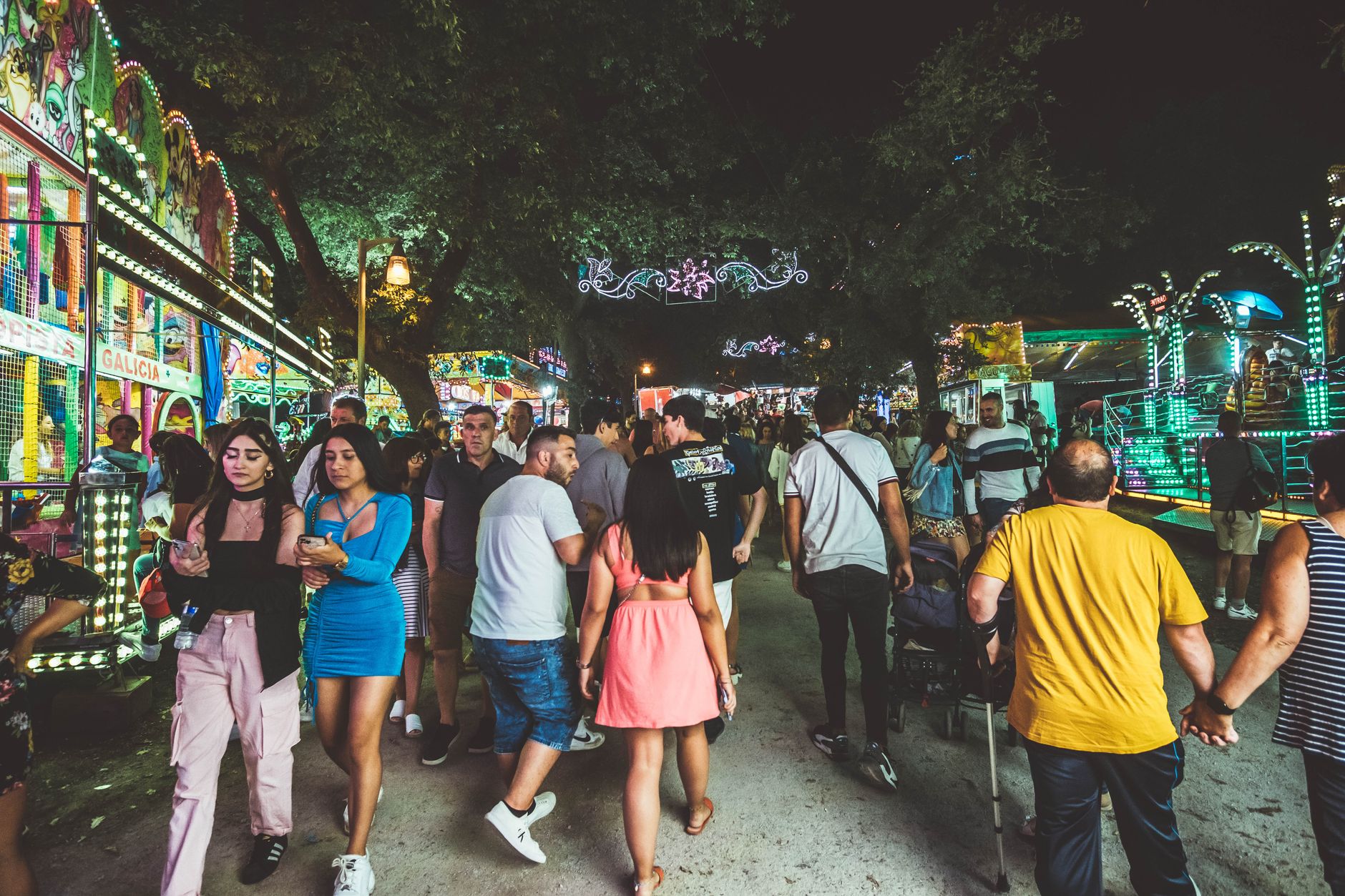
Feria de Agosto (Málaga Fair) is a weeklong August event with nightly casetas, flamenco, and fireworks; local hours and crowds peak late. Semana Santa processions in Holy Week feature elaborate pasos and are a major cultural moment, especially in the centre.
Atarazanas Market is more than food sellers — midday tapas inside the market are social and practical. Pedregalejo and El Palo chiringuitos: try espetos from skewered sardines over coals and watch local families eat late into the evening.
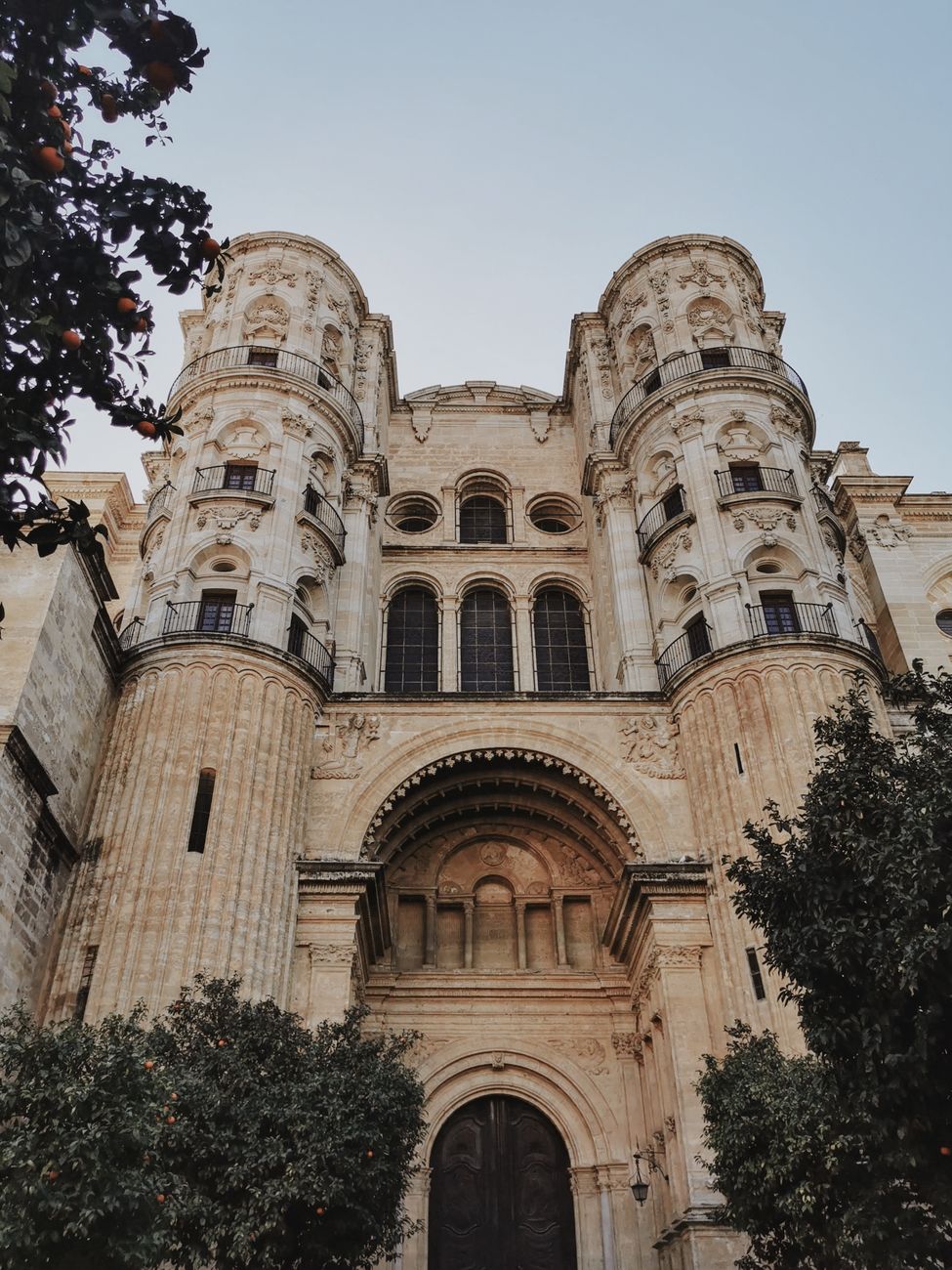
El Tintero in El Palo is an auction-style seafood experience that rewards early arrival. The Caminito del Rey is a dramatic day trip reachable by bus or train plus shuttle and needs advance booking for time slots. Soho street-art walks and CAC Málaga exhibitions offer a contemporary contrast to fortress and cathedral visits.
Where to Stay
Centro Histórico (Old Town): Best for first-time visitors who want museums, tapas and walking access to Picasso Museum and Alcazaba. Rooms range widely; expect €70–€160 per night (roughly $75–$170) for midrange hotels during shoulder seasons.
Soho / Muelle Uno area: Suits art lovers and people who prefer evening waterfront walks and contemporary galleries. Short distances to port promenades and CAC; expect €60–€130 per night (€65–$140) depending on season and room quality.
Pedregalejo / El Palo: Ideal for slow beach days and seafood chiringuitos; quieter at night compared with the old town but farther from main museums. Family apartments and guesthouses commonly run €55–€120 per night ($60–$130).
Food and Drink
Espetos: Sardines skewered and grilled over open coals, signature to the eastern beaches. Best in Pedregalejo or La Malagueta chiringuitos; expect €4–€7 per skewer.
Pescaíto frito: A mix of small fried fish such as calamari, anchovies and small hake. Order in a chiringuito or tapas bar; a shared plate costs €8–€15. Ajoblanco: A chilled almond and garlic soup often served with grapes; try at traditional tapas bars and expect €4–€7 per portion.
Porra antequerana: A thicker cold tomato soup similar to salmorejo, often topped with tuna or hard-boiled egg; commonly €3.50–€6. Churros con chocolate: For breakfast try Casa Aranda near Plaza de la Constitución for long-standing service; expect €3–€6 per portion.
Local wine and sweet wines: Málaga DO and Pedro Ximénez are local sweet styles; small glasses in tapas bars run €2.50–€5. For dinner splurge, book José Carlos García (one Michelin star) or choose El Pimpi for a classic Andalusian dinner with house wines for €18–€35 per person.
Getting Around
Cercanías Renfe lines: C1 connects the airport, María Zambrano and Fuengirola; C2 serves Álora and other inland stops. Metro de Málaga operates Lines L1, L2 and L3 across the city and suburbs.
EMT Málaga buses cover most neighbourhoods; Tram does not run in central corridors. Single bus or metro trips cost about €1.30–€1.50, and the Tarjeta Multi is a reloadable contactless card available at metro stations for about €2 plus top-up. The Renfe ticket to/from the airport is roughly €1.80–€2.50.
Apps: use Renfe Cercanías app for train times, Metro de Málaga app for metro schedules, and EMT Málaga app for buses; Moovit and Google Maps work reliably for route planning. Taxi from the airport to centre is typically €20–€30; ride-hail services operate but local taxis are plentiful.
Best Time to Visit
Spring (March–May) offers warm, pleasant weather typically 15–25°C with fewer crowds and good pricing on hotels; this is high value for outdoor and museum time. Early autumn (September–October) keeps warm sea temperatures around 22–28°C with reduced daytime crowds and reasonable rates.
Summer (June–August) is hot and busy, often above 30°C in July and August, with local Feria in August that drives up accommodation prices and noise into the night. Winter (December–February) is mild compared with northern Europe, 11–17°C, and suits museum visits and quieter streets, though sea swimming will be colder.
Budget and Practical Tips
Daily budget realistic ranges: Budget traveler €50–€80 per day, midrange €120–€180, comfortable €220+. Breakdown for a midrange day: accommodation €70–€110, food €30–€50, local transport €5–€10, museum entries €10–€20.
Museum entry examples: Picasso Museum €8–€12, Alcazaba/Gibralfaro combo around €5–€7, Centre Pompidou Málaga about €6–€9; prices fluctuate with temporary shows. A taxi from María Zambrano to the airport is roughly €20–€30.
Tipping: Rounding up small bills is common. For sit-down meals, 5–10% for good service is appreciated but not mandatory. Expect café culture where small change and quick service payments are normal.
FAQ
Is Malaga safe for solo travelers?
Generally yes; central tourist areas and beachfront promenades are safe by day and evening, though standard precautions against pickpockets in crowded spots apply.
How do I get from the airport to the city center?
Take Renfe Cercanías C1 to María Zambrano or Centro Alameda (~12 minutes) or a taxi for €20–€30 depending on traffic and luggage.
Is a Malaga city card worth it?
The Malaga Card can pay off if visiting three or more paid museums plus using airport transfers; for two museums and light transit, pay-as-you-go is usually cheaper.
Which beaches are best for families?
Playa de la Malagueta has calm sand, lifeguards in summer and easy access to playgrounds and cafés.
Can day trips to Ronda or Caminito del Rey be done from Malaga?
Yes; both are doable as full-day outings by bus or train plus shuttle, but Caminito del Rey requires advance timed tickets and at least half a day.
Are chiringuitos cash-only?
Some smaller chiringuitos accept only cash; many accept cards, but carry €20–€40 for seaside spots.
How many days do I need to see the highlights?
Three days covers the main museum cluster, Alcazaba, a beach neighbourhood and a relaxed evening schedule; extra days are needed for multiple area day trips.
Is public transport easy for non-Spanish speakers?
Yes; ticket machines have English, station signs are clear, and apps like Renfe Cercanías or EMT Málaga offer schedules in English.
Conclusion
Three days provide a compact and satisfying view of fortress views, museum highlights and seaside food culture. Most travelers will leave remembering the contrast between museum interiors and salty chiringuito grills more than any single attraction.
If time gets tight, prioritise a morning at the Alcazaba plus the Picasso Museum and end the day with espetos at Pedregalejo or a walk along Muelle Uno at sunset; that sequence yields a clear sense of why visitors return.
How this guide was prepared
This guide was prepared through a structured research that combines destination research, geographic context, itinerary planning logic, and content review.