
Three-Day Practical Guide to Nerja, Spain
A frank 3-day plan for Nerja with transit, key sights, meal picks, budgets and timing to make the most of the coast without wasting time.
A realistic three-day itinerary for Nerja focusing on caves, coastline, neighbourhood walks, local food and transit details for efficient sightseeing.
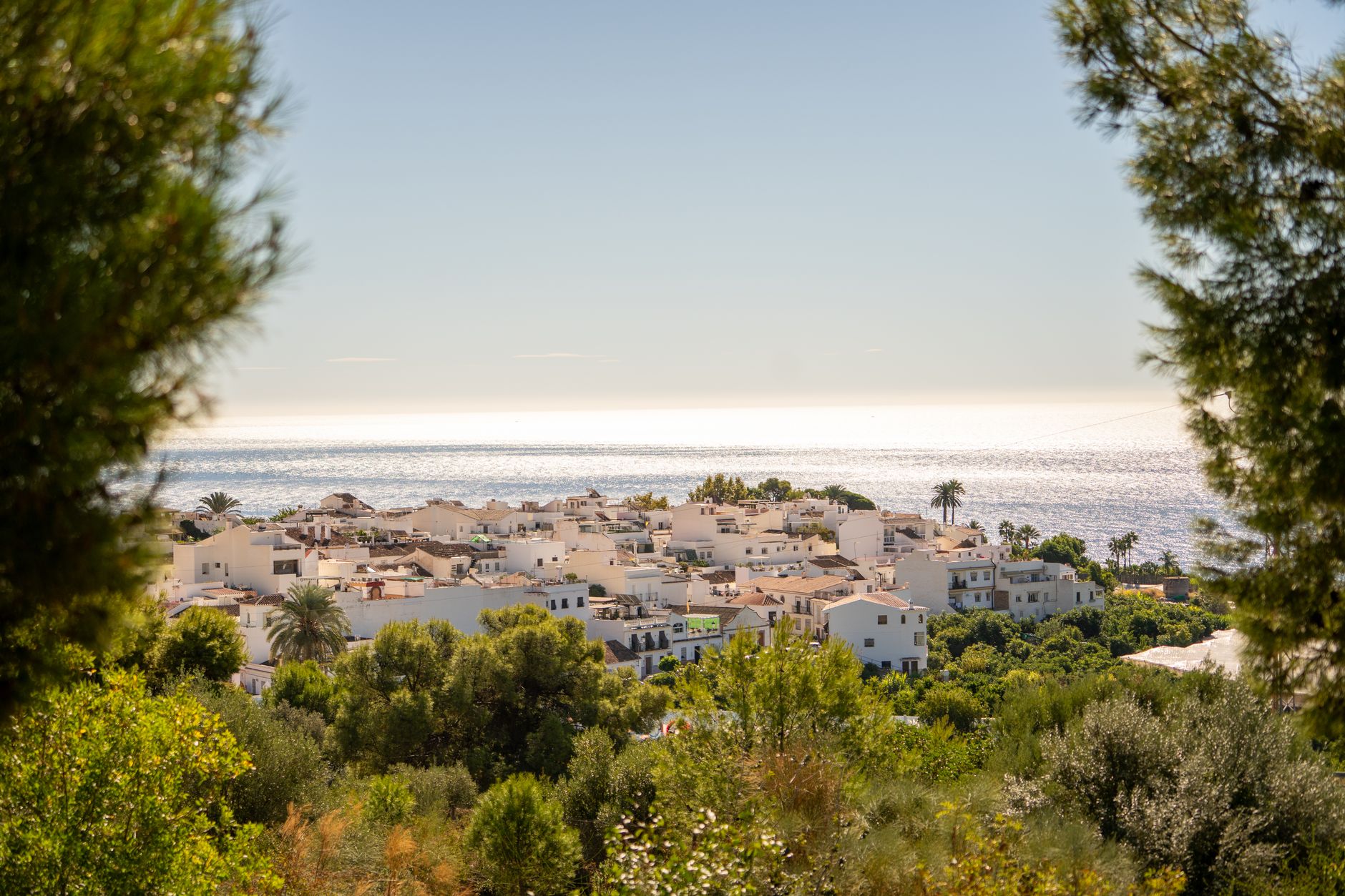
First impressions are of a small seaside town built on cliffs and narrow streets where the main public spaces face the sea. The busiest strip is the old town around Balcón de Europa and Calle Carabeo; outside those lanes the town quickly feels low-key and holiday-oriented. Noise levels rise in July and August, when beach traffic and day-trippers from Málaga share the same streets and parking becomes the daily headache. The place suits walkers who like short cliff paths, day swims and eating seafood at small restaurants rather than museum crawls or nightlife-focused travel.
Is 3 days in Nerja enough?
Yes—three days is enough to see the Cueva de Nerja, walk the Balcón de Europa, spend time on Burriana and Maro beaches, and visit Frigiliana, with time for relaxed meals. The cave and peak summer beach time are the two things that require advance booking or early starts; skip museum detail if time is tight.
Who This Guide Is For
Best for travellers who enjoy short walks, beaches, and simple tapas-focused dining rather than museum-heavy itineraries. Poor fit for visitors who want an in-depth art or nightlife scene—those are stronger in Málaga or Granada.
Local Tips for Nerja
Practical details that most travel sites skip — specific to Nerja.
- Book Cueva de Nerja tickets online in advance; adult tickets are about €12–€16 and popular time slots in July–August sell out days ahead.
- The main intercity bus operator is ALSA: Málaga bus station to Nerja takes around 50–60 minutes and single fares are typically €4–€7 one-way when bought on the ALSA app.
- Balcón de Europa is pedestrian-only after late afternoon on summer weekends; expect limited taxi access and use the Estación de Autobuses de Nerja for drop-offs.
- Burriana Beach (Playa de Burriana) has pay parking and a cluster of chiringuitos; parking can cost €1.50–€2 per hour in summer and fills by 11:00.
- For a quieter swim, take the N-340 west to Playa de Maro and walk the headland trail; the small car park at Maro fills early and there are no cafés on the beach.
How This Guide Was Prepared
This guide treats Nerja as a compact coastal town whose main attractions are outdoors and seasonal: caves, beaches and cliffside streets. Many guides treat it like a daytrip from Málaga; the aim here is to show what fits into three days and what will feel rushed, with practical timing and honest notes on crowds and costs. This guide was prepared through a structured research that combines destination research, geographic context, itinerary planning logic, and content review.
Plan Your Stay in Nerja
Use this itinerary as your starting point, then compare areas to stay, transport options, seasonal timing, and realistic daily costs before booking.
Why Visit
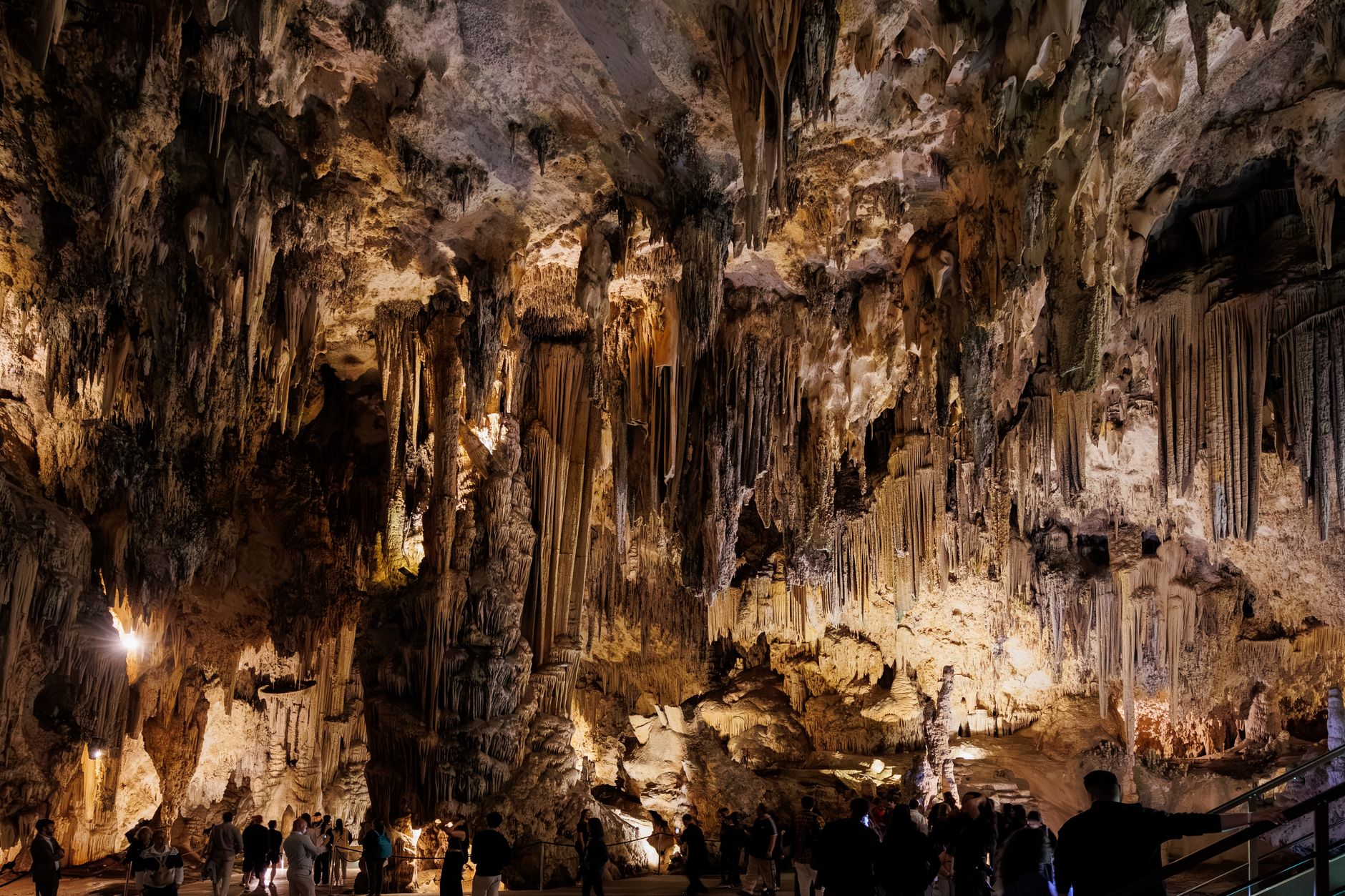
The cave system: Cueva de Nerja is a major show-cave with large caverns, prehistoric paintings and scheduled guided tours—its scale and acoustics make it worth more than a passing visit. Coastal variety: within short walks there are busy sands like Playa Burriana and quieter coves around Maro with clear water for snorkelling. Compact walkability: the old town, Plaza de España, Iglesia de El Salvador and the Balcón de Europa can be covered on foot, which is valuable for short stays. Close day trips: Frigiliana is 10 minutes by bus and the Acueducto del Águila and several hiking routes in the Sierras of Axarquía are reachable without changing base.
Quick Planning Tips
Most travellers arrive via Málaga–Costa del Sol Airport and take ALSA buses from Málaga bus station; the ride is roughly 50–60 minutes and buying on the ALSA app often gives the best price. Local currency is euro; many smaller tapas bars are cash-preferred for small tabs, so carry a mix of cards and €20–€40 in notes. Avoid planning the cave visit and a major beach on the same afternoon in high season because cave time slots are fixed and beaches are busiest midday; instead book the cave for early morning or late afternoon. On busy summer days, park at designated lots or use the town bus/taxi—street parking near the Balcón is very limited and enforcement is regular.

Day 1
Morning: Start at the Cueva de Nerja for an early guided entry (allow 90–120 minutes including the small museum and interpretation panels). The cave is 6–7 km east of the town centre, a short taxi ride of 10–15 minutes from Plaza de España or a local bus trip if timetables align. Late morning: Return to the old town and walk the Balcón de Europa and adjoining Calle El Barrio for photos and a light coffee; the Balcón is small but offers the clearest view of the coast. Lunch: Eat at a chiringuito on Playa Burriana—El Pulguilla is a reliable, central option offering espetos and fried fish; expect €12–€20 per person for a seafood plate. Afternoon: Walk the Paseo de los Carabineros toward Playa de Carabeillo (10–15 minutes from the Balcón) and swim or rent a paddleboard at Burriana if beach time is preferred. Evening: Return to the old town for tapas around Plaza de España; small bars remain lively until late and are the easiest way to sample several dishes without a formal dinner reservation.

Day 2
Morning: Take the local bus or drive 6 km west to Playa de Maro for snorkelling or the coastal walk toward the Cerro Gordo cliffs; plan 90–120 minutes for trail access and swims. The Maro car park is small, so arrive early or use a taxi from the town centre (10–15 minutes). Late morning: Visit the Mirador del Cerro Gordo for coastal views and then continue to viewpoints above the Acantilados de Maro—bring water and sun protection as shade is sparse. Lunch: Return to Nerja or stop at a roadside bar in Maro for fried fish and a salad—expect simple menus and pay-in-cash options. Afternoon: Head to Frigiliana (bus or taxi, about 10–15 minutes from Nerja); walk the Barrio Alto, see the Mudejar patios and the Church of San Antonio. Evening: Dine in Frigiliana or return to Nerja for a quieter dinner in Plaza Cavana; Frigiliana has a few restaurants with terrace seating and views across the coast.

Day 3
Morning: Choose a relaxed start with breakfast at a local bakery near Plaza de España, then visit the Museo de Nerja and Iglesia de El Salvador; allow 60–90 minutes combined. Late morning: Walk or taxi to the eastern headland paths for cliff views toward Torrox and the Rio Chillar trailhead; the river gorge walk is an alternative full-morning activity but requires shoes that can get wet. Lunch: Have a light meal at a seaside café on La Caletilla or near the Balcón; pick something quick if catching a midday bus. Afternoon: If checking out and catching an afternoon flight from Málaga, take the ALSA bus from Estación de Autobuses de Nerja at least 90–120 minutes before recommended airport arrival time—bus ride plus airport security means leaving Nerja 3 hours before flight. Evening: For later departures, finish with a final gelato on Calle Almirante Ferrándiz and a slow stroll along the promenade before heading to the bus or taxi rank.

Best Local Experiences
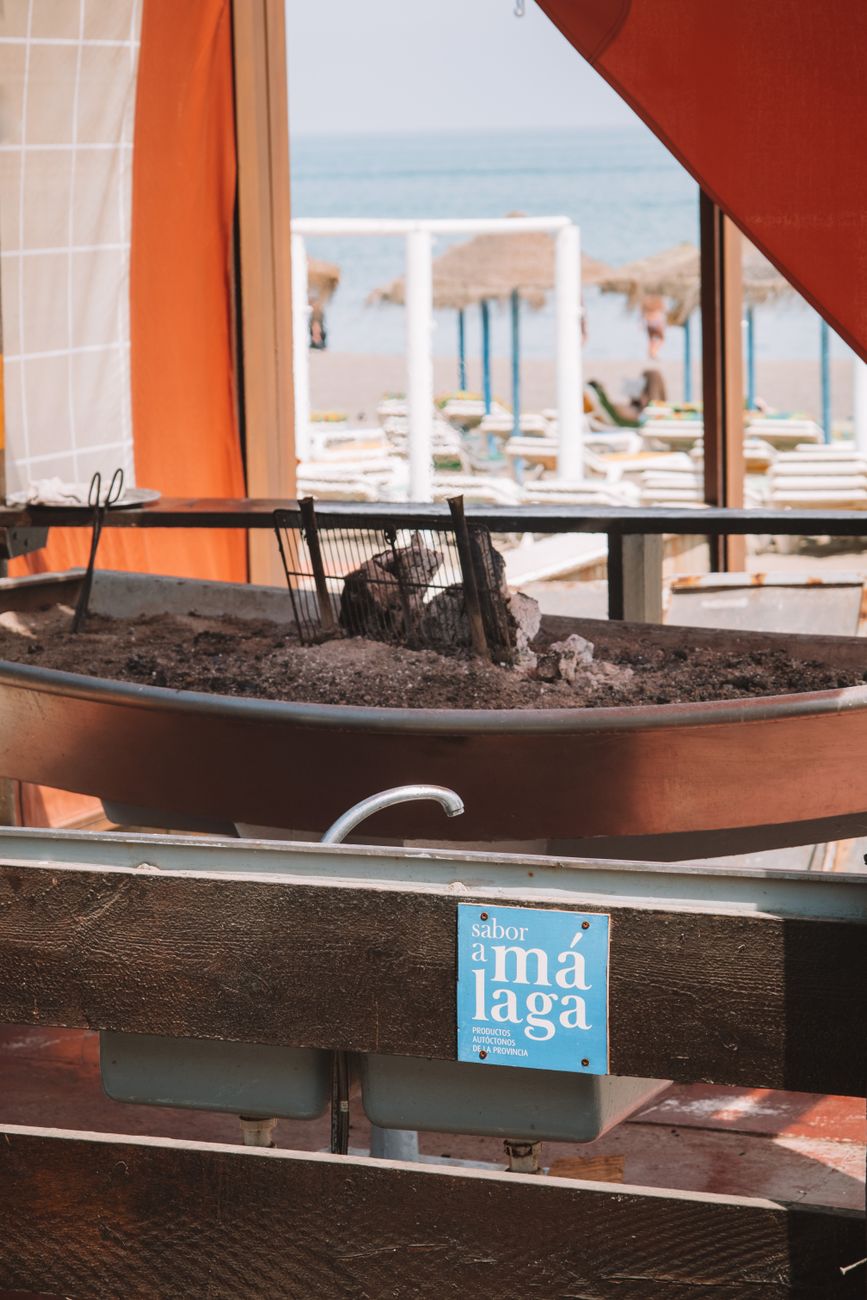
Walk the Balcón de Europa at sunrise or late evening to avoid daytime crowds. Book the Cueva de Nerja guided visit and listen to the acoustic demonstration in the Sala del Cataclismo. Swim or eat at a Burriana Beach chiringuito and watch traditional espetos (sardine skewers) cooked over charcoal. Take the coastal walk to Playa de Maro and snorkel in the rocky coves around Punta de la Cruz. Spend a morning in Frigiliana’s Barrio Alto, looking for ceramic workshops and its small view terraces. Hike part of the Río Chíllar gorge upstream from Nerja for a wet, sandy walk that is cooled by the river and not suitable for flip-flops. Visit the Acueducto del Águila for photography and a short historical detour on the road toward Frigiliana. Time the local feria (late June) or Semana Santa processions if those civic events are of interest, but expect crowds and limited restaurant availability on those dates.
Where to Stay
Old Town (around Balcón de Europa and Plaza de España): Suits first-time visitors who want walkability to bars, restaurants and viewpoints. Rooms here range €80–€160/night in high season (about €85–€170 USD). Burriana Beach area (Avenida Castilla Pérez and beachfront): Suits beach-focused travellers who prefer direct sea access and chiringuitos; expect small hotels and apartments €70–€150/night (€75–€160 USD). Carabeo/Caletilla pocket: Suits quieter stays only a short walk from the Balcón and small coves—good for travellers who want easy access to beaches but less noise; expect €65–€130/night (€70–€140 USD). Choose based on mobility: old town is hilly with steps, Burriana has easier beach-level access and small parking lots for those driving.
Food and Drink
Espetos de sardinas: Sardines skewered and grilled over open coals, most visible at Burriana chiringuitos; a plate or portion costs around €6–€12. Pescaíto frito: Small mixed fried fish served at seaside bars—shared plate typically €8–€16. Ajoblanco: Cold almond and garlic soup finished with grapes or melon, common in local menus; a starter portion is about €4–€7. Tortilla española with jamón: Classic potato omelette sometimes served at breakfast or tapas bars; expect €3–€6 per portion. Málaga sweet wine (Pedro Ximénez or Moscatel): Found by the glass in many restaurants, €2.50–€6 depending on quality. Breakfast option: Tostada con tomate y aceite at a local panadería near Plaza de España—€2.50–€4. Street food: Small bocadillo sandwiches or montaditos at tapas bars around Calle Pintada for €2–€5 each. Dinner recommendation: choose a seafood-focused restaurant near the Balcón or a respected chiringuito on Burriana for fresh catch; mains typically €12–€25 per person.
Getting Around
Intercity buses: ALSA runs frequent services from Málaga bus station to Nerja; journey time 50–60 minutes and one-way fares about €4–€7. Local buses and shuttles: A small local bus network links Burriana, the cave and the town centre—check the timetable at Estación de Autobuses de Nerja or ask at the tourist office. Taxis: Taxi rank at the Balcón de Europa and the bus station; airport taxi to Málaga costs roughly €70–€90 depending on time and luggage. Walking: Most central attractions are within 15–25 minutes on foot of each other but expect steps and short steep streets. Apps and cards: Use the ALSA app for intercity tickets and Google Maps for walking routes; there is no unified metro or tram in the town. Single short taxi rides in town commonly run €4–€8; parking charges apply at main beaches in summer.
Best Time to Visit
High season (July–August): Warmest sea temperatures and fullest beaches; daytime highs often 28–32°C, with crowded streets and higher prices. Shoulder seasons (May–June and September–October): Best balance of sea temperature (water still warm in September), fewer crowds and lower accommodation costs; daytime highs usually 20–27°C. Winter (November–March): Mild days can reach 15–20°C but water is cold and some beachfront cafés close for months; good value and quiet streets for off-season walkers. For best value and comfortable crowds, aim for late May–early June or late September—these months offer good swimming and easier booking without the peak summer premium.
Budget and Practical Tips
Sample daily budget (per person, mid-range): Accommodation €70–€120 (EUR) / €75–€130 (USD), food €25–€45 / $27–$50, local transport €5–€10 / $5–$11, entry fees (Cueva de Nerja) €12–€16 / $13–$18. Total daily mid-range: roughly €115–€190 (about $125–$210). Cheaper budget travellers can aim for €60–€90/day by using hostels or budget apartments and cooking; high-season hotel rates will push totals higher. Tipping: Rounding up small bills in cafés is common; for sit-down meals leave 5–10% for good service—service charges are not usually automatic. Practical tips: carry sunscreen and a refillable bottle, have small change for beach parking and chiringuitos, and print or screenshot the ALSA ticket QR-code in case of poor mobile reception.
FAQ
How safe is Nerja for solo travellers?
Nerja is generally safe; petty theft can occur in crowded summer areas, so keep valuables secure and avoid leaving bags unattended on beaches.
Is public transport reliable for day trips to Frigiliana and Málaga?
Yes—ALSA connects Málaga and Nerja reliably and local buses serve Frigiliana; check timetables in advance for return legs, especially on Sundays.
Are Cueva de Nerja tickets worth it and is there a city pass?
The cave visit is worth it for the scale and acoustics; there is no Nerja-wide city pass—book cave tickets separately online and consider combined transport purchases on ALSA for discounts.
Can beaches be reached on foot from the Balcón de Europa?
Burriana and La Caletilla are walkable (10–20 minutes) but Maro and some coves require a short taxi or bus ride and a walk from the car park.
What is the best way to get from Málaga Airport to Nerja late at night?
Late-night ALSA options are limited; a pre-booked taxi is the reliable option and typically costs €70–€90; check return bus schedules if flights are late.
Are there medical facilities or pharmacies open on Sundays?
There is a local health centre and pharmacies with rotating on-call hours; check pharmacy rota posted in town or ask at the tourist office for Sunday coverage.
Is Nerja family-friendly?
Yes—shallow beaches like Burriana, calm coves and family-friendly restaurants make it easy for families, but watch for steep streets with strollers in the old town.
Can a rental car be useful or is walking enough?
A rental car is useful for exploring Maro headlands, Acueducto del Águila and rural Axarquía; for a purely town-focused visit walking, taxis and buses are usually sufficient.
Conclusion
Three days here deliver a clear slice of the coast: the cave, the Balcón viewpoint, one busy beach and one quieter cove plus a short visit to Frigiliana. The strongest memories will likely be the cave chamber scale, a seafood meal by the sea and the cliffside vistas at sunset. If time runs short, prioritise the Cueva de Nerja morning slot or a late-afternoon Balcón walk—both offer the clearest sense of what makes the town different from nearby Málaga or Torremolinos.
How this guide was prepared
This guide was prepared through a structured research that combines destination research, geographic context, itinerary planning logic, and content review.