
Managua: Practical 3-Day Itinerary and City Travel Guide
A practical 3-day Managua itinerary covering Centro Histórico, Masaya, markets, transport tips, budgets and safety advice for planning a short trip.
A clear, no-nonsense 72-hour plan for seeing the city's main sights, eating well, and moving around efficiently without wasting time on tourist traps.
First impressions are often a mix of wide avenues, big government buildings and lively street markets. The city center bears visible scars from the 1972 earthquake; that creates an odd urban patchwork where modern malls and open-air mercados sit side by side. Noise, traffic and construction are part of the scene; pedestrians, vendors and motorbikes navigate the same narrow sidewalks. This is a city for short, practical visits rather than slow strolls — it suits travelers who prefer markets, museums and a compact mix of urban and short nature trips.
Is 3 days in Managua enough?
Three days are enough to see central landmarks, walk the waterfront at Puerto Salvador Allende, and do a half-day trip to Masaya Volcano and the artisan market. The honest caveat: a full exploration of nearby colonial Granada or day trips further north will need extra days.
Who This Guide Is For
Best for travelers who want an urban, budget-conscious trip that mixes markets, museums and a short nature outing. Poor fit for those seeking beach time or a slow colonial town stay.
Local Tips for Managua
Practical details that most travel sites skip — specific to Managua.
- Augusto C. Sandino International Airport (MGA) to Zona Rosa or Centro taxis usually run USD 15–25; use InDrive to compare offers and confirm price before boarding.
- Mercado Roberto Huembes is the place for hammocks, leather and local knickknacks; sellers expect cash (córdobas) and common bargaining ranges are 30–50% off an initial price.
- Public microbuses called rutas run along Carretera a Masaya, Avenida Bolívar and Carretera Norte; fares inside the city are typically C$10–30 depending on distance and drivers rarely give change.
- Volcán Masaya National Park charges an entrance fee for foreigners (roughly USD 5–15 depending on viewpoint and vehicle); night-time crater views are popular and require a taxi or organized transfer.
- Puerto Salvador Allende has a waterfront promenade and seafood stalls that fill up after 5:00 PM; street-food vendors there often accept dollars but pay in córdobas for lower prices.
How This Guide Was Prepared
Managua is a working capital where reconstructions, wide boulevards and market life coexist with recent ruins and modern malls. Many guides treat the city as a quick transit point to Granada or León; this guide treats the city itself as the destination, showing where local life happens and where time is worth spending. This guide was prepared through a structured research that combines destination research, geographic context, itinerary planning logic, and content review.
Plan Your Stay in Managua
Use this itinerary as your starting point, then compare areas to stay, transport options, seasonal timing, and realistic daily costs before booking.
Why Visit
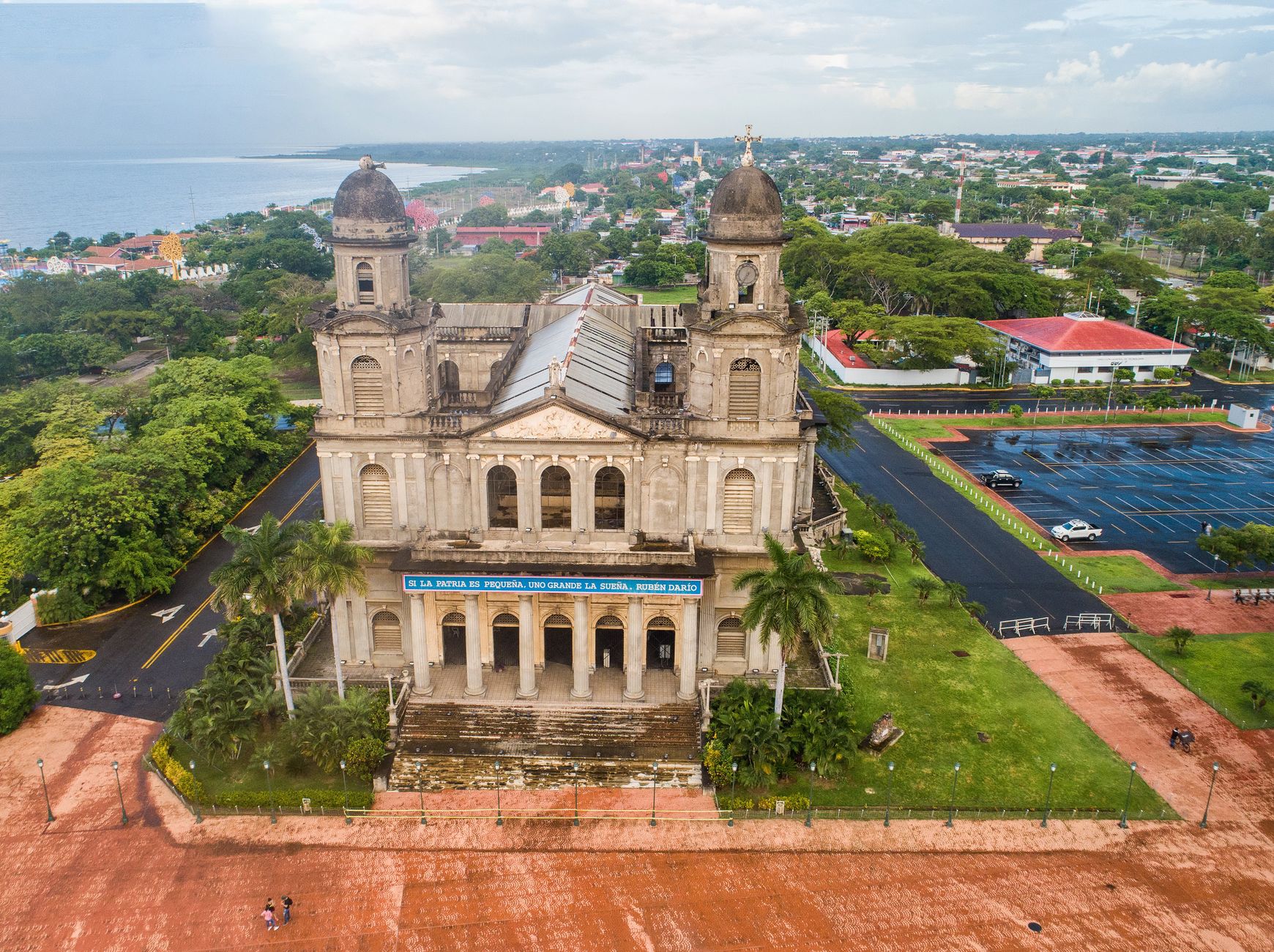
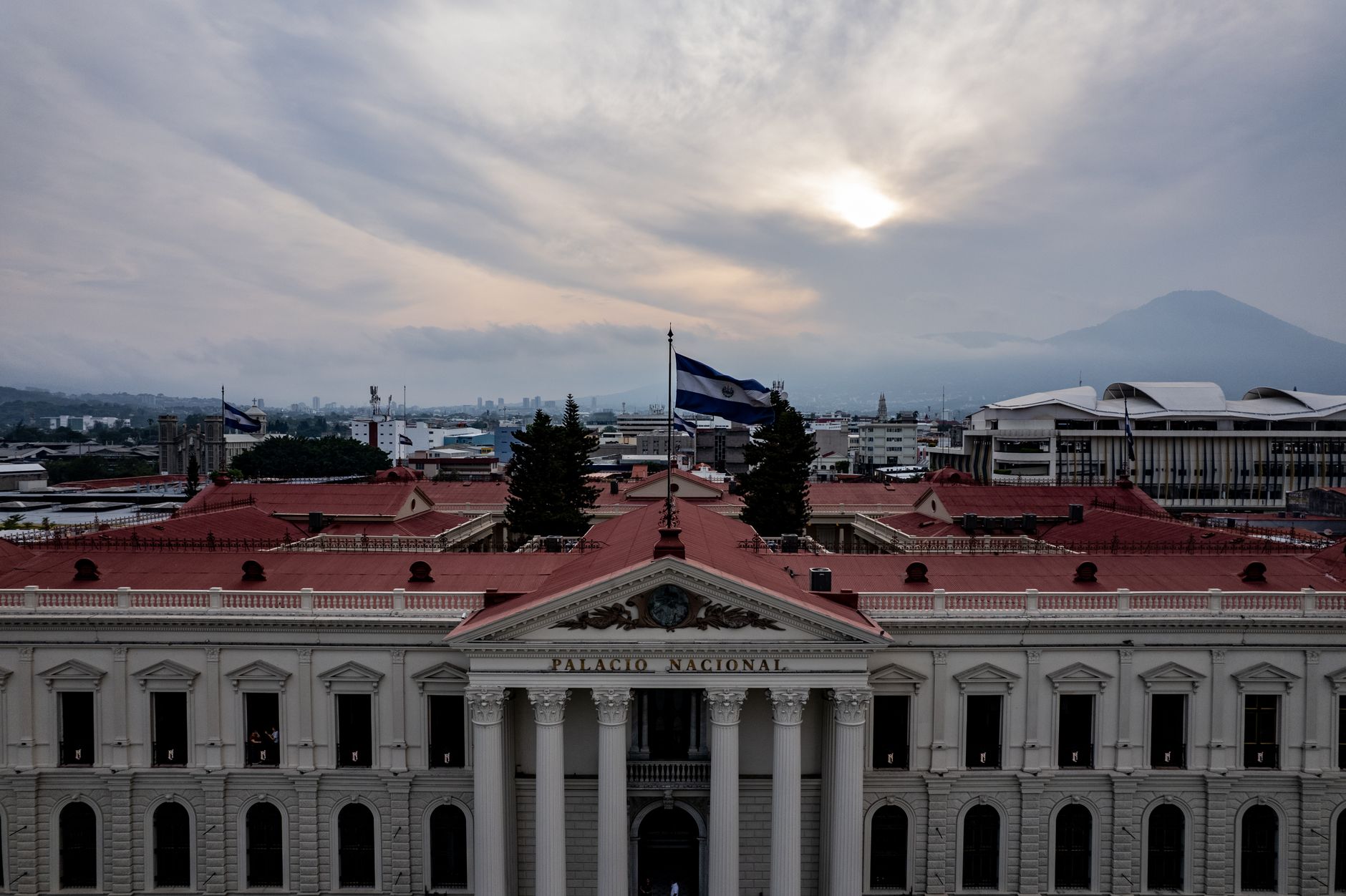
The capital offers a practical base for seeing a mix of urban and volcanic attractions without long travel times. The Old Cathedral (Catedral de Santiago) and the Palacio Nacional de la Cultura provide a quick primer on 20th-century politics and architecture. Puerto Salvador Allende gives accessible waterfront dining and sunset views without the long transfers needed for coastal towns. A short drive to Volcán Masaya puts an active volcanic crater and a large artisan market within reach for an afternoon trip.
Quick Planning Tips
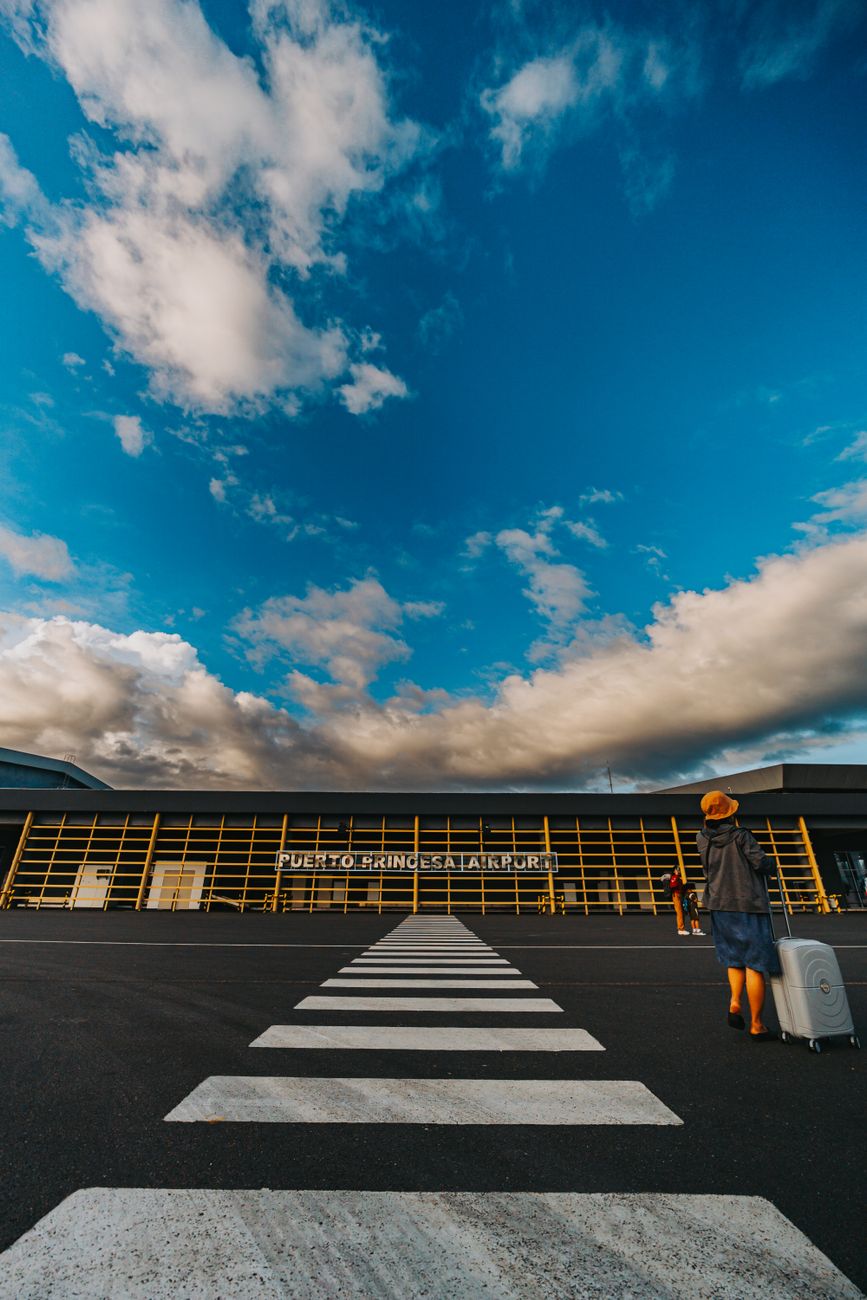
The most reliable airport option is a taxi or pre-arranged shuttle from Augusto C. Sandino International Airport (MGA); allow 30–45 minutes to Zona Rosa or Centro depending on traffic. Bring córdobas for markets and small vendors; ATM withdrawals are available but some ATMs charge high fees. Avoid the planning mistake of treating Centro as fully walkable — pick a cluster of sights per morning and use short taxi rides between them to save time and heat.
Day 1
Start at the Old Cathedral (Catedral de Santiago) in Plaza de la Revolución to see the ruins and learn about the 1972 earthquake; spend 30–45 minutes here. Walk or take a 5–10 minute taxi to Teatro Nacional Rubén Darío and the nearby Palacio Nacional de la Cultura for gallery rooms and government facades; allocate 45–60 minutes. From there, catch a short taxi (5–15 minutes) to Mercado Roberto Huembes for a late-morning market stroll and cheap local snacks; plan 60–90 minutes. Lunch at the comedor stalls inside Huembes gives cheap, authentic plates such as vigorón or gallo pinto for C$50–150. In the afternoon, head to Loma de Tiscapa (10–15 minutes by taxi) for panoramic views and the Sandino statue; stay for sunset photography. Dinner can be at Puerto Salvador Allende where seafood kiosks and restaurants open toward evening; the promenade fills after 5:00 PM and travel time from Tiscapa is roughly 10–15 minutes by taxi.
Day 2
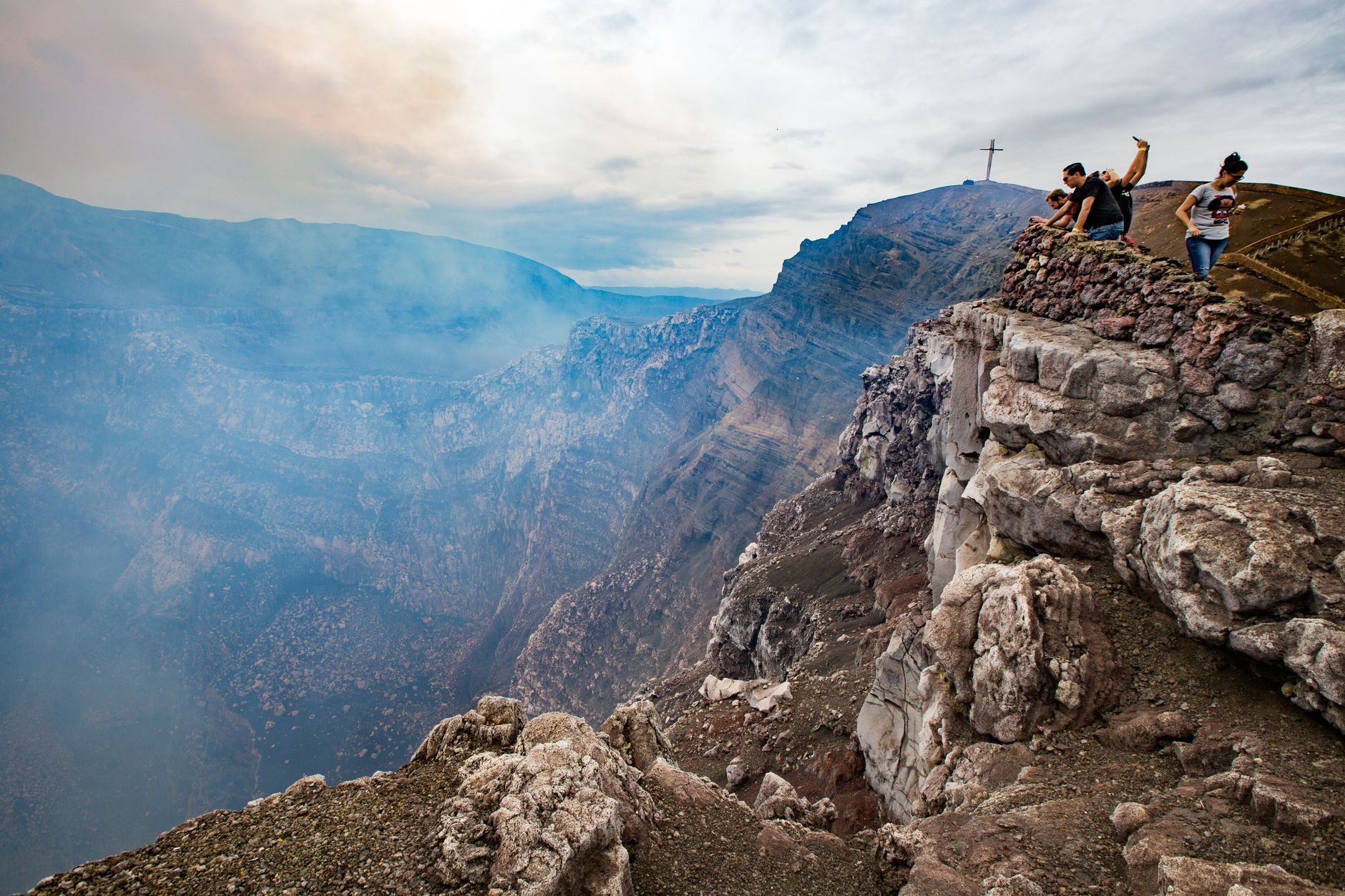
Dedicate this day to a half-day excursion to Masaya. Take a taxi or colectivo on Carretera a Masaya; travel time is typically 30–45 minutes from central neighborhoods depending on traffic. Start at Volcán Masaya National Park for the crater viewpoints; foreign visitor fees vary but budget USD 5–15 for entrance and views. After the volcano, visit the Mercado de Artesanías de Masaya for hammocks, woodwork and leather goods; the market is the city's main craft hub and it opens through the afternoon. Return to Managua in the late afternoon and spend the evening in Zona Rosa or at Galerías Santo Domingo mall for a more modern contrast — shopping, theatre options and air-conditioned dinner spots are available. Use taxis or InDrive for the return trip and expect 25–40 minutes back to the center.
Day 3
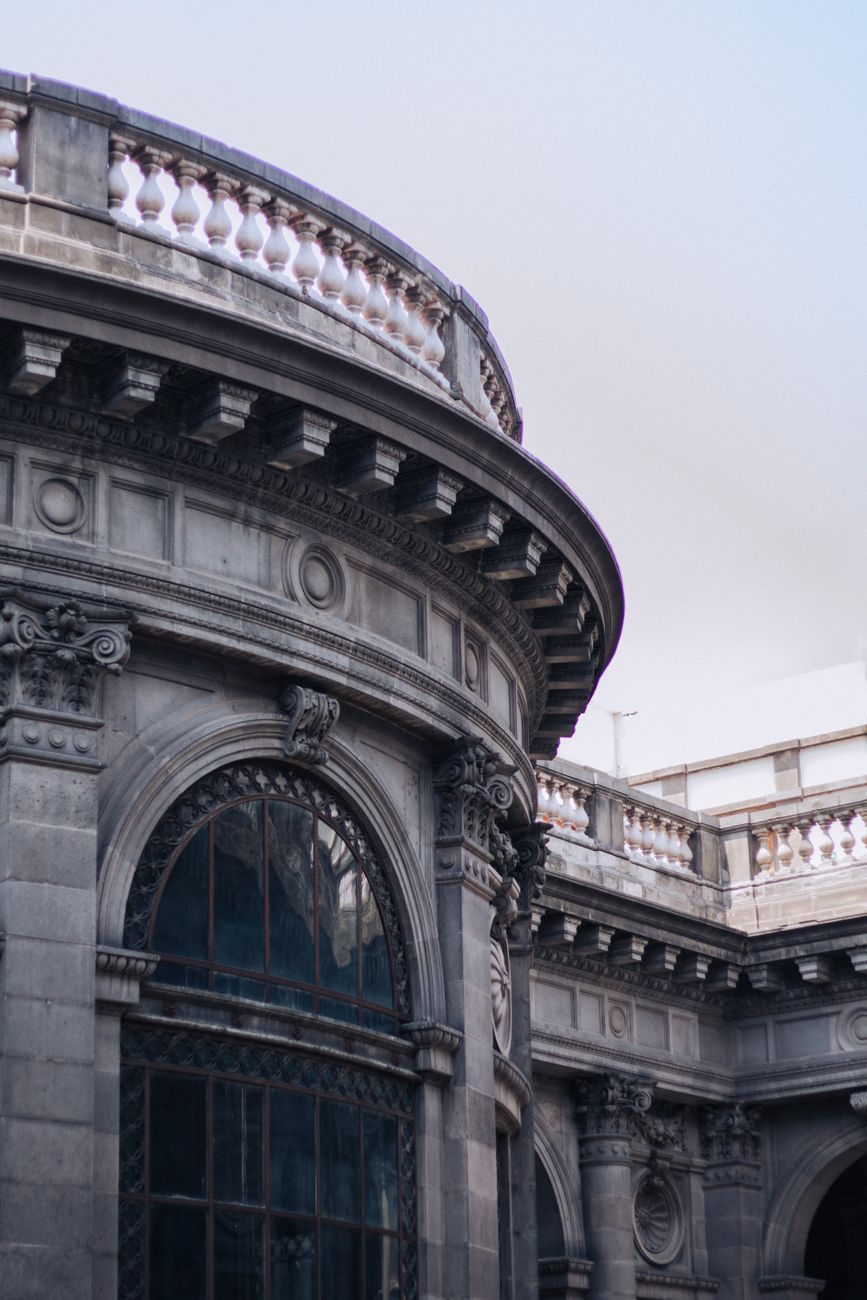
Begin with Museo Rubén Darío near Centro to learn about Nicaragua’s best-known poet; a focused visit will take 45–60 minutes. From there, walk or take a short taxi (5–10 minutes) to Parque Japonés for a quiet morning stroll among ponds and local joggers. Midday, head to Galerías Santo Domingo or a local shopping centre for lunch in an air-conditioned food court and last-minute purchases; expect a 10–20 minute taxi ride from Parque Japonés. If time permits, visit the Museo de Arte (MAR) for contemporary Nicaraguan pieces or return to Mercado Roberto Huembes for any missed shopping. Practical note for departures: allow at least 90 minutes to the airport from Zona Rosa or Centro on weekdays, longer during rush hour; factor in extra time for ID checks and baggage screening.
Best Local Experiences
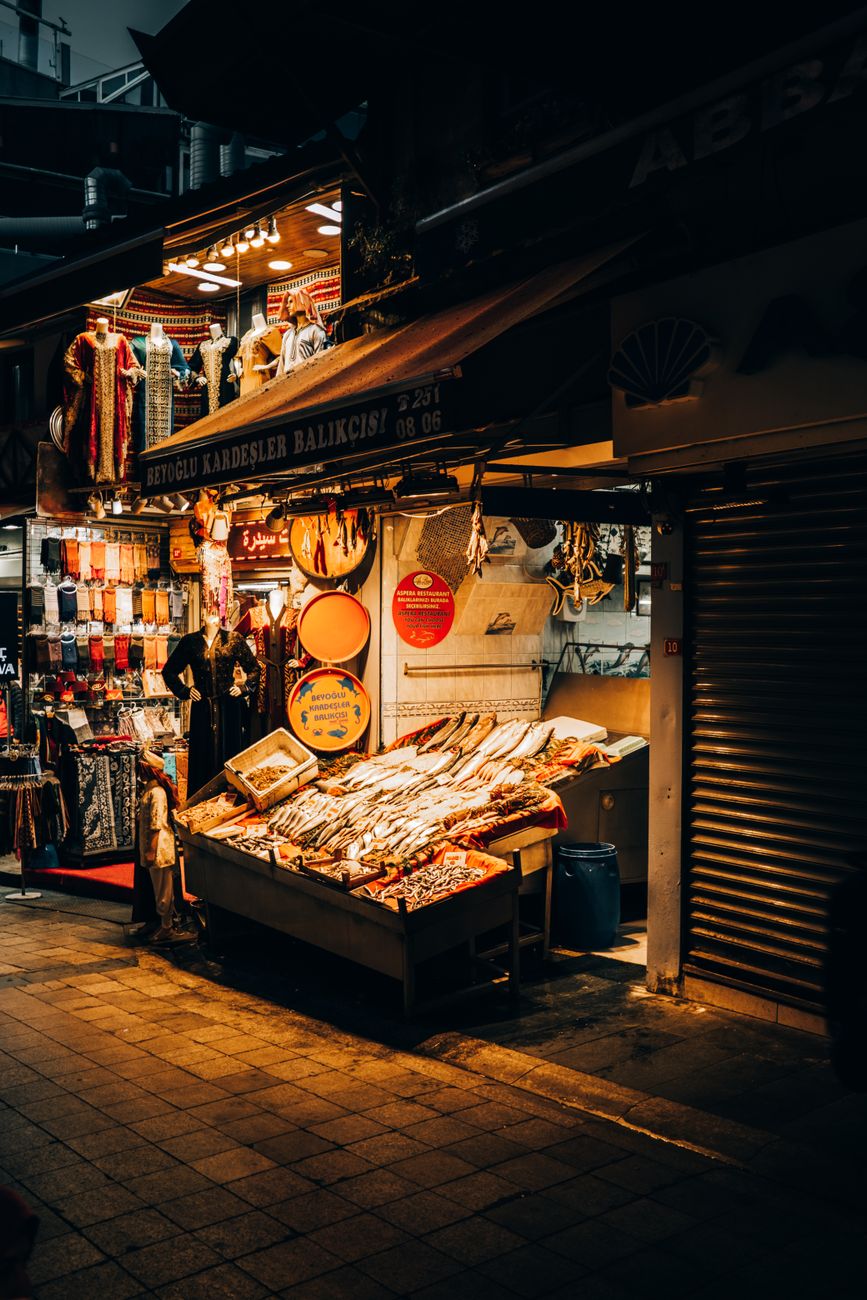
Mercado Roberto Huembes is the main spot for handicrafts and everyday food stalls. An evening walk and seafood meal at Puerto Salvador Allende gives a waterfront atmosphere without a long drive. A night or twilight visit to Volcán Masaya puts crater viewing within reach and often feels otherworldly. The Mercado de Artesanías de Masaya is a larger, more specialized craft market and pairs well with the volcano trip. Museo Rubén Darío offers cultural context in a compact visit and is central for a half-hour stop. Parque Japonés provides local leisure life and is useful for a cooler morning or late-afternoon break away from traffic.
Where to Stay
Zona Rosa: best for nightlife, bars and restaurants; close to malls and restaurants and roughly 20–30 minutes to the airport by taxi; nightly cost for mid-range hotels typically C$1,500–3,000 (≈ USD 40–85 / EUR 35–80). Centro Histórico (Centro): suits those who want walking access to Palacio Nacional, Teatro Rubén Darío and the Old Cathedral; expect simpler hotels and guesthouses at C$1,000–2,200 per night (≈ USD 28–60 / EUR 25–55). Santo Domingo / Galerías area: suits shoppers and families who prefer safer streets and mall access; hotels here range C$1,800–3,500 per night (≈ USD 50–95 / EUR 45–90).
Food and Drink
Gallo pinto: a breakfast mix of rice and beans usually served with eggs and tortillas; find it at local comedores and markets for about C$60–150. Vigorón: boiled yuca topped with chicharrón and cabbage; common street-food plate at Mercado Huembes for around C$70–150. Nacatamal: a large corn dough parcel with meat, serviced at bakeries or market stalls; expect C$100–250 depending on size. Quesillo: a street snack of soft cheese and cream in a tortilla, common in markets and near plazas for C$20–60. Flor de Caña rum: Nicaragua’s export rum available in bars and liquor stores; a single drink in a mid-range bar runs C$150–300. For breakfast, small cafés near Galerías or Zona Rosa serve coffee and panes with prices from C$80–200.
Getting Around
City transport modes include rutas (microbuses), busetas on main corridors, taxis, and regional buses to Granada or Managua’s surrounding towns. There is no metro system; rutas run along Carretera a Masaya, Avenida Bolívar and other main arteries. Typical intra-city bus fares are roughly C$10–30 per trip; there are no widely used day passes for city buses. Airport taxi fares from Augusto C. Sandino International Airport (MGA) to central areas usually cost USD 15–25; shared shuttles can be cheaper if pre-booked. Useful apps: InDrive for ride-hailing, Moovit or Google Maps for route planning and schedules.
Best Time to Visit
Dry season runs roughly November to April with daytime highs around 28–34°C and cooler nights near 20–24°C; this is peak travel and higher prices around December and Semana Santa. Rainy season runs May to October with daily afternoon storms and highs around 26–30°C; mornings are often usable and prices tend to be lower. For best value and manageable weather, consider shoulder months November or late April when crowds thin slightly and rain risk is lower. Avoid travel during major religious holidays if seeking lower prices, as domestic travel increases then.
Budget and Practical Tips
A realistic daily budget for a mid-range traveler: accommodation C$1,500–3,000 (≈ USD 40–85), food C$400–900 (≈ USD 10–25), local transport C$100–300 (≈ USD 3–8), entry fees and activities C$200–800 (≈ USD 5–22). Budget travelers can lower accommodation to C$500–1,200 per night. Tipping: small cafes and market stalls do not expect tips; leave 5–10% in sit-down restaurants unless service charge is included. Carry some córdobas for markets and buses; many hotels and larger restaurants accept dollars or cards but small vendors do not.
FAQ
Is Managua safe for tourists? A: Central areas and tourist zones are generally safe during daytime; exercise normal precautions, avoid poorly lit streets at night, and keep valuables out of sight. Q: How do I get from the airport to the city? A: Taxis and pre-arranged shuttles from Augusto C. Sandino International Airport (MGA) are the most reliable; use InDrive to compare fares or confirm a fixed rate. Q: Are US dollars accepted? A: Dollars are widely accepted in hotels, larger restaurants and tourist sites, but small vendors and mercados prefer córdobas. Q: Is a city pass worth buying? A: There is no mainstream city card for Managua; individual museum and park fees are inexpensive so a pass is not necessary. Q: Can I do a day trip to Granada? A: Yes; direct buses and private shuttles run regularly and travel time is about 1–1.5 hours depending on traffic. Q: What app should I use for transit? A: Use InDrive for taxis and Moovit or Google Maps for bus routes and approximate schedules. Q: Are ATMs reliable? A: ATMs are common in Zona Rosa and near malls but can charge fees; carry backup cash on market days. Q: What should I avoid at the markets? A: Avoid flashing large amounts of cash and inspect goods carefully before buying; haggle politely and set a target price beforehand.
Conclusion
A 72-hour visit will leave a clear sense of the city’s markets, public spaces and proximity to volcanic landscapes. Most travelers remember the contrast between the cathedral ruins, the Sandino viewpoint at Loma de Tiscapa, and a sunset meal at Puerto Salvador Allende. If time becomes tight, prioritize the Old Cathedral plus a short afternoon trip to Volcán Masaya or the Masaya artisan market — those two provide both local urban context and a taste of Nicaragua’s volcanic scenery.
How this guide was prepared
This guide was prepared through a structured research that combines destination research, geographic context, itinerary planning logic, and content review.