
3 Days in San Salvador: A Practical Weekend Itinerary
A no-nonsense 3-day plan for San Salvador with transport tips, neighborhood walks, key museums and local food recommendations for efficient travel.
A compact, realistic 72-hour plan to see central monuments, local markets, the Boquerón crater and nearby Santa Tecla with concrete transit, safety and food advice.
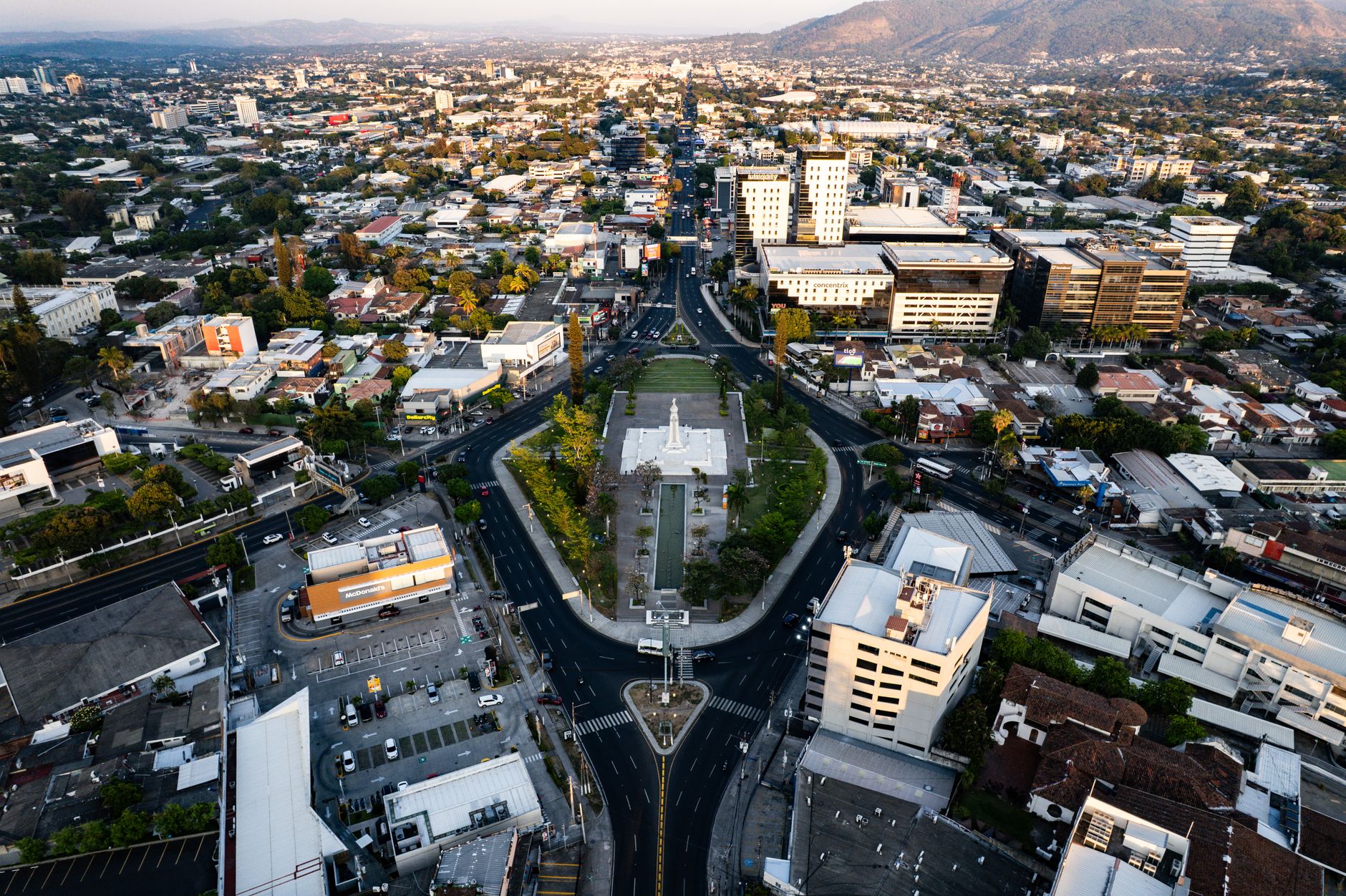
Expect a city where traffic shapes the day and neighbourhood contrast is immediate: high-rise offices sit next to busy markets and quiet residential colonias. Morning offers clear skies and coffee carts on major avenues; by midday central streets fill with buses and microbuses, and evenings lean toward local bars in Zona Rosa or Paseo El Carmen across the valley.
Security is uneven — visible police in tourist spots coexist with less-policed peripheral barrios — so movement choices matter more than sophistication. The city suits travellers who like quick museum visits, honest street food and a short nature outing to the Boquerón crater, rather than those seeking polished tourist infrastructure or a slow, quiet pace.
Expect helpful English in some hotels and restaurants but mostly Spanish on buses and markets. Plan for heat in low-lying parts of the valley and cooler air at the crater rim.
Is 3 days in San Salvador enough?
Yes — three days are enough to cover downtown landmarks, a museum day and a nature/day-trip excursion without rushing. Travelers will have to skip deeper excursions to the Ruta de las Flores or the full Pacific coast to keep the schedule compact.
Who This Guide Is For
Best for curious urban travellers who tolerate traffic and uneven infrastructure and want culture, markets and one short nature trip. Not ideal for quiet luxury seekers or travellers needing full accessibility across every site.
Local Tips for San Salvador
Practical details that most travel sites skip — specific to San Salvador.
- Buy a local SIM at the airport from Tigo or Claro—prepaid 4G plans with 5–10 GB cost roughly $10–$20 and avoid spotty connectivity on buses.
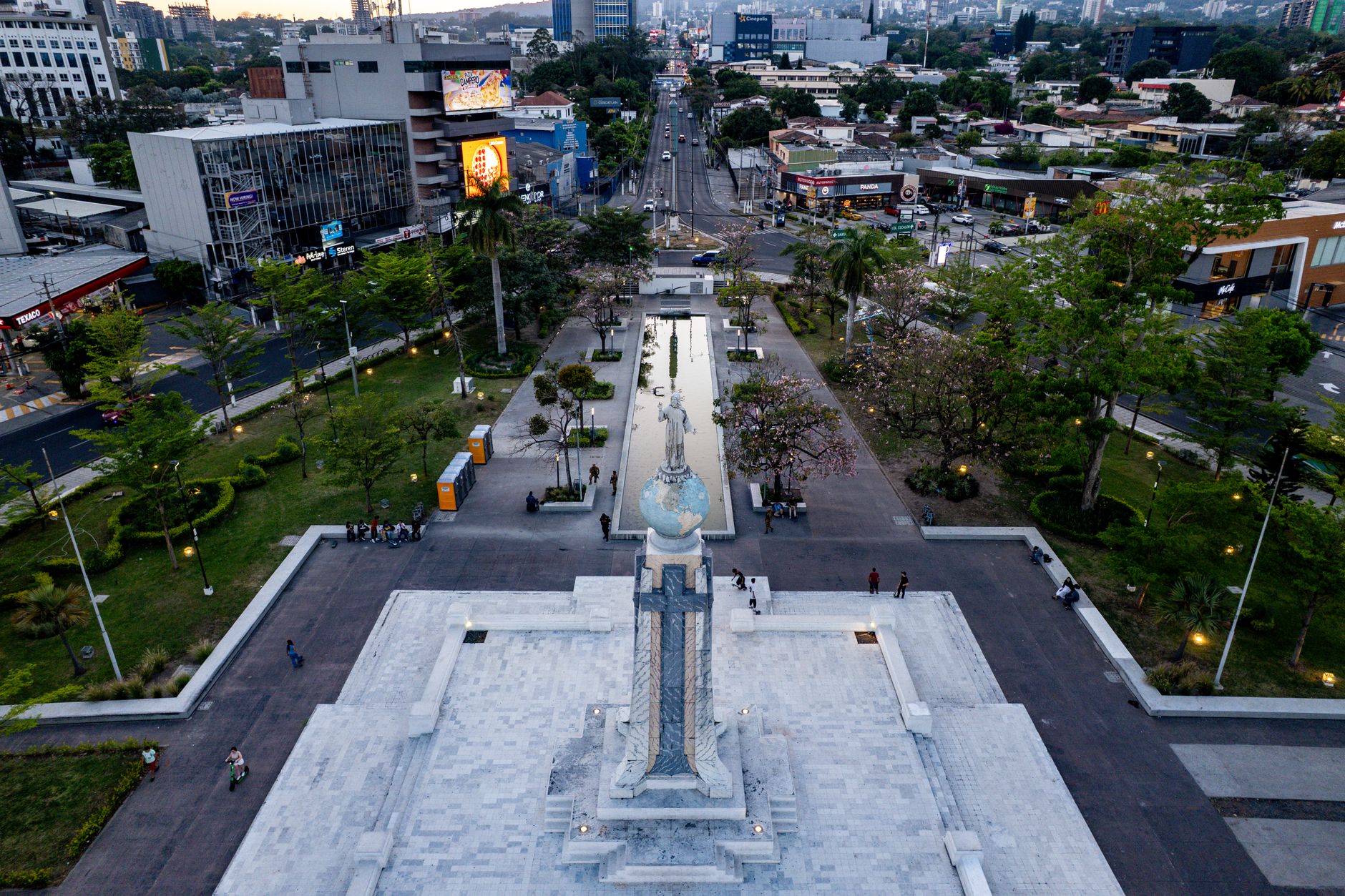
- Monumento al Divino Salvador del Mundo (plaza) is a popular meetup point; avoid walking solo around Plaza Libertad after dark—stick to well-lit main avenues.
- Paseo El Carmen in Santa Tecla (Antiguo Cuscatlán/Santa Tecla area) is where locals go for nightlife; expect cover charges at some bars on weekends (USD 2–7).
- El Boquerón National Park (Parque Nacional El Boquerón) on the San Salvador volcano has an easy 20–30 minute walk to the crater rim from the visitor parking; small entrance fee around $2–$5.
- La Tiendona market (Mercado La Tiendona) on Calle Delgado is the bulk/wholesale market; prices are low but bring small bills and check produce carefully.
How This Guide Was Prepared
This guide treats San Salvador as a functioning Latin American capital rather than a postcard: expect noisy streets, useful museums, and strong neighbourhood contrasts. Many guides skip the working-class markets and day trips to El Boquerón and Joya de Cerén that reveal daily life; this plan prioritizes those alongside the safer, more polished areas for dining and nightlife. This guide was prepared through a structured research that combines destination research, geographic context, itinerary planning logic, and content review.
Plan Your Stay in San Salvador
Use this itinerary as your starting point, then compare areas to stay, transport options, seasonal timing, and realistic daily costs before booking.
Why Visit
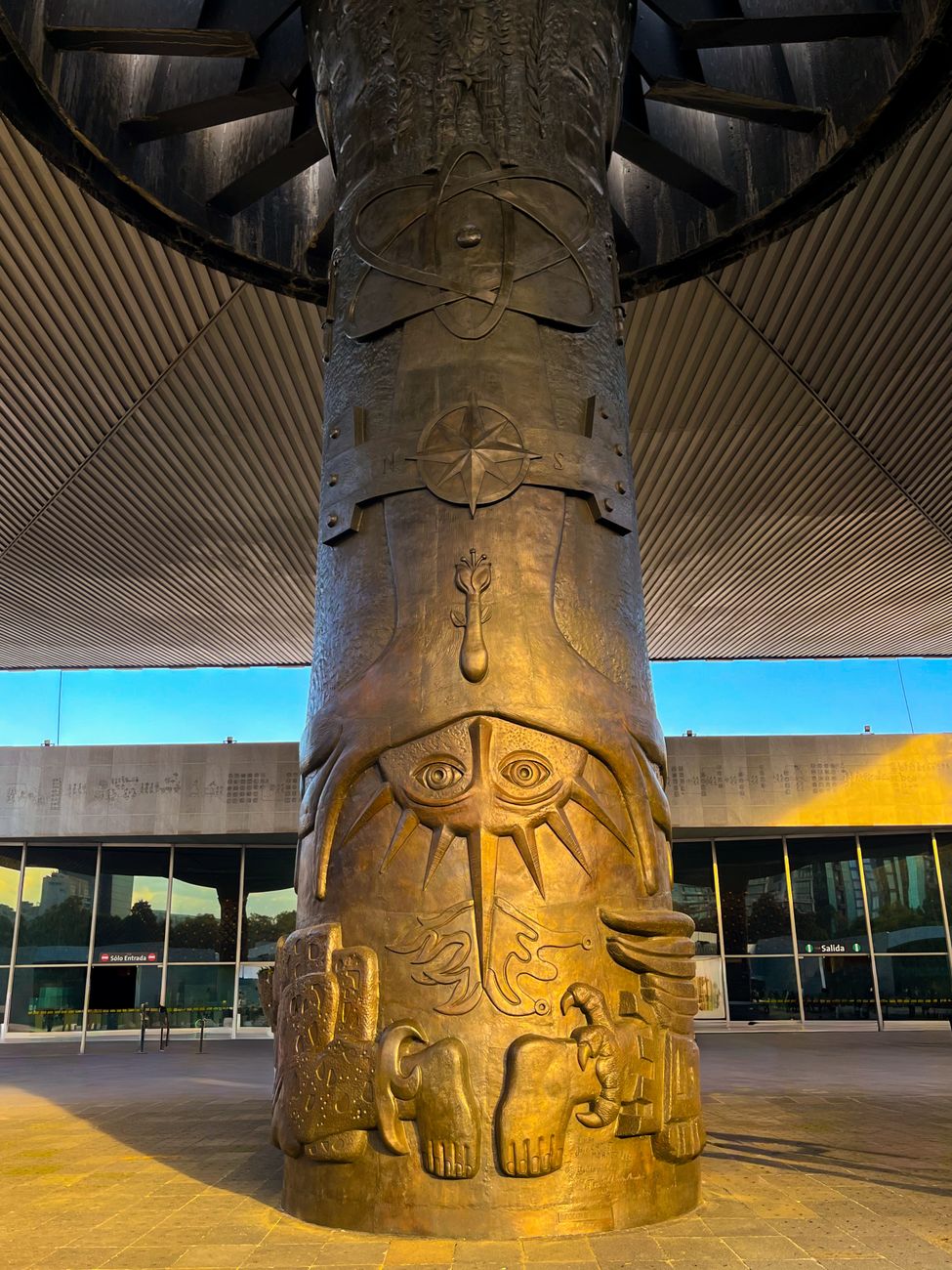
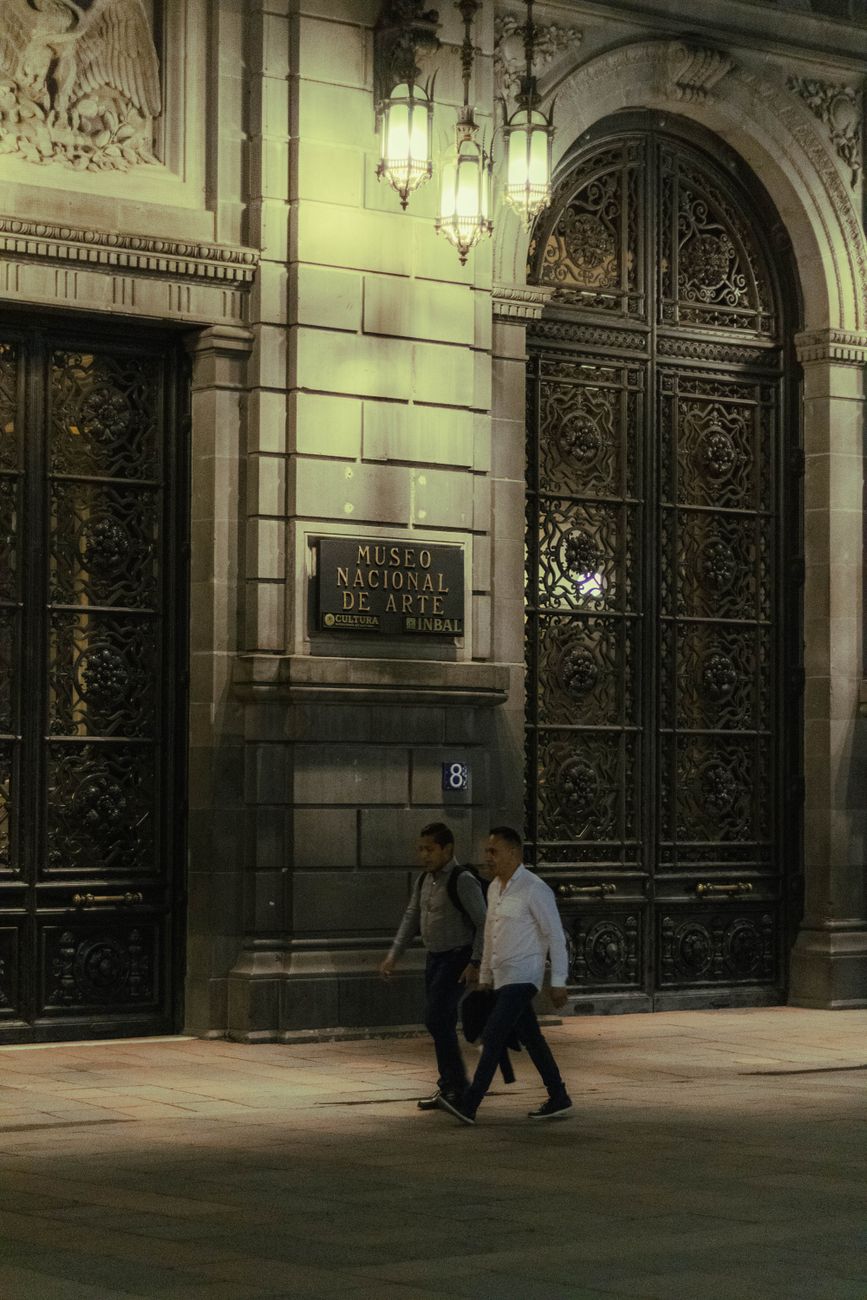
Museums with local context: MUNA and MARTE present pre-Columbian artifacts and modern Salvadoran art that explain political and social shifts visible on city walls. The Museo de la Palabra y la Imagen documents civil war testimony, which helps make sense of public murals and monuments.
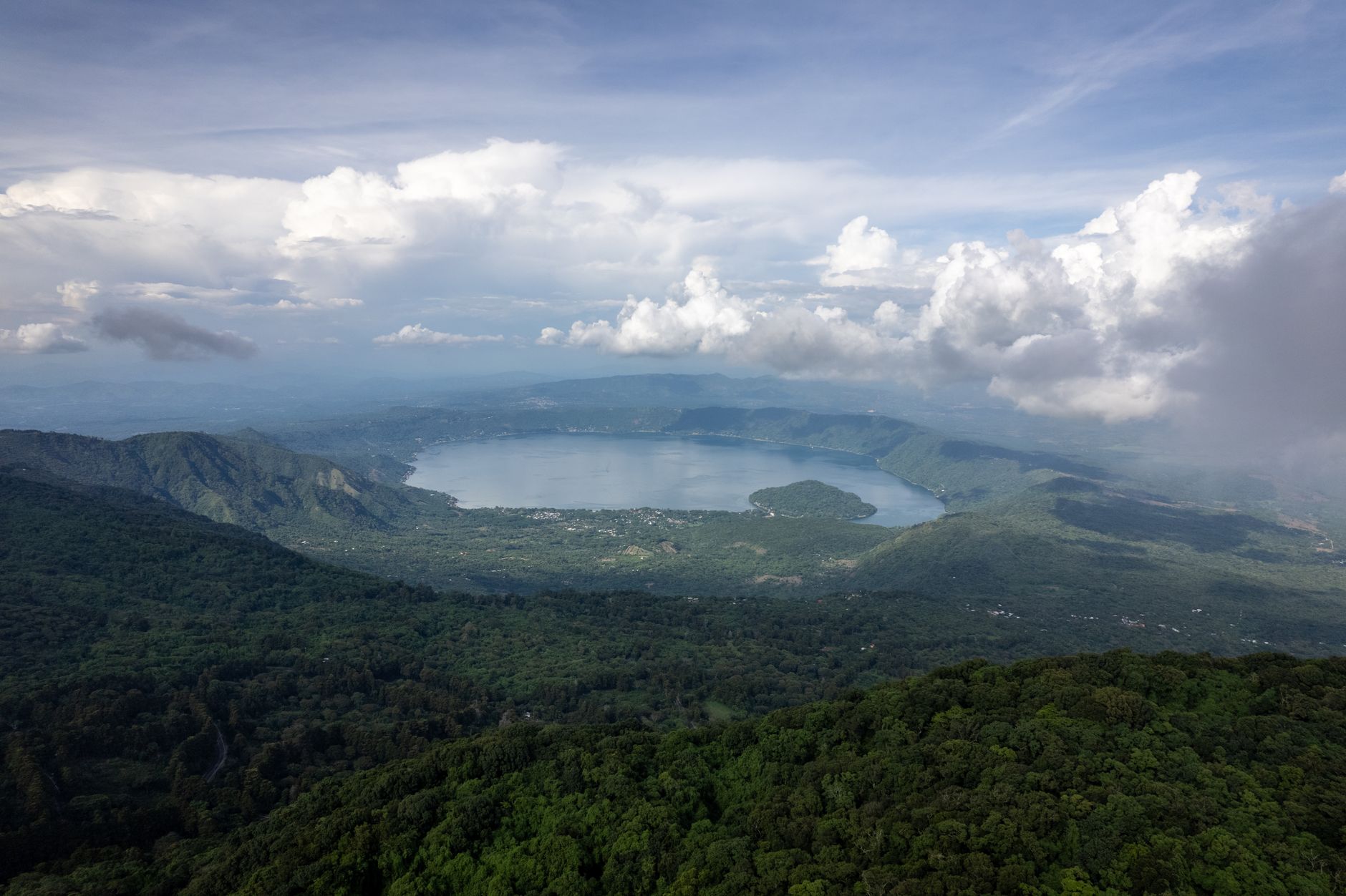
Markets and street food give direct cultural access: Mercado Central and La Tiendona show daily commerce and affordable eating. The nearby Boquerón crater provides an easy natural contrast: a 30–45 minute drive for dramatic views and a cool walk that many visitors miss.
Close urban neighbors like Santa Tecla and Antiguo Cuscatlán allow evening options not far from the city center, so this is practical for travellers who want museums, local food and a single accessible nature trip without long drives.
Quick Planning Tips
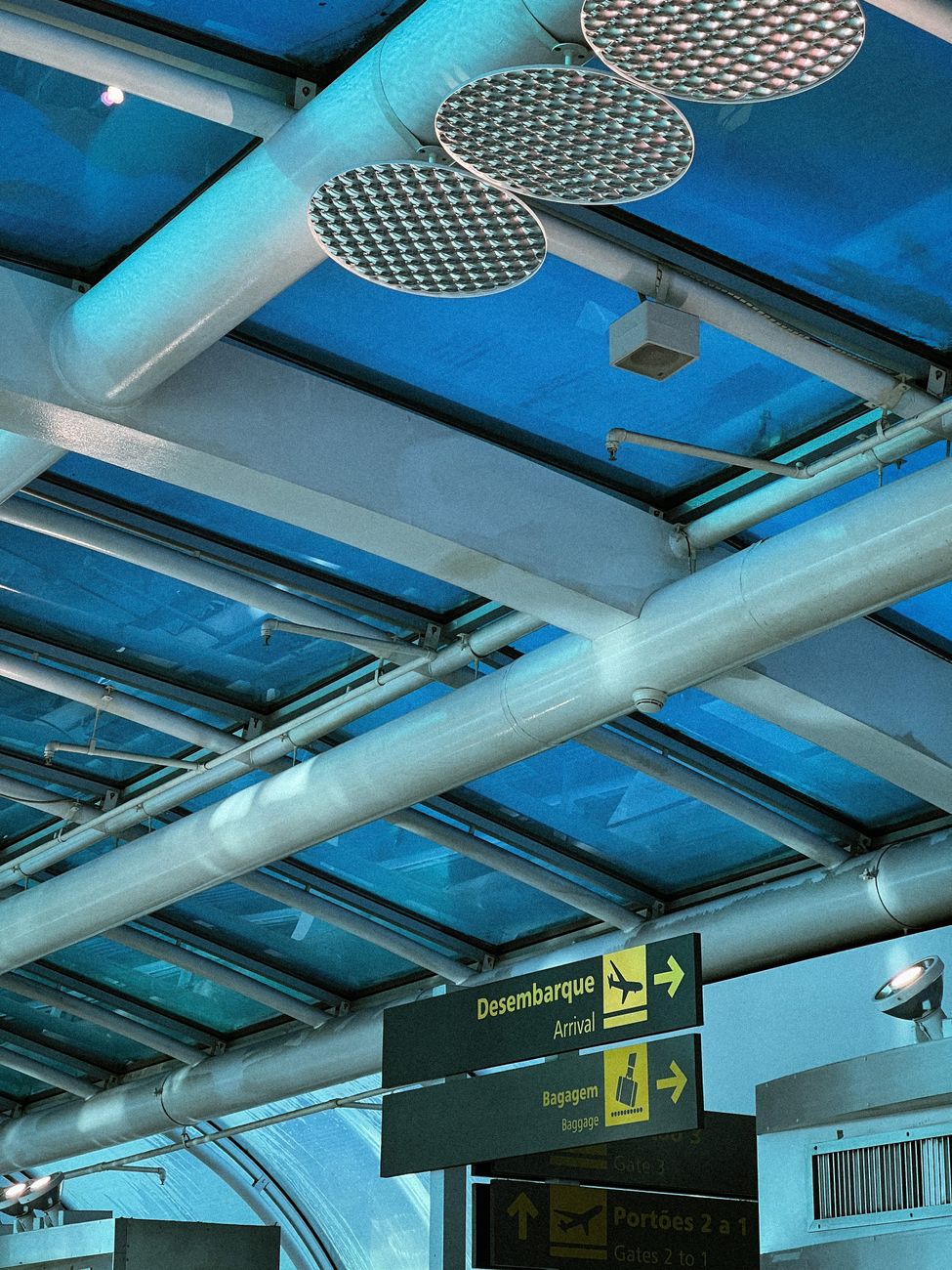
Arrival is through Monseñor Óscar Arnulfo Romero International Airport (SAL); allow 45–75 minutes to central areas by taxi or shuttle depending on traffic. Official airport taxis and shared shuttle vans are common; expect USD 25–35 for a private taxi to the main hotels and about USD 7–12 for shared shuttles.
Cash is king in markets and many microbuses; carry small USD bills and local coins. Credit cards work at hotels, larger restaurants and shops in Zona Rosa and Escalón but not at most street stalls.
Avoid relying on a single transit plan the day of arrival — rush-hour lane changes or temporary roadworks can alter microbus pickup points. Use Waze for driving and Moovit to check likely bus routes, then confirm with vendors or hotel staff.
Day 1
Morning: Start in Centro Histórico at Plaza Libertad and the Monumento al Divino Salvador del Mundo. From Monumento, walk (5–10 minutes) to Parque Cuscatlán to see local life and public art.
Midday: Walk 10 minutes to Catedral Metropolitana and the Palacio Nacional; plan 60–90 minutes for both. Both are within easy walking distance along Avenida España and Calle Rubén Darío.
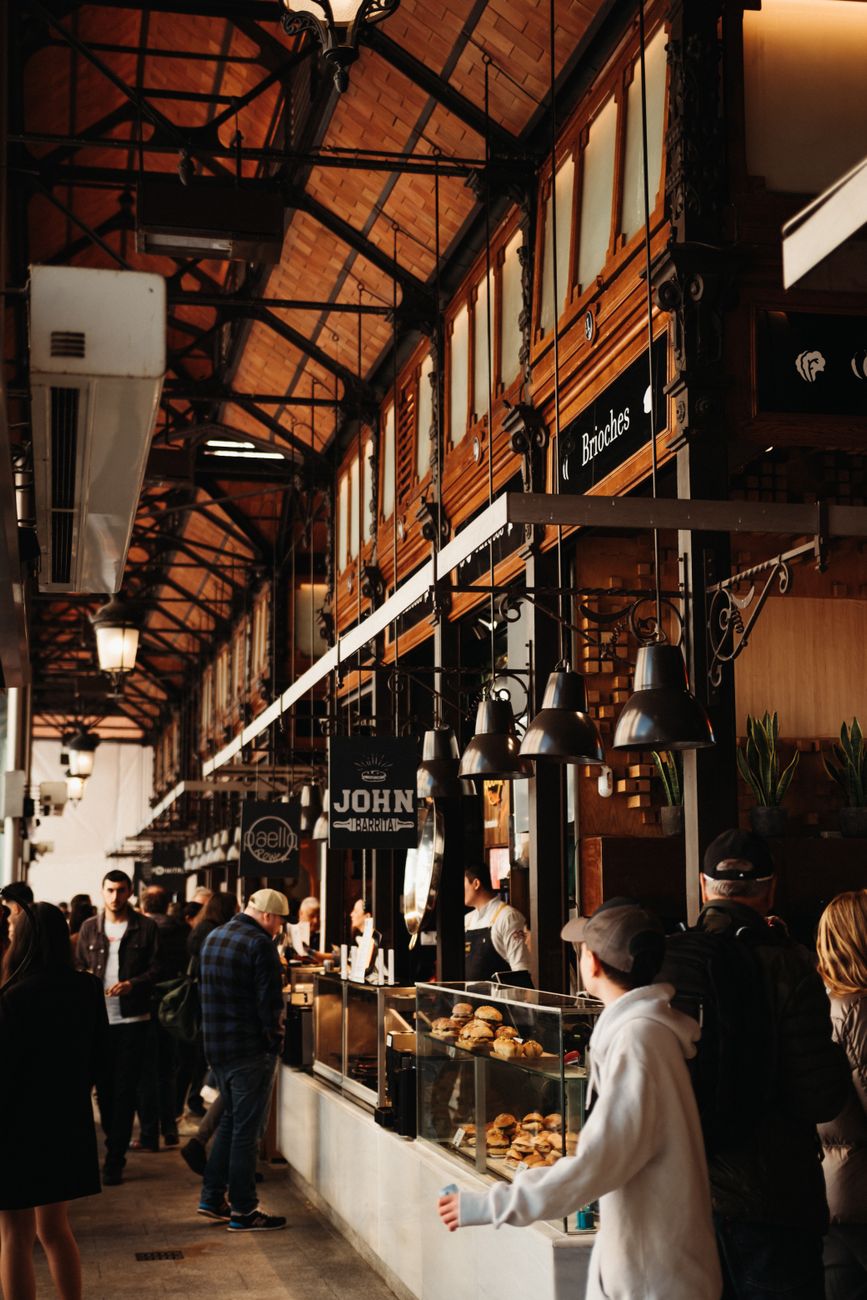
Lunch: Eat at a fonda or pupusería near Mercado Central—try Pupusería La Ceiba or a busy stall inside the market where pupusas cost about $0.80–$1.50 each. Budget 30–45 minutes and expect crowded seating between noon and 2pm.
Afternoon: Visit Museo de la Palabra y la Imagen (MUPI) on Avenida Cuba — allow 60–90 minutes. Then take a taxi or Uber 10–20 minutes to MARTE (Museo de Arte de El Salvador) for modern art and clearer galleries.
Evening: Head to Zona Rosa or Colonia San Benito for dinner; many restaurants and bars cluster on Paseo General Escalón and around 79 Avenida Norte. Try a mid-range restaurant in Escalón for local dishes and secure parking nearby.
Day 2
Morning: Take a 30–45 minute taxi ride to Parque Nacional El Boquerón on the San Salvador volcano. Park at the visitor area and walk 20–30 minutes to the crater rim; bring a light jacket (temperatures drop 8–12°C at the rim).
Midday: Return toward Colonia Escalón and stop at Mercado de Artesanías La Mascota or a small café for lunch—cafés in San Benito offer salads, coffee and light meals from $5–$10.
Afternoon: Explore Barrio San Benito galleries and boutiques, then walk (10–15 minutes) to Plaza Futura and Avenida La Revolución if interested in modern developments and safer pedestrian areas. Transit between these points is straightforward by taxi or local bus if traffic is light.
Evening: Cross to Santa Tecla or Antiguo Cuscatlán for dinner on Paseo El Carmen; evening buses and taxis run routinely but confirm return fare. Expect livelier nightlife here than downtown and a mix of restaurants with cover charges on busy nights.
Day 3
Morning: Start at MUNA (Museo Nacional de Antropología Dr. David J. Guzmán) to see pre-Columbian collections; allow 90–120 minutes. From MUNA, walk or take a short taxi to Teatros and cultural buildings around Calle Arce.
Midday: Visit La Tiendona for a market walk and budget souvenir shopping; keep an eye on personal items and pay in cash. Plan 45–60 minutes and take a taxi back to the hotel with purchases.
Lunch: Try a yuca frita stall or a sit-down meal in Escalón where yuca with chicharrón and curtido runs about $3–6.
Afternoon: If checking out and heading to the airport, plan for 60–90 minutes travel time from central hotels and 90–120 minutes from Santa Tecla at peak times. If flight later, finish with a relaxed coffee in Colonia San Benito or a short walk in Parque Cuscatlán.
Evening: For those staying one more night, a last dinner in Zona Rosa offers safer streets and easier late-night transport to hotels.
Best Local Experiences
Pupusa tasting at Mercado Central or smaller fondas—look for stalls busy with locals for the best price-quality mix. Paseo El Carmen in Santa Tecla for a concentrated evening of bars and eateries favored by area residents.
A morning hike to the Boquerón crater rim in Parque Nacional El Boquerón for cooling air and city panoramas. MUPI’s exhibitions and MUNA’s pre-Columbian halls for context on the civil war and pre-contact cultures.
Street-side coffee at a roaster in Escalón or San Benito to sample local beans; coffee farms around Apaneca and the Apaneca-Ilamatepec range supply many Salvadoran cafés. La Tiendona for a wholesale-market experience; go with small bills and comfortable shoes.
Where to Stay
Zona Rosa / Colonia Escalón: Suited to evening dining, embassies and safer walking; close to malls and restaurants. Good for mid-range to upper-range budgets; nightly rates typically USD 60–150 (≈€55–140).
Colonia San Benito and Colonia Escalón (adjacent): Suited to travellers who want cafes, galleries and walkable dining; quieter at night than Zona Rosa. Expect boutique hotels and apartments for about USD 50–120 per night (≈€45–110).
Centro Histórico: Suited to budget travellers wanting immediate access to monuments and markets. Streets can be noisy and less secure after dark; basic guesthouses and budget hotels cost around USD 25–60 per night (≈€23–55).
Food and Drink
Pupusas: Thick corn tortillas stuffed with cheese, loroco, pork or beans; best at busy pupuserías in Mercado Central or at Pupusería Salvadoran staples for about $0.80–$1.50 each.
Curtido and chicharrón: Curtido is pickled cabbage often served with pupusas; chicharrón (fried pork) pairs with yuca frita. Find both at street stalls and market fondas for $2–6.
Horchata de morro and chilate: Traditional cold drinks—horchata made from morro seeds and rice, chilate a warm maize-chocolate beverage; expect $0.50–$1.50 at street vendors.
Breakfast: Pan con pollo or a local café breakfast with Salvadoran coffee — cafes in San Benito and Escalón offer a good coffee+pastry set for $3–7.
Dinner: For a full sit-down meal, try a restaurant on Avenida La Revolución or Zona Rosa; expect $12–25 per person for a main, appetizer and local beer.
Getting Around
Transport is a mix of microbuses, larger buses, taxis and ride-hailing apps. Microbuses and local buses run fixed routes with informal stops; typical single-ride fares are about USD 0.25–0.50 in city routes. No universal day pass exists for most local buses.
Ride-hailing apps (Uber and DiDi) operate in the metro area and are useful for predictable fares; cash taxis from the airport are common but confirm the price first (USD 25–35 to downtown). Use Waze for driving and Moovit for likely bus numbers and stop locations.
Expect slower movement at rush hours (07:00–09:30 and 16:30–19:30). For short museum-to-museum hops, use taxis or apps—fares between central neighbourhoods often run $3–8 depending on distance and traffic.
Best Time to Visit
Dry season (November–April) offers sunny days and the best chance for clear views at El Boquerón; daytime highs average 24–30°C and evenings are milder. Peak visitor months are December and January around holidays when prices rise.
Rainy season (May–October) brings frequent afternoon showers and higher humidity; showers can delay buses and crater visits but mornings are often clear—expect daily highs around 26–32°C. Value months with lower hotel rates are May and September outside holiday windows.
For lower crowds and still-pleasant weather, aim for February–April. Avoid major holiday weekends if on a tight budget, as internal travel and hotel prices spike.
Budget and Practical Tips
Typical daily budget for a sensible traveller: Accommodation USD 40–100 (≈€36–90), food USD 15–30 (≈€14–27), local transport USD 3–10 (≈€3–9), entry fees and extras USD 5–20 (≈€5–18). A comfortable mid-range day with a museum entry and taxi rides will average USD 70–140 per day.
Entry fees: MUNA and MARTE often charge small fees in the USD 1–5 range for foreigners; Boquerón park entrance about USD 2–5. Street food and markets keep meal costs low.
Tipping: Small tips are appreciated but not mandatory—round up at cafes, leave 10% in nicer restaurants if service is good. Keep small USD bills and local coins for bus fares and market purchases.
FAQ
Is San Salvador safe for tourists?
Many visitors have trouble-free trips in central areas; stick to well-traveled streets, avoid walking alone after dark in less-lit neighbourhoods and use taxis or ride-hailing for late travel.
How do I get from SAL airport to the city?
Private taxis run about USD 25–35 to central hotels; shared shuttles cost roughly USD 7–12. Arrange through the official airport counters for best reliability.
Are ride-hailing apps available?
Yes—Uber and DiDi operate in the metro area and provide predictable fares compared with negotiating street taxis.
Is a city pass worth buying?
No widely used unified city card exists for major tourist savings; individual museum tickets are low-cost and point-to-point transport lacks a single pass.
What is the public transit fare?
Expect single microbus or local bus rides around USD 0.25–0.50; no common day pass covers most routes.
Can English speakers get by?
Basic English appears in hotels and some restaurants in Escalón and Zona Rosa; carry a translation app or key Spanish phrases for market and bus interactions.
Is it easy to visit nearby attractions like Joya de Cerén or Coatepeque?
Joya de Cerén is a realistic half-day trip with organized tours or private taxi; Lago de Coatepeque is a longer drive (1.5–2 hours) and better as a dedicated day trip.
Conclusion
Three days allow a balanced impression: city monuments and museums, real-market food experiences and one short nature escape to the crater. Traffic and uneven infrastructure will shape timing, so treat travel between neighbourhoods as part of the plan rather than a minor detail.
If time runs short, prioritise a morning in MUNA or MUPI plus an afternoon pupusa crawl and a sunset view at El Boquerón. Those elements give the clearest sense of local life, food culture and the volcanic landscape that frames the metropolitan valley.
How this guide was prepared
This guide was prepared through a structured research that combines destination research, geographic context, itinerary planning logic, and content review.