
Marsala in 3 Days — Practical 72-Hour Itinerary and Tips
A clear, practical 3-day guide to Marsala: wine cellars, Stagnone and Mozia, salt pans, transit and realistic costs for a focused weekend visit.
A concise, no-nonsense 72-hour plan for seeing wine cellars, the Stagnone reserve and local markets while avoiding common timing and transport mistakes.
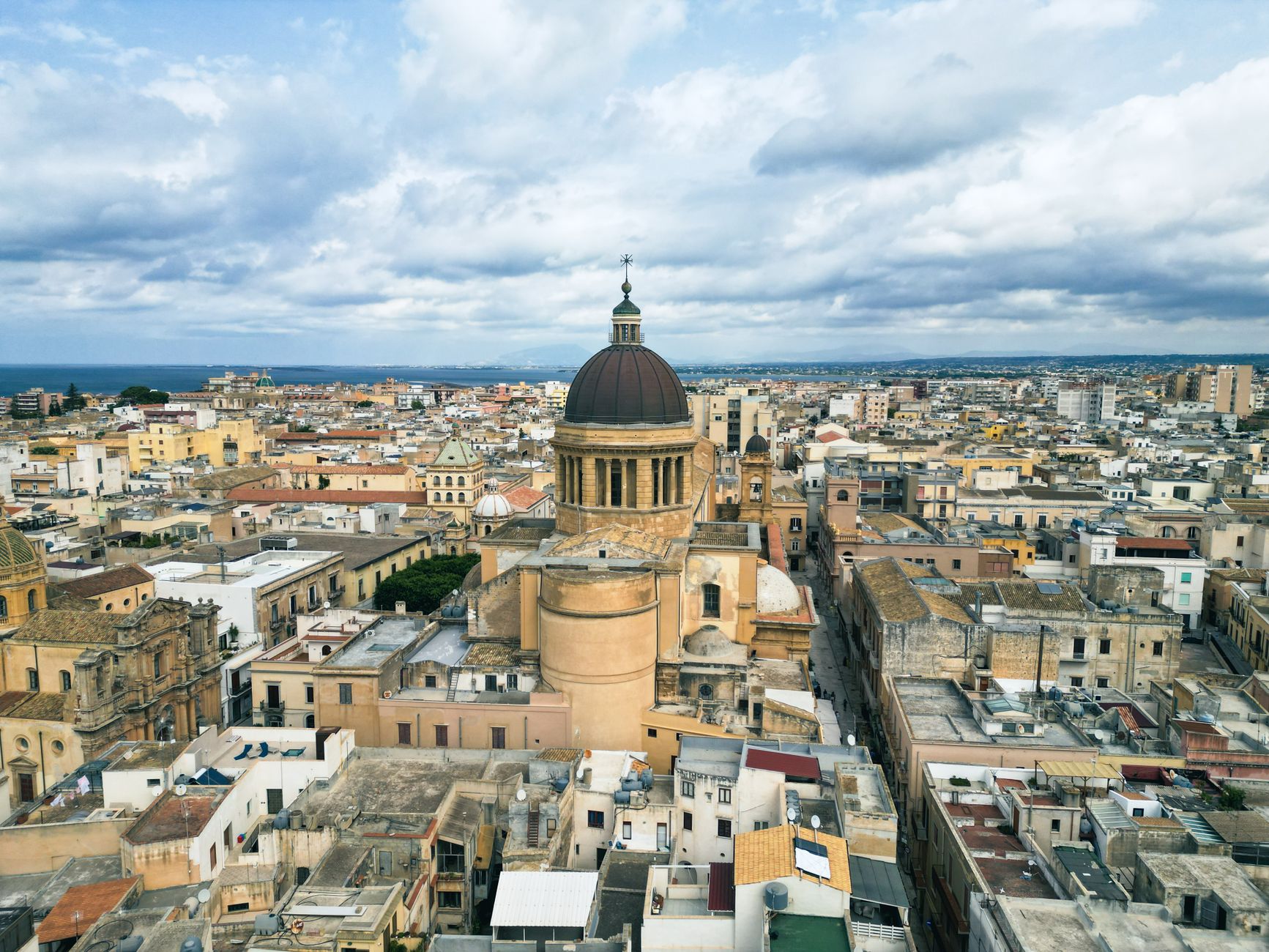
Expect a coastal Sicilian town where working harbours, wine cellars and salt pans meet a compact historic centre. Streets around Via XI Maggio and Piazza della Repubblica have a deliberate local rhythm: cafés that close after lunch, older shopkeepers, and a late-afternoon surge of people around the waterfront.
The Stagnone lagoon and Isola di Mozia are the area's signature draws, but the town itself is not a theme-park built for day-trippers. Festival noise and carnival events happen in bursts; most days are quiet enough to walk between museums and wine cellars without crowds.
Practical reality: the historic centre is small and walkable, but reaching salt works and islands requires either a short drive, a local boat or regional bus and timing to match opening hours. This suits travellers who want a mix of archaeology, short hikes, coastline and tastings rather than a full week of cellar visits.
Is 3 days in Marsala enough?
Three days are enough to see the Stagnone reserve (including Isola di Mozia), visit a major cantina, walk the historic centre and visit the salt pans. Expect to skip deeper archaeological tours or multiple winery visits unless travel pace is accelerated.
Who This Guide Is For
Best for travellers who want a compact mix of archaeology, coastal nature and wine tasting without a long drive. Not ideal for a slow, luxury wine-focused trip or for those who need fully wheelchair-accessible itineraries throughout all sites.
Local Tips for Marsala
Practical details that most travel sites skip — specific to Marsala.
- Catch the public boat to Isola di Mozia from the Stagnone pier (Imbarcadero dello Stagnone); boat transfers are often sold as return+entry packages for around €12–€18 in high season.
- Book a Cantine Florio or Cantine Pellegrino guided cellar tour mid-morning; standard tastings cost roughly €12–€20 per person and last 45–75 minutes.
- Trenitalia regional trains run between Marsala station and Trapani; a single regional fare to Trapani is usually around €2.20–€3.00 depending on the service.
- The Saline Ettore e Infersa windmills by SP21 near Trapani are open to visitors and free to view from the road; guided salt-work tours and boat visits into evaporation basins run about €10–€25.
- From Trapani-Birgi Airport (Vincenzo Florio, code TPS) a taxi to central Marsala is typically €20–€30; bus connections require a transfer in Trapani and take longer.
How This Guide Was Prepared
This guide treats Marsala as a working coastal town, not a theme-park of wine tasting. Many guides overemphasize sunset photos at the salt pans while skipping practical details — transport connections, opening hours for Mozia and the realistic time needed inside wineries. The focus here is on efficient logistics, what each neighbourhood actually feels like, and what to drop if time runs short. This guide was prepared through a structured research that combines destination research, geographic context, itinerary planning logic, and content review.
Plan Your Stay in Marsala
Use this itinerary as your starting point, then compare areas to stay, transport options, seasonal timing, and realistic daily costs before booking.
Why Visit
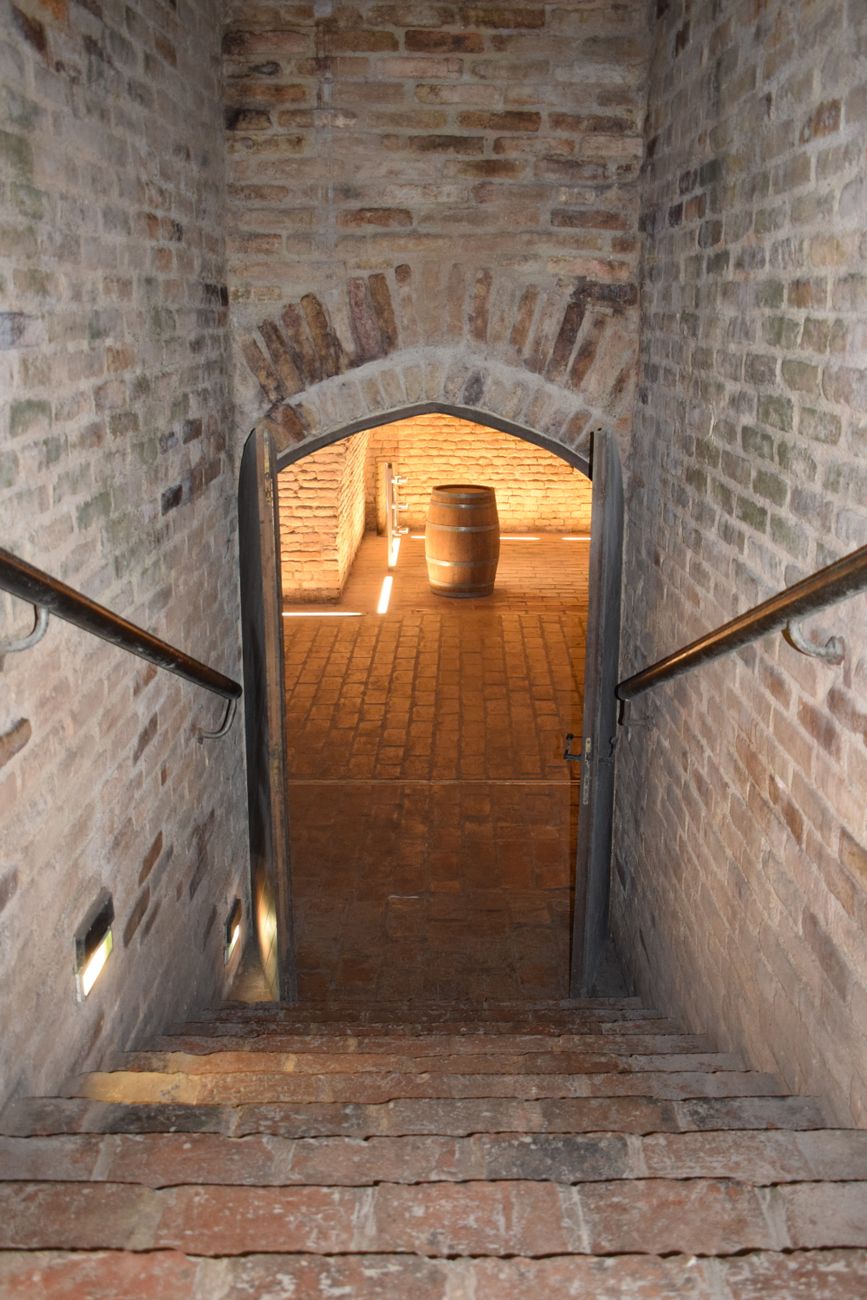
The wine: Marsala gave its name to fortified wine styles and the major historic cellars like Florio and Pellegrino still operate tours and tastings inside old aging rooms. Visiting a cellar explains production and provides tastings within a short walk of the centre.
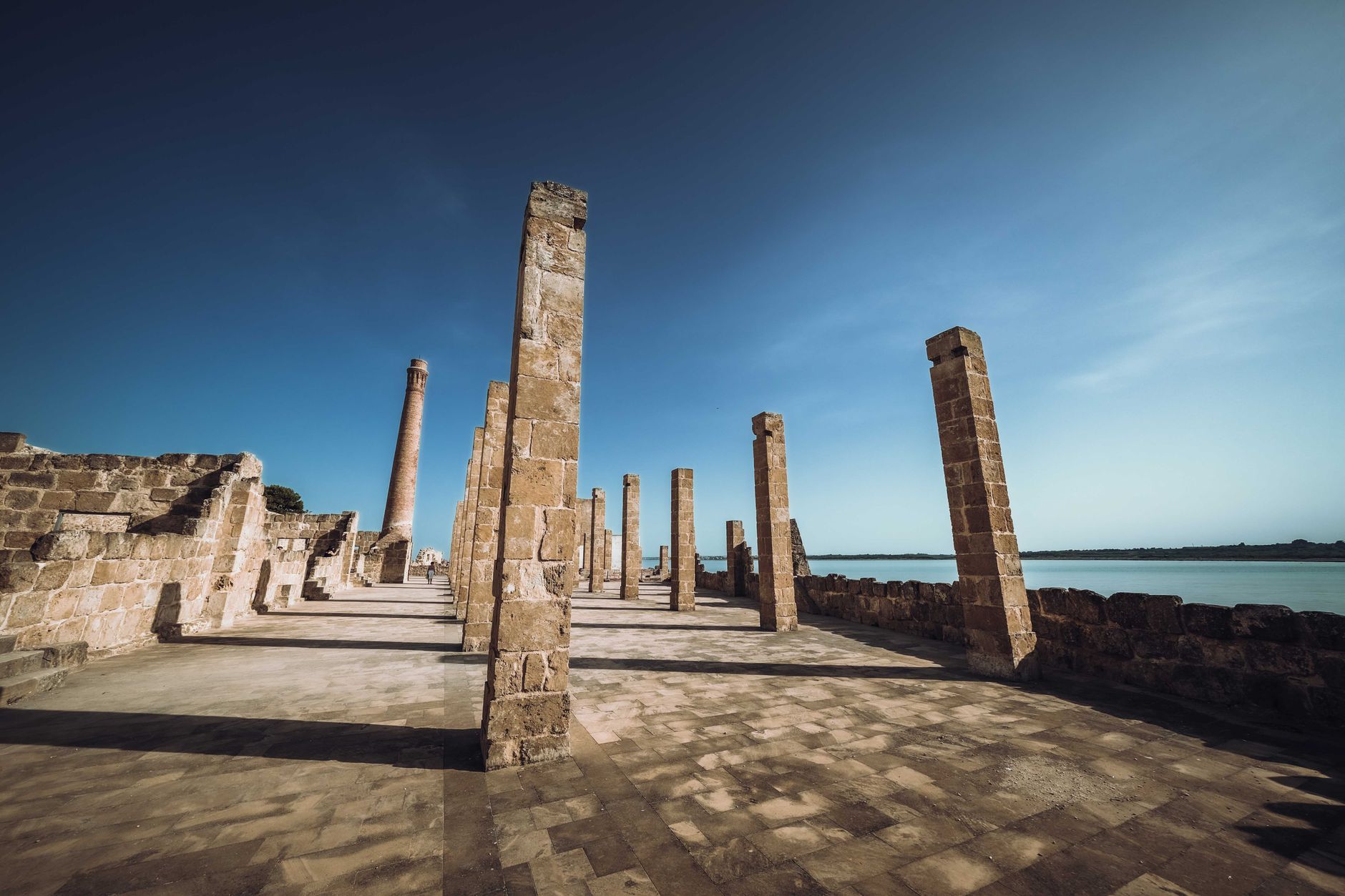
The lagoon and Mozia: the Stagnone reserve is a shallow lagoon with islands, an archaeological park on Mozia and consistent winds for kitesurfers and windsurfers. The island's Phoenician foundations and the Whitaker finds make it an unusual small archaeological site easily combined with a half-day.
Salt landscape and industry: the salt pans and their windmills on the road toward Trapani are visually striking at sunset, and the area is still an active production landscape with local salt sold in town markets.
Compact historic centre: Piazza della Repubblica, Via XI Maggio and the Duomo provide short, concentrated cultural visits that can be blended with sea views and market visits in a single afternoon.
Quick Planning Tips
The most convenient airport is Trapani-Birgi (Vincenzo Florio, TPS); many fly into Palermo (PMO) then travel by train or rental car. From Trapani airport, expect a taxi fare of about €20–€30 to central Marsala; buses require a transfer in Trapani and take longer.
Book winery tours at least 24–48 hours in advance for weekends during April–October. Train travel on Trenitalia connects Marsala station with Trapani and Palermo; buy regional tickets from the Trenitalia app or machines at the station to avoid queues.
Bring cash for small market stalls and some salt-pan tours; most restaurants and larger cantinas accept cards but tiny cafés may not. One planning mistake to avoid is scheduling Mozia for the late afternoon without checking the island's closing time — ferries stop earlier than the mainland sunset on many timetables.
Day 1
Morning: Start at the Duomo (Cattedrale) in Piazza della Repubblica to get a sense of the historic core. Spend 30–45 minutes inside then walk 5–8 minutes along Via XI Maggio to reach Baglio Anselmi, home to the Museo Archeologico Regionale where Phoenician and Roman finds explain local prehistory.
Late morning: Walk 10 minutes to Cantine Florio or Cantine Pellegrino for a guided cellar tour and tasting. Allow 60–90 minutes including a short guided visit through aging rooms and a tasting of dry and fortified Marsala styles.
Lunch: Eat at Trattoria Enoteca or a suggested local spot on Via Garibaldi for classic Sicilian seafood pasta — budget about €12–€18 per person. After lunch, stroll 10 minutes to the Lungomare Mediterraneo for a gentle seaside walk and a look at the fishing boats.
Afternoon: Visit the small municipal museum displays near the harbour or browse the local market stalls along Corso Gramsci. Expect a 10–20 minute walk between all these sites.
Evening: Walk toward the western edge of town to catch the salt-pans views near Via Trapani for sunset; finish with dinner at a restaurant on Piazza della Repubblica or along the waterfront with locally caught fish and a glass of local white wine.
Day 2
Morning: Dedicate the morning to the Stagnone Nature Reserve and Isola di Mozia. Drive or take the local transfer to the Stagnone pier (allow 15–25 minutes from central streets), then board a short boat to Mozia. The archaeological site and small Whitaker museum merit 2–3 hours total; paths are compact but exposed to sun.
Lunch: Back on the mainland, eat at a trattoria near the Stagnone pier where fresh fish and salads are common; expect €10–€18 for a main course. Alternatively pack water and snacks for a longer walk around the lagoon's edge.
Afternoon: Explore the kite- and windsurfing beaches on the lagoon's eastern shore or arrange a short guided salt-pan walk near Saline Ettore e Infersa (20–30 minutes by car toward Trapani). The salt works are best seen by late afternoon when light emphasizes the basins.
Evening: Return to town for a quieter evening in a wine bar. If energy remains, stroll the piazzas after dinner to see local nightlife — mostly small bars and late-evening conversations rather than heavy clubbing.
Day 3
Morning: Use the third morning for neighbourhoods and any missed museums. Walk through the residential lanes north of Via XI Maggio toward the small artisan shops and a morning café; allow 60–90 minutes for a relaxed start and a pastry breakfast.
Midday: If planning to depart in the afternoon, check train or bus schedules early and plan transport to the station or Trapani-Birgi airport. The train to Trapani takes about 20–25 minutes; a bus via Trapani may take 40–60 minutes.
Late morning to early afternoon option: Visit a second, smaller cantina for a short tasting or pick up artisanal sea salt and local almond pastries at the municipal market — most shops close by 13:00–14:00 on weekdays. Allow 60–90 minutes for shopping and a light lunch.
Practical note for departures: If the flight or train is in the afternoon, avoid planning Mozia today because ferry schedules can make timing tight. Use a taxi for any transfers after 20:00 since public buses are infrequent later in the day.
Best Local Experiences
Ride the short boat from the Stagnone pier to Isola di Mozia and walk the small Phoenician site and Whitaker collection. Combining boat transfer and museum takes roughly 2–3 hours.
Take a guided tasting and cellar tour at Cantine Florio or Cantine Pellegrino to sample different styles of Marsala and learn about aging rooms. Book ahead for weekend slots.
Walk or cycle beside the Saline Ettore e Infersa windmills and see salt harvesting operations; local guides run explanatory tours of the evaporation basins. Timing around late afternoon yields stronger colours for photos.
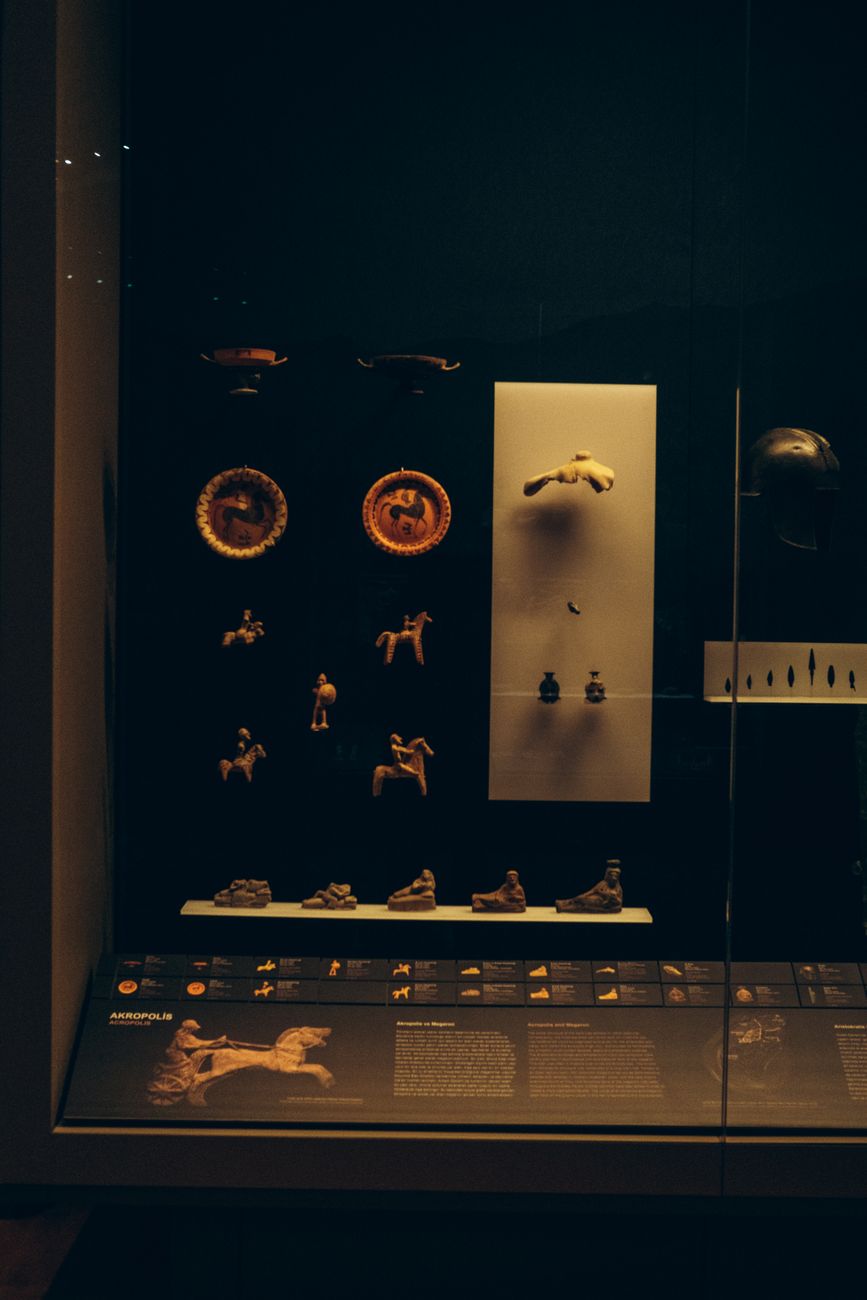
Visit the Museo Archeologico Baglio Anselmi to see Roman and Punic finds and smaller rotating exhibitions about local maritime history.
Join an evening passeggiata along Lungomare Mediterraneo and sample street-level seafood or a simple granita at a bar near Piazza della Repubblica. This local routine reveals daily rhythms more than any single sightseeing stop.
Where to Stay
Historic centre (around Piazza della Repubblica and Via XI Maggio): Suited to walkers who want immediate access to the Duomo, museums and cantine; most guesthouses and small hotels are within 200–600 metres of the waterfront. Expect nightly prices roughly €60–€120 (≈ €65–€130 USD) depending on season and amenities.
Lungomare / Porto area: Suited to people who prefer sea views and easy access to the ferry for Mozia; hotels here are slightly quieter in the evening and closer to boat piers. Nightly prices often range €70–€140 (≈ €75–€150 USD).
Outskirts toward Trapani road (Via Trapani / SP21): Suited to drivers or travellers planning to visit the salt pans and neighbouring towns; accommodation includes B&Bs and agriturismi with parking. Expect €50–€100 per night (≈ €55–€110 USD).
Food and Drink
Marsala (the wine): Fortified styles plus dry whites are local staples; a standard tasting flight at a cellar is about €12–€20. Cantine Florio and Pellegrino are reliable places for guided tastings.
Cuscus di Pesce (fish couscous): A Sicilian adaptation served in some local trattorie, often with mixed Mediterranean fish and a light tomato broth; expect €12–€18 for a main portion at a mid-range restaurant.
Busiate con pesto alla trapanese: Handmade twisted pasta with tomato, almond and basil pesto specific to western Sicily; available at trattorie for around €8–€12.
Street food / snack — arancina (small versions) or panelle: Fried chickpea fritters (panelle) served in a roll are common from local kiosks for about €2–€4. Breakfast option — cornetto and espresso at a bar for €1.50–€3.
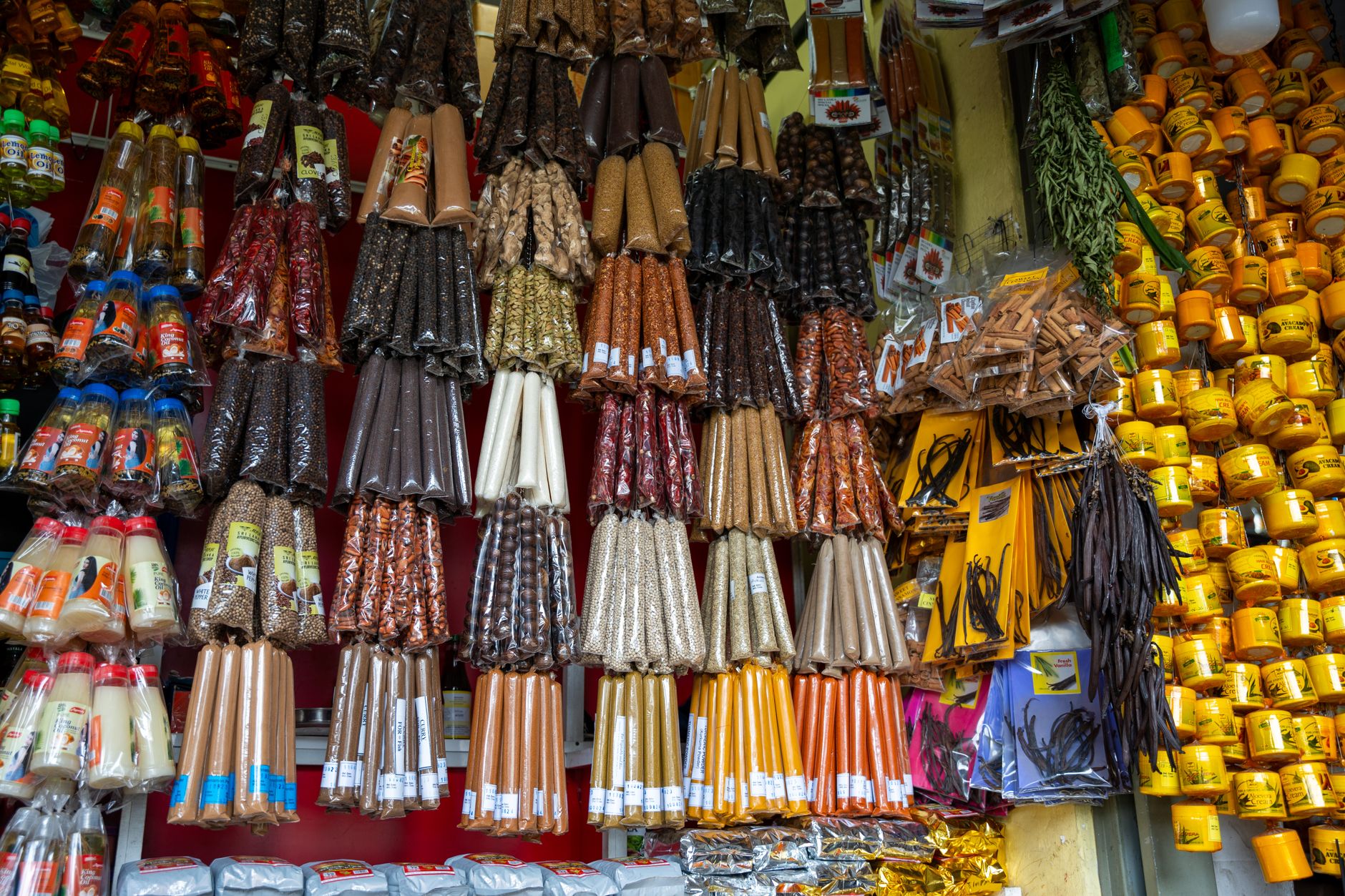
Sea salt and pastries: Locally harvested sea salt is sold in market stalls; almond-based pastries like cassatelle or almond paste sweets cost roughly €1.50–€3 each and make good travel snacks.
Getting Around
Walking covers the historic core; most key sights in town are within 10–20 minutes on foot of each other. Regional trains on Trenitalia link the station with Trapani and Palermo; ticket prices are low and purchased via the Trenitalia app or station machines.
Local buses run but schedules thin after early evening; buy single urban tickets at tobacco shops (tabacchi) or validated on board if sold by the driver. A single regional train ticket to Trapani is roughly €2.20–€3.00; local bus fares inside town are often around €1–€1.50.
Taxis are available but fewer at night; from Trapani-Birgi Airport a taxi to central streets costs about €20–€30. For convenience and reaching the salt pans or scattered beaches, renting a car for at least one day is practical, and parking in the centre is usually metered.
Best Time to Visit
April–June and September–October: mild temperatures (15–26°C), pleasant sea conditions and fewer crowds than July–August. These months offer the best balance of open services and comfortable walking weather.
July–August: hot (28–34°C) and busiest; restaurants and wineries may require reservations and beaches get crowded. Some small shops close mid-August for holiday breaks during Ferragosto week.
November–March: cooler and quieter (8–16°C), with some wineries open for tastings but reduced tourist infrastructure; this period offers lower prices but a smaller set of daily services. For best value, target shoulder months (April–June or September–October).
Budget and Practical Tips
Daily budget estimate (moderate traveller): accommodation €60–€100/night (≈ €65–€110 USD), meals €25–€45/day (≈ €27–€50 USD), local transport €5–€10/day, attraction fees €5–€20/day. A full cellar tour and tasting is commonly €12–€20; Mozia entry plus boat transfer typically €12–€18.
On a strict budget, expect to spend about €80–€110 per day including a budget double room, simple meals and local transport (≈ €85–€120 USD). For a comfortable pace with one guided tour and two mid-range meals, budget €120–€180 per day (≈ €130–€195 USD).
Tipping: small service charges are common at restaurants; adding a few euros for good service is appreciated but not obligatory. Cash is useful for market stalls, small cafés and some salt-pan tour operators; larger restaurants and cantine accept cards.
FAQ
How safe is Marsala for solo travellers?
Generally safe during daytime and early evening; normal urban precautions apply, and avoid poorly lit side streets at night. Petty theft can occur in tourist areas, so keep valuables secure.
Can Mozia be visited in bad weather?
Boat services to Mozia run less frequently or stop during strong wind and rough seas; check the Stagnone pier office or your tour operator on the day. When services are suspended, the Whitaker museum on the mainland may still be accessible.
Is public transport reliable for visiting the salt pans and Mozia?
Public buses and regional trains cover the area but schedules are sparse; for tight plans a rental car or organised tour avoids missed connections. Plan buffer time for transfers.
Are winery tours worth it and do they require booking?
Yes for context and tastings; book at least 24–48 hours ahead, especially for weekends during April–October. Group sizes are limited in smaller cellars.
Should a visitor buy a city pass or card?
There is no single universal Marsala city card that covers all sites; buy museum and ferry tickets individually and consider combination tickets for Mozia where offered. A Trenitalia regional day ticket is only useful if making multiple train trips in one day.
What transport options exist from Trapani-Birgi airport?
Taxi (about €20–€30), regional bus services to Trapani with a transfer, or pre-booked shuttle; renting a car at the airport is common for flexibility.
Conclusion
A three-day plan yields a clear sample of what makes the area distinctive: fortified wine, a Phoenician island and a working salt landscape. Most travellers will remember the contrast between cellar coolness and the flat, bright Stagnone lagoon more than a single monument.
If time runs short, prioritise Mozia in the morning and a single cellar tasting — both are compact experiences that convey the region's archaeology and wine culture in a single day.
How this guide was prepared
This guide was prepared through a structured research that combines destination research, geographic context, itinerary planning logic, and content review.