
3 Days in Sciacca: A Charming Sicilian Weekend Itinerary
Three-day Sciacca itinerary: explore the historic centre, thermal baths, fishing port, ceramics workshops and coastal viewpoints with practical tips.
A compact, culture-rich 72 hours in Sciacca: wander the historic centre, relax at the thermal baths, taste fresh seafood on the promenade and take easy day trips to Agrigento or Marsala.
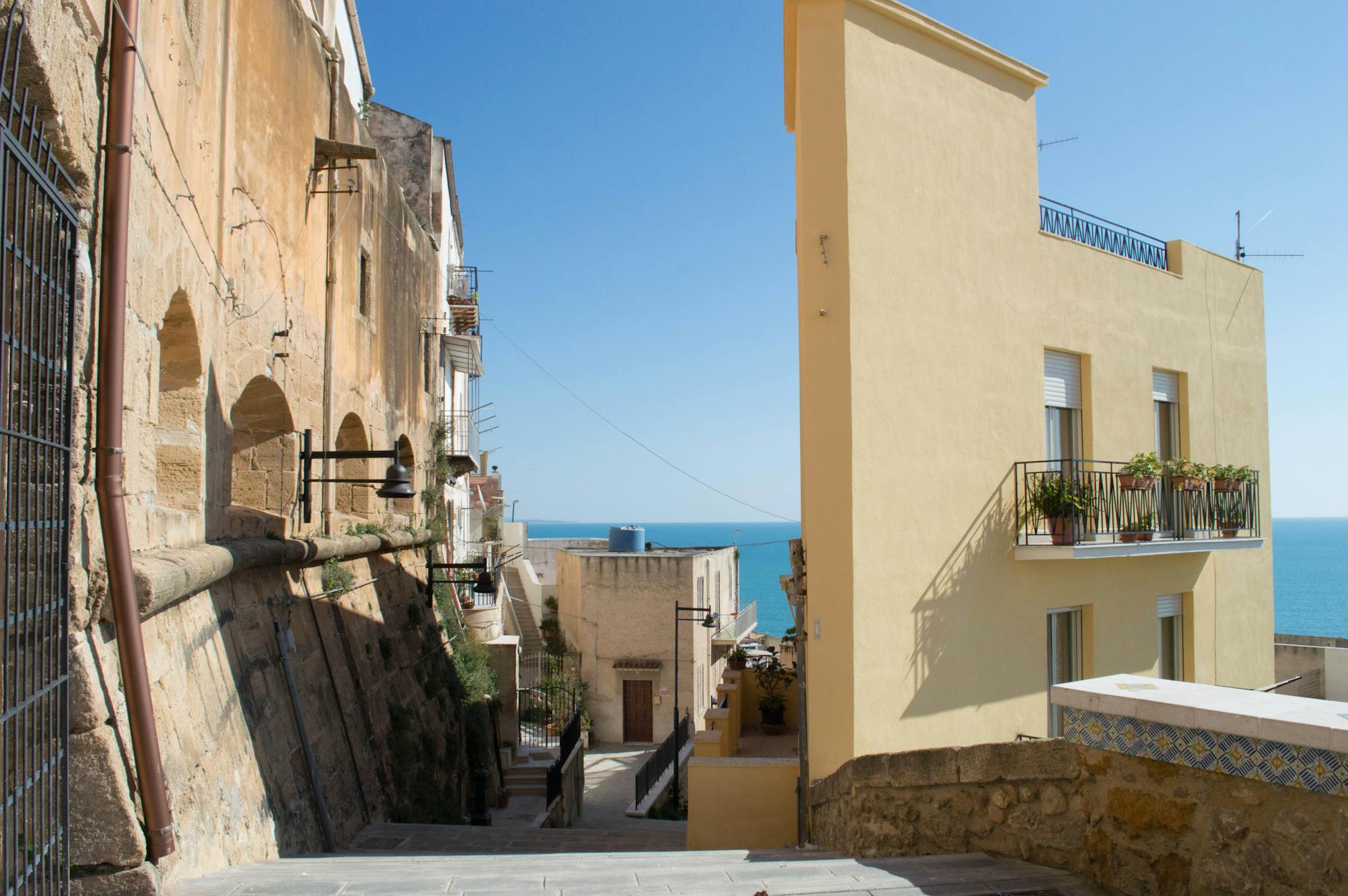
Sciacca is a sun-drenched Sicilian coastal town where fishing-port life, thermal springs and a layered historic centre meet. It suits travellers who want relaxed sightseeing, seafood and local craft—especially ceramics—without the crowds of Palermo. Three days is ideal: day one to get oriented and taste the town, day two for museums, churches and thermal baths, and day three for a coastal walk and a short day trip to Agrigento or Marsala. You’ll be able to move at an easy pace, sample the best local food, see the Carnival heritage and still have time to sit by the sea.
Why Visit
Historic stone lanes, colourful ceramics workshops and a working harbour give this town authentic local life. The thermal baths add a wellness angle rare in coastal spots. The Carnival of Sciacca is one of Sicily’s most creative festivals, and there are excellent day-trip options to archaeological Agrigento, Marsala’s salt pans and the west-coast vineyards. Expect friendly cafés, family-run trattorie, churches with baroque details and plenty of seaside viewpoints.
Quick Planning Tips
Stay central to walk everywhere; book thermal treatments in advance during high season. Bring sun protection for the coast and comfortable shoes for cobbled streets. Cash is handy for markets and smaller cafés. Local buses serve nearby beaches but a rental car makes day trips easier. If arriving by air, Palermo is the largest nearby airport (about 1.5–2 hours by car); trains and buses connect the region but schedules can be sparse on weekends.

Day 1
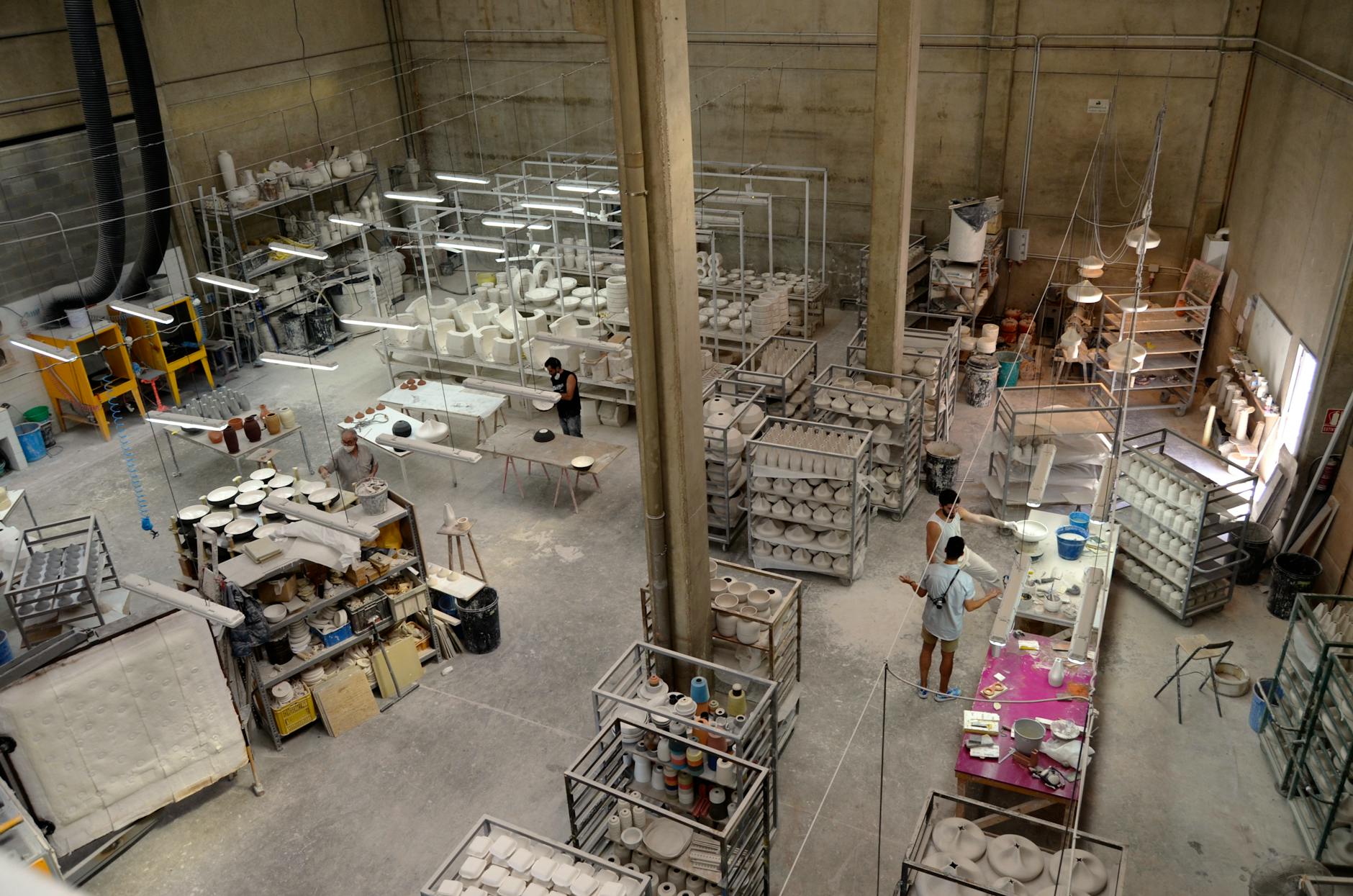
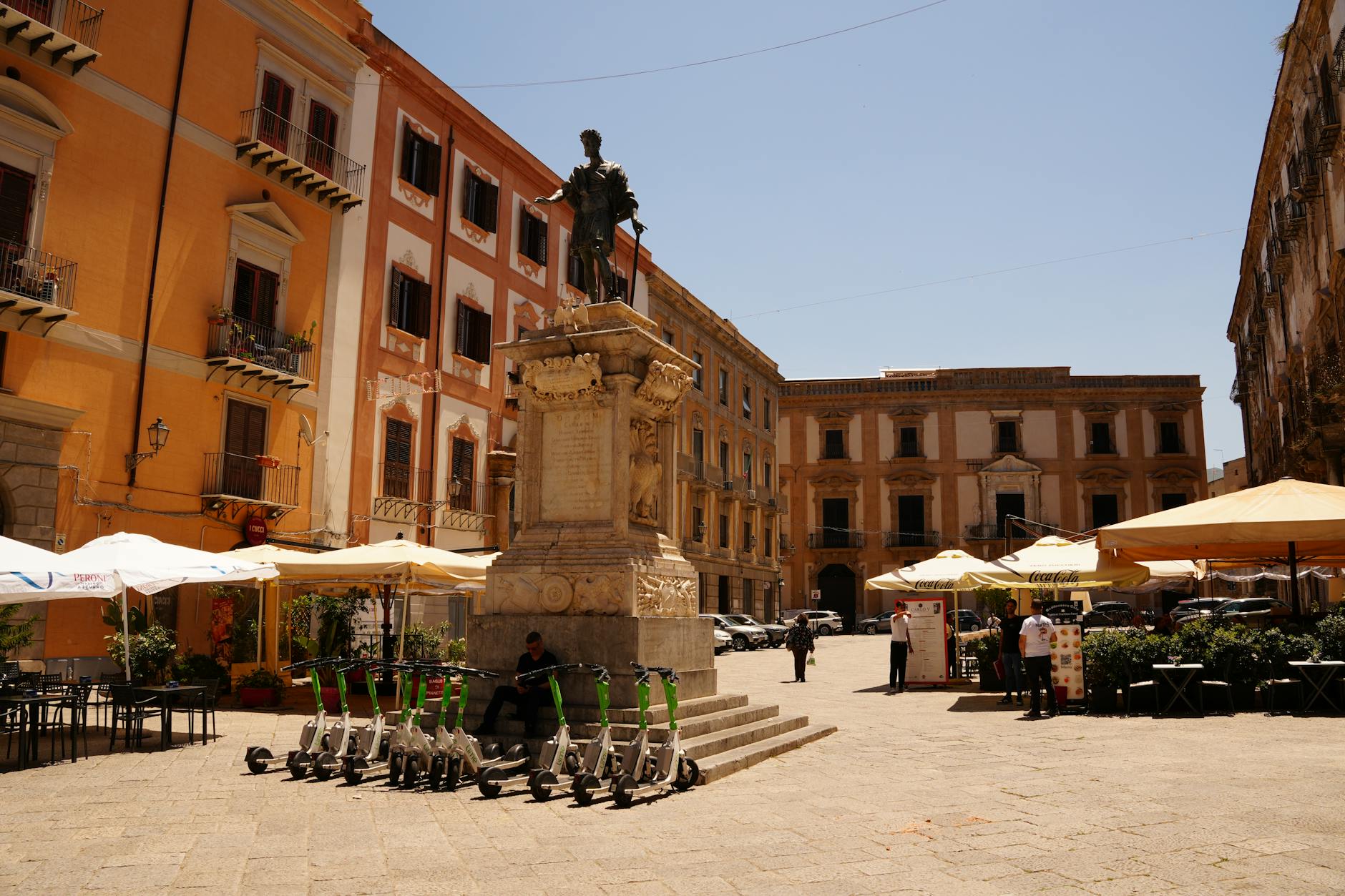
Morning: Start in the Historic Centre. Walk narrow lanes from Piazza Scandaliato and find artisan shops selling hand-painted maiolica. Visit the main church near the central square and stop for espresso at a café on Piazza. Lunch: Try a seafood lunch near the harbour—grilled fish or pasta with local catch. Afternoon: Stroll the Lungomare Mazzini to see fishing boats and sea views. Pop into a ceramics atelier. Evening: Dinner at a family-run trattoria; taste local pastries for dessert. Practical: most shops open late morning and close for siesta, so plan museum visits for afternoon openings.
Day 2
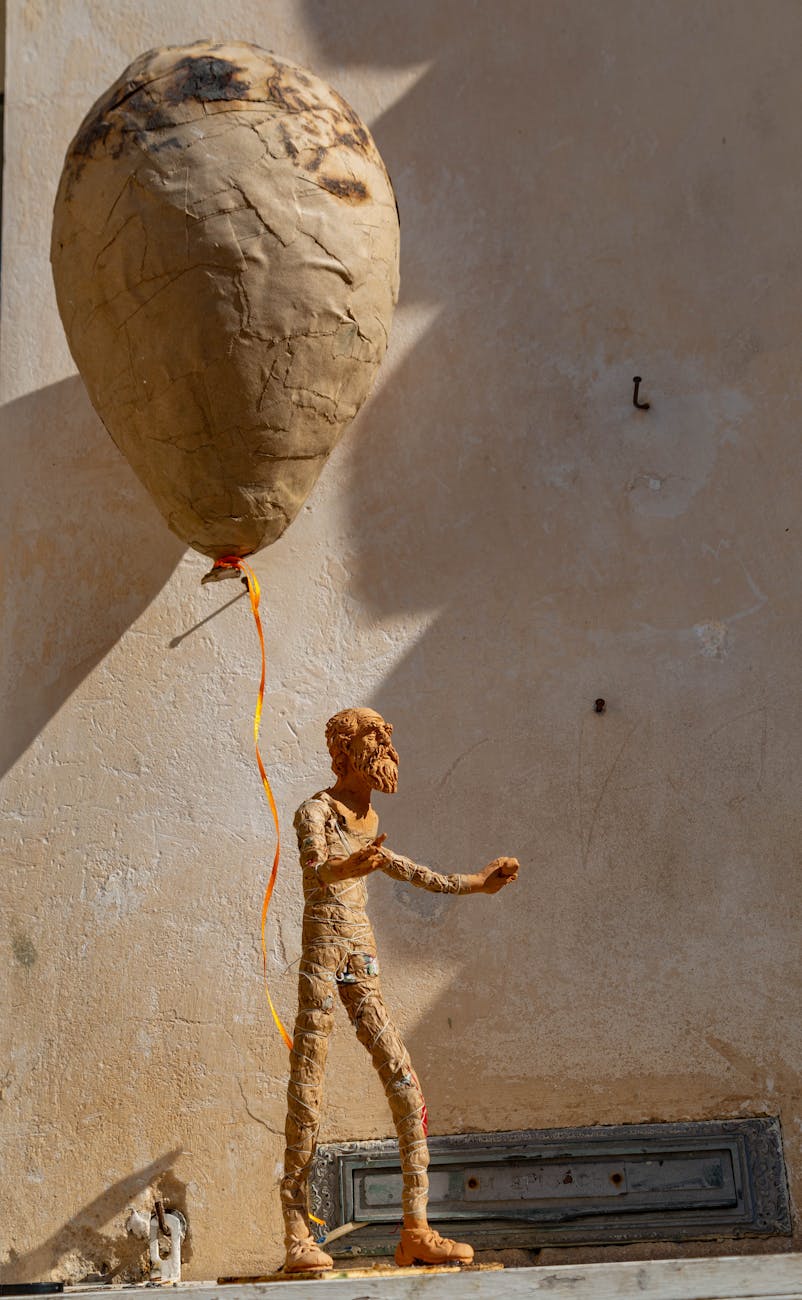
Morning: Visit the Museo del Carnevale to understand the papier-mâché and float-making tradition. Walk to the Santuario di San Calogero, a revered shrine with panoramic views. Lunch: Market or small osteria — sample fried seafood and a local salad. Afternoon: Relax at Terme di Sciacca for pools or a mud treatment; many hotels partner with spa facilities. Late afternoon: Photograph coastal cliffs and viewpoints west of town. Evening: Explore more ceramics shops and enjoy aperitivo on the seafront.
Day 3
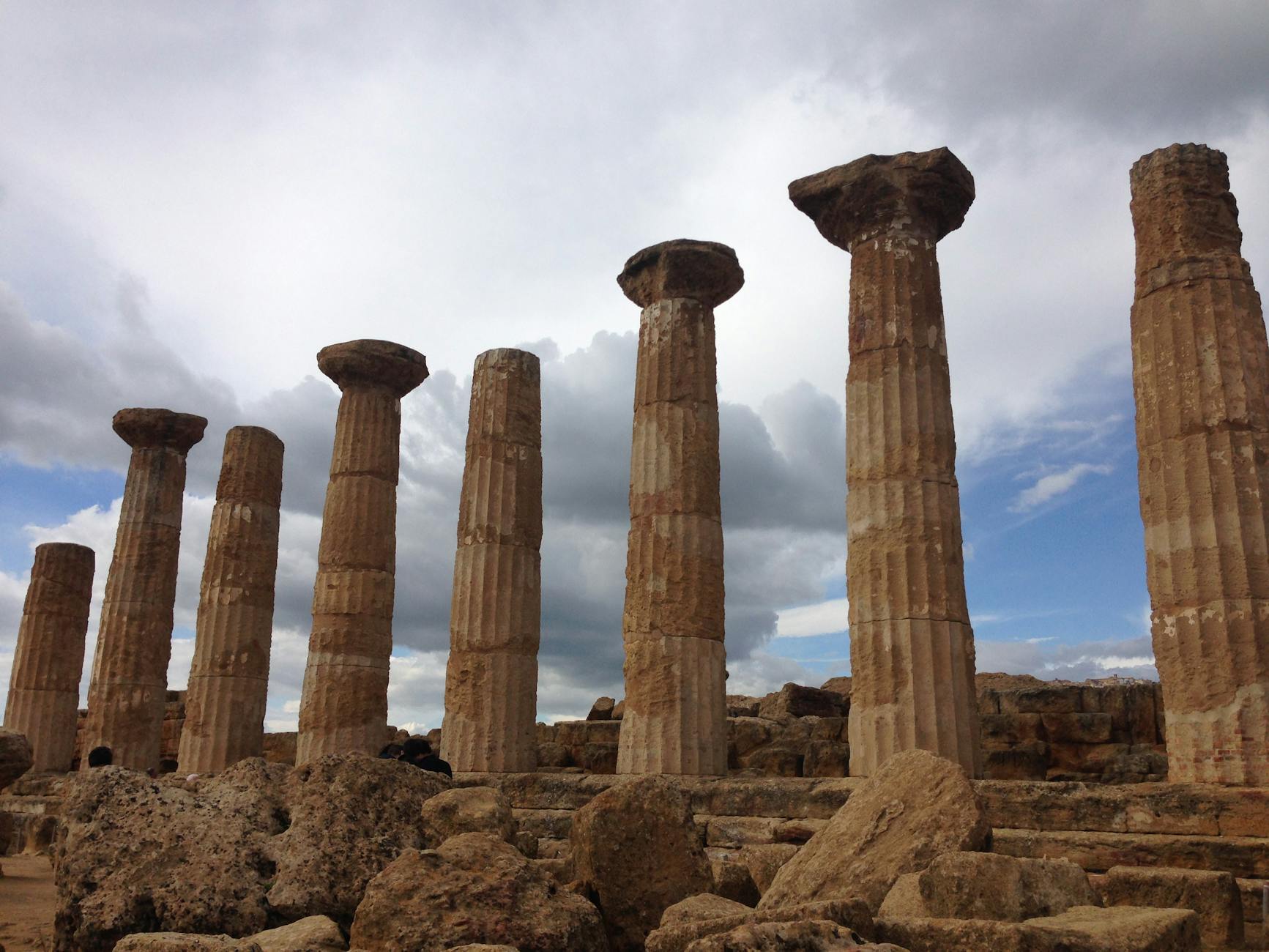
Morning: Short day trip options—drive to the Valley of the Temples in Agrigento (approx 1 hour) or head west to Marsala for wine and salt flats. If staying local, take a coastal walk to quiet coves or visit small fishing villages along the coast. Lunch: Try a Marsala wine tasting with regional snacks if on a day trip. Afternoon: Return to town for last-minute shopping—look for ceramics, olive oil and local sweets. Departure: If catching a late train or bus, enjoy one final seaside gelato.
Best Local Experiences
Watch artisans paint maiolica in tiny workshops. Time your visit for Carnevale di Sciacca if you want a theatrical local festival experience. Rise early to see the daily fish market at the harbour and order the catch of the day. Book a thermal spa session for natural hot springs and mud therapy. Walk the coastal paths at sunset—the light on the limestone sketches is unforgettable. Join a small winery tour if you head toward Marsala for a taste of fortified wines.

Where to Stay
Best neighborhoods: Centro Storico for atmosphere and walking access; the Marina/Port area for sea views and seafood restaurants; the Terme quarter if you want spa convenience. Accommodation types: charming B&Bs and small boutique hotels dominate; a few seaside guesthouses offer rooms with balconies. Book early for Carnival and summer. Look for properties that include parking if you rent a car for day trips.
Food and Drink
Seafood rules here: order grilled or fried fish, squid and prawns. Try pasta with clams or tuna specialties. Visit the harbour restaurants and small osterie for authentic cooking. Taste local almond pastries and ricotta-based desserts for sweets. Pair meals with Sicilian whites or a Marsala wine on day trips. For coffee culture, sit at a bar for an espresso; for evening drinks, look for a seaside aperitivo with olives and bruschette.
Getting Around
The town is compact and most central sights are walkable. Local buses run to nearby beaches and villages but can be infrequent; check timetables. Renting a car is the most flexible option for exploring Agrigento, Marsala and the western coast. Taxis are available but limited—ask your hotel to book one if needed. Nearest major airport: Palermo (about 1.5–2 hours by car). Train and bus connections serve the region; plan journeys outside high season for more reliable schedules.
Best Time to Visit
Late spring (May–June) and early autumn (September) offer warm weather, fewer crowds and open restaurants. Summer is lively but hot and busy; book ahead. Winter brings mild days and lower prices; February hosts the colourful Carnival if you want festival atmosphere, though some tourist services may be reduced.
Budget and Practical Tips
Currency: Euro. ATMs and banks in town; carry some cash for markets and small cafés. Tipping is modest—round up or leave 5–10% in restaurants if service is good. Many shops close 13:00–16:00 for riposo; plan museum visits accordingly. Wear comfortable shoes for cobbles and sun protection for long walks. If driving, expect narrow streets and limited parking in the historic centre—use hotel parking where available.
FAQ
Is Sciacca easy to reach from Palermo?
Yes. By car it takes about 1.5–2 hours; buses and trains connect the towns but schedules vary and some options are slower.
Can I do Sciacca in one day?
You can see highlights in a long day, but three days lets you relax, visit the thermal baths and take a nearby day trip.
Are the thermal baths open year-round?
Many spa facilities operate year-round but check exact opening times and book treatments in advance.
Is Sciacca family-friendly?
Yes. Calm beaches, open spaces and relaxed restaurants make it suitable for families; some activities are seasonal.
Do shops accept cards?
Most shops and restaurants accept cards, but small market stalls and some family-run places prefer cash.
When is the Carnevale di Sciacca?
It usually takes place in February; dates vary each year with parades, floats and workshops.
Conclusion
Three days in Sciacca gives you a balanced mix of coastline, culture and slow-paced Sicilian living. Plan to walk the historic streets, taste fresh seafood on the harbour, unwind at the thermal baths and use one day to explore nearby archaeological or wine regions. With central lodging and a sense of relaxed timing, you’ll leave with a clear picture of everyday Sicilian life and a few memorable meals by the sea.
How this guide was prepared
This guide was prepared through a structured research that combines destination research, geographic context, itinerary planning logic, and content review.