

Trapani in 3 Days: Practical Itinerary & Local Tips
Practical 3-day guide to Trapani: how to split time between salt pans, Erice cable car, Egadi ferries and the historic centre with realistic costs.
A straight-talking, 72-hour plan for Trapani that balances coast, islands, and old-town streets with exact transport, food and timing advice for realistic travel.
Expect a working port town whose centre is compact, mostly flat and divided between a narrow seafront promenade and a grid of turn-of-the-century streets. First impressions often focus on the harbour and the line of fish stalls; away from the water the mood becomes quieter, with small shops and family-run cafés. The pace is not frenetic like Palermo, nor is it a beach resort dominated by hotels; the local economy mixes fishing, salt production and island ferries.
Many visitors arrive thinking the town is simply a place to change transport for Favignana or Erice. That misses what the museums, the fish market and the saline landscape offer in half-days or mornings. The best short visit balances a morning in the historic centre and museum, an afternoon on the water or up the funivia, and an evening watching the light over the windmills at the Saline di Trapani e Paceco.
Is 3 days in Trapani enough?
Yes — three days allows a proper walk through the historic centre, a salt-pans visit and a day trip to either Erice or Favignana. The honest caveat: squeezing both Erice and two Egadi islands into three days leaves little margin for relaxed meals or unplanned transit delays.
Who This Guide Is For
Best for travellers who like compact towns, seafood and island hops and who are comfortable using regional ferries and regional trains. Less suitable for people wanting a slow beach resort holiday or for heavy packers who must rent and park a car in the central ZTL.
Local Tips for Trapani
Practical details that most travel sites skip — specific to Trapani.
- Buy ferry tickets for the Egadi islands at the Porto di Trapani box offices (Liberty Lines or Ustica Lines); a round trip to Favignana costs about €12–€20 depending on season.
- Use the Funivia Trapani–Erice from the lower station near Corso Piersanti Mattarella; one-way ticket is roughly €6–€8 and saves an hour of steep driving.
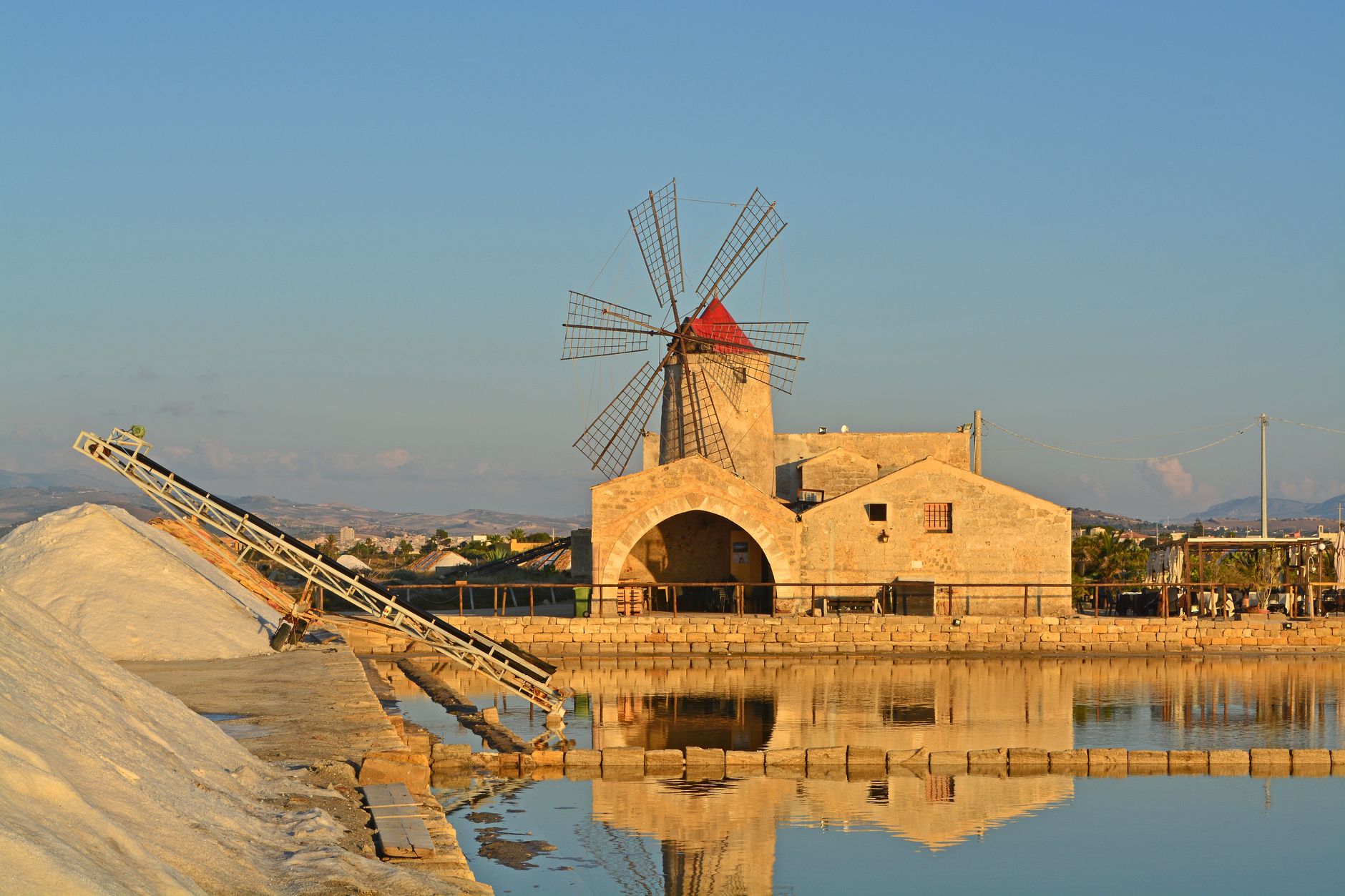
- The Saline di Trapani e Paceco reserve is busiest at sunset; parking at the Museo del Sale / Saline parking area gives fastest access to the windmills and flamingo-watching spots.
- Trenitalia runs regional trains from Trapani Centrale toward Palermo; buy tickets from the Trenitalia app or station machine — Palermo trips are roughly €7–€10 one-way.
- Most small cafés and market stalls accept only cash or a small card minimum; keep at least €20–€40 in coins/notes for bakery items, bus tickets and small purchases.
How This Guide Was Prepared
Three days here is about contrasts: working ports, flat baroque streets and wind-swept salt pans within easy reach of the Egadi islands. Most guides treat Trapani as an entry point to Favignana or Erice; the city itself deserves time for its markets, Museo Pepoli and the saline landscape at sunset. This guide focuses on how to use public ferries, the funivia and local timetables to avoid wasted hours and overcrowded choices. This guide was prepared through a structured research that combines destination research, geographic context, itinerary planning logic, and content review.
Plan Your Stay in Trapani
Use this itinerary as your starting point, then compare areas to stay, transport options, seasonal timing, and realistic daily costs before booking.
Why Visit
The coastline and islands are unusually accessible: hydrofoils to Favignana, Levanzo and Marettimo depart from the Porto di Trapani and take 20–60 minutes, so island time is possible even on a day trip. The Funivia Trapani–Erice provides a quick ascent to medieval Erice for panoramic views and pastry shops without a long drive or a difficult walk.
Cultural sights are concentrated and manageable. Museo Regionale Agostino Pepoli holds archaeology and local art in a former convent, Torre di Ligny is a small maritime museum by the western promontory, and the Chiesa del Purgatorio anchors major Holy Week rituals, especially the Processione dei Misteri.
The salt pans at Saline di Trapani e Paceco offer a landscape few expect in a port town: windmills, lagoons and migratory birds visible at sunset. Finally, local seafood and market life — early-morning fish stalls at the porto and small trattorie along Via Garibaldi — provide direct access to Sicilian flavours without long searching.
Quick Planning Tips
The fastest route from Vincenzo Florio Airport (Trapani–Birgi) is the official shuttle bus or a taxi; taxi fares to the city centre are roughly €30–€40 depending on luggage. From Palermo, regional trains via Trenitalia arrive at Trapani Centrale; booking through the Trenitalia app is simple and can show platform changes.
Carry euros in small denominations: many cafés, market vendors and small museums prefer cash. Credit cards are widely accepted in restaurants and at official ticket offices for ferries and the funivia, but less so at fish stalls and some tabacchi.
Avoid the zoning trap: the centro storico has ZTL hours and limited parking. Do not plan to drive into the oldest streets without confirming a parking spot outside the restricted area. Also check ferry and funivia timetables a day ahead; low-season departures drop significantly and can force itinerary changes.
Day 1
Morning: Start at Porto di Trapani to visit the Mercato del Pesce around 07:00–09:00 and walk the Lungomare Dante Alighieri. Allow 60–90 minutes for the fish market and a coffee nearby. From the port, walk 10–15 minutes to Torre di Ligny on the western headland for coastal views and the small maritime displays.
Late morning: Head to Museo Regionale Agostino Pepoli on Via Conte Agostino Pepoli; budget 60–90 minutes for the archaeology and local collections. The museum is a 10–12 minute walk from Torre di Ligny along Corso Vittorio Emanuele, or a 5–10 minute taxi ride.
Lunch: Eat at Trattoria del Corso (or a similar trattoria on Corso Vittorio Emanuele) for local fish specialities such as couscous di pesce or grilled pesce spada; set aside €12–€20 per person. After lunch, stroll Via Garibaldi and visit Cattedrale di San Lorenzo, a 5–10 minute walk.
Afternoon: Walk to the ferry terminal if planning an afternoon boat to Favignana (20–40 minutes including boarding time) or remain in town and visit the antique shops around Piazza Mercato. If staying in town, allow time to browse local bakeries for sfince or cannoli.
Evening: Make the 20–30 minute drive or 40–50 minute bus ride to the Saline di Trapani e Paceco for sunset among windmills; arrive in time for changing light and photo opportunities. If returning to the centre, have dinner along the waterfront where several restaurants stay open late during high season.

Day 2
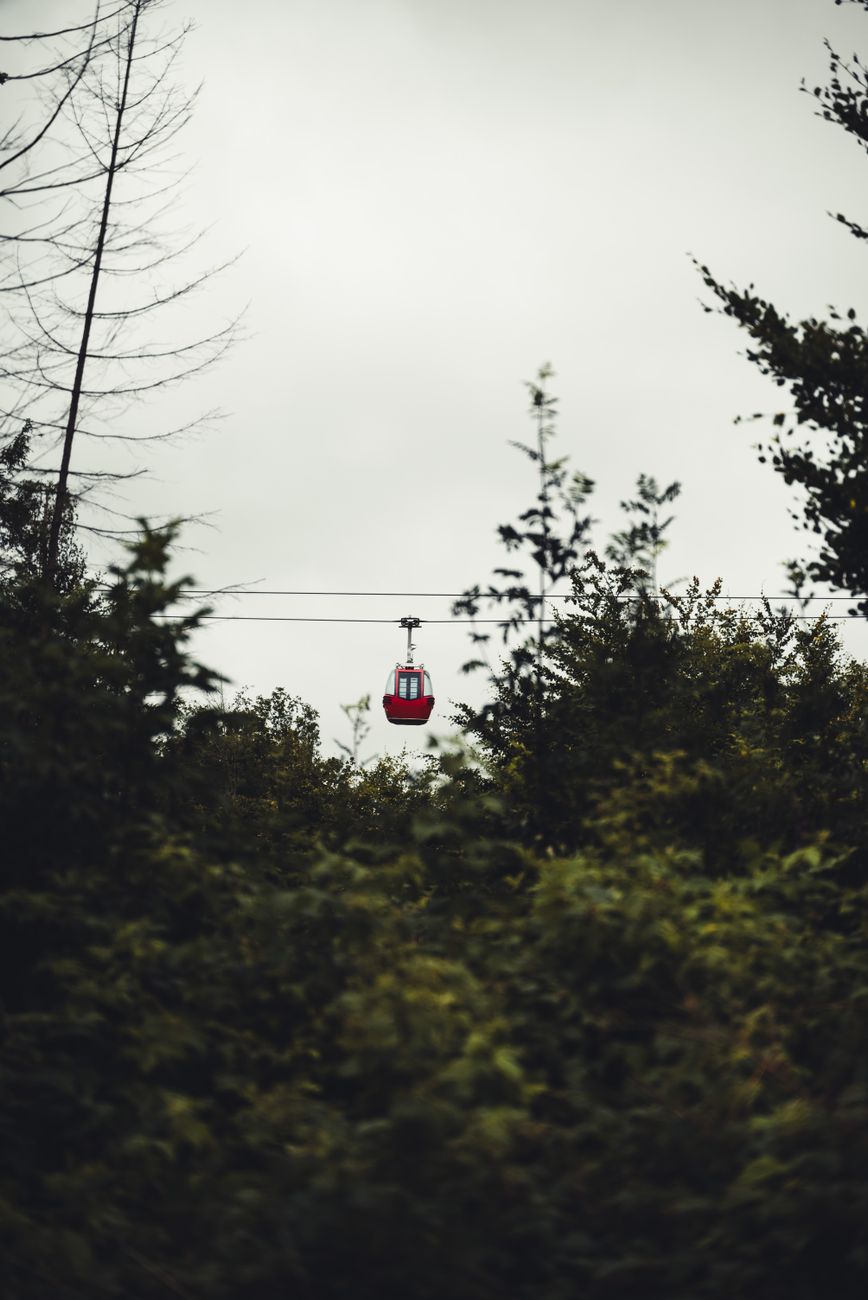
Morning: Take the Funivia Trapani–Erice from the lower station; the ride is 10 minutes and reaches the medieval town of Erice. Allocate two to three hours to visit Castello di Venere ruins, the cobbled streets, local pastry shops like Maria Grammatico's style pasticcerie and the viewpoints over the coast.
Midday: Lunch on Erice with a cassata-style pastry or a savoury local focaccia; many cafés near Piazza Umberto I serve quick plates. Return on the funivia in the early afternoon — the descent avoids steep, single-track roads and saves time.
Afternoon: Back in the harbour area, walk to Museo del Sale if open or the Saline visitor points that explain traditional salt production — allow 60–90 minutes. Alternatively, take a short bus or taxi (10–15 minutes) to nearby archaeological installations at the salt pans and the visitor centre.
Late afternoon: Explore residential districts around Via Roma and Via Torrearsa for authentic neighbourhood life and quiet cafés. If energy remains, a short 20–30 minute ferry to Favignana offers a preview of the island for a half-day reconnaissance, but plan return timings carefully.
Evening: Return to the historic centre for dinner at a seafood-focused osteria. For atmospheric nights, sit on the western promenade near Torre di Ligny where locals stroll and families gather.
Day 3
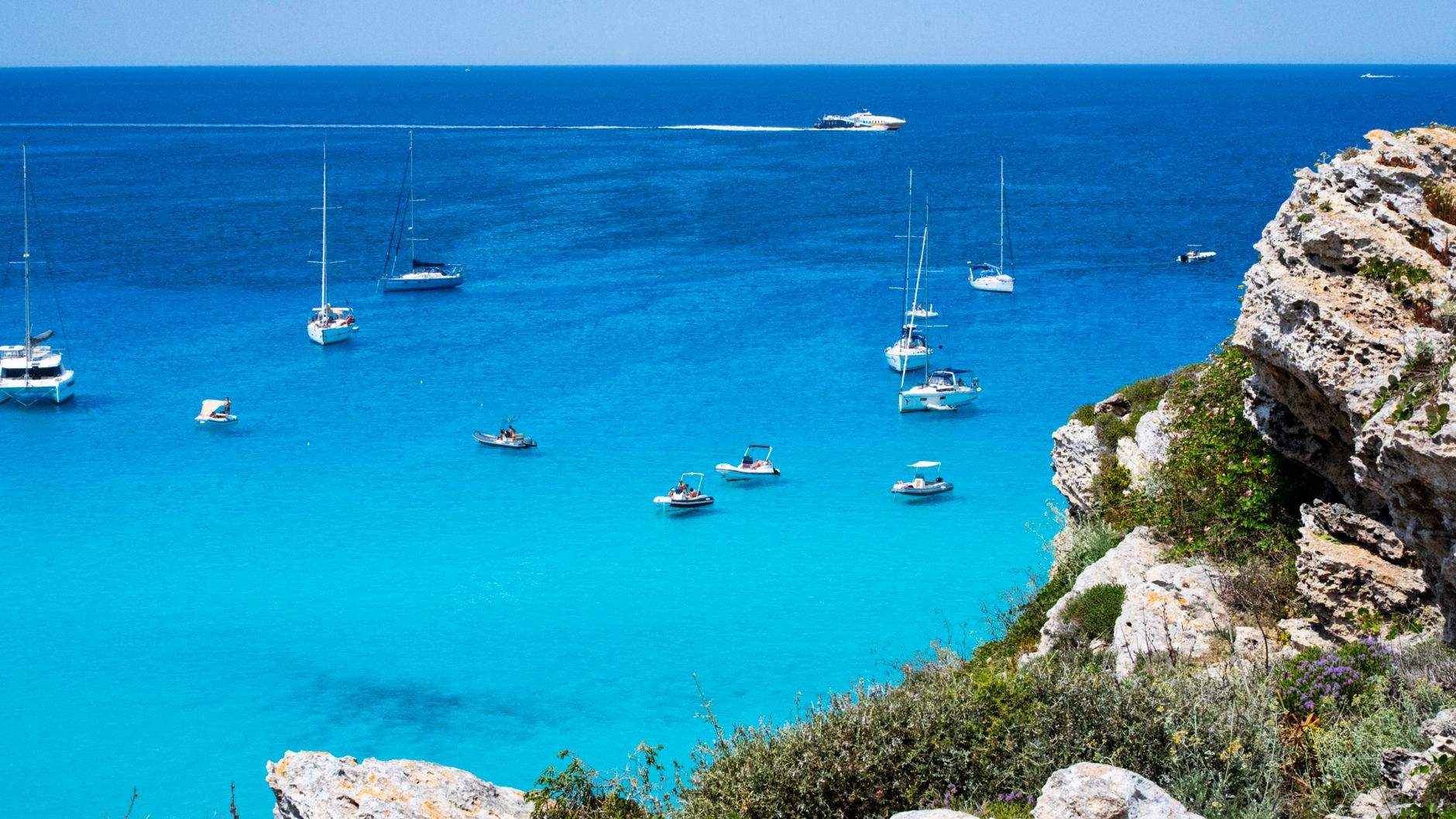
Morning: Use this day for an island day trip if not done already. Ferries to Favignana leave early from Porto di Trapani; the crossing is about 20–30 minutes on a fast boat. Rent a bicycle on Favignana to cycle to Cala Rossa and the rocky coves; set aside a full morning and early afternoon for the island.
Alternative morning for those skipping islands: Take Trenitalia regional train from Trapani Centrale to Marsala or Palermo for a focused half-day if catching a later flight; train rides to Marsala are roughly 25–40 minutes and offer different wine-focused experiences.
Midday: Have a seafront lunch on the island or, if in town, book a final meal at a trattoria near Piazza Mercato. Budget time to clear accommodation and collect luggage from the hotel if checking out — many small hotels will hold bags for a few hours if asked.
Afternoon: If an afternoon flight from Trapani–Birgi is scheduled, plan to be at the airport 90–120 minutes before departure; allow 40–60 minutes transit time from the city centre by taxi and 25–40 by shuttle depending on stops. For train departures, arrive 30 minutes early at Trapani Centrale to buy or validate tickets.
Evening: If the schedule allows, a late stroll along the lungomare or a final gelato near Piazza Mercato makes for a calm finish; otherwise prioritise ferry and flight timings over extra sightseeing.
Best Local Experiences
Mercato del Pesce at the Porto: an early-morning fish market where local fishermen unload catches and small shops buy for the day’s menus. Arrive before 09:00 for best activity.
Saline di Trapani e Paceco: sunset among the windmills with flamingos and salt pans; best in late afternoon light and for photography. The adjacent Museo del Sale explains traditional salt extraction methods.
Funivia Trapani–Erice: the short cable-car ride gains quick access to Erice’s medieval streets, local pastry shops and sweeping views over the Tyrrhenian Sea.
Egadi island hopping: Favignana for cycling and coves, Levanzo for a compact harbour and simple seafood, Marettimo for rougher hiking; each island has a different character and departures are from Porto di Trapani.
Processione dei Misteri (Holy Week): one of Sicily’s more intense Holy Week processions with large wooden statues moved through the centre; check dates if travelling in March or April.
Caruso-style coastal walks and the Lungomare: short, level promenades for an evening stroll, people-watching and sampling gelato next to the harbour.
Piazza Mercato and Via Garibaldi for bakery and pastry stops: look for local sfince and almond-based biscuits sold in town bakeries.
Where to Stay
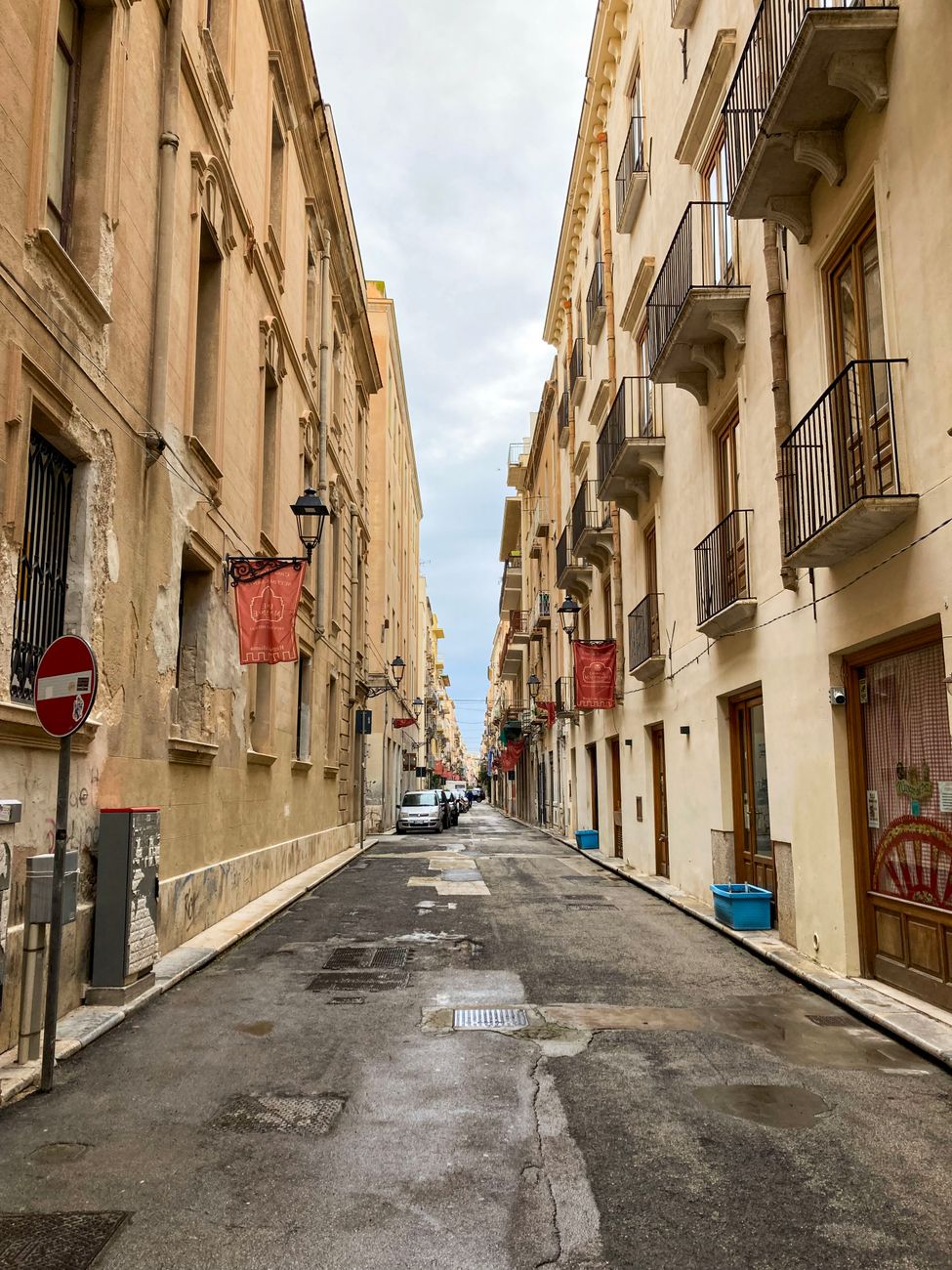
Centro Storico (around Corso Vittorio Emanuele and Piazza Mercato): suits visitors who want to walk to museums, the cathedral and the harbour. Expect small B&B rooms or boutique guesthouses; typical nightly costs range €60–€110 (≈USD 65–120) depending on season.
Lungomare/Port Area (near Torre di Ligny and Porto di Trapani): suits people prioritising sea views and early ferry departures. Mid-range hotels and pensions dominate here; average nightly cost is €70–€130 (≈USD 75–140).
Borgo Annunziata / Via Salemi (residential area southeast of the centre): suits longer-stay travellers or those with cars looking for quieter streets and lower prices. Small apartments and family-run hotels cost about €45–€80 per night (≈USD 50–90).
General notes: high season (June–August) doubles rates in desirable locations, so book early. Many hotels offer luggage-hold for same-day departures; check ferry times with hosts if planning early morning island trips.
Food and Drink
Couscous di pesce: a Sicilian-Arabic legacy — steamed semolina with mixed fish broth and pieces of fish or shellfish. Find good versions at Cantine e Trattorie near the port; expect €12–€20 a plate.
Pesce spada alla griglia (grilled swordfish): thick steaks simply seasoned and common at seafront trattorie. Typical price €10–€18 depending on portion and location.
Pane cunzato: a local street/quick-eat item — open bread topped with tomato, cheese, anchovies or olives; a practical midday bite near Piazza Mercato for €3–€6.
Breakfast option — brioche con granita: a soft brioche filled with almond or lemon granita, sold at pasticcerie like those on Via Garibaldi; €2.50–€5 depending on size.
Street food — arancina/arancino: stuffed and fried rice ball; in Trapani the larger arancina varieties are widely available at bakeries for about €2.50–€4.
Dinner recommendation — small osteria with local catch: look for restaurants listing ‘acciughe’ or seasonal catches; a three-course seafood dinner with wine runs €25–€40 per person. Finish with almond-based pastries and espresso.
Drink notes: local Marsala wine is available by the glass in many bars; a house glass is about €3–€6. For a digestif, try a small limoncello produced on nearby islands or mainland Sicily for €2–€4 a shot.

Getting Around
Ferries and hydrofoils: Liberty Lines and Ustica Lines operate regular services from Porto di Trapani to Favignana, Levanzo and Marettimo; crossings vary from 20 to 60 minutes. Buy tickets at the port offices or online through the operators’ websites.
Train: Trenitalia regional trains run from Trapani Centrale toward Palermo and other Sicilian towns. Use the Trenitalia app to check schedules; single regional fares to Palermo typically run €7–€12 one-way.
Funivia: the Funivia Trapani–Erice connects the lower station with Erice and is the fastest way up. Buy tickets at the station kiosk; one-way is about €6–€8.
Buses and local services: local buses are run by companies serving trapani province — buy single tickets onboard or in tabacchi and validate them. A single urban bus ticket is roughly €1.40; there is no widely used day metro pass for the town centre. Taxis run from ranks near the port and station; airport-to-centre taxi fares are typically €30–€40.
Apps and cards: use the Trenitalia app for trains and official ferry operator sites or apps for island services. For local buses, check schedules posted at stops or ask at the tourist office; many small carriers do not have reliable third-party apps.
Best Time to Visit
Spring (April–June): one of the best windows — daytime temperatures 18–25°C, sea warming, crowds lower than July–August and ferries running at full frequency. Shoulder-season advantages include lower accommodation rates than high summer.
Summer (July–August): hot and busy, with daytime highs 28–34°C and crowded ferries and beaches. Expect higher hotel prices and full restaurants, particularly in the third week of August when Italians holiday.
Autumn (September–October): still warm (20–27°C) and often the best balance of sea swimming and fewer crowds; ferry timetables begin to thin in late October.
Winter (November–March): mild but quieter, daytime 10–16°C; many island ferry services reduce frequency and some small restaurants close for seasonal breaks. Good value for lower accommodation rates but less island flexibility.
Budget and Practical Tips
Realistic daily budgets (per person): Budget traveller: €55–€80 (≈USD 60–90) covering hostel or budget B&B €30–€45, food €15–€25, local transport €3–€5 and small entry fees €2–€5. Mid-range traveller: €110–€170 (≈USD 120–185) including a mid-range hotel €60–€110, meals €25–€45, transport and excursions €10–€20, museum entries and a short ferry trip €10–€20.
Museum and entry fees: Museo Regionale Agostino Pepoli roughly €4–€6 for standard admission; Torre di Ligny and smaller local sites commonly charge €2–€5. Egadi ferry day trips cost €12–€25 round trip depending on island and operator.
Tipping norms: tipping is modest — round small amounts or leave 5–10% in restaurants for table service. Bars and cafés expect no tip beyond rounding the bill; taxis can be rounded up to the next euro or leave €1–€3 for luggage help.
Practical advice: watch for ZTL signs near the historic centre to avoid fines, check ferry and funivia timetables one day ahead in low season, and carry cash in small denominations for markets and smaller cafés.
FAQ
Is Trapani safe for solo travellers?
Yes, generally safe; standard urban precautions against pickpocketing near the port and busy markets suffice. Nighttime areas are quieter — avoid poorly lit side streets if alone after midnight.
Are the ferries to the Egadi islands reliable year-round?
Schedules are reliable in high season but reduced in winter; check Liberty Lines or Ustica Lines timetables a day before travel and book in summer weekends.
Is the Funivia a good option to reach Erice compared with driving?
The funivia is faster, avoids narrow mountain roads and guarantees parking convenience at the lower station — strongly recommended during high season or for those unfamiliar with mountain driving.
Is a city card or tourist pass worth buying?
There is no widely used Trapani city card that covers ferries and local transport; purchases are usually pay-as-you-go for museums, ferries and the funivia, so a pass is not essential.
How do people usually get from Trapani airport to the centre?
Options include the airport shuttle (seasonal), local taxi (roughly €30–€40) and car rental; confirm shuttle times ahead and budget taxi fares accordingly.
Can Trapani be used as a base for day trips to Palermo or Agrigento?
Yes for Palermo by regional train (around €7–€12, 1.5–2 hours depending on service) and for Agrigento by a combination of train/bus or a long drive; Agrigento is better suited as an overnight if museum time is planned.
Are museums and attractions open every day?
Many smaller museums and visitor centres close one day a week or have reduced hours in low season; check opening days for Museo Pepoli and Saline visitor points before scheduling visits.
Is a car needed for three days?
Not essential for the core town, island trips and Erice (funivia). A car is useful for exploring remote salt-pans, Marsala vineyards or rural routes but parking and ZTL rules add complexity.
Conclusion
Three days reveal the town’s compact character: the harbour rituals, a focused museum visit and access to either the Egadi islands or the mountaintop village of Erice. Time is best spent accepting the ferry and funivia schedules rather than trying to force too many long transfers into one day. If short on time, prioritise either an island day (Favignana for beaches and cycling) or Erice (for views and pastries); both capture distinctive regional contrasts and will be the memory that lasts longest.
How this guide was prepared
This guide was prepared through a structured research that combines destination research, geographic context, itinerary planning logic, and content review.