

Jerez de la Frontera: Practical 3-Day Itinerary & Tips
Three-day plan for Jerez de la Frontera with realistic timing, bodega tours, equestrian shows, transit tips and where to eat and stay.
A clear, no-nonsense 3-day plan for Jerez de la Frontera that covers the Alcázar, cathedral, bodega visits, an equestrian show, local markets and sensible transit advice.
First impressions are compact: a walkable centro with narrow streets around Plaza del Arenal, plenty of plazas and a clear sherry industry footprint in the form of bodegas and winery buildings. The city feels quieter than Sevilla or Cádiz; traffic is light in the old town and most sights are clustered inside a 20–30 minute walk radius.
Expect loud, specific local calendars: Feria del Caballo and Semana Santa radically change opening hours and hotel prices. Visitors often assume everything runs on tourist hours; instead, many small bars and workshops close during siesta and reopen after 17:00.
This place suits people who want deliberate tasting experiences, short museum visits and evening flamenco or equestrian performances. It is less suited for travelers needing nightlife that runs past 02:00 or those expecting continuous late-night transit connections.
Is 3 days in Jerez de la Frontera enough?
Three days is enough to see the old town, visit two bodegas, attend a show at the Real Escuela Andaluza del Arte Ecuestre and sample local markets. One honest caveat: there won’t be time for multiple long day trips to Cádiz and Sevilla without cutting museum time or skipping a bodega visit.
Who This Guide Is For
Best for food, wine and horse-culture travelers who like compact cities and slower afternoons. Less suitable for travelers who want beach-and-club nightlife or who need nonstop public-transport options late at night.
Local Tips for Jerez de la Frontera
Practical details that most travel sites skip — specific to Jerez de la Frontera.
- Feria del Caballo takes place in May (usually early May); hotels and bodega tours sell out well in advance, and many restaurants run special menus for the week.
- González Byass (Tío Pepe) runs guided tours costing about €12–€18; book specific time slots online because English tours and tasting slots can fill several days ahead.
- Mercado Central de Abastos opens roughly 08:00–14:30 weekdays and Saturday mornings; many stalls close for siesta in the afternoon so go mid-morning for best selection.
- Royal Andalusian School shows (espectáculo) usually start around 12:00 or 20:30 depending on season and cost roughly €18–€30; check the school's official schedule before booking.
- Jerez Airport (XRY) is about 10 km from the center; a taxi runs about €12–€18 to Plaza del Arenal while the local bus (route connecting airport and station) is much cheaper but runs less frequently.
How This Guide Was Prepared
This guide treats Jerez as a focused, short-break destination driven by sherry production and equestrian culture rather than a broad sightseeing capital. Most guides over-sell convenience and under-explain timing: bodega tours, flamenco and the Royal School have fixed slots and local closures that shape a realistic schedule. This guide was prepared through a structured research that combines destination research, geographic context, itinerary planning logic, and content review.
Plan Your Stay in Jerez de la Frontera
Use this itinerary as your starting point, then compare areas to stay, transport options, seasonal timing, and realistic daily costs before booking.
Why Visit
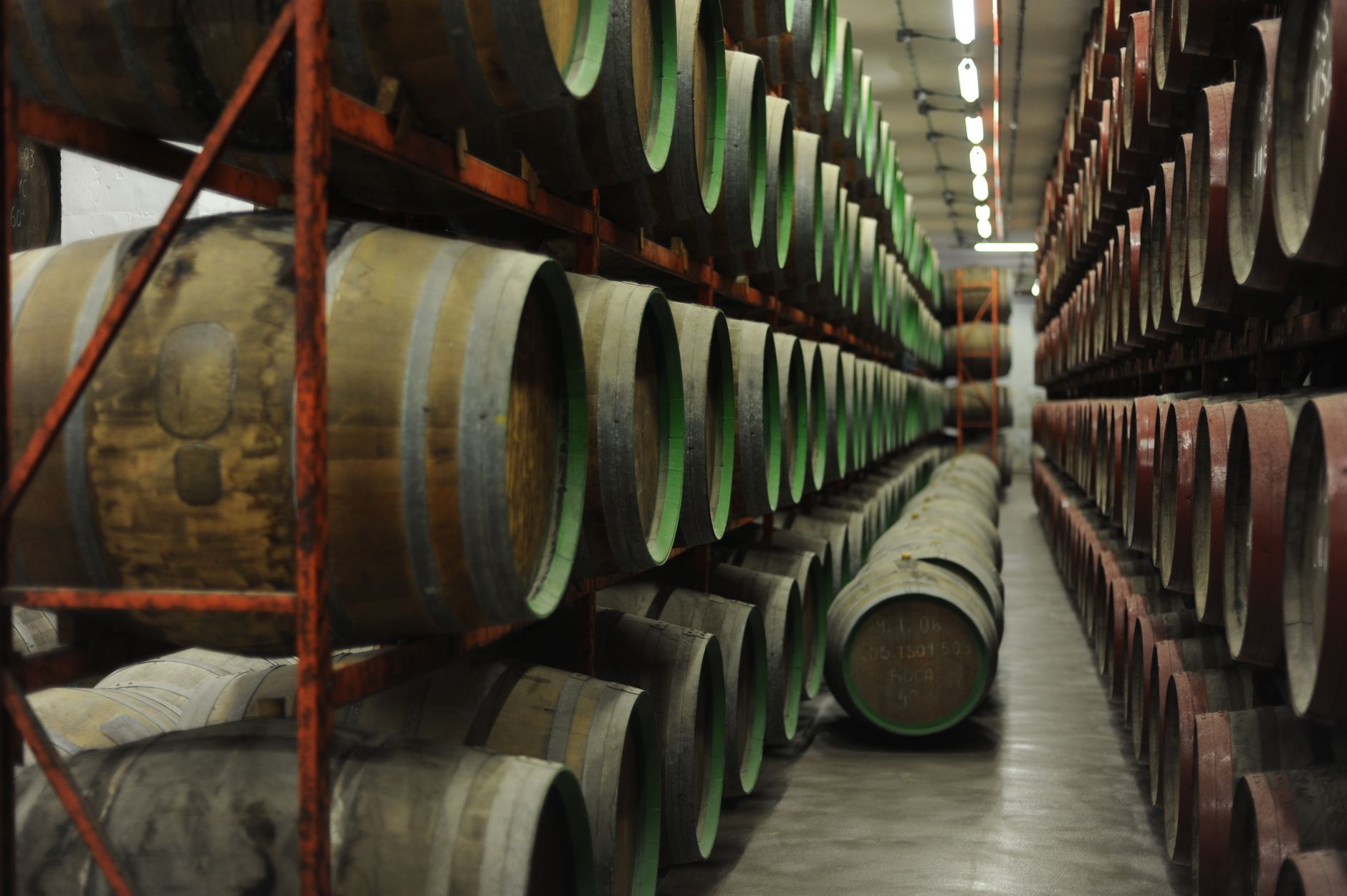
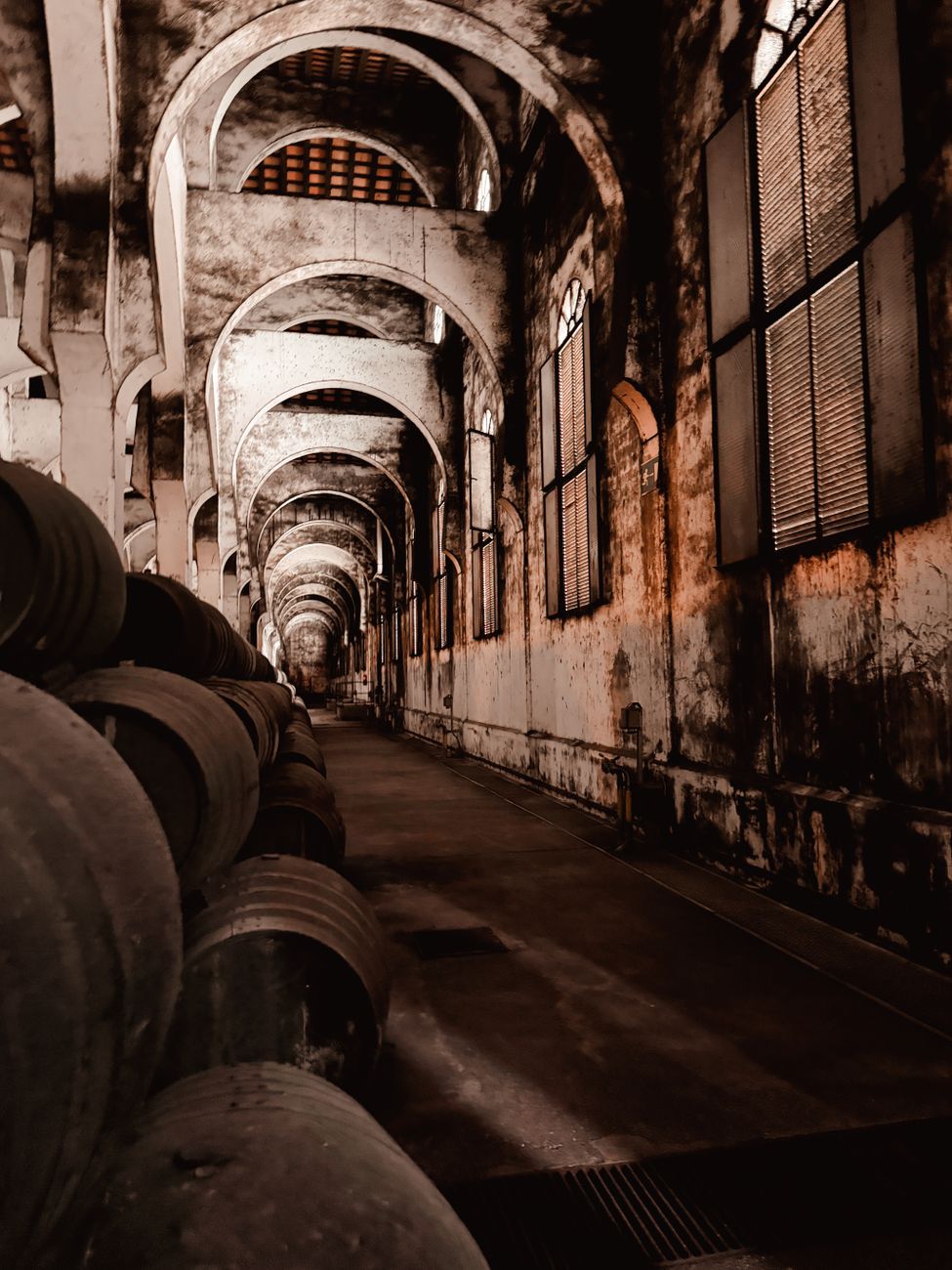
The sherry bodegas are the primary draw: established houses like González Byass (Tío Pepe), Bodegas Lustau and Bodegas Tradición offer historic cellars and structured tastings that explain fino, oloroso, amontillado and Pedro Ximénez. Those tours provide both context and tasting in a short visit.
Equestrian culture is another distinctive reason: the Real Escuela Andaluza del Arte Ecuestre offers formal riding displays and training that are unlike a standard museum show. The Escuela ties local identity to Andalusian horse training in a way few nearby towns replicate.
A concentrated old town means efficient sightseeing: Alcázar, Cathedral, Museo Arqueológico Municipal and smaller specialty museums like Museo del Enganche sit close enough for a full day on foot. The Mercado Central de Abastos supplies a practical food stop where locals shop and vendors prepare tapas on site.
Quick Planning Tips
Arrive via Jerez Airport (XRY) if possible; taxis to Plaza del Arenal are about €12–€18 and take 12–20 minutes depending on traffic. Trains from Estación Jerez to Sevilla take roughly 1h 30m on regional services; book longer connections through renfe.com if traveling onward.
Carry euros for small purchases—Mercado Central stalls and some tabancos take cash only. Most larger venues accept cards but small bars may not.
Avoid the mistake of leaving bodega visits until the last afternoon of the trip. Tours have fixed slots and often close between 14:00 and 17:00; reserve morning or early-afternoon tours in advance.

Day 1
Morning: Start at Plaza del Arenal for orientation and coffee, then walk 7–10 minutes to the Alcázar of Jerez. Allocate 60–90 minutes to see the gardens, the fortified walls and the cistern area; admission is usually around €3–€5.
Late morning: From the Alcázar it’s a 3–5 minute walk to Catedral de Jerez. Spend 30–45 minutes inside; the rooftop viewpoints (when open) add time but reward with town views. Tickets are about €3–€5.
Lunch: Walk 5 minutes to Mercado Central de Abastos and choose a stall for fresh tapas and fried fish. Expect to pay €6–€12 for a plate of pescaito frito and a small glass of fino.
Afternoon: Head to González Byass (Tío Pepe) for a guided tour and tasting—walking from the cathedral is 10–12 minutes or a short taxi. Tours last about 60–90 minutes and typically cost €12–€18.
Evening: For dinner and entertainment, book La Carboná (flamenco and food) or a Tablao that schedules shows around 20:30. If preferring horses, check the Real Escuela schedule; some evening equestrian events require pre-booked tickets. End the night with a paseo along Calle Larga if shops remain open.

Day 2
Morning: Take a focused bodega loop. Start at Bodegas Lustau for a cellar tour and tasting; allow 60–75 minutes including the tasting. From Plaza del Arenal take a 15–20 minute walk or a 6–8 minute taxi to reach the cluster of bodegas on the outskirts of the old town.
Midday: Walk or taxi to Museo del Enganche (carriage museum) for a 45–60 minute visit; it illustrates equestrian and carriage culture that pairs with the Escuela. Admission is modest, often under €6.
Lunch: Try a local restaurant near Calle Larga—small plates of jamón ibérico, tortillitas de camarones and montaditos run €8–€15 per person.
Afternoon: Spend time in Barrio Santiago and around Plaza del Mercado to see everyday life away from tourist routes. If interested in motorsport, catch a 20–30 minute taxi to Circuito de Jerez for a paddock tour or event schedule—entry varies by event.
Evening: Pick a tabanco for an informal drink and tapas—these old-style taverns focus on sherry by the glass and live guitar most nights. Keep cash handy and ask for a pairing suggestion based on a chosen sherry style.
Day 3
Morning: Reserve this slot for anything missed earlier: Museo Arqueológico Municipal, a second bodega such as Bodegas Tradición for PX tastings, or a longer walk through the Alameda Vieja park. Allow 60–90 minutes for a museum or tasting.
Midday: Check out a light lunch near Plaza del Caballo; small set menus and tapas cost €10–€18. If catching a midday train or flight, aim to finish lunch by 12:30–13:00 to allow time for luggage and transit.
Practical note for departures: For afternoon flights from XRY, taxis from the old town to the airport take 12–20 minutes and cost about €12–€18. If leaving by train from Estación Jerez, add 20–30 minutes to reach the station from Plaza del Arenal on foot or allow a short taxi.
Afternoon option: If time allows and preferences tilt to the coast, a quick train to Cádiz can take under an hour on some services—this will eat the afternoon but offers a seaside contrast. Otherwise spend a relaxed final hour at a tabanco sampling a last fino and a plate of tortillitas de camarones.
Best Local Experiences
Feria del Caballo (early May) — a week of horse parades, casetas and evening music; plan accommodation and bodega slots months ahead. Real Escuela Andaluza del Arte Ecuestre espectáculo — formal riding displays with classical dressage and music; book the timed shows.
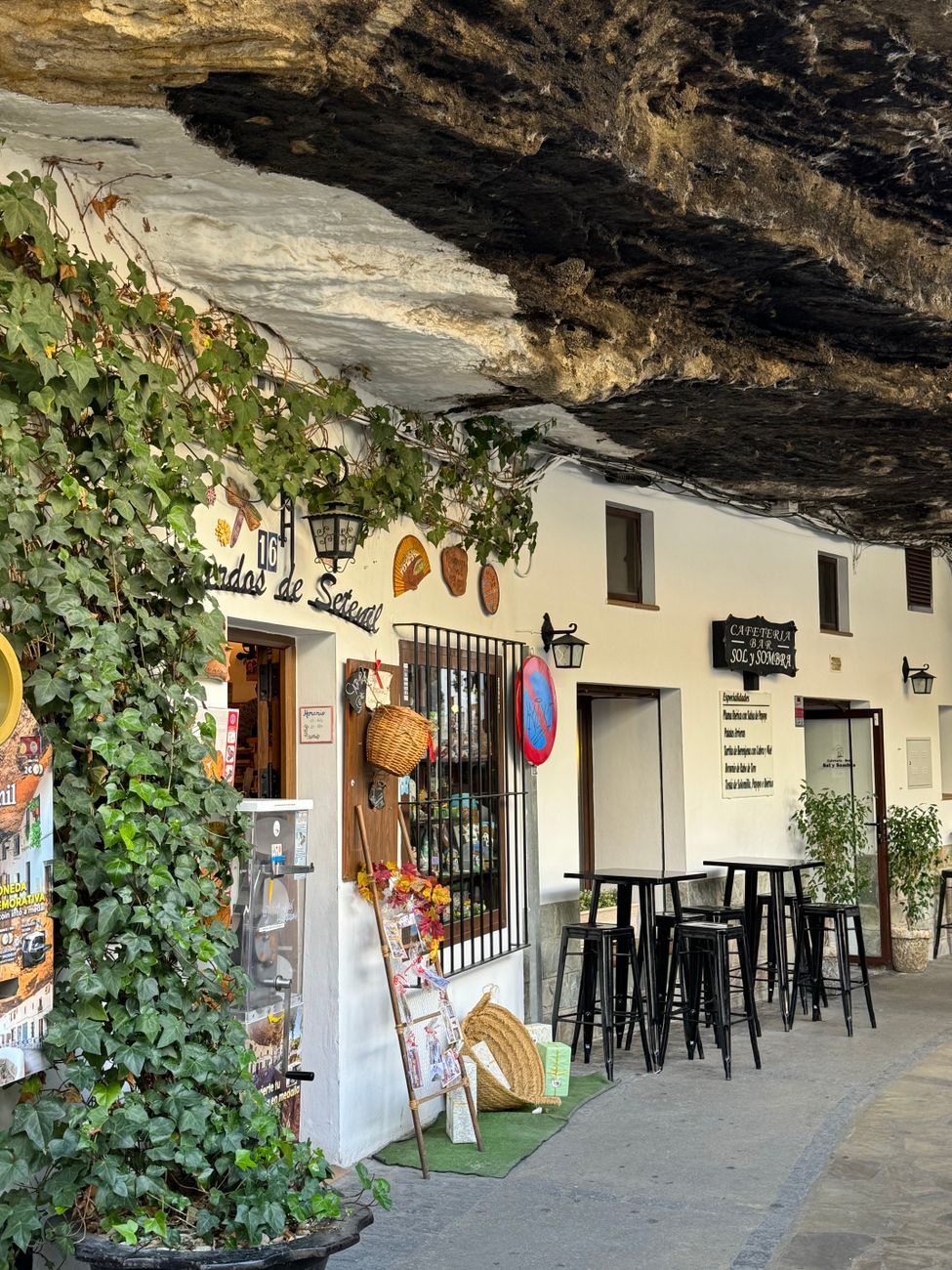
Bodega tours at González Byass, Lustau and Tradición — each house explains different sherry styles and has distinct cellars and tasting formats. Tabancos — traditional sherry taverns such as El Pasaje or small family-run bars where sherry is sold by the glass; these are places to taste fino with anchovies or cheese.
Mercado Central de Abastos — mid-morning market for fresh fish and tapas-style stalls. Circuito de Jerez events — motorsport race weekends or car testing days bring a different crowd and require advance tickets for paddock access.

Where to Stay
Centro Histórico: Suited to first-time visitors who want immediate access to Alcázar, Cathedral and Plaza del Arenal. Most boutique hotels and guesthouses sit on narrow streets; expect €70–€130/night (about $75–$140) depending on season.
Barrio de Santiago / Calle Larga area: Good for those who prefer nightlife options, tapas bars and shopping on the same block. Walks to main sights are 5–15 minutes. Mid-range rooms and aparthotels typically run €60–€100/night (€65–$110).
Estación / Ensanche area (near RENFE station): Practical for onward train travel to Sevilla or Cádiz and for cheaper hotels. Suited to budget travelers or day-trippers; expect €45–€75/night (€50–$80).
Food and Drink
Fino: A dry, saline sherry typically served in small copas. Try a fino at González Byass or any tabanco; a glass costs around €1.50–€3.
Oloroso: A richer, nuttier sherry drunk with meatier tapas. Bodegas Lustau offers guided tastings and paired suggestions; tasting flights cost roughly €6–€15.
Tortillitas de camarones: Thin shrimp fritters made with chickpea flour and shrimp; found at Mercado Central or local tapas bars for about €3–€6 per portion.
Pescaito frito: Mixed fried small fish, a coastal Andalusian staple that appears on most tapas menus; expect €6–€12 for a plate in the market or a bar.
Pedro Ximénez (PX): A very sweet sherry for dessert or drizzled over cheese; small pours at bodegas run €2–€5.
Breakfast option: Tostada con tomate y jamón at a café near Plaza del Arenal for €3–€6. Street-food/snack: montadito or small bocadillo from a market stall for €2.50–€6.
Dinner recommendation: La Carboná provides a combined flamenco and dining experience; set menus and show packages cost roughly €30–€45 per person.
Getting Around
Main intercity links are Renfe regional and Cercanías services connecting to Cádiz and Sevilla; trains to Sevilla take around 1h–1h30m depending on service. Buy tickets at renfe.com, the station machines or via the Renfe app; reservations matter on longer regional services.
Urban options are walk, taxi and municipal buses. Taxi ranks are at Plaza del Arenal and Estación Jerez; expect airport fares of roughly €12–€18. Single bus fares inside town are typically low (around €1.20–€1.50); check local bus timetables at bus stops or with Moovit.
Useful apps and cards: use the Renfe app for train schedules and bookings, and Moovit or Google Maps for urban bus routing. Hotels can arrange taxis and some provide airport shuttle info.
Best Time to Visit
Spring (April–June) is the most comfortable, with daytime highs 20–28°C and key events such as Semana Santa and Feria del Caballo. Expect higher prices and full bookings for May.
Summer (July–August) is hot and dry, often 30–36°C; mornings are pleasant but midday can be tiring for walking. Some locals head to the coast, and some small businesses might close for holidays in August.
Autumn (September–November) brings milder weather 18–26°C and fewer crowds; October offers good value and still-warm afternoons. Winter (December–February) is mild compared with northern Europe, temps roughly 10–16°C, and fewer tourists; some tours and restaurants may run reduced hours.
Budget and Practical Tips
Daily budget estimate per person: Accommodation €60–€120 (€65–€130/$70–$140) depending on hotel class. Food €25–€50 (€27–€55/$30–$60) including one sit-down dinner and tapas lunches. Transport €5–€15 (€6–€16/$7–$18) including occasional taxi and a bus or short train. Entry fees and tours €10–€30 (€11–€33/$12–$36) for a bodega tour and museum visits.
Tipping: Rounding up in bars is common; in restaurants leave 5–10% for table service if the bill does not include service. Credit cards are widely accepted but cash is important for markets, small tabancos and some bodega shops.
Practical tip: Reserve bodega tours and Real Escuela tickets ahead for specific time slots, and confirm opening hours if traveling during Feria del Caballo or Semana Santa.
FAQ
Is Jerez safe for visitors?
Yes. Normal precautions apply—watch wallets in crowded plazas and at market stalls. Violent crime is rare, but pickpocketing can occur in busy areas.
How do I get from the airport to the center?
Taxi to Plaza del Arenal takes 12–20 minutes and costs about €12–€18. A local bus connects the airport with the station on a limited schedule; check times in advance.
Is public transport convenient for day trips to Sevilla or Cádiz?
Regional Renfe trains run to both cities. Trains to Cádiz are shorter; trains to Sevilla are frequent enough for a day trip but expect journey times around 1h–1h30m depending on service.
Should I buy a city card or pass?
There is no widely used single city pass that covers bodegas and equestrian shows. Buy individual bodega and Escuela tickets; some tourist offices offer small museum combos but they are limited.
Are bodegas open every day?
Many bodegas close Sundays or run reduced hours on Sundays and holidays. Book weekday or Saturday morning slots to be safest.
Can English speakers get by?
Yes, many bodega staff and tour guides speak English; in smaller tabancos and market stalls staff may speak only Spanish, so a few phrases help.
Is it easy to visit beaches from here?
Yes—trains and buses reach coastal towns like Cádiz and El Puerto; travel times vary but can be under an hour by regional train to some beaches.
Are flamenco shows nightly?
There are regular flamenco performances at venues like La Carboná, but schedules vary; check and book ahead for weekend evenings.
Conclusion
A three-day stay will leave a clear impression: sherry cellars, the equestrian school and a compact old town that can be explored at a manageable pace. Travelers most likely remember a well-timed bodega tasting paired with a local tapas plate and either a flamenco or equestrian show.
If time runs short, prioritize one bodega tour and the Real Escuela espectáculo; those two items capture what makes the visit distinct and pair well with a stroll through the Alcázar and a market lunch.
How this guide was prepared
This guide was prepared through a structured research that combines destination research, geographic context, itinerary planning logic, and content review.