
3 Days in Modena: A Food, Culture & Ferrari Weekend Itinerary
Three-day Modena itinerary for food lovers and culture seekers: Duomo, balsamic tastings, Enzo Ferrari Museum, markets, and Michelin dining with transit tips.
A compact, culinary-rich 3-day guide to Modena: explore the Duomo and Ghirlandina, taste traditional balsamic, visit the Enzo Ferrari Museum and dine at top trattorie.
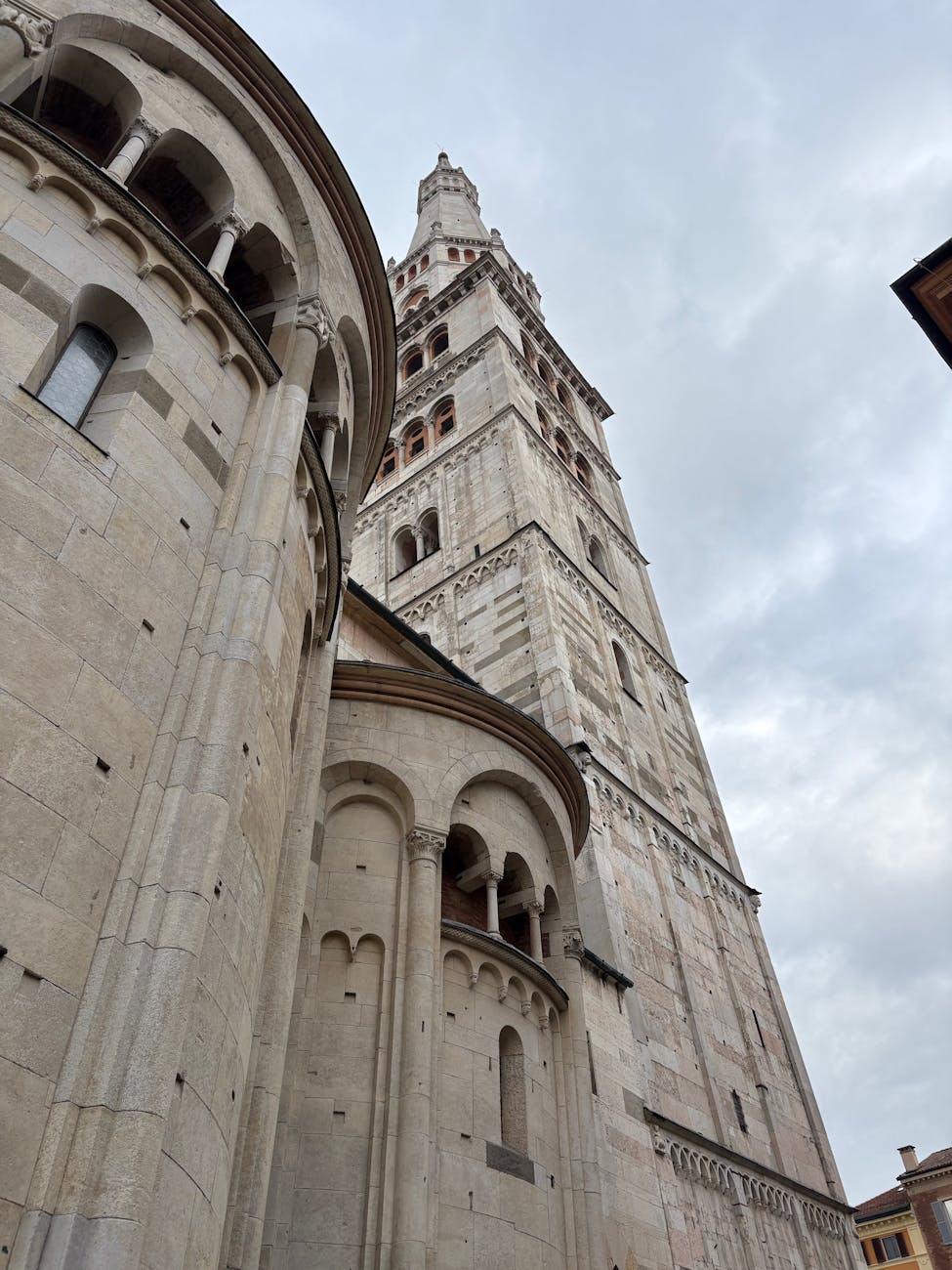
Compact, elegant and culinary-first, Modena is a small Emilian city built around a UNESCO-listed Romanesque cathedral, a sky-piercing bell tower and lively piazzas. It suits food lovers, cultural travelers and car enthusiasts who want concentrated museums, Michelin dining and artisan food tours without the size or crowds of a major capital. Three days is ideal: it gives one full day for the centro storico and museums, a second for tasting traditional balsamic and visiting nearby Maranello’s Ferrari sites, and a third for market mornings, a cooking class or a day trip to Parma or Bologna. This itinerary balances top landmarks, neighborhood strolls and meal reservations so you leave satisfied, not rushed.
Start in Piazza Grande, wander medieval lanes, plan at least one seated tasting of aceto balsamico tradizionale, and book any high-end restaurant weeks ahead. Public transit and short trains make day trips easy, while most sightseeing fits into walkable neighborhoods.
Why Visit
A condensed slice of Emilia-Romagna: Romanesque architecture, a lively market culture and some of Italy’s most serious food traditions. The city pairs low-key streets with world-class dining and car heritage — museums and ateliers sit within walking distance of historic squares.
It’s perfect for people who want deep culinary experiences (balsamic, pasta, lambrusco) and a cultural dose of galleries and opera history without long travel between sights. Close rail links make it a practical base for short trips to Bologna, Parma or Ferrara.

Quick Planning Tips
Book Michelin restaurants and balsamic cellar tours well in advance, especially on weekends. Allow time for market browsing at Mercato Albinelli in the morning when vendors are busiest.
Bring comfortable shoes: the centro storico is best explored on foot. Trains from Bologna Centrale take about 30 minutes; buy regional tickets at machines or via app. If visiting Maranello and countryside cellars, consider a half-day car hire or an organized tour.
Day 1
Morning: Start at Piazza Grande. Visit the Duomo and climb (or view) the Torre della Ghirlandina. Spend quiet time in the cathedral museum and arcaded square.
Lunch: Walk to Mercato Albinelli for fresh salumi, gnocco fritto and a casual trattoria lunch nearby in the centro storico.
Afternoon: Explore Galleria Estense and the Museo della Figurina. Wander Via Emilia and discover small artisan food shops and acetaie (aceto cellars) open for pre-booked tastings.
Evening: Reserve a table at a recommended osteria; try tagliatelle, tortellini and local Lambrusco.
Day 2
Morning: Head to the Museo Enzo Ferrari for interactive exhibits and car displays; combine with a short taxi or bus ride to Maranello if you want the Ferrari factory museum too.
Lunch: Dine in the university quarter or near Viale Ciro Menotti for lively local options.
Afternoon: Book a traditional balsamic vinegar tasting at an acetaia in the suburbs (pre-book). Alternatively, take a cooking class focused on fresh pasta and regional desserts.
Evening: Experience local nightlife around Piazza della Pomposa or a refined dinner at a trattoria; book ahead if aiming for a Michelin table.

Day 3
Morning: Market strolls and specialty-food shopping—pick up Parmigiano-Reggiano, local salumi, and bottled balsamic.
Optional day trip: Take a short train to Parma (about 40 minutes) for its cathedral and prosciutto heritage, or a 20–30 minute ride to Bologna for broader museum options.
Afternoon: Visit Casa Museo Luciano Pavarotti or relax in a city park; enjoy a slow coffee and people-watching in an outdoor café.
Evening: End with a final Emilia-style meal: tortellini in brodo, balsamic-glazed entrée or a tasting menu that showcases regional produce.

Best Local Experiences
Taste traditional aceto balsamico in a private acetaia — seek 'tradizionale' and sample aged varieties by appointment. Book the Enzo Ferrari Museum early and pair it with Maranello if you love cars.
Join a hands-on pasta cooking class with a market visit. Reserve a seat at a renowned restaurant well ahead; top tables can require weeks of booking. Spend an evening listening to opera-inspired programming or visiting the Pavarotti museum to connect food, music and local pride.

Where to Stay
Centro storico: Best for walking everywhere and evening atmosphere; steps from Piazza Grande and the cathedral.
Near Modena Fiere / Viale Storchi: Convenient if attending trade shows or wanting quieter modern hotels.
Budget: Small B&Bs and family-run guesthouses near the train station offer value and easy connections. Choose accommodation with good soundproofing—streets around the piazza stay lively after dark.
Food and Drink
This region is culinary-first: taste aceto balsamico tradizionale, fresh egg pasta (tortellini, tagliatelle), gnocco fritto with cured meats, and local Lambrusco wines. Dine at a family trattoria for traditional portions or book a tasting menu to sample modern takes on Emilian classics.
Carry cash for small markets and look for shops selling aged balsamic in decorative bottles. If you plan a Michelin meal, confirm dress code and cancellation policies when booking.
Getting Around
The centro storico is compact and best explored on foot. Short distances make walking the quickest option between major sights. Buses and taxis serve outer neighborhoods and connect to Maranello.
Trains link Bologna (30–40 minutes), Parma (35–45 minutes) and Ferrara for easy day trips. Rent a car only if you plan to visit multiple countryside acetaie or rural wineries in the same day; parking near the centro is limited and often paid.
Best Time to Visit
Spring (April–June) and early autumn (September–October) offer pleasant weather, market freshness and fewer peak-summer crowds. Festival season and food events often pop up in late spring and autumn; check local calendars.
Summer is warm and lively but busier, while winter can be quiet—ideal for indoor food experiences and easier restaurant bookings but chillier weather.
Budget and Practical Tips
Currency is euros. Expect mid-range meal prices in trattorie and higher for Michelin experiences. Many museums offer reduced tickets or combined passes; check online for current prices.
Opening hours: museums often close one weekday afternoon—confirm ahead. Language: English is common in tourist spots but learning basic Italian phrases helps. Tipping is modest: rounding up or leaving 5–10% in restaurants is appreciated but not required.
FAQ
Is three days enough to see the highlights?
Yes. Three days covers the Duomo, Ghirlandina, Mercato Albinelli, Enzo Ferrari Museum, a balsamic tasting and an optional short day trip.
How do I get to Modena from Bologna?
Regional trains run frequently from Bologna Centrale to Modena (around 30–40 minutes); buy tickets at machines or via app.
Where can I taste traditional balsamic vinegar?
Book a visit to an acetaia outside the centro storico labeled 'aceto balsamico tradizionale'—many require reservations.
Do I need a car to visit Maranello and acetaie?
Not strictly. Trains and buses reach Maranello; for multiple remote acetaie a car or guided tour is more convenient.
How far in advance should I book Osteria Francescana?
Several weeks to months in high season. Check the restaurant’s reservation policy and book as early as possible.
Is Modena family-friendly?
Yes. Public squares, parks and food markets suit families; museums often have child-friendly exhibits or shorter visits.
Conclusion
Three days here gives you a rich taste of Emilia: world-class food, compact cultural sites and automotive history within easy reach. Plan meals and tastings ahead, walk the centro storico, and use short regional trains for nearby day trips. With thoughtful reservations and a relaxed pace, you'll leave with memorable meals, a deeper understanding of balsamic tradition, and a few great photos of the Duomo and Ghirlandina.
How this guide was prepared
This guide was prepared through a structured research that combines destination research, geographic context, itinerary planning logic, and content review.