
Practical 3-Day Guide to Parma: Itinerary, Food, Transit
A practical 3-day Parma guide with timed itineraries, transit and ticket tips, market hours, exact eateries and realistic costs for a short Italian trip.
Three days reveals the key churches, museums and food producers around Parma while allowing relaxed meals and time for two neighbourhood walks.
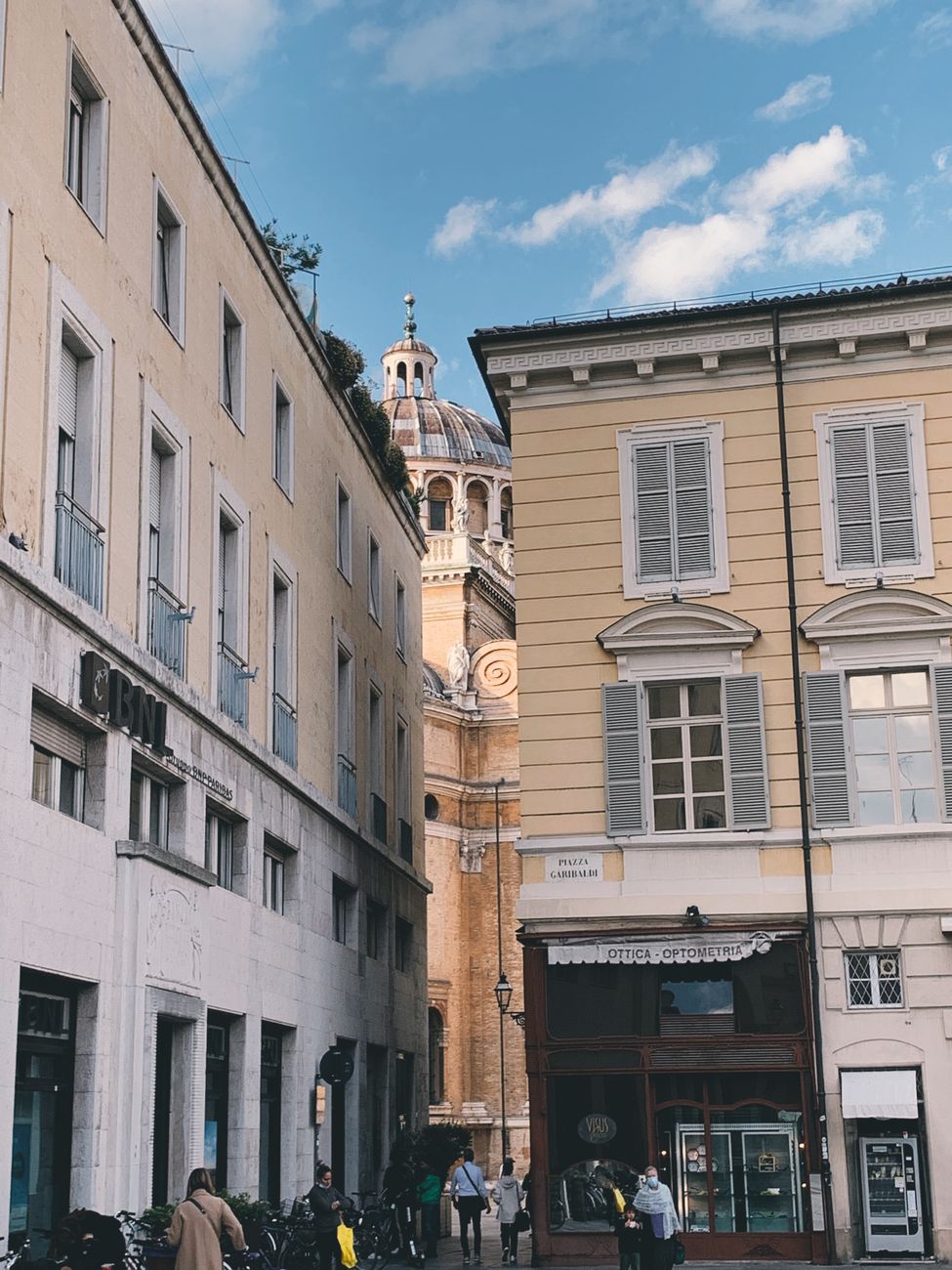
First impressions are compact streets, low-rise stone and a food economy that shows up in shop windows, small museums and the regular presence of delivery scooters. The pace is more provincial than big-city Emilia hubs, so walking between main sites is straightforward and usually quicker than hopping buses.
Expect polite crowds around the cathedral and Teatro Regio during performance weeks, and a quieter municipal rhythm in neighbourhoods on the river's south side. Visitors often overestimate how much they can cram into three days: the city's best moments are a good meal, a short museum visit, and a relaxed piazza drink rather than a checklist of every producer in the province.
This guide suits people who want concrete timings, public transit options and where to book ahead for tastings. Local shops close briefly midday and many small producers observe August ferie; those details shape a realistic weekend plan more than grand claims about monuments.
Is 3 days in Parma enough?
Yes: three days is enough to see the cathedral complex, Palazzo della Pilotta with the Galleria Nazionale, a Teatro Regio tour, and a day trip to a culatello or Parmigiano producer. Caveat: there is not time for an in-depth food-producer visit plus a full afternoon in nearby Busseto or Zibello—one must choose between a long tasting tour or an extra museum.
Who This Guide Is For
Best for food-forward travelers, first-time visitors who like compact cultural days and visitors arriving by train. Poor fit for people who want leisurely winery tours every day or to use the city as a base for many far-flung day trips.
Local Tips for Parma
Practical details that most travel sites skip — specific to Parma.
- Buy a Parma Card at the IAT tourist office near Piazza Garibaldi for combined entry discounts to the Galleria Nazionale and Teatro Regio—a 48-hour card often saves money if visiting both (price around €20–€25).
- Stazione di Parma is on the Milan–Bologna line; regional trains to Modena take about 30–40 minutes and run frequently—check Trenitalia regional schedules for specific times.
- Antica Corte Pallavicina in Polesine Parmense requires booking for its culatello cellar tour and tasting; tours often sell out on weekends and cost roughly €25–€40 per person.
- The Baptistery (Battistero) near the Duomo charges a small admission (around €3–€5) and closes earlier than the cathedral—go mid-morning to avoid the short afternoon opening window.
- Market at Piazza Ghiaia runs weekday mornings with fresh produce and salumi stalls; many sellers close for the whole of August during ferie so plan around that month.
How This Guide Was Prepared
Parma rewards travelers who want direct encounters with food producers, opera history and walkable urban life rather than flashy attractions. Many guides focus only on prosciutto and Parmigiano; what gets missed is the city's museum cluster around Palazzo della Pilotta and the seasonal pattern of producers in the wider province. This guide was prepared through a structured research that combines destination research, geographic context, itinerary planning logic, and content review.
Plan Your Stay in Parma
Use this itinerary as your starting point, then compare areas to stay, transport options, seasonal timing, and realistic daily costs before booking.
Why Visit
One: culinary lineage. The area around Parma is the source of Prosciutto di Parma, Parmigiano-Reggiano and culatello; a single visit offers access to market stalls, specialist salumerie and producers within an hour's drive. Two: concentrated museum cluster. Palazzo della Pilotta houses the Galleria Nazionale, the Biblioteca Palatina and small music archives linked to Verdi, allowing multiple museum visits within a short walk.
Three: opera history with practical access. Teatro Regio holds a strong reputation for studio productions and guided tours explain stage mechanics, archives and costume stores that matter to music fans. Four: manageable scale. Most attractions are within twenty minutes on foot of Stazione di Parma, which makes planning efficient for a tight weekend and reduces time lost to transit.
Quick Planning Tips
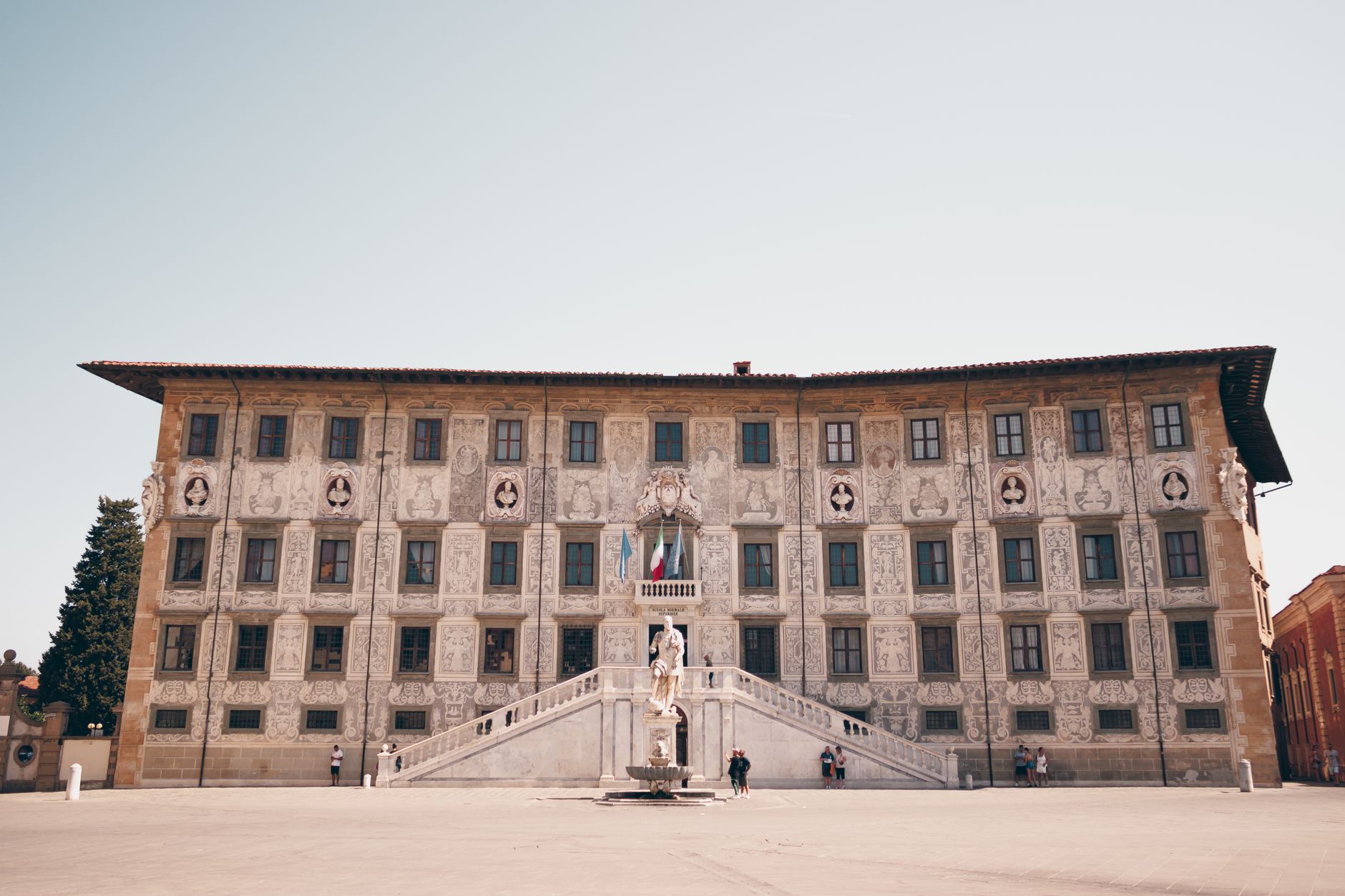
Arrival: flights use Aeroporto Giuseppe Verdi (code PMF), about 6 km from the centre; a taxi costs roughly €15–€25 depending on luggage and time of day, while trains to Stazione di Parma run from nearby towns and are the recommended option from Milan or Bologna. Booking: reserve any culatello cellar tour and Teatro Regio tickets ahead, especially on weekends.
Money and payments: cards are broadly accepted at museums, restaurants and larger shops but bring cash (€) for market stalls and small trattorie. Avoid assuming evening opening hours—many museums and smaller specialty shops close midday and reopen in the late afternoon, and many places observe closure in August. One planning mistake to avoid: scheduling a producer visit and a full museum afternoon on the same day—both need time and transit.
Day 1
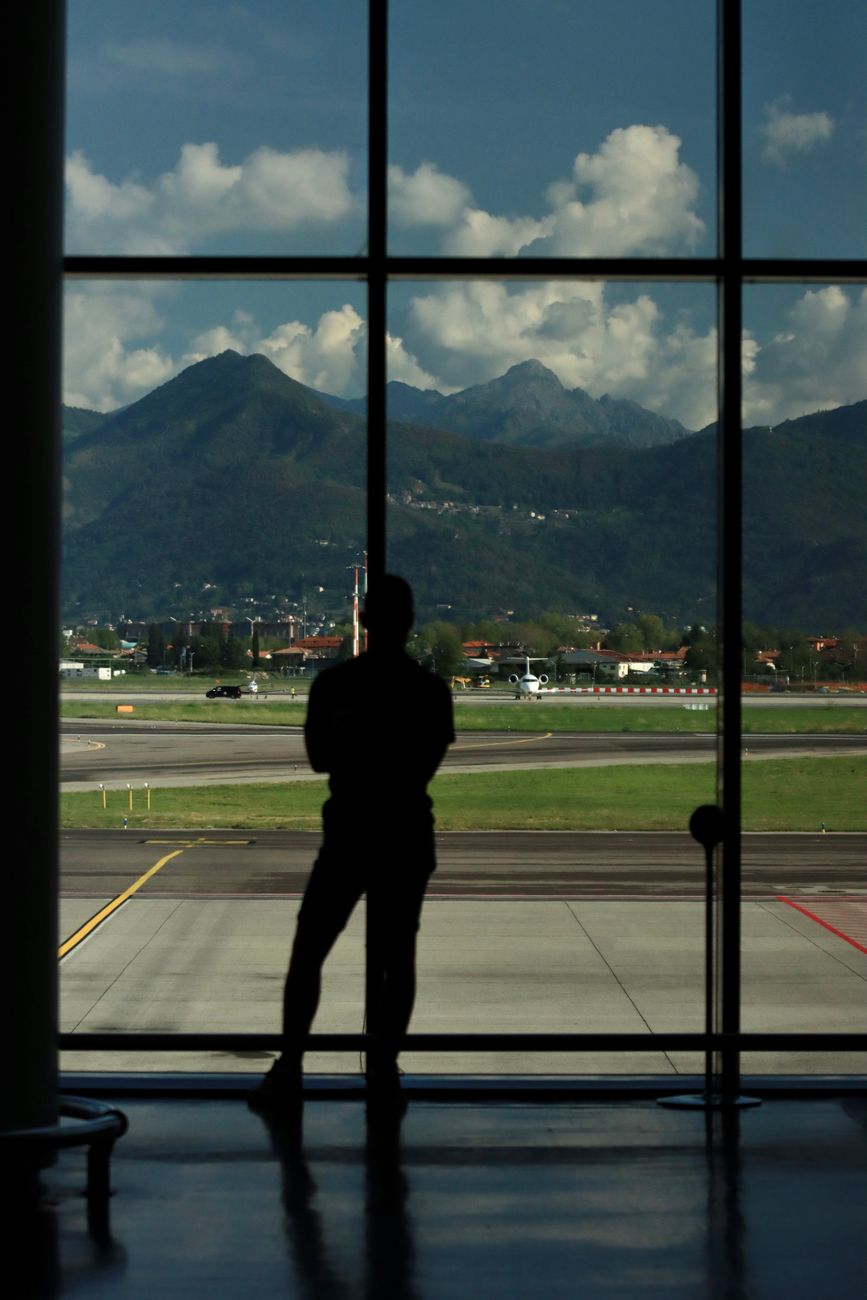
Morning: Start at the Duomo di Parma to see the 12th-century façade and interior frescoes; the Baptistery (Battistero) is adjacent and has a separate small admission fee, so allow 60–90 minutes for both. Walk 2–5 minutes from the cathedral to Piazza Garibaldi and use that square as a navigation point. Mid-morning: Cross towards Palazzo della Pilotta (10 minutes on foot) and spend a couple of hours between the Galleria Nazionale di Parma and the Biblioteca Palatina—the two sit inside the same complex and a combined visit covers art, manuscripts and local music history.
Lunch: Eat at Trattoria Corrieri or a nearby osteria for anolini in brodo or a Parma-style platter; expect €12–€20 for a main course. Afternoon: Walk 8–12 minutes to Teatro Regio for a guided tour if available; tours take about 45–60 minutes and explain stage machinery and the house's Verdi connections. From Teatro Regio, take a 10–15 minute stroll through low-rise streets to Parco Ducale for a quieter hour, especially pleasant in late afternoon light.
Evening: Dinner around Piazza Duomo or along Strada della Repubblica—book a table for prosciutto and a wine from Emilia. Finish with a short drink in a piazza bar and a night walk back to the central hotels; most evening crowds thin after theatre performances.

Day 2
Morning: Dedicate this day to food and the river neighbourhood. Begin at the covered market near Piazza Ghiaia for salumi stalls and local produce; arrive before 11:00 for the best selection and to talk to stallholders. From Piazza Ghiaia, walk 10–15 minutes across Ponte Verdi to Oltretorrente, a neighbourhood with independent shops, street cafés and a different urban feel. The neighbourhood is good for second-hand bookshops and smaller galleries.
Lunch: Try torta fritta with a glass of Lambrusco at a local salumeria in Oltretorrente—portion prices run €4–€10 for shared plates. Afternoon: Take a short bus or taxi (10–20 minutes) to Antica Corte Pallavicina in Polesine Parmense if a cellared culatello tasting is booked; tours typically include cellar access, a tasting and explanation of aging and cost around €25–€40. If not visiting a producer, spend the afternoon at the Museo Bodoniano or the Archaeological Museum inside Palazzo della Pilotta for different collections.
Evening: Return to the centre and pick a trattoria with table service for anolini or stuffed pastas; dinner here is more about technique than spectacle. Finish the evening with a gelato and a slow walk through the main piazzas to see illuminated facades.
Day 3
Morning: Use this morning for any missed museum or a short visit to Casa del Suono if interested in local music archives; these small sites close early on some weekdays so check opening times. From the centre, a 20–30 minute bus or 15–20 minute taxi will bring travelers to a Parmigiano-Reggiano dairy for a guided tour—if choosing a dairy, book a slot for mid-morning when production lines are more accessible.
Midday: Return to town for a focused lunch at a salumeria or a small enoteca where a tasting platter with prosciutto and Parmigiano costs €12–€20. If checking out of accommodation, store luggage at the hotel or use left-luggage services at Stazione di Parma to keep the afternoon free. Afternoon: Spend remaining hours with a relaxed walk in Parco Ducale or a final visit to the Galleria Nazionale if time allows; both are within easy walking distance of most central hotels and the train station.
Practical note for departures: trains from Stazione di Parma to Milan or Bologna take 1–2 hours depending on service; allow at least 60–90 minutes between leaving a central café and train departure to collect luggage and walk to the station. If flying, plan taxi time from the airport at roughly 20–30 minutes including luggage handling.
Best Local Experiences
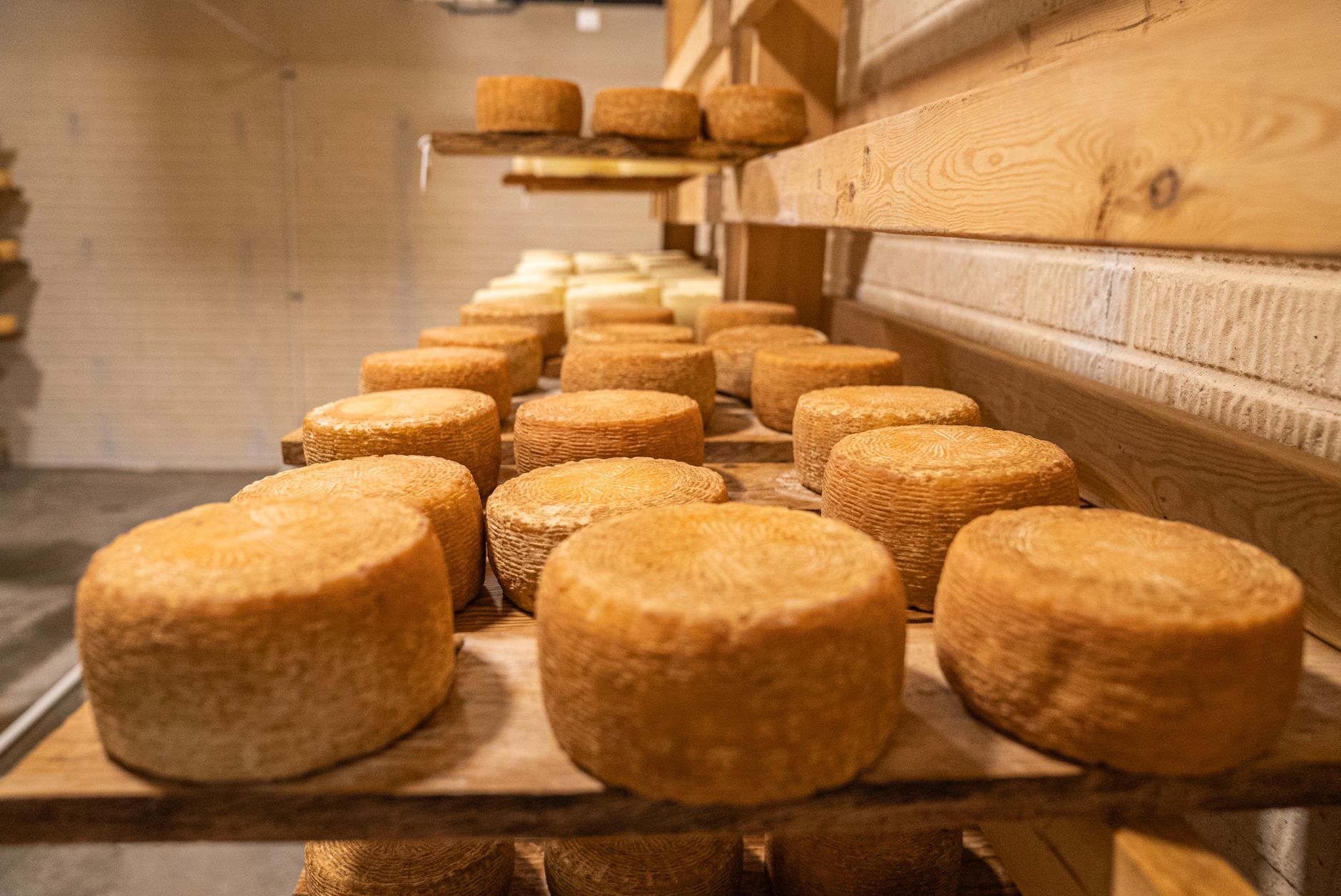
Market mornings at Piazza Ghiaia with salumi, seasonal fruit and bread sellers—early weekday visits reveal the best selection. Guided culatello tours at Antica Corte Pallavicina in Polesine Parmense offer cellar aging explanations and tastings by appointment. Parmigiano-Reggiano dairy visits on the province ring road show production stages and cheese aging rooms; many dairies require advance booking and have mid-morning time slots.
An evening at Teatro Regio for either a performance or a backstage tour gives insight into the city's operatic life. A butcher- or salumeria-led tasting in the historic centre, often run by specialist shops on Strada della Repubblica, teaches slicing, tasting and pairing with local wines. Finally, weekday people-watching on the steps near the Duomo at late morning gives a clear read on local rhythms and shopping patterns.
Where to Stay
Centro storico: Best for first-timers who want immediate access to Duomo, Palazzo della Pilotta and Teatro Regio. Walking distances are short and many hotels sit on small streets off Strada della Repubblica. Nightly costs: budget guesthouses €60–€90, mid-range hotels €90–€160, higher-end options €160+ (EUR; roughly $65–$175+).
Stazione area: Practical for train arrivals and budget travelers. The area has simpler hotels and easier luggage handling; expect €45–€80 per night for most rooms. Oltretorrente: More local, with small B&Bs and independent apartments near the river for travellers who want neighbourhood character and lower prices; typical rates €55–€110 per night.
For countryside stays and producer visits, book agriturismo near Busseto or Zibello—these are farther from the centre but place a culatello or Parmigiano producer within short driving distance. Nightly costs there vary widely but expect €80–€150 depending on season and whether tastings are included.
Food and Drink
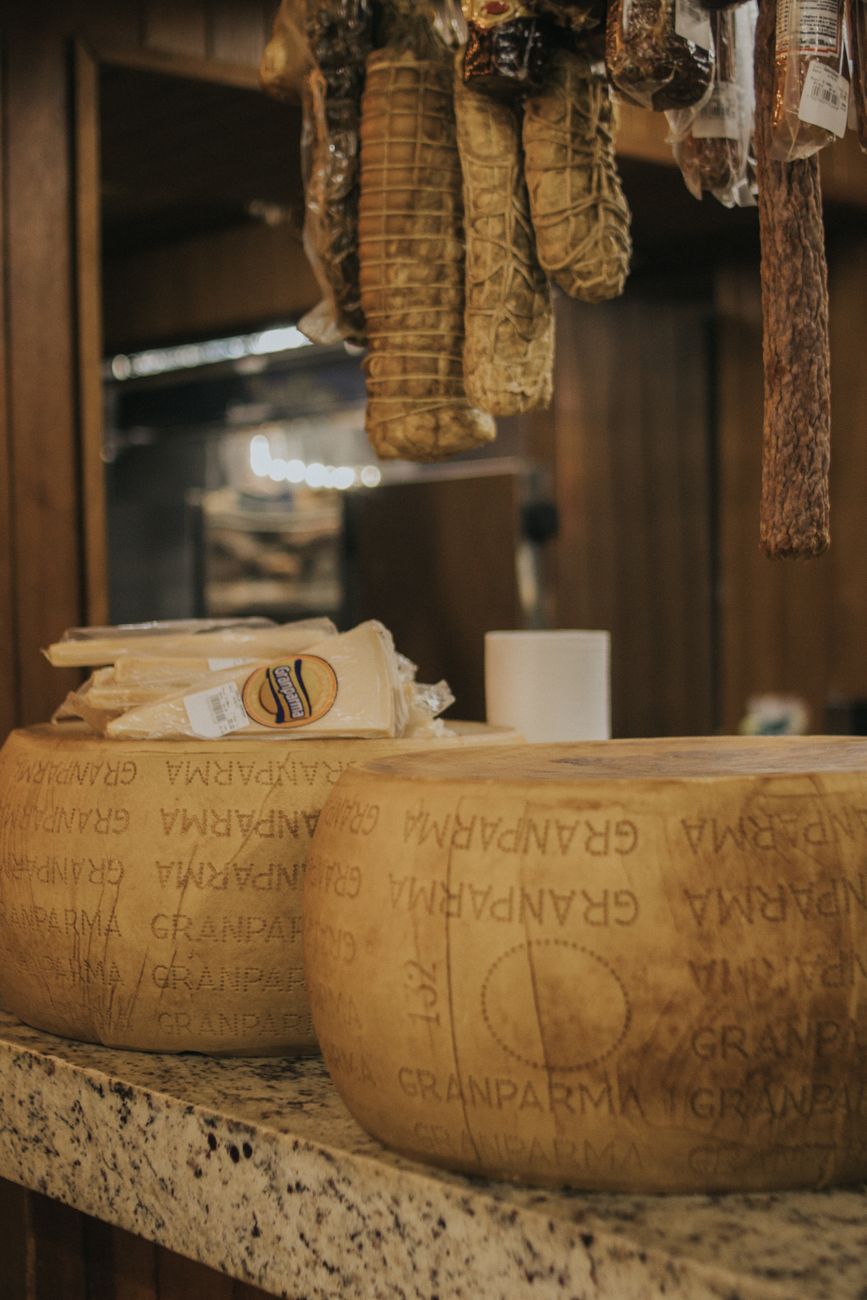
Prosciutto di Parma: Dry-cured ham from local pigs; best tasted thinly sliced at a salumeria such as Salumeria Garibaldi or a market stall—plate prices range €8–€18. Parmigiano-Reggiano: Hard, aged cheese sold by the wedge; a 200–250g tasting portion costs about €6–€12 in specialist shops or markets.
Culatello di Zibello: A more exclusive cured ham aged in the lowlands around Busseto and Polesine; tasting at Antica Corte Pallavicina or a producer costs €20–€40 for a guided sit-down. Anolini in brodo: Small stuffed pasta typically served in rich broth—find a good version at traditional trattorie like Trattoria Corrieri for €8–€14. Torta fritta: Fried flatbread served with cured meats—street or salumeria portions cost €4–€10 and are ideal for sharing.
Drinks: Lambrusco is the local sparkling red; a carafe or glass at an osteria runs €4–€10. Espresso culture is strong—coffee at a bar around €1–€1.50. Breakfast option: cornetto and cappuccino at a bar for about €2.50–€4.
Getting Around
Main rail hub: Stazione di Parma connects to Milan, Bologna and frequent regional services to Modena, Mantova and beyond. Urban transport includes buses that serve the ring roads and neighbourhoods; single bus ticket prices are about €1.50 and day passes are typically in the €4–€6 range. Taxi fares: from Aeroporto Giuseppe Verdi to the centre generally run €15–€25; from Stazione di Parma into the historic core expect €6–€12 depending on traffic.
Apps and cards: use Trenitalia or regional train apps to book intercity and regional services. Local bus operators publish timetables at major stops; look for displays at Stazione and Piazza Garibaldi. For tourist sites, the Parma Card can combine entries—check the IAT office for current pass options. Walking is often the fastest option inside the core historic area because distances are short and several museums lie within fifteen minutes of each other.
Best Time to Visit
April–June and September–October: best balance of weather and value, temperatures typically 12–22°C in spring and 15–25°C in early autumn with moderate crowds at major sites. July and early August: warm to hot (20–34°C) and many small businesses observe ferie closures in August; prices for accommodation rise and producer tours can be limited.
November–February: colder and foggy conditions are common, with daytime highs around 0–8°C; museums are less crowded and accommodation is cheaper but some outdoor experiences lose appeal. For food-focused trips, late spring and early autumn are ideal because producers are working full schedules and market stalls display seasonal items.
Budget and Practical Tips
Daily budget estimates (per person): Budget travel: €65–€95 (€70–€100 / $75–$110) covering a budget hotel or hostel (€45–€70), two casual meals (€15–€25), local transport (€3–€6), and one paid museum entry (€5–€10). Mid-range: €130–€190 (€140–€205 / $150–$220) covering a mid-range hotel (€90–€140), meals at trattorie (€25–€45), transport and a couple of entries or small tastings. Higher-end: €220+ (€235+ / $250+) for nicer hotels, guided tastings and private transfers.
Entry fees: Baptistery around €3–€5, Galleria Nazionale roughly €8–€12, guided Teatro Regio tours about €10–€15—bookings can change so check official sites. Tipping: leave small change in cafés, round up for taxi drivers, and 5–10% at sit-down restaurants if service is not included; service charges appear on some bills, so check the receipt before adding a tip.
FAQ
Is three days enough to see the main sights?
Yes—three days covers the Duomo, Baptistery, Palazzo della Pilotta with the Galleria Nazionale, Teatro Regio tour and one food-focused excursion, but not multiple full producer tours.
Is it safe to walk around at night?
Yes, the central areas and main piazzas are generally safe at night; use normal city caution for belongings and avoid poorly lit side streets after midnight.
Should a Parma Card or museum pass be purchased?
A 48-hour Parma Card is worth it when planning to visit both the Galleria Nazionale and Teatro Regio or multiple paid sites within two days—check current prices at the IAT office.
How do I get from the airport to the centre?
Aeroporto Giuseppe Verdi is about 6 km from the centre; taxis cost roughly €15–€25 and time is 15–25 minutes. Trains are not direct from the airport; plan for a short taxi or a connecting bus depending on schedules.
Are there day trips easily accessible by train?
Yes—Modena and Mantova are reachable by regional trains within about 30–60 minutes, making them practical half-day or full-day alternatives.
Are the food producers open every day?
Many small producers close on Sundays or during August ferie; book tours in advance and confirm opening times before scheduling a visit.
Is Parma walkable between attractions?
The historic core is compact and most major sites are within 10–20 minutes on foot of Stazione di Parma and each other, making walking the most efficient option for many visits.
Conclusion
A three-day visit will be remembered for meals that connect to specific producers, the curve of the Duomo’s exterior, and the small, focused museums clustered around Palazzo della Pilotta. If time is short, prioritize one food producer visit (Parmigiano or culatello) or a Teatro Regio tour plus the Duomo complex rather than attempting both.
This itinerary is meant to minimize backtracking and give realistic time slots for bookings and meals. The single most important choice when running short on time is whether to book a long food-producer visit or to spend that afternoon inside the Galleria Nazionale—either option delivers a clear sense of what defines the area.
How this guide was prepared
This guide was prepared through a structured research that combines destination research, geographic context, itinerary planning logic, and content review.