
Mantova in 3 Days: Practical Itinerary for a Weekend Break
A no-nonsense 3-day Mantova guide with realistic timings, museum costs, transit tips and food picks to plan a focused weekend without wasted time.
Three days gives time to see the Ducal Palace and Palazzo Te, walk the lakes, taste tortelli di zucca and move at a relaxed local pace — with realistic timings and costs.
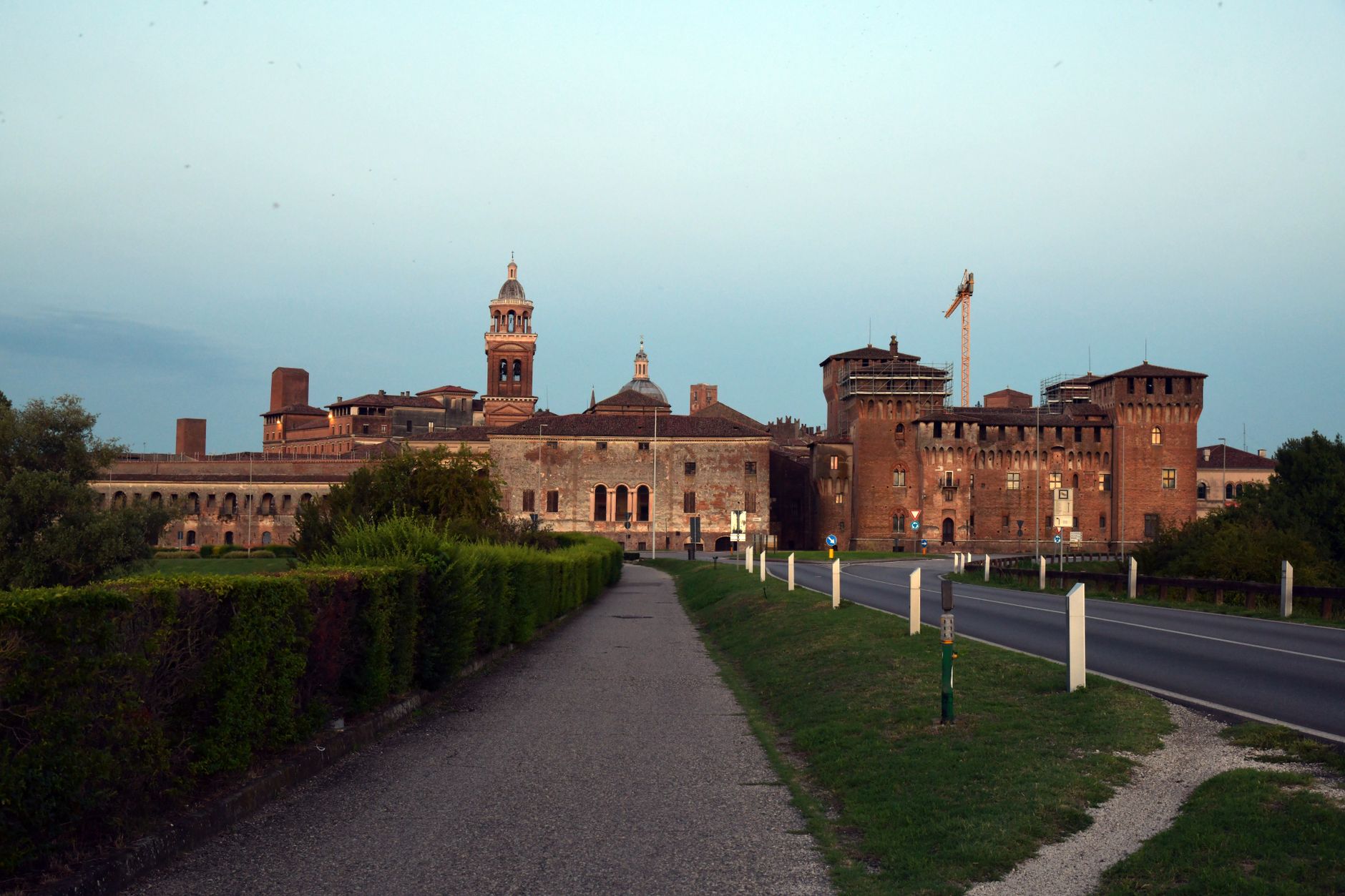
A compact Renaissance court lives across three linked lakes and narrow streets where palaces, churches and canals sit close together. First impressions are calm: low buildings, quiet piazze by day and small crowds concentrated at key monuments rather than spread across a wide city.
Expect pauses in service — many museums close one weekday and restaurants often serve a long lunch and then reopen for dinner. The urban scale suits walking: most major sites are within 15–25 minutes on foot of each other, which makes timed visits and museum reservations the real planning work.
This place suits travellers who want focused art and local food without the sensory overload of a big city. Those seeking extensive nightlife, big shopping centres or nonstop public transport may be disappointed.
Is 3 days in Mantova enough?
Yes — three days are enough to visit Palazzo Ducale, Palazzo Te, Basilica di Sant'Andrea, stroll the lakes and eat well. The honest caveat: longer study of every room in the Ducal Palace or an extended day trip to Garda or Parma will require extra time.
Who This Guide Is For
Best for travellers who favour compact historic centres, art from the Gonzaga court, and slow meals; less suited to travellers seeking nightlife or major shopping. Budget travellers and museum fans get the most value from three focused days.
Local Tips for Mantova
Practical details that most travel sites skip — specific to Mantova.
- Buy a Mantova Card at the tourist office on Piazza Sordello (available 48–72h); it commonly covers Palazzo Ducale and Palazzo Te and is worth it if visiting both within two days.
- APAM runs local buses; use the MyCicero app to buy single tickets (around €1.30) and show on board — paper tickets from tabacchi are fine but must be stamped.
- Timed entry for the Camera degli Sposi inside Palazzo Ducale often sells out mid‑morning; reserve online at least 24–48 hours in high season.
- Public boat tours on Lago Superiore and Lago di Mezzo depart from the docks near the Teatro Bibiena/Porto degli Angeli; expect about €10–€15 for a 45–60 minute ride.
- Many museums close one weekday (commonly Monday); check opening hours in advance — Saturday mornings are busiest at Palazzo Te and Ducal Palace.
How This Guide Was Prepared
This guide treats Mantova as a small, concentrated destination where courts, canals and lakes matter more than flashy sightseeing lists. Many guides treat the palaces as isolated highlights; this plan shows how they fit together with daily rhythms (markets, boat timetables, museum closures) and what to drop if short on time. This guide was prepared through a structured research that combines destination research, geographic context, itinerary planning logic, and content review.
Plan Your Stay in Mantova
Use this itinerary as your starting point, then compare areas to stay, transport options, seasonal timing, and realistic daily costs before booking.
Why Visit
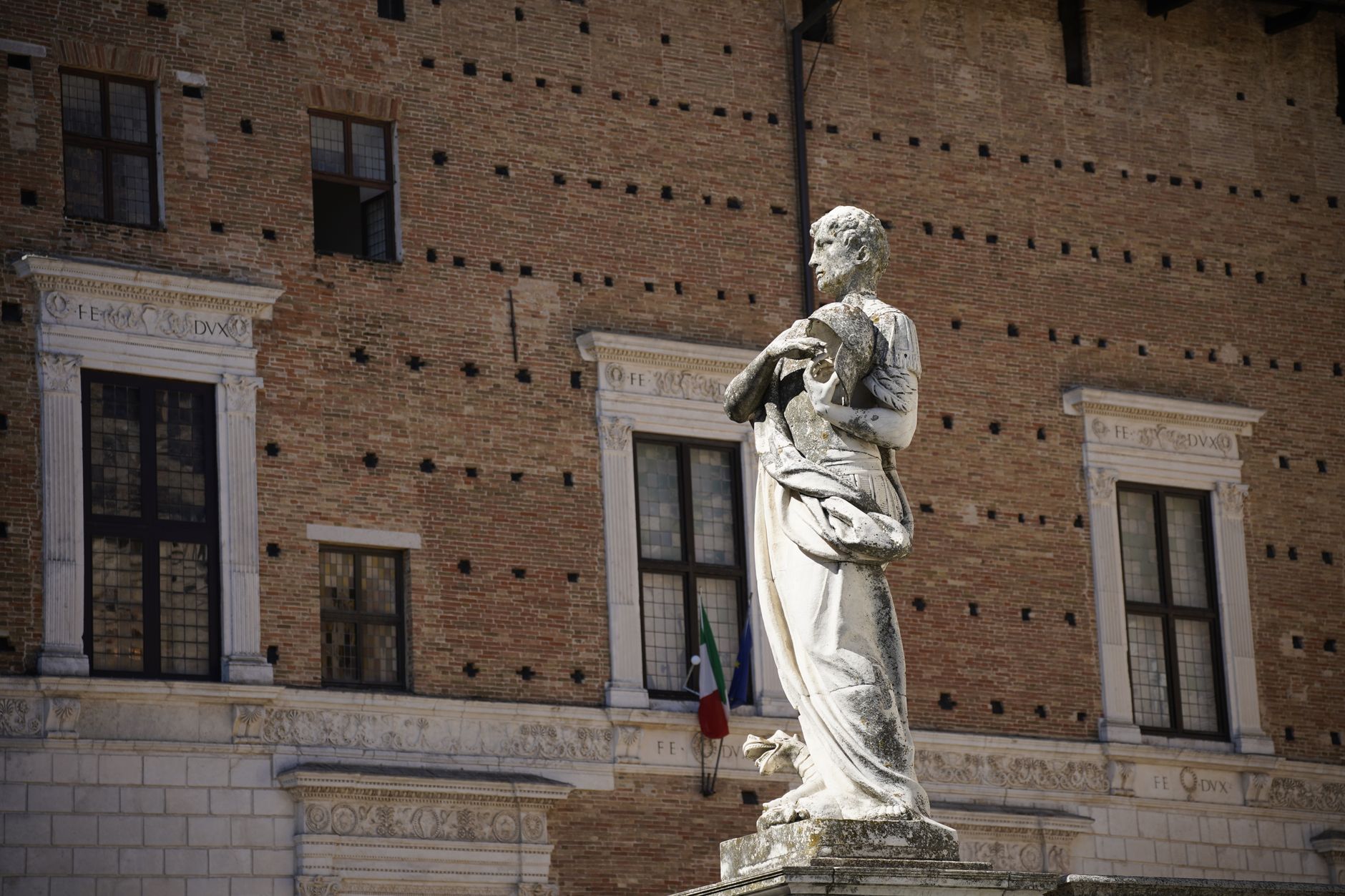
Three main draws make this town worth a dedicated weekend: the court palaces, the lakes, and the food. Palazzo Ducale and Palazzo Te hold high‑quality fresco cycles (Mantegna and the Gonzaga court) that reveal how power was staged in the 15th–16th centuries.
The lakes — Lago Superiore, Lago di Mezzo and Lago Inferiore — frame canals and walking paths that change the feel from urban to pastoral in minutes. Local gastronomy is specific: tortelli di zucca, risotto alla pilota and sbrisolona are regional dishes tied to market produce and slow cooking traditions.
Smaller museums like Palazzo d'Arco and Teatro Bibiena offer quieter encounters with period interiors and concerts, while proximity to Verona, Desenzano del Garda and Parma makes day trips straightforward for those with extra time.
Quick Planning Tips
Nearest major airports are Verona (Valerio Catullo) and Milan Linate/Malpensa; trains run from Verona Porta Nuova to the main station (Mantova) and take about 40–50 minutes. Taxis from Verona airport to the centre are roughly €70–90; a faster option is the train plus a short bus or walk from the station.
Buy local bus tickets with the MyCicero app or at tabacchi — single APAM tickets are about €1.30, and day tickets are the better value if making multiple journeys. Carry some cash for small cafés and market stalls; many restaurants accept cards but smaller family trattorie sometimes prefer cash.
Avoid the rookie planning error of stacking too many museum visits on a single day; plan 2–3 timed entries per day and leave time for a relaxed lunch and a lake walk.

Day 1
Start at the railway station and walk 15–20 minutes to Piazza Sordello to begin with the Ducal Palace complex. Allocate 2–3 hours for Palazzo Ducale (include Camera degli Sposi) — timed entries can be required, so arrive with a reservation or buy tickets at the tourist office in the square.
From Piazza Sordello it is a 5‑minute walk to the Basilica di Sant'Andrea; the interior and the crypt are worth a 30–45 minute visit. Next head 3–5 minutes on foot to Piazza delle Erbe and the Rotonda di San Lorenzo for photos and a market atmosphere if stalls are set up.
Lunch at Osteria dell'Oca (near Piazza delle Erbe) offers tortelli di zucca and mains for around €12–18. After lunch walk 10 minutes to Teatro Bibiena to see the small Baroque theatre; guided visits and concerts run at different times and cost €3–€8 for entrance or a performance.
End the afternoon with a 20–30 minute lakeside stroll along Lago di Mezzo toward Ponte San Giorgio, then dinner near Piazza Broletto. Evening option: check the schedule for concerts at Teatro Bibiena or a short boat tour that departs from the central docks.

Day 2
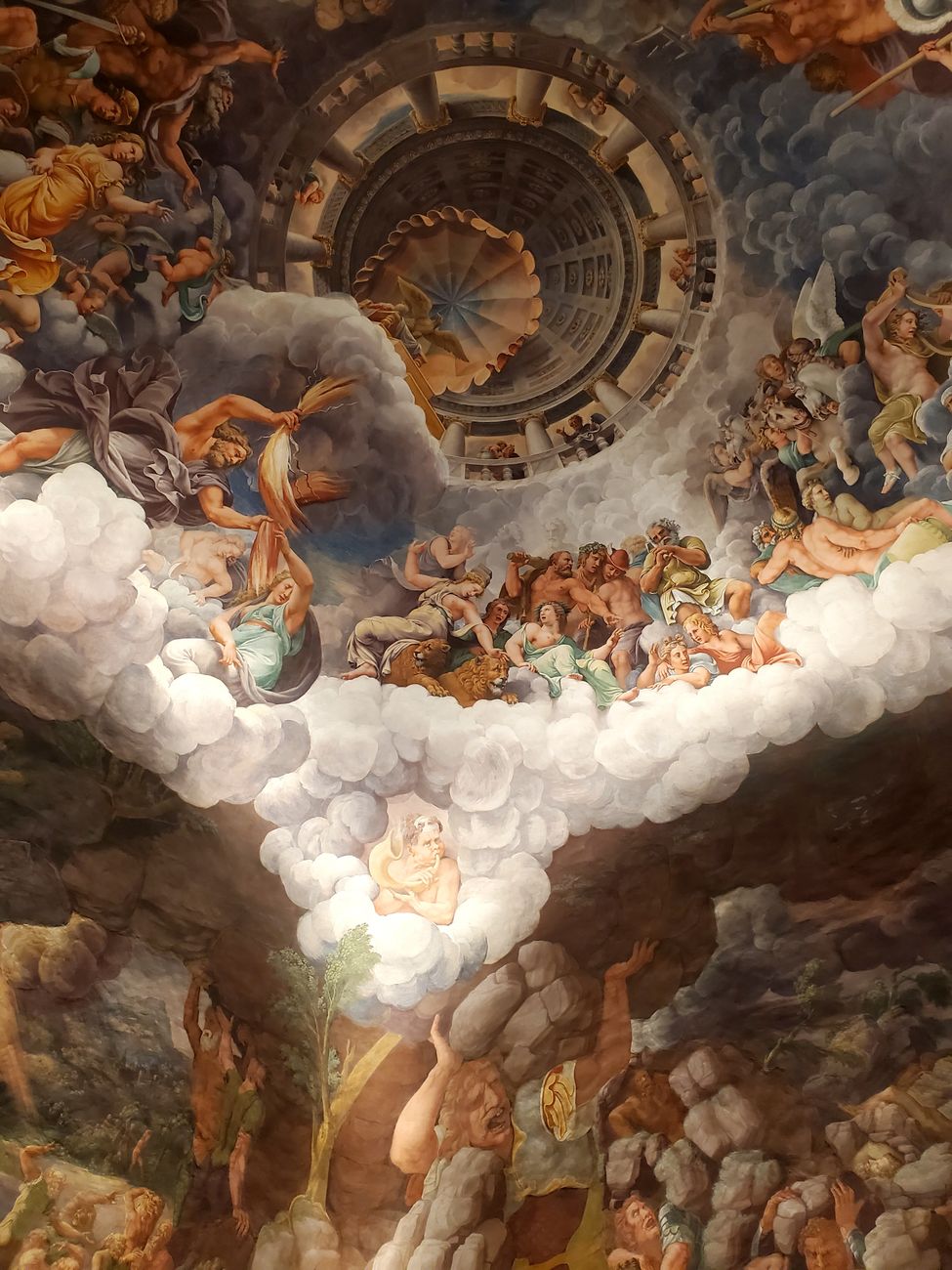
Dedicate this day to Palazzo Te and the riverside neighbourhoods. Travel from the centre to Palazzo Te by foot (25–30 minutes) or take APAM bus lines that stop near the villa (about 10 minutes by bus). Plan 2–3 hours at Palazzo Te to see the Sala dei Giganti and related rooms; admission typically ranges €8–€12 depending on exhibitions.
After the palace, walk or cycle along the Parco del Mincio where paths run beside the lakes and reed beds; a 30–60 minute riverside walk leads to quieter viewpoints and photographic opportunities. Stop for a casual lunch at a trattoria near the park where risotto alla pilota and seasonal fish from the lakes appear on the menu for €10–€16.
In the afternoon visit Palazzo d'Arco on Corso Vittorio Emanuele II for interiors and a modestly sized private collection (entry about €6–€10). Finish the day in the old Jewish quarter and surrounding streets for a calmer evening meal; many small enoteche serve local Lambrusco and regional plates.

Day 3
Use the final day to catch anything missed and to relax by the water before departure. Start at an early market — Piazza Martiri or Piazza Broletto depending on the day — to see produce, cheeses and local breads and to buy sbrisolona for the journey home.
Visit smaller sites like the Castello di San Giorgio and adjacent Galleria for 1–1.5 hours; these are 5–10 minutes on foot from Piazza Sordello. If a morning flight or train is scheduled, allow 30–45 minutes to return to the main station and factor in additional time for taxi rides or luggage handling.
If time remains, take a short public boat trip on Lago Superiore (45–60 minutes) that departs from the central docks — arrive at the dock 15 minutes early to buy tickets. Farewell lunch in the centro with tortelli and a glass of Lambrusco; plan travel to the station or airport with last‑minute ticket purchases and a buffer for slower evening buses.

Best Local Experiences
Attend a guided tour of the Camera degli Sposi at Palazzo Ducale to see Mantegna's ceiling and understand Gonzaga court life; timed visits offer clearer context than self‑guided wandering. Spend uninterrupted time in the Sala dei Giganti at Palazzo Te; its scale is easier to appreciate off‑peak.
Take a 45–60 minute boat ride on Lago Superiore or Lago di Mezzo to see palaces and reedbeds from the water; photographic angles differ significantly from the shore. Buy produce at the Saturday market in Piazza Martiri or the covered mercato for seasonal fruit, salumi and local cheeses; these stalls are where many restaurants source ingredients.
Listen to a chamber concert at Teatro Bibiena or check the small seasonal festivals (summer concerts by the lakes, occasional heritage openings) for local programming.
Where to Stay
Centro storico (Piazza Sordello / Piazza Erbe): suits first‑time visitors who want walking access to Palazzo Ducale, Basilica and restaurants. Expect midrange hotels or B&Bs from about €80–€160 per night (€90–€175 / $100–$190 depending on season).
Lungolago / Darsena: suits travellers who prefer lakeside views and quieter evenings; small guesthouses and apartments from €70–€140 per night (about $80–$155). Close walking distance to Palazzo Te along the western lakeside.
Near Stazione (north of the centre): suits budget travellers or those arriving late; simple hotels and private rooms from €50–€90 per night (about $55–$100) and easy access to regional trains for day trips to Verona, Brescia or Parma.
Food and Drink
Tortelli di zucca: pumpkin‑filled pasta, subtly sweet and served with butter and sage or grated cheese. Find it at traditional trattorie like those around Piazza delle Erbe for €10–€15 a plate.
Risotto alla pilota: a rice dish from the province made with sausage or pork rind and dense in texture; look for it in family trattorie and osterie for €10–€14. Sbrisolona: a crunchy almond cake served in wedges, available at bakery counters for €2–€4 per slice.
Mostarda mantovana: a chunky sweet‑and‑spicy fruit preserve served with bollito or cheese; buy jars at specialty food shops in the mercato for €4–€8. Local wines: Lambrusco Mantovano and nearby Garda white blends; a carafe in an enoteca or trattoria costs €6–€12, a bottle €8–€20.
Getting Around
APAM operates the local bus network; common lines link the station with the centro and Palazzo Te. Buy single tickets in MyCicero or at tabacchi — single rides around €1.30, day tickets roughly €4.50–€6 depending on zones.
Regional trains to Verona, Brescia, Modena and Parma run on Trenitalia and Trenord routes; the main rail station is the practical hub for day trips. Taxi fares: Verona airport to the centre is about €70–€90; local short taxi rides in the centre start at roughly €4–€6 plus per‑kilometre charges.
Use Google Maps or MyCicero for bus timetables and Trenitalia/Trenord apps for regional trains. Walking is efficient within the centro; many narrow streets limit useful bike lanes but some car‑free lakeside stretches are cycle‑friendly.
Best Time to Visit
Spring (April–June) and early autumn (September–October) offer the best balance of comfortable temperatures and fewer tourists. Daytime highs in spring/early autumn are typically 15–25°C with cool evenings; expect occasional rain and some fog early mornings.
Summer (July–August) can be hot and humid with highs often 30–35°C and larger crowds at palaces; late August sometimes sees local holiday closures. Winter months (December–February) are cold, often foggy, with daytime highs around 3–10°C and many smaller museums or restaurants reducing hours; value is better but some services close.
Budget and Practical Tips
Typical daily budget for a midrange traveller: accommodation €80–€140, food €30–€50, local transport €5–€10, museum entries €10–€25. In USD that converts roughly to $90–$155 for hotels, $33–$55 for meals, $6–$11 transport, using a €1 ≈ $1.10 approximation.
Museum costs: Palazzo Ducale roughly €10–€15, Palazzo Te €8–€12, smaller museums €4–€10; combined passes save money if visiting several sites. Tipping: service charges are uncommon; a 5–10% tip or leaving small change is appreciated but not mandatory. In cafés, espresso at the counter is cheaper; table service will add a cover or servizio in some places.
Carry a light rain jacket in shoulder seasons and plan museum visits with online reservations for peak days. Book at least one restaurant for dinner on Saturday evenings to avoid long waits.
FAQ
Is Mantova safe for solo travellers?
Yes; the centre is generally safe by daytime and early evening, but use normal urban caution after late hours and avoid poorly lit canalsides alone at night.
What is the easiest way to get here from Verona airport?
Take the shuttle or taxi to Verona Porta Nuova, then a regional train to the main station; overall travel time is around 45–70 minutes depending on connections.
Are museums open every day?
No; many close one weekday (often Monday) and have reduced hours on holidays — check official sites and reserve timed entries for Palazzo Ducale and special exhibitions.
Is a Mantova/Museum card worth it?
If planning Palazzo Ducale + Palazzo Te within 48–72 hours the Mantova Card usually saves money; compare combined ticket prices with single admissions before buying.
Can Mantova be a day trip from Verona or Desenzano del Garda?
Yes, reachable by regional train in under an hour from Verona; a day trip is possible but limits time at each palace and excludes relaxed lake walks.
Are public toilets available in the centre?
Public toilets exist near major piazze and the station but many cafés expect purchase for restroom use; carry small change for facilities.
Conclusion
Three days allow a paced visit that highlights the Gonzaga palaces, lakeside walks and local food without feeling rushed. The most lasting memories are likely to be the frescoed interiors at Palazzo Ducale or Palazzo Te, and the quiet moments by the lakeshore at sunset.
If time becomes tight, prioritize a timed entry at the Camera degli Sposi and a lakeside walk; these two experiences together best represent what makes the place distinct from nearby larger cities.
How this guide was prepared
This guide was prepared through a structured research that combines destination research, geographic context, itinerary planning logic, and content review.