

Montevideo in 3 Days — Practical Weekend Itinerary
A no-nonsense 3-day Montevideo guide with transit, timing, food and neighbourhood tips for a realistic weekend visit.
A compact, honest plan for three days in Montevideo that balances Ciudad Vieja history, beachside Rambla walks, markets and parrilla meals without pretending it fits everything.
First impressions are often dominated by the sea and long promenades. Streets near Plaza Independencia feel formal and quiet in the morning; the Rambla opens up the city into long views and brisk walks. Expect two different paces: a measured civic centre around Ciudad Vieja and relaxed, beach-oriented life in Pocitos and Punta Carretas.
Many visitors overestimate proximity: what looks like a short coastal stretch can be a 30–40 minute walk from one beach to the next, and buses are the backbone of getting between neighbourhoods. This place suits travellers who enjoy open-air routines, markets and relaxed restaurants rather than a packed itinerary of paid attractions. Noise and traffic vary by neighbourhood: Tres Cruces and some avenues get noisy; residential streets in Punta Carretas are calmer.
Crowds concentrate on the Rambla at sunset and around Mercado del Puerto at weekend lunch. Plan time for transit and a slow afternoon by the sea rather than trying to rush through every museum.
Is 3 days in Montevideo enough?
Yes — three days lets a traveler see Ciudad Vieja, the Rambla and at least two neighbourhoods (Pocitos or Punta Carretas) at a reasonable pace. A clear caveat: experiencing carnival candombe properly requires timing your trip for February or staying longer than a weekend.
Who This Guide Is For
Best for travellers who prefer relaxed walking, markets, and restaurant-focused culture rather than intensive museum marathons; not ideal for visitors who expect to cram many long-day excursions into each day.
Local Tips for Montevideo
Practical details that most travel sites skip — specific to Montevideo.
- Buy a Tarjeta STM at Tres Cruces terminal kiosks or many neighborhood kiosks; the plastic card costs about 100 UYU and stores bus credit — single rides when paid with the card are around 60 UYU.
- Feria de Tristán Narvaja runs Sundays from roughly 08:00–14:00 along Tristán Narvaja (Cordón); expect books, antiques and produce stalls, and many vendors accept cash only.
- Mercado del Puerto on Pérez Castellano fills by 12:30–13:30 on weekend afternoons; for parrilla try El Palenque or La Pulpería and arrive before peak lunch to avoid lines.
- Teatro Solís has scheduled guided tours (box office tickets commonly 600–900 UYU); English tours sell out on weekend mornings so book or arrive early.
- Buquebus and ferry departures from Puerto de Montevideo require arriving 45–60 minutes before departure; passport and printed or digital booking required at immigration desk.
How This Guide Was Prepared
This guide treats Montevideo as a layered, spread-out capital where buses and long seafront walks shape the visit. Many guides cram the port and beaches into one afternoon; that misses how distance and local rhythms dictate pacing and when places close. This guide was prepared through a structured research that combines destination research, geographic context, itinerary planning logic, and content review.
Plan Your Stay in Montevideo
Use this itinerary as your starting point, then compare areas to stay, transport options, seasonal timing, and realistic daily costs before booking.
Why Visit
A strong reason is the coastal layout: long, accessible waterfront walks along the Rambla give a clear sense of place without leaving the city. Ciudad Vieja offers compact, walkable streets with Teatro Solís, Plaza Independencia and the Aires de antigüedades on Sarandí for history and architecture.
Food and grill culture provide another pull. Mercado del Puerto and parrillas such as El Palenque serve classic asado and chivito in a way that reflects local meat culture. A third reason is markets and neighborhood life: Feria de Tristán Narvaja (Cordón) and small cafés in Punta Carretas and Pocitos reveal daily rhythms more than any museum.
A fourth practical point is connectivity to nearby destinations. Ferries at Puerto de Montevideo connect to Buenos Aires and buses from Tres Cruces head to Colonia del Sacramento and other coastal cities, so a short trip can be combined with a regional hop.

Quick Planning Tips
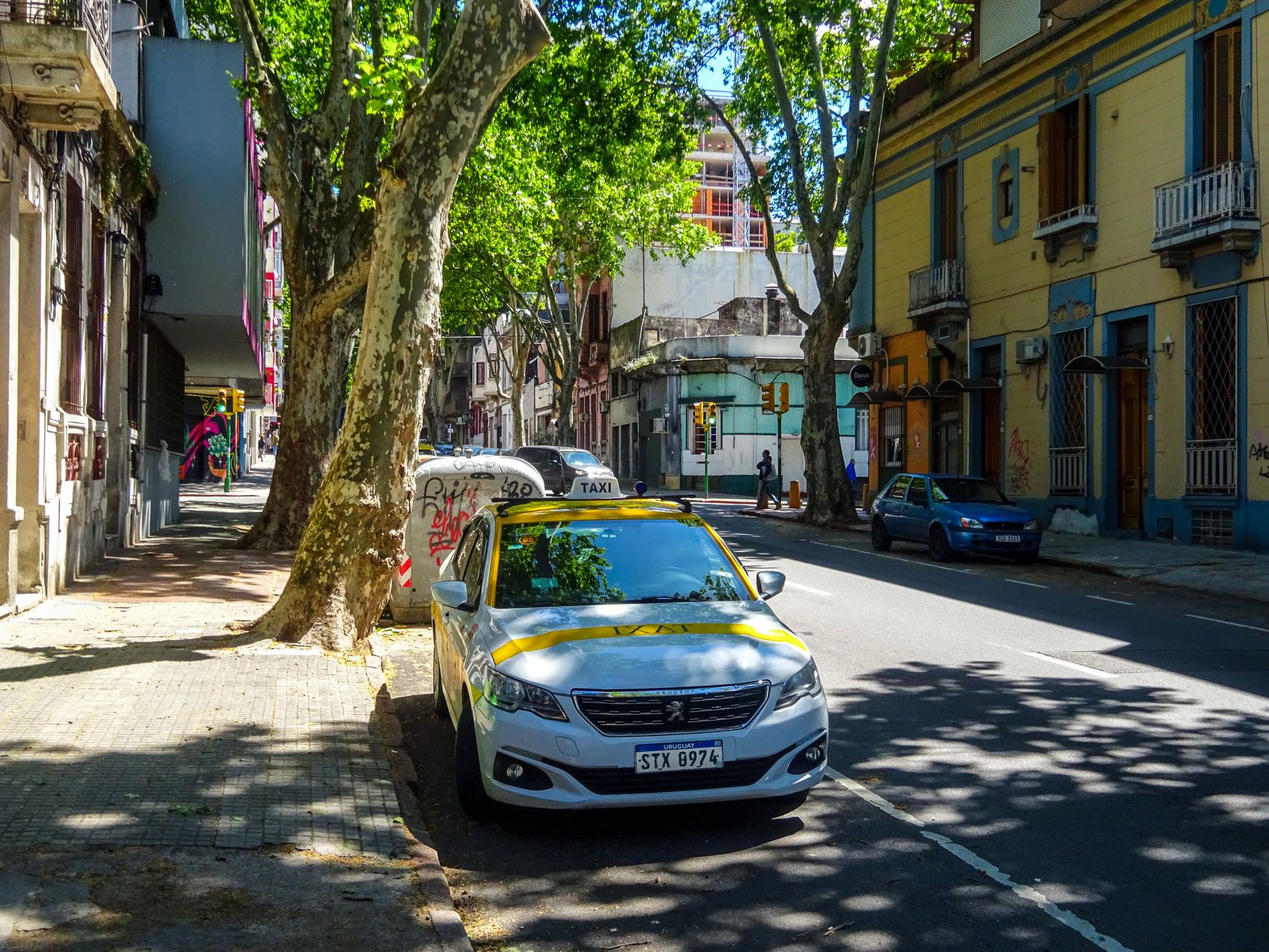
Fly into Aeropuerto Internacional de Carrasco (Carrasco) and expect a 20–30 minute taxi ride to central neighbourhoods depending on traffic; allow more time for peak hours. Buses to Tres Cruces run from near the terminal but a taxi or ride-hailing app (Uber or DIDI) is usually faster with luggage.
Get a Tarjeta STM for buses at Tres Cruces or many kiosks; top-ups are available at terminal machines and some newsstands. Credit cards are widely accepted in restaurants and hotels, but small market vendors and some cafés prefer cash (UYU).
Avoid booking too many activities for the same afternoon: popular spots such as Teatro Solís, Museo Nacional de Artes Visuales and evening parrillas have concentrated peak times. Reserve Teatro Solís tours and Buquebus ferry tickets in advance for weekends.
Day 1
Morning: Start at Plaza Independencia and allow 30–45 minutes to walk around the square and photograph Palacio Salvo. From there, cross into Ciudad Vieja on foot to see Teatro Solís; guided tours depart from the box office and last about 45 minutes. Expect a short queue if arriving midday.
Late morning: Walk along Sarandí to the Museo Torres García (about 10 minutes from Solís) for local modernist painting. After the museum, continue to the nearby Museo del Carnaval if interested in costume and candombe history (both small museums can be covered in 1.5–2 hours total).
Lunch: Eat at Mercado del Puerto (Pérez Castellano) — choose a parrilla stall like El Palenque or La Pulpería. Plan 60–90 minutes for lunch including a glas of medio y medio or house wine; weekend waits are common between 13:00 and 15:00.
Afternoon: From the port, walk or take a short bus to the Rambla (10–20 minutes) and stroll toward Ciudadela or head east to Punta Carretas (bus ~15 minutes). Stop at the Punta Carretas Lighthouse and the small Punta Carretas shopping block if interested in local shops.
Evening: Dinner in Punta Carretas or Pocitos — try a seafood restaurant or a parrillada depending on appetite. Finish with a sunset walk on the Rambla; evenings along the waterfront are busy at weekends but generally safe and well lit.

Day 2
Morning: Visit Parque Rodó and the Museo Nacional de Artes Visuales (MNAV) on the park's northern edge; museums are walkable from Cordón and take 1–2 hours. The park itself is good for a coffee and short walk by the lake.
Late morning: Head to the Feria de Tristán Narvaja in Cordón (Sundays only) and plan at least 90 minutes for browsing books, antiques and street food. From Cordón, a short bus or 20–30 minute walk reaches Plaza Cagancha and then Avenida 18 de Julio for a sense of day-to-day shopping streets.
Lunch: Try a local bodegón or patio café on 18 de Julio for a milanesa or a plated lunch menu (almuerzo) which often offers better value than tourist spots. Expect 400–900 UYU for a solid midday meal.
Afternoon: Take bus toward Pocitos (many routes run along 21 de Septiembre or along the Rambla) for a beachside stroll, coffee, or to see the residential architecture and apartment-lined beaches. Walking from Pocitos beach to Punta Carretas is 25–40 minutes along the Rambla.
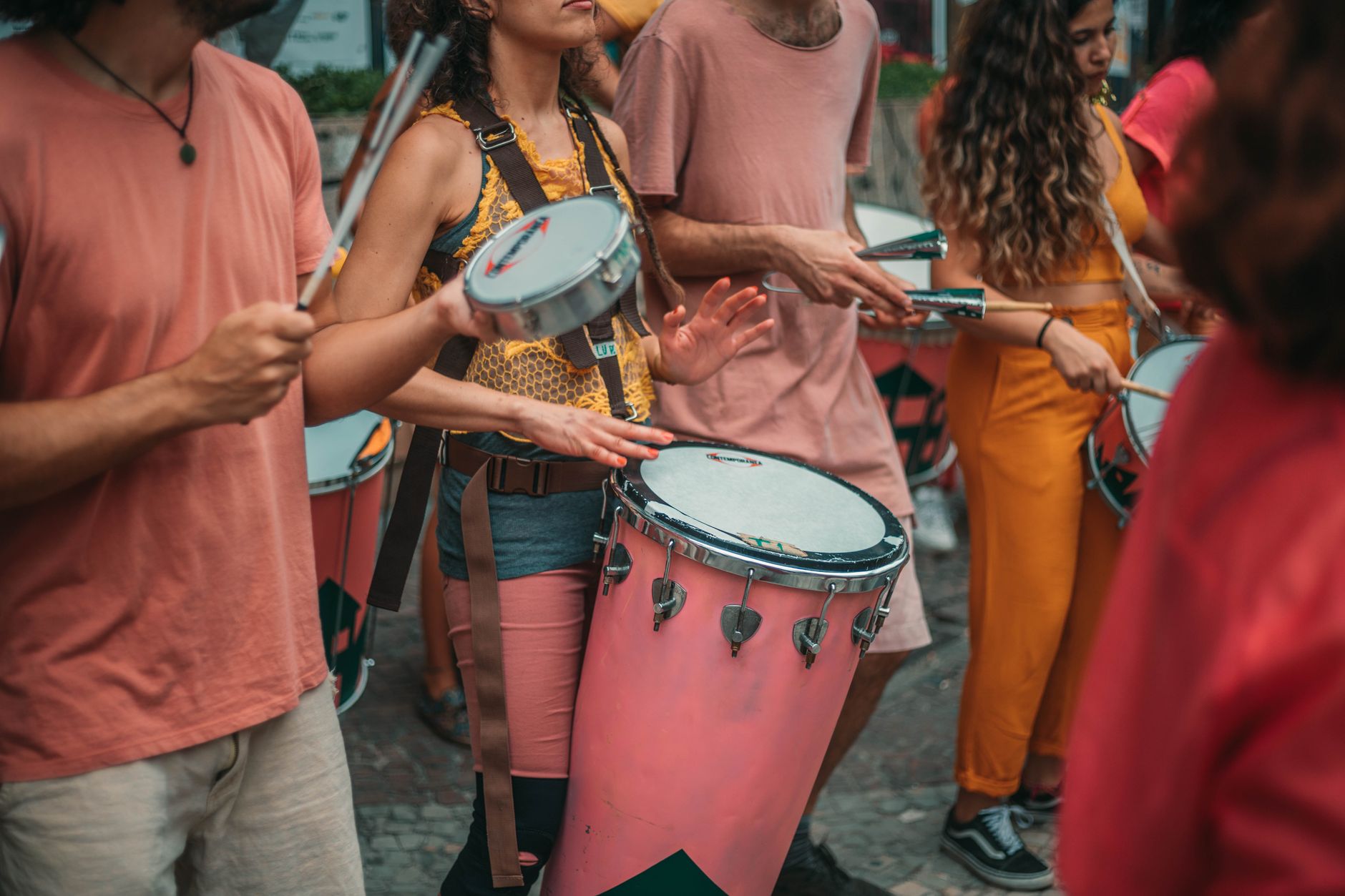
Evening: Experience a candombe rehearsal or small street performance in Barrio Sur or Palermo if available (best on nights with local events). If no live music, a relaxed dinner in Pocitos with a focus on local wine or medio y medio keeps the evening low-key.

Day 3
Morning: Reserve time for Mercado Agrícola de Montevideo (MAM) in Aguada for an early stroll among produce stalls, specialty food vendors and occasional small cafés; arrive before 11:00 for the best selection. From MAM, take a short bus or a 25–30 minute walk to Tres Cruces if catching an onward bus.
Late morning: Explore Tres Cruces area and, if schedules allow, visit Museo Histórico Nacional (Avenida 18 de Julio area) or an offbeat gallery in Cordón. Keep luggage at hotel or storage if checking out; many hotels will hold bags beyond checkout for a few hours.
Lunch: Choose a relaxed midday meal near your last stop — in Punta Carretas or Pocitos, a light seafood lunch or a chivito sandwich makes for an efficient final meal before departure.
Afternoon transfer note: If catching an afternoon flight from Carrasco, leave central Montevideo with at least 90–120 minutes for taxi or ride-hailing to the airport plus recommended check-in time. Buses to the airport can be slower with luggage, so taxis or prebooked transfers are practical choices.
Evening (if staying late): A final sunset along the Rambla near Playa Malvín or Playa Pocitos helps close the visit without rushing through museums or shopping.

Best Local Experiences
Feria de Tristán Narvaja (Cordón) on Sundays offers secondhand books, antiques and street-food stalls that reflect everyday life. Mercado del Puerto provides a working parrilla scene and is the clearest place to sample asado and chorizo. The Rambla — especially the stretch from Pocitos to Punta Carretas — is the most reliable place for long walks, bike rides and watching sunset routines.
Attend a candombe 'llamada' or local rehearsal in Barrio Sur or Palermo during carnival season or on some weekend nights. Visit Mercado Agrícola de Montevideo (Aguada) for specialty groceries, artisan products and coffee in a market setting that local chefs use. Explore Teatro Solís for architecture and a scheduled guided visit, and combine that with a coffee on Sarandí for a morning of central-city culture.
Where to Stay
Ciudad Vieja: Suited for travellers who want immediate access to Teatro Solís, Plaza Independencia and museums. Expect boutique guesthouses and small hotels; typical nightly rates range from 3,000–6,500 UYU (~75–160 EUR/USD) depending on season and room type.
Pocitos: Best for beach access, cafés and apartment-style stays. Good for walkers who prefer a lively seaside neighbourhood with restaurants and bakeries. Nightly rates commonly sit between 3,500–7,000 UYU (~90–175 EUR/USD) for mid-range options.
Punta Carretas: Suited for visitors wanting a quieter residential feel with easy shopping (Punta Carretas Shopping) and good evening restaurants. Close to the Rambla and Punta Carretas Lighthouse. Mid-range hotels and serviced apartments typically cost 4,000–8,000 UYU (~100–200 EUR/USD) per night.
Choose a location based on priorities: nightlife and immediate central access (Ciudad Vieja), beach and daytime cafés (Pocitos), or calmer residential streets and shopping (Punta Carretas). Prices fall in shoulder months; weekends and February (carnival) push rates higher.
Food and Drink
Asado / parrillada: Grilled cuts of beef, chorizo and offal served at parrillas such as El Palenque or La Pulpería; expect 800–1,800 UYU per person at a mid-range parrilla. Chivito: A hefty sandwich of steak, ham, cheese, tomato and fried egg; find good versions at bodegones and sandwich shops like El Mejillón or local diners for 450–900 UYU.
Milanesa: Breaded fried cutlet served between bread or plated with sides; a reliable, inexpensive meal in local cafés (around 350–700 UYU). Medio y medio: A local café- or bar-served mixed wine (sparkling + white) often consumed at Mercado del Puerto or bodegones; a glass typically costs 150–400 UYU.
Dulce de leche dessert and medialunas for breakfast: Bakeries and cafés in Pocitos or Cordón sell medialunas (croissants) for 40–120 UYU each and coffee with milk for 120–250 UYU. Mate: Ubiquitous herbal infusion carried and shared by locals; buy loose yerba and a gourd at Feria de Tristán Narvaja or local supermarkets for 250–700 UYU.
Street food option: Empanadas and choripán sold at market stalls and festivals; expect 80–220 UYU depending on filling and stall. Dinner recommendation: a mid-range parrilla near Mercado del Puerto or Punta Carretas for a full asado experience and local wines.
Getting Around
Main transport is the bus network operated by companies such as CUTCSA, COETC and COPSA, all accessed with the Tarjeta STM. No metro exists, so plan journeys around bus routes and walking. Tres Cruces is the main long-distance bus terminal and also a key local hub.
Single bus rides paid with Tarjeta STM are about 60 UYU; there is no widely used tourist day pass, so buy credit on the STM card as needed. Taxis and ride-hailing (Uber and DIDI) operate across the city; airport taxi fares to the city center run roughly 2,000–3,000 UYU (~50–75 USD/EUR), depending on luggage and time of day.
Useful apps: Moovit and Google Maps for bus routing (enter stops and check real-time arrivals) plus the STM site for top-up locations. Walking is often the fastest option for close central neighbourhoods, while buses are necessary for beaches and long coastal stretches.
Best Time to Visit
Summer (December–February) brings warm weather and beach life, temperatures commonly 24–30°C, and the highest visitor numbers around January and carnival in February. Expect busy waterfronts and higher prices.
Spring (September–November) and autumn (March–May) offer mild temperatures typically 15–24°C and fewer crowds; shoulder months give better value on accommodation and more comfortable walking weather. Carnaval season in February is culturally rich but crowded.
Winter (June–August) is cool and quiet, with temperatures often 7–15°C and more rain; museum visits and restaurant exploration become the main options. For best balance of weather and value, plan for March–May or September–November.
Budget and Practical Tips
Daily budget estimate for a mid-range traveller: accommodation 3,500–6,500 UYU (90–160 USD/EUR), food 800–1,500 UYU (20–40 USD/EUR), transport 200–400 UYU (5–10 USD/EUR), entry fees and extras 200–1,200 UYU (5–30 USD/EUR). Budget travellers can aim for 2,000–3,500 UYU per day; higher comfort pushes totals upward.
ATMs dispense UYU and many businesses accept cards, but smaller market vendors and some transport kiosks prefer cash. Bring smaller banknotes for market stalls and bus top-ups. Tipping is modest: rounding up and leaving 5–10% in sit-down restaurants is appropriate where service is not already included, but exact expectations vary.
Carry a copy of passport details for Buquebus or international travel and keep an eye on opening hours: many small shops close midday and reopen later, while museums often close one weekday or have limited hours on Mondays.
FAQ
Is Montevideo safe for solo travellers?
Generally yes for daytime activities in central and beach neighbourhoods, but petty theft occurs. Take usual precautions, avoid poorly lit streets after midnight in parts of Ciudad Vieja, and use trusted taxis after late-night events.
What is the best way to get from Carrasco airport to the city center?
Taxis and ride-hailing services (Uber, DIDI) are the most reliable with luggage; expect roughly 2,000–3,000 UYU to central areas. Buses exist but can be slower and less convenient with luggage.
Are buses easy to use and is there a tourist pass?
Buses are frequent on main corridors and use the Tarjeta STM. There is no widely used tourist day pass; load credit on the STM card and track routes via Moovit or Google Maps.
Is a Buquebus ferry to Buenos Aires worth it for a day trip?
Yes for a quick international hop; ferries take about 2–3 hours one way. Factor in immigration time and the schedule — arrive 45–60 minutes before departure.
Are credit cards accepted widely?
Most restaurants, hotels and shops accept cards, but markets and small vendors often prefer cash. ATMs are common but check fees.
Is English commonly spoken at attractions?
Basic English is available at major tourist sites such as Teatro Solís and larger hotels, but Spanish is far more common in neighbourhood cafés and markets.
Conclusion
A three-day visit will leave a clear sense of seaside routines, market life and parrilla culture if time is spent pacing between neighbourhoods rather than trying to cover everything. Visitors most often remember long Rambla walks at sunset, a heavy chivito or a good asado lunch and the quieter urban pace compared with larger regional capitals.
If time gets tight, prioritize one morning in Ciudad Vieja with Teatro Solís and a Mercado del Puerto lunch, plus an afternoon walk along the Rambla at Pocitos or Punta Carretas. That combination conveys the city's character and makes the trip feel complete without rushing.
How this guide was prepared
This guide was prepared through a structured research that combines destination research, geographic context, itinerary planning logic, and content review.