
Montgomery 3-Day Itinerary: Practical Weekend Planning Guide
A concise, realistic 3-day guide to Montgomery with timed routes, transit tips, affordable eats, and which civil-rights and museum highlights to prioritize.
A focused, realistic plan for three days in Montgomery that balances the civil-rights sites, local neighbourhoods, and practical transit and dining tips.
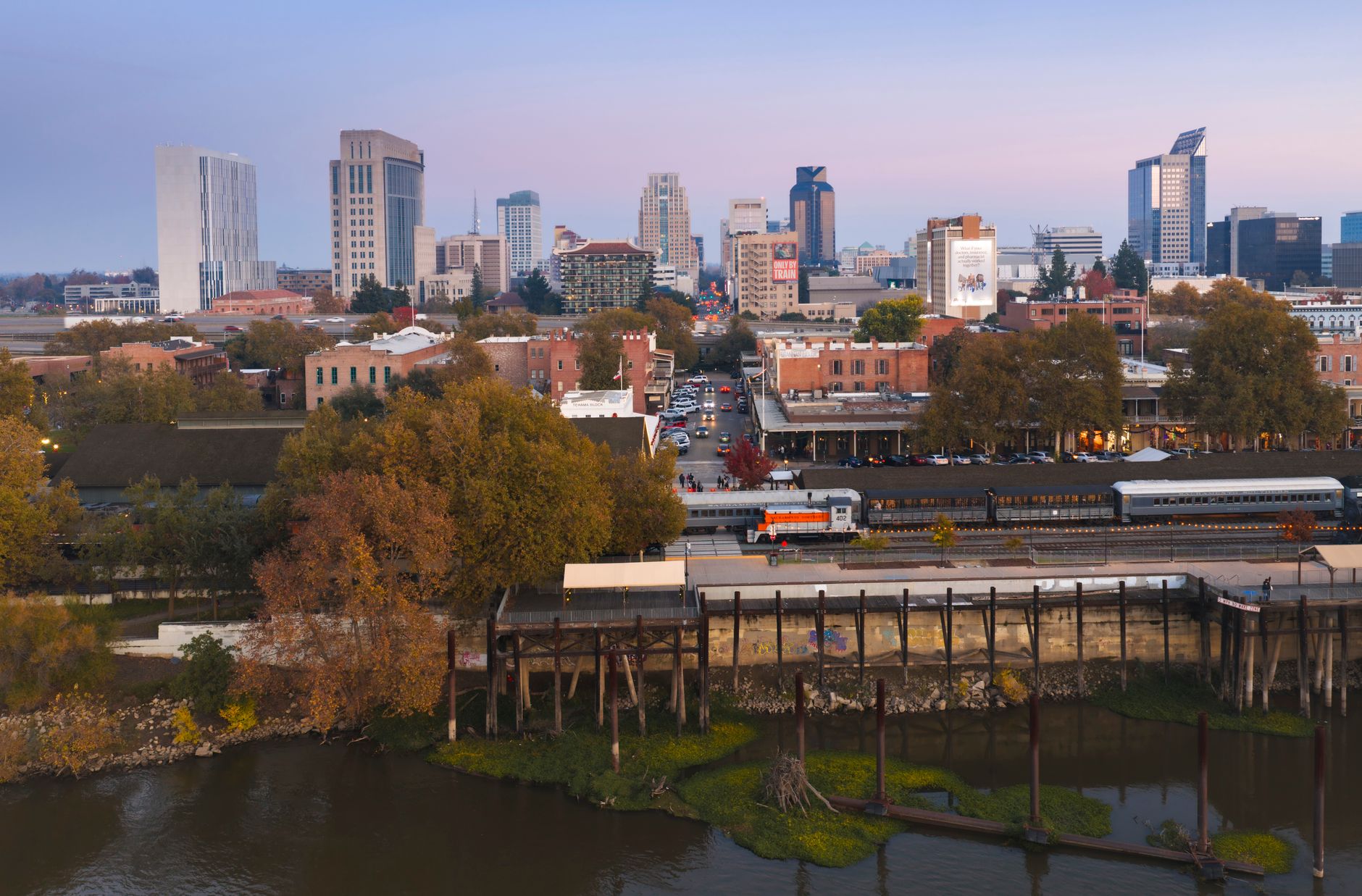
The first impression arriving downtown is a compact civic core with museums, a broad Capitol lawn, and a riverfront that changes use from parks to parking on different blocks. Foot traffic is concentrated along Dexter Avenue, Court Square, and the Riverfront; many attractions sit within a five- to 20-minute walk of each other. Noise and crowd levels are moderate on weekday afternoons, and weekends bring families and community events more than tourist buses. Museums and interpretive centres are the main draws; expect clear signage but tightly scheduled opening times.
This place suits visitors who want to read plaques and follow a sequence of museums and memorials rather than those looking for a dense metropolitan arts or late-night bar scene. Practical realities matter: downtown parking, short MATS bus runs, and midday restaurant queues are the sorts of things that shape how a three-day stay plays out. Plan by blocks and time slots rather than by ticking off sites scattered across different suburbs.
Is 3 days in Montgomery enough?
Yes—three days is enough to cover the main civil-rights sites (Dexter Avenue, Rosa Parks Museum, Civil Rights Memorial), a major museum or two, and a neighbourhood stroll. The caveat: skip extended day trips to Tuskegee or long rural drives if time is limited; those need a separate day.
Who This Guide Is For
Best for history-focused travelers, road-trippers using the city as a cultural stop, and families who want museum and zoo time. Less suitable for those seeking a dense nightlife or a fast-paced metropolitan experience.
Local Tips for Montgomery
Practical details that most travel sites skip — specific to Montgomery.
- Rosa Parks Museum (Troy University Montgomery) typically posts admission around $6–10 at the box office; buy tickets there rather than relying on third-party sellers.
- Dexter Avenue King Memorial Baptist Church sometimes limits inside visits during services; target mid-morning weekday slots for docent-led tours at the State Capitol area.
- Southern Poverty Law Center’s Civil Rights Memorial Plaza is free but the adjacent interpretive center has limited hours—check their website for weekday opening times before planning a morning visit.
- Montgomery Area Transit System (MATS) operates fixed routes and a Riverfront shuttle; a single ride is around $1.25 and exact-change drivers accept cash, but mobile passes are often sold through Token Transit or local vendor links.
- Montgomery Biscuits games at Riverwalk Stadium are an affordable evening option; tickets usually run $8–$18 depending on seat and promotional nights.
How This Guide Was Prepared
Montgomery rewards slow attention: the city’s most important sites are clustered but require time to read and process rather than rush past. Many guides list monuments without explaining how to move between them, which meals to expect, or when museums close. This guide gives timed walking and transit links, realistic costs, and neighbourhood-by-neighbourhood sequencing so three days feels like a coherent short visit rather than a checklist. This guide was prepared through a structured research that combines destination research, geographic context, itinerary planning logic, and content review.
Plan Your Stay in Montgomery
Use this itinerary as your starting point, then compare areas to stay, transport options, seasonal timing, and realistic daily costs before booking.
Why Visit
Three clear reasons to plan a short stay here: the civil-rights narrative is concentrated and readable. Sites like Dexter Avenue King Memorial Baptist Church, the Rosa Parks Museum at Troy University, and the Civil Rights Memorial make the sequence of events easy to trace in a day or two. Second, the city’s civic museums—Montgomery Museum of Fine Arts and Old Alabama Town—offer different ways to understand regional art and everyday southern architecture in compact venues that don’t require a long commute. Third, the riverfront and stadium provide straightforward, low-cost leisure options such as a Biscuits baseball game or a Harriott II cruise; these are practical, family-friendly evening choices.
The city also functions well as a road-trip hub between Birmingham, Tuscaloosa and coastal Pensacola, so it’s useful for travelers combining cultural stops with regional drives. Finally, Maxwell Air Force Base brings a distinct civic character; aviation-related exhibits and memorials reflect that local presence rather than generic tourist attractions.

Quick Planning Tips
Best airport link: Montgomery Regional Airport (Dannelly Field) sits about 10–12 minutes by car to downtown; taxis or rideshares usually run $20–35 depending on time. From Amtrak’s closest major station in Birmingham, plan a 1.5–2 hour drive; there is no intercity rail direct to downtown.
Payment tip: most downtown vendors accept cards but carry small bills for museum donations, bus fares, and food carts. Avoid a common mistake of assuming every museum takes online reservations the same day—book timed-entry for the Rosa Parks Museum and Civil Rights interpretive displays on busy weekends.
Plan museum sequencing in the morning and neighborhood walks in the afternoon to avoid closed doors and midday heat in summer. Check opening hours for the Hank Williams Museum and Old Alabama Town because they close earlier than larger institutions.

Day 1
Morning: Start at the Alabama State Capitol on Dexter Avenue for the grounds, then walk 2 minutes to Dexter Avenue King Memorial Baptist Church for exterior views and to see where Dr. King preached. The walk between the Capitol and the church is about 2–4 minutes and is mostly flat.
Late morning: Walk east 8–10 minutes to the Rosa Parks Museum at Troy University. Allocate 60–90 minutes to view the core exhibits; check the museum’s schedule for docent talks. The timed exhibit and film help anchor the afternoon’s context.
Lunch: Head to a nearby downtown lunch spot such as Cahawba House or a Capitol-area café; allow 10 minutes walking time from the Rosa Parks Museum. Expect sandwiches and Southern plates priced around $10–18.
Afternoon: Walk 6 minutes to the Civil Rights Memorial and interpretive center (Southern Poverty Law Center). Museum staff often recommend an hour here as the displays are text-heavy. From the memorial, walk 15 minutes to the Montgomery Museum of Fine Arts at Cramton Bowl Drive or take a short MATS ride if tired.
Dinner and evening: For dinner, try an established barbecue or Southern restaurant near Cloverdale (about 10–15 minutes by car from downtown). Evening options include a Biscuits game at Riverwalk Stadium or a riverboat cruise on the Harriott II; both are family-friendly and keep logistics simple on a first night.
Day 2
Morning: Begin in Old Alabama Town for a block-by-block look at preserved 19th- and early-20th-century buildings. Allow 60–90 minutes for the open-air exhibits; it’s an easy 10–15 minute drive or a 25–30 minute walk from downtown.
Late morning: Drive or take a short MATS route to the Montgomery Museum of Fine Arts and the adjoining sculpture trail at Blount Cultural Park. Spend 90 minutes on galleries and the outdoor sculpture collection.
Lunch: Eat in the Cloverdale or Garden District neighbourhood—these areas have independent cafés and bakeries with salads, quiches, and local sandwiches priced approximately $8–15. Walking between Cloverdale streets is pleasant and usually takes under 10 minutes between shops.
Afternoon: Visit the Hank Williams Museum to change pace from civic history to popular culture; the museum is compact and takes 45–60 minutes. From there, cross to the nearby historic Court Square Fountain area for photos and local shop windows.
Evening: Dinner in Midtown/Dexter Avenue area, then catch a local live music show or check the calendar at the Montgomery Performing Arts Centre. This day focuses on neighbourhood character and arts rather than downtown institutional history, so pace the transit to avoid backtracking.

Day 3
Morning: If checking out, leave luggage at the hotel and walk the Riverfront Park and the Riverwalk path for fresh air and photos; the walk from most downtown hotels to the riverfront is 5–12 minutes. Visit Riverwalk Stadium’s exterior and the Harriott II dock to confirm ticket times if planning a midday cruise.
Late morning: Depending on interest, choose between the Montgomery Zoo & Mann Wildlife Learning Museum (allow 2–3 hours; it’s a 15–20 minute drive from downtown) or return to any museum missed earlier such as Old Alabama Town for a more relaxed visit.
Lunch: For a quick last meal near the airport or train/coach pickup point, stop at a locally known diner or sandwich shop on the way out; budget 20–30 minutes and expect $8–15.
Afternoon departure note: For afternoon flights from Montgomery Regional Airport aim to leave downtown 60–75 minutes before scheduled departure when factoring rental-car return, light security, and potential traffic. For drives to Birmingham or Atlanta, allot extra time for highway congestion on I-85 or I-65 depending on route.

Best Local Experiences
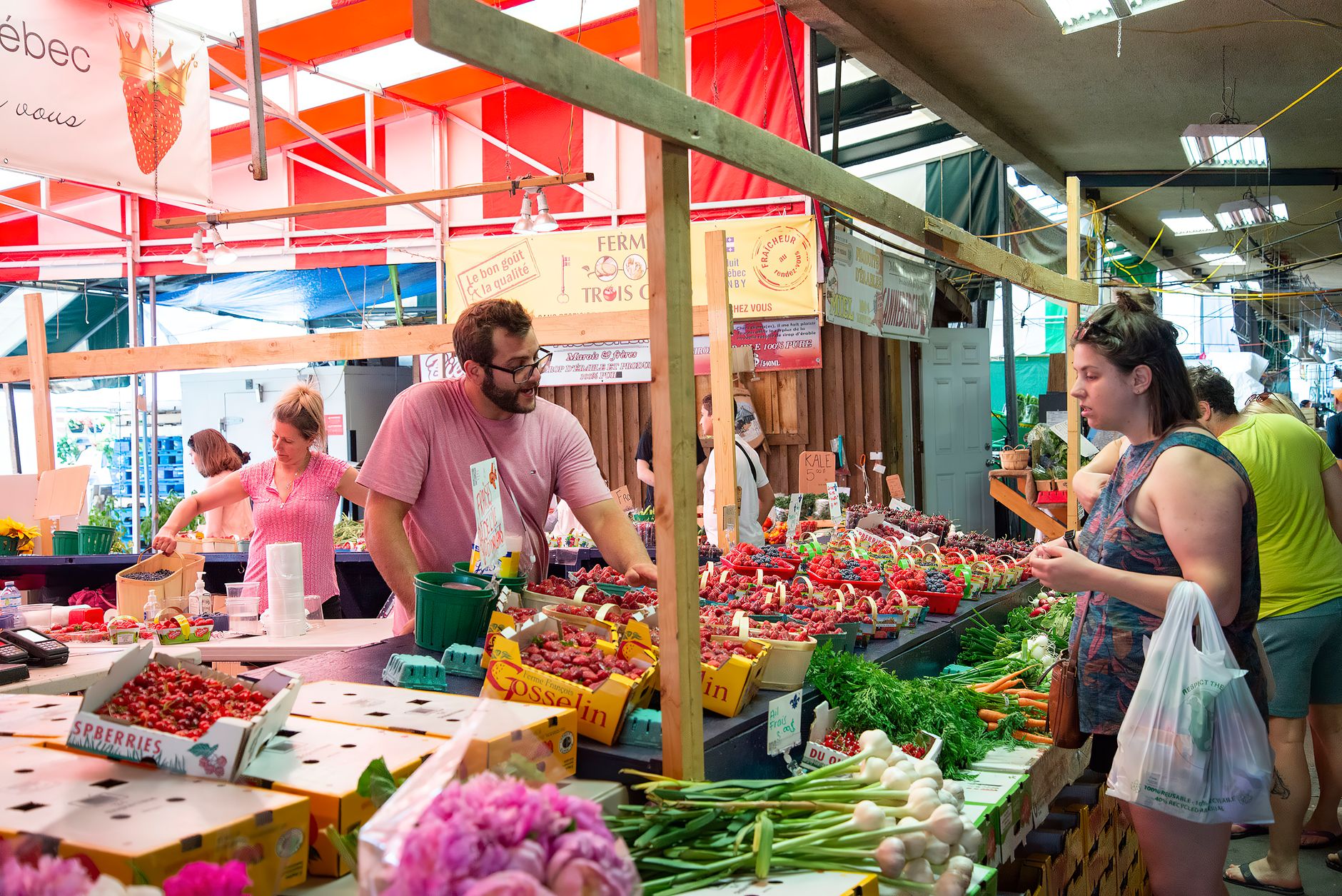
Farmers Market and seasonal food markets: The Montgomery Farmers Market (check location and Saturday hours) offers local produce and prepared food stands. The market is a good way to sample regional produce without a sit-down meal.
Biscuits baseball at Riverwalk Stadium: Attend a Montgomery Biscuits game for a casual evening; promotions and fireworks nights make this a lively, low-cost option.
Guided civil-rights walks: Look for guided tours that connect the Alabama State Capitol, Dexter Avenue, and Court Square to understand the legal and civic context. Small-group walking tours add necessary local interpretation.
Old Alabama Town living-history site: Walk the restored streets and interior rooms to see how residential life looked in earlier centuries; it’s a different angle than monument-focused stops.
Harriott II river cruises: Short dinner or sightseeing cruises along the Alabama River provide a relaxed view of the riverfront and are practical when energy is low after a museum-heavy day.
Where to Stay
Downtown / Court Square: Suits visitors who want walkable access to the Alabama State Capitol, Dexter Avenue, the Rosa Parks Museum and riverfront. Expect mid-range hotel rooms roughly $100–160 per night (USD) depending on season, about €90–145.
Cloverdale / Garden District: Suits those who prefer neighbourhood restaurants, small bakeries, and tree-lined streets; better for evening strolls and independent dining. Boutique guesthouses and inns generally run $90–150 per night, about €80–135.
Midtown / Near Cramton Bowl and Blount Cultural Park: Suits museum-goers who want proximity to the Montgomery Museum of Fine Arts and sculpture trail. Prices range $80–140 per night, about €75–125. Many options include free parking, which is handy for road-trippers.
Choose lodging based on trade-offs: downtown saves transit time for the core sites while Cloverdale gives a more residential feel and better evening dining within walking distance.
Food and Drink
Biscuits and breakfast biscuits: A true Southern biscuit is flaky, buttery, and often served with sausage or gravy. Try a local diner or bakery in Cloverdale for a breakfast biscuit around $3–6.
Fried catfish plate: A regional staple—usually cornmeal-crusted fillets with coleslaw and hushpuppies; expect $10–18 at established barbecue and seafood restaurants.
Barbecue (pork with regional sauces): Look for local spots serving pulled pork or ribs with red or brown sauce; plates run $9–18. Dreamland-style ribs and local joints near downtown offer consistent, unpretentious options.
Pimento cheese and Southern sides: Found at sandwich shops and delis; a pimento cheese sandwich or appetizer is roughly $5–9.
Sweet tea and local pies: Sweet tea is the default non-alcoholic drink; local bakeries offer pecan or chess pie for $3–6 per slice.
Street food and casual options: Food trucks and market stalls at weekend markets serve items like smoked sausage and sliders for $5–10. For dinner splurge, try a chef-driven downtown restaurant with seasonal Southern plates for $25–45 per person.
Getting Around
Public bus: Montgomery Area Transit System (MATS) operates numbered fixed routes across the city and a Riverfront shuttle. Typical single-ride fare runs about $1.25; exact policies and transfers should be confirmed with MATS timetables.
Token Transit and apps: Many local riders use Token Transit or the Transit app for schedules and mobile passes; download before relying on mobile-only payment. Real-time tracking is limited on some routes.
Taxis and rideshares: Expect airport-to-downtown taxi or rideshare fares of roughly $20–35 depending on surge and luggage. For short downtown hops, rideshares are often $6–12.
Driving and parking: Downtown parking is a mix of metered street parking and lots; nightly hotel parking is often free but check individual properties. For intercity travel, I-85 and I-65 are the main corridors linking to Birmingham, Atlanta, and Tuscaloosa.
Best Time to Visit
Spring (March–May): Temperatures range roughly 55–80°F (13–27°C). Spring offers mild weather and lower humidity with cherry blossoms and azaleas at parks; this is the most comfortable season for walking tours and outdoor sites.
Fall (September–November): Temperatures typically run 60–80°F (16–27°C) into October, cooling in November. Crowds are smaller after Labor Day and hotel rates often drop compared with spring.
Summer (June–August): Expect highs in the 85–95°F range (29–35°C) with high humidity. Museum-heavy days are manageable if mornings are used for outdoor sites and afternoons reserved for indoor museums or air-conditioned restaurants.
Winter (December–February): Mild to cool with highs commonly 50–60°F (10–16°C) and occasional cold snaps. Off-season hotel deals are possible, but some smaller attractions may have reduced hours.
Budget and Practical Tips
Daily budget estimate (per person): Accommodation $90–160 USD (€80–145) depending on location and season. Food $30–60 USD (€27–54) for three modest meals combining cafés and a nicer dinner. Transport $6–20 USD (€5–18) including local buses, occasional rideshare, or parking. Entry fees $5–20 USD (€5–18) per museum for most local attractions; the Rosa Parks Museum and zoo fall within these ranges.
Tipping norms: Restaurants typically expect 15–20% for table service. Smaller coffee shops and takeaway counters do not require tipping but a dollar or rounding up is common. For guided tours, $5–10 per person for half-day walking tours is customary when guides add value.
Money and cards: Cards are widely accepted downtown but carry small bills for bus fares, market vendors, and gratuities. Many museums accept card payments for admission and gift-shop purchases; have cash for smaller sites or donation boxes.
FAQ
Is Montgomery safe for tourists?
The downtown and museum areas are generally safe during daytime hours with visible police presence; common-sense precautions apply after dark and in less-trafficked blocks.
How do I get from Montgomery Regional Airport to downtown?
Taxi or rideshare takes about 10–12 minutes and normally costs $20–35; check flight times and local demand for accurate pricing.
Is there a city pass that covers major museums?
No widely used all-in-one city pass exists; pay-as-you-go or booking individual timed tickets for the Rosa Parks Museum and special exhibits at the Montgomery Museum of Fine Arts is the norm.
Are guided civil-rights tours worth it?
Yes for first-time visitors who want context—guided walks and museum-led talks provide interpretation that’s hard to get from plaques alone.
Can public transit get me to the main sites?
MATS buses and the Riverfront shuttle connect several main stops, but expect some walks and check schedules; rideshares fill gaps efficiently.
Is the Montgomery Zoo worth a visit with limited time?
It’s a good choice for families and animal lovers and fits a half- to full-day; skip only if museum and civil-rights sites are the top priority.
Conclusion
Three days provides a readable trip: the major civil-rights sites, one or two museums, and time to feel how neighbourhoods differ from each other. Visitors will most likely remember the sequence of civic places—the Capitol, Dexter Avenue, the Rosa Parks Museum, and the Civil Rights Memorial—because those sites create a clear narrative arc in a compact area. If time runs short, prioritize the Rosa Parks Museum plus the Civil Rights Memorial and allow an evening at Riverwalk Stadium or a short Harriott II cruise. That pairing delivers context in daylight and an easy, low-effort evening to close a short stay.
How this guide was prepared
This guide was prepared through a structured research that combines destination research, geographic context, itinerary planning logic, and content review.