
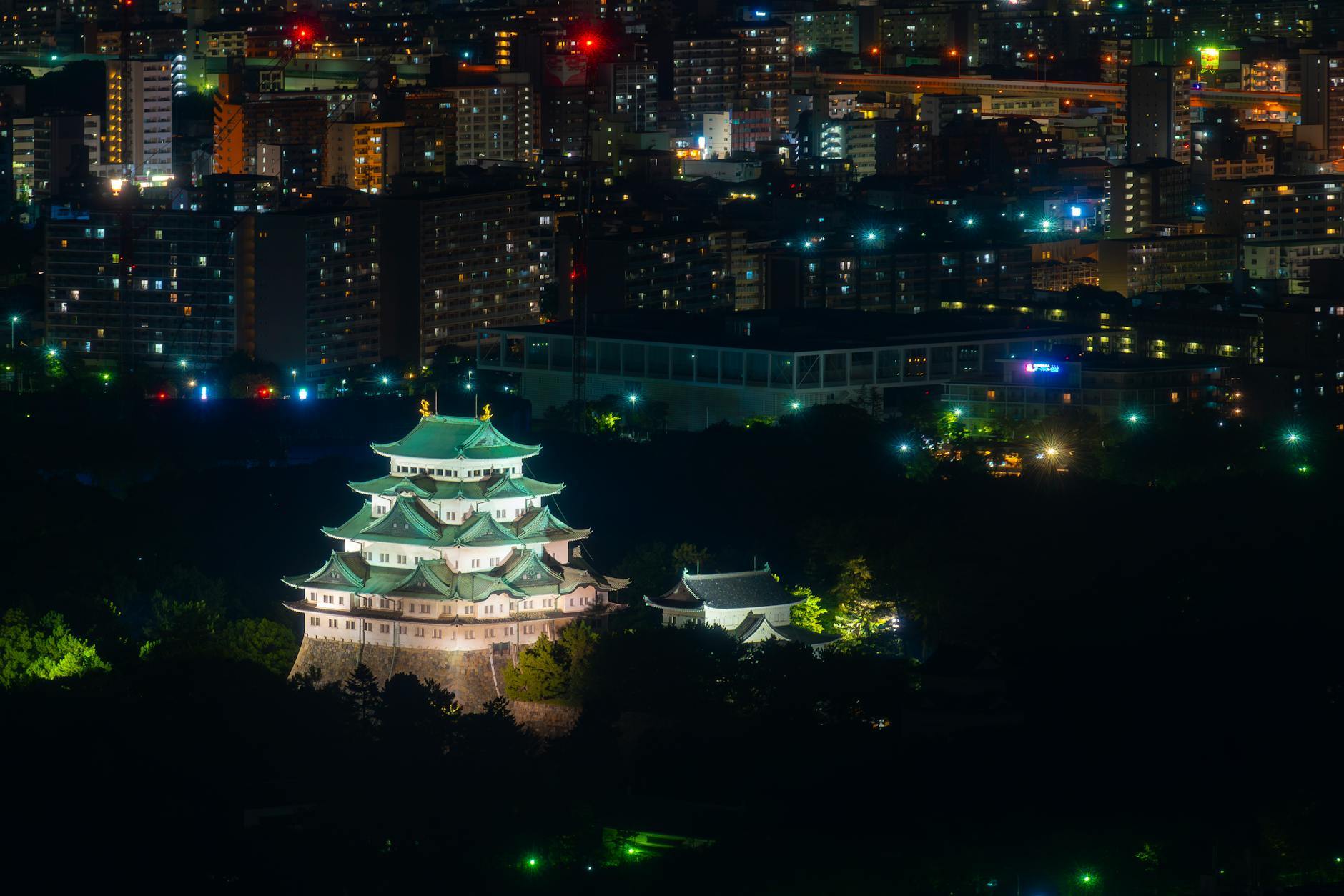
3 Days in Nagoya-shi: 3 Days in Nagoya: A Practical Weekend Itinerary
Plan 3 days in Nagoya-shi with this practical itinerary covering major sights, neighborhoods, food, and transport.
A focused 3-day plan for exploring Nagoya’s highlights — castle, shrine, museums, markets and local eats — with transit tips and day-trip options.
Nagoya is Japan’s pragmatic, slightly under-the-radar metropolis: a hub of samurai history, heavy-industry museums and unapologetically delicious regional food. It suits travelers who want a mix of cultural sites, hands-on museums and outstanding local cuisine without the crowds of Tokyo or Kyoto. Three days works well because the city’s core is compact and well served by subway and JR lines, letting you cover the castle, key museums and lively neighborhoods at a steady but relaxed pace, with time for one nearby day trip. This guide gives a clear, timed 72-hour plan, neighborhood recommendations, transit tips and where to eat iconic dishes like hitsumabushi and miso katsu.
Follow this itinerary to balance mornings at major sights, relaxed lunches in market streets, and evening food hunts in Sakae or Osu. Practical directions and local experiences are included so you spend less time planning and more time exploring.
Quick Answer
A focused 3-day plan for exploring Nagoya’s highlights — castle, shrine, museums, markets and local eats — with transit tips and day-trip options.
Who This Guide Is For
This guide is best for first-time visitors, couples, solo travelers, and anyone planning 3-day city break, weekend escape, culture & food in Nagoya-shi with a balance of highlights, local character, and reasonable spending.
How This Guide Was Prepared
This guide was prepared through a structured editorial workflow that combines destination research, geographic context, itinerary planning logic, and practical travel review.
Plan Your Stay in Nagoya-shi
Use this itinerary as your starting point, then compare areas to stay, transport options, seasonal timing, and realistic daily costs before booking.
Why Visit
Nagoya bridges centuries: Edo-period samurai culture sits beside industrial museums that explain Japan’s manufacturing prowess. The city offers major attractions without long queues, plus regional cuisine found nowhere else. It’s a great base for short excursions to Takayama, Gifu, Kyoto or Hamamatsu by train. Visit for a less touristy, more local Japan experience that still has big-city conveniences and excellent transport links.
Quick Planning Tips
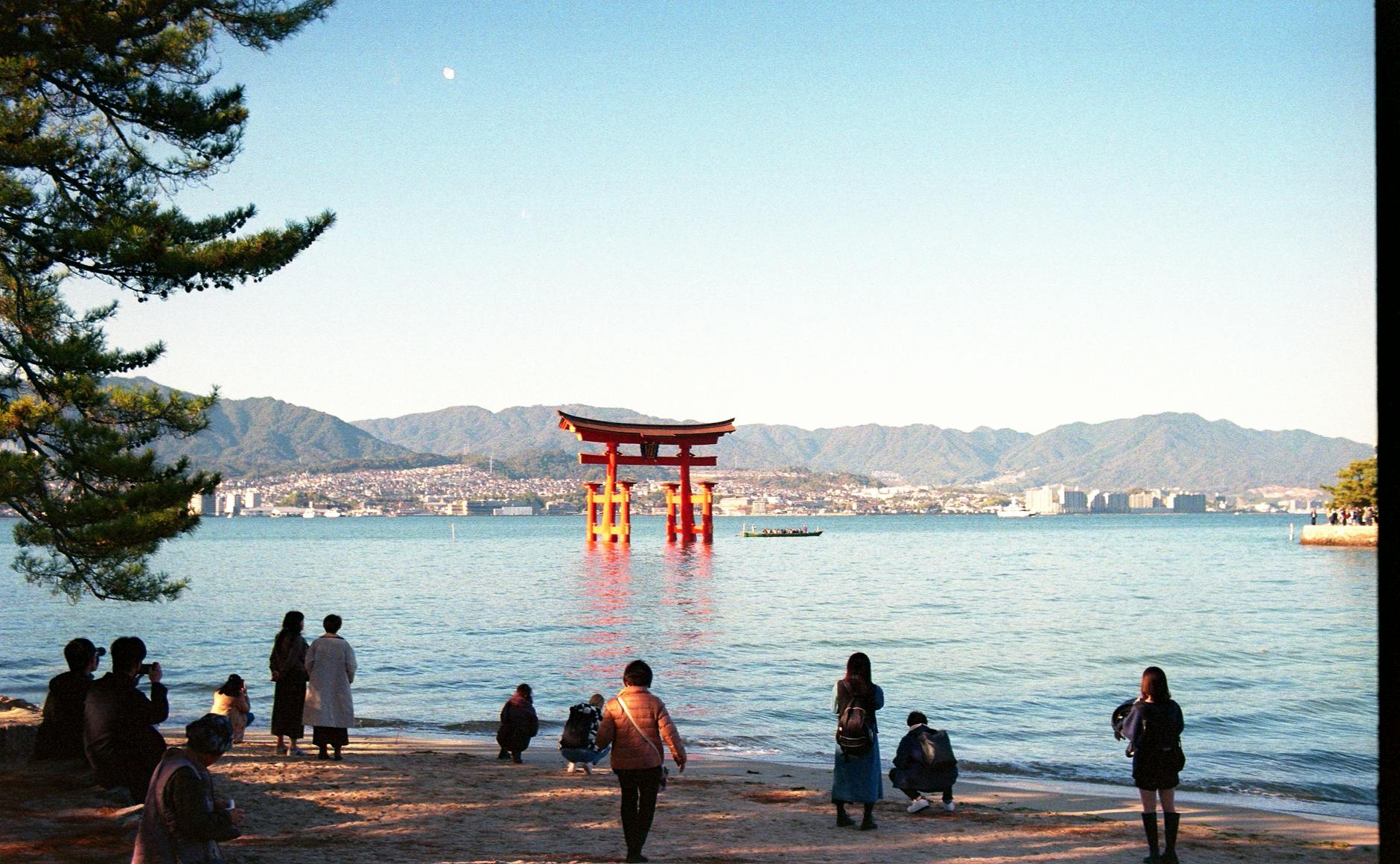
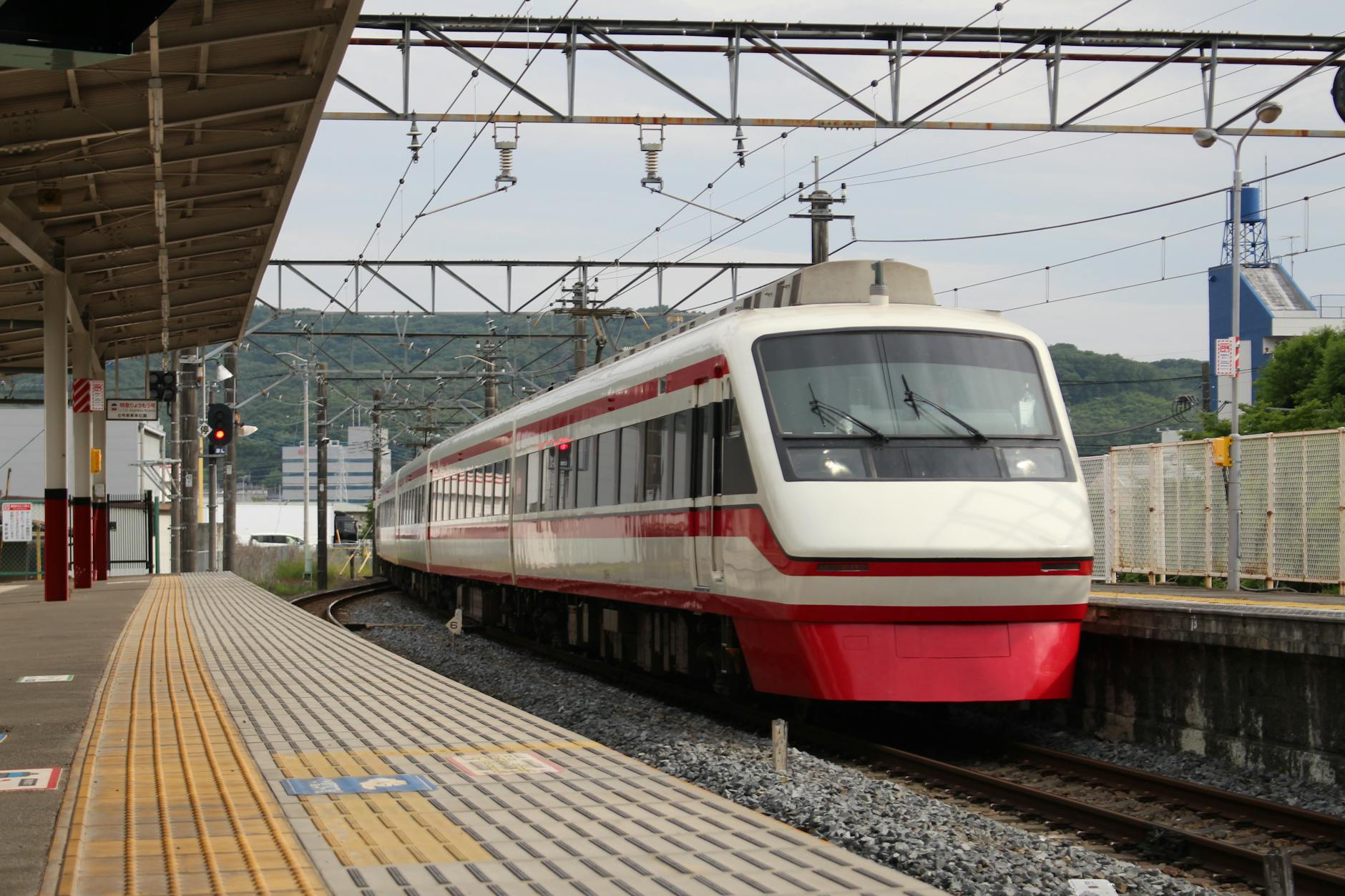
Base yourself near Nagoya Station, Sakae or Fushimi for quick subway access. Buy a reloadable IC card (manaca or compatible) to ride subways, Meitetsu and buses. From Chubu Centrair Airport, take the Meitetsu μ-SKY limited express to Nagoya Station (35–45 minutes). Pack a compact umbrella—spring and late autumn see occasional showers. Reserve a hitsumabushi restaurant for dinner if you want a guaranteed seat on busy nights. Many attractions accept credit cards but keep some cash for small shops and market stalls.
Day 1
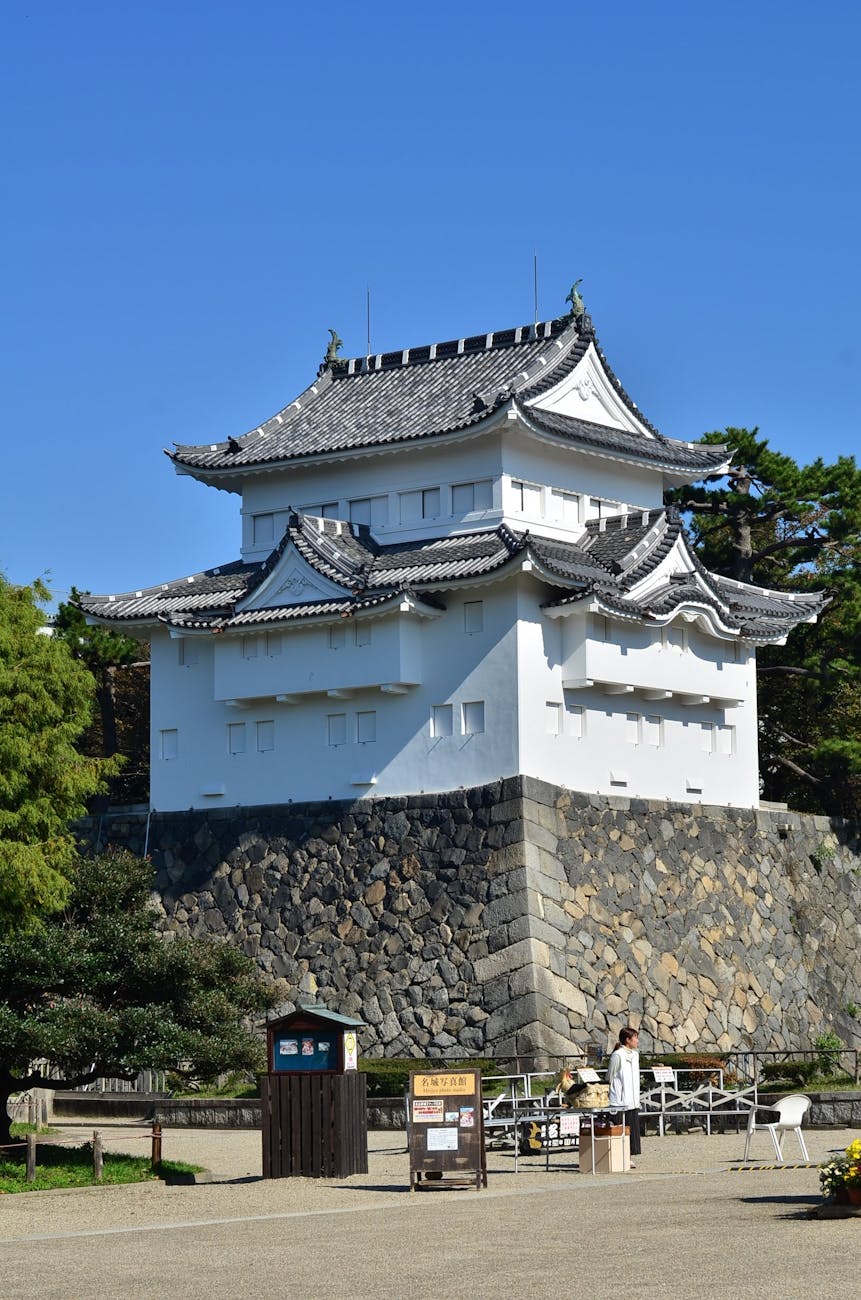
Morning: Start at Nagoya Castle. Arrive early to see the reconstructed donjon and the golden shachihoko. Walk the castle grounds and nearby Hommaru Palace if open.
Lunch: Head to Osu Shopping District for street food — try takoyaki, taiyaki, and local cafes. Explore arcades and secondhand electronics shops.
Afternoon: Visit the nearby Osu Kannon temple and then the Nagoya City Science Museum (huge planetarium). Both are short subway rides from Osu.
Evening: Dinner in Sakae. Try tebasaki at a popular chain like Yamachan or a local izakaya. Finish with a night view from Oasis 21 or TV Tower.
Day 2
Morning: Spend a half day at the Tokugawa Art Museum and Tokugawaen garden to see samurai-era treasures and a peaceful Japanese garden.
Lunch: Sample hitsumabushi (grilled eel) at a recommended restaurant near Atsuta or in the city center. Ask for the traditional three-way serving method.
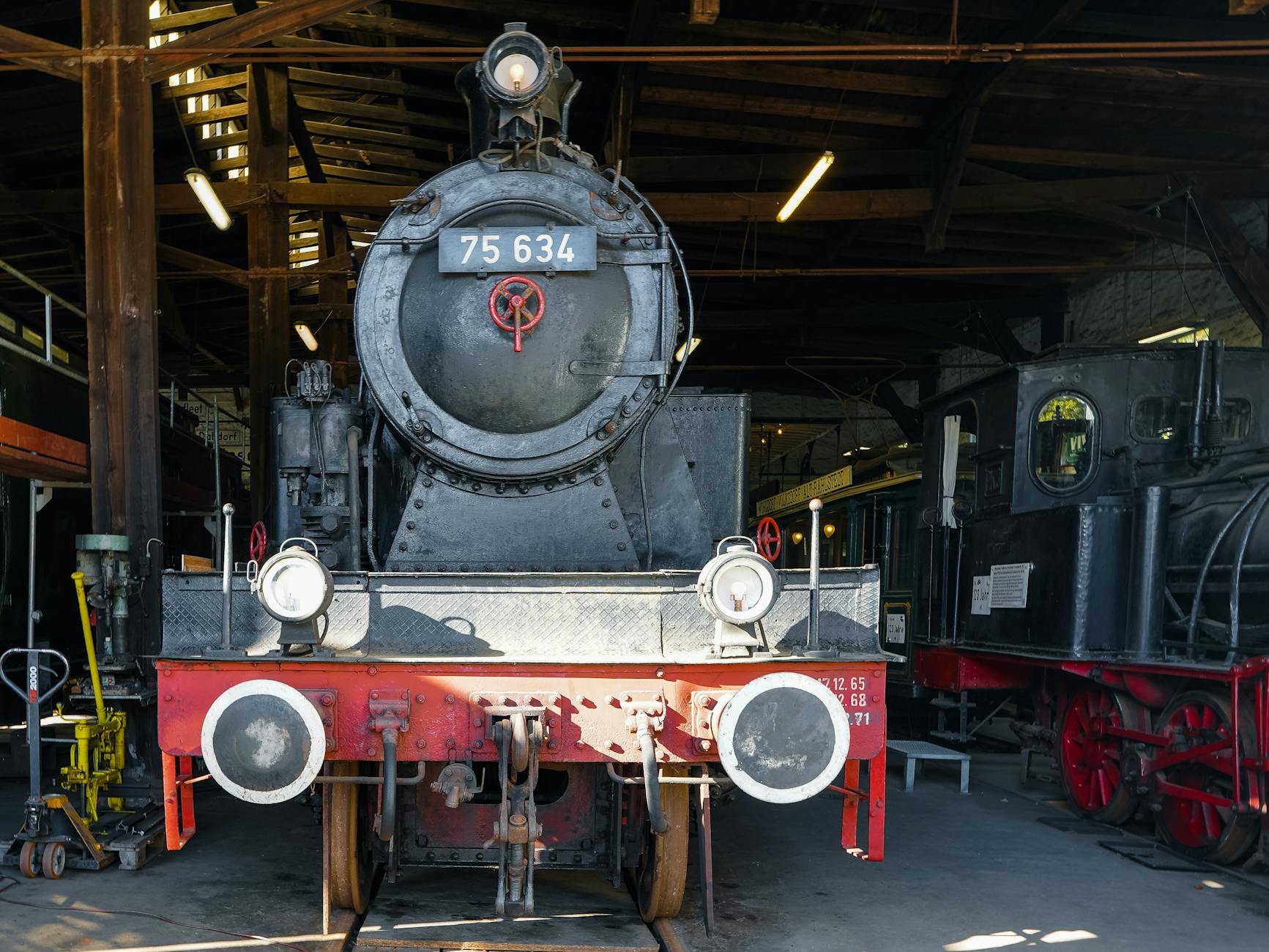
Afternoon: Visit Atsuta Shrine, one of Japan’s most important shrines, and stroll the shaded grounds. If trains interest you, substitute an afternoon at SCMAGLEV and Railway Park instead for hands-on exhibits and historic trains.
Evening: Try miso katsu at Yabaton or similar, followed by drinks in Fushimi, where craft beer bars and cozy pubs are clustered.

Day 3
Morning: Explore the Toyota Commemorative Museum of Industry and Technology in the Nagoya Station area to see interactive exhibits on textiles and automobiles.
Lunch: Eat kishimen noodles or a bento near the station. Quick standing sushi counters or depachika food halls at department stores are efficient choices.
Afternoon: Head to Nagoya Port for the Port Aquarium, or choose a short rail day trip: Takayama for preserved townscapes (2.5–3 hours) or Gifu for castle views. For a lighter option, visit Shirotori Garden for bonsai and seasonal blooms.
Evening: Return to town for a relaxed final dinner and souvenir shopping in Sakae or near Nagoya Station.
Best Local Experiences
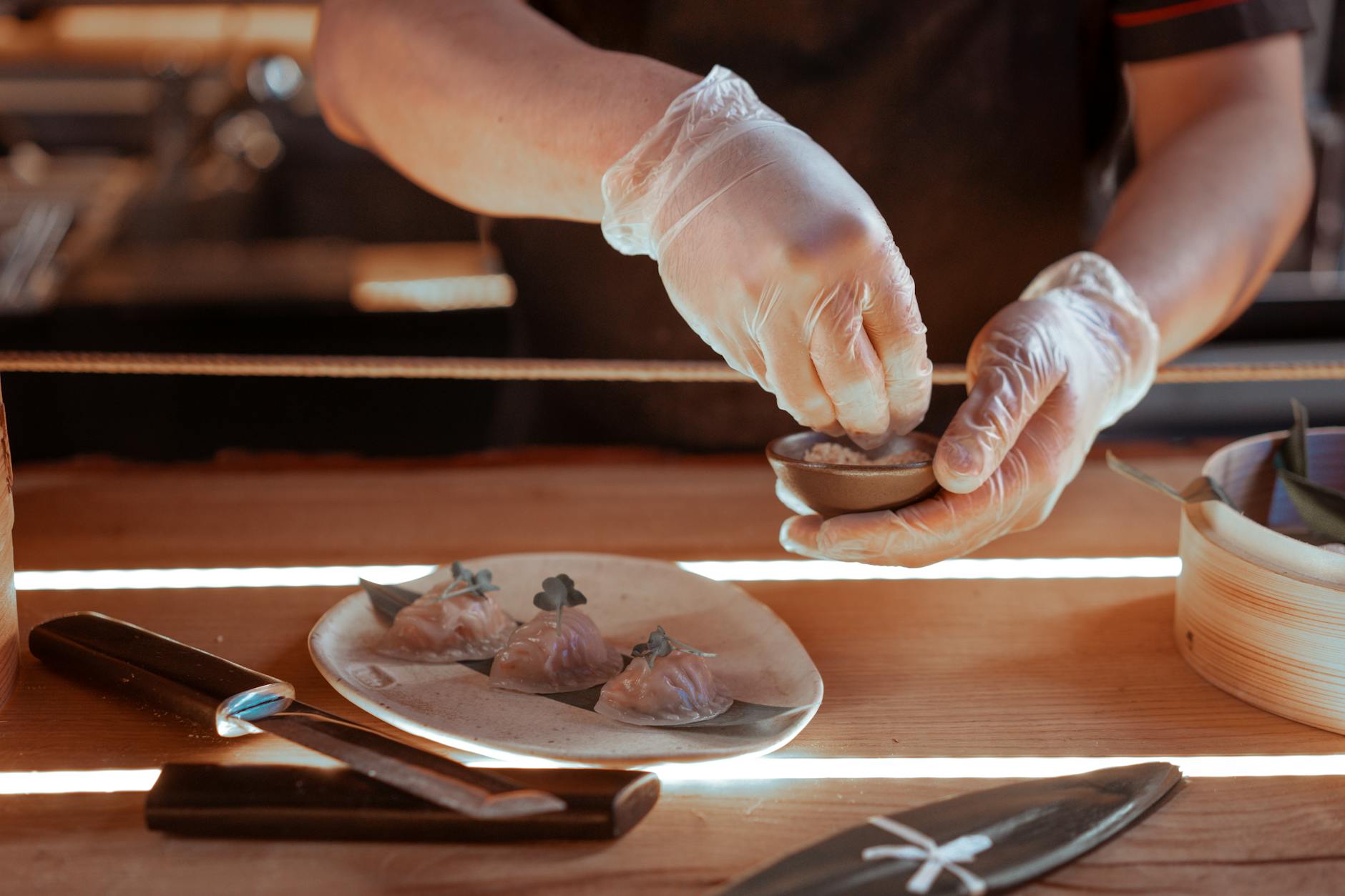
Eat hitsumabushi (Nagoya-style grilled eel) and miso katsu, and taste tebasaki chicken wings in a lively izakaya. Wander Osu’s arcades for vintage shopping and street snacks. Ride the Meijo subway loop to hop between neighborhoods quickly. Visit a depachika (department store food basement) for artisan sweets and regional produce. If timing aligns, catch a local festival or a sumo practice viewing in nearby training stables. For car and tech fans, the Toyota museum and SCMAGLEV offer unique, interactive experiences.
Where to Stay
Nagoya Station: Best for rail access, day trips and business hotels with luggage forwarding services.
Sakae: Central nightlife, shopping and sightseeing; walkable to TV Tower and department stores.
Fushimi: Quiet evenings with easy subway connections and boutique hotels.
Family travelers: Choose large-room hotels near Nagoya Station or serviced apartments for space and convenience. Book early during cherry blossom season and Golden Week.
Food and Drink
Must-try dishes: hitsumabushi (eel), miso katsu (pork cutlet with local red miso), tebasaki (crispy wings), kishimen (flat wheat noodles) and ankake spaghetti (Nagoya-style pasta).
Where to eat: Osu for street snacks, Sakae for izakayas and bars, Nagoya Station depachika for fast, high-quality lunch options, and Atsuta area for traditional eel restaurants. Look for local chains like Yamachan for tebasaki and Yabaton for miso katsu. Many places are compact; consider sharing plates to try more items.
Getting Around
Use the subway (Higashiyama and Meijo loop lines) and JR lines for most sightseeing. Meitetsu connects Nagoya to Centrair Airport and nearby cities. IC cards (manaca, Suica, Pasmo) work across systems—load value for convenience. Taxis are reliable but pricier; use them for late-night returns. For day trips, limited expresses to Takayama or Kyoto require seat reservations in peak seasons. Station lockers are available near major hubs for luggage if you plan a day trip without returning to your hotel.
Best Time to Visit
Spring (late March–April) for cherry blossoms and mild weather, and autumn (October–November) for pleasant temperatures and fall colors. Summer is hot and humid, with festival season but occasional typhoons. Winter is cool and quieter; museum visits and hot meals are appealing then. Avoid Golden Week (late April–early May) and Obon in mid-August if you prefer fewer crowds and lower hotel rates.
Budget and Practical Tips
Expect mid-range prices: meals can be inexpensive at street stalls and depachika bento counters but restaurants near major sights are pricier. Save with a day subway pass if you plan multiple rides. No tipping culture—round up or leave a small token only in tourist-oriented shops. Carry cash for market stalls and smaller temples. Look for tax-free signs in shops and bring your passport for purchases. Download an offline map and a translation app; many signs are in English but smaller menus may not be.
FAQ
Is 3 days enough to see Nagoya’s highlights?
Yes. Three days covers the castle, Tokugawa museum, Atsuta Shrine, a major museum (science or SCMAGLEV), and time to savor local food, with one short day trip option.
How do I get from Chubu Centrair Airport to the city center?
Take the Meitetsu μ-SKY limited express to Nagoya Station (35–45 minutes) for the fastest direct service. Taxis are possible but expensive.
Where should I try hitsumabushi?
Look for long-established eel restaurants near Atsuta Shrine or in the city center; ask for the three-way serving method when you order.
Can I day-trip to Kyoto or Takayama from here?
Yes. Kyoto is about 35–50 minutes by shinkansen from Nagoya Station; Takayama takes around 2.5–3 hours by limited express from JR or highway bus connections.
Are English services widely available?
Basic English signage is common in stations and major attractions; staff at hotels and tourist centers often speak enough English to help. A translation app is useful for menus and small shops.
Conclusion
Three days in this Chubu hub gives a satisfying mix of history, hands-on museums and standout local food. Base yourself centrally, pace museum visits and street-food meals, and pick one short day trip if you want to see countryside towns. With good transport links and a compact downtown, you’ll leave with a clear sense of regional culture—and a list of dishes to return for.
How this guide was prepared
This guide was prepared through a structured research that combines destination research, geographic context, itinerary planning logic, and content review.