

Ponta Delgada 3-Day Itinerary — Practical Guide for São Miguel
A clear, practical 3-day plan for Ponta Delgada with transit, food, and day trips to Sete Cidades and Furnas, plus realistic budgets and timing.
A compact, no-nonsense 72-hour plan for Ponta Delgada that balances city walking, harbourfront markets, and two full day trips around São Miguel without overscheduling.
First impressions are of a compact coastal town with a working harbour, whitewashed buildings and wide seafront avenues. The centre concentrates services, museums and a walkable harbourfront, but much of what visitors come for—crater lakes, hot springs, tea fields—lies beyond the town and requires transport. Expect sudden microclimates: sunshine on the marina and low cloud 20 minutes inland is common.
Crowd levels are moderate in shoulder seasons and busy in July–August and around Portuguese holidays; restaurants fill early in high summer. Ponta Delgada suits travellers who want a base for active day trips and don't mind short drives to key viewpoints. It is less suitable for people seeking nonstop nightlife or dense urban transit; evenings are quieter than on mainland Portuguese regional capitals.
Is 3 days in Ponta Delgada enough?
Three days are enough to see Ponta Delgada’s core sights, sample local food, and do two classic day trips (Sete Cidades and Furnas or Lagoa do Fogo). One honest caveat: long hikes and visits to multiple tea plantations or other islands require extra days or early starts.
Who This Guide Is For
Best for active travelers who want a mix of town life and natural landscapes and who can rent a car or join small-group day tours; less suitable for visitors who avoid driving or expect a densely walkable city with continuous public-transport options.
Local Tips for Ponta Delgada
Practical details that most travel sites skip — specific to Ponta Delgada.
- João Paulo II Airport (PDL) is about a 10-minute taxi ride to the city centre; expect around €8–15 depending on luggage and time of day.
- Mercado da Graça opens early and is busiest 07:00–11:00 for fish and local cheeses—arrive before 10:30 for the best stalls.
- Atlânticoline operates inter-island ferries—book ahead for weekends or summer departures to Faial or Pico, and check return times as some crossings run only a few times per week.
- Renting a car from PDL airport is the most flexible option; compact rental rates often start at roughly €35–€60 per day off-season and jump in July–August.
- Buy bottled water and basic groceries at Continente or Pingo Doce on Rua do Mercado for cheaper supplies; a small supermarket coffee costs about €0.60–1.10 compared with cafés.
How This Guide Was Prepared
This guide treats Ponta Delgada as a working base on São Miguel rather than a postcard: afternoons can be foggy, mornings clear, and many highlights are day trips requiring a car or a booked minibus. Most guides cram the same list of viewpoints but skip the practical friction — ferry schedules, municipal bus limits, and where shops actually close early. This guide was prepared through a structured research that combines destination research, geographic context, itinerary planning logic, and content review.
Plan Your Stay in Ponta Delgada
Use this itinerary as your starting point, then compare areas to stay, transport options, seasonal timing, and realistic daily costs before booking.
Why Visit
Volcanic landscapes within an hour: Sete Cidades, Lagoa do Fogo and Furnas are reachable as full-day outings and show very different crater scenery. These are practical day trips rather than distant treks.
Fresh local seafood and unique regional dishes such as cozido das Furnas and grilled limpets are central to the experience; markets like Mercado da Graça make sampling straightforward. Food here reflects island supply chains and small-scale farming.
A compact downtown with concrete landmarks — Portas da Cidade, Jardim António Borges and Forte de São Brás — makes for easy half-day walking routes without long transfers. That practical scale allows visitors to combine a town morning with an inland afternoon without changing accommodation.

Quick Planning Tips
Fly into João Paulo II Airport (PDL) and plan for a short transfer to the centre; taxis are frequent and economical for groups or luggage. Domestic flights to the Azores use SATA Air Açores and TAP connects from Lisbon; book flights and car hire well before summer.
Public transport inside town is limited and irregular compared with mainland cities, so reserve at least one car day or join organized minibus tours for Sete Cidades and Furnas. For payment, carry small euro notes for market purchases; most cafés and shops accept cards but some smaller stalls prefer cash.
Avoid the planning mistake of assuming ferries and tours run every day at convenient times. Atlânticoline ferry schedules and local guided tours can have limited runs on off-days and Sundays, so confirm departure times before arranging connections.

Day 1
Morning: Start at Portas da Cidade and walk the Avenida Infante Dom Henrique along the harbour. Spend 30–45 minutes around the gates and marina to photograph the boats and the Forte de São Brás (the fort overlooks the harbour). The walking route to Jardim António Borges is about 10–15 minutes via Rua do Aljube.
Late morning: Visit Jardim António Borges for shaded paths and palms; plan 30–45 minutes. From the garden, walk 8–10 minutes to the Mercado da Graça for a fresh-produce and fish browse—arrive before noon when stalls start to close.
Lunch: Eat at a market stall or nearby tasca; A Tasca (Rua do Vau) serves tapas-style Azorean plates and small portions for sharing—expect €10–€18 per person. After lunch, walk 8–12 minutes to the city centre churches: Igreja Matriz de São Sebastião and Igreja de São José for quick interior visits (20–30 minutes each).
Afternoon: Spend 20 minutes at the Carlos Machado Museum (Convento do Espírito Santo) to understand local ethnography and regional art; allocate around €3–5 for entry. From the museum, take a short taxi or a 20–25 minute walk to the Marina area for an optional 60–90 minute harbour cruise or whale-watching briefing if booked.
Evening: Dine on seafood along Avenida Infante Dom Henrique near the marina—expect mid-range restaurants to charge €15–€25 for a main. End the night with a slow walk along the seafront; cafés close earlier than mainland big cities, so plan drinks before 23:00.
Day 2
Morning: Head west for Sete Cidades. Driving time is about 30–40 minutes from the city centre; a guided minibus tour typically departs early and lasts 6–8 hours if it includes multiple viewpoints. First stop should be the Vista do Rei lookout for the classic Lagoa das Sete Cidades view—allow 20–30 minutes for photos.
Late morning: Drive or tour to the lakeshore at Lagoa de Santiago or Furnas do Cerrado das Freiras for a quieter perspective; each stop adds 15–30 minutes. A short walk around the lakeshore takes 30–45 minutes if weather is clear.
Lunch: Eat at a roadside café in Sete Cidades village or bring a packed lunch. If part of a tour, lunch is often a set menu at a village restaurant; for independent travellers, pick a small café near the lake—budget €10–€14 for a set meal.
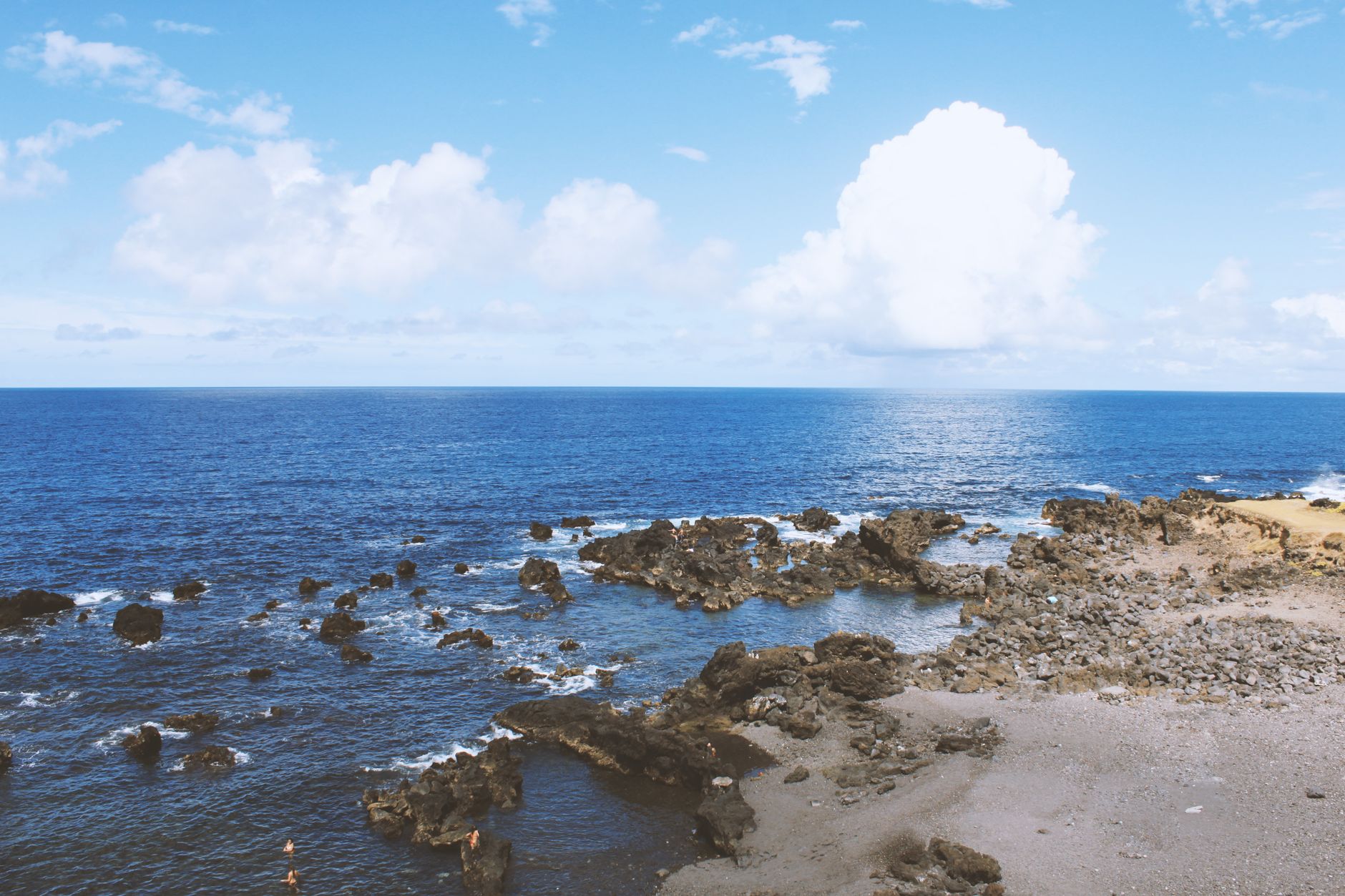
Afternoon: Return via the western coast for a stop at Mosteiros for basalt cliffs and swimming (roughly a 20–25 minute drive from Sete Cidades). Swimming depends on swell and season; plan 30–60 minutes here. Drive back to town in 30–40 minutes.
Evening: For a relaxed night, choose a neighbourhood tasca or try grilled limpets at a seafood place near the marina. Post-day-trip tiredness is common; keep the evening quiet and avoid late road travel after long driving days.

Day 3
Morning: Plan a Furnas day or a higher-altitude visit to Lagoa do Fogo. Furnas is about 45–55 minutes by car from the centre and is the better choice for experiencing geothermal cooking and hot springs. On arrival, visit the Caldeiras area to watch steam vents and local vendors selling cozido das Furnas—cook time viewing options and reservation for restaurants are recommended.
Late morning: Walk the short trails in Parque Terra Nostra and, if time allows, take a dip in the Terra Nostra botanical pool (entry and pool fees apply; check opening times). Expect 1–2 hours here.
Lunch: Try cozido at a restaurant that offers the traditional pit-cooked stew; prices vary but expect €12–€20 for a portion. After lunch, visit the Furnas lake viewpoint for 20–30 minutes.
Afternoon: Return towards the city with a stop at Gorreana Tea Plantation if time permits—allow 45–75 minutes for the small factory visit and a tea tasting. Driving time from Furnas to Gorreana is roughly 30–40 minutes depending on route.
Practical note for departures: For travellers checking out and catching an afternoon flight, avoid the Furnas full-day option—choose Lagoa do Fogo or a shorter visit to Gorreana closer to the airport. Allow at least 60–90 minutes buffer for airport check-in and local traffic.

Best Local Experiences
Mercado da Graça: early morning fish and produce stalls; a practical place to taste local cheeses and purchase snacks for day trips. Attend before 11:00.
Cozido das Furnas: observe the geothermal cooking in the Furnas caldeiras and eat a slow-cooked stew in a village restaurant; reserve or arrive early at lunchtime.
Gorreana Tea Plantation: walk the plantation and factory on the north coast for one of Europe’s few commercial tea producers; allow time for a short guided tasting.
Whale and dolphin watching: operators run half-day boat trips from the marina; check weather and book morning slots for calmer seas. Atlânticoline and local charter operators list options at the marina office.
Walk the Ponta Delgada seafront at sunrise and stop at Portas da Cidade, then continue to Forte de São Brás. This urban route is short but shows how the harbour functions alongside tourism.
Small-group minibus tours for Sete Cidades or Furnas: these are practical when not renting a car and usually include local guide commentary and multiple viewpoints; look for 6–12 person operators with confirmed start and end times.

Where to Stay
Centro Histórico (Old Town): Suits travellers who want immediate access to Portas da Cidade, churches and the marina. Walkable to most cafés and museums and practical for late arrivals. Expect nightly prices around €60–€120 in low to mid seasons (≈ €66–€132 USD).
Bairro do Nordeste (Largo do São João / Rua do Comércio area): Suits people wanting quieter streets near Jardim António Borges while still a 5–12 minute walk to the seafront. Good for small pension-style stays and guesthouses. Nightly rates typically €50–€90 (≈ €55–€99 USD).
Marina and Avenida Infante Dom Henrique: Suits travellers who prefer waterfront views and easy marina access; more restaurants nearby and slightly higher noise levels at night. Expect €80–€150 per night in high season (≈ €88–€165 USD).
Accommodation comments: Book early for July and August. For a base to explore the island, staying near the central harbour or Jardim António Borges balances convenience and local services. Apartment rentals are common and can lower nightly costs for groups.
Food and Drink
Bolo Lêvedo (breakfast): a soft, slightly sweet bread often halved and toasted; found at bakeries and market stalls—expect €0.70–1.50 each. Try it with local butter or cheese at Mercado da Graça.
Cozido das Furnas (dinner or lunch experience): a stew of meats and vegetables slow-cooked underground in geothermal heat. Best experienced in Furnas restaurants; expect €12–€20 per person depending on portions and whether dessert is included.
Lapas Grelhadas (street/seafood): grilled limpets served with garlic and lemon at seafood tascas near the marina; expect €6–€12 for a small plate suitable as a snack or starter.
Queijo (cheese): regional São Jorge cheese and local fresh cheeses are sold at Mercado da Graça and specialty shops; small portions cost roughly €3–6. Taste at market stalls or buy slices for picnic lunches.
Chá Gorreana / Chá Porto Formoso (drink): locally produced green and black teas from north-coast plantations. Visit Gorreana or pick up tins in town; single-cup tastings at plantations are often free or a small donation.
Coffee and pastries: cafés serve espresso and natas; expect coffee prices around €0.70–1.20 and pastry €1–2. For dinner, mid-range restaurants charge €12–€25 for mains, while budget meals at tascas can be €6–10.
Getting Around
Walking covers most of the central area: Portas da Cidade, Forte de São Brás and Jardim António Borges are compact and walkable. Urban buses exist but runs are limited; rely on Google Maps or Moovit for schedules.
Taxis: readily available at the airport and around the marina; airport to centre is about €8–15 and an app-based or street taxi is fine for short trips. Car hire from PDL airport is common and recommended for full island access; compact cars are easiest on narrow roads.
Ferries and inter-island travel: Atlânticoline runs ferries between islands—book tickets in advance in high season. Whale-watching and ride operators depart from the marina; check weather forecasts and operator cancellation policies.
Ticketing: there is no widely used single city transit card for municipal buses; buy single tickets on board where possible or use contactless payment at larger operators. Use Google Maps or the Moovit app for route planning and real-time times.
Best Time to Visit
Late spring (May–June): mild temperatures 16–22°C, fewer crowds than July–August and wildflowers on walking trails. Good value and reliable daylight for day trips.
High summer (July–August): warmest months, 20–26°C, highest demand for accommodation and tours. Book lodging and ferries well in advance; some inland trails can be busy mid-day.
Shoulder autumn (September–October): temperatures 17–23°C and often clearer seas for boat trips; some services reduce frequency after early October. Prices begin to fall but weather can be changeable.
Winter (November–March): coolest and wettest period, 11–17°C, with more rain and fewer tourists. Many outdoor operators run reduced schedules, but hotel rates are lower and landscapes are dramatic for photography.
Budget and Practical Tips
Daily budget (per person, mid-range): Accommodation €60–100 (≈ $66–$110), food €25–40 (≈ $28–$44), transport and tours €20–50 (≈ $22–$55), entry fees €5–15 (≈ $5.50–$16.50). A practical daily total for a comfortable trip is roughly €110–€200 (≈ $122–$220).
Budget travellers can reduce costs by self-catering from Pingo Doce or Continente supermarkets and using local tascas for meals; expect a basic day under €70 (≈ $77) excluding rental car. Splurges such as private island tours or multi-hour whale watching raise daily costs.
Tipping: service is not obligatory. Leaving small change or rounding up in cafés and restaurants is customary for good service. For guided tours and drivers, a 5–10% tip is appreciated but not enforced.
Practical tips: carry small notes for markets, confirm opening times for tea plantations and museums (which close earlier than mainland institutions), and allow extra travel time for narrow rural roads when planning same-day returns to the airport.
FAQ
Is Ponta Delgada safe for solo travellers?
Yes; central streets and the marina are generally safe by day and evening. Normal vigilance against petty theft applies, especially in crowded market areas.
Are taxis and rideshares easy to find?
Taxis are available at the airport and near the marina; rideshare apps are limited compared with many mainland cities, so expect to use local taxi companies or prebook transfers.
Is public transport sufficient for island sightseeing?
No; public urban buses are limited. Renting a car or booking day tours for Sete Cidades and Furnas is the most reliable way to see multiple natural sites in three days.
Is a city card worth buying?
There is no widely promoted Ponta Delgada city card covering transit and attractions; paying per museum and booking tours as needed is generally more practical.
How long is the drive from the city centre to Sete Cidades?
Approximately 30–40 minutes on well-marked roads; allow extra time for viewpoint stops and narrow lanes near the crater rim.
Can the ferries to other islands be used for day trips?
Some short inter-island ferries exist, but schedules are limited. For reliable day trips to other islands, check Atlânticoline timetables and consider flying with SATA Air Açores for fixed schedules.
Are restaurants open late at night?
Most close by 22:00–23:00, with earlier closing in off-season. Plan dinners before 21:30 in quieter months.
Is it easy to find vegetarian or vegan food?
Yes; cafés and several restaurants offer vegetarian options, but island menus emphasize seafood and meat, so check menus in advance for full vegan choices.
Conclusion
Three days provides a workable balance of town sightseeing and two major day trips without changing hotels. Visitors will most likely remember the contrast between the calm marina and dramatic crater lakes, and the experience of geothermal cooking in Furnas. If time runs short, prioritise one inland day trip (Sete Cidades or Furnas) plus a relaxed half-day in the centre to absorb markets, seafood and a short harbour walk.
How this guide was prepared
This guide was prepared through a structured research that combines destination research, geographic context, itinerary planning logic, and content review.