
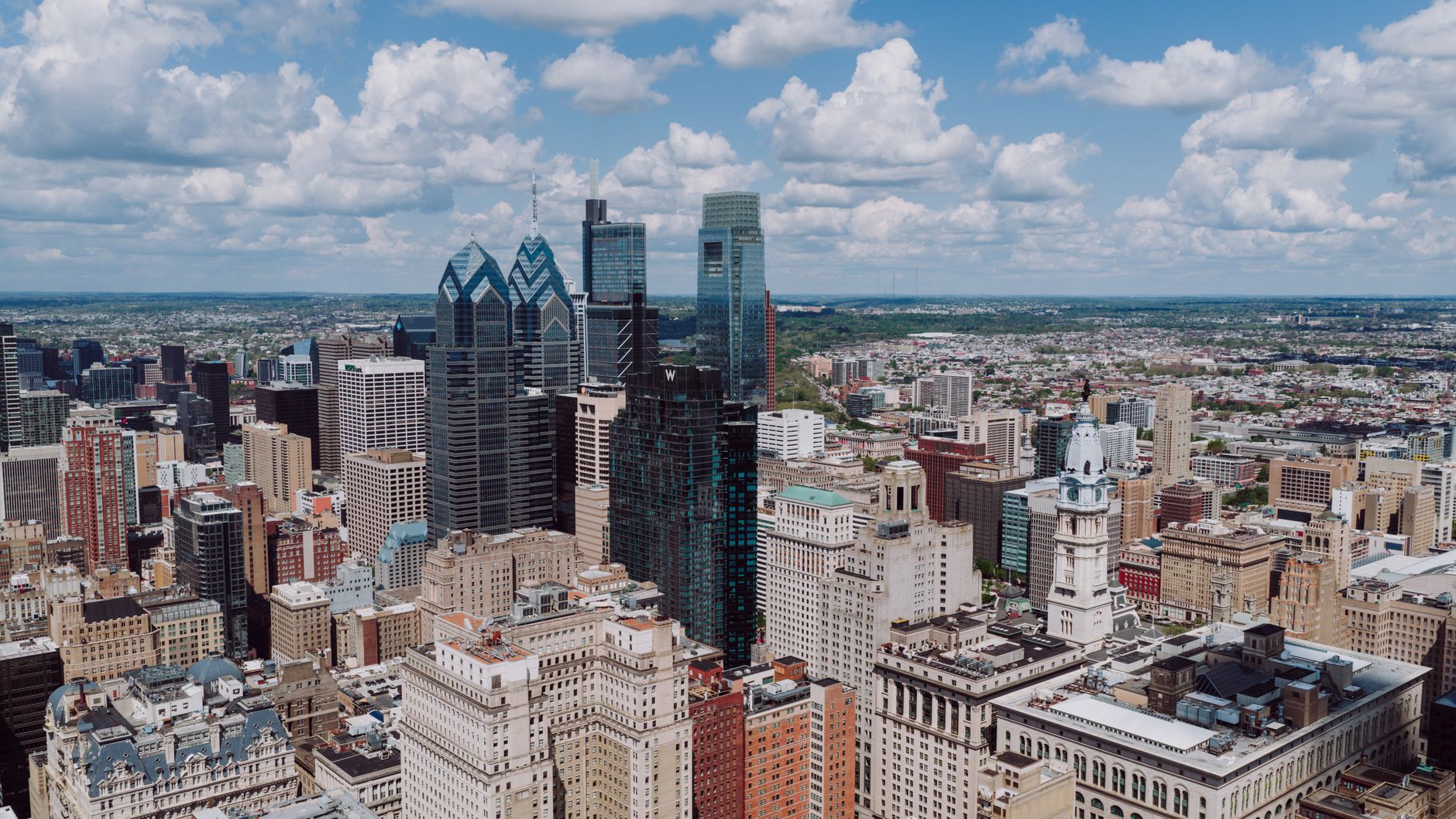
Philadelphia in 3 Days: Practical 72-Hour City Itinerary
A no-nonsense 3-day planner for Philadelphia with neighborhood routes, transit costs, exact timings, and which major sights to skip if short on time.
A compact, realistic 72-hour plan focused on neighborhoods, transit, food, and timing so three days cover the essentials without wasted hours.
Expect a working American city with a dense historic center and long, walkable stretches of residential blocks. First impressions are often split: a compact tourist core with Independence Hall and the Liberty Bell, then immediate transitions to long neighborhoods — rowhouses, corner delis, industry-turned-studios — where daily life carries on.
Crowds concentrate on the Independence National Historical Park area and the Museum District along Benjamin Franklin Parkway; outside those areas the pace is quieter and more local. This layout suits travelers who like structured sightseeing mixed with neighborhood walking and local coffee stops rather than people who want a single contiguous pedestrian plaza.
Practical realities: sidewalks can be narrow near market streets, service and delivery trucks appear early, and noise from road and rail is common near Center City transit hubs. Expect honest food culture, efficient transit when planned, and museums that require time if they are the priority.
Is 3 days in Philadelphia enough?
Yes — three days are enough to see Independence Hall and the Liberty Bell, the Philadelphia Museum of Art and Rocky Steps, Reading Terminal Market, and a neighborhood or two like Rittenhouse Square and Fishtown. The honest caveat: major museums (Barnes, the full Franklin Institute, and a deep dive into the art collections) require extra time or selective prioritization.
Who This Guide Is For
Best for first-time visitors who like walking, public transit, and local food; less suitable for travelers wanting a slow museum-collection pace or those unwilling to use SEPTA and walk 20–40 minutes between neighborhoods.
Local Tips for Philadelphia
Practical details that most travel sites skip — specific to Philadelphia.
- Buy a SEPTA Key card or use contactless pay for buses, trolleys, Broad Street Line and Market-Frankford Line; local single-ride fare is $2.50 and tap payment avoids ticket machines.
- Airport Line (Regional Rail) from Philadelphia International Airport to 30th Street or Suburban Station costs about $6.75 one-way — much cheaper and faster than a taxi during peak traffic.
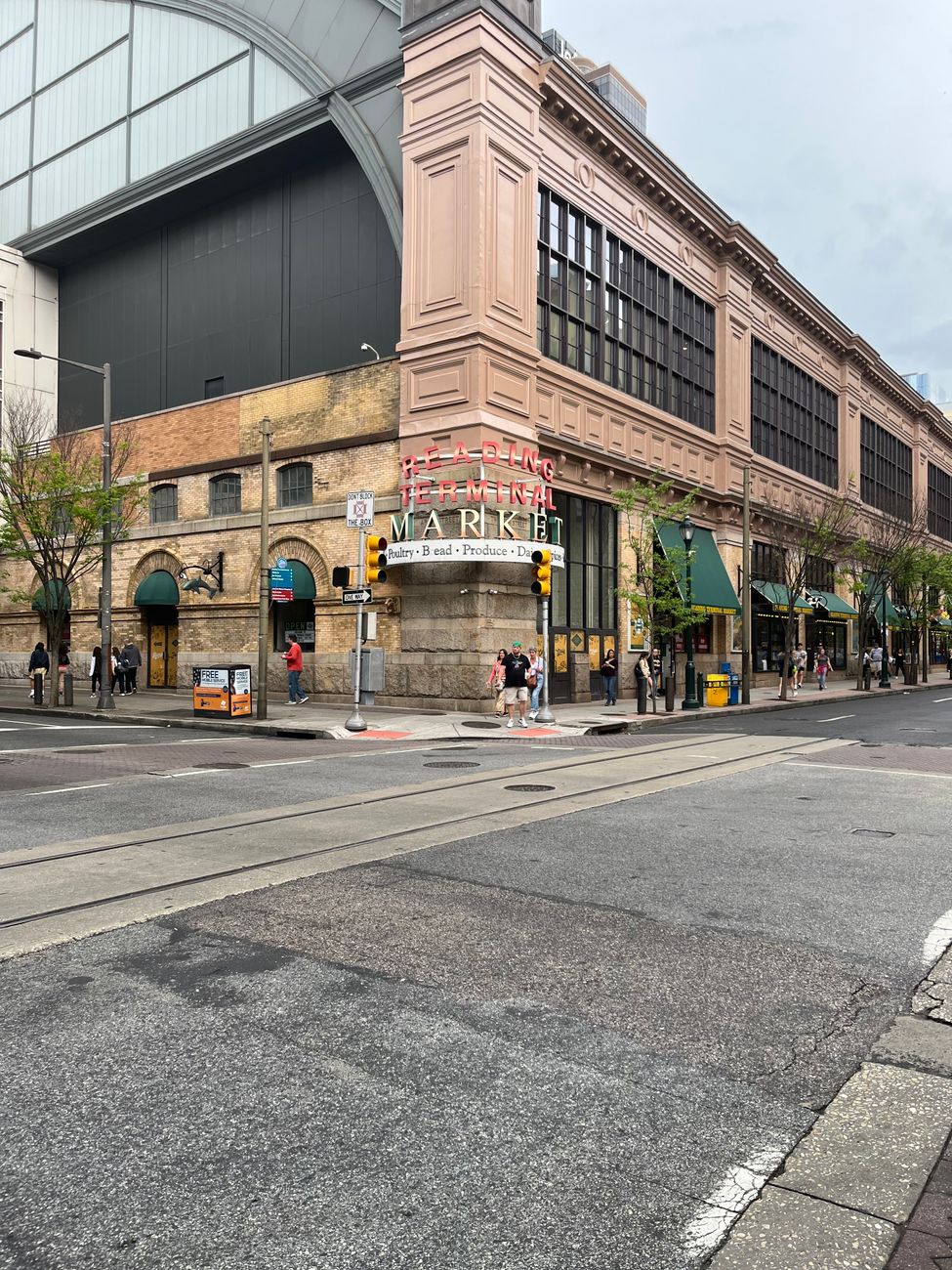
- Reading Terminal Market is busiest 11:00–14:00 and many vendors start packing up by 17:00 on weekdays and earlier on Sundays; plan breakfast there instead of late afternoon.
- South 9th Street Italian Market has its heaviest foot traffic Saturday morning; many specialty shops close by mid-afternoon Monday, so shop early.
- Buy timed Independence Hall tickets online through the National Park Service in high season — same-day standby queues can be multiple hours long.
How This Guide Was Prepared
This guide treats Philadelphia as a layered working city rather than a single tourist strip. Most guides over-index on the Independence circuit and cheesesteaks; this one balances that with neighborhood walks, transit tips, realistic costs, and which museums demand more time than a weekend allows. This guide was prepared through a structured research that combines destination research, geographic context, itinerary planning logic, and content review.
Plan Your Stay in Philadelphia
Use this itinerary as your starting point, then compare areas to stay, transport options, seasonal timing, and realistic daily costs before booking.
Why Visit
There is concentrated U.S. history in a compact area: Independence Hall, Independence National Historical Park, and the Liberty Bell allow seeing foundational sites without long intra-city travel. The convenience of walking between those sites and nearby museums saves hours compared with cities where landmarks are spread out.
A second reason is food markets and neighborhood specialties: Reading Terminal Market, the Italian Market on South 9th Street, and neighborhood sandwich shops make sampling local flavors straightforward and affordable. Markets double as reliable places for a fast, high-quality meal any time of day.
Third, diverse museum options suit different interests: the Philadelphia Museum of Art and the Franklin Institute offer different scales of collections and experiences — the art museum and the science museum are physically close but demand different time commitments. Lastly, neighborhoods such as Fishtown and Old City give a sense of contemporary creative life — galleries, music venues, and breweries that contrast with the historic core.
Quick Planning Tips
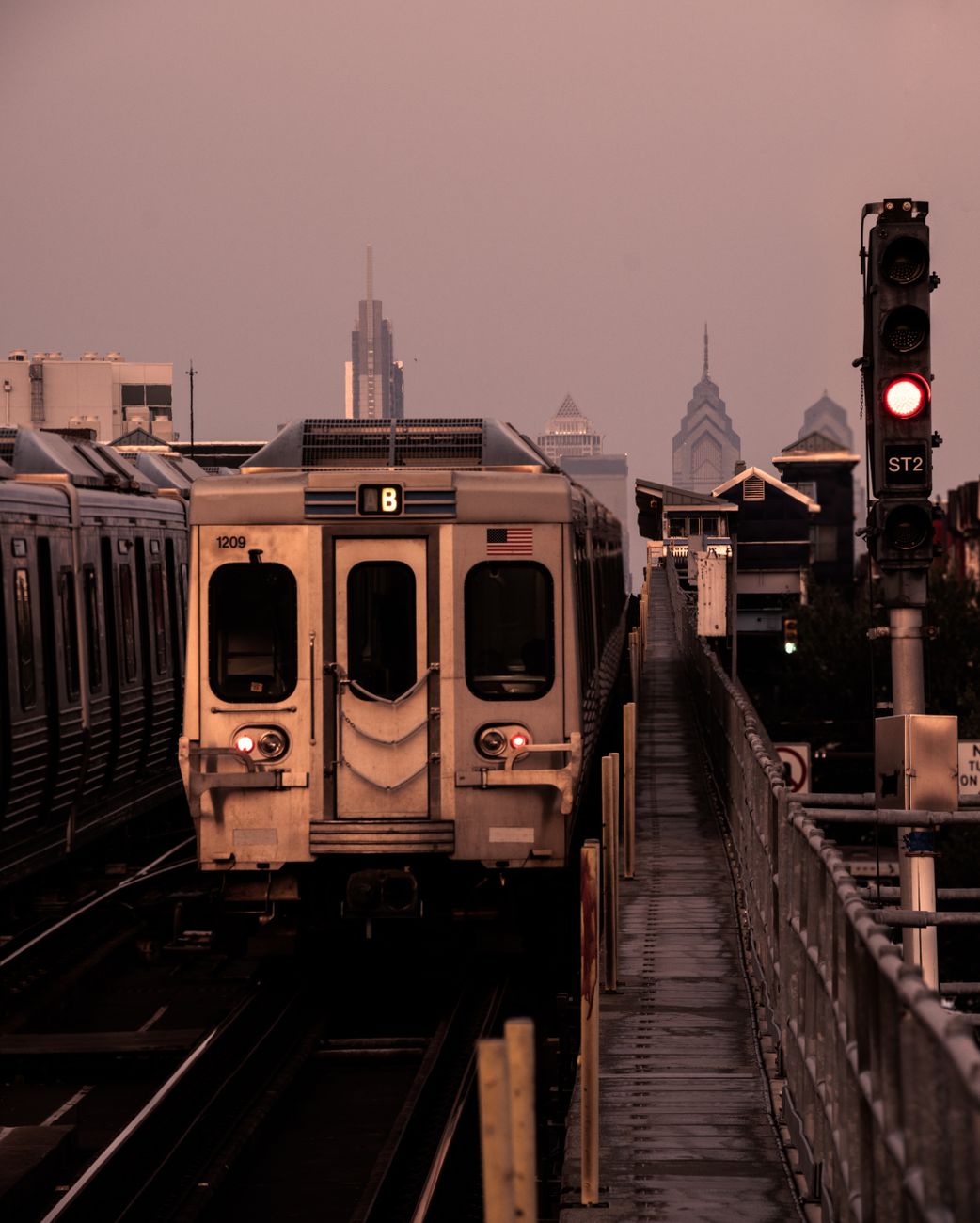
Fly into Philadelphia International Airport (PHL) and take the Airport Line (Regional Rail) to 30th Street or Suburban Station for about $6.75; it avoids traffic and drops into the transit network. For short hops inside Center City, use SEPTA subways: Market-Frankford Line (MFL) east-west and Broad Street Line (BSL) north-south.
Carry a SEPTA Key card or use contactless credit/debit on SEPTA vehicles; single rides are $2.50. Avoid buying a rental car if staying in Center City; parking is expensive and time-consuming.
Book timed Independence Hall tickets through the National Park Service in high season, and reserve any special-view museum tickets (Barnes, Franklin Institute planetarium shows) ahead. A common planning mistake is stacking too many long museums into a single day; split large museums across days or pick highlights.
Day 1
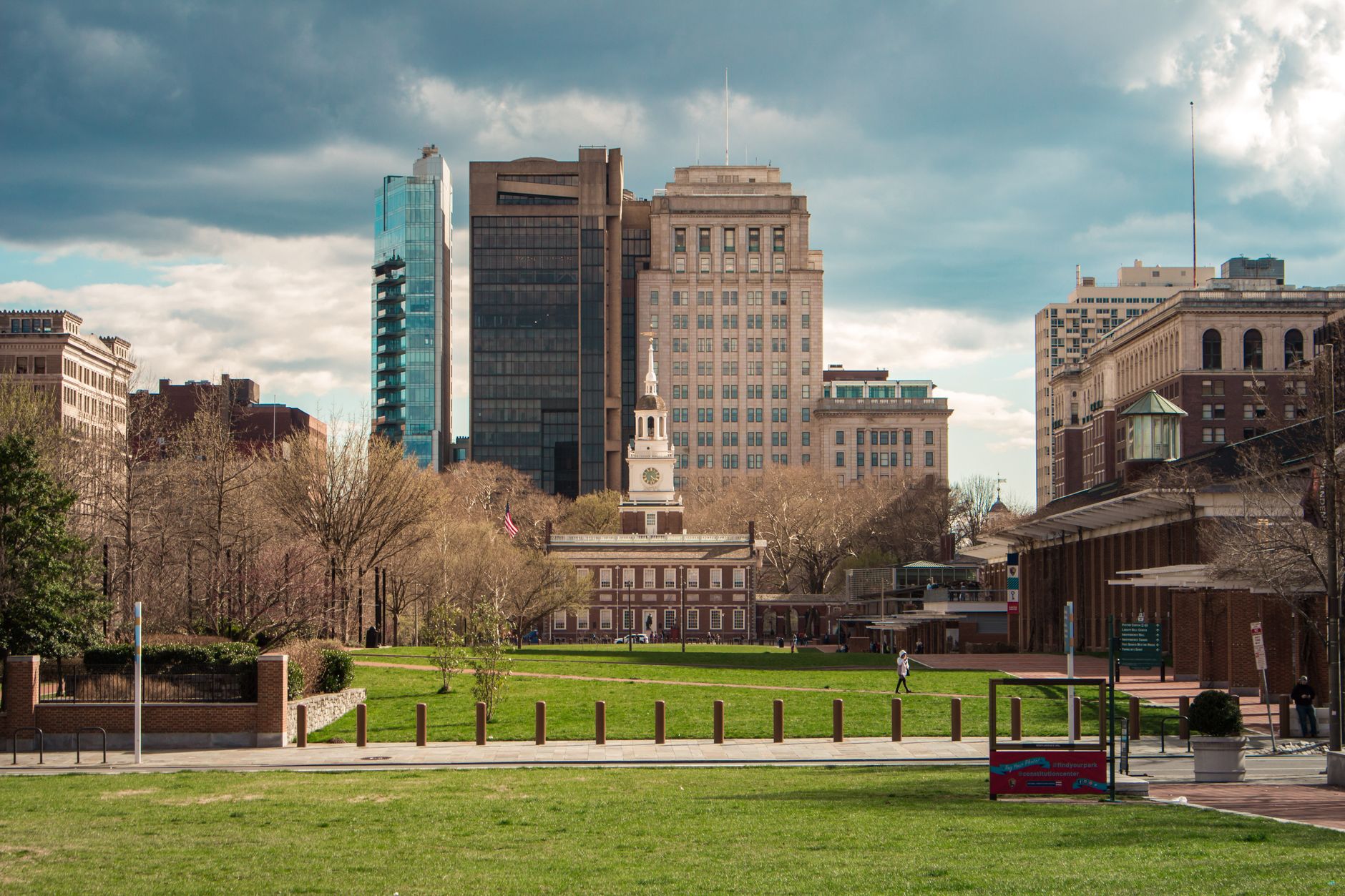
Morning: Start in Old City with Independence Hall and the Liberty Bell. Timed tickets for Independence Hall are issued by the National Park Service; arrive at least 20 minutes before your slot to pass security. The Independence Mall/Liberty Bell complex is compact; plan 1.5–2 hours if combining the Independence Visitor Center and the Liberty Bell Plaza.
Walk (10–15 minutes) east along Market Street to Reading Terminal Market for a mid-morning snack or an early lunch. Vendors like DiNic's roast pork and Beck's Cajun provide quick plates; expect 10–30 minute waits depending on time of day. Reading Terminal is a short walk (about 12 minutes) from Independence Hall.
Afternoon: Cross to the Benjamin Franklin Parkway (either a 20–25 minute walk or a short subway ride using Market-Frankford Line to 15th Street then a 5-minute walk). Visit the Philadelphia Museum of Art and the Rocky Steps; allocate at least 2 hours for highlights. From the museum, a 10–12 minute walk downhill brings you to the Rodin Museum and the Barnes Foundation (Barnes requires timed entry; check hours).
Evening: Head back to Rittenhouse Square (about 15 minutes on foot from the Parkway) for dinner. Options include Vernick Food & Drink for a polished meal or nearby small bistros on Walnut Street for something simpler. Finish the night with a drink at a local bar on 18th Street or around 19th, then a short walk back to most Center City hotels.
Day 2
Morning: Take the Market-Frankford Line to 2nd Street for Old City's gallery and coffee scene, then walk south to Elfreth's Alley and the Betsy Ross House if interested in short historic stops. These sites are walkable together; budget 2 hours to move through Old City without rushing.
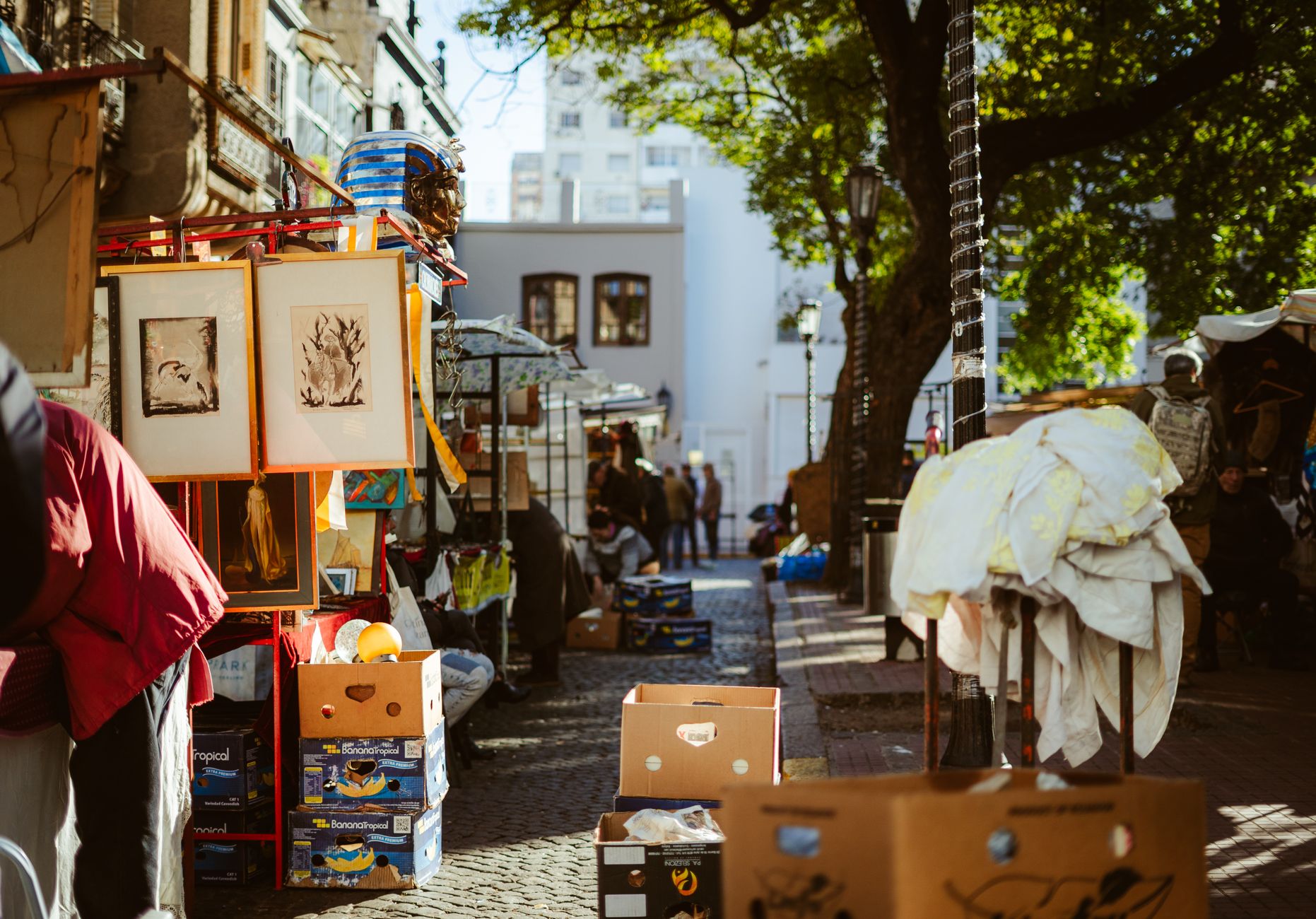
Late morning to lunch: Walk or take a short Uber to the Italian Market on South 9th Street. Browse produce, cheese shops, and small delis; grab a roast pork sandwich from Tony Luke's or a pizza by the slice from Sarcone's. The market is busiest on Saturdays; expect narrow sidewalks and friendly haggling between shops.
Afternoon: Cross the Schuylkill River if time allows and head to University City by taking the Market-Frankford Line to 34th Street or a short taxi from the market. University City is home to the University of Pennsylvania and the Penn Museum; for a different pace, spend time walking around Spruce Street or through Penn’s campus, or visit the Penn Museum (Egyptian collections) for about $18–$25 admission.
Evening: Return toward Fishtown for dinner (30–40 minutes via SEPTA or a 12–20 minute drive). In Fishtown, explore Frankford Avenue’s restaurants and bars — known for craft breweries and independent eateries. End the night at a music venue or a brewery taproom; note that weekend noise can run late.
Day 3
Morning: Start with a quieter park walk in Rittenhouse Square or a longer nature option in Wissahickon Valley Park if the weather is good; Wissahickon’s Forbidden Drive trail is a 20–30 minute drive or a 40–50 minute transit ride from Center City. For a shorter option, breakfast around Rittenhouse provides many café choices and is near boutique shops.
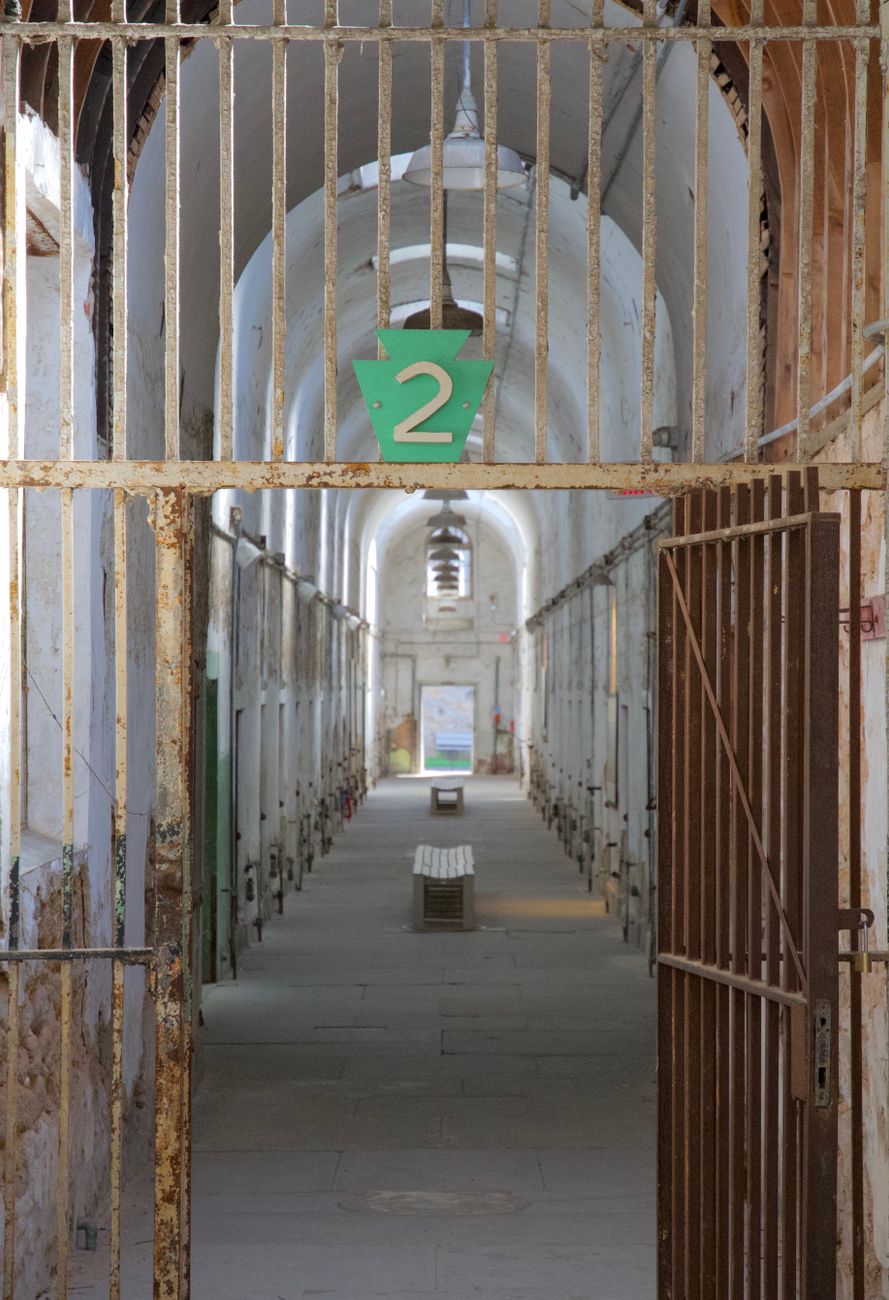
Late morning: Head to Eastern State Penitentiary (Fairmount) for a 1–2 hour visit; this historic prison is about a 15–20 minute walk from the Philadelphia Museum of Art or a short bus/taxi ride. Admission is typically $14–$20 and includes self-guided audio tours.
Afternoon: If checking out of accommodation before an afternoon flight, store bags at a hotel or use 30th Street Station lockers (if available) and take the Airport Line back to PHL when ready — factor in 45–60 minutes travel time plus security. If not flying out the same day, spend the final hours at the Franklin Institute for hands-on exhibits (plan 2–3 hours) or stroll South Street for last-minute shopping and a casual lunch.
Practical note: For an afternoon departure from PHL, leave Center City 2.5–3 hours before domestic flight time to account for transit, security, and possible subway delays during peak hours.
Best Local Experiences
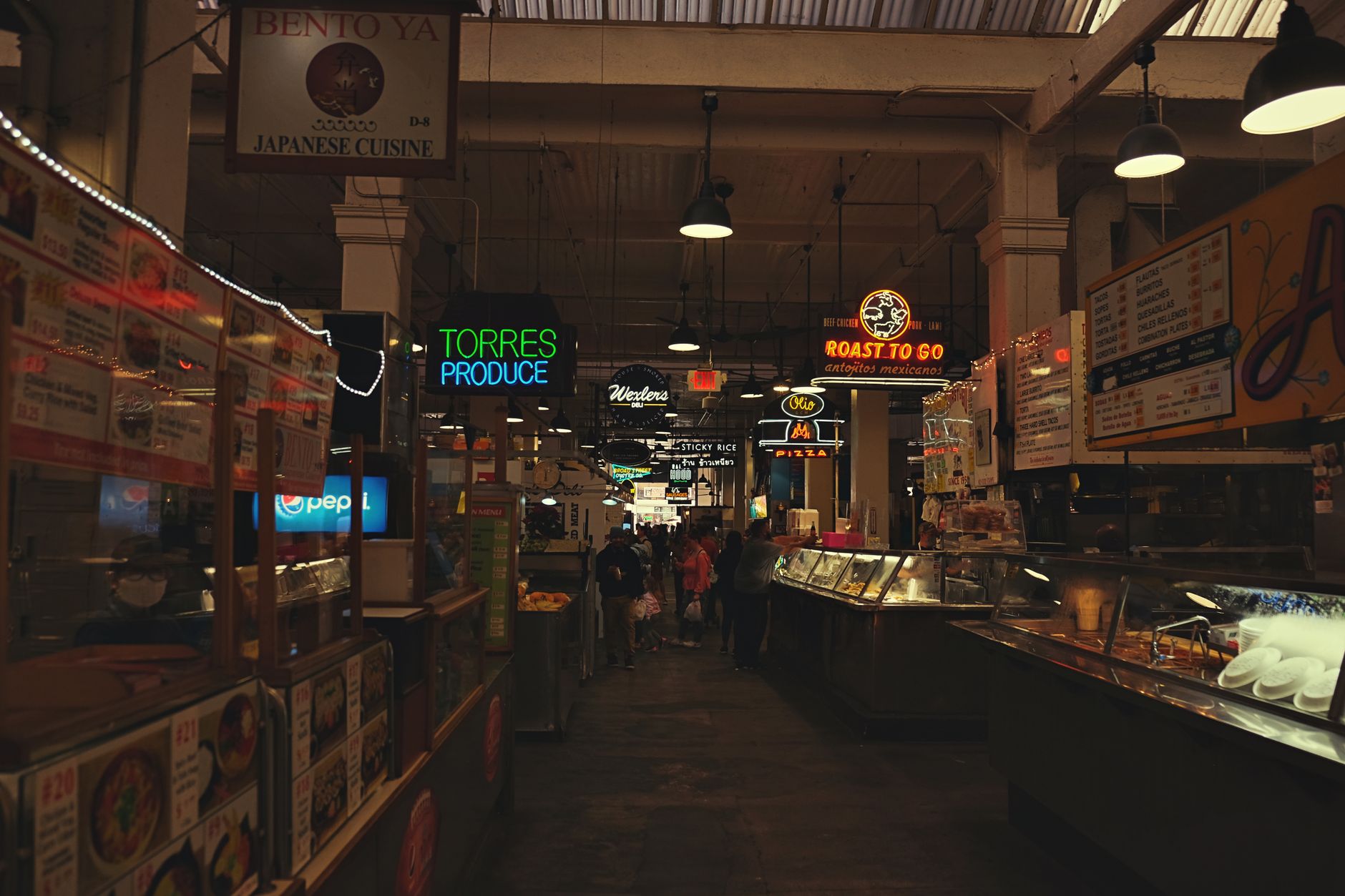
Reading Terminal Market: early breakfast visit for local vendors such as Bassetts Ice Cream and Down Home Diner — best before the lunch rush. South 9th Street Italian Market: Saturday morning for the busiest stall activity and the best selection of meats, cheeses, and prepared foods.
Riverfront seasonal parks: Spruce Street Harbor Park on the Delaware River in summer for pop-up food vendors and hammocks. Brewery and live-music crawl in Fishtown along Frankford Avenue for craft beer and small venues; use Frankford Avenue and Girard Avenue as anchors.
Wissahickon Valley Park for a long nature walk on Forbidden Drive or the Wissahickon Gorge if weather allows. Nightlife on South Street for a row of bars, divas, and low-key music venues; expect street activity at night and plan routes accordingly.
Special events: check the Pennsylvania Ballet and Kimmel Center schedules for performances on the Parkway, and the broad market calendar for seasonal farmers’ markets and community events around Rittenhouse Square and University City.
Where to Stay
Center City / Rittenhouse Square: Suits travelers who want walking access to restaurants, boutiques, and subway stops (Walnut and Chestnut Streets). Nightly cost ranges widely: budget rooms from about $100–150 USD ($92–138 EUR), mid-range $160–250 USD ($147–230 EUR), and higher for boutique hotels.
Old City / Society Hill: Best for history-focused stays near Independence Hall and cobbled streets; easy walking to Old City attractions. Expect nightly rates roughly $120–220 USD ($110–202 EUR) depending on season.
University City / 30th Street Station area: Suits travelers who prefer access to trains (Regional Rail) and slightly lower rates; convenient for trips to the airport via the Airport Line. Nightly costs often run $100–170 USD ($92–156 EUR).
Practical choice: pick a Center City hotel if the priority is minimizing intra-day transit time; choose University City for lower rates and direct Airport Line access. Many boutique listings in Fishtown exist but add a 10–20 minute ride into Center City each day.
Food and Drink
Cheesesteak: thin-sliced beef and melted cheese on an Amoroso roll. Classic stops include Pat's King of Steaks and Geno's in South Philadelphia for the tourist experience; for many travelers, Jim's on South Street or John's Roast Pork (roast pork sandwich with sharp provolone) provide better balance of price and quality. Price: $8–15 USD ($7–14 EUR).
Roast pork sandwich: slow-roasted pork with broccoli rabe or sharp provolone from DiNic's or John's Roast Pork; price $8–14 USD ($7–13 EUR). Soft pretzel: large, chewy, usually sold by street vendors and in markets for $2–4 USD ($2–4 EUR).
Scrapple: a pan-fried breakfast meat made from pork scraps and cornmeal; often served with eggs in local diners for breakfast—$6–10 USD ($6–9 EUR). Tomato pie: a thin, flaky focaccia-style crust topped with tomato sauce, found at local bakeries such as Sarcone’s; slices $2–4 USD.
Craft beer and cocktail scene: sample neighborhood breweries in Fishtown or Northern Liberties (IPA and seasonal brews $6–9 per pint). For dinner, try a mid-range sit-down restaurant in Rittenhouse or Old City with mains $18–35 USD ($17–32 EUR).
Getting Around
Transit operators: SEPTA subway lines include the Market-Frankford Line (MFL) and Broad Street Line (BSL); Regional Rail connects the airport (Airport Line) with 30th Street and Suburban Station. Trolley routes (10, 11, 13, 15, 34, 36) serve West and South Philly corridors. PATCO Speedline links Center City to Camden and South Jersey.
Fares: local single rides on buses, trolleys, and subways are $2.50 (SEPTA Key/contactless). The Airport Line Regional Rail to Center City is about $6.75 one-way. A one-day pass (SEPTA Key convenience pass) runs roughly $13 for unlimited local travel; Regional Rail fares vary by zone and are higher.
Apps and cards: use SEPTA Key for stored value and contactless tap, the SEPTA app for real-time info, and Transit or Google Maps for planning. Taxi or rideshare from Philadelphia International Airport to Center City normally costs $30–45 USD; plan for higher fares late at night or during peak events.
Best Time to Visit
Spring (April–June): temperatures 50–75°F (10–24°C). Pleasant weather, trees and parks come alive, and shoulder-season hotel rates before summer crowds hit. This is a strong value period for walking and outdoor dining.
Summer (July–August): temperatures 75–90°F (24–32°C) with possible heat and humidity; high visitor numbers for festivals and riverfront events. Book accommodation early and expect busy attractions and longer lines.
Fall (September–November): temperatures 45–70°F (7–21°C). Crisp weather, autumn foliage in Wissahickon Valley Park, and fewer crowds; one of the best balance points for value and comfort.
Winter (December–March): temperatures 25–45°F (-4–7°C). Lower hotel rates and fewer tourists, but shorter daylight and occasional snow can disrupt transit. Best value months: late October and early November; months to avoid if heat-sensitive: July and August during events.
Budget and Practical Tips
Daily budget (mid-range traveler): Accommodation $120–200 USD ($110–185 EUR), food $35–70 USD ($32–65 EUR), transport $10–20 USD ($9–18 EUR), attraction entries $15–40 USD ($14–37 EUR). Expect a reasonable daily total around $180–330 USD ($166–304 EUR) depending on hotel choice and museum visits.
Cheaper option: budget hotels or hostels, street food, and walking can reduce totals to $90–140 USD ($83–129 EUR) per day. Higher-end travelers should budget $300+ per day for nicer hotels, multiple paid museum entries, and dinners at higher-end restaurants.
Tipping: typical U.S. norms apply — 15–20% at sit-down restaurants, $1–2 per drink at bars, and $2–5 for hotel porters. Sales tax on restaurant bills and purchases applies in Pennsylvania and is added at checkout.
Practical tip: bring a small foldable umbrella and comfortable walking shoes; many days include 3–5 miles of walking. For cash, small bills are useful for market stalls, but most vendors accept cards or mobile pay.
FAQ
Is Philadelphia safe for tourists?
Most tourist areas are safe during daytime; exercise normal urban caution at night, avoid poorly lit side streets, and keep valuables secure. Violent crime is concentrated in certain neighborhoods outside the tourist core — consult local police maps and hotel staff for current advisories.
How do I get from PHL to Center City cheaply?
Take SEPTA’s Airport Line Regional Rail to 30th Street or Suburban Station for about $6.75; trains run roughly every 30 minutes and are faster than taxis during rush hours.
Is a SEPTA Key or day pass worth buying?
For short stays, a one-day convenience pass (around $13) is worth it if planning multiple bus or subway trips; otherwise pay-per-ride ($2.50) and use contactless tap for flexibility.
Are timed tickets required for Independence Hall?
Yes in high season and for some special events; reserve through the National Park Service website to avoid long standby lines.
Can a weekend cover the main museums?
A weekend covers highlights but not deep dives. Prioritize one large museum (Art Museum or Franklin Institute) and save others for a future trip.
Is public transit easy to use for tourists?
Yes; subways and trolleys cover the core. Use the SEPTA app or Google Maps, tap with SEPTA Key or contactless cards, and note that buses/trolleys require exact fare or a tap.
Where to get the best cheesesteak if avoiding tourist crowds?
Try Jim’s Steaks on South Street or Dalessandro’s in Roxborough for shorter waits and high-quality sandwiches compared with Geno’s/Pat’s in South Philly.
Are neighborhoods walkable between major sites?
The historic core and Museum District are highly walkable; expect longer walks to areas like Fishtown and Wissahickon unless using transit.
Conclusion
A three-day visit will most often be remembered for the contrast between the concentrated history around Independence Hall and the everyday neighborhoods that define daily life. Travelers who prioritize walking, efficient transit use, and one or two major museums will leave satisfied.
If time runs short, prioritize an early-timed Independence Hall visit plus one museum (the Art Museum or Franklin Institute) and a meal at Reading Terminal Market — that combination captures the city’s institutional and food cultures within a tight schedule.
How this guide was prepared
This guide was prepared through a structured research that combines destination research, geographic context, itinerary planning logic, and content review.