

Raleigh in 3 Days: A Practical Weekend Itinerary and Tips
A no-nonsense 3-day guide to Raleigh: museums, parks, breweries, transit tips, budgets, and realistic day plans for a productive weekend visit.
A clear, practical 72-hour plan for seeing downtown museums, parks, food halls and a brewery crawl without wasting time or money.
Expect a mix of government buildings, university influence and visible growth corridors rather than a single compact tourist island. Downtown centers on Fayetteville Street and the Capitol area, where state museums and civic spaces sit within short walking distances. Outside that walkable core the city spreads into residential areas, shopping centers and a handful of concentrated nightlife strips such as Glenwood South and Hillsborough Street near NC State.
Is 3 days in Raleigh enough?
Yes — three days gives time to cover downtown museums (mostly free), the Capitol area, a major park and a food/brewery crawl with relaxed pacing. Expect to skip deeper day trips to the coast or mountains and reserve extra time if relying on buses rather than rideshares.
Who This Guide Is For
Best for first-time visitors who want museums, Southern food, parks and breweries without trying to see everything. Not ideal for travelers whose priority is hiking, beach time or a car-free trip that avoids rideshares.
Local Tips for Raleigh
Practical details that most travel sites skip — specific to Raleigh.
- North Carolina Museum of Natural Sciences on W. Jones Street offers free general admission; special exhibitions and the observatory program sometimes charge $6–12.
- Raleigh–Durham International Airport (RDU) sits about 15 miles from downtown; plan 30–45 minutes off-peak and 45–70 minutes during rush hour by rideshare or taxi.
- Pullen Park charges $3 for the antique carousel and $3 for the miniature train; tickets are bought at the kiosks in cash or card.
- GoRaleigh local buses use a $1.25 cash fare for single rides; regional GoTriangle routes to Durham or RDU run higher (about $2.25–$4.00), and the Transit app lists schedules and sells some passes.
- Transfer Co. Food Hall on West Cabarrus Street and Morgan Street Food Hall are reliable lunchtime options; many stalls accept card only and some close by 7pm on weekdays.
How This Guide Was Prepared
This guide treats Raleigh as a spread-out small city with a strong government, university and craft-beer identity rather than a compact tourist zone. Most guides underplay the role of car or rideshare connections between neighborhoods and overstate a single 'historic' core; practical transit choices, free state museums, and where to spend money matter more than glossy lists. This guide was prepared through a structured research that combines destination research, geographic context, itinerary planning logic, and content review.
Plan Your Stay in Raleigh
Use this itinerary as your starting point, then compare areas to stay, transport options, seasonal timing, and realistic daily costs before booking.
Why Visit
Access to several high-quality, mostly free museums is a practical reason: the North Carolina Museum of Natural Sciences and the Museum of History put serious exhibits within walking distance of each other. The food scene mixes Southern comfort cooking and modern small-plate kitchens; Transfer Co. Food Hall and Morgan Street Food Hall both concentrate regional chefs and quick options. Parks and green spaces are unusually large for a city this size: Dorothea Dix Park and the greenway network allow easy outdoor breaks between indoor attractions. Finally, an approachable craft-beer and coffee scene crystallizes local culture without the expense of larger cities, making evenings affordable.
Quick Planning Tips
Fly into RDU and allow at least 45 minutes to reach downtown by taxi or rideshare during peak hours. Union Station handles Amtrak and some regional buses; arrivals there put most downtown museums within a 10–20 minute walk. Cash is still useful on some weekday GoRaleigh buses for the exact $1.25 fare, but most places take card and mobile pay; have a small card or app ready for food hall vendors that are card-only. Avoid assuming everything stays open late; many museums and small restaurants close by 5–8pm on weekdays, so plan a late museum visit only on special event nights.

Day 1
Start at the North Carolina Museum of Natural Sciences on W. Jones Street; allow 2–3 hours for the permanent exhibits and the living conservatory. Walk 5–10 minutes to the State Capitol on Fayetteville Street for a self-guided exterior tour and photos; guided tours have limited hours so check ahead. From the Capitol, walk 8–12 minutes to the North Carolina Museum of History on Jones Street to see regional exhibits and temporary displays.

Day 2
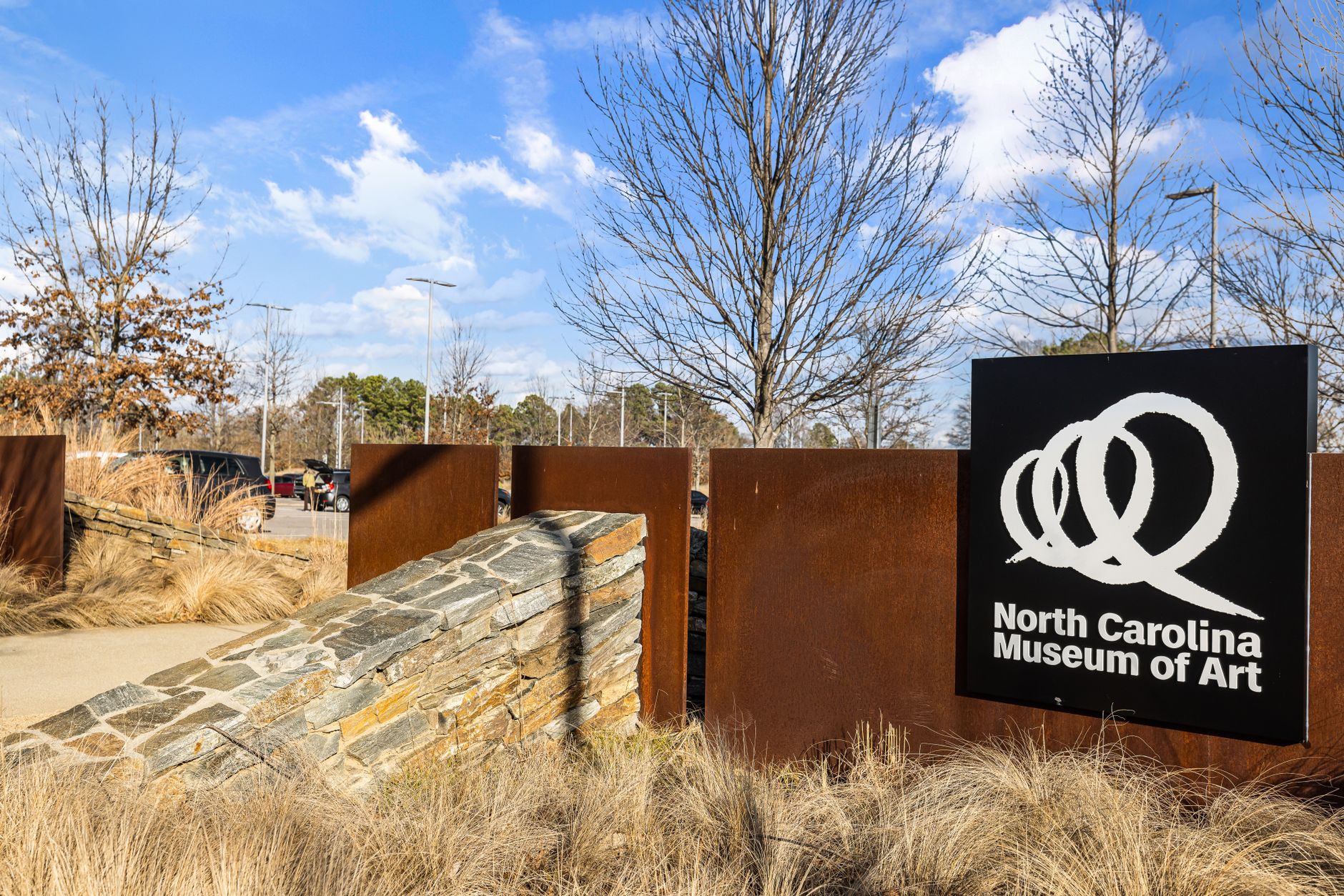
Spend the morning at the North Carolina Museum of Art and sculpture park on Blue Ridge Road; the park trails are suitable for a 60–90 minute walk and the permanent collection buildings are free, though special exhibits sometimes charge. From the museum, expect a 15–25 minute drive to the JC Raulston Arboretum at NC State; the arboretum is free and ideal for a quieter hour among curated plant collections. For lunch, head to the Morgan Street Food Hall near Raleigh Union Station (10–15 minutes by car or 10–20 minutes by bus from NC State).

Day 3
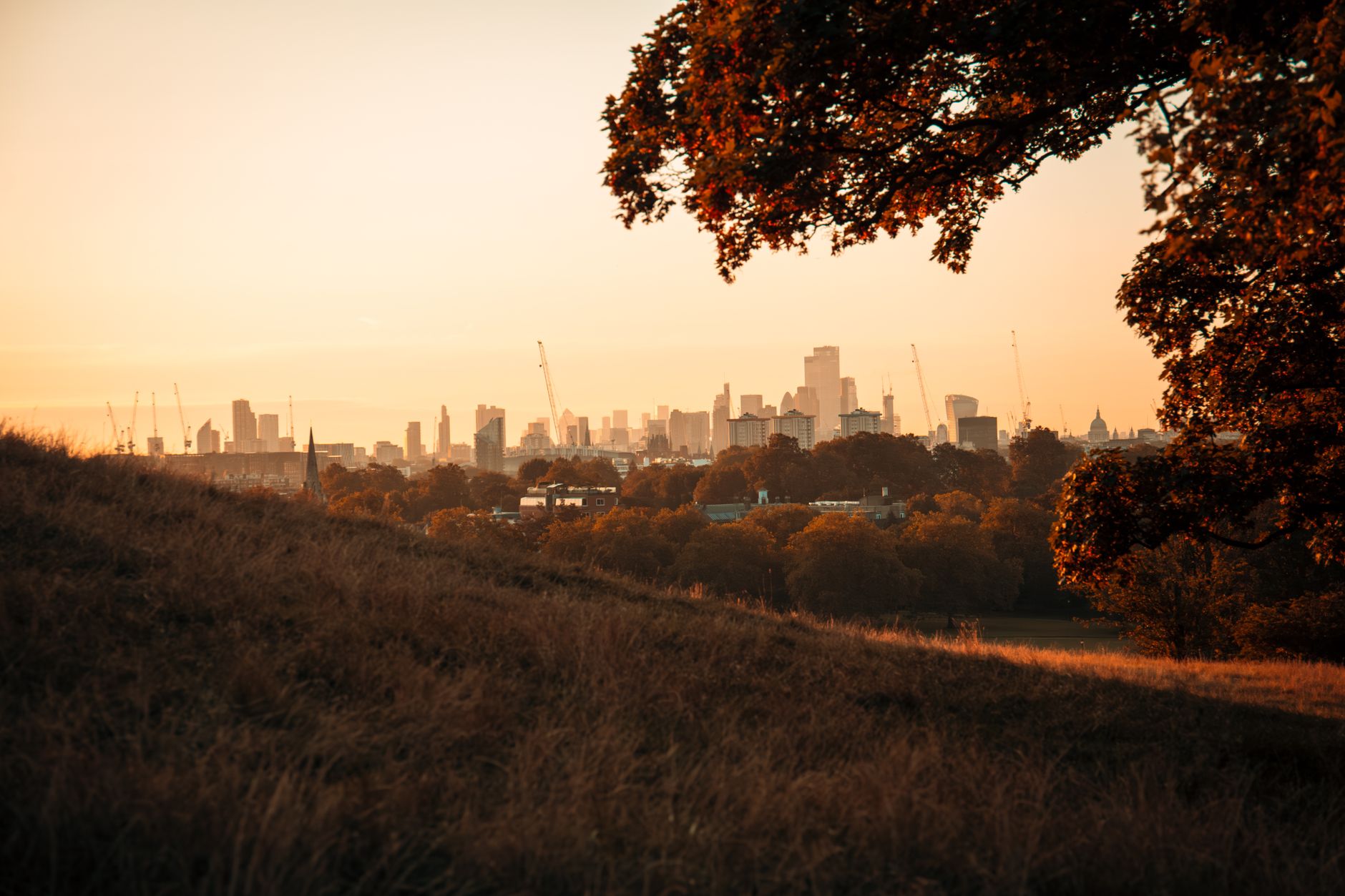
Begin the day at Dorothea Dix Park for sunrise or a morning walk; the hilltop offers skyline views and open lawns. From the park, drive or take a short rideshare to Mordecai Historic Park and the Mordecai House on Wake Forest Road for a dose of historic Raleigh and the nearby Peace College area. Allow 1–1.5 hours here, then head to City Market for lunch; several vendors serve Southern plates and sandwiches.
Best Local Experiences
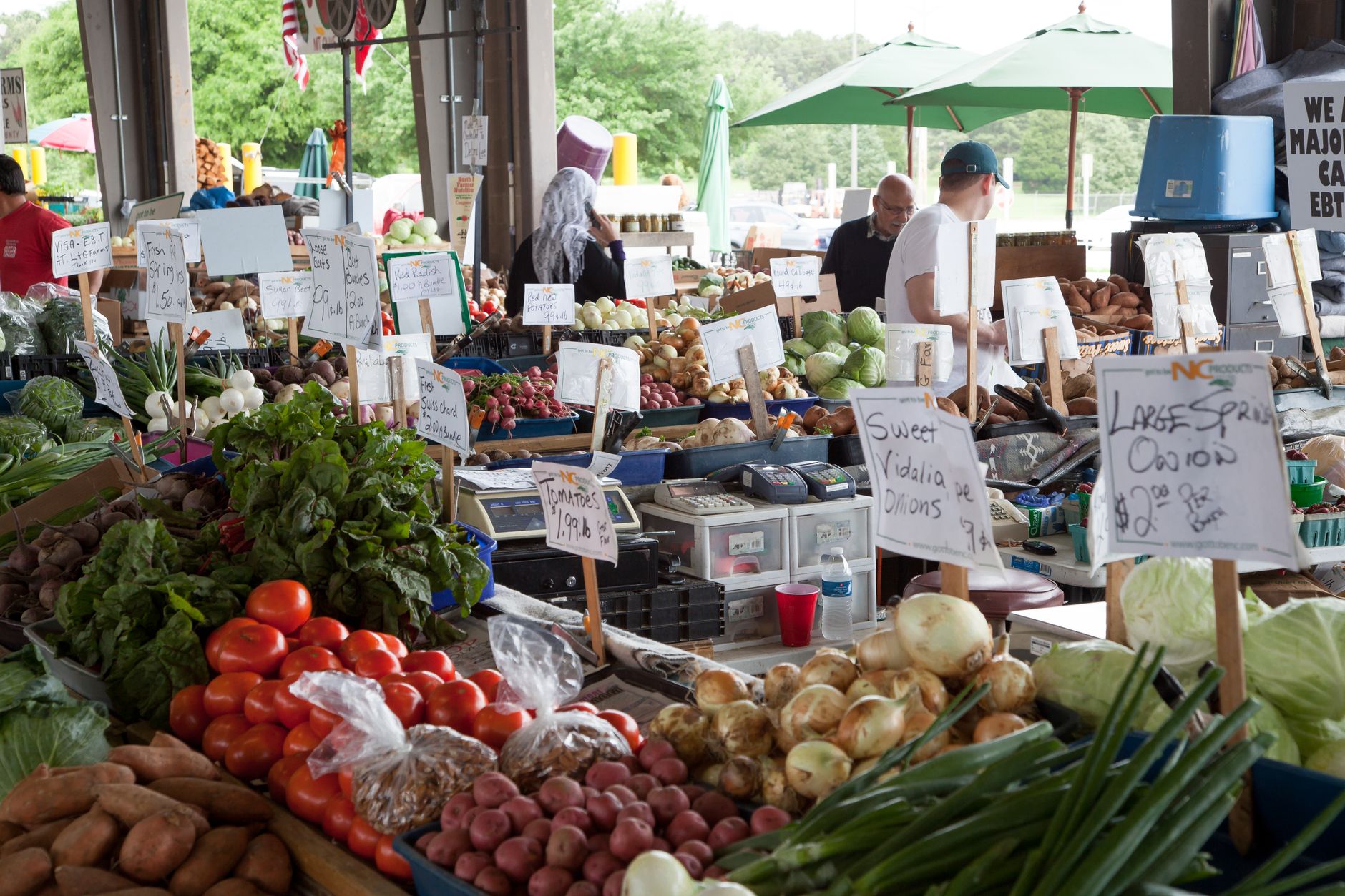
Visit the State Farmers Market on Lake Wheeler Road for local produce, butcher stalls and weekend baked goods; the seafood shed closes mid-afternoon so go early. Attend First Friday in the warehouse and gallery district for an evening art walk and extended hours at galleries near City Market. Time a trip for the North Carolina State Fair in October if the schedule aligns; the fair is large and draws regional crowds. Try a brewery crawl using spots on the Raleigh Beer Trail such as Big Boss Brewing, Burial Beer Co. and Crank Arm Brewing. Spend a morning at the North Carolina Museum of Art’s outdoor sculpture park for a walk that doubles as open-air viewing of major pieces.
Where to Stay
Downtown (Fayetteville Street/Moore Square): suits visitors who want museums, restaurants and Union Station within walking distance. Expect hotel rates roughly USD 150–300 per night (EUR €140–280), with higher rates on event weekends. Glenwood South: suits nightlife and restaurant-focused travelers; smaller hotels and boutique options put visitors near bars and cafes. Typical rates USD 120–220 per night (EUR €110–205). Five Points/Cameron Village: suits travelers who want quiet residential streets with easy access to boutiques and local restaurants; expect guesthouses and small hotels around USD 110–200 per night (EUR €100–185).
Food and Drink
Carolina pulled-pork barbecue (Eastern style): whole-hog or pulled pork served with vinegar-based sauce; recommended at The Pit or Lexington-style barbecue joints in town, plates typically USD 10–18. Shrimp and grits: a Southern breakfast or dinner staple—creamy grits topped with coastal shrimp; good versions at Poole's Downtown and local brunch spots for USD 10–18. Pimento cheese: spread of cheese, mayo and peppers served on crackers or as sandwiches; find it at Transfer Co. Food Hall counters and farmers market stalls for about USD 4–8. Cheerwine soda: a regional cherry soda available at many restaurants and markets; single bottles USD 1.50–3.00. Breakfast biscuit with egg and sausage: widely available at BJ's Bagels or small local diners and often USD 4–8. For dessert try a slice of sweet potato pie from bakeries or the State Farmers Market stalls, roughly USD 3–5.
Getting Around
GoRaleigh operates local buses with local routes numbered in the system; single-ride cash fare is about USD 1.25. GoTriangle runs regional routes connecting to Durham, Chapel Hill and RDU; expect fares around USD 2.25–4.00 depending on distance. Amtrak serves Raleigh at Union Station for long-distance travel. Union Station is a hub for regional buses and walking access to downtown museums. Rideshare apps Uber and Lyft fill gaps for quicker cross-town trips; a taxi from RDU to downtown is typically USD 40–55 depending on traffic; rideshare often runs USD 30–45. Use the Transit app or the GoRaleigh/GoTriangle trip planner for schedules and mobile ticketing options.
Best Time to Visit
Spring (April–May) offers daytime highs around 65–75°F (18–24°C) with blooming dogwoods and lower humidity; this is ideal for outdoor sculpture park walks and farmers market visits. Fall (September–October) brings similar daytime highs 60–75°F (15–24°C) and clear evenings; the North Carolina State Fair in October draws crowds and can spike hotel rates. Summer (June–August) is hot and humid with highs 85–95°F (29–35°C) and frequent afternoon storms; expect higher hotel demand and steamy outdoor conditions. Winter (December–February) stays cool to cold with daytime highs 45–55°F (7–13°C) and occasional light snow; crowd levels are low and museum lines are shortest.
Budget and Practical Tips
Typical daily budget (mid-range traveler) in USD: accommodation USD 120–220, food USD 30–60, local transport USD 5–15, entry fees USD 0–20 — total roughly USD 155–315 per day. Convert roughly to EUR at current rates: about EUR 145–295. Many state-run museums have free general admission; set aside money for special exhibitions, Marbles Kids Museum (around USD 12–15), and paid events. Tipping norms follow U.S. standards: 15–20% at table service, USD 1–2 per drink at bars, and rounding up or adding 10–15% for taxi drivers if service is good. Parking garages downtown commonly charge USD 10–25 per day; check hotel packages for included parking.
FAQ
Is downtown safe at night?
Downtown is generally safe for visitors, but standard U.S. urban precautions apply; avoid poorly lit streets alone late at night and keep valuables secure.
How do I get from RDU to downtown without a car?
Use rideshare for the fastest door-to-door option or GoTriangle bus routes that serve RDU; bus schedules vary so allow extra time.
Is there a city card or pass worth buying?
No comprehensive city card covers most free museums; pay-as-you-go is usually cheaper, though check museum websites for special exhibition passes.
Can Union Station be used for regional travel?
Yes; Union Station handles Amtrak and several regional buses, making it the best rail/bus hub for downtown access.
Are museums free?
Major state-run museums like the Museum of Natural Sciences and the Museum of Art have free general admission; special exhibits or planetarium shows sometimes cost extra.
Is Raleigh walkable?
The immediate downtown and Moore Square areas are walkable; many attractions outside that core require a bus, rideshare or car.
Is tipping expected at counter-service places?
: At many casual spots tipping is optional; a small tip via card readers is common but not mandatory.
Can I do a day trip to Durham?
Yes; Durham is 20–30 minutes by car or 30–45 minutes by regional bus depending on route and traffic.
Conclusion
A three-day visit leaves time for a clear cross-section: museums and the Capitol, a large park, food halls and at least two breweries. Days should mix one museum-heavy morning with an afternoon neighborhood stroll or green space to avoid feeling rushed. If time becomes tight, prioritize the North Carolina Museum of Natural Sciences and a visit to Dorothea Dix Park or the Museum of Art sculpture park; those capture the city's mix of civic, cultural and outdoor life.
How this guide was prepared
This guide was prepared through a structured research that combines destination research, geographic context, itinerary planning logic, and content review.