

3-Day Practical Guide to Ohrid: Planning, Sights, Food and Transport
A realistic 3-day itinerary for Ohrid covering top sights, neighbourhoods, transport, eating spots and practical costs so time is used efficiently.
A no-nonsense 72-hour plan that balances the lakeshore, Old Town churches and a Saint Naum day trip, with clear times, costs and what to skip if short on time.
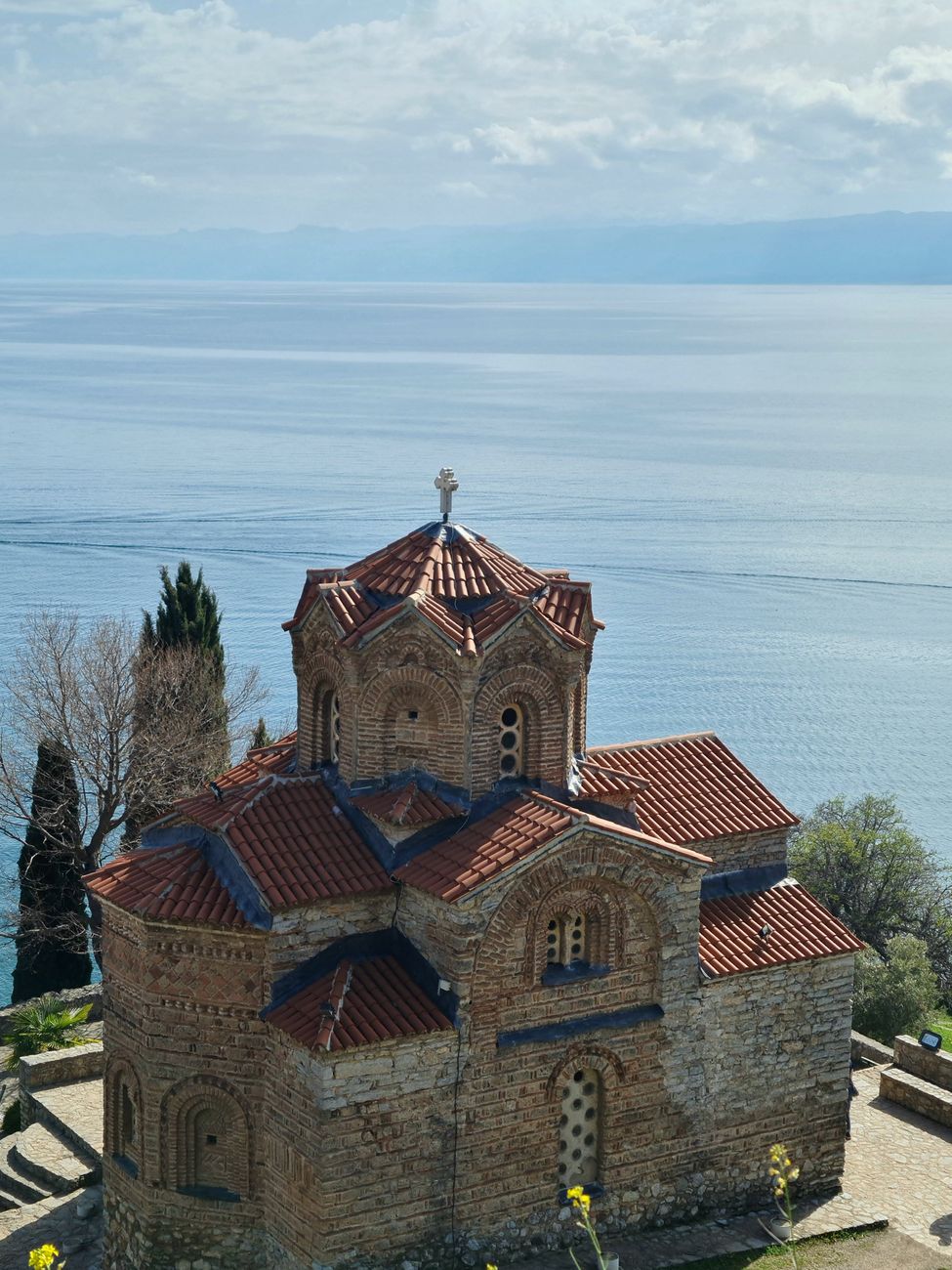
Expect a compact lakeside town with steep streets radiating down to a clear lake; first impressions are often a mix of church domes, stacked stone houses and a waterfront promenade. Crowds concentrate on the narrow pedestrian spine by the pier and at St. John at Kaneo viewpoint between late June and August, while quieter months show a slow local rhythm and reduced services.
Many visitors think the place is only for boat trips; the built environment rewards walking and short climbs — Byzantine churches, a ruined fortress and small archaeological museums are within 10–20 minutes of each other. Services such as ferries, certain cafés and museum opening hours fluctuate seasonally, so check schedules outside high summer.
Suitability leans toward travellers who like concentrated cultural walking, short swims, and a limited nightlife scene. Those requiring a dense schedule of late-night dining and frequent public-transit options will find choices thinner than in bigger Balkan centres.
Is 3 days in Ohrid enough?
Three days are enough to see the Old Town, Samuel's Fortress, the key lakeside churches and to take a half-day trip to Saint Naum or the Bay of Bones. One honest caveat: museum-heavy visitors or those wanting multiple boat excursions should plan a fourth day, because each site and museum needs time for queues and photo lines in high season.
Who This Guide Is For
Best for history-minded travellers and lake walkers who prefer short walks and isolated museums; less good for travellers seeking nightlife or frequent public-transport connections, or those on a very tight budget in peak July–August.
Local Tips for Ohrid
Practical details that most travel sites skip — specific to Ohrid.
- Buy boat tickets at the lakeside pier near Gorna Porta; short shared cruises to Sveti Naum or to the Bay of Bones typically cost about 300–600 MKD per person depending on route and season.
- Samuel's Fortress sits above the Clock Tower (Sahat Kula); expect a 10–15 minute uphill walk from the main pedestrian street and an entrance of roughly 100–200 MKD during the tourist season.
- The Robevci House (National Museum) on Riste Risteski street charges a small entry fee of around 100–200 MKD and restricts flash photography in its icon rooms.
- Day buses and minibuses to Monastery of Saint Naum leave from the central bus station (Autobuska Stanica) and cost about 150–300 MKD one-way in summer; check schedules because frequency drops outside June–September.
- Ohrid St. Paul the Apostle Airport transfers can be booked with local taxis or the Bolt app; a metered taxi to the Old Town is typically 400–700 MKD depending on luggage and time of day.
How This Guide Was Prepared
This guide treats Ohrid as a working small city with heavy seasonal swings rather than a postcard. Many guides treat it only as a 'lake day' destination and underplay the town's compact Old Town, the concentration of early Christian sites and how services change outside summer. This guide was prepared through a structured research that combines destination research, geographic context, itinerary planning logic, and content review.
Plan Your Stay in Ohrid
Use this itinerary as your starting point, then compare areas to stay, transport options, seasonal timing, and realistic daily costs before booking.
Why Visit
There are four realistic, specific reasons to plan 72 hours here. First, the early-Christian and medieval churches are unusually concentrated: Plaošnik, St. John at Kaneo and St. Sophia sit within walkable distance and offer intact frescoes and accessible churchyards. Second, the lakeside setting is practical for short boat trips and swimming; the pier area provides quick launches to the Bay of Bones and Saint Naum.
Third, the Old Town’s compactness means efficient sightseeing: Samuel's Fortress, the Clock Tower and the Archaeological Museum can be combined in a single afternoon without long transfers. Fourth, the local market and Robevci House present iconography and domestic history that differ from capital-city museums; those interested in Balkan ecclesiastical art get a focused experience here.

Quick Planning Tips
Fly into Ohrid St. Paul the Apostle Airport (OOH) or arrive by intercity bus from Skopje; the airport is about 9–12 km from the Old Town and a taxi or Bolt ride normally takes 15–25 minutes. Book accommodation close to the lakeside promenade or near Ul. Sv. Kliment Ohridski to minimize uphill walks with luggage.
Carry some Macedonian denar (MKD) for small museums and market purchases; many cafés accept cards in summer but smaller vendors often prefer cash. One planning mistake to avoid: assuming regular boats run year-round — check boat operator timetables outside June–September and reserve a spot for Saint Naum in high season.
Day 1
Morning: Start at the Old Town pedestrian spine near Gorna Porta and the Clock Tower (Sahat Kula). Walk to Samuel's Fortress; allow 10–15 minutes for the uphill climb from the Clock Tower. Expect 30–45 minutes at the fortress for views and photos.
Late morning: Descend toward Plaošnik (St. Panteleimon). The walk from Samuel's Fortress to Plaošnik takes about 8–12 minutes on paved stone steps. Plan 40–60 minutes to see the church, the archaeological area and the small on-site interpretive panels.
Lunch: Eat at Taverna Kaneo or Restaurant Dva Biberi near the promenade for grilled trout or tavče gravče; expect mains around 500–900 MKD. Both are within a 6–12 minute walk from Plaošnik.
Afternoon: Visit the Robevci House (National Museum) on Riste Risteski street; allow 45 minutes to an hour. From Robevci House, walk 7 minutes to St. John at Kaneo viewpoint and spend 30 minutes at the cliff-top viewpoint. From Kaneo, walk 10 minutes along the lakeshore back toward the pier.
Evening: Take an hour boat-sunset cruise from the main pier or, if on foot, sit at a lakeside café on the promenade. Expect summer queues for waterside tables; reserve if possible. Nighttime options include low-key bars near Ul. Makedonska and slow evening strolls along the bay.

Day 2
Morning: Take an early minibus or arranged boat to Monastery of Saint Naum. From the central bus station, the bus/minibus ride takes 30–45 minutes and offers scenic lake views. If going by boat, expect a longer trip (around 1–1.5 hours) but a more direct lakeside approach; boat operators sell return seats at the pier.
Late morning: Explore Saint Naum’s complex and its springs; allow 90–120 minutes for the monastery, the small museum and the lakeside walking paths. Beware that the immediate area can be busy with day-trippers in July and August.
Lunch: Have a lakeside fish meal at a restaurant near Saint Naum or bring snacks; local trout dishes cost roughly 700–1200 MKD. If returning by bus, expect a 40–60 minute ride back to the city.
Afternoon: Spend the afternoon in the Old Bazaar (Stara Čaršija) area and the smaller craft shops between Ul. Makedonska and the Clock Tower. Walk to the nearby Ancient Theatre / Amphitheatre (about 10–15 minutes from the bazaar) and spend 30–45 minutes there.
Evening: Attend a small concert or performance if available at the Theatre or one of the summer cultural stages; check the municipal programme. For a calmer evening, choose a rooftop bar near the waterfront for views over the bay.

Day 3
Morning: Visit the Bay of Bones Archaeological Museum; from the centre it’s about a 20–25 minute walk west along the main road or a short taxi ride. Allow 60–90 minutes for the reconstructed pile-dwelling exhibit and the on-site displays.
Late morning: Return to the pier and take a short boat to a quieter swimming cove or rent a paddleboard; expect 20–40 minutes for this mini-excursion depending on chosen operator. Budget about 300–600 MKD for a short watercraft rental or shared boat seat.
Lunch: Have a light lakeside meal near the pier—try shops selling ajvar, prosciutto, local cheese and crusty bread for a picnic option (market prices around 150–300 MKD for basics). Alternatively, sit down at a waterfront restaurant for grilled fish and salad.
Afternoon: Reserve at least an hour for the Archaeological Museum and the icon collection if not visited earlier; allow another 30–45 minutes to climb to the small hill viewpoint above the amphitheatre for a last look across the bay. If catching an afternoon flight or bus, plan to be back at accommodation 1.5–2 hours before departure to collect bags and account for possible taxi waits.
Evening (if staying late): Finish with a slow dinner near the Clock Tower and, if time allows, a brief walk along the illuminated promenade; otherwise, head directly to the airport or bus station with a buffer for traffic and luggage handling.

Best Local Experiences
Markets and events particular to this town should be on the list. Visit the Old Bazaar (Stara Čaršija) early for local cheeses, smoked trout and homemade ajvar sold by the stallholders. Take a sunrise walk to St. John at Kaneo for the classic lakeside viewpoint before tour groups arrive.
Join a small-boat trip that stops at the Bay of Bones archaeological platform to see the reconstructed Neolithic pile dwellings. Attend a performance at the amphitheatre or a local church service at Plaošnik to hear Byzantine chant. Try a guided walk focusing on frescoes at Robevci House and Plaošnik for layered iconography explanations.
Finally, rent a bike or paddleboard for a short lakeshore circuit west from the pier toward the Bay of Bones; this is a compact, practical way to see shoreline geography and quieter coves without a full-day commitment.
Where to Stay
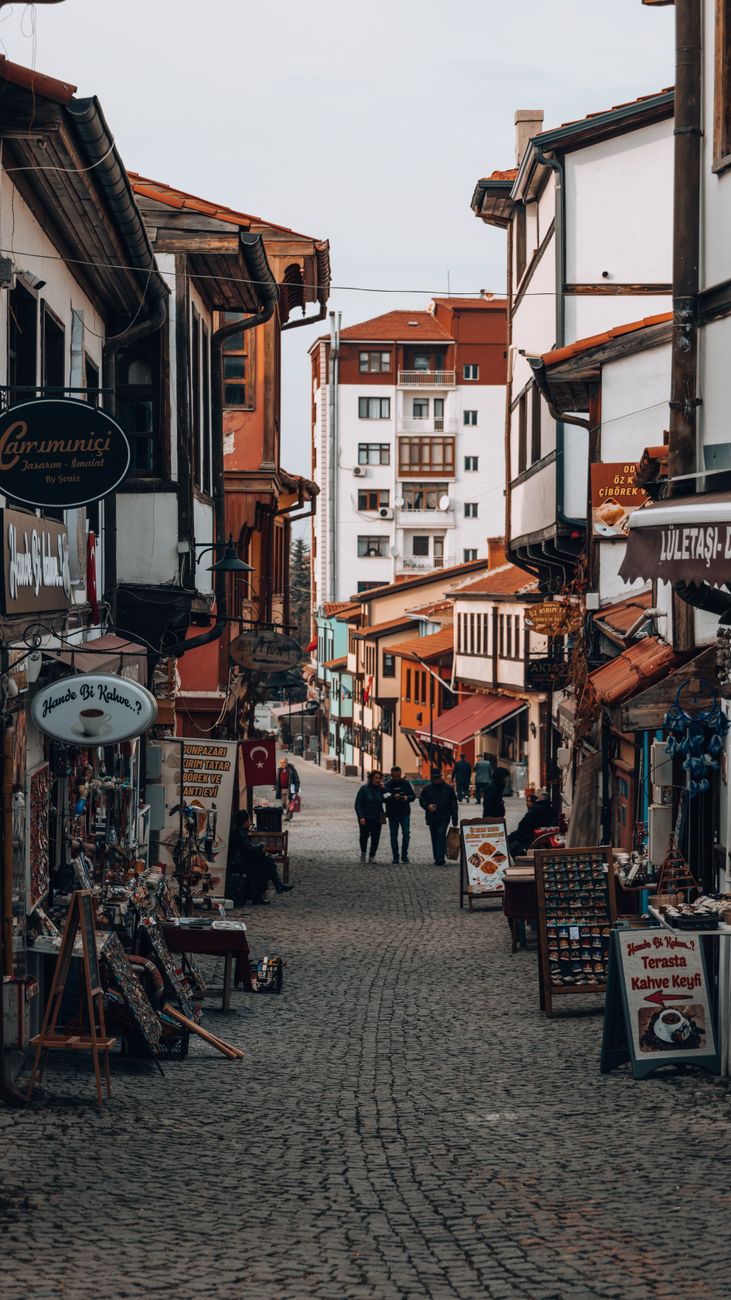
Lakeside Promenade / Old Town: Best for first-time visitors who want quick access to the pier, restaurants and most sights. Expect rooms in guesthouses or small hotels from around 3,000–7,000 MKD per night (≈50–115 EUR/USD) in shoulder season and higher in July–August.
Upper Town (near Samuel's Fortress): Suits walkers who prefer quieter nights and views; steep streets mean luggage handling is harder. Small boutique guesthouses and apartments typically run 2,500–6,000 MKD per night (≈40–100 EUR/USD).
Gorna Gorica / Airport-side and Ribarsko Selo: Practical for early departures or cheaper longer stays; this area is 10–15 minutes from the Old Town by taxi. Expect lower nightly rates, roughly 1,800–3,500 MKD (≈30–60 EUR/USD) for private rooms or family-run pensions.
Choose based on mobility and priorities: lakeside if convenience matters, Upper Town for views and quieter nights, airport-side for budget and early flights.
Food and Drink
Breakfast option: Soft-baked burek or kifla with a strong Macedonian coffee at a bakery on Ul. Makedonska; expect 50–120 MKD. Street food: Grilled trout sandwiches or ćevapi from a market stall near the pier for roughly 200–350 MKD.
Local dishes and where to find them: Pastrmka (grilled trout) — classic at lakeside restaurants such as Kaneo-area taverns, 700–1,200 MKD. Tavče gravče (baked beans) — served at traditional taverns like Dva Biberi, 300–500 MKD. Ajvar and local cheese platters — market stalls and some cafés, 150–400 MKD.
Dinner recommendation: Try a lakeside restaurant for a plate of Macedonian salad (paradajz i krastavici), grilled fish and rakija digestif; expect 900–1,800 MKD for a solid meal with a drink. Sweet option: local baklava or tulumba at a pastry shop for 80–180 MKD.
Drink notes: Local white wine and draft beer are widely available; a glass of house wine is often 150–300 MKD. Rakija rounds up some meals and can be sampled in small measures at family-run restaurants.
Getting Around
There is no metro; movement relies on walking, short taxis, seasonal boat services and intercity buses. Local mini-buses and city buses operate limited routes linking the Old Town, central bus station and suburbs; routes vary by operator and season. Single local bus or minibus rides within town cost about 30–60 MKD.
Taxi apps: Bolt operates in many Macedonian towns and is a practical option for meter-based fares; local taxis also take cash and often require negotiation for airport pickups. Intercity buses to Skopje, Struga and Tirana depart from the central bus station; tickets bought at the station cost from 300 MKD and up depending on destination.
Boat operators run scheduled and private cruises from the main pier; short shared trips usually cost 300–600 MKD, private hires substantially more. Use Google Maps or the Moovit app for route planning and to check bus arrivals. No universally used city transport card exists; buy single tickets or agree fares with drivers.
Best Time to Visit
Summer (June–August): Warm temperatures 25–32°C with peak crowds and full services; boat operators and restaurants run frequent schedules. Expect higher prices and busy waterfronts.
Shoulder seasons (May and September–early October): Day temperatures 18–25°C, fewer crowds and lower prices while most services still operate. These months offer the best balance of weather and value.
Winter (late November–March): Cold, around 0–8°C, with reduced ferry and museum hours; some restaurants close for the season. Avoid if expecting full summer schedules. Late spring and early autumn are the best compromise for milder weather, open services and manageable visitor numbers.
Budget and Practical Tips
Typical daily budget (mid-range traveller): Accommodation 3,000–6,000 MKD per night (≈50–100 EUR/USD); food 1,200–2,000 MKD per day for three meals and a drink (≈20–35 EUR/USD); local transport and small entries 300–800 MKD (≈5–13 EUR/USD); one museum or boat trip 100–600 MKD depending on site (≈1.5–10 EUR/USD). A conservative daily total: 4,600–9,400 MKD (≈75–155 EUR/USD).
Tipping: Restaurants commonly add a service charge in tourist spots; if not included, leave 5–10% for good service. Small cash tips for taxi drivers (round up to nearest 50 MKD) are appreciated but not mandatory. Carry cash for market stalls, small cafés and smaller museum kiosks where cards may not be accepted.
Practical note: Bring a lightweight daypack for walking the steps and historic sites; stone streets are slippery when wet and many viewpoints require short climbs.
FAQ
Is Ohrid safe for solo travellers?
Yes; petty theft is the main risk in crowded summer areas, so keep valuables secure and avoid poorly lit streets at night.
How do I get from the airport to the town centre?
Taxis and Bolt rides are common; expect 400–700 MKD and a 15–25 minute trip depending on traffic. Some flights have coordinated shuttle buses, check with the airline.
Is there a city transport card or pass worth buying?
No established city-wide pass; single tickets or negotiated taxi fares are standard. For multiple boat trips, book directly with operators and ask about multi-ride discounts.
Can most sites be reached on foot?
Yes; the Old Town and main lakeside sights are compact, but expect uphill stairs to Samuel's Fortress and some viewpoints.
Are English services widely available at museums and tours?
Basic English is common at major museums and guided tours in summer; smaller sites may only offer limited English-language materials.
Are boat trips to Saint Naum suitable for children?
Short shared boat rides are family-friendly, but swimming areas near Saint Naum have rocks and currents; supervise children closely.
What cash and card situation should travellers expect?
Many restaurants and shops accept cards in summer, but market stalls and smaller cafés prefer MKD cash. ATMs are available in the centre.
Can day trips be made from here to Skopje or Tirana?
Intercity buses connect to Skopje and Tirana; expect 3–4 hour rides and check schedules for current departures and fares.
Conclusion
A well-paced 72-hour stay highlights early-Christian churches, a fortress view, at least one boat experience and a Saint Naum excursion if time allows. Visitors most likely remember the combination of close-up frescoes, a lakeside sunset and the climb to Samuel's Fortress.
If pressed for time, prioritise Plaošnik and St. John at Kaneo plus a short pier boat or sunset by the promenade; those three elements capture the distinctive mix of architecture and water that defines the area.
How this guide was prepared
This guide was prepared through a structured research that combines destination research, geographic context, itinerary planning logic, and content review.