

Oslo in 3 Days: Practical 72-Hour City Guide & Itinerary
A practical 3-day Oslo itinerary with realistic timings, transport tips, neighbourhood food picks, and seasonal advice for an efficient weekend.
A no-fluff 72-hour plan for Oslo that balances museums, waterfront walks, local food halls and a neighbourhood day in Grünerløkka or Frogner, with realistic timing and costs.
Oslo feels like a coastal capital where clean lines of modern architecture meet frequent pockets of green. The first impression is light and a bit expensive: cafés charge for space, museums have clear opening hours, and public transport moves on a strict schedule.
Street life concentrates around the waterfront at Aker Brygge and the shopping axis of Karl Johans gate, while neighbourhood life shows up in Grünerløkka's cafés, secondhand shops and street art. Noise levels are generally low compared with other capitals, but evenings can be quiet outside central areas.
Expect steady weather changes near the fjord — a sunny hour can turn to drizzle in an afternoon. Shops and cafés close earlier than in southern Europe, so plan museum visits or late meals in advance. The city suits travellers who prefer planned walking routes, museums, and food halls over spontaneous nightlife.
Is 3 days in Oslo enough?
Three days in Oslo is enough to see the main museums (MUNCH, National Museum), walk the waterfront at Aker Brygge and Akershus, experience Vigeland Park and a neighbourhood like Grünerløkka, and do one short fjord or Bygdøy museum trip. Caveat: a day trip to Holmenkollen or Bergen should be left for a longer stay.
Who This Guide Is For
Best for travellers who prefer a mix of museums, easy walks, and cafés rather than long hikes or extensive nightlife. Budget travellers on a tight budget may find Oslo expensive and should plan fewer paid museum visits.
Local Tips for Oslo
Practical details that most travel sites skip — specific to Oslo.
- Buy single or period tickets on the Ruter app (search 'RuterBillett'); a single zone 1 adult ticket costs around NOK 44 (≈€4) and must be purchased before boarding trams or buses.
- The Bygdøy museums (Fram, Kon-Tiki, Norsk Folkemuseum) are served by the seasonal ferry from Aker Brygge in summer (about 20 minutes) or by bus 30 from Nationaltheatret in winter.
- The Oslo Pass can save money if planning three paid museums plus local transport; 24-hour passes vary but expect around NOK 450–550 for adults — check the official Oslo Pass site for current prices.
- Tram lines 11, 12 and 13 run through Grünerløkka and toward Majorstuen; use tram stops like Birkelunden and Olaf Ryes plass to access cafés and secondhand shops.
- Taxis from Oslo Airport Gardermoen to the centre typically cost NOK 900–1,200 during the day; the Airport Express Train (Flytoget) is faster (20 minutes) and costs around NOK 210–230 one way.
How This Guide Was Prepared
This guide treats Oslo as a working capital with clear contrasts: the waterfront and museums near the fjord, and the local life in Grünerløkka and Majorstuen. Most guides either treat Oslo as an expensive single‑attraction stop or a checklist of museums; this guide prioritises how to move between those areas efficiently and where to skip long lines without losing the core experience. This guide was prepared through a structured research that combines destination research, geographic context, itinerary planning logic, and content review.
Plan Your Stay in Oslo
Use this itinerary as your starting point, then compare areas to stay, transport options, seasonal timing, and realistic daily costs before booking.
Why Visit
Three main reasons stand out: concentrated museums, accessible waterfront life, and highly walkable neighbourhoods. The MUNCH Museum and National Museum contain Norway's modern and classical art in adjacent city locations, allowing serious museum time without long transfers.
The fjordfront from Akershus Fortress to Aker Brygge offers short walks, modern architecture, and seafood stalls with close proximity to ferries that give a fast sense of Norway’s coastline. Grünerløkka and Frogner let visitors compare local café culture, secondhand shops and different street scenes within minutes on tram or metro lines.
Practical reasons include short transfer times: the Airport Express Train (Flytoget) reaches Oslo S in about 20 minutes, and the T-bane network serves most neighbourhoods, which helps squeeze a lot into three days.

Quick Planning Tips
Flytoget is the fastest airport transfer: 20 minutes to Oslo S; a one-way ticket costs around NOK 210–230. Budget train and bus alternatives run slower but are cheaper; check schedules against luggage needs.
Buy Ruter tickets on the Ruter app before boarding trams and buses and add a photo if using period tickets; inspectors check frequently. Credit cards are widely accepted but keep some cash for small kiosks and market stalls.
Avoid the mistake of visiting popular museums only on Sunday afternoon; those are busiest and sometimes run limited exhibitions. Reserve timed entries for MUNCH and the National Museum if travelling in high season.

Day 1
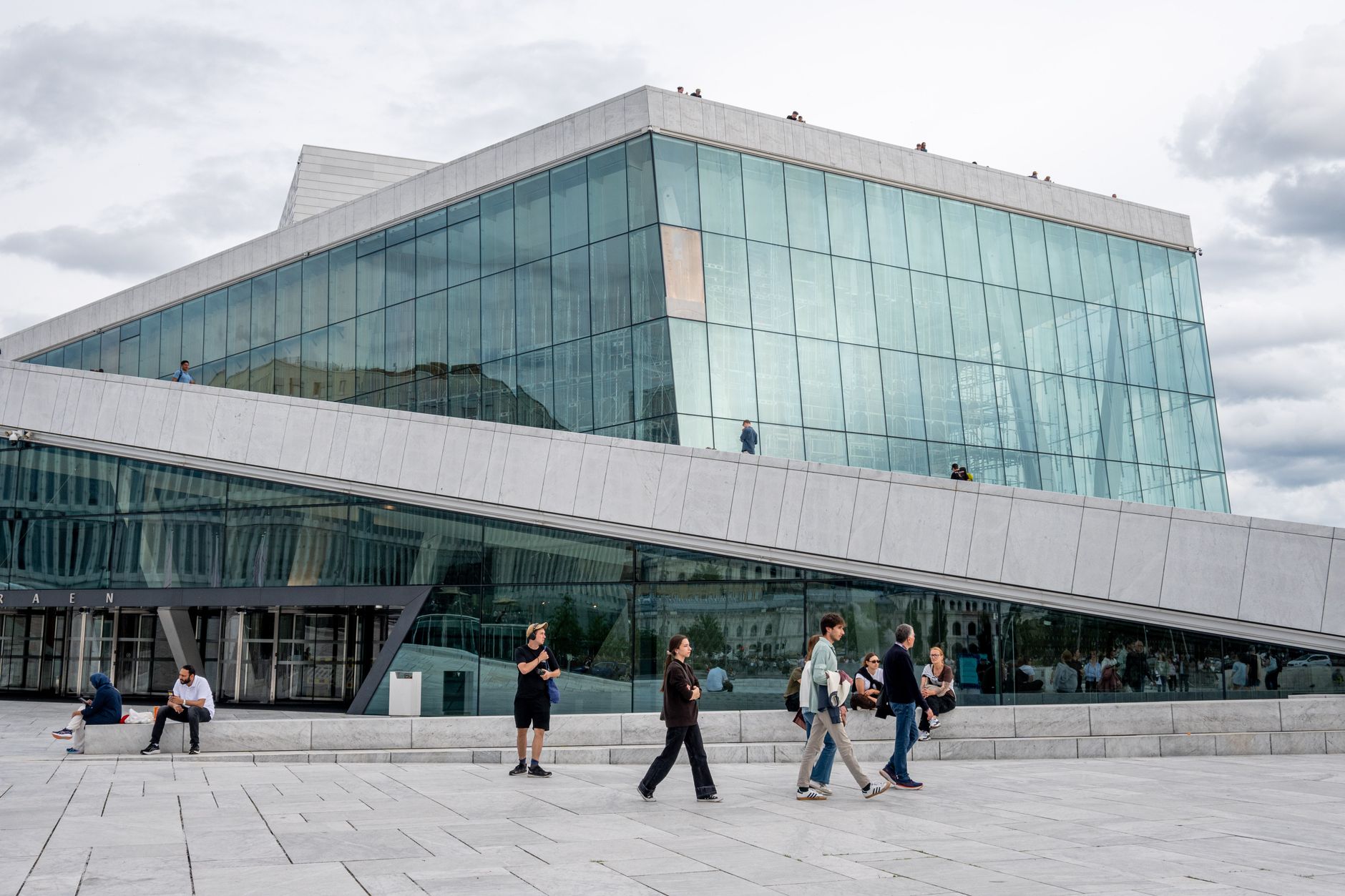
Morning: Start at the Oslo Opera House on the waterfront; walk up the sloped roof and along the quays to Aker Brygge for city-photos and morning light. The walk from the Opera House to Aker Brygge takes about 10–15 minutes.
Late morning: Walk or take tram 12 to Akershus Fortress; allow 45–60 minutes to tour the ramparts and the World War II memorial area. From Akershus, the pedestrian route to the Nobel Peace Center and then Karl Johans gate is 10–12 minutes.
Lunch: Eat at Døgnvill Burger in the Vika/Barcode area or try a seafood plate at Fjord Restaurant by Aker Brygge; expect main courses around NOK 200–350. After lunch, stroll Karl Johans gate to the Royal Palace; the palace park is a 10–15 minute walk from the central station.
Afternoon: Spend the afternoon at the National Museum (art and design). Allow 2–3 hours; timed-entry tickets recommended during peak season. The National Museum sits a 10–15 minute walk from the Royal Palace along Universitetsgata and Bankplassen.
Evening: Cross to Torggata or Grünerløkka by tram 11/12 for casual bars and small-plate restaurants. For a quieter evening, return to Aker Brygge for waterfront dining and post-dinner walks on the pier.
Day 2
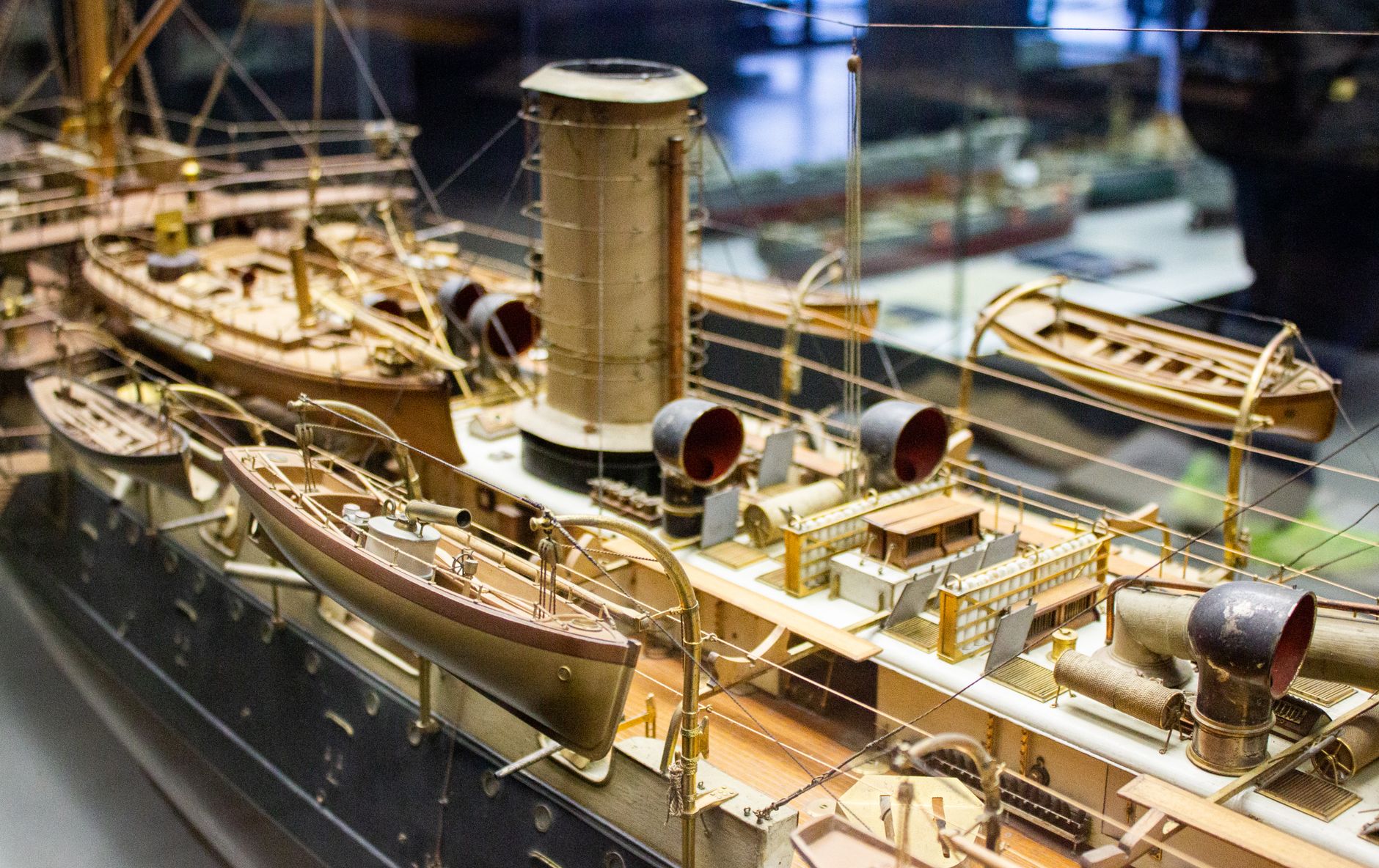
Morning: Catch the ferry from Aker Brygge to Bygdøy or take bus 30 from Nationaltheatret; Bygdøy museums like the Fram Museum and Kon-Tiki require half a day if both are of interest. The ferry is about 20 minutes each way; factor in 30–45 minutes per museum visit.
Early afternoon: Return to the city and head to the MUNCH Museum near Bjervika. Plan 1.5–2.5 hours for the permanent collection and any special exhibitions. The walk from Oslo Central (Oslo S) to MUNCH is about 10 minutes.
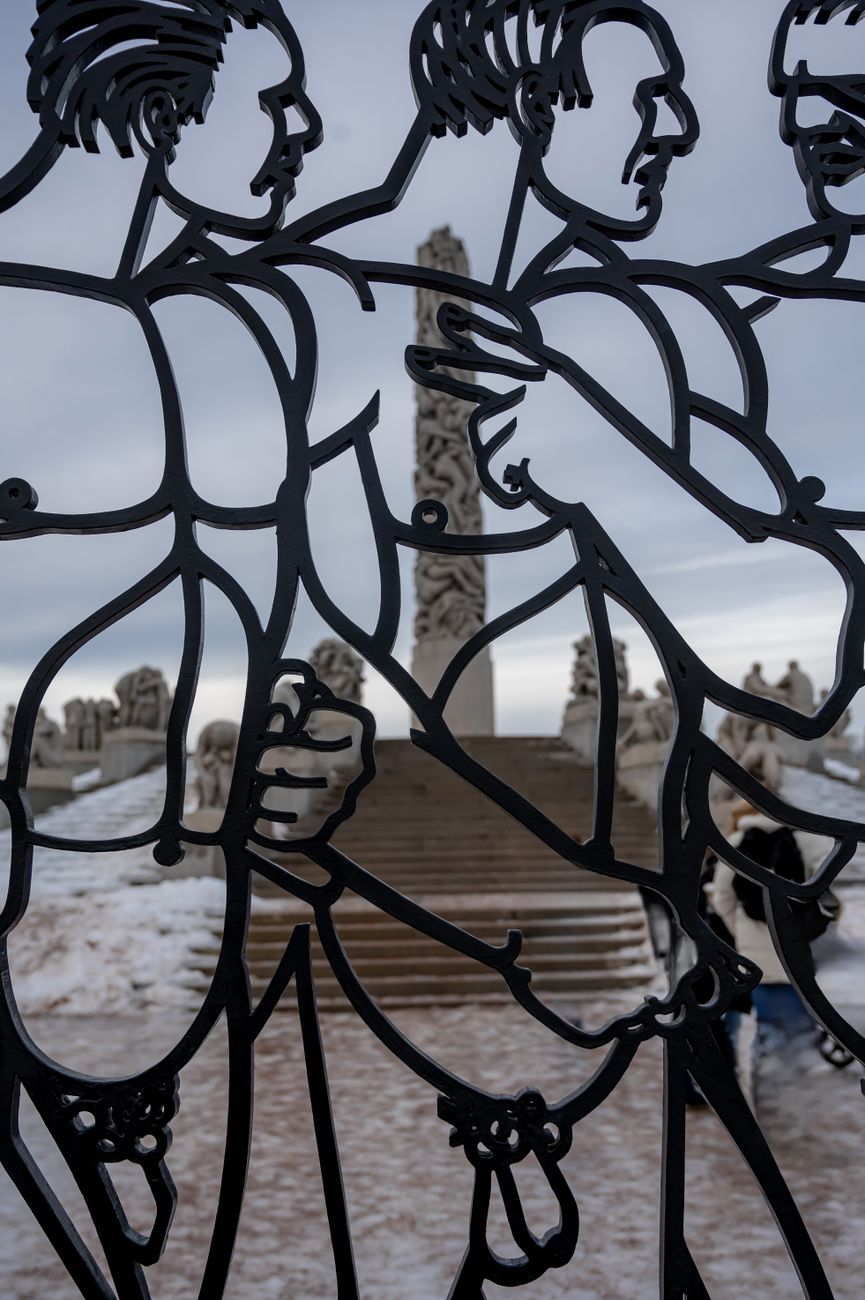
Late afternoon: Take tram 12 or the T-bane to Frogner to visit Vigeland Sculpture Park; reasonable exploration needs 1–2 hours. From MUNCH, the T-bane southbound to Majorstuen plus a 10-minute walk reaches Vigeland.
Dinner: Try a neighbourhood-focused restaurant like Smalhans (St. Hanshaugen/near Majorstuen) for seasonal Norwegian plates; prices range NOK 250–450 for mains. Evening option: If energy remains, stroll the Grünerløkka bars around Markveien for a different local scene.
Day 3
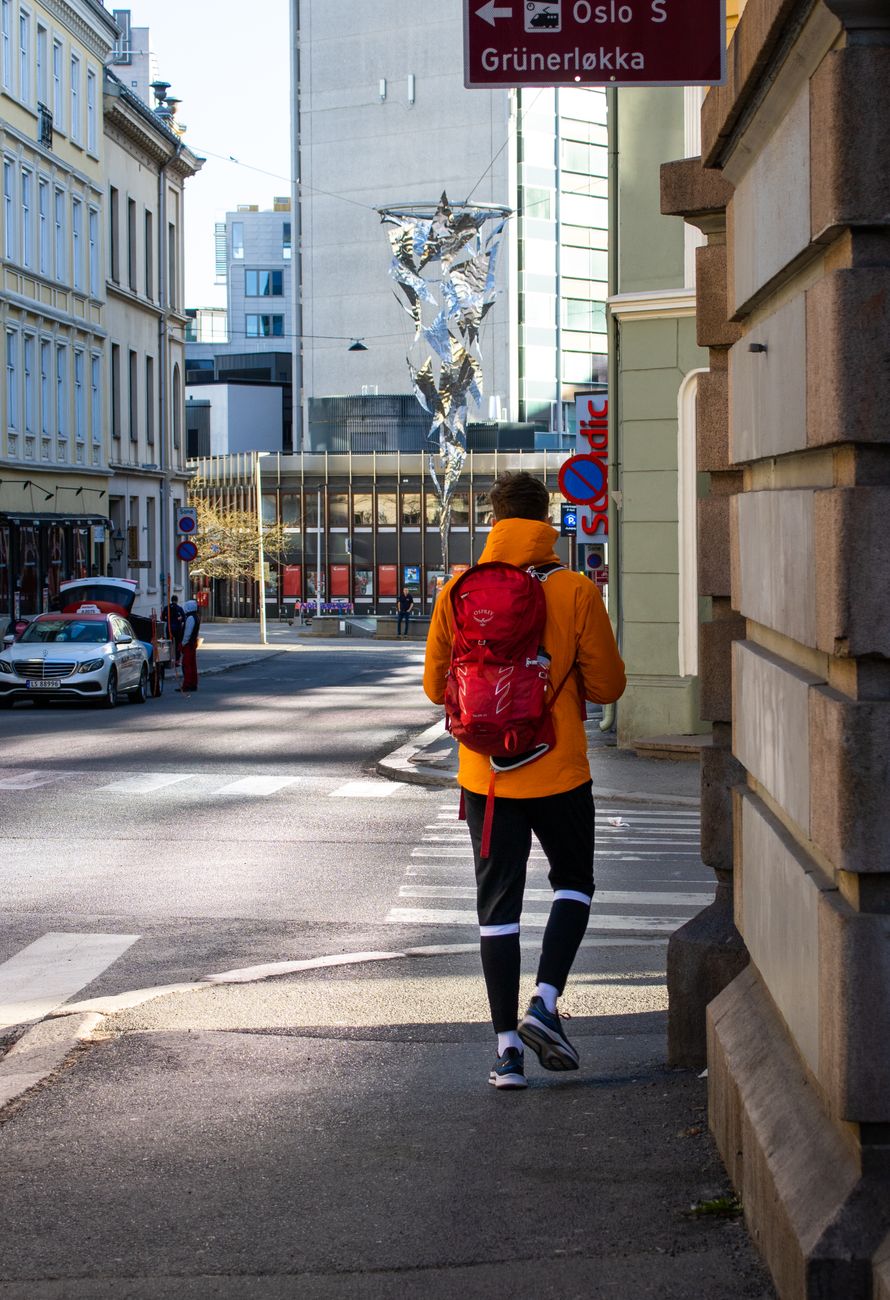
Morning: Start in Grünerløkka with coffee at Tim Wendelboe or Fuglen and a vaffel from a bakery. Tram stops Birkelunden or Olaf Ryes plass put most cafés within a 5-minute walk.
Late morning: Walk local streets to check secondhand shops on Thorvald Meyers gate and the small galleries near Sofienbergparken; plan 1.5–2 hours for browsing. From Grünerløkka, take tram 11/12 to the city centre in about 10 minutes.
Lunch: Visit Mathallen Oslo in Vulkan for a selection of Norwegian cheeses, smoked fish, and small plates; expect lunch plates NOK 120–220. After lunch, consider the Akerselva river walk north through Grønland and Nydalen if time allows — the full walk can take 1.5–2 hours but can be shortened.
Afternoon and departure: If catching an afternoon flight, return to the hotel to collect bags and take Flytoget from Oslo S (20 minutes to the airport). If the flight is late, spend a relaxed final hour at Aker Brygge or a quick visit to the Nobel Peace Center near the waterfront.
Evening option: Those not leaving can book a ticket to Holmenkollen Ski Jump and museum for sunset views; the T-bane line 1 goes from Jernbanetorget to Holmenkollen (about 25 minutes).
Best Local Experiences
Walk the fjordfront from Aker Brygge to Akershus Fortress for short, photo-friendly harbour scenery and seafood stalls. The Bygdøy peninsula museums (Fram, Kon-Tiki, Norsk Folkemuseum) give distinct maritime and cultural context in a compact area.
Spend a morning at Mathallen in Vulkan sampling cured salmon, brunost and local cheeses from specific stalls. Explore Vigeland Sculpture Park in Frogner for an hour of outdoor sculpture and local picnic life.
Spend a few hours in Grünerløkka — visit Blå for live music, Birkelunden for the Sunday market, and the secondhand shops on Markveien. Ride the Holmenkollen lift and visit the Ski Museum and jump tower for panoramic city and fjord views.
For seasonal experiences, take a short fjord cruise in summer from Aker Brygge or try a winter walk along the frozen shoreline near Hammersborg and Grønland for quieter city scenes.
Where to Stay
Sentrum / Kvadraturen: Suits first-time visitors who want walking access to Karl Johans gate, Aker Brygge and Oslo S. Expect mid-range hotels from NOK 1,200–2,000 per night (≈€110–185). Good for short transfers to airport and ferries.
Grünerløkka / Sofienberg: Suits café-and-bar-focused travellers who want local life, secondhand shops and tram access. Smaller boutique hotels and apartments range NOK 900–1,700 per night (≈€80–160). Stays here add time on tram rides to central museums.
Frogner / Majorstuen: Suits those prioritising Vigeland Park and quieter residential streets near upscale cafés. Price range is NOK 1,200–2,200 per night (≈€110–200). Close to T-bane lines to Holmenkollen and central museums.
Booking tip: Choose a place near a T-bane or tram stop to save transit time; streets can be hilly and walking long distances with luggage is unpleasant.
Food and Drink
Vaffel (Norwegian waffle): A thin, heart-shaped waffle often topped with sour cream and jam or brunost. Found at café stalls and bakeries; expect NOK 30–60. Good spots: Grünerløkka kiosks and Mathallen stalls.
Smoked and cured salmon: Served in open sandwiches (smørbrød) or as main plates with potatoes. Top displays at Fiskeriet and several stalls inside Mathallen; lunch plates around NOK 120–220.
Fårikål (seasonal autumn stew): Slow-cooked lamb and cabbage, commonly served in autumn at traditional restaurants such as Lofoten or historic taverns; expect a main for NOK 200–350.
Pølse (hot dog): Simple street food from kiosks; cheap and quick for travel days. Expect NOK 40–80 from kiosks near the central station and tram stops.
Akevitt (aquavit): A caraway-flavoured spirit often served with festive meals; available at many restaurants and some bars. A small glass in a restaurant costs around NOK 90–150.
Breakfast option: Smørbrød and coffee at traditional bakeries or a café like Fuglen; full breakfast around NOK 120–220. Dinner recommendation: Sample seasonal small plates at Smalhans or classic seafood at Lofoten Fiskerestaurant; mains range NOK 250–600.
Getting Around
Metro (T-bane): Five main lines reach suburbs and Holmenkollen; central transfer at Jernbanetorget and Majorstuen. Tram: Lines 11, 12 and 13 cover Grünerløkka, Majorstuen and the inner ring.
Ferries: Seasonal ferries from Aker Brygge to Bygdøy; other short ferry routes serve the inner fjord. Buses cover neighbourhoods not served by tram or T-bane, for example bus 30 to Bygdøy in winter.
Tickets: Buy on the Ruter app or ticket machines before boarding. A single zone 1 ticket is around NOK 44 (≈€4). Oslo Pass includes museum entry plus unlimited public transport for its duration, which can be cost-effective for multiple paid sights.
Taxi and airport: Flytoget (Airport Express Train) is about 20 minutes to Oslo S; a Flytoget single is around NOK 210–230. Taxi fares from the airport to the centre usually range NOK 900–1,200 depending on time and company. Useful apps: Ruter app for tickets and route planning, Entur for broader Norway connections, Flytoget app for airport trains.
Best Time to Visit
Summer (June–August): Warmest months, temperatures 16–22°C, long daylight and many ferry services to Bygdøy. Expect highest prices and busiest museums and waterfront cafés.
Shoulder seasons (May, September–October): Temperatures 8–15°C, fewer tourists and lower prices; early autumn is good for food festivals and quieter museum visits. Some ferry services reduce frequency outside July–August.
Winter (November–March): Cold with frequent frost and temperatures −5 to 3°C; museums are quieter and hotel rates can be lower. Snow can lend dramatic views to Holmenkollen but short daylight hours limit outdoor activities.
Best value: Late May and September combine reasonable weather, fewer crowds and lower rates than July. Avoid mid-July for inflated prices unless preferring guaranteed ferry schedules and outdoor concerts.
Budget and Practical Tips
Daily budget (mid-range traveller): Accommodation NOK 1,200–1,800 (≈€110–165), food NOK 400–700 (≈€35–65), local transport NOK 100–200 (≈€9–18), entry fees NOK 150–300 (≈€14–28). Expect a three-day total of roughly NOK 4,500–7,000 depending on choices.
Cheaper options: Use grocery shops (Rema 1000, Kiwi) for snacks and sandwiches to lower food costs. Many cafés accept contactless cards; keep a small amount of cash for market stalls and older taxis.
Tipping: Service is not compulsory; rounding up or adding 5–10% for table service is appreciated but not expected. Many restaurants include a service charge; check the bill before adding cash.
Practical: Book museum timed entry in high season and check ferry schedules for Bygdøy. Carry a small umbrella and a lightweight waterproof layer; weather near the fjord changes quickly.
FAQ
Is Oslo safe for solo travellers?
Oslo is generally safe with low violent crime; usual precautions apply at night in nightlife areas and keep an eye on belongings on public transport.
Is the Oslo Pass worth buying for three days?
The Oslo Pass is worth it if planning at least three paid museum entries plus public transport; compare individual museum admission prices and transport needs before buying.
How do I get from the airport to the city centre cheaply?
The cheapest option is local NSB or regional train/bus services rather than Flytoget; they take longer but can cost substantially less — check Entur for combined options.
Can most places be paid with card or contactless?
Yes, cards and contactless payments are widely accepted; carry small NOK for occasional market stalls.
Are museums open on Mondays?
Many museums have one weekday closure or reduced hours; National Museum and MUNCH may have variable schedules — check each museum's site for current opening days.
Is public transport easy to navigate for non-Norwegian speakers?
Yes, signage and announcements are in English for major routes and apps like Ruter provide English interfaces and clear route planning.
Are there good options for vegetarians?
Many restaurants and food halls offer vegetarian plates and clear menu markers; Mathallen and Grünerløkka cafés have reliable options.
Is it easy to do a day trip to Bergen or Stockholm from here?
Bergen requires a long train or flight; an overnight is preferable. Stockholm is best reached by an overnight or a longer day of travel by train or plane.
Conclusion
Three days allow a compact, realistic view of the city's museums, waterfront and neighbourhood life without constant rushing. The clearest memories will be the contrast between the fjordfront walks and the neighbourhood cafés of Grünerløkka or Frogner.
If time runs short, prioritise one major museum (MUNCH or National Museum), a walk on the fjordfront from the Opera House to Akershus, and a relaxed meal at Mathallen or a local seafood spot — that combination delivers art, waterfront scenery and a food sample representative of the city.
How this guide was prepared
This guide was prepared through a structured research that combines destination research, geographic context, itinerary planning logic, and content review.