
Stockholm in 3 Days: Practical Itinerary and Honest Tips
Three days in Stockholm: a compact, practical plan with transit tips, real cost estimates, neighbourhood routes, top museums and markets, and skip-worthy items.
A clear, realistic 72-hour plan for seeing central historic quarters, Södermalm culture, and Djurgården museums with transit, prices, and reliable timing.
First impressions are islands, bridges and a lot of water in sight around narrow streets and square blocks. Cobblestones in Gamla Stan, glass-faced modern offices near T-Centralen and wooden villas on Djurgården give a mix of old and municipal practicality.
Expect efficient transit, brisk service in restaurants, and higher prices than many European capitals of comparable size. Crowds concentrate on Djurgården and the immediate old town in summer; weekdays are less crowded for museums.
This place suits travellers who want walkable neighbourhoods, curated museums and organised ferries rather than long countryside drives. Accommodation is spread across distinct neighbourhoods, so pick one close to either T-Centralen/Norrmalm, Södermalm or Östermalm depending on priorities.
Is 3 days in Stockholm enough?
Three days are enough to cover Gamla Stan, a full day in Södermalm, and a museum-heavy day on Djurgården with realistic transit time. One honest caveat: with only 72 hours, skipping some paid museums or the outer archipelago is necessary.
Who This Guide Is For
Best for museum-and-walk travellers who accept mid-range prices and steady walking; poor fit for those expecting beach-style sunbathing, slow countryside driving, or tight-budget backpackers unwilling to use public transit fares.
Local Tips for Stockholm
Practical details that most travel sites skip — specific to Stockholm.
- Buy an SL Access card or use the SL app and tap for travel; a single SL journey costs about 39 SEK (75 minutes) and a 24-hour SL pass is around 165 SEK — buy before boarding.
- Östermalms Saluhall opens daily but many fish stalls close by 18:00; go mid-morning for the full selection and try the herring at Lisa Elmqvist (prices around 100–200 SEK per tasting plate).
- Djurgården ferries run from Slussen (boat via Djurgårdsfärjan) and from Nybroplan; the green wooden ferry to Allmänna gränd is covered by the SL ticket and is faster than walking from Nybroplan.
- Tunnelbana station art is easiest to see on the red line (Ropsten–Norsborg/T13–T14) and blue line (Akalla–Hjulsta/T11–T12); T-Centralen and Solna Centrum have notable murals and mosaics.
- If taking an archipelago day trip, book Waxholmsbolaget boats from Strömkajen or Strandvägen in advance for summer weekends; some boats require seat reservations during July.
How This Guide Was Prepared
This guide treats Stockholm as a working northern capital rather than a postcard. Most guides over-gloss the travel time between islands and understate museum queues and transit fares. The aim is to give timed walks, transit options by line, and honest notes on what to skip if time is tight. This guide was prepared through a structured research that combines destination research, geographic context, itinerary planning logic, and content review.
Plan Your Stay in Stockholm
Use these planning pages to compare areas to stay, expected costs, seasonal timing, and local transport before booking.
Why Visit
There is a compact cluster of museums on Djurgården that are individually deep: Vasa, Skansen and ABBA offer very different reasons to visit and are reachable by a short ferry or tram ride. The historic centre around Stortorget and the Royal Palace gives a concentrated old-town experience with short walking distances between sites.
Södermalm provides a clear contrast: small independent shops in SoFo, craft breweries and viewpoints like Monteliusvägen overlooking Riddarfjärden. The public transport network (Tunnelbana, trams and ferries) makes island-hopping practical within a tight schedule.
Food scenes range from a century-old market hall at Östermalm to modern Nordic bistros on Hornstull and Östgötagatan, so food-focused travellers can sample traditional dishes and contemporary cooking in a short stay.

Quick Planning Tips
Fly into Arlanda? The Arlanda Express is fastest (about 20 minutes to Central station) but costs more than commuter trains. Take Pendeltåg (commuter train) for a cheaper 38–45 minute journey to Stockholm Central with SL fares if a card is used.
Bring a charged bank card and use the SL app or SL Access card to avoid queuing for paper tickets. Expect restaurant check totals to be card-based — cash is rarely needed.
Avoid scheduling multiple big museums on the same morning; Vasa and Skansen each need at least two hours when queues are present. Book online tickets for Vasa Museum and ABBA The Museum in summer weekends.

Day 1
Morning: Start in Gamla Stan at Stortorget, then visit the Royal Palace and the Cathedral (Storkyrkan). Walking between Stortorget and the Royal Palace is 2–5 minutes; reserve 90–120 minutes to see the palace rooms and the treasury if visiting. The Nobel Museum is nearby and takes 30–45 minutes.
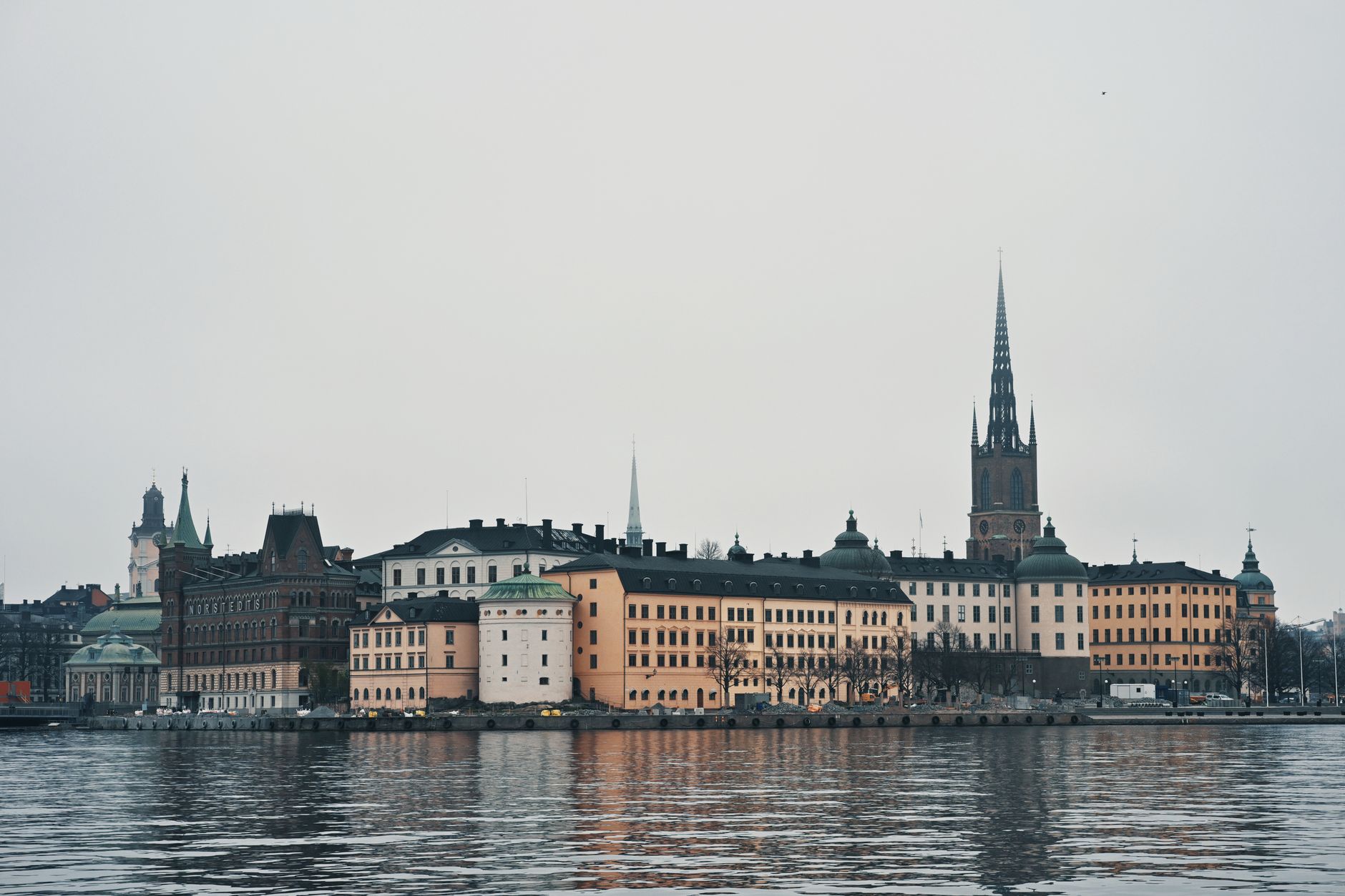
Midday: Walk to Riddarholmen for a short waterfront photo stop (5 minutes from the palace), then head toward Stadshuset (City Hall). Walking from Gamla Stan to Stadshuset via Vasagatan and Riddarholmen is 15–20 minutes; guided tours of Stadshuset (including the Blue Hall) are around 120–150 SEK and run hourly in the high season.
Lunch: Eat at Östermalms Saluhall — take a 10–12 minute tram or walk (about 20 minutes) from Stadshuset across Norrmalm. Try a shrimp sandwich or smoked salmon plate at Lisa Elmqvist; expect 120–240 SEK per main dish.
Afternoon: Return toward Norrmalm to visit the Nationalmuseum (quick tram from Kungsträdgården) or stroll Drottninggatan for shops. Allow 60–90 minutes at Nationalmuseum.
Evening: Finish with a rooftop or courtyard drink at Tak (Brunkebergstorg) or a relaxed dinner in Gamla Stan at Fem Små Hus for traditional Swedish plates; reserve in advance. Post-dinner, an evening walk along Strandvägen toward Nybroplan is about 20–25 minutes and shows the city lights on the water.

Day 2
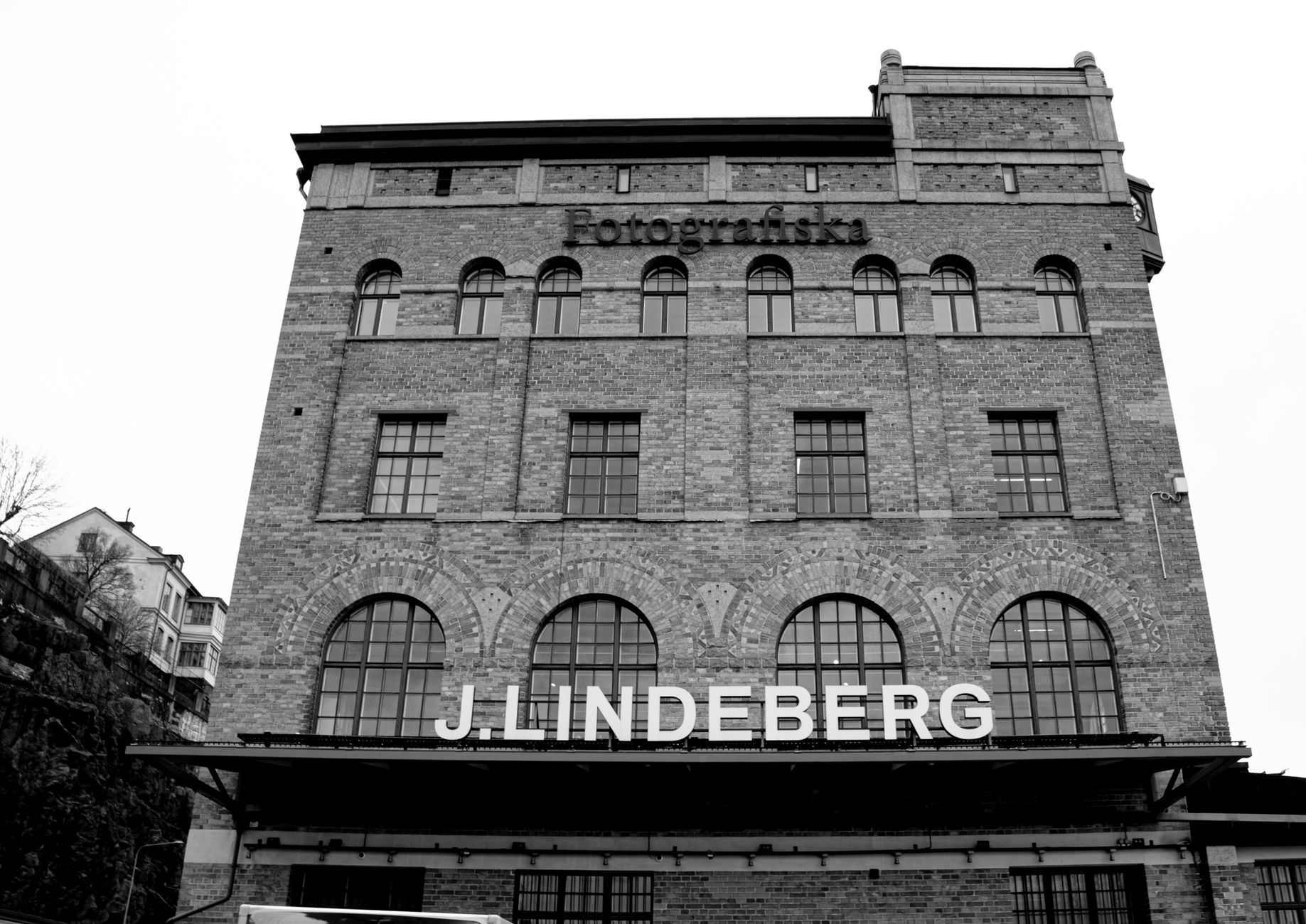
Morning: Head to Södermalm via Slussen station (Tunnelbana red/green lines to Slussen). Begin with Fotografiska (10–15 minute walk from Slussen or short bus ride), which needs 60–90 minutes for exhibitions and café time; entry around 165 SEK. From Fotografiska, walk to Monteliusvägen for panoramic views over Riddarfjärden (10–12 minutes uphill).
Midday: Explore SoFo (south of Folkungagatan) for independent shops and coffee. Stop at Nytorget for a market-style lunch or at Urban Deli for a reliable mid-range meal; walking between Monteliusvägen and Nytorget is 12–18 minutes downhill.
Afternoon: Visit Mariatorget and continue toward Hornstull to check weekend flea markets (Hornstull Marknad on Södermalm, seasonal). Tram 7 or a short bus ride connects Södermalm wards; from Hornstull a stroll along the water toward Tantolunden takes 20 minutes.
Dinner: Book a table at Kvarnen or Pelikan for classic Swedish dishes or try modern small plates at Nytorget 6. Evening recommendation is a bar on Götgatan or wine bars around Nytorget; nightlife here is concentrated and usually within a 10–15 minute walk of central Södermalm.
Day 3
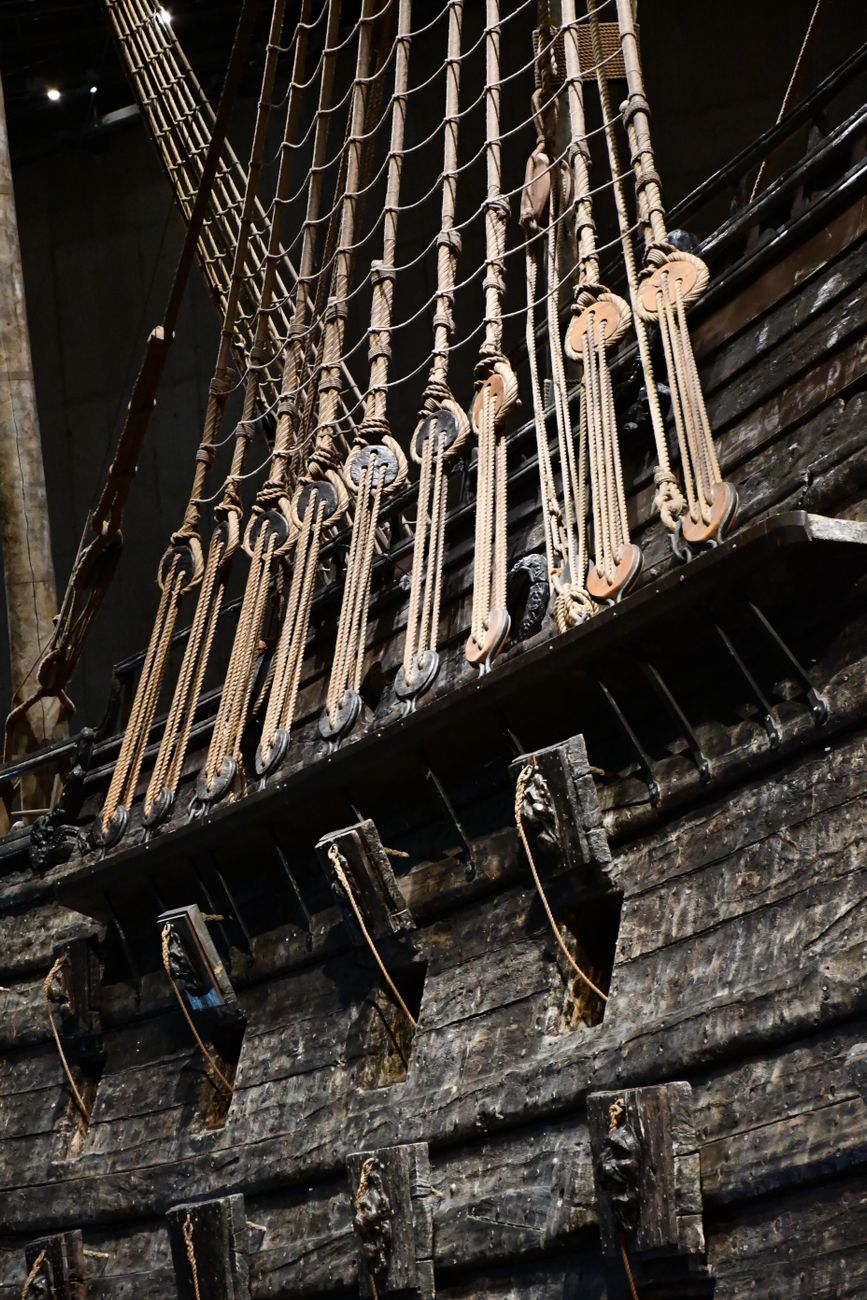
Morning: Use tram 7 from Nybroplan or the Djurgården ferry from Slussen to reach Djurgården. Start at the Vasa Museum and plan at least 90 minutes; entry is about 170–200 SEK for adults. From Vasa, walk or take a short bus to Skansen open-air museum for regional houses, Nordic animals, and a look at Swedish rural life; reserve 2–3 hours for Skansen if visiting the zoo and open-air sections.
Midday: Lunch options on Djurgården include Rosendals Trädgård or museum cafés. Rosendals' garden bakery has seasonal plates and pastries (expect 120–220 SEK for lunch). Walks between Djurgården attractions are short but add up; plan transit time back to Central if leaving mid-afternoon.
Afternoon: If time allows, visit ABBA The Museum or Moderna Museet on Skeppsholmen (small ferry or 15–20 minute walk). ABBA The Museum typically takes 60–90 minutes and charges around 250 SEK.
Practical note for departures: central luggage storage is available at Stockholm Central and at larger hotels for a fee. Arlanda Express takes ~20 minutes from Central but costs more (book early for discounts); commuter train takes ~38–45 minutes and is cheaper with SL ticket. If catching an afternoon flight, leave Central station at least 90–120 minutes before recommended airport check-in times.
Best Local Experiences
Östermalms Saluhall — sample gravlax, pickled herring and artisan cheeses; best mid-morning to early afternoon for maximum stall selection. Take the Djurgården ferry from Slussen — it feels quicker than walking and gives clear views of the waterfront. Waxholmsbolaget archipelago boats from Strömkajen or Strandvägen — a half-day trip to Vaxholm or Fjäderholmarna shows the outer islands without a long expedition.
Hornstull flea market (Södermalm) — a weekend scene for vintage clothes and small crafts. Tunnelbana art route on the red and blue lines — T-Centralen, Solna Centrum and Stadion are accessible on a single day if focused. Attend a fika ritual at Vete-Katten or Fabrique for a kanelbulle and strong coffee in a sit-down environment rather than a single takeaway.

Where to Stay
Norrmalm / City Centre (around T-Centralen): Suits first-time visitors who want quick access to major trains, Arlanda Express and many museums. Expect 1,200–2,500 SEK per night for mid-range hotels (≈100–215 EUR / 110–230 USD). The area is busy but very central.
Gamla Stan / Riddarholmen: Suits those prioritising historic ambiance and short walks to the Royal Palace; hotels are smaller and often pricier for the square footage. Expect 1,500–2,800 SEK per night (≈125–240 EUR / 135–260 USD). Nights can be quieter but rooms are compact.
Södermalm (SoFo, Mariatorget): Suits food-and-culture travellers who prefer cafés, independent shops and nightlife. Expect 900–1,800 SEK per night for comfortable options (≈75–155 EUR / 80–170 USD). Travel time to Central is 5–10 minutes by Tunnelbana.
Food and Drink
Kanelbulle (cinnamon bun) — a bakery staple for breakfast or fika; buy at Vete-Katten or Fabrique for 30–45 SEK. Toast Skagen — cold prawn salad on toast served at Östermalms Saluhall stalls; expect 120–220 SEK at sit-down counters.
Köttbullar (Swedish meatballs) — served with lingonberries and creamy gravy; solid versions at Pelikan or Kvarnen for 160–260 SEK. Gravlax (cured salmon) — find refined plates at Lisa Elmqvist in Östermalms Saluhall, tasting portions roughly 100–200 SEK.
Street food: korv med bröd (hot dog) or tunnbrödsrulle from market stalls and stands in central squares for 40–80 SEK. Fika coffee — filter or espresso coffee costs 30–50 SEK at cafés; pairing with a pastry makes a practical snack stop. For a dinner splurge, book a modern Nordic restaurant in Östermalm or Södermalm with mains 250–450 SEK.
Getting Around
Tunnelbana (T-bana) is the main metro with three colour groups: red (T13/T14), green (T17/T18/T19) and blue (T10/T11/T12). Trams: line 7 runs to Djurgården from Nybroplan and Norrmalm. Pendeltåg (commuter trains) connect Arlanda via transfer or to suburban destinations; Arlanda Express is faster but pricier.
Single SL ticket costs about 39 SEK (valid 75 minutes within zones); a 24-hour SL pass is around 165 SEK. Use the SL app or get an SL Access card at SL Center or major stations. Taxi Stockholm, Bolt and local taxis operate with app bookings; expect a fixed fare roughly 550–800 SEK from Arlanda to central areas depending on traffic.
For boat trips to the archipelago, use Waxholmsbolaget from Strömkajen or Strandvägen; some routes are outside SL fares and require separate tickets. Google Maps and the SL app work reliably for planning; Reseplaneraren on the SL website shows live departures.
Best Time to Visit
Summer (June–August) offers long daylight, temperatures around 18–25°C and full museum hours, but expect the highest crowds and peak prices. Early June has festivals and open terraces; July is busiest for the archipelago.
Late spring (April–May) and early autumn (September) balance milder weather (5–15°C) with fewer tourists and better value on hotels. Many outdoor cafés open in April when temperatures reach about 8–12°C.
Winter (December–February) brings short daylight, possible snow and temperatures commonly between -5 and 2°C. December has Christmas markets but museum hours may be reduced and some ferries run less frequently.
Budget and Practical Tips
Daily mid-range budget example: Accommodation 1,200 SEK (≈105 EUR / 115 USD), food 600 SEK (≈55 EUR / 60 USD), transport 165 SEK (24h SL pass ≈15 EUR), museum entries 250 SEK (≈22 EUR). Total ≈2,215 SEK per day (≈197 EUR / 212 USD). Budget travelers can lower accommodation to 600–900 SEK and reduce meals by buying market food.
Museum entry examples: Vasa Museum ~170–200 SEK, Skansen ~195 SEK, Fotografiska ~165 SEK; check websites for discounts and combined tickets. Tipping: service charges are not automatic; small rounding up or 5–10% for table service is common but not mandatory. Carry an international card and enable contactless payments.
FAQ
Is Stockholm safe for solo travellers?
Yes; most central areas are safe during the day. Take usual precautions at night around Centralstationen and keep an eye on belongings in crowded tourist spots.
How do I get from Arlanda Airport to the city center?
Arlanda Express is fastest (~20 minutes to Centralstation) but more expensive; Pendeltåg commuter trains (via Märsta or Uppsala connections) or Flygbussarna coaches are cheaper and take ~35–45 minutes.
Is a Stockholm Pass or city card worth buying for 3 days?
Only if planning many paid attractions like Stadshuset tour, Vasa, ABBA Museum and several paid boat trips. Compare stand-alone ticket costs; some visitors save money with point-to-point tickets and an SL 24/72h pass.
Are cards accepted everywhere?
Largely yes; contactless cards and Apple/Google Pay are widely used. Carry a small amount of cash for flea markets or very small kiosks.
Is English widely spoken?
Very widely; staff in shops, museums and transit speak English and signage includes English in most attractions.
Can the Tunnelbana art be seen in one day?
Yes, concentrate on T-Centralen, Solna Centrum and Stadion on the red and blue lines and allow a few hours for walking between stations and short visits.
Is Stockholm good for a day trip to the islands?
Yes, Waxholmsbolaget routes to Vaxholm or Fjäderholmarna take 30–60 minutes and show the archipelago without needing multiple days. Book in summer weekends.
Conclusion
Three days allow a clear cross-section: the old town and central museums, Södermalm's cafés and views, and one focused day on Djurgården. Expect to trade depth in one area for breadth across neighbourhoods.
If time runs short, prioritise a walk through Gamla Stan plus one major museum on Djurgården (Vasa or Skansen) and a fika stop; those give the strongest single-day impression of local life, food and historical context.
How this guide was prepared
This guide was prepared through a structured research that combines destination research, geographic context, itinerary planning logic, and content review.