
72 Hours in Copenhagen: A Practical 3-Day City Itinerary
A no-nonsense 3-day Copenhagen guide with neighbourhood routes, transit tips, realistic budgets, and clear priorities so 72 hours are used efficiently.
A brutally practical 3-day plan for Copenhagen that prioritises accessible routes, local food, and realistic timing rather than idealised highlights.
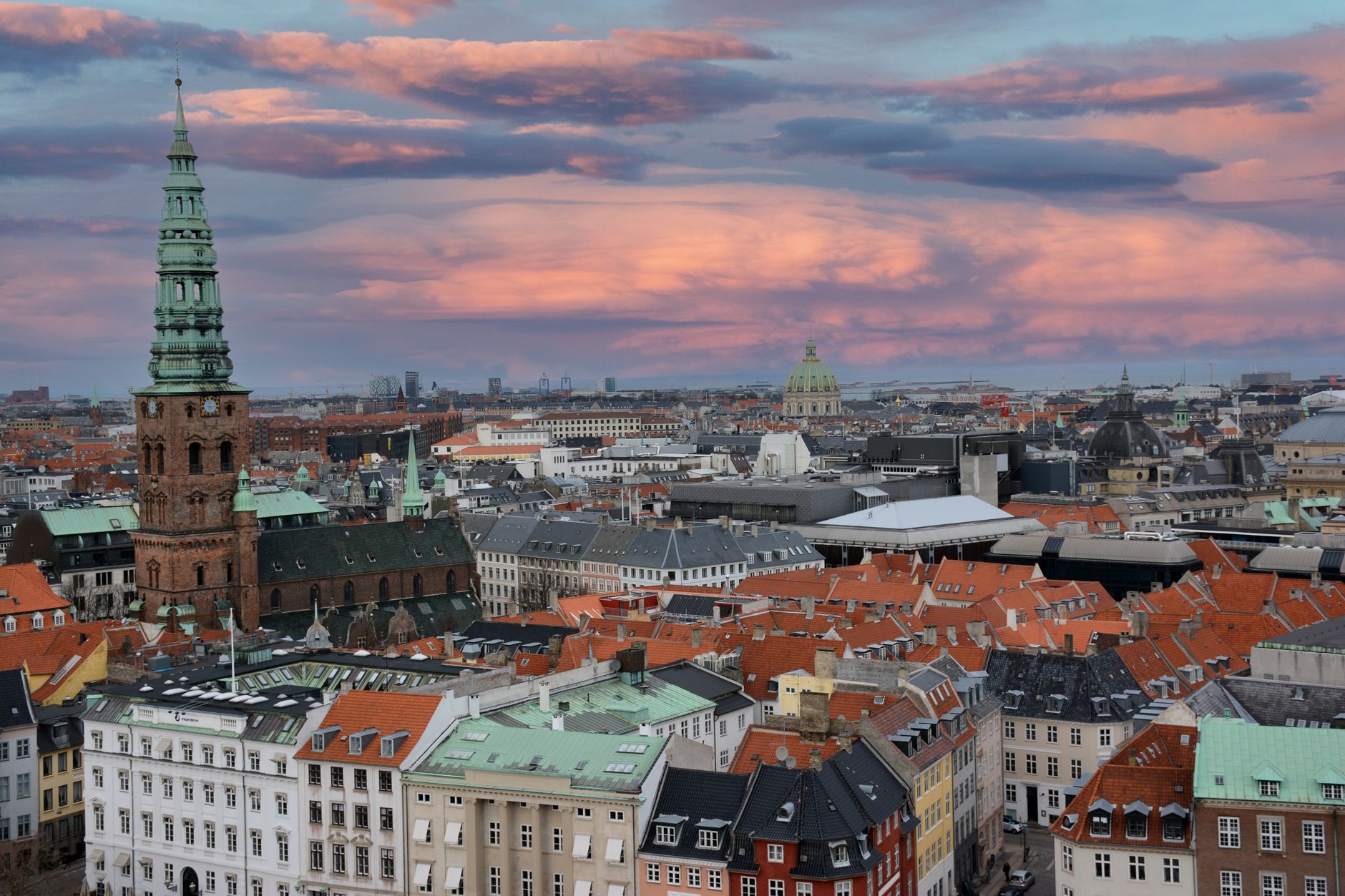
First impressions are a mix of orderly bike lanes, compact medieval streets and a strong design culture visible in shopfronts, public furniture and cafés. The pace can feel alternately relaxed and brisk: locals cycle quickly and crosswalks clear fast, but restaurants and museums can move at a slower, measured speed.
Expect a clean urban centre with short distances between major sites; walking between Nyhavn, Strøget and Kongens Nytorv typically takes 10–20 minutes. Many guides overpack day lists without accounting for winter daylight, museum closures and lunchtime waits, which makes a tight three-day schedule feel rushed unless priorities are chosen.
This plan suits people who like to mix architecture, food and short museums with at least one time on two wheels or a canal. It does not suit travellers who want to do long day trips or overnight island hopping during the same 72 hours.
Is 3 days in Copenhagen enough?
Yes — 72 hours is enough to see the core neighbourhoods, a major palace or two, one or two museums, and a canal or bike ride. Expect to skip a longer day trip to Helsingør or a full museum marathon; pick priorities (design, food or parks) and accept one omission.
Who This Guide Is For
Best for travellers who want a tight, walkable plan with local transit and cycling; less suitable for travellers who expect to cram in long day trips or slow multi-museum days. Budget travellers can manage with hostels and street food; fine-dining seekers will need reservations.
Local Tips for Copenhagen
Practical details that most travel sites skip — specific to Copenhagen.
- Buy a Copenhagen Card for 24–120 hours if planning multiple paid museums; a 24‑hour card typically costs around DKK 489 and covers unlimited public transport in the chosen zones and entry to places like the National Museum and Ny Carlsberg Glyptotek.
- From Copenhagen Airport take Metro M2 to Nørreport or Kongens Nytorv in about 15–20 minutes; trains run every 4–6 minutes during daytime and tickets must be bought before boarding via DOT Tickets or the ticket machines.
- Rejsekort is the rechargeable national travel card used across trains and buses in Denmark; for a short visit single-zone tickets or a City Pass will usually be simpler and sometimes cheaper than buying and topping a Rejsekort.
- Rent a bike via Donkey Republic, Bycyklen or Lime for short trips — expect roughly DKK 80–150 for a half-day hire; stick to marked cycle lanes and watch out when turning at Nørreport and around Kongens Nytorv.
- Check museum opening days before planning: Ny Carlsberg Glyptotek and several smaller museums close on Mondays, so schedule museums for Tue–Sun to avoid disappointment.
How This Guide Was Prepared
Focuses on how most guides squeeze in every museum without accounting for slow lines, bike traffic and museum closed days. This guide treats Copenhagen as a compact, often bicycle-first urban place where pace, weather and opening hours shape what is realistic in 72 hours. This guide was prepared through a structured research that combines destination research, geographic context, itinerary planning logic, and content review.
Plan Your Stay in Copenhagen
Use this itinerary as your starting point, then compare areas to stay, transport options, seasonal timing, and realistic daily costs before booking.
Why Visit
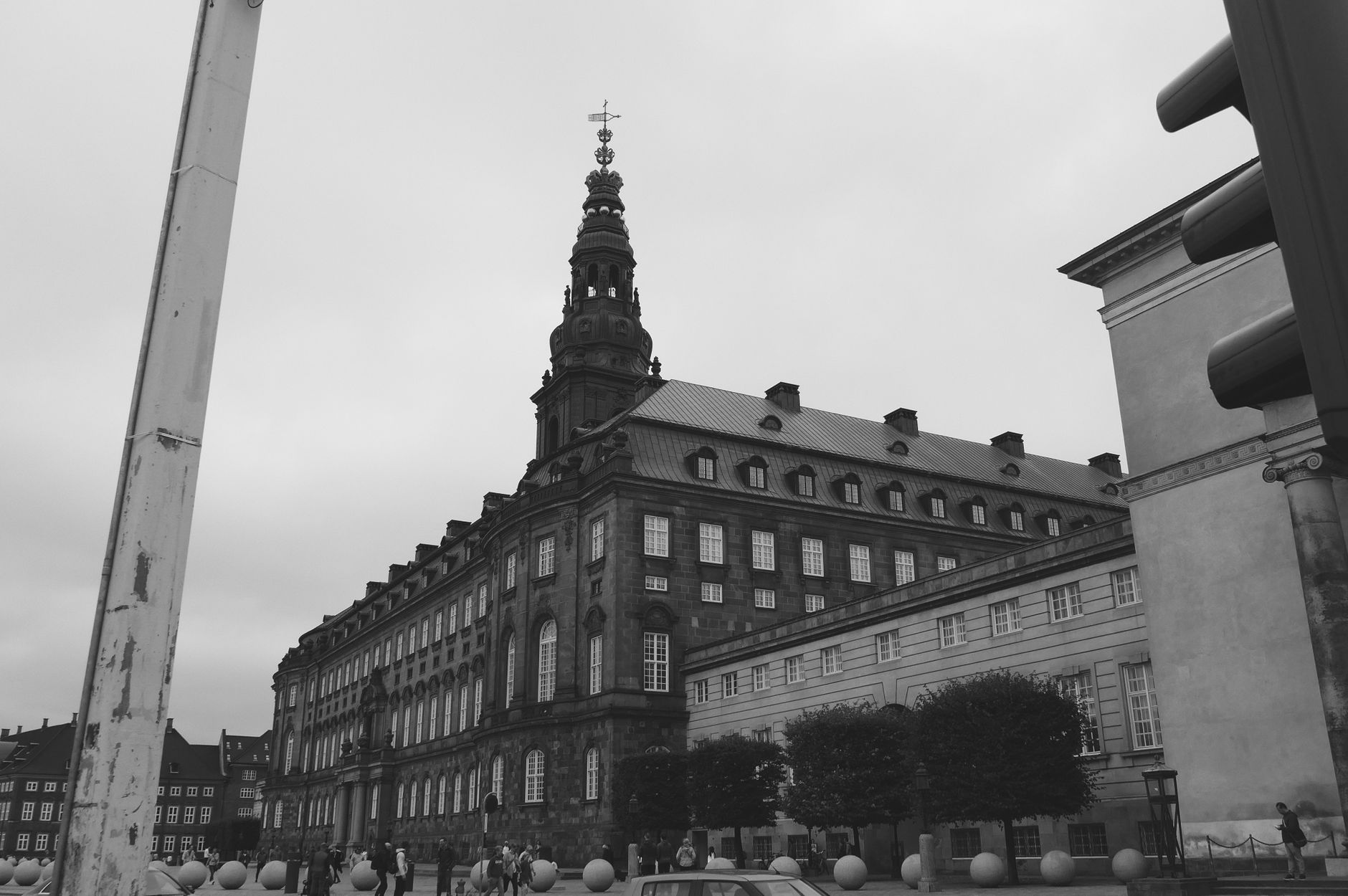
Access to several types of experiences in a small footprint: imperial palaces (Christiansborg), royal gardens and compact museums (Nationalmuseet, Glyptotek) are within short transit hops of each other. Food culture is serious here — from refined smørrebrød at Restaurant Schønnemann to street food at Reffen on Refshaleøen.
The city favours cycling and public transport, so aggressive traffic isn’t the norm and it's easy to fit more into one day than in many other European capitals. Design and contemporary architecture are visible in private shops and public spaces, useful for anyone curious about Nordic design practice.
Quick Planning Tips
Best way from the airport is Metro M2 direct to Nørreport or Kongens Nytorv in about 15–20 minutes; buy tickets before boarding via the DOT Tickets app, Rejseplanen or station machines. Copenhagen uses Danish kroner (DKK); contactless cards are accepted almost everywhere and cash is uncommon in many cafés and market stalls.
Avoid the mistake of scheduling multiple museums on a Monday — several major museums are closed that day, including Ny Carlsberg Glyptotek. If carrying luggage on the last day, use coin lockers or DSB luggage services at Copenhagen Central Station so the final museum or canal trip can be completed without heavy bags.

Day 1
Start at Nørreport station and walk 5–10 minutes to Torvehallerne for breakfast stalls and coffee — try a pastry at Meyers Bageri (wienerbrød DKK 25–40). From Torvehallerne walk south 10 minutes to Rosenborg Castle and the King’s Garden; allow 60–90 minutes to tour the rooms and the crown jewels. Walking from Rosenborg to Strøget takes about 8–12 minutes; follow the pedestrian street to Town Hall Square and then on to Nyhavn (20 minutes total strolling time).
Lunch at Schønnemann or one of the smørrebrød stalls in Torvehallerne gives a practical taste of traditional cuisine (smørrebrød DKK 70–140). After lunch walk 10 minutes to Christiansborg Palace (allow 60–90 minutes for the royal reception rooms and the tower) or hop on a 5–10 minute bus from Højbro Plads.
Late afternoon can be a canal tour departing from Nyhavn or Gammel Strand (45–60 minutes). Dinner suggestion: Kødbyens Fiskebar in Vesterbro for seafood (allow DKK 200–350 per person). End the evening with a visit to Tivoli Gardens for gardens and rides; Tivoli is about a 5–10 minute walk from Vester Voldgade and stays open late in summer.

Day 2
Spend the day in neighbourhoods with a different character: start in Nørrebro at Superkilen park and then walk to Jægersborggade for cafés and small shops (10–15 minutes). Visit Assistens Kirkegård near Nørrebrogade to see local life and grave monuments; a relaxed stroll here is common and often occupied by locals.
From Nørrebro take the S-train or bus about 15–20 minutes to Refshaleøen for Reffen street food and the industrial harbour vibe; spend 1–2 hours sampling stalls and the waterfront. Return toward Christianshavn; explore Freetown Christiania (entry on foot via Prinsessegade) and keep to the main walkways. Finish the day by climbing the Church of Our Saviour’s spiral tower for sunset — the tower climb takes 15–20 minutes and offers a city panorama.
Transport notes: Nørreport to Refshaleøen is easiest by bus 9A or by water taxi from Nyhavn which takes 10–15 minutes. Dinner options in Vesterbro or Christianshavn range widely from casual DKK 120–250 to higher-end spots needing reservations.

Day 3
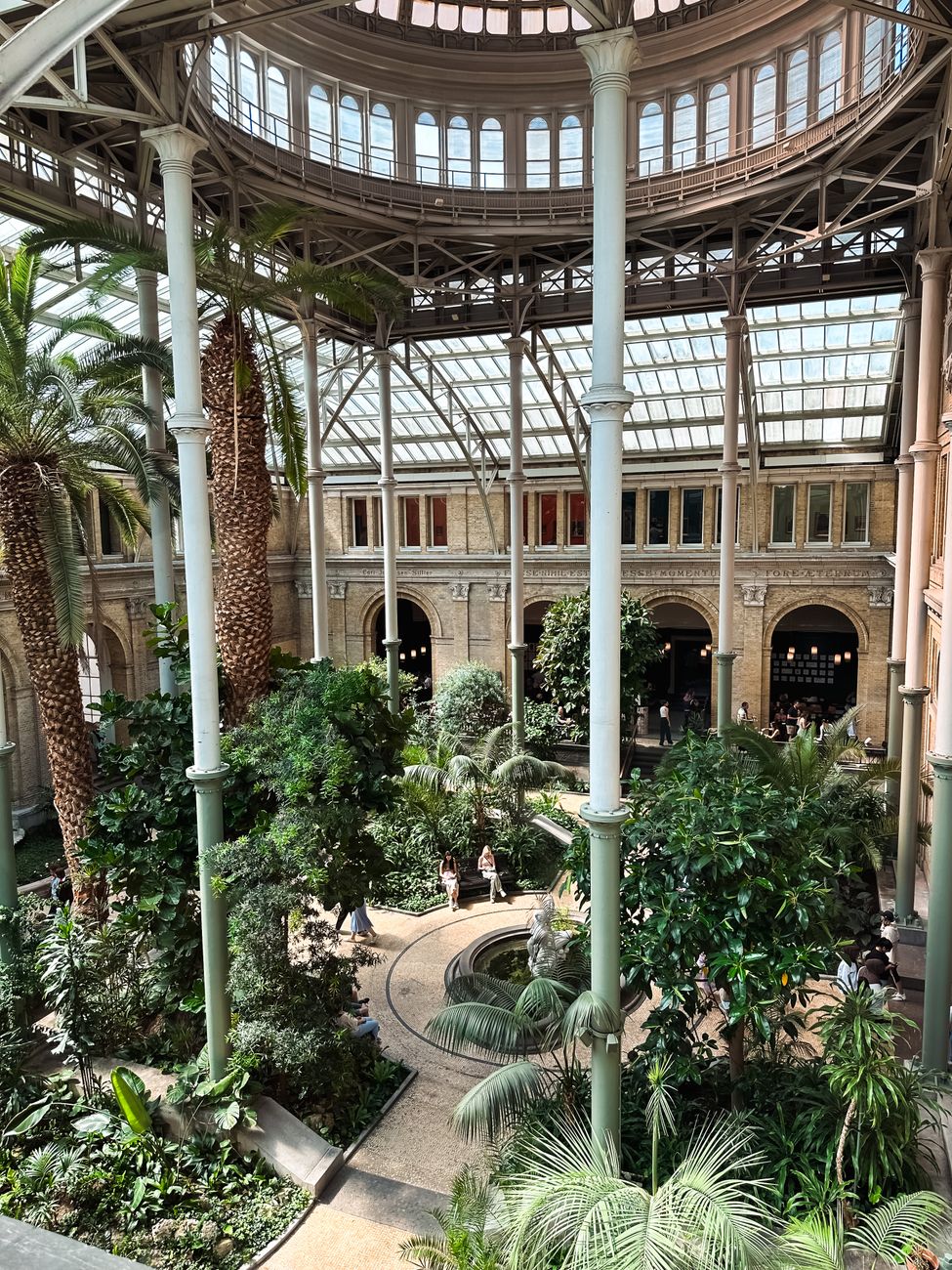
Reserve the final day for museums, shopping and a relaxed final meal with a practical exit plan for the airport. Start at the National Museum (Nationalmuseet) near Slotsholmen — allow 1.5–2 hours for the main exhibits. From there walk 10 minutes to Ny Carlsberg Glyptotek if open (check Monday closures); the sculpture and antiquities collections typically take 60–90 minutes.
After museums, head to Strøget for last-minute shopping and a coffee at a bakery; the walk from Glyptotek to Strøget is 5–10 minutes. Lunch at Torvehallerne or a nearby café gives time to collect luggage if needed. Practical note for travellers catching an afternoon flight: store bags at Copenhagen Central Station lockers and allow 30–40 minutes to reach the airport on the M2 metro from Nørreport or Central Station, plus recommended check-in time of at least 90 minutes for international flights.
If time allows, a short visit to The Round Tower (Rundetårn) gives a quick city view in 20–30 minutes before departure.
Best Local Experiences
Torvehallerne food market by Nørreport for quick, high-quality local food stalls and fish counters. Reffen at Refshaleøen for an industrial waterfront street-food scene with rotating stalls and long tables.
Tivoli Gardens after dark for older-style amusements, gardens and occasional live concerts. Harbour baths at Islands Brygge for a summer swim where locals jump from the steps and piers. Canal tours from Nyhavn or Gammel Strand that show the harbour, Christiansborg and Opera House from the water.
Copenhagen Jazz Festival in July is a major city event with outdoor stages and ticketed concerts across neighbourhoods. A brewery visit to Mikkeller or BRUS in Nørrebro gives insight into the local craft beer scene.

Where to Stay
Indre By (City Centre) — suits first-time visitors who want walking distance to Strøget, Nyhavn and many museums. Expect nightly rates roughly DKK 1,200–2,200 (≈€160–€295 / $170–$320) for mid-range hotels; apartments cost more in peak season.
Vesterbro (meatpacking district) — suits food and nightlife travellers who prefer a short walk to Tivoli and a large restaurant scene. Typical nightly rates DKK 900–1,800 (≈€120–€240 / $125–$260) for mid-range hotels and boutique stays.
Nørrebro — suits younger travellers and budget travellers who want cafés, independent shops and cheaper guesthouses. Expect DKK 600–1,200 per night (≈€80–€160 / $85–$170) for private rooms and small hotels.
Christianshavn — suits people who want canals, easy access to Christiania and a quieter, residential feel; prices are similar to Vesterbro but with fewer chain hotels. Booking a place near Nørreport or Central Station adds convenience for airport travel.
Food and Drink
Smørrebrød — open-faced rye sandwiches topped with herring, liver paste or roast beef; good versions at Restaurant Schønnemann or Aamanns, expect DKK 70–140 per piece. Wienerbrød — Danish pastry available at Meyers Bageri or Lagkagehuset for DKK 25–40; a practical breakfast option with coffee.
Pølsevogn hot dog — street hot dog from stands like DØP or John's Hotdog Deli near the Town Hall, typically DKK 35–60. Frikadeller — Danish meatballs served with potatoes and gravy; simple restaurants and lunch cafés offer them for DKK 95–170.
Akvavit and snaps — local distilled spirits served in small pours at traditional restaurants and at some bars; expect DKK 45–90 per shot. Dinner recommendation: Kødbyens Fiskebar for seafood in Vesterbro (mains DKK 160–350); reserve in advance for evenings.
Coffee culture is strong — independent roasters like Prolog Coffee Bar serve espresso and filter options for DKK 35–50.
Getting Around
Metro lines M1 and M2 connect the city centre with the airport and districts like Christianshavn and Amager; Cityringen M3 is the circular line around central stations and M4 serves Nordhavn and Sydhavnen. S-train lines A, B, C, E and H link outer districts and regional routes; Central Station is a main interchange.
Single tickets are zone-based; a 2-zone single typically costs around DKK 24 when bought via the DOT Tickets app. A 24‑hour City Pass covering central zones is about DKK 80–100; Copenhagen Card is a separate multi-attraction pass with transport included. Taxi from the airport to the inner city normally costs DKK 250–400 depending on time and traffic.
Useful apps and cards: Rejseplanen for trip planning, DOT Tickets for buying single and day passes, and Rejsekort for frequent national travel. Bike hire services include Donkey Republic and Bycyklen for short hires and e-bike options.
Best Time to Visit
Summer (June–August) brings the warmest weather, long daylight and most events; average highs 17–22°C and the city is busiest in July. Expect higher prices and crowded outdoor attractions in these months.
Shoulder seasons May and September offer milder crowds, cooler daytime temperatures around 10–16°C and better value on accommodation. Winter (December–February) is cold, often 0–5°C, with short daylight and many museums quieter; this is useful for lower prices but fewer outdoor options.
Late spring and early autumn are the most practical balance for weather, daylight and reasonable hotel rates, while July is best only if attendance at summer festivals and outdoor nightlife is a priority.
Budget and Practical Tips
Realistic daily budget for a mid-range traveller: accommodation DKK 900–1,500 (€120–€200 / $130–$210), food DKK 250–450 (€35–€60 / $40–$65), transport DKK 50–100 (€7–€13 / $8–$15), entry fees DKK 100–250 (€13–€33 / $15–$40). A cheaper daily total with hostel dorms and street food can be DKK 500–900, while a higher mid-range day with restaurants and museum tickets is DKK 1,200–2,000.
Tipping is modest: service is often included in restaurant bills, but rounding up or leaving 5–10% for good table service is appreciated. Credit and contactless cards are the norm; have a card with contactless enabled and check that smaller stalls accept cards. Pack a rain layer and shoes for cobblestones and bike paths; weather changes quickly, especially in shoulder months.
FAQ
Is Copenhagen safe for solo travellers?
Yes; downtown areas and major neighbourhoods are generally safe during daytime and evening. Exercise normal precautions with belongings in tourist areas and avoid poorly lit quiet streets late at night.
What is the easiest way to get from the airport to the city centre?
Take Metro M2 to Nørreport or Kongens Nytorv; journey time is about 15–20 minutes and trains run frequently. Buy tickets on DOT Tickets or station machines before boarding.
Is a Copenhagen Card worth buying?
The Copenhagen Card pays off if visiting multiple paid museums and attractions and using public transport heavily; run the numbers for planned museums versus single-entry tickets.
Can visitors rely on English everywhere?
Yes; English is widely spoken in shops, restaurants and on public transport staff, so language is rarely a barrier.
How bike-friendly is the city and do I need to be an experienced cyclist?
Very bike-friendly with segregated lanes, but traffic moves fast; confident cyclists and careful novices can both rent bikes, but watch intersections and tram tracks.
How to travel to Malmö or Lund for a day trip?
Take the Øresund train from Copenhagen Central Station across the bridge to Malmö; journey time is about 30–40 minutes and requires a cross-border ticket.
Conclusion
A realistic three-day plan delivers a clear mix: one day of central palaces and canals, one day of neighbourhoods and street food, and one day for museums and shopping with an eye on the flight schedule. What will be remembered most is the contrast between orderly biking flow, compact pedestrian routes and the strong food culture from market stalls to serious restaurants.
If time becomes limited, prioritise a canal tour or a concentrated smørrebrød lunch plus a short bike ride; those experiences convey the city’s character faster than squeezing in multiple museums on the same day.
How this guide was prepared
This guide was prepared through a structured research that combines destination research, geographic context, itinerary planning logic, and content review.