
Ostuni in 3 Days: Practical Itinerary and Local Tips
A practical 3-day guide to Ostuni with step-by-step itineraries, transit tips from Brindisi airport, masseria suggestions and realistic costs for planning.
A focused, realistic 72-hour plan for Ostuni: historic centre walks, coastal nature reserves, masseria lunches and transport tips for visitors relying on trains, buses or rental cars.
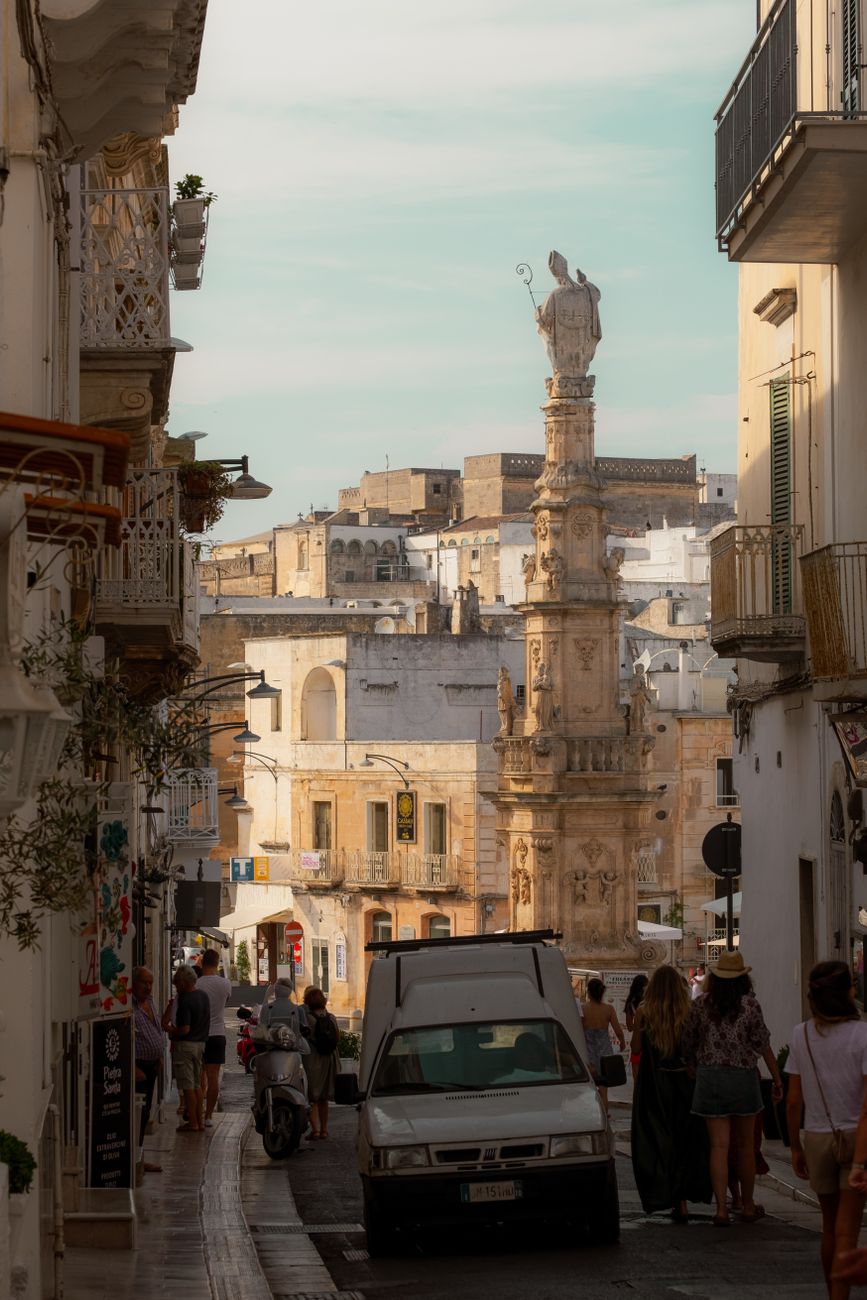
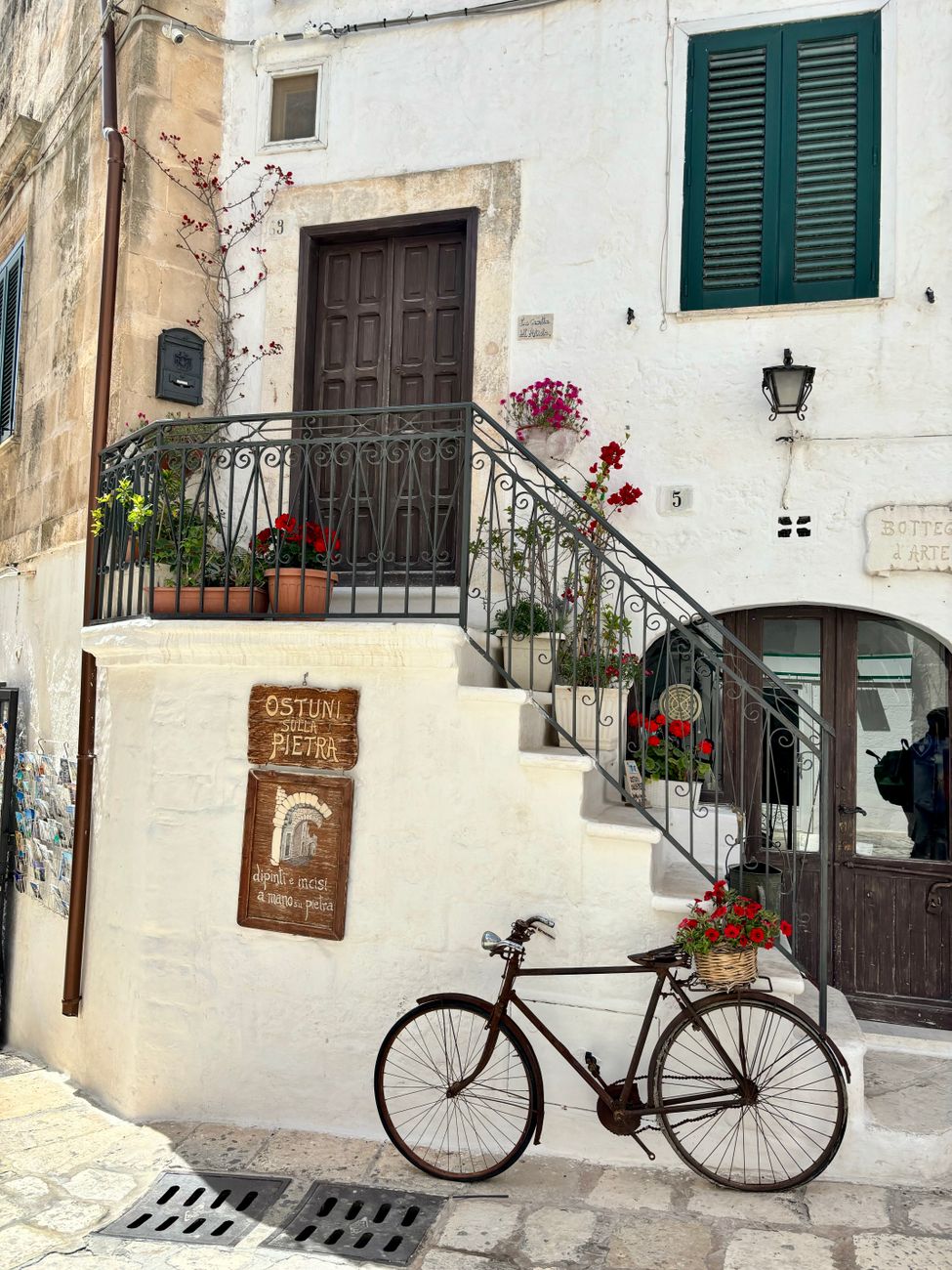
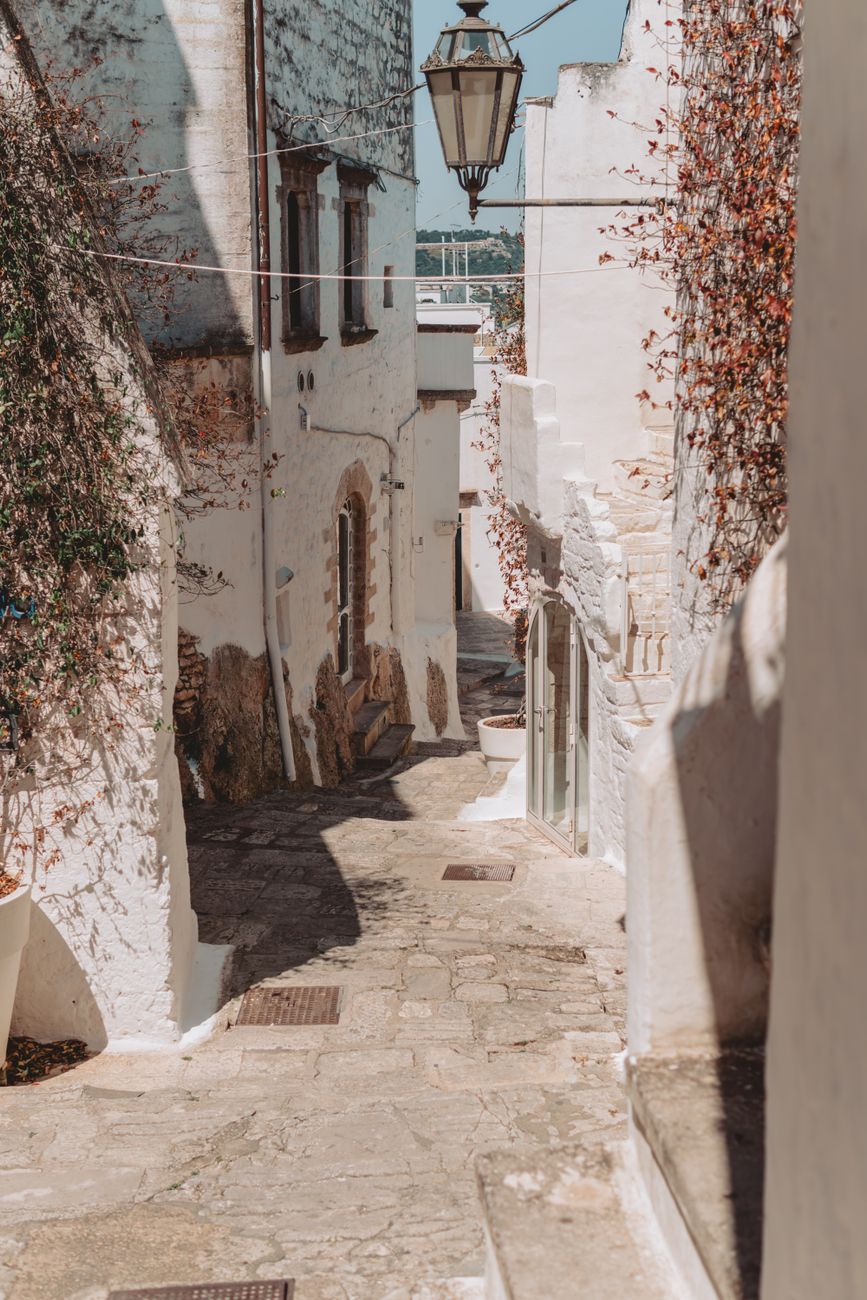
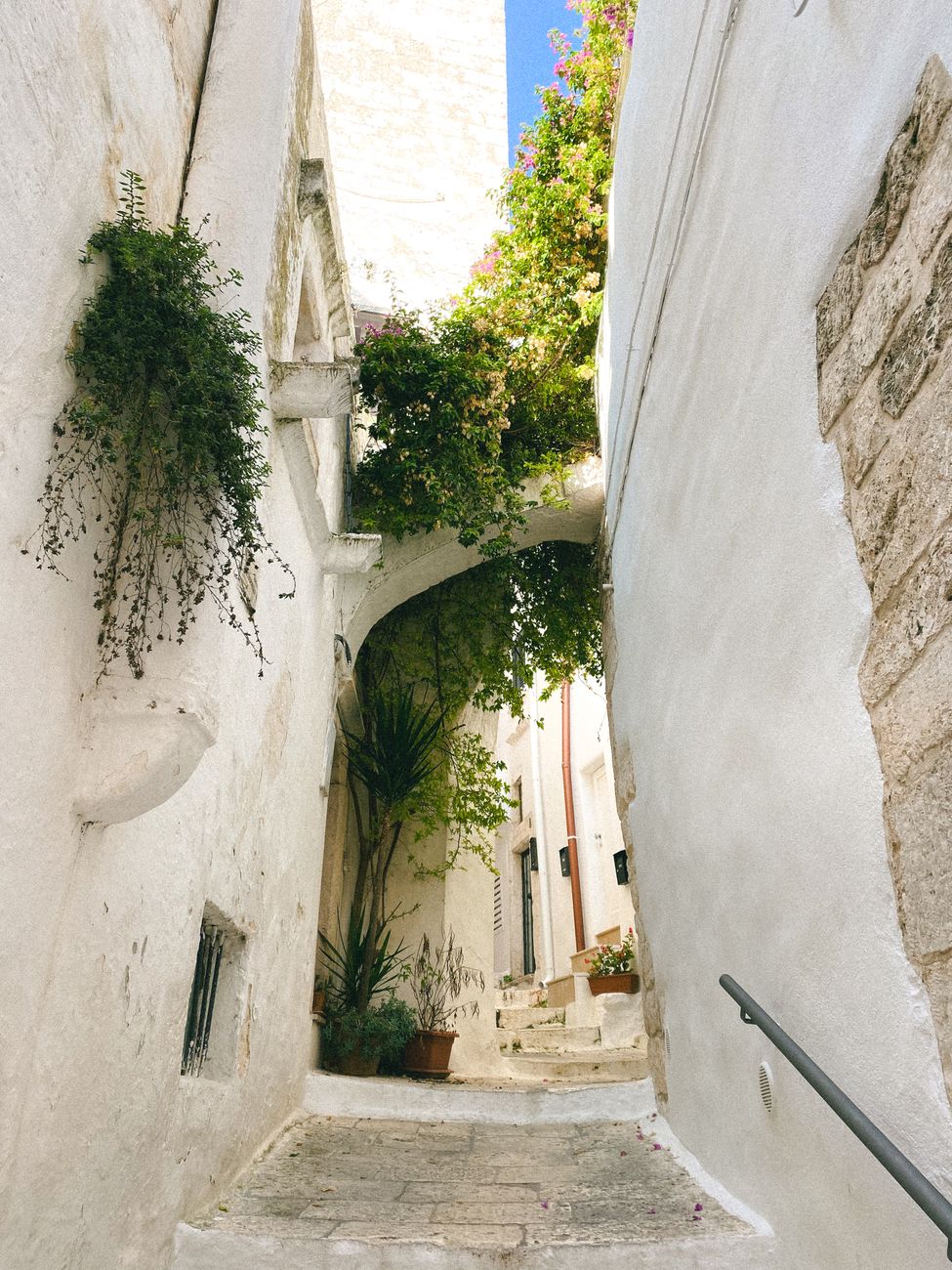
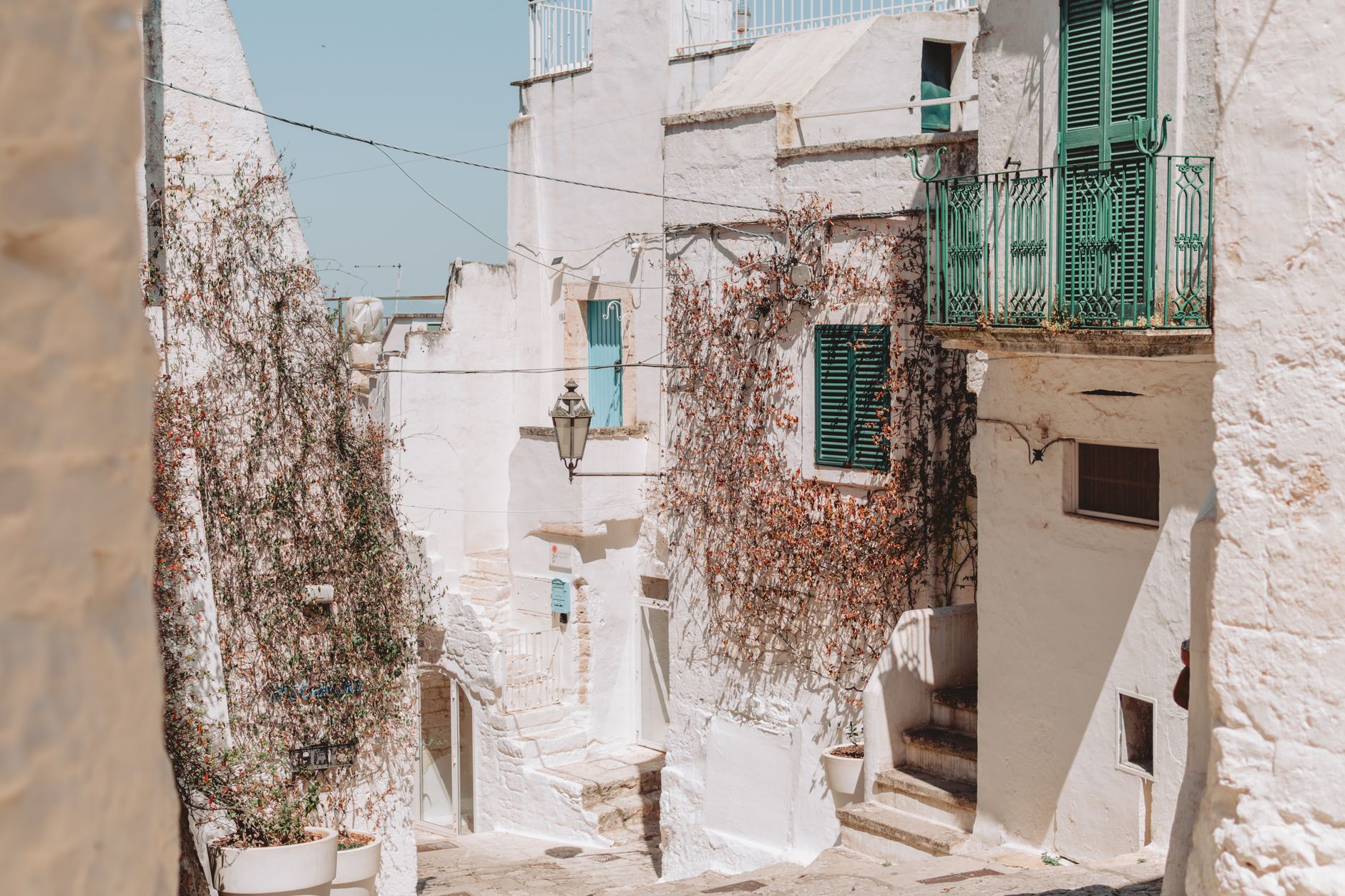
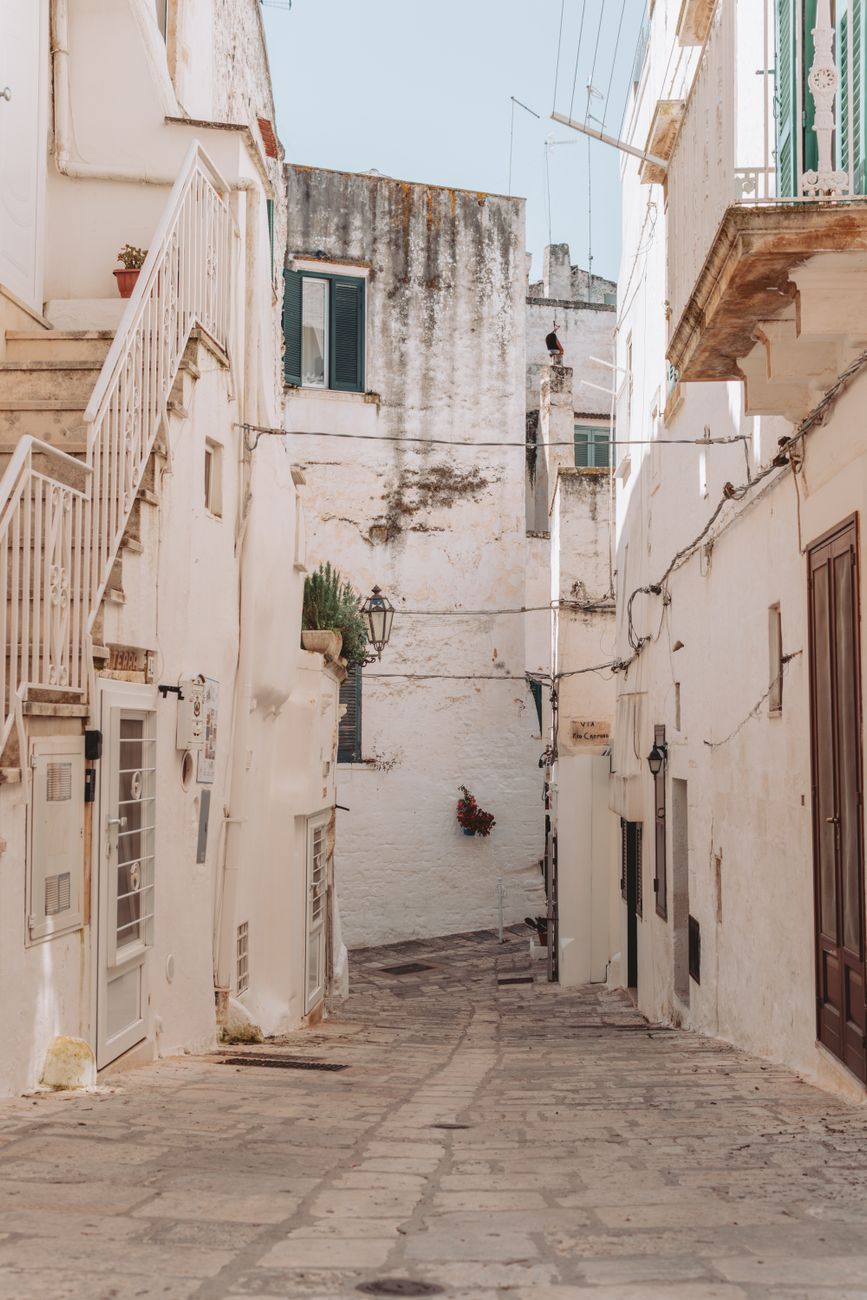
A steep, compact hilltop centre gives a strong first impression: narrow whitewashed alleys, steps, and small squares that are easiest to explore on foot. The approach from the lowland or the train station feels sudden — one minute on flat roads, the next on stepped lanes and pedestrian-only streets. Expect lots of short stair climbs and some abrupt drop-offs; footwear matters.
The town suits visitors who like short, concentrated walking days with food stops and short drives to beaches or masserie. It does not suit people who want long, continuous promenades with wide boulevards. Expect generous local olive oil, active church life and a calendar of small festivals in summer; crowds cluster in July and August around main viewpoints and the cathedral.
Visitors often underestimate how much time is spent moving between the hilltop centre and the coast or masserie; treat those travel legs like mini day trips rather than part of the centro storico stroll.
Is 3 days in Ostuni enough?
Three days is enough to see the historic centre, visit a nearby marine reserve like Torre Guaceto, sample a masseria lunch and fit in a short beach afternoon. Expect to skip long day trips farther south (for example a deep exploration of Lecce) unless adding more travel time or an overnight elsewhere.
Who This Guide Is For
Best for travellers who like short walks, local food and some time on the coast and who can tolerate narrow streets and steps; not ideal for visitors who insist on driving long distances every day or who need fully wheelchair-accessible routes throughout.
Local Tips for Ostuni
Practical details that most travel sites skip — specific to Ostuni.
- Ostuni train station is on the Ferrovie del Sud Est (FSE) line; buy single tickets at the station machine or a tabaccheria — Brindisi–Ostuni one-way fares are typically €1.80–€2.20.
- Parking in the centro storico is restricted; use Parcheggio di Via Ettore Romualdo and walk 10–15 minutes up to Porta Nova, or use the paid lot at Parcheggio S. Oronzo during high season.
- Torre Guaceto marine reserve has free access to the protected dunes but paid parking and guided snorkel tours cost about €15–€30 depending on operator; bring water and sun protection on the trail from the small car park.
- Many masserie (working farmhouses) around the Valle d'Itria run lunch tastings by reservation only; expect prices from €25–€45 per person for a shared local-course meal and olive oil tasting.
- Small bakeries and some trattorie still prefer cash; carry at least €30 in small notes and coins for markets, bar cafés and parking machines.
How This Guide Was Prepared
This guide treats Ostuni as a compact town with two faces: a tight hilltop centro storico for walking and a wide coastal agricultural area best reached by car. Many guides over-sell the centro storico as an all-day attraction and under-explain practical transit and parking realities; this guide lays out what can be done on foot and what needs a car, plus honest timing for beaches and masseria visits. This guide was prepared through a structured research that combines destination research, geographic context, itinerary planning logic, and content review.
Plan Your Stay in Ostuni
Use this itinerary as your starting point, then compare areas to stay, transport options, seasonal timing, and realistic daily costs before booking.
Why Visit
The cathedral and centro storico are compact but offer a concentrated dose of medieval and baroque facades plus a rooftop view over the Adriatic, mainly from Piazza della Libertà and the cathedral terrace. This is a short, walkable history stop rather than a sprawling archaeological site.
The nearby coastline and protected areas such as Torre Guaceto give access to clear water, dune walks and snorkelling without the long drives required from larger Salento towns. Those who want a coastal day with a nature focus can do it as a half-day trip from the centre.
Local agricultural economy matters here: dozens of masserie and olive oil producers around the Valle d'Itria allow straightforward farm visits and tastings. That access to production — olive mills, ancient dry-stone walls and working farms — is a practical reason to come and learn about Puglian food production firsthand.
A short train and bus network links the town to Brindisi, Lecce and Bari for those who want to add a farther day trip; the town functions well as a short-stay base without a car but benefits from one for beach and masseria flexibility.
Quick Planning Tips
The easiest airport is Brindisi Papola Casale (BRI): take the local shuttle or a taxi to Brindisi train station, then the Ferrovie del Sud Est (FSE) train to Ostuni; total transfer time usually 30–50 minutes depending on connection. Renting a car at Brindisi is practical for reaching Torre Guaceto and masserie, but drivers should plan parking before arrival.
Carry some euros in small notes; many cafés and market stalls are cash-preferred and some parking meters take coins only. Credit cards work at most mid-range restaurants and hotels, but tabaccherie sell day-train tickets and small items cheaper in cash.
Avoid scheduling multiple long excursions on the same day. A common planning error is assuming trains and buses run frequently; timetables thin out in the early afternoon and late evening. Confirm FSE and local bus times before building back-to-back plans.
Day 1
Start at Piazza della Libertà and spend the first hour taking in the cathedral facade and its rose window; the viewpoint here gives a clear look north toward the Adriatic. Walk to the Cattedrale di Ostuni (allow 30–45 minutes including the terrace and interior), then follow Via Cattedrale and Via Arco Scoppa toward Porta Napoli; those streets are stepped and take time if stopping for photos and small shops.
From Porta Napoli descend to Corso Vittorio Emanuele II and the main shopping street; this is a 5–10 minute walk downhill. Visit Chiesa di San Francesco (10–15 minutes) and the small Museo Civico in Palazzo Vescovile if open (admission around €3–€5). Allow 1.5–2 hours to move slowly through the centre with short stops.
Lunch at Osteria del Tempo Perso or Trattoria Ostuni (choose a place with local reviews for current opening hours); a three-course meal with wine runs €20–€35 per person. After lunch, walk down to the lower town and the small city gates for afternoon coffee at a bar along Corso.
Late afternoon, take a 15–20 minute taxi or 10–15 minute drive to the edge of the Parco delle Dune Costiere for a short sunset walk along the promenade near Villanova. Dinner in the centre at a trattoria that serves seafood or orecchiette; end the evening with a slow drink on Piazza della Libertà if seats are available.
Day 2
Spend the morning at Torre Guaceto marine reserve for snorkelling, dune trails and birdwatching. Drive or take a booked transfer (30–40 minutes from the centre); park in the designated lot and allow at least three hours for a walk, a swim and a light picnic or lido stop. Bring water, shoes for uneven sand tracks and a mask for snorkelling.
Return via the coastal road and stop at Lido Morelli or the free stretches near Costa Merlata for a quieter beach hour if needed; typical lido daybeds cost €10–€25 in shoulder season and €20–€40 in high season. Late lunch at a seaside trattoria near the reserve or back in the Valle d'Itria at a masseria offering an agriturismo menu.
Afternoon and early evening focused on countryside culture: book a masseria tasting or olive oil tour at Masseria Brancati or Masseria Moroseta (allow 2–3 hours, reservations required). These visits include a tour of the mill or grove, a tasting of extra-virgin olive oil and a multi-course local meal.
Evening: returned to the centro storico, aim for a light dinner and a gelato walk. Public transport will be limited late; arrange taxi or a pre-booked transfer back if without a car.
Day 3
Use the final day for a relaxed mix: morning market visit, a short museum or house-museum, and a final coastal stop if flight times permit. Start with the local market near Corso Garibaldi or Via Roma (market days vary by season — check local listings) for bread, taralli and fresh produce; allow 45–60 minutes.
Walk to the city’s viewpoints for last photos and visit any small galleries or the Museo Civico if missed earlier; these are within a 15–20 minute walking radius from the main piazza. If checking out of a hotel, confirm late luggage storage or plan storage at the train station.
If the return trip is in the afternoon, head to a nearby beach or to a masseria for a final lunch; allocate 1–2 hours travel time to Brindisi airport or train station. Taxi to Brindisi airport costs about €45–€60; trains from Ostuni station to Brindisi take roughly 20–25 minutes depending on the service.
For evening departures, choose relaxed timing: avoid booking a flight the same evening as a long masseria meal or a distant excursion. Prioritise proximity to transport for the last day if an afternoon flight must be met.
Best Local Experiences
Torre Guaceto marine reserve: walking the dune boardwalk and snorkelling in protected coves. The reserve is managed and has marked trails that reward early mornings with fewer crowds.
Masseria lunches and olive oil tastings (for example Masseria Brancati or Masseria Moroseta): structured tastings explain local pressing methods and let visitors sample new-pressed extravirgin oil with bread. Reserve ahead for weekend slots.
Local bakery circuit: try local focacce, pane di Altamura sold in town bakeries and fresh taralli at the market on market days. These stops are quick and low-cost but reveal local bread culture.
The centro storico evening passeggiata around Piazza della Libertà and Via Cattedrale: short, leaning streets that are best experienced late afternoon and into early night when shops close and small bars open.
Seasonal sagra and festas: if visiting in summer check the town calendar for patron saint festivals and food sagre in nearby villages; these often include communal dinners and regional products and operate on set dates rather than daily.
Olive grove walks in the Valle d'Itria and the dry-stone walls circuit: short self-guided loops near masserie give a direct view of agricultural life and ancient farm structures.
Where to Stay
Centro Storico (historic centre): suits walkers and people who want immediate access to the cathedral, shops and bars. Rooms are often small and on upper floors with stairs; expect €80–€160 per night in summer (approximately €85–€170 / USD equivalent depending on season). Noise from evening passersby is common.
Villanova and the lower town: a short walk down from the hilltop, this area offers slightly more room and easier parking. Good for families or those who prefer fewer steps; nightly rates typically €60–€120 (roughly €65–€125 / USD). Public parking and bus links are closer here.
Countryside masseria stays: suit visitors who want an agriturismo experience and are okay with driving. Masserie often include breakfast and sometimes dinner; expect €90–€220 per night (about €95–€230 / USD) depending on facilities and season. These are best booked early for high season weekends.
Choose based on priorities: locate accommodation near Porta Napoli for quickest access to the centro storico entrance, or pick a masseria for peace and food-focused stays. Late bookings in July–August will push prices to the higher side; shoulder season has better value.
Food and Drink
Orecchiette alle cime di rapa: small ear-shaped pasta with turnip tops and garlic; a strong local staple. Good versions at Trattoria Il Buco or family-run trattorie — expect €7–€12 per plate.
Burrata: a fresh, creamy cheese often served with local tomatoes or grilled vegetables. Find excellent burrata at markets and on menus at seaside restaurants; a serving typically costs €6–€12.
Focaccia barese and pane di Altamura: breakfast or snack options from local bakeries; a slice of focaccia or small loaf costs €1.50–€4.
Panzerotto (street food): fried or baked pockets filled with tomato and mozzarella; available from local forno and street vendors for €2.50–€5. A classic on-the-go treat for market days or a quick lunch.
Seafood mains (grilled or mixed fish): menus at seaside trattorie and restaurants near the reserve offer shared plates and fresh catch — typical main courses €15–€30 per person. For a mid-range dinner, budget €25–€40 including a bottle of local wine.
Breakfast option: espresso and cornetto at a neighbourhood bar for €1.20–€2.50. Street food option: panzerotto or a slice of focaccia from a forno for a casual lunch. Dinner recommendation: a masseria agriturismo set menu for local specialities and olive oil tasting, usually €25–€45 per person.
Getting Around
Rail: Ferrovie del Sud Est (FSE) connects Ostuni to Brindisi and Lecce; trains are regional and timetables are modest — check the FSE app or Trenitalia for connecting services. Station name is Ostuni stazione.
Bus: local buses operate between the town and nearby coastal areas and villages; regional operators and STP services run some routes. Tickets are bought at tabaccherie or newsstands — single fares often €1.50–€2.50 depending on distance.
Car and taxi: hiring a car gives the most flexibility for beaches and masserie; parking exists outside the centro storico. Taxi to Brindisi airport is roughly €45–€60 one-way; confirm price before the ride.
Tickets and apps: buy regional train tickets via the FSE app, Trenitalia app for broader connections, or at station machines. Use Moovit or Google Maps for local route planning. Keep paper tickets or screenshots; inspectors occasionally check onboard trains and buses.
Typical single-ride fare for local transit: around €1.50–€2.50. Day passes are rare for short stays; compare the cost of point-to-point tickets versus occasional taxis if travelling off-peak.
Best Time to Visit
Spring (April–June) offers mild weather and fewer crowds; daytime highs of about 18–25°C make walking in the historic centre comfortable. May and early June balance pleasant sea temperatures and lower accommodation prices than high summer.
High summer (July–August) brings hot temperatures, often 28–35°C, and local festivals; beaches and the centro storico get crowded and some businesses close around Ferragosto (mid-August) for holidays. Expect higher prices and crowded lidos in this period.
Autumn (September–October) remains warm, 20–28°C, with sea still swimmable and fewer tourists. This is a good value season with open restaurants and active masserie schedules.
Winter (November–March) is quiet with daytime temperatures roughly 8–15°C; many seaside services close but towns are calm and accommodation is cheapest. For best overall value and manageable crowds, aim for late spring or early autumn.
Budget and Practical Tips
Daily budget estimates per person: backpacker: €60–€90 (≈ USD 65–100) covering hostel or budget room (€25–€45), simple meals (€15–€25), local transport (€5–€10) and one modest entry or activity. Mid-range: €140–€220 (≈ USD 150–240) with a mid-range hotel (€70–€140), restaurant meals (€30–€60), car hire or taxis (€15–€35) and a paid excursion or museum (€10–€30).
Typical entry fees: small civic museums €3–€6; guided nature or snorkel tours €15–€30; masseria lunches €25–€45. Beach lidos charge daily fees ~€10–€40 depending on season and services.
Tipping norms: service charges are sometimes included; small rounding up or leaving loose change is common in cafés and bars. For sit-down meals, a 5–10% tip is appreciated but not obligatory. For taxi drivers, round up to the nearest euro or add a small tip for luggage assistance.
Practical items: carry a refillable water bottle for walks, wear shoes that handle stone steps, and confirm opening hours for small museums and masserie — many close one weekday or mid-afternoon.
FAQ
Is three days enough to see the main sights?
Yes. Three days covers the historic centre, a coastal reserve visit and a masseria experience; long day trips to Lecce or Matera are possible but require early starts.
How do I get from Brindisi airport to the town centre?
Take the airport shuttle or a short taxi to Brindisi train station, then the FSE regional train to Ostuni station. Total time is typically 30–50 minutes depending on connections.
Is the town safe for solo travellers and at night?
The town is generally safe; common petty theft in crowded evenings is the main concern. Standard precautions apply: watch personal items in crowded piazzas and on trains.
Do I need a car for three days?
A car is useful for visiting Torre Guaceto and masserie; the town can be explored on foot and by train/bus but a car adds flexibility for beaches and countryside.
Are there frequent trains to Lecce and Brindisi?
Regional FSE trains link to Brindisi and Lecce but frequencies vary; check the FSE timetable before planning same-day returns.
Is there a city card that covers attractions and transit?
No widely used all-in-one city card exists; pay per attraction and use point-to-point transit tickets or a regional travel card if planning multiple train trips.
Where is best to find a masseria olive oil tasting?
Book directly with masserie such as Masseria Brancati or via local agriturismo listings; weekends fill fast in high season.
Are beaches public or private and what are the costs?
Both types exist. Public stretches are free; private lidos charge daybed fees usually €10–€40 depending on season and facilities.
Conclusion
A 72-hour visit delivers a clear sense of the hilltop historic centre, nearby coastal nature and the farming that shapes local cuisine. Most travellers will remember the cathedral viewpoint, an olive oil tasting and a coastal swim more than any single museum visit. If time runs short, prioritise a morning walk through the centro storico followed by an afternoon at Torre Guaceto or a booked masseria lunch — that combination captures the town’s main contrasts in a single day.
How this guide was prepared
This guide was prepared through a structured research that combines destination research, geographic context, itinerary planning logic, and content review.