
Perugia in 3 Days: Practical 72-Hour Itinerary and Tips
A practical 3-day guide to Perugia with timed plans for museums, markets, the Minimetrò, Eurochocolate dates, realistic costs and neighbourhood advice.
A no-nonsense 72-hour plan that balances art, food and hillside walking: museums and underground Rocca Paolina, Corso Vannucci life, chocolate culture and a relaxed day trip.
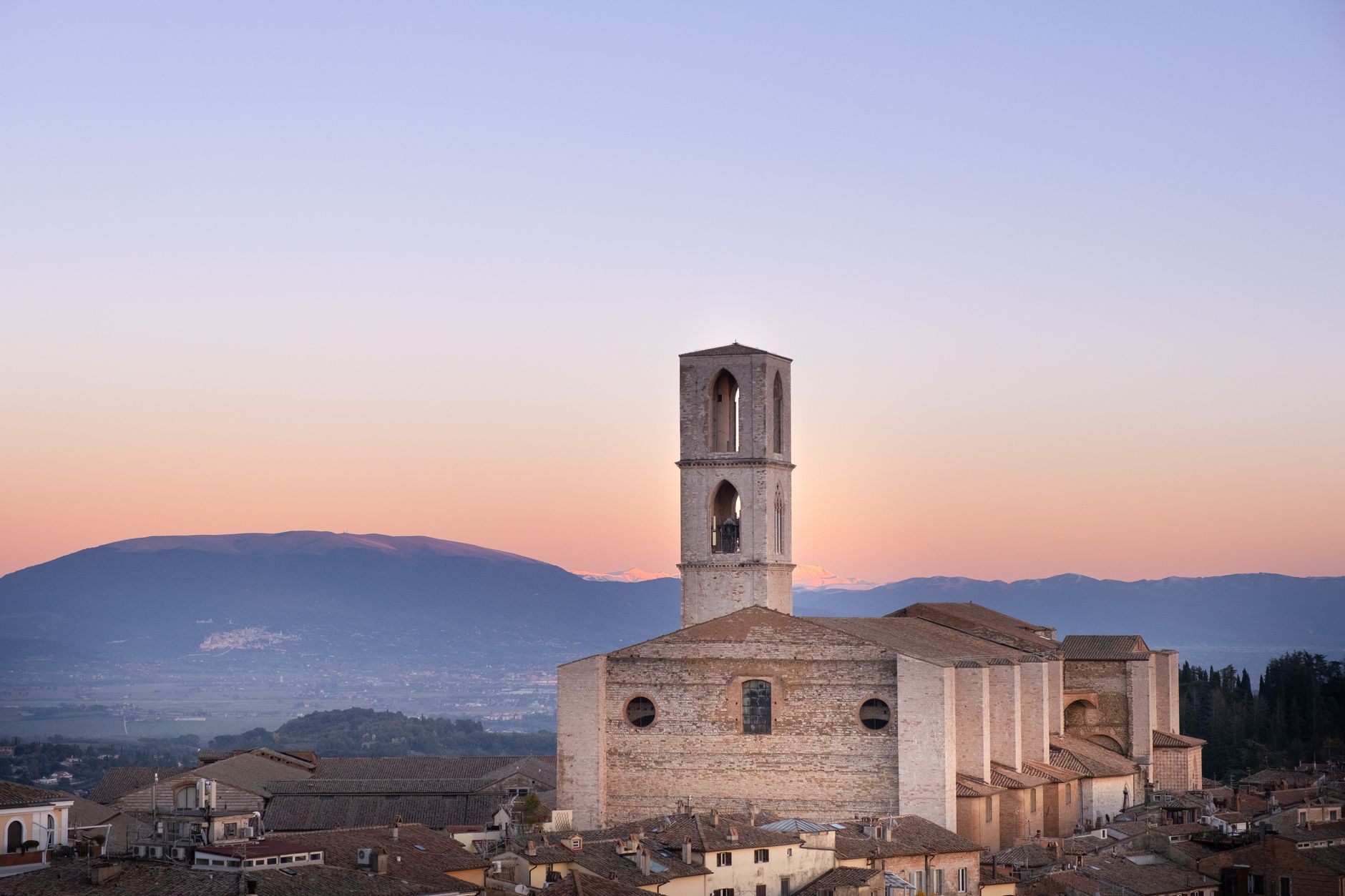
A first impression is that slopes and stone dominate: staircases, ramped alleys and narrow streets funnel visitors toward Piazza IV Novembre and the main museum quarter. The mood tends to be student-driven around Corso Vannucci by evening, quieter on the residential ridgelines such as Monteluce and via dei Priori by mid-afternoon.
Expect noise from motors and events near the fairground at Pian di Massiano at times and a compact centre where most daytime sightseeing is walkable if fitness allows. Perception of the place often misfires when guides treat it like any Tuscan hill town; the local character blends university life, municipal bureaucracy, and a deep chocolate industry legacy that shapes crowds, shops and festivals.
This plan suits a traveller who accepts stairs, likes museums and wants specific food stops. The recommendations aim to avoid wasted transit and mid-day closures while keeping evening options that actually stay open past 20:00 on Corso Vannucci and nearby streets.
Is 3 days in Perugia enough?
Three days are enough to see the main sights: Galleria Nazionale, Rocca Paolina, Corso Vannucci and the Perugina chocolate sites, plus one relaxed neighbourhood walk and a side trip. The honest caveat: squeezing in Assisi or Orvieto on top of everything will feel rushed.
Who This Guide Is For
Best for travellers who like compact historic centres, museums and food-focused walking; not ideal for those who need a vehicle or prefer flat, easy terrain. Budget travellers can manage well if staying near Fontivegge or using buses.
Local Tips for Perugia
Practical details that most travel sites skip — specific to Perugia.
- Take the Minimetrò from Fontivegge station up toward the centro storico — a single ride costs about €1.30 and saves a 20–30 minute uphill walk.
- Buy bus and regional tickets on the MyCicero app or at Tabaccherie; single urban tickets run €1.30 (about 70–90 minutes validity), day passes around €4.50.
- Eurochocolate takes over Corso Vannucci every October and doubles foot traffic; book accommodation and museum slots well in advance if travelling then.
- The Perugina Chocolate Factory (San Sisto) offers tours and tastings but opening days are limited; expect a guided-tour fee roughly €10–15 and reserve ahead.
- Centro storico has an extensive ZTL; driving into Piazza IV Novembre without a permit triggers fines. Park at Pian di Massiano or Fontivegge and use the Minimetrò or buses.
How This Guide Was Prepared
Perugia rewards visitors who accept steep streets and slow meals; this guide focuses on realistic pacing, transit quirks and what actually closes midday. Most guides cram every church and overlook the town's chocolate industry, student nightlife around Corso Vannucci, and the practical barrier of the ZTL (restricted-traffic zone). This guide was prepared through a structured research that combines destination research, geographic context, itinerary planning logic, and content review.
Plan Your Stay in Perugia
Use this itinerary as your starting point, then compare areas to stay, transport options, seasonal timing, and realistic daily costs before booking.
Why Visit
Art and civic architecture cluster tightly: the Galleria Nazionale dell'Umbria and Palazzo dei Priori house major medieval and Renaissance works without the long lines of larger Italian museums. Visiting these galleries gives a concentrated overview of Umbrian painters who rarely appear on quick national itineraries.
The underground fortress of Rocca Paolina offers an unusual urban archaeology experience: pedestrian routes cut through Renaissance defensive walls and modern exhibitions use the vaulted spaces. The contrast between street-level medieval palaces and the subterranean fortress is a central reason to spend time here.
Food and chocolate industry culture are practical reasons to visit. Perugina factory history and the seasonal Eurochocolate festival in October mean confectionery production has a visible cultural footprint. Regional Umbrian dishes and nearby truffle-and-wine producers make the city a compact base for tasting local products.
The town is also a convenient train hub for Assisi and Orvieto, making it a good base for short regional trips without needing to stay in larger, pricier cities.

Quick Planning Tips
Fly into Perugia San Francesco d'Assisi – Umbria International Airport (PEG) or arrive by train at Fontivegge station. From the airport, the direct shuttle bus to Fontivegge costs roughly €2.70–€4.00 depending on operator; taxis run about €20–€30 to the centro. From Florence or Rome, trains arrive at Fontivegge; use the Minimetrò or a 15–25 minute uphill taxi to reach the old town.
Carry cash for small purchases and bus tickets; many smaller trattorie and market stalls accept only cash or limit card use below €10. Buy urban bus or Minimetrò tickets via MyCicero app or at Tabaccherie; validate physical tickets at the start of the ride. Avoid scheduling museum visits for the exact 13:00 hour because many institutions close midday and reopen around 16:00, which can break a tightly packed day.

Day 1
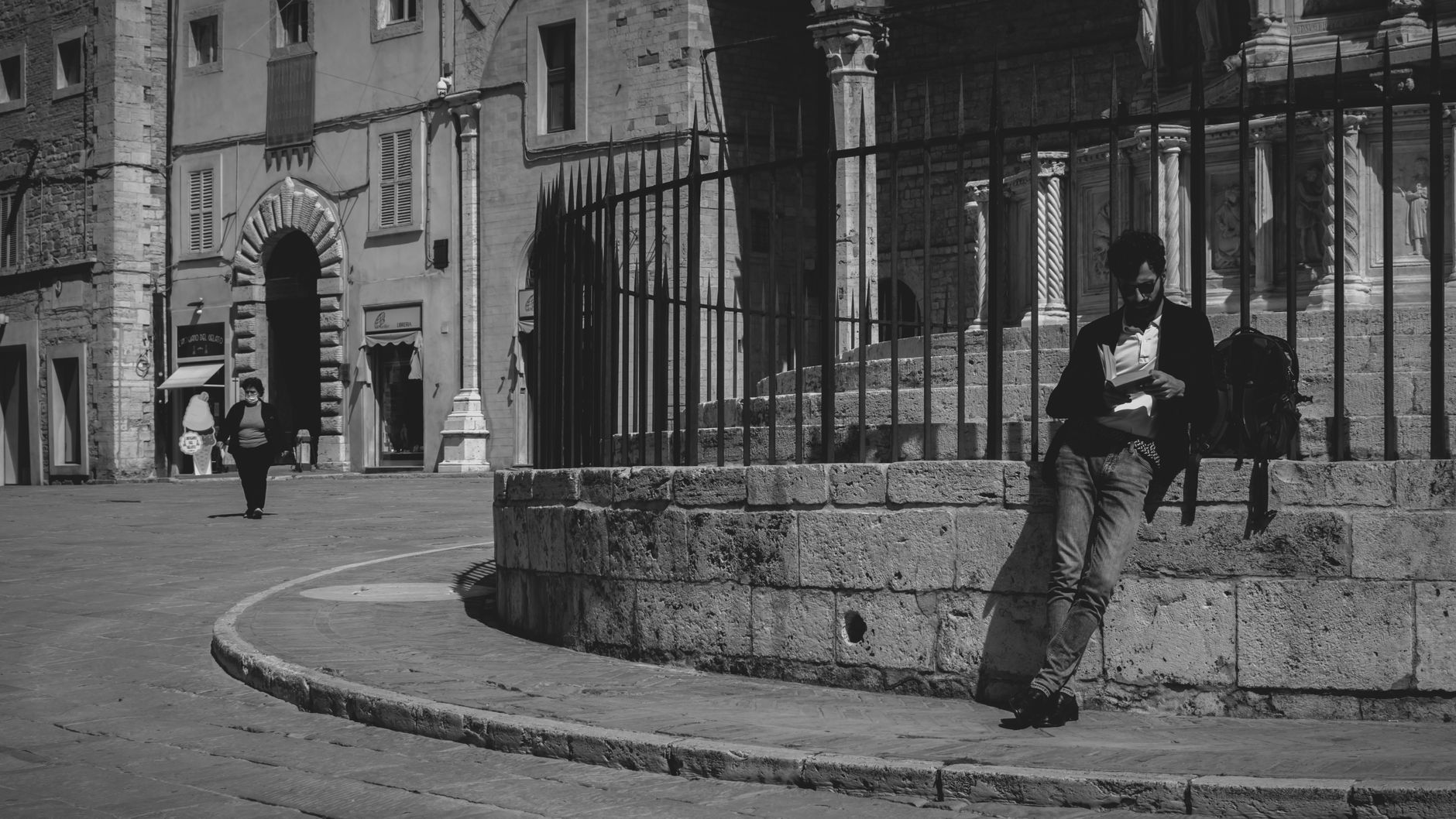
Start at Piazza IV Novembre to orient around Fontana Maggiore and the cathedral steps. Allow 45–60 minutes here to visit the exterior and the cathedral interior; the square is compact, so travel time from the main pedestrian artery, Corso Vannucci, is zero to three minutes.
Walk Corso Vannucci for shops and cafés; plan 30–40 minutes, then detour to Palazzo dei Priori to enter the Galleria Nazionale dell'Umbria. Allocate 1.5–2 hours for the gallery. The Galleria often charges around €6–€8 for general admission; check timed-entry options in peak season.
After the gallery, head to the Collegio del Cambio (a five-minute walk) to see the Renaissance frescoes; expect a short guided visit and a small entry fee circa €7–€10. Lunch on Corso Vannucci at Osteria a Priori or Trattoria del Borgo for local strangozzi pasta or torta al testo — budget €12–€18 for a main.
In the afternoon, descend into Rocca Paolina. Give 45–75 minutes to move through the underground passages, exhibitions and viewpoints; walking from the gallery to Rocca Paolina is 5–10 minutes. Finish with a stroll toward the Etruscan Well (Pozzo Etrusco) — allow 20 minutes. Dinner at Ristorante La Taverna for Umbrian pork or porchetta, budget €20–€30 per person. Evening recommendation: a relaxed aperitivo on Corso Vannucci or a gelato near Fontana Maggiore, where bars usually stay open until 22:00.
Day 2
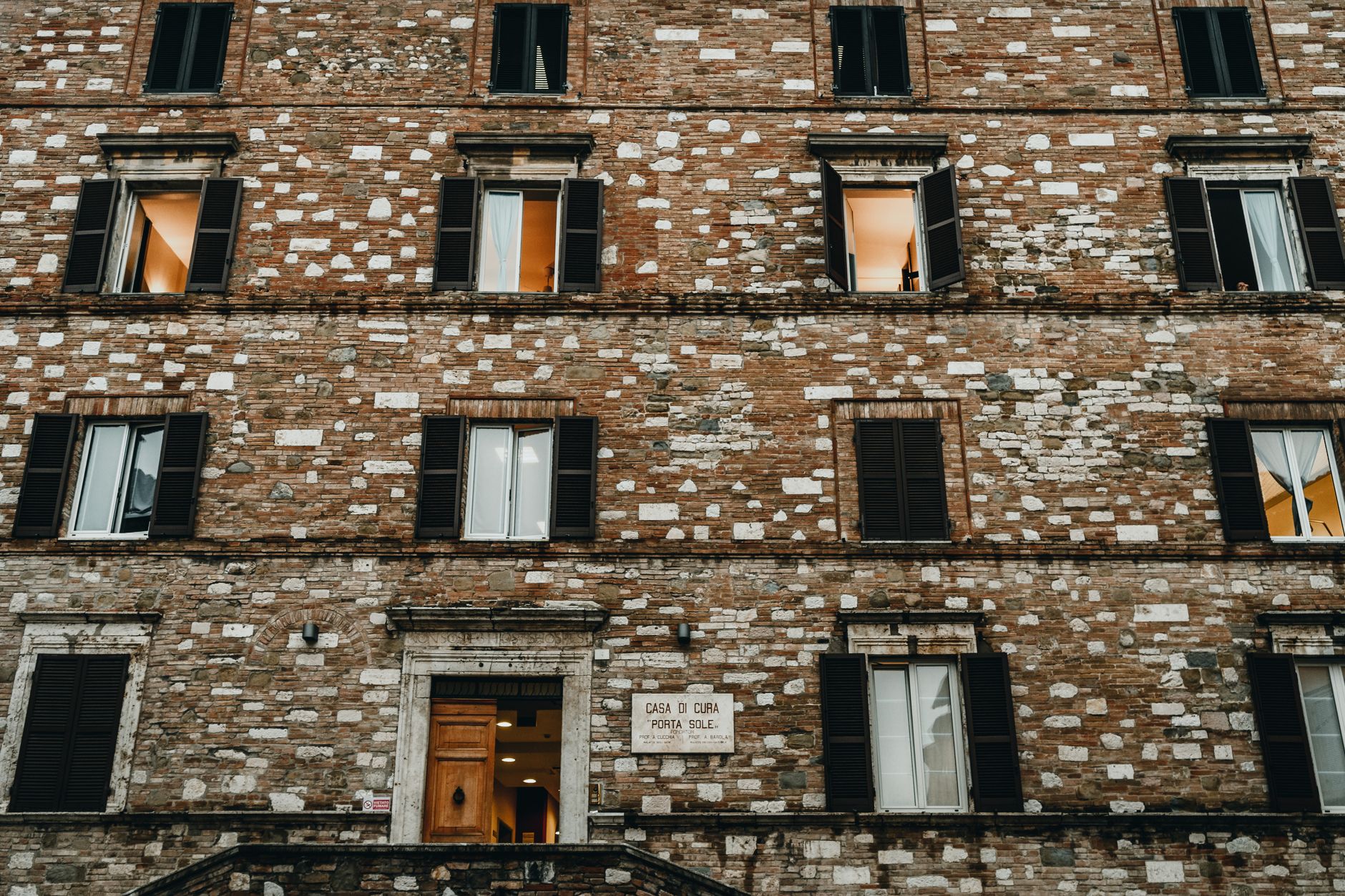
Change the pace by exploring neighborhoods above and beside the centro storico. Begin at the Basilica of San Pietro area and the medieval streets around Via dei Priori; walking from Piazza IV Novembre is about 10–15 minutes uphill depending on route. Visit the Church of San Domenico and then continue toward Porta Sole for expansive city views; allow 30–45 minutes for both.
From Porta Sole, head to the University district near Piazza Fortebraccio to feel the student side of town; it's a 10–12 minute walk. Stop for lunch in the San Francesco/San Sisto fringe where local trattorie serve torta al testo sandwiches and regional wine by the glass. After lunch, take bus routes or a 15–20 minute walk to Monteluce for a quieter residential view and the church of Santa Giuliana if open.
Late afternoon, cross to Piazza Partigiani and trace the urban edge toward Pian di Massiano if interested in the fairgrounds or a quick visit to the Perugina museum in San Sisto (allow 1–2 hours including transit). Expect a bus ride of 15–20 minutes from the centro; regional buses to San Sisto run regularly. For dinner, choose a lower-cost local trattoria in Fontivegge or near Via dei Priori where prices are slightly lower than the main square. Evening recommendation: sample the chocolate shops that stay open late near Corso Vannucci or catch a student-run music night in a nearby bar.
Day 3
Reserve the morning for what was missed earlier or for a focused museum: the Etruscan Well and the regional archaeological displays take a calm hour to appreciate. From the main square, allow 10 minutes walking time to the well and the small museum exhibits around it.
If checking out of accommodation, leave larger luggage at a hotel reception or use station lockers at Fontivegge when available; walking with bags across cobbled streets and stair routes is difficult. Plan midday transit to Assisi or Orvieto if taking a side trip: trains from Fontivegge to Assisi take about 20–30 minutes; buses to Orvieto require a longer transfer and about 1–1.5 hours total.
Alternatively, spend the morning on a food-focused walk: visit the small market near Borgo Bello or the artisan chocolate shops for tastings. Lunch at a trattoria serving strangozzi al tartufo for a proper Umbrian experience; expect €15–€25. If an afternoon flight departs, budget two hours to reach the airport from downtown including shuttle time and security. Evening recommendation for last night: a quiet dinner near Piazza Italia or a final espresso on Corso Vannucci before heading out.

Best Local Experiences
Eurochocolate festival in October is the single most disruptive—and rewarding—event for chocolate fans; expect stalls, demos and big crowds on Corso Vannucci. Wine and truffle-focused tasting tours often run half-day into the Umbrian countryside; Montefalco Sagrantino tastings are a common add-on requiring a booked transfer.
Perugina Chocolate Factory tours in San Sisto provide factory history and tastings; check guided-tour days and reserve ahead. The Rocca Paolina subterranean walks double as an urban-history experience and are worth entering in the late afternoon when light levels make the passages feel less like a museum and more like city infrastructure.
Markets and food experiences include the weekly market near Porta Pesa and smaller fresh- produce stalls along Via Baglioni. Evening aperitivo culture centers on Corso Vannucci and Piazza Matteotti where bars serve small plates and local wines until 22:00–23:00. Finally, a short train trip to Assisi or Orvieto gives a contrast in religious architecture and hilltop vistas with minimal travel time.

Where to Stay
Centro Storico (Piazza IV Novembre / Corso Vannucci): Suits first-time visitors who want immediate access to museums, restaurants and evening life. Most boutique hotels and guesthouses sit within a 5–10 minute radius of the main square. Expect nightly rates €80–€160 ($88–$176) depending on season and room level.
Fontivegge / Near Train Station: Suits budget and transit-focused travellers; accommodations are cheaper and buses and the Minimetrò are immediate. This area is practical for early trains and late arrivals. Expect €40–€75 per night ($44–$83).
Monteluce / San Sisto / Residential Ridges: Suits travellers who prefer quieter nights and better parking options. Good for families and those with cars. Nightly rates vary from €60–€110 ($66–$121) for small hotels or B&Bs.
When booking, check access: many historic hotels have steps or narrow entrances and may require calling ahead for luggage assistance. Weekends during Eurochocolate or Umbria Jazz (if attending events) raise rates sharply; book at least two months ahead in those periods.
Food and Drink
Torta al testo: a flatbread typically stuffed with sausage, greens or cheese. Common at casual trattorie and market stalls; expect €3–€7 for a filled sandwich. Strangozzi: a thick, hand-rolled pasta often served with simple garlic-and-olive-oil sauces, wild boar ragù or truffle; good versions at Osteria a Priori or Trattoria del Borgo for €10–€16 per plate.
Porchetta: roasted, herbed pork often sold by the slice or in sandwiches near markets; a sandwich costs €4–€8. Crescionda (or ‘crescionda perugina’): a local layered chocolate-and-almond dessert—available at Pasticceria Sandri and historic cafés; slices about €3–€6. Perugina Baci and artisanal bars: chocolate shops and the Perugina factory sell samples and boxed items; expect €1–€6 for single items and €10–€25 for gift boxes.
Breakfast option: a cornetto and coffee at a bar on Corso Vannucci for €2.50–€4. Street food pick: lampredotto sandwiches are more Florentine, so choose torta al testo stands instead for genuine local quick eats. Dinner recommendation: a trattoria serving strangozzi al tartufo or roasted Umbrian lamb for €18–€30 per person, with local Sagrantino or Grechetto by the glass from €4–€6.
Getting Around
Walking covers most of the centro storico but expect hills and steps. The Minimetrò people-mover links Fontivegge station to the historic quarter; single rides cost about €1.30. Urban buses serve neighbourhoods and run from Fontivegge and central stops; single urban tickets also cost around €1.30 and day passes about €4.50.
Regional buses and trains connect to Assisi, Orvieto and Rome; operators include Busitalia for regional routes and Trenitalia for trains. Buy tickets on MyCicero or Trenitalia apps and validate physical tickets when required. Use Moovit or Google Maps for checking live bus departures in the city.
Airport taxi fares from San Francesco d'Assisi airport to the centro run roughly €20–€30 depending on luggage and time of day. Taxis around town are useful for uphill or late-night trips but expect fares to be higher than buses for short trips. Watch for the ZTL in the centro; parking at Pian di Massiano or the Fontivegge area and then using the Minimetrò avoids fines.
Best Time to Visit
Spring (April–June) offers mild temperatures (12–24°C) and manageable crowds; shoulder months provide lower accommodation rates and open-air dining. Autumn (September–October) brings cooler days (10–20°C) and the Eurochocolate festival in October, which draws large crowds and higher prices.
July–August are the hottest months (20–34°C) and many locals take extended holidays, which can close small shops and some family-run restaurants during August. Winter (November–February) is quieter and colder (0–10°C); museums remain open but expect shorter daylight and fewer evening options. For best value and pleasant walking weather, aim for late May–early June or mid-September.
Budget and Practical Tips
Daily budget estimate (per person): Budget traveller: €60–€90 (€66–€99 USD) covering a hostel or budget hotel (€35–€55), food (€20–€30), transport (€5–€8) and modest entry fees (€5–€10). Mid-range traveller: €130–€220 (€143–€242 USD) covering a mid-level hotel (€80–€140), meals (€30–€50), local transport (€5–€10) and museum fees (€10–€20).
Entry fees: Galleria Nazionale dell'Umbria €6–€8, Collegio del Cambio €7–€10, Perugina tour €10–€15, Rocca Paolina main areas often free but exhibitions may charge €3–€8. Tipping: service is often included as coperto (cover charge) or service; leaving small change on the table or rounding the bill is customary but not required. Cash: have small notes and coins for bus tickets, market stalls and coffee bars. Avoid bringing a car into the centro to skip ZTL fines and parking difficulty.
FAQ
Is Perugia safe for tourists?
Yes; daytime and main squares are generally safe. Street pickpocketing can occur in crowded festival areas and on buses, so keep wallets secure and be cautious in large gatherings.
How do I get from the airport to the historic centre?
Take the airport shuttle bus toward Fontivegge or a taxi directly to the centro; the shuttle is cheapest (€2.70–€4) while taxis cost roughly €20–€30.
Is a Perugia city card or museum pass worth buying?
There is no single universal city card for everything; buying individual tickets for Galleria Nazionale and Collegio del Cambio is common. For multiple museum visits check for combined tickets at the Palazzo dei Priori desk.
Are buses and the Minimetrò reliable?
Yes for schedules, though frequency drops on Sundays and holidays. Validate paper tickets and use MyCicero or Moovit for live times.
Can visitors drive into the centro storico?
Driving into the ZTL without a permit leads to fines. Park outside (Pian di Massiano, Fontivegge) and use public transit; check hotel policies if planning to arrive by car.
Is it possible to day-trip to Assisi or Orvieto?
Yes. Trains to Assisi from Fontivegge take about 20–30 minutes. Orvieto requires a longer regional connection and closer to 1–1.5 hours total travel time.
What about accessibility for visitors with mobility issues?
Many streets are cobbled and steep; the Minimetrò and some buses offer easier access, but several key sites have steps. Contact individual museums and hotels ahead for assistance or ground-floor rooms.
When does Eurochocolate happen and how does it affect visits?
Eurochocolate runs in October and significantly increases crowds and hotel rates along Corso Vannucci; book well in advance and expect stall-lined streets.
Conclusion
Three days let a traveller see the essentials without sprinting: the main museums, the subterranean Rocca Paolina, chocolate-focused sites and a slower neighbourhood walk plus a possible short side trip. The most memorable parts tend to be the contrast between the square-level palaces and the subterranean fortress, the local chocolate culture and the compact but steep street network.
If time runs short, prioritise the Galleria Nazionale dell'Umbria for art and Rocca Paolina for the sense of place; those two provide a clear sense of the city's unique mix of public art and urban archaeology.
How this guide was prepared
This guide was prepared through a structured research that combines destination research, geographic context, itinerary planning logic, and content review.