
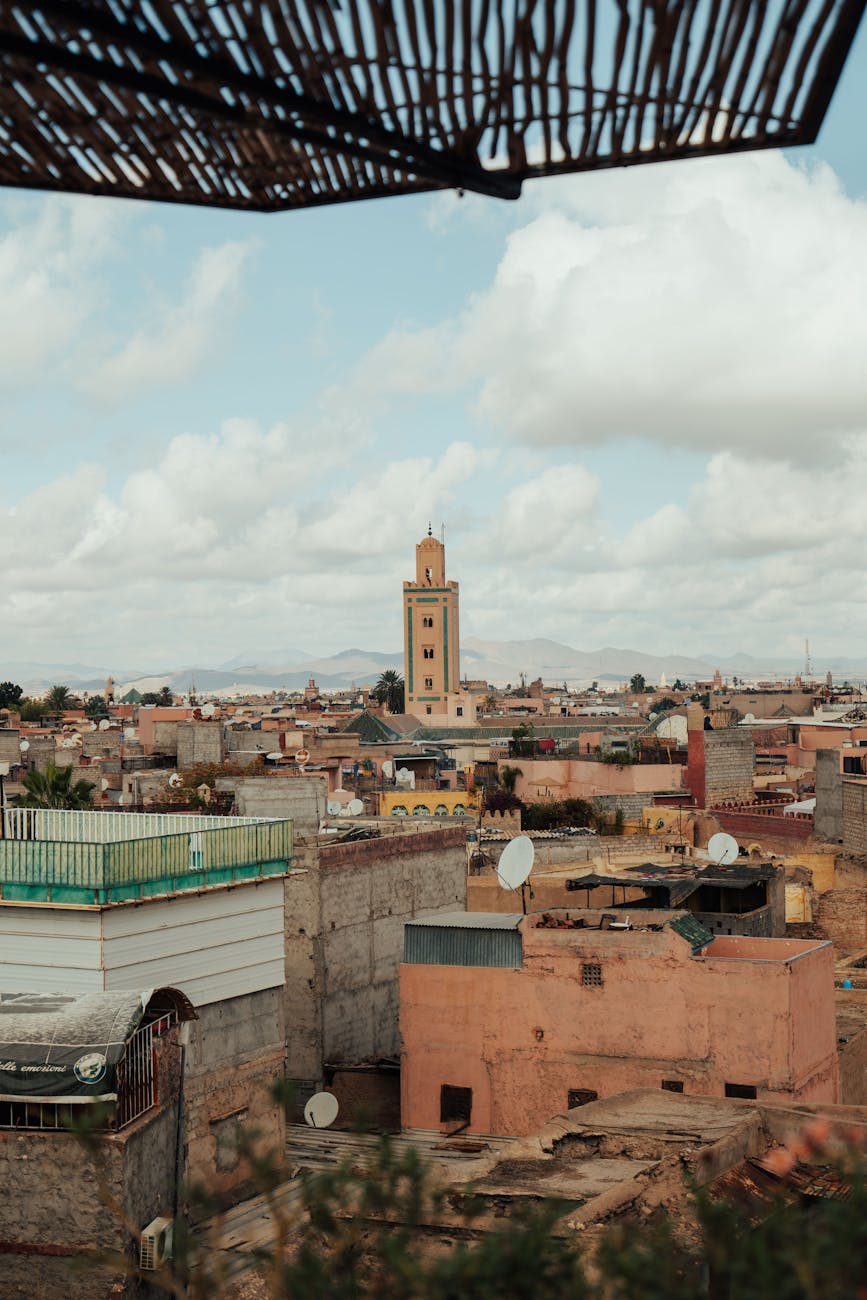
Best Time to Visit Marrakesh — When to Plan Your 3-Day Stay
Seasonal guide to Marrakesh: weather, crowds, festivals, Ramadan, neighborhood advice, sustainable tips, and how to time a 3-day itinerary and day trips to Essaouira, Agadir, Casablanca, Rabat, and Meknes.
Practical, season-by-season advice for planning a 3-day trip to Marrakesh. Pick months that balance pleasant weather, lower crowds, and strong local impact while avoiding extremes like midsummer heat or festival closures during Ramadan.
Quick Answer
Practical, season-by-season advice for planning a 3-day trip to Marrakesh. Pick months that balance pleasant weather, lower crowds, and strong local impact while avoiding extremes like midsummer heat or festival closures during Ramadan.
Who This Page Is For
This page is for travelers planning a stay in Marrakesh who want clearer decisions about best time to visit, local logistics, timing, budgeting, and practical trip planning.
How This Page Was Prepared
This page was prepared through a structured editorial workflow that combines destination research, geographic context, and practical travel-planning review.
Plan the Rest of Your Trip
Use this page together with the full itinerary and the related planning pages below to make better booking, timing, transport, and budget decisions.
Best months: March–May and September–November. These shoulder seasons combine pleasant daytime temperatures (20–30°C / 68–86°F), cooler nights, and fewer extreme crowds.
Winter (December–February) is mild during the day, good for lower prices and city sightseeing, but nights can be chilly and occasional rain may appear. Summer (June–August) is very hot—often 35–45°C / 95–113°F—so avoid extended city sightseeing then unless you plan very early mornings and late evenings.
This page helps you pick the best months to visit Marrakesh for comfort, authenticity, and local benefit. It’s written to support a nearby 3 days in Marrakesh itinerary and to help you plan realistic day trips to Essaouira, Agadir, Casablanca, Rabat, and Meknes.
Expect a compact city with a wide temperature range: hot summers, mild winters, and most visitors arriving in spring and autumn. Your choices affect not only your comfort but also local businesses, transport options, and what’s open during religious holidays.
What This Page Helps You Decide
Use this page to choose:
- Which month to book for comfort, cost, and crowd levels.
- Where to stay: Medina (authentic riads), Gueliz (modern cafes and shops), Hivernage (upscale hotels), or Palmeraie (quiet palmeraie villas).
- Whether to combine day trips and when to schedule them—for example, plan Essaouira as a day or overnight trip in spring or autumn to avoid high winds in summer.
- When to expect local closures or altered hours during Ramadan or national holidays.
Practical outcomes: exact packing list adjustments, best time to reserve riads and guides, and which day-trip transport mode to favor (train vs. bus vs. private transfer).
Top Recommendations
Seasonal highlights and concrete choices:
- Spring (Mar–May): Best overall. Gardens and orchards bloom; comfortable days and cool nights. Ideal for walking the souks and visiting Majorelle and the Agdal.
- Autumn (Sep–Nov): Equally good—sea breezes on day trips to Essaouira and moderate daytime temperatures. November often hosts the Marrakech International Film Festival (check year-to-year dates).
- Winter (Dec–Feb): Low-season bargains on riads and upscale hotels in Hivernage. Good for museums and palace visits. Bring layers for chilly nights and keep one flexible day for occasional rain.
- Summer (Jun–Aug): Hot and dry. If you must travel now, book air-conditioned transport and plan sightseeing for early morning and after sunset. Prefer mountain excursions to cooler elevations or early-morning souk visits.
Booking tips:
– Reserve centrally located riads in the Medina 2–3 months ahead for peak shoulder-season travel.
– Book intercity trains (ONCF) and CTM buses early for weekend travel to Casablanca or Essaouira during school holidays.
– Hire licensed local guides for medina walks—this keeps revenue local and helps you navigate narrow streets.
Local Context
Neighborhoods and transport realities:
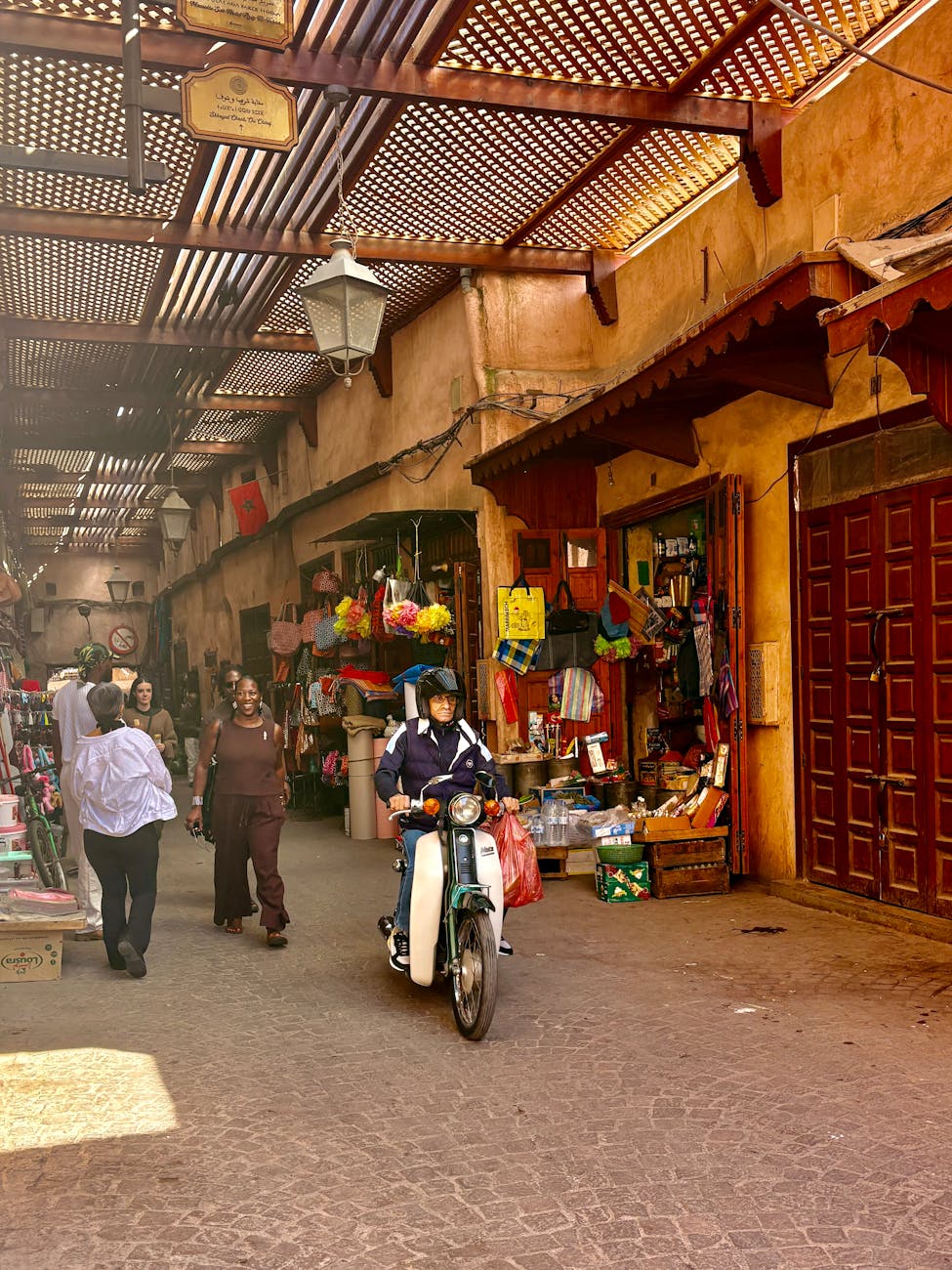
- Medina: Heart of the city, narrow alleys, riads, and souks. Best for a 3-day stay if you want walking access to Jemaa el-Fna and major monuments.
- Gueliz: Modern commercial district with bakeries, art galleries, and wider streets—good for evening cafés and modern shops.
- Hivernage: Hotel strip with nightlife and gardens; quieter at night and easier for late arrivals.
- Mellah: Historic Jewish quarter near the Royal Palace—interesting for architecture and quiet streets.
- Palmeraie: Palm groves outside the centre—resorts and ethical camel/horse considerations apply here.
Transport notes:
– Marrakesh Menara Airport is close to the city centre (10–20 minutes by taxi). Use the airport shuttle or a metered petit taxi.
– Petit taxis serve the city—one to three passengers; insist the driver uses the meter or negotiate before you go.
– Grand taxis and ONCF trains connect to Casablanca, Rabat, and Meknes; CTM and Supratours buses serve Essaouira and Agadir. Expect luggage checks and reliable schedules but book ahead in high season.
Local etiquette:
– Dress modestly in public spaces, especially during Ramadan.
– Learn basic greetings (e.g., Salam) and ask before photographing people.
– Friday is the main prayer day—some shops close mid-day.
How to Choose Well
Match timing to your priorities:
- If you want comfortable weather for walking and photography: choose March–May or September–October.
- If budget and low crowding matter more than sunshine: December–February offers lower rates but bring warm layers.
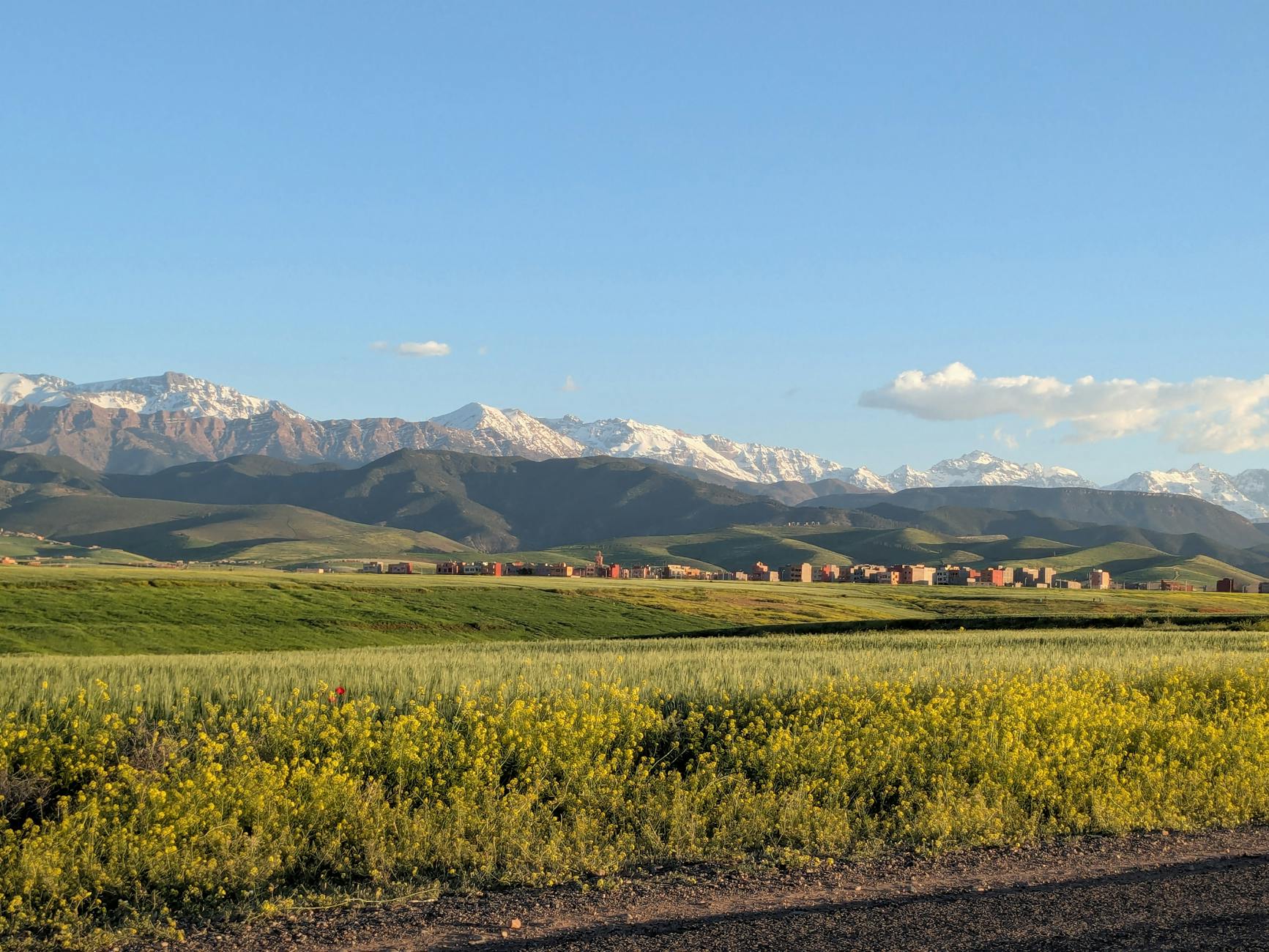
- If you’re planning Atlas Mountain day trips: spring brings wildflowers; winter allows snow scenery but requires an experienced driver.
- For coastal day trips: Essaouira is windy in spring (great for kitesurfers) and milder in autumn; Agadir is warmer all summer.
Selecting transport for day trips:
– Essaouira: 2.5–3.5 hour drive by private transfer or CTM bus—start early to maximize time.
– Casablanca and Rabat: Regular ONCF trains (2.5–4 hours depending on route); trains are greener than private cars.
– Agadir and Meknes: Longer trips; consider overnight stays or flights to save time.
Where to stay for a 3-day itinerary:
– Day 1: Stay in a Medina riad to explore Jemaa el-Fna and souks.
– Day 2: Visit Majorelle and the museums—Gueliz or Medina base both work.
– Day 3: Day trip to Essaouira or a short Atlas excursion. See the 3 days in Marrakesh guide for timed suggestions and walking routes.
Responsible and Local-First Tips
Practical ways to make your visit benefit local people and reduce impact:
- Stay in locally owned riads and cafés; look for properties employing local staff and buying local food.
- Hire licensed local guides for medina tours and day trips to ensure payments stay in the community.
- Prefer public transport (ONCF trains, CTM buses) for intercity travel when possible—it's lower-impact than private cars.
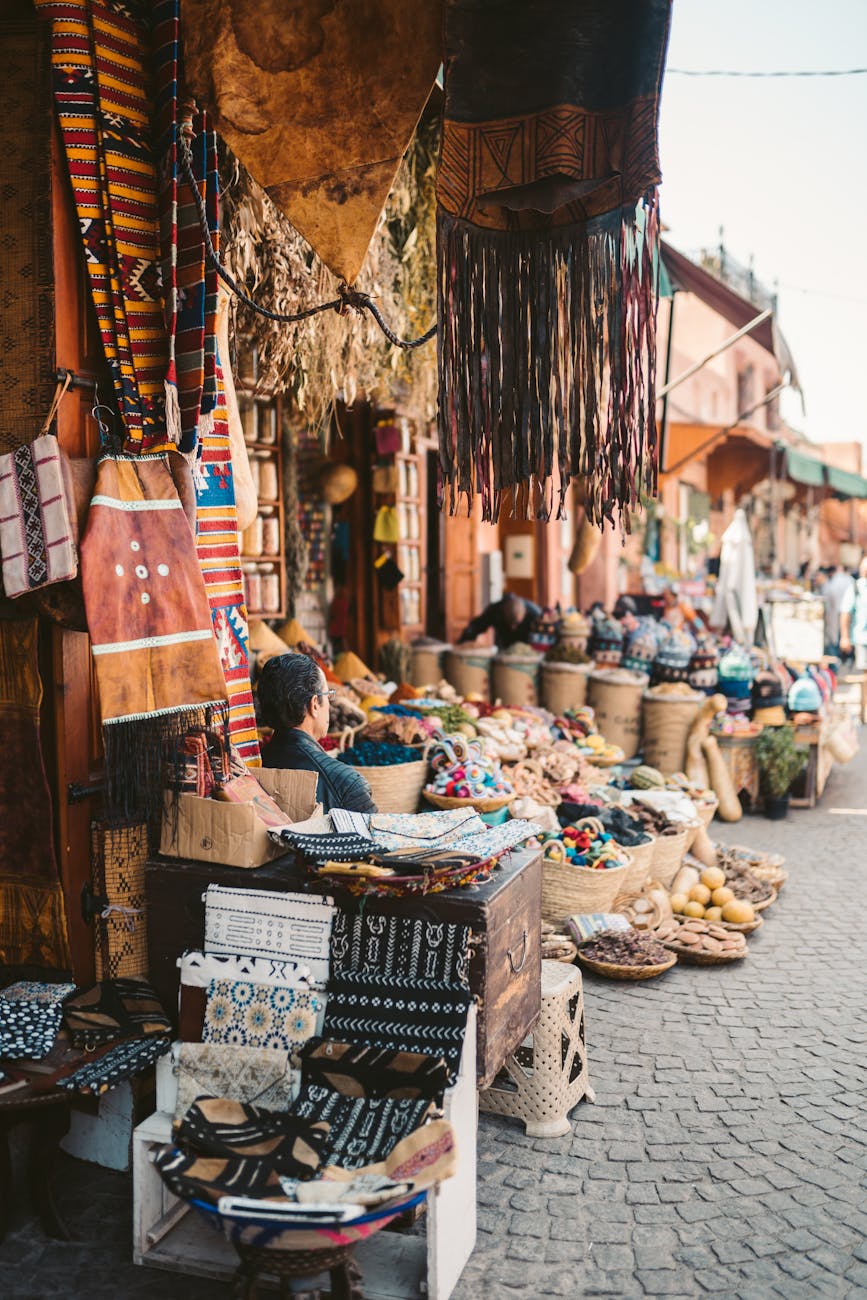
- Buy from artisan cooperatives and women’s workshops rather than anonymous souvenir stalls—ask where items are made.
- Skip quad-bike or unregulated camel rides in the Palmeraie; choose ethical tourism operators or walking tours.
- Reduce plastic by carrying a refillable bottle and using filtered water stations at your riad when available.
- Learn a few Arabic or French phrases; polite interactions make a difference to small businesses.
Common Mistakes to Avoid
Avoid these frequent planning errors:
- Visiting in July–August without planning for heat—midday sightseeing becomes exhausting and less enjoyable.
- Assuming everything is open during Ramadan—restaurants and markets may have different hours; plan dinner experiences for after sunset.
- Not booking riads and popular guides ahead of shoulder-season weekends—weekends draw domestic travelers.
- Picking a riad solely on price—check location (Medina vs. Gueliz), reviews about noise, and whether staff are local.
- Relying only on cash machines—bring some dirhams because many small vendors and taxis prefer cash.
- Choosing exploitative animal tours—ask questions and prefer certified operators.
FAQ
When is the absolute warmest and coolest time in Marrakesh?
Warmest: July and August (regularly 35–45°C / 95–113°F). Coolest: December–January nights can drop to single digits Celsius; daytime temperatures are mild (10–18°C / 50–64°F).
How does Ramadan affect visiting Marrakesh?
During Ramadan, daytime eating in public is discouraged and some businesses reduce hours. Tourist-facing hotels and restaurants usually stay open, but market hours and tour schedules can shift. Respect local customs, avoid eating openly during fasting hours, and plan flexible arrival times.
Can I do day trips to Essaouira or the Atlas Mountains from Marrakesh in one day?
Yes. Essaouira: 2.5–3.5 hours each way—possible as a long day but better as an overnight if you want to explore. Atlas Mountains: many half-day and full-day excursions are available—choose early starts and hire local guides if you plan hiking.
When should I book riads and trains?
For shoulder-season travel, book riads and popular guided tours 6–8 weeks ahead. For November film events, winter holidays, or summer weekends, book 2–3 months ahead. Train and long-distance bus seats are best reserved a few weeks in advance for peace of mind.
Is Marrakesh safe in terms of health and sun exposure?
Common-sense safety: carry water, use sun protection, and avoid long midday sun in summer. Drink bottled or properly filtered water. Street food is generally fine at busy, well-reviewed stalls; ask your riad host for trusted recommendations.
Which neighborhood is best for a 3-day first-time visit?
Stay in the Medina for immediacy to Jemaa el-Fna and major monuments. If you prefer modern cafes and galleries, Gueliz is a good alternative. Hivernage suits travelers wanting quieter nights and larger hotels.
Conclusion
Choose March–May or September–November for the best balance of weather, comfort, and local benefit. If you need lower prices and quiet streets, winter works well with warm layers. Avoid midsummer for heavy sightseeing unless you plan heat-adapted activities.
When you’ve picked dates, consult the 3 days in Marrakesh guide to structure arrival, two full days of highlights, and sensible day trips. For longer overland travel, consider sustainable train or CTM bus routes to Essaouira, Agadir, Casablanca, Rabat, and Meknes to keep your trip low-impact and locally beneficial.
How this guide was prepared
This guide was prepared through a structured research that combines destination research, geographic context, itinerary planning logic, and content review.