

Porto Seguro in 3 Days: Honest Itinerary & Practical Tips
A practical 3-day Porto Seguro guide with schedules, costs, and realistic plans for beaches, the historic center, Arraial d'Ajuda ferry, and local eats.
A no-nonsense 3-day plan that balances the historic centre, the lively beach strip, a ferry hop to Arraial d'Ajuda, and one boat snorkel trip, with real costs and timing.
Expect a coastal town that combines lively beachfront commerce, an old Portuguese-colonial core, and a visible indigenous presence. Mornings in the Cidade Histórica feel quiet and sunlit; afternoons on the main beaches are loud and crowded with families and day-trippers. Nights concentrate along Passarela do Álcool and the Taperapuã strip where street food, live music and beach clubs run late. Many visitors arrive expecting only party life and miss the town’s layered history and the Pataxó craft economy in places like Coroa Vermelha. Noise, traffic and crowds are real during peak months, but public services, short distances and frequent ferries make a three-day schedule workable. This place suits travellers who want a mix of easy beach time plus a dose of local culture, and who can tolerate crowded bars and basic tourist infrastructure.
Is 3 days in Porto Seguro enough?
Yes — three days are enough to see the Cidade Histórica, spend time at Praia de Taperapuã and Passarela do Álcool, take the short ferry to Arraial d'Ajuda, and do one snorkel boat to Recife de Fora. One honest caveat: fitting Trancoso or a full-day trip to Abrolhos National Marine Park requires extra days or an overnight onward.
Who This Guide Is For
This plan suits short-stay beach travellers who want a mix of history, beach clubs, and light adventure; budget travellers and families will find it manageable. It is a poor fit for deep divers, multi-day eco-trek groups, or anyone who expects a slow, remote rainforest retreat.
Local Tips for Porto Seguro
Practical details that most travel sites skip — specific to Porto Seguro.
- Take the balsa (ferry) from the Porto Seguro ferry terminal to Arraial d'Ajuda; departures run roughly every 15–30 minutes, the crossing is about 10 minutes, and the one-way fare is around R$3–R$6 (cash accepted onboard).
- Passarela do Álcool (often called 'Passarela') gets busiest after 9pm; many bars add a couvert artístico or table charge of roughly R$5–R$20 on weekends, so check menus before sitting.
- Boat trips to Parque Marinho do Recife de Fora leave at low tide from Praia do Muta or Praia de Taperapuã; operators charge approximately R$70–R$120 per person and will run only at suitable tide windows.
- Coroa Vermelha hosts a Pataxó craft market next to Igreja da Coroa Vermelha; expect handcrafted beaded jewelry and wooden items priced from about R$20–R$150 and negotiate politely.
- Museu de Porto Seguro in the Cidade Histórica usually charges an entry fee near R$10 and closes early (around 16:30–17:00), so schedule the historic centre visit for the morning.
How This Guide Was Prepared
This guide treats Porto Seguro as a working beach-and-history destination rather than a postcard. Many guides over-focus on nightlife or daydream about nearby luxury resorts and skip the practicalities of ferry schedules, tide-dependent snorkeling, and the distinct native Pataxó craft economy. Expect useful timing, transit details, and honest trade-offs for a three-day visit. This guide was prepared through a structured research that combines destination research, geographic context, itinerary planning logic, and content review.
Plan Your Stay in Porto Seguro
Use this itinerary as your starting point, then compare areas to stay, transport options, seasonal timing, and realistic daily costs before booking.
Why Visit
A short stay delivers three distinct experiences within easy reach. The Cidade Histórica offers intact colonial buildings, museums and the Marco do Descobrimento monument for a compact cultural half-day. The Taperapuã beachfront and clubs like Axé Moi provide a straightforward beach-day experience with rentable loungers and organized barracas. A five- to ten-minute ferry ride to Arraial d'Ajuda gives access to Rua do Mucugê and different dining and beach options without long travel. Nearby Coroa Vermelha is one of the few places where Pataxó artisans sell crafts adjacent to a historically significant shoreline. Practical advantages include short transfer times from Porto Seguro Airport and many tour operators operating directly from beaches, which suits travellers with limited time.

Quick Planning Tips
Fly into Porto Seguro Airport (BPS); the ride to Praia de Taperapuã or the city centre is 15–30 minutes depending on traffic. Official taxis, Uber and 99 operate from the airport; expect a fare around R$60–R$120 to the main beach strip. Bring Brazilian reals (BRL) and set up PIX on a card or app for quick payments; many beach stalls and craft sellers prefer cash or PIX, and smaller vendors may not accept cards. One common planning mistake is ignoring tide schedules for snorkel trips — book reef tours only after confirming the low-tide window. Also avoid peak holiday dates (Christmas, New Year, Carnival) unless booked months ahead.

Day 1
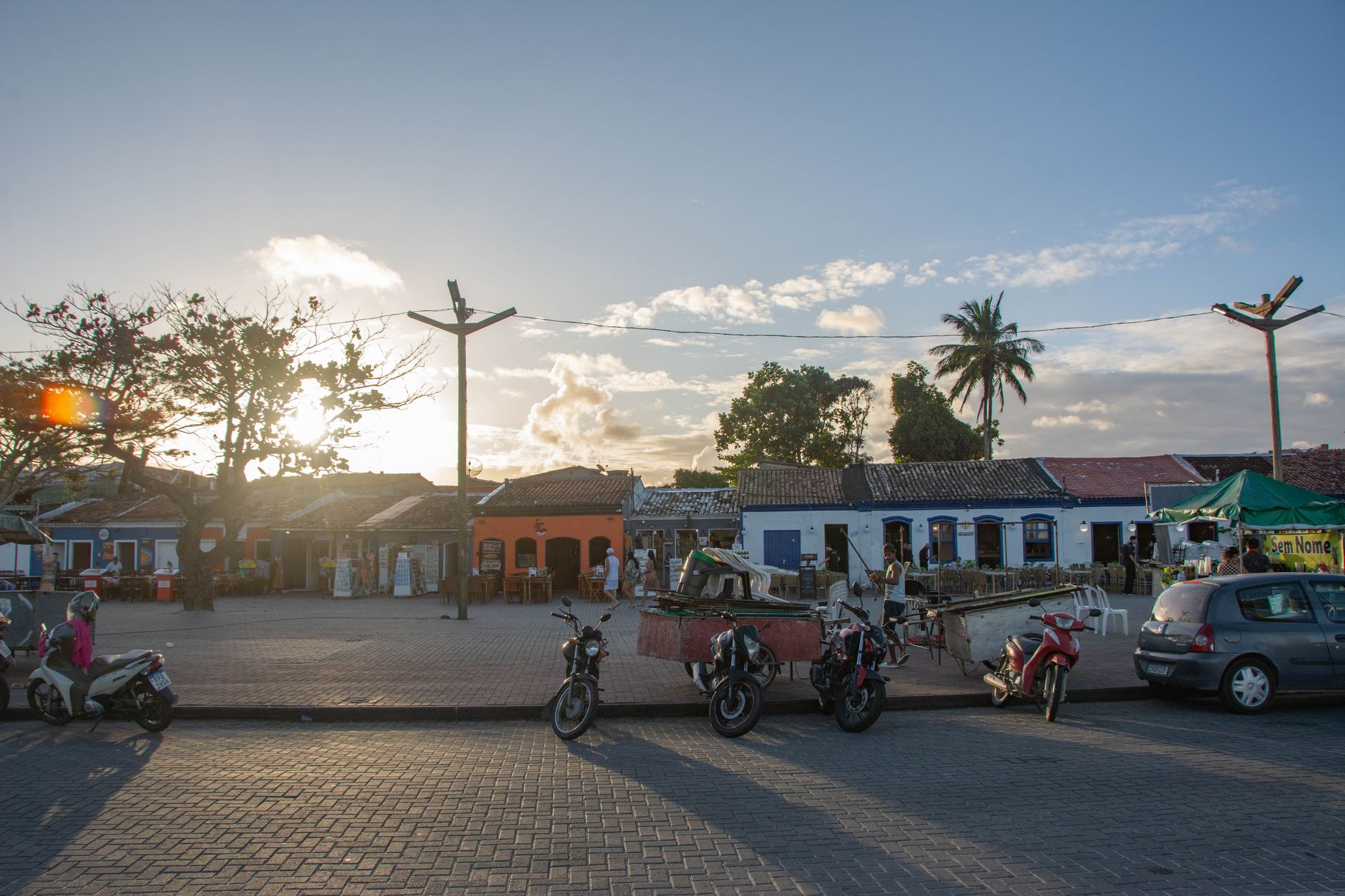
Morning: Start in the Cidade Histórica around Praça Pedro Álvares Cabral. Walk the streets to see Igreja de São Benedito and Museu de Porto Seguro; most sites are within 10–15 minutes of each other on foot. Expect the museum to take 45–60 minutes and to close by 16:30. Midday: Walk (10–15 minutes) or take a short taxi ride to Marco do Descobrimento to see the landing monument and coastal viewpoint; this stop is 10–20 minutes from the historic square depending on traffic. Lunch: Head to Praia do Cruzeiro or the waterfront kiosks near the ferry terminal for grilled peixe (fish) and salads — a beach kiosk meal costs roughly R$30–60 per person. Afternoon: Transfer to Praia de Taperapuã (20–30 minutes by bus or taxi). Spend the afternoon at Axé Moi or a barraca such as Barramares; rent a sun lounger (R$20–R$50) and sample street snacks. Evening: Walk or take a short taxi to Passarela do Álcool for dinner and live music. Choose a restaurant that lists prices or a printed menu to avoid surprise couvert charges. End the night sampling local street acarajé and watching the live acts along the passarela.

Day 2
Morning: Cross to Arraial d'Ajuda via the balsa from the ferry terminal; the crossing is about 10 minutes and runs frequently. Once ashore, head to Rua do Mucugê for coffee and shops — the street concentrates restaurants and craft stores and is walkable in 20–30 minutes. Midday: Take a local bus or tuk-tuk to Praia do Mucugê or Praia de Taípe for swimming; travel time from the ferry landing is generally 10–20 minutes. Lunch: Eat at a Rua do Mucugê restaurant or one of the small barracas on Mucugê beach; expect R$30–70 for a main course. Afternoon: Explore Praia do Espelho style beaches around Arraial or take a short moto-taxi to the Mirante for a view back toward Porto Seguro; return on a late-afternoon balsa if staying in Porto Seguro. Nightlife: Arraial’s Rua do Mucugê has quieter evening options and live acoustic sets; if returning to Porto Seguro, Passarela do Álcool remains an option.

Day 3
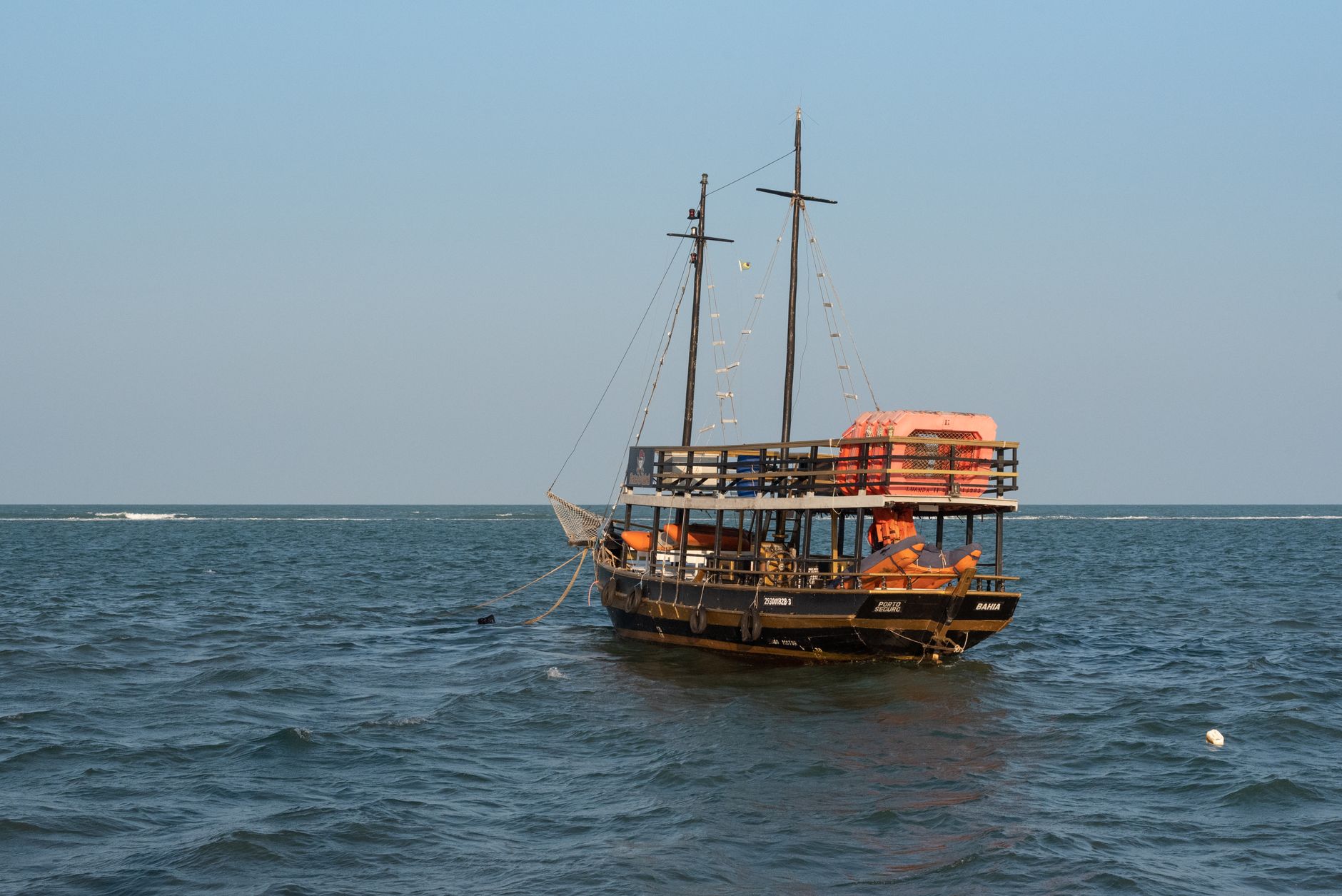
Morning: Book a Recife de Fora snorkel tour that departs early from Praia do Muta or Praia de Taperapuã. Confirm the operator checks tide charts; tour duration is typically 3–4 hours including boat transit and snorkeling, and costs about R$70–R$120 per person. Midday: After the snorkel, return to shore and move to Praia de Mundaí for a relaxed lunch at a barraca — grilled shrimp or bobó will cost roughly R$40–80. Afternoon: If catching an afternoon flight, stay near the airport or in the Taperapuã area to avoid the stress of cross-town traffic; the ride to Porto Seguro Airport takes 15–30 minutes. Alternatively, dedicate late afternoon to Coroa Vermelha to visit the Pataxó craft market and Igreja da Coroa Vermelha; the site is 20–30 minutes south by taxi. Practical note: for afternoon departures, plan the snorkel in the morning and allow at least 2 hours buffer for transit, check-in and security at BPS.
Best Local Experiences
Passarela do Álcool: evening street-food, live bands and craft stalls clustered along the main pedestrian strip. Cidade Histórica: a morning walkthrough that includes Museu de Porto Seguro and Igreja de São Benedito. Recife de Fora reef tour: a tide-dependent snorkel experience that shows shallow coral formations and fish life. Coroa Vermelha Pataxó market: a place to meet Pataxó artisans and buy beads, textiles and wooden work; vendors expect negotiation. Axé Moi and Barramares beach clubs on Praia de Taperapuã: organized beach service with live music and events for day visitors. Each of these is very specific — check hours, tide tables and whether a cover or entrance fee applies before arrival.
Where to Stay
Taperapuã: Best for first-time visitors who want beach access and beach clubs like Axé Moi. Close to restaurants and taxis; expect hotel rates around R$150–R$450 per night (≈€25–€85 / $30–$95). Centro / Passarela do Álcool: Suits nightlife-focused travellers who want to be within walking distance of bars and the ferry. Rooms here vary from budget guesthouses to mid-range hotels for roughly R$120–R$350 per night (≈€20–€65 / $25–$75). Arraial d'Ajuda (ferry side): Best for those who prefer quieter evenings and boutique pousadas near Rua do Mucugê. Staying here means daily balsa crossings if visiting Porto Seguro; expect R$180–R$600 per night (≈€30–€115 / $35–$135). Prices rise sharply in December, Carnival and New Year, so book early if travelling then.
Food and Drink
Moqueca Baiana: a seafood stew with coconut milk, dendê oil and cilantro. Find a solid version at beachfront restaurants near Taperapuã and Rua do Mucugê for R$45–120. Acarajé: deep-fried black-eyed pea fritter sold by baianas, commonly filled with vatapá and shrimp; a street portion costs R$8–20 and is classic on the passarela and in Coroa Vermelha. Bobó de Camarão: shrimp in cassava cream; offered at mid-range restaurants for R$40–90. Grilled peixe (local reef fish): simple and common at beach barracas — expect R$35–80 depending on size. Caipirinha and local cachaça: widely available; a caipirinha runs R$12–30 at bars and restaurants. For breakfast, try pão de queijo or tapioca from a café; a coffee and tapioca will cost about R$8–20. Many beach barracas serve food cheaper than sit-down restaurants but may be cash- or PIX-only.
Getting Around
No metro network exists; transport relies on municipal buses (ônibus urbano), private vans, taxis and ride-hailing. Common bus routes connect Centro and Praia de Taperapuã; single fares are about R$4–R$6. Uber and 99 operate in the area and usually offer cheaper fares than radio taxis for airport transfers. Taxis from Porto Seguro Airport to Taperapuã typically cost R$60–R$120 depending on time of day and luggage. There is no widely used tourist transit card; use Moovit or Google Maps for local bus schedules and the Uber/99 apps for point-to-point trips. For island or reef trips, book with licensed operators at the main beach strips and confirm pickup points.
Best Time to Visit
High season runs December to March with temperatures commonly 26–33°C and crowded beaches and higher prices; Carnival weeks and New Year are peak demand. April to June offers warm weather (24–29°C) with fewer crowds and better value, though isolated rain showers increase in April–May. July and August are slightly cooler (22–28°C) and drier, a good window for lower prices and reliable sea conditions. September to November brings warmer days and increasing humidity; late spring (September–October) is often the best trade-off for fewer tourists and pleasant water temperatures. Avoid booking with little flexibility during major Brazilian holidays when rates spike.
Budget and Practical Tips
Daily budget (per person, sensible mid-range): Accommodation R$150–R$350 (≈€25–€65 / $30–$75); Food R$70–R$150 including one sit-down meal and snacks (≈€12–€28 / $15–$32); Transport R$20–R$80 for buses, a few short taxis and one airport transfer (≈€3–€15 / $4–$18); Activities and entries R$10–R$120 depending on museum entries, reef snorkel or beach club day pass (≈€2–€22 / $2–$26). Tipping: restaurants sometimes add a 10% service charge; if they do not, a 5–10% tip is customary for good service. Small change for beach vendors is appreciated. Carry a mix of cash and cards; enable PIX on a Brazilian-capable account for lower-cost transfers to local sellers.
FAQ
Is Porto Seguro safe for tourists at night?
Central areas and the Passarela do Álcool are heavily frequented by tourists at night, but pickpocketing and petty theft occur; use common-sense precautions, avoid poorly lit side streets, and keep valuables secure.
How do I get from Porto Seguro Airport to the beaches?
Official taxis, Uber and 99 run from the airport; expect 15–30 minutes to Taperapuã and fares around R$60–R$120 depending on time and luggage.
Is a city card or tourist pass worth buying?
There is no widely used Porto Seguro city card; individual museum entries and tour bookings are paid per site, so a pass is not necessary for a three-day visit.
Can card payments be used everywhere?
Many hotels and larger restaurants accept cards, but beach barracas, craft stalls and smaller vendors may require cash or PIX; carry small bills.
Are reef snorkel tours safe for non-swimmers?
Operators provide flotation vests and guides, but reef tours involve open-boat transfers and snorkelling at low tide; non-swimmers should discuss options and possibly join a boat with shallower reef sections.
Is Portuguese required?
Portuguese is dominant; basic English appears at larger hotels and some tour operators, but learning simple Portuguese phrases improves service and bargaining in markets.
How far is Trancoso as a day trip?
Trancoso is about 1.5–2 hours each way by road and ferry combinations; as a day trip it is doable but will be a long day with less beach time, so an overnight stay is recommended for comfort.
Are there medical facilities nearby?
Porto Seguro has private clinics and a public hospital; travel insurance that covers evacuation to larger hospitals in Salvador is recommended for serious incidents.
Conclusion
Three days will leave a clear memory of white-sand beaches, the compact colonial centre and one neat day outside the town on the ferry to Arraial d'Ajuda. Practical priorities are tide-aware reef trips, scheduling the Cidade Histórica in the cooler morning hours, and leaving buffer time for airport transfers. If time becomes tight, prioritise a morning in the historic centre plus an afternoon at Praia de Taperapuã or Axé Moi — that combination captures the local contrast between heritage and beach life better than trying to squeeze in distant day trips. Travelers who follow those priorities will leave with a realistic sense of why people return despite the crowds.
How this guide was prepared
This guide was prepared through a structured research that combines destination research, geographic context, itinerary planning logic, and content review.