
Three Days in Porto: Practical 72-Hour Itinerary and Tips
A practical 3-day Porto itinerary with transit tips, neighbourhood plans, food recommendations and realistic costs for a weekend visit.
A compact, honest 3-day plan for Porto covering Ribeira, Gaia, Serralves, markets, transport fares and where to save time.
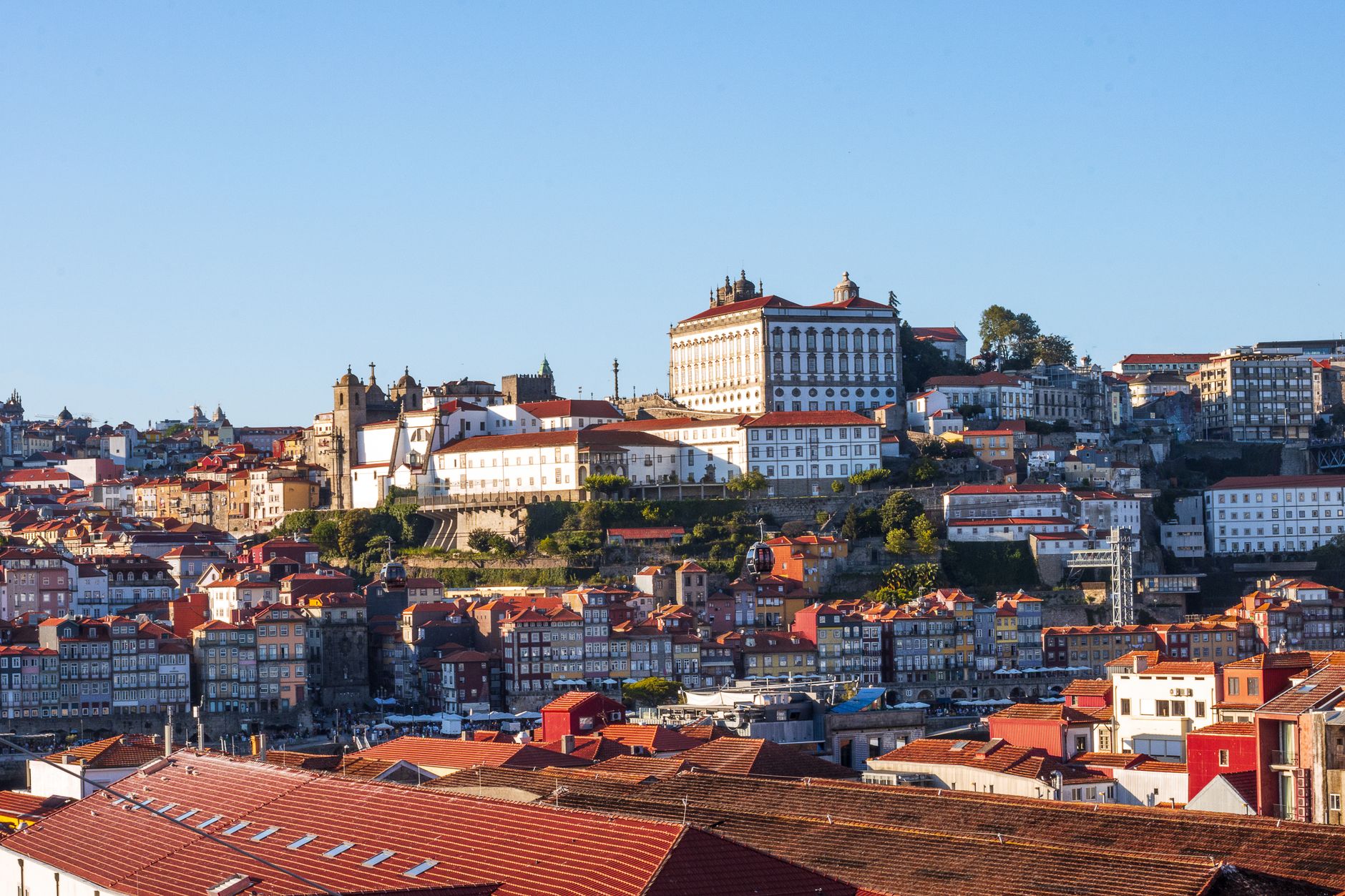
First impressions are often a mix of steep granite streets, loud tram horns near the river and clusters of port lodges across the bridge. The centre around Avenida dos Aliados and São Bento feels compact; walking frequently involves short but steep stair climbs and cobbled slopes. Expect noisy evenings in Ribeira and lots of tourism infrastructure concentrated along the Douro waterfront, which means advance reservations for popular restaurants and sites are often necessary.
This place suits people who like readable city layouts, strong food scenes and short boat trips rather than long, slow museum days. It rewards travellers who plan for hills, reserve timed tickets for top attractions, and use the integrated transit card system to jump between neighbourhoods efficiently. The working port culture in Gaia and the industrial-to-creative shifts in Foz and Boavista give the visit clear contrasts across three days.
Is 3 days in Porto enough?
Yes—three days are enough to see the core sights: Ribeira, Clérigos/Torre dos Clérigos, a Douro boat cruise, Serralves and a day in Gaia's port lodges. The caveat: museums and day trips (Braga or Douro Valley) will need to be deferred or require a longer visit.
Who This Guide Is For
Best for travellers who prefer a compact schedule that mixes architecture, food and river views; less suitable for visitors wanting slow museum deep-dives or a full Douro wine-region tour.
Local Tips for Porto
Practical details that most travel sites skip — specific to Porto.
- Buy an Andante card at any metro machine (Trindade, Aliados) and load credit — single-trip fares start around €1.20 for one zone; the card is required for buses, metro and suburban trains.
- Livraria Lello charges a timed-entry ticket (about €5) that is deductible against book purchases — buy tickets online for a morning slot to avoid long queues.
- The classic six-bridges Douro river cruise from Ribeira (Cais da Ribeira) takes about 50 minutes and costs roughly €15–18; book at the dock or online for a fixed time.
- Palácio da Bolsa guided visits run on set times and cost about €10–€12; arrive 15 minutes early at Rua Ferreira Borges to join the English tour.
- Metro line E (Aeroporto) connects Sá Carneiro airport to Trindade and music venues; a taxi from the airport to Baixa costs about €25–35 depending on luggage and time of day.
How This Guide Was Prepared
This guide treats Porto as a working, walkable city where river life, port lodges in Gaia and a strong café culture shape the visit. Many guides over-emphasize postcard views and under-explain transit, timing for popular sites (Livraria Lello, Palácio da Bolsa) and the noise/late-night restaurant crowds that affect bookings and sleep. This guide was prepared through a structured research that combines destination research, geographic context, itinerary planning logic, and content review.
Plan Your Stay in Porto
Use these planning pages to compare areas to stay, expected costs, seasonal timing, and local transport before booking.
Why Visit
There are concrete, different reasons to choose this destination for a short break. First, the riverside district and the Luís I Bridge provide a compact sequence of views, waterfront dining and port lodges in Gaia that can be experienced in a single afternoon. Second, cultural venues like Casa da Música and Serralves Museum offer contemporary programming alongside walkable parks and modern architecture that contrast with the historic core. Third, the food culture—from a Francesinha sandwich to petiscos and seafood in Matosinhos—gives a strong, regional culinary identity that’s accessible and affordable compared with some other Portuguese cities.
A final reason is the transport mix: a small airport served by Metro line E and a dense tram/bus/metro grid make short stays efficient. That efficiency is useful for travellers who want a concentrated taste of northern Portuguese urban life without committing to a long regional itinerary.

Quick Planning Tips
Fly into Francisco Sá Carneiro (Oporto) airport and take Metro line E to Trindade for a direct, 30–35 minute trip into the centre; machines at the airport sell Andante cards. If arriving by train, São Bento station sits in the heart of Baixa; the train platforms open onto Rua de Mouzinho da Silveira.
Carry small euros for market stalls and cafés—many places still prefer cash for small sums, though cards are widely accepted. Book Livraria Lello, Palácio da Bolsa and any Casa da Música guided tours in advance; weekend slots sell out early. Avoid the mistake of planning both a morning in Bolhão Market and a timed Livraria Lello entry back-to-back—market browsing and queues can push schedules off by an hour.

Day 1
Morning: Start at São Bento station to see the azulejo panels (allow 20–30 minutes), then walk 3–5 minutes to Avenida dos Aliados for the municipal square and quick coffee at Café Majestic on Rua Santa Catarina if the queue is short (coffee about €2.50–3). From there, walk 8–10 minutes to Clérigos Tower (Torre dos Clérigos). Climb the tower for city views (ticket roughly €6) and set aside 30–45 minutes for the church and viewpoint.
Lunch: Walk 5 minutes to Rua das Flores and eat at Taberna dos Mercadores or Café Guarany depending on timing; for a local sandwich option head to Casa Guedes near Praça dos Poveiros for roast pork with Serra cheese (around €4–6). Afternoon: Descend to Ribeira (15–20 minute walk downhill from Clérigos) to explore the riverside, the waterfront promenades, and the small shops along Cais da Ribeira. Take a 50-minute six-bridges Douro cruise from the Ribeira dock (about €15–18) to see the bridges and riverside façades from the water.
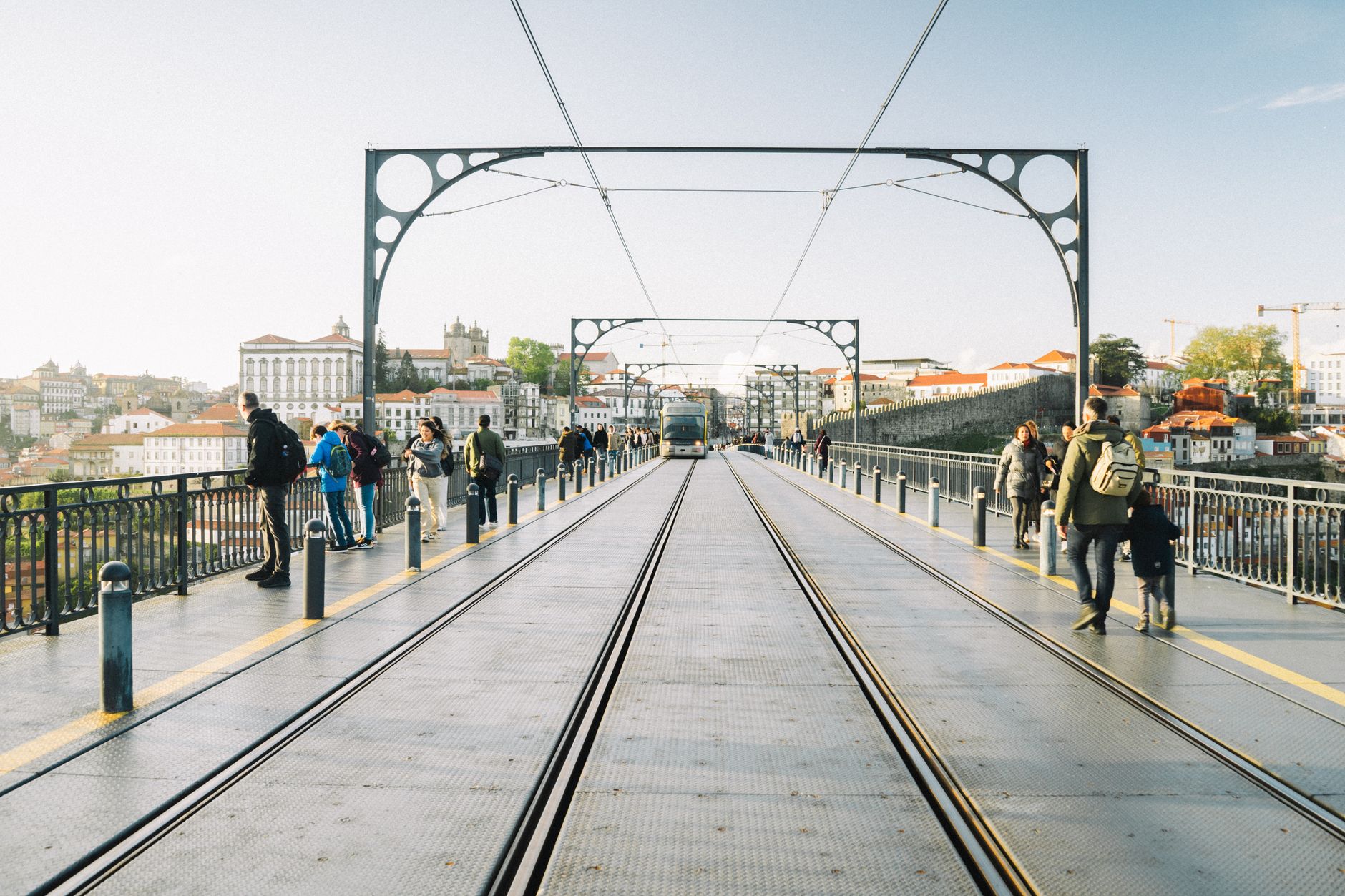
Evening: Cross the lower level of Luís I Bridge on foot to Vila Nova de Gaia (about 10 minutes by foot) for a port lodge tasting at Sandeman or Cálem; simple tastings cost €5–€15 depending on cellar. Dine in Gaia for quieter riverside views after sunset—book ahead for riverside tables because places fill fast.

Day 2
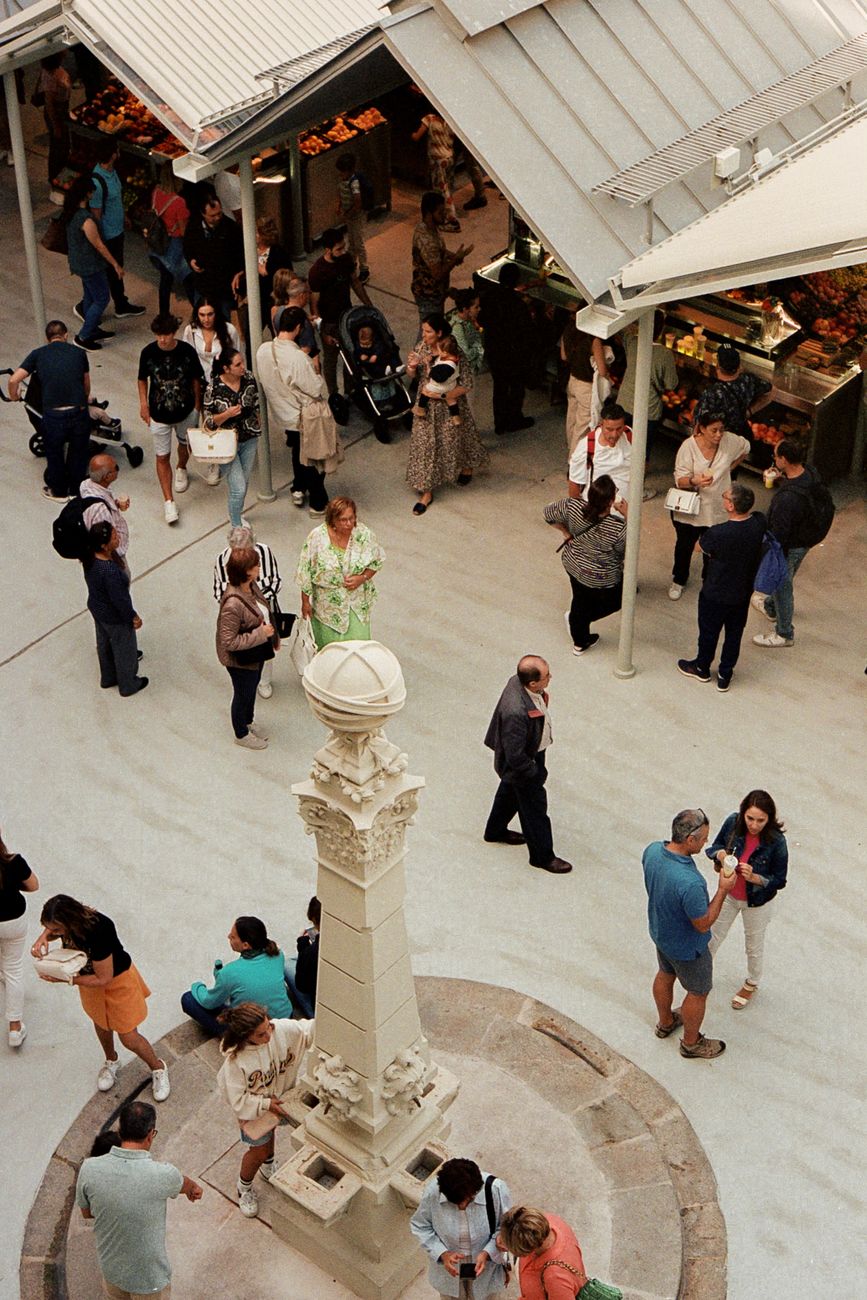
Morning: Start with a Metro or walk to Bolhão Market (Mercado do Bolhão) for fresh produce and bakery stalls; arrive before 10:30 to see full stall variety. From Bolhão, walk 8–10 minutes to Livraria Lello (timed tickets about €5, refundable against a book purchase) and allow 45–60 minutes including queue and browsing.
Lunch: Take a quick taxi or bus to Matosinhos for seafood—Praça do Povo area or O Gaveto on Rua Roberto Ivens serve grilled fish and shellfish (meal around €15–25). The taxi from Baixa to Matosinhos takes 15–20 minutes depending on traffic.
Afternoon: Return to Boavista by metro or bus to visit Casa da Música (guided tours or an afternoon concert; tours about €8–12). If weather is good, add Serralves Park and Museum by taxi or bus (museum ticket about €10–12) for contemporary art and park walks—expect a 20–30 minute transfer from Boavista. Evening: Dine in Foz do Douro for a seaside meal or choose tapas-style petiscos in the Foz beachfront bars; buses 500/601 run along the riverside for evening returns.
Day 3
Morning: Take the Funicular dos Guindais or walk up to Batalha to visit Igreja do Carmo and the tiny lanes around Rua das Flores for last-minute shopping. Allow 1–1.5 hours for slow browsing and a relaxed breakfast at a local pastelaria—try a francesinha-style breakfast only in curiosity; standard is pastry and coffee for around €2–4.
Late morning: Cross Luís I Bridge back to Gaia if the port lodges were missed or revisit a favorite cellar for a longer paired tasting (book a 60–90 minute session). If checking out midday, store luggage at São Bento station lockers or left-luggage services at Campanhã depending on train plans.
Afternoon (for those catching flights): Head toward Trindade station to connect to Metro line E to the airport for a 30–35 minute journey; allow extra time for ticket purchase and security. If there is time before departure, squeeze a short visit to Mercado Ferreira Borges or a final riverside coffee near Cais de Gaia. Evening: For outbound travellers taking an evening flight, plan a final dinner in Baixa near Aliados and factor in 45–60 minutes for taxi to the airport during late hours.
Best Local Experiences
Mercado do Bolhão: an old municipal market for produce, fish stalls and pastries—go early before vendors close by mid-afternoon. Six-bridges Douro cruise: the short river trip from Ribeira gives a useful orientation to the city’s bridge sequence. Port lodges in Vila Nova de Gaia: Sandeman, Cálem, Taylor’s and Ferreira offer different tasting styles and times—book a cellar tour with tasting for at least 45 minutes.
Casa da Música concerts: an evening program or daytime guided tour shows modern architecture and regional programming. Tram line 1 to Foz: take the historic tram from Infante to Passeio Alegre for a seaside run and a different view of the coast. São Bento station tile panels: a quick, free stop for photography and history on Rua de Mouzinho da Silveira. Bolhão’s surrounding streets: Rua de Santa Catarina and Rua das Flores for cafés, pastry shops and small boutiques specific to local shopping habits.

Where to Stay
Baixa / Ribeira: Suits visitors who want to be within walking distance of São Bento, Clérigos and the riverside. Expect small hotels and guesthouses; nightly rates vary widely but budget double rooms run from €60–€120 (≈USD 65–130) depending on season and river view. Vila Nova de Gaia: Suits those prioritising port lodges and calmer riverside evenings; a short walk across Luís I Bridge. Mid-range hotels and guesthouses here often cost €70–€140 (≈USD 75–150) per night.
Boavista / Casa da Música: Suits concert-goers and those who prefer modern neighbourhoods with wider streets and tram/metro access. It is quieter at night and closer to Serralves; expect mid-range hotels from €75–€150 (≈USD 80–160) per night. Matosinhos (if seafood is a priority) offers seaside guesthouses and easy metro access; typical rooms from €50–€120 (≈USD 55–130) depending on proximity to the beach and transport.
Food and Drink
Francesinha: a layered sandwich with bread, wet-cured ham, linguiça, steak and melted cheese, served with a spicy tomato-beer sauce—best known at Café Santiago or Bufete Fase; expect €8–13 for a full plate. Tripas à moda do Porto: a traditional tripe stew found at Casa Guerra or Casa do Livro; hearty portion about €7–10. Bacalhau à Gomes de Sá: salt cod baked with potatoes and onions—look for it at local tascas and traditional restaurants for €10–15.
Caldo Verde: a simple potato-and-kale soup often served as a starter—€2.50–4. Pastéis de Nata and other pastries: grab fresh pastries at Confeitaria do Bolhão or Padaria Ribeiro for €1–1.50 each. Port wine tastings in Gaia: basic tastings €5–10, longer paired sessions €12–25. Breakfast: pastelaria pastry and galão (milky coffee) at local cafés for about €2–4. Street food: bifana (pork sandwich) and small petiscos at market stalls or café counters for €2–6. Dinner recommendation: a riverside meal in Ribeira or Gaia focusing on grilled fish—budget €18–35 per person depending on wine and location.
Getting Around
Metro: Lines A, B, C, D, E and F run across the urban area; Trindade is the main interchange and Line E connects to Sá Carneiro airport (Aeroporto station). Tram: historic tram line 1 runs between Infante and Foz do Douro and is useful as a scenic option, but services are infrequent. Buses: STCP buses cover routes that connect Boavista, Foz and suburban areas; route numbers 500 and 601 run along the riverfront.
Tickets: use an Andante card (buy and load credit at metro machines); single-trip fares start around €1.20 for one zone, increasing by zones. A 24-hour Andante Tour pass or the Porto Card can be useful if planning multiple trips and museum discounts—prices vary, so check current rates before travel. Taxi/Uber: airport to Baixa around €25–35, central short rides typically €4–10 depending on distance. Apps: use 'Moovit' or 'Metro do Porto' official app for schedules and 'Bolt' or 'Uber' for ride-hailing.
Best Time to Visit
Spring (March–May): Mild temperatures 12–20°C and fewer tourists than summer—good balance of weather and value. Summer (June–August): Warmer 20–28°C, busiest period with crowded riverside restaurants and higher accommodation prices; book early. Autumn (September–November): Similar to spring with slightly more rain and cooling evenings 14–22°C; shoulder-season offers lower rates and still-good weather.
Winter (December–February): Cooler, wetter weather 8–14°C and a quieter city with lower accommodation costs—some attractions and boat operators reduce schedules. For best value and comfortable walking, late April to early June and September offer the cleanest trade-off between weather, daylight and crowd levels.
Budget and Practical Tips
Daily budget estimates per person: budget traveller: accommodation €50 (≈USD 55), food €25, transport €6, entry fees €10–15 — total roughly €90–100 (≈USD 100–110). Mid-range traveller: accommodation €90–130 (≈USD 95–140), food €35–50, transport €8–12, entries €20–35 — total around €160–230 (≈USD 170–250). Allow extra for wine tastings (€5–25) and a Douro day trip which can cost €50–120 depending on group size.
Tipping: service charges are not automatic in most cafés; leaving small change or rounding up bills is common. In sit-down restaurants, a 5–10% tip for good service is appreciated but not mandatory. Carry a small supply of coins for market stalls and older cafés; many small vendors prefer cash for small purchases. Practical items: bring a pair of comfortable shoes with good grip for cobbles and stairs, and a light rain jacket for sudden showers in shoulder seasons.
FAQ
Is Porto safe for solo travellers?
Yes—most central neighbourhoods are safe during daytime; standard city precautions apply at night and keep an eye on belongings in crowded areas like Ribeira and public transit.
How do I get from the airport to the city centre?
Take Metro line E from Aeroporto to Trindade for about 30–35 minutes or grab a taxi for roughly €25–35 depending on time and luggage.
Is a Porto Card worth buying?
Porto Card can be worth it if planning multiple museum entries plus unlimited metro travel over 24–72 hours; calculate planned museum costs and metro trips before buying.
Can everything be walked in three days?
Central attractions are walkable but expect steep climbs; use metro or taxis to save time between Boavista, Matosinhos and Gaia.
Are card payments widely accepted?
Yes in most restaurants and shops, but smaller market stalls and some cafés prefer cash—carry small euros for those purchases.
Is English widely spoken?
English is commonly spoken in tourism-facing businesses, restaurants and at museums, though older shopkeepers may prefer Portuguese.
When are Livraria Lello and Palácio da Bolsa busiest?
Midday and late afternoon on weekends; book timed tickets in advance for morning slots to avoid queues.
Are taxis and ride-hailing reliable late at night?
Yes—Bolt and Uber operate in the area and taxis are available, but allow extra time during festivals or match days.
Conclusion
A three-day stay gives a concentrated experience of riverfront life, port lodges in Gaia and a clear taste of northern Portuguese cuisine and architecture. Most visitors will remember the river views from Luís I Bridge, the tile panels at São Bento and at least one substantial port tasting. If time runs short, prioritise a morning in the historic centre (São Bento, Clérigos, Livraria Lello with pre-booked tickets) and an afternoon Douro cruise or Gaia tasting—those two elements capture the city’s most distinctive contrasts.
How this guide was prepared
This guide was prepared through a structured research that combines destination research, geographic context, itinerary planning logic, and content review.