
Getting Around Porto: practical transit, walking and taxi advice
How to get around Porto: metro lines, Andante fares, tram/bus tips, taxi costs from OPO, cycling and walking advice for Baixa, Ribeira and Foz.
Clear, practical directions for using Metro do Porto, Andante tickets, trams, STCP buses, taxis and bikes in Porto. Includes airport fares, day-pass prices and common mistakes.
Quick Answer
Metro do Porto Line E (violet) links Francisco Sá Carneiro Airport to Trindade — expect a single airport–centre metro ticket of about €2.00 (≈$2.20). For most travel inside central Porto, an Andante Z2 single costs about €1.20 (≈$1.30) and a 24‑hour Andante pass runs around €7.00 (≈$7.60); taxis from OPO to Baixa are typically €25–€35.
Who This Page Is For
This page helps first-time visitors and short-stay travellers who need clear, costed choices for getting between the airport, Campanhã/São Bento stations and central neighbourhoods like Baixa, Ribeira and Foz. Frequent commuters or long-term residents may need more detailed season tickets and local employer programs not covered here.
Key Takeaways for Porto
- Airport metro: Metro do Porto Line E serves Aeroporto ↔ Trindade; single fare about €2.00 (~$2.20).
- Local single trip: Andante Z2 single within central Porto ≈ €1.20 (~$1.30); buy or top up at vending machines.
- Day pass: 24‑hour Andante pass costs about €7.00 (~$7.60) for unlimited travel in applicable zones.
- Taxi/ride‑hail: Taxi from Francisco Sá Carneiro (OPO) to Baixa ≈ €25–€35; Uber/Bolt typically €18–€28 depending on time.
How This Page Was Prepared
This page was prepared through a structured editorial workflow that combines destination research, geographic context, and practical travel-planning review.
Plan the Rest of Your Trip
Use this page together with the full itinerary and the related planning pages below to make better booking, timing, transport, and budget decisions.
For most visitors, the fastest and cheapest way from Francisco Sá Carneiro Airport (OPO) to downtown is Metro do Porto Line E (violet) to Trindade: single airport fare ≈ €2.00 (≈$2.20). Inside the centre, use an Andante card for integration across Metro do Porto lines (A/B/C/D/E/F), STCP buses and trams; a typical inner‑city Andante Z2 single costs about €1.20 (≈$1.30). Buy or top up Andante cards at metro vending machines, Campanhã or Trindade stations, or at many newsagents.
Expect taxi fares from OPO to Baixa around €25–€35; ride‑hail options (Uber, Bolt) are usually a bit cheaper, roughly €18–€28 depending on demand and luggage. Walking is efficient in Baixa and across Aliados, but trips between Ribeira and Foz are better by public transport or bike because of steep gradients.
This page answers one question: what is the easiest, cheapest and most reliable way to move between Porto’s transport nodes and key neighbourhoods (Baixa, Ribeira, Foz, Gaia) during a short stay. Many travellers underestimate how steep and cobbled Porto’s centre is; distances can be short in metres but long in effort. That affects choices: walking across Ribeira to Gaia is quick but down and up steep slopes; cycling the seafront toward Foz is flat and pleasant.
Public transport is multi‑operator but integrated with the Andante system, which governs pricing by zones. Visitors often arrive at Francisco Sá Carneiro (OPO) and expect a single flat fare or to find frequent trams — both assumptions lead to wasted time or extra cost. This guide gives the actual lines, apps, ticket prices, taxi ranges, and practical trade‑offs for a stay of 1–4 days, so that the main 3 days in Porto itinerary can be followed without surprises.
What This Page Helps You Decide
Choose whether to buy an Andante single, a 24‑hour pass, take a taxi, or rent a bike based on budget, luggage and itinerary. Specific decisions covered: whether to take Metro Line E from OPO or a taxi; when a 24‑hour Andante pass (≈ €7.00) pays off versus single Z2 tickets (≈ €1.20 each); whether to walk between São Bento and Ribeira; and whether to use trams for sightseeing or metro/bus for transfers.
Also covered are practical route choices: Campanhã versus São Bento for long‑distance train connections, which Metro lines serve Casa da Música and Estádio do Dragão, and when to choose a rideshare app such as Bolt or Uber to save time late at night. This helps plan daily logistics for the linked 3‑day Porto itinerary so transit time is predictable.
Top Recommendations
Use the Andante card system for almost all public transit. Andante works across Metro do Porto, STCP buses and Porto trams; buy a plastic Andante card at vending machines in Trindade or Campanhã (initial cost refundable if returned) and top up value for zones. Expect a central city single Andante Z2 fare of about €1.20 (~$1.30). A 24‑hour Andante pass is typically about €7.00 (~$7.60) and is worthwhile if making three or more trips in one day.
Rely on Metro do Porto lines A/B/C/D/E/F for fast cross‑city travel. Line E (violet) is the airport link (Aeroporto ↔ Trindade); other lines connect Trindade with Casa da Música, Estádio do Dragão and Matosinhos. Use Trindade as the main interchange for central transfers. For bus travel, STCP runs frequent routes along Rua de Santa Catarina and Avenida dos Aliados; purchase or validate with Andante.
Historic tram line 1 runs Cais da Ribeira ↔ Passeio Alegre (Foz) and is best treated as a scenic option rather than a fast transit choice; service frequency is lower than metro and can be seasonal. Rent a bike for flat routes along the riverfront and Foz do Douro; dedicated cycling lanes run along the waterfront (Cais de Gaia to Foz), but central streets are steep and cobbled, so prefer an e‑bike or the riverside routes.
Taxi and rideshare details: taxi from Francisco Sá Carneiro (OPO) to Baixa usually costs €25–€35 depending on time and luggage; taxi from Campanhã to Baixa is about €8–€12. Uber and Bolt operate widely; expect €18–€28 from OPO to Baixa in normal hours. Validate Andante on boarding or risk a fine; do not assume buses accept cash for single rides without a valid ticket. Carry small change or use the Metro do Porto app and official ticket machines to avoid issues.
Local Context
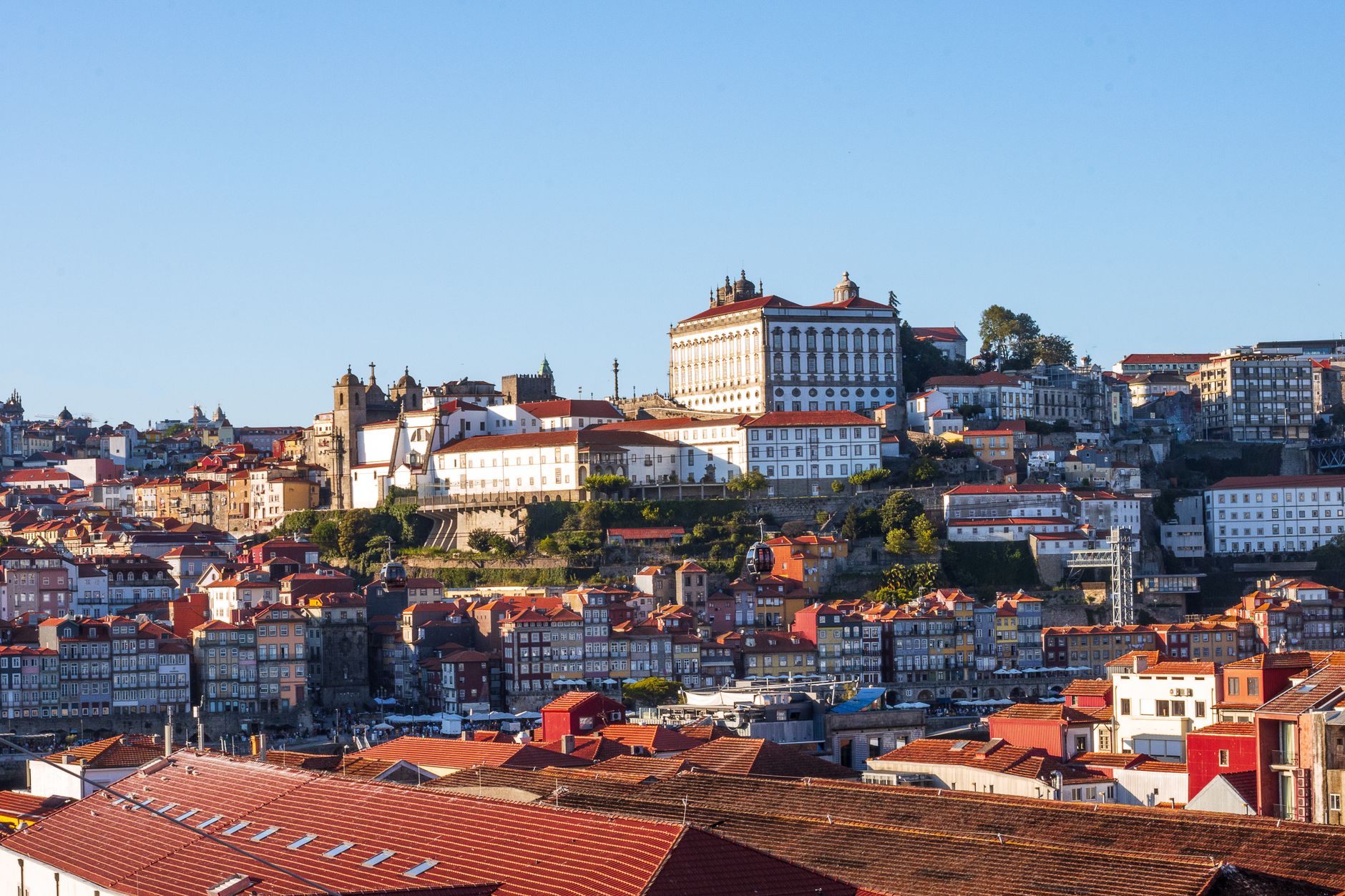
Porto’s centre is compact but very hilly. Baixa (around Avenida dos Aliados and Rua de Santa Catarina) is flat enough for walking between main sights, while Ribeira sits below on the Douro and requires steep climbs to return to Aliados or Clérigos. Foz do Douro is the seafront neighbourhood west of the city centre and is best reached by tram/bus or bike along the river. Vila Nova de Gaia (cellars and riverside) is directly across the Dom Luís I Bridge and is a short walk on the upper deck or a quick metro ride.
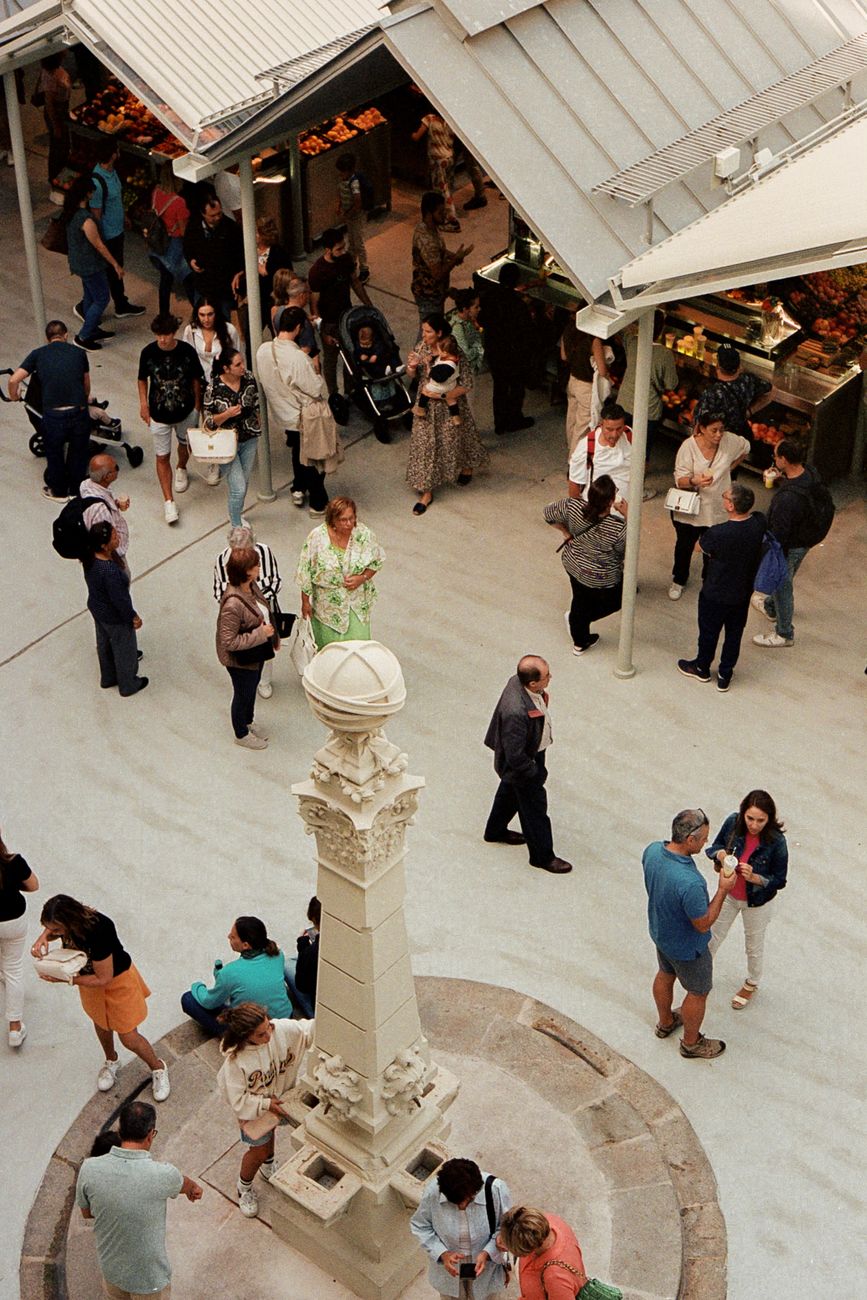
Weather affects choices: November–February bring rain and wind; cobbles become slippery, which makes trams and bikes less pleasant. June–September are drier and busier, with more tourists on tram 1 and along the Ribeira. Mercado do Bolhão on Rua de Santa Catarina is a central hub for short trips; plan morning visits for fresher stalls and easier connections. Local food like francesinha and bacalhau à Gomes de Sá are concentrated in Baixa, Ribeira and near Mercado do Bolhão, so plan transit accordingly.
How to Choose Well
Match transit choice to luggage and time. With wheeled suitcases or groups, a taxi or rideshare from OPO to Baixa is faster and usually worth €25–€35. For solo travellers without heavy bags, Metro Line E to Trindade plus a short walk or transfer is cheaper and predictable for ≈ €2.00.
Decide on passes by counting rides. A 24‑hour Andante pass (~€7.00) pays off if planning three or more round trips across zones in a day; single Z2 tickets (~€1.20 each) are cheaper for two or fewer short rides. For excursions to Foz or Matosinhos, consider bike rental for one leg and metro for the return to avoid steep climbs. Trams are best for a scenic leg (historic Line 1 to Foz) rather than for tight connections; when a schedule matters, prefer metro or STCP buses.
Responsible and Local-First Tips
Buy and use an Andante card rather than paying multiple single paper tickets; it reduces cash handling and speeds boarding, keeping local services efficient. Use STCP buses and metro to support municipal transport funding instead of private tour vans for short inner‑city hops. Choose local bike shops for rentals—examples near the Ribeira and Foz include PortoBike and BikeRoad—so fees and maintenance stay in the local economy.
Avoid cruise‑style minibuses that shuttle only between tourist hotels; they often pay minimal local taxes and bypass city services. When using taxis, insist on the meter or take licensed stands (São Bento, Praça da Liberdade) and keep receipts; this supports regulated drivers. Eat at Mercado do Bolhão stalls or small tascas near Rua de Passos Manuel to channel spending to longstanding neighbourhood businesses.

Common Mistakes to Avoid
Do not assume a single flat fare across all modes. Andante zone rules mean airport trips (Aeroporto ↔ Trindade) and multi‑zone journeys cost more than central Z2 rides. Validate the Andante card at machines or validators when boarding metro, bus or tram; inspectors issue fines to unvalidated users.
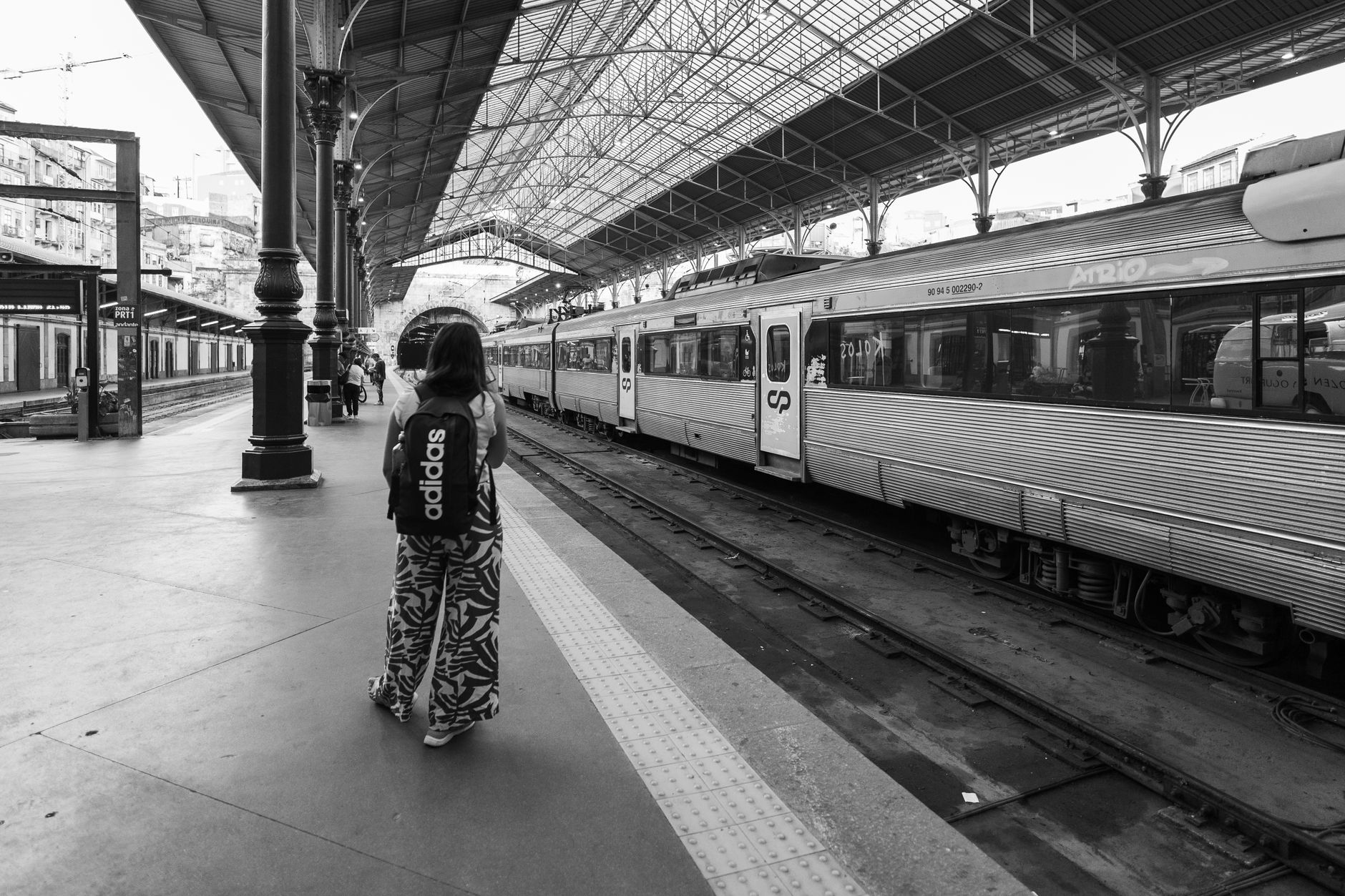
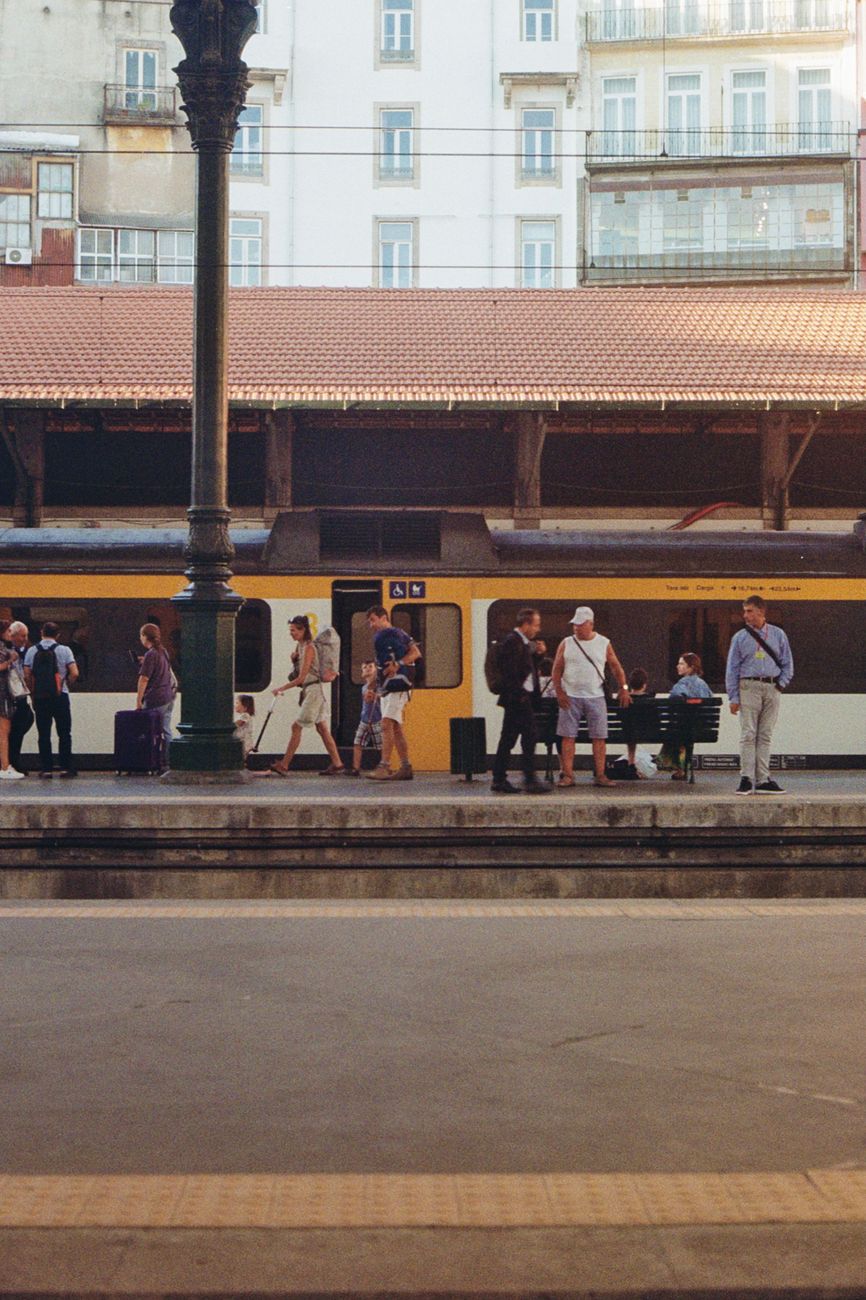
Avoid planning all movement on the historic tram line 1; frequency is low and it can be crowded in summer. Do not confuse Campanhã with São Bento when buying long‑distance train tickets: long‑distance CP trains (Lisbon Alfa Pendular, intercity services) depart Campanhã, while São Bento is central for local sightseeing and some suburban lines. Finally, do not rely solely on Google walking times for routes that involve steep stairs; allow extra time for uphill segments and preferring metro or bus for comfort.
FAQ
How much does the metro from Porto airport cost?
Metro Line E from Francisco Sá Carneiro (OPO) to Trindade costs about €2.00 (~$2.20) for a single airport ticket; price varies by zone but vending machines clearly show fare before purchase.
Is an Andante day pass worth it for a 48‑hour stay?
If planning multiple trips (three or more round trips per day) a 24‑hour Andante pass (~€7.00) is usually economical. For 48 hours, two 24‑hour passes or a multi‑day Andante option will often save money over single Z2 tickets (~€1.20 each).
What’s the best way to get from Campanhã to São Bento?
Local suburban trains and metro link Campanhã and São Bento; the short commuter train takes about 6–10 minutes depending on service. Validate travel on Andante for that transfer.
Are trams useful for getting around Porto?
Historic tram line 1 is primarily scenic between Cais da Ribeira and Foz; frequency is limited, so use it for a leisure leg rather than as a primary transfer option.
How much are taxis from the airport and how about ride‑hailing?
Taxis from OPO to Baixa are usually €25–€35 depending on traffic and luggage. Uber and Bolt are widely available and typically cost €18–€28, though surge pricing can push fares higher.
When is public transport busiest or least reliable?
Peak tourist months (June–August) and weekday rush hours (08:00–09:30 and 17:00–19:00) are busiest. Rainy spells in winter slow buses on cobbled streets and increase demand for taxis.
Conclusion
Porto’s transport network is compact and effective when using the Andante card and Metro do Porto for key transfers. The single most important practical point: validate an Andante card and choose the right zone for airport trips — that avoids fines and unexpected costs. For the linked 3 days in Porto itinerary, base days around Trindade/São Bento for easiest metro and walking access, use Line E for airport transfers, and reserve trams or bikes for scenic legs like Ribeira to Foz or the Gaia riverside.
How this guide was prepared
This guide was prepared through a structured research that combines destination research, geographic context, itinerary planning logic, and content review.