

Qingdao in 3 Days: Practical Itinerary, Transport and Food
Practical 3-day Qingdao guide: day-by-day routes, transport tips, seafood markets, Tsingtao Brewery tour, and timing to avoid beach crowds.
A clear, no-nonsense 72-hour plan for Qingdao focusing on seawalks, markets, the Tsingtao Brewery, and one day in the hills at Laoshan.
First impressions are often of wind off the Yellow Sea, café terraces near old European-style villas, and fishing trawlers anchored beside modern high-rises. The city feels like a working port where weekend beach culture and everyday local life overlap; expect noisy seafood lanes, cyclists with crates of clams, and pockets of German-era architecture concentrated in Shinan District. Many visitors arrive thinking the waterfront is all there is and miss inland neighbourhoods, markets and the scale of Laoshan, which deserves a full day. This guide suits travelers who want a realistic rhythm: one focused seaside day, one neighbourhood and brewery day, and one day trip to the nearby mountain and tea farms.
Is 3 days in Qingdao enough?
Three days give time to see the central waterfront (May Fourth Square, Zhanqiao, Badaguan), sample the Tsingtao Brewery and a full day at Laoshan. One honest caveat: a rushed three-day trip must skip longer hikes to inner Laoshan peaks and any extended island excursions.
Who This Guide Is For
Best for travelers who prioritize coastal walks, seafood, beer culture and one active day trip. Not ideal for long-distance hikers wanting multi-day Laoshan treks or visitors on a tight budget who expect cheap seafood in tourist-heavy areas.
Local Tips for Qingdao
Practical details that most travel sites skip — specific to Qingdao.
- Buy a Qingdao Tong (青岛市民卡) or top up a Metro QR code at Line 3/Line 2 stations; single rides start at ¥2 and increase by distance, and using QR or the card saves queuing.
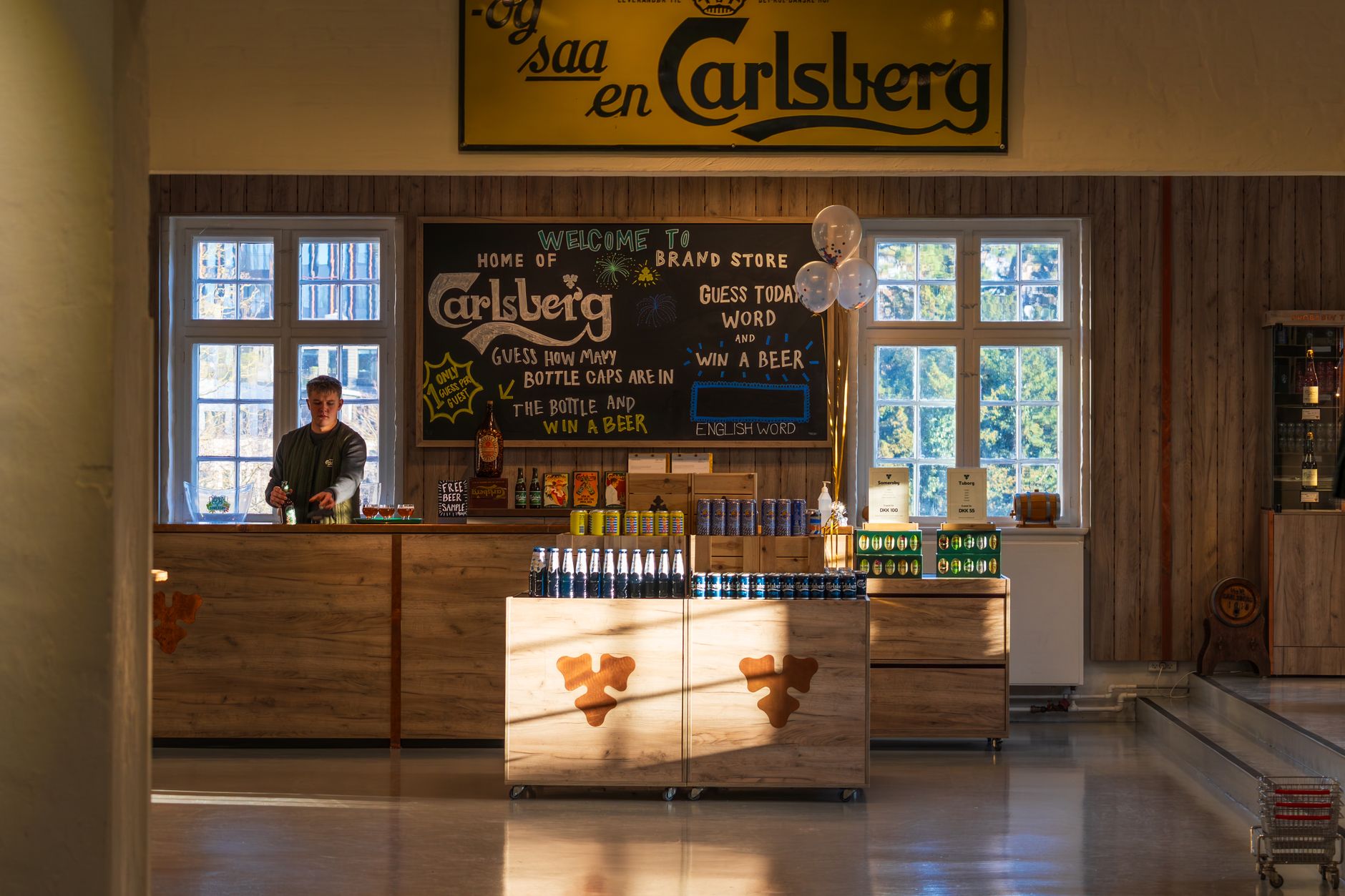
- The original Tsingtao Brewery museum on Dengzhou Road charges about ¥60 for the guided tour with tasting; late-morning slots are less crowded than afternoon festival hours.
- Take the Jiaodong Airport shuttle bus 1 to Qingdao North Railway Station (approx ¥30, 50–70 minutes) instead of a taxi if on a strict budget.
- Taidong Night Market (台东夜市) stays busiest 19:00–23:00 and many stalls close near midnight; cash is accepted but mobile pay (WeChat/Alipay) is dominant.
- High-speed trains serve Qingdao North (青岛北) and Qingdao Station; taxis from Qingdao North to May Fourth Square take about 25–35 minutes depending on traffic and cost roughly ¥40–60.
How This Guide Was Prepared
Qingdao is a coastal Chinese city where German-era architecture, a working port and a strong beach culture collide. Many guides overplay the photo-op coastal spots and under-explain transit, seafood costs, and where locals actually eat. This guide focuses on realistic pacing, transit times, and honest trade-offs for a three-day visit. This guide was prepared through a structured research that combines destination research, geographic context, itinerary planning logic, and content review.
Plan Your Stay in Qingdao
Use this itinerary as your starting point, then compare areas to stay, transport options, seasonal timing, and realistic daily costs before booking.
Why Visit
Several concrete reasons make a three-day visit worthwhile. First, the original Tsingtao Brewery is both a local institution and an easy, well-signposted museum visit that pairs history with tasting on Dengzhou Road. Second, the seafront route from May Fourth Square through Zhanqiao Pier to Badaguan provides varied streetscapes: modern promenade, a historic wooden pier, and a former concession district with villa-lined streets. Third, food culture is seafood-first, with raw and cooked shellfish, barbecue stands on beachfront roads and the Taidong Night Market offering late-night local snacks. Finally, Laoshan provides mountain scenery, temples, and tea plantations less than 60 minutes from the urban core by car or public transport, allowing one full day outside the city.
Quick Planning Tips
Arrive by high-speed rail to Qingdao North Station or by plane to Jiaodong Airport; high-speed trains from Jinan take about 1–1.5 hours to Qingdao North. From Jiaodong Airport, airport shuttle buses run to central hubs for around ¥25–35, while taxis to May Fourth Square cost roughly ¥120–180 depending on traffic. Carry a China-unlocked phone with WeChat Pay or Alipay loaded and a linked card; many stalls and small restaurants prefer mobile payment over cash. Avoid planning Laoshan for the same day as long beach walks; road transfers and trail access add 1–2 hours each way, so reserve a full day for the mountain.

Day 1
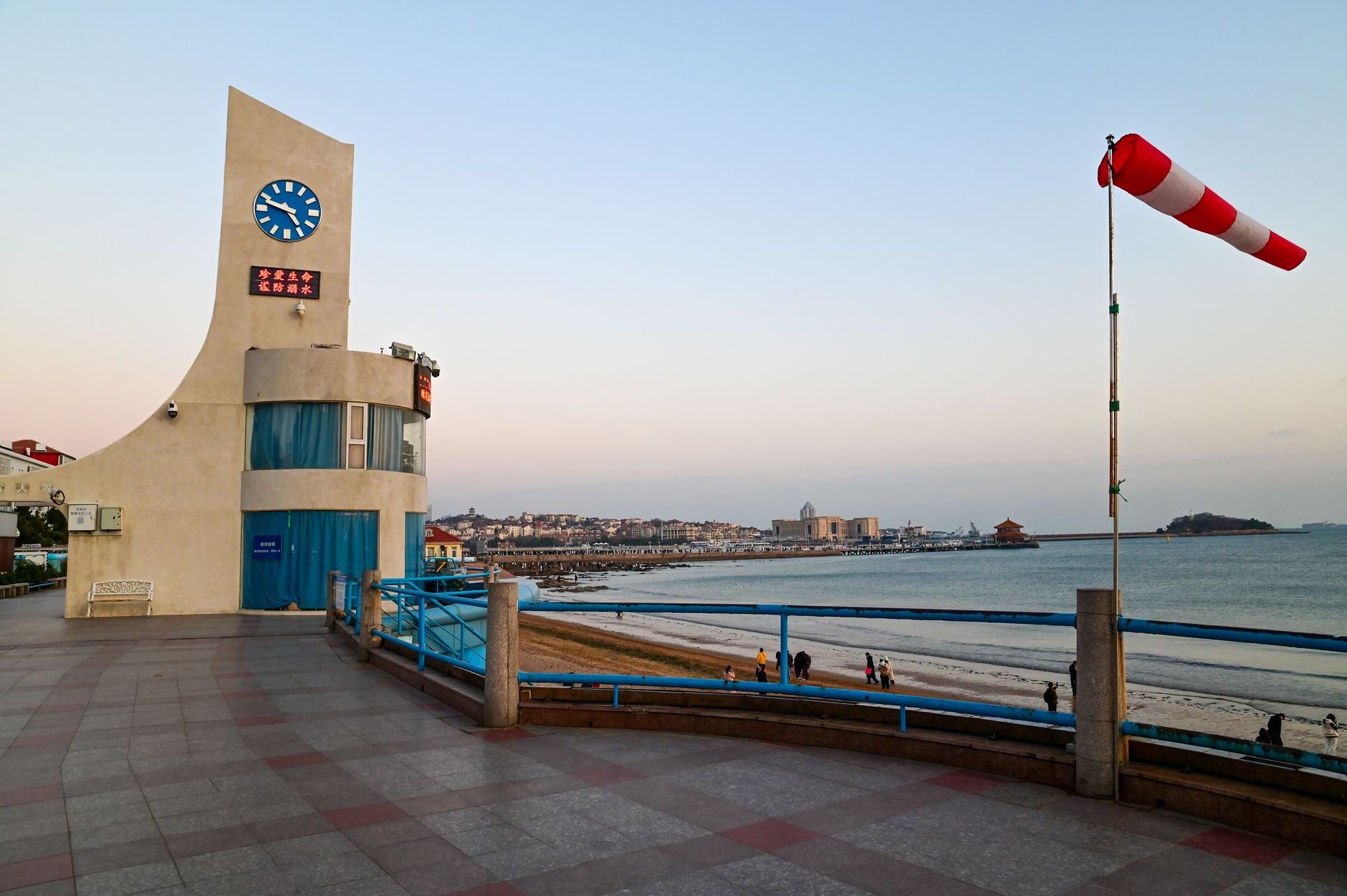
Start at May Fourth Square in the morning; the open plaza and the 'May Wind' sculpture make a good introduction and breakfast options are around the nearby Metro exits. Walk east along the coastal promenade toward Zhanqiao Pier (about 15–20 minutes on flat promenade); the wooden pier and local fishermen give good photo opportunities. From Zhanqiao, head north along Zhongshan Road to Signal Hill Park (信号山) for a short climb and panoramic views of the old town (10–15 minutes walk from the pier to the park entrance). After the hill, continue to Badaguan (八大关) neighbourhood; allow 25–30 minutes on foot from Signal Hill or take a short taxi if tired. Badaguan rewards with villa-lined streets and quieter seaside lanes best seen on foot. Lunch at a seafood restaurant near First Bathing Beach (第一海水浴场), where dishes like stir-fried clams and beer-braised squid run ¥60–150 per dish; expect higher prices near the beach. Afternoon options include the Qingdao Underwater World or Xiaoyushan Park for coastal views; both are within a 10–20 minute taxi ride. Dinner recommendation: try a seafood barbecue stall on the No.1 Bathing Beach road or an established restaurant on Zhongshan Road; budget ¥80–150 per person for a decent meal. For the evening, take a stroll along the illuminated seafront back toward May Fourth Square and finish with a beer at a local bar near the brewery district.
Day 2
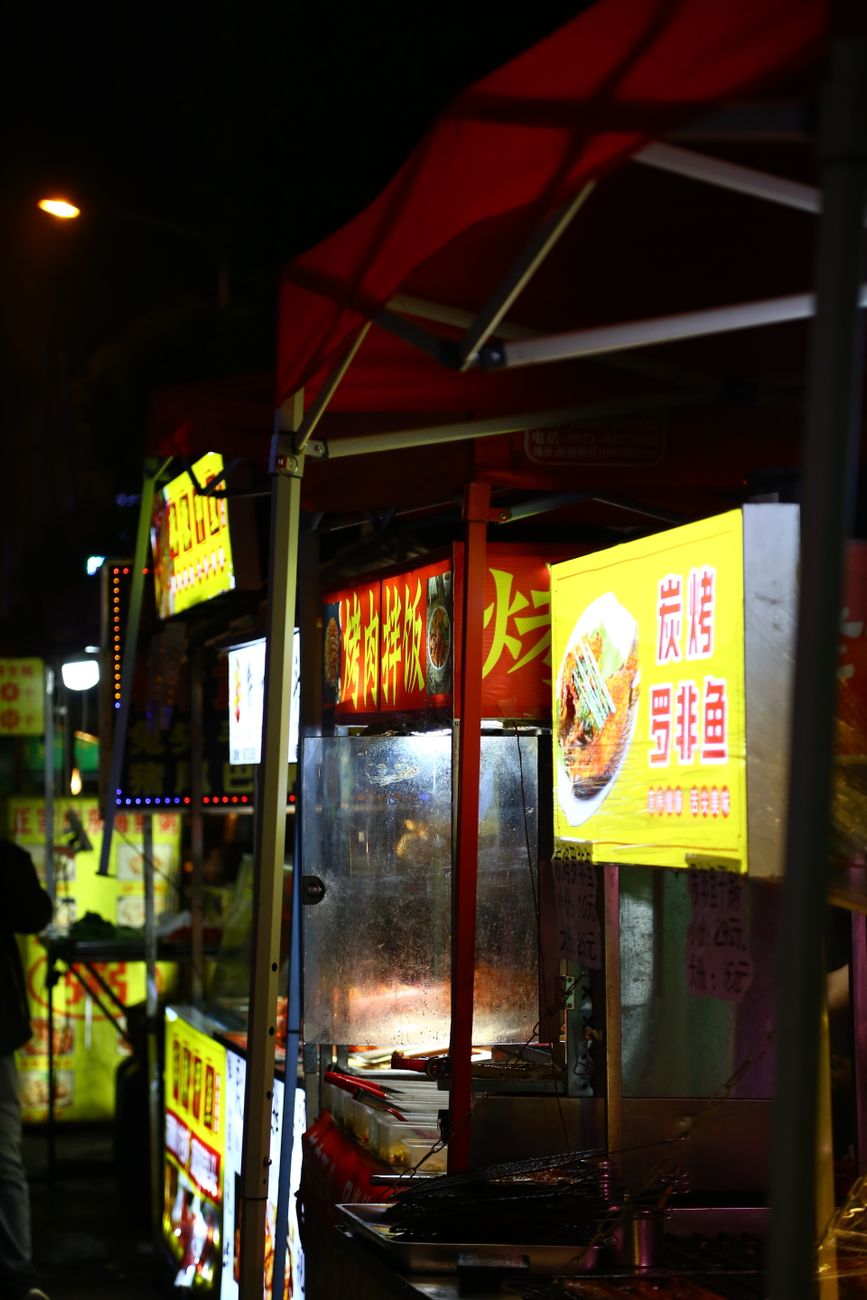
Begin the day in the Taidong commercial district, arriving by Metro Line 3 or a short taxi ride; Taidong has bakeries, small cafés and street food stalls ideal for breakfast. Explore Taidong Market and nearby alleys for local snacks and household markets; allow two hours if browsing and sampling. From Taidong, walk or take a short taxi to the Tsingtao Brewery Museum on Dengzhou Road (about 15 minutes by taxi). The guided brewery tour runs at set times; book the morning slot to avoid tour buses midday. Lunch in the brewery area or head to Beer Street (啤酒街) near the coastal area for beer-paired seafood plates. After lunch, visit the Qingdao Municipal Museum or the Old German Governor's Mansion for indoor cultural context; both lie within Shinan District and are reachable by short metro rides or a 10–20 minute taxi. Late afternoon is a good time to stroll Zhongshan Road pedestrian sections for shopping and tea shops. For dinner, try Taidong Night Market after 19:00 to sample grilled squid, skewers and local desserts; expect ¥15–40 per street-snack item. Evening entertainment can include a casual pub with craft beer or a quieter teahouse in the old town.
Day 3
Reserve this day for Laoshan scenic area. Start early and take a bus or a taxi to the Laoshan entrance; by car the trip from central districts takes about 50–70 minutes. Main highlights include Taiqing Palace and the Taibai Peak trails; choose one shorter trail if short on time, as some routes can take half a day. On the return, stop at a tea farm or small shop near the mountain to sample Laoshan green tea (老山毛峰) and buy estate-packed leaves; prices vary but a decent local tin is about ¥50–150. If a full mountain day is not preferred, alternative options include a half-day trip to the Qingdao Polar Ocean World or an extended visit to the local fish markets for a seafood cooking experience. For travelers checking out or catching an afternoon flight, plan transport back to the hotel by noon, allow at least 2–2.5 hours to Jiaodong Airport by taxi or catch a scheduled airport shuttle. Finish the afternoon with a leisurely seafood lunch near the hotel and collect luggage before departing.

Best Local Experiences
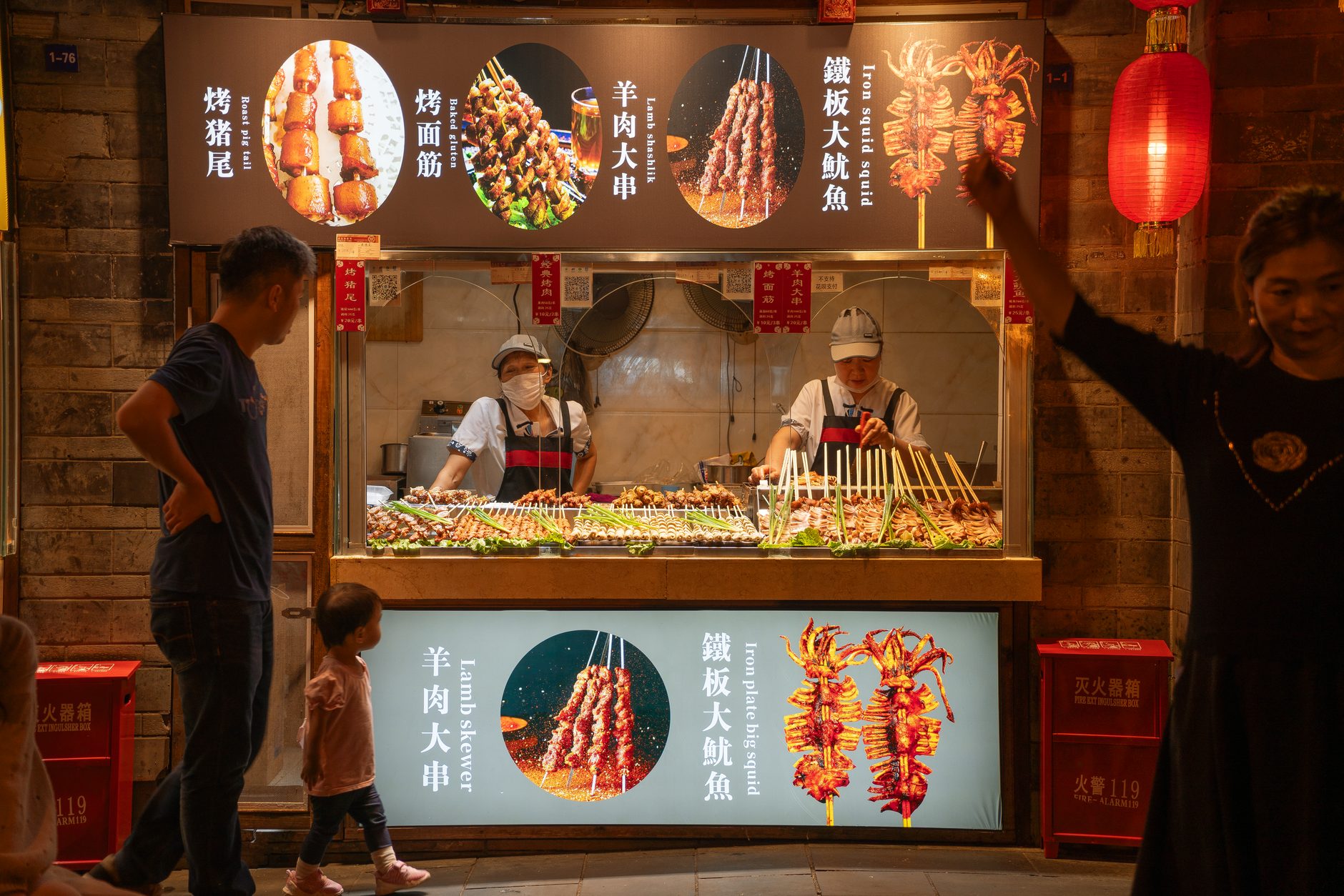
Several activities reveal local life and food trade more than sightseeing alone. Visit Taidong Night Market for late-night seafood skewers, grilled squid and shellfish stands that locals frequent after work. Walk the villa lanes of Badaguan early in the morning to see older residents exercising and fishermen unloading catches near the small piers. Join the guided Tsingtao Brewery tour on Dengzhou Road to understand brewing history and secure tastings in the controlled museum setting. Spend an early morning at Jiaozhou Bay fishing markets (the live seafood auction near the harbor opens early) to see how seafood is priced and sold for restaurants. Attend the Qingdao International Beer Festival if visiting in August; plan and buy tickets in advance and expect crowded beer pavilions and higher drink prices. Add a tea-tasting session focused on Laoshan green tea at a small tea house outside the mountain area for a quieter cultural experience.
Where to Stay
Shinan District: best for first-time visitors who want the waterfront, Signal Hill, Zhanqiao and most museums within walking distance. Nightlife and restaurants are plentiful; expect mid-range hotel rooms from ¥400–800 per night (approx €52–105 / $55–110). Taidong / Shibei: suits budget to mid-range travelers who want market life and night food; closer to Taidong Night Market and local shops. Prices here range ¥250–450 per night (approx €33–59 / $35–63). Laoshan / Chengyang area: suits those who prioritize beaches or the mountain and don't mind a 40–60 minute commute to the central seafront; quieter and good for guesthouses, with rooms from ¥200–500 per night (approx €26–66 / $28–70).
Food and Drink
Tsingtao Beer (青岛啤酒): the city's signature lager; try it at the brewery museum where a tasting is included in the guided tour (tour approx ¥60). Grilled squid (啤酒烤鱿鱼): a common seaside street snack, slightly charred with chili and lemon; found at Taidong Night Market, about ¥15–35 per portion. Stir-fried clams (辣炒蛤蜊): fresh local clams quickly stir-fried with garlic and scallion; order at beachside seafood restaurants, roughly ¥60–120 for a plate. Laoshan green tea (老山绿茶/毛峰): a floral, light green tea from nearby slopes; buy a modest tin for ¥50–150 and taste it in small tea houses near the mountain. Seafood barbecue (海鲜烧烤): whole squid, crab halves, skewered shellfish cooked over a charcoal stall; available along No.1 Bathing Beach road and at seafood markets, budget ¥80–200 per person for a shared meal. Breakfast option: Jianbing or local savory soy milk and youtiao stalls near Taidong Market, around ¥6–15 for a filling breakfast.
Getting Around
Metro: lines in operation include Line 1, Line 2, Line 3, Line 4, Line 8, Line 11 and Line 13; these cover major districts and connect to Qingdao North Station. Buses cover wider neighbourhoods; stations are frequent but routes can be slower during peak hours. Fares: single metro rides start at ¥2 and rise with distance; there is no widely used 24-hour city pass, so use Qingdao Tong or mobile QR codes through the Qingdao Metro app for convenience. Taxis have a base fare around ¥10 for the first few kilometres with metered increases; from Jiaodong Airport to central areas expect roughly ¥120–180 depending on traffic. Ride-hailing with Didi is widely used and often cheaper than a late-night taxi. Recommended apps and cards: Qingdao Metro app for maps and timetables, Qingdao Public Transport (青岛交通) for bus info, and WeChat/Alipay QR payment for quick metro entry.
Best Time to Visit
Summer (June–August) offers warm beach weather, average highs 25–30°C, and the busiest crowds; July and August host the Beer Festival and attract domestic tourists. Spring (April–May) brings milder weather, averages 10–22°C, fewer crowds and cheaper rates for hotels; this period balances beach potential and easier sightseeing. Autumn (September–October) is arguably the most comfortable for sight-seeing with daytime temperatures around 15–24°C and lower humidity; expect shoulder-season prices and fewer crowds than summer. Winter (November–March) is cold and windy, often 0–8°C; beaches are quiet and many beachside vendors close, but hotel prices drop and indoor museums are easier to visit without queues.
Budget and Practical Tips
A realistic daily budget for a mid-range traveler: Accommodation ¥300–700 per night (≈ €39–91 / $42–98), food ¥120–250 per day (≈ €15–33 / $17–35), local transport ¥20–60 (≈ €2.6–7.8 / $2.8–8.4), site entries and extras ¥50–200 depending on visits (≈ €6.5–26 / $7–28). Low-budget travelers can find hostels or budget hotels for ¥120–250 per night, while splurging on beachfront hotels can exceed ¥1000 per night. Tipping is not customary in mainland China outside of some boutique hotels or high-end restaurants; rounding up a taxi fare or leaving a small service fee is fine but not expected. Bring a reusable bag for market purchases and be prepared to use mobile payment widely; carry some cash for tiny stalls that still prefer notes.
FAQ
Is Qingdao safe for solo travelers?
Qingdao is generally safe with low violent crime; standard precautions apply for crowded markets and late-night streets, and watch belongings on busy trams and night markets.
How do I get from Jiaodong Airport to the city center cheaply?
Use the airport shuttle buses to Qingdao North or downtown hubs for about ¥25–35; allow 50–90 minutes depending on route and traffic.
Is the Tsingtao Brewery visit worth it?
Yes for beer fans and those curious about industrial history; the guided museum tour costs around ¥60 and includes a tasting and museum exhibits.
Are English signs common on public transport?
Metro stations and major lines have bilingual signs, but bus stops and smaller stations may be Chinese-only; use metro maps on apps and station staff can help when needed.
Should a tourist buy a Qingdao city card or rely on single tickets?
Buy a Qingdao Tong or use QR codes on WeChat/Alipay if staying several days; it speeds entry and avoids multiple ticket purchases, though there is no single universal tourist day pass.
Can seafood be affordable near tourist seafronts?
Seafood near the main beaches and promenades tends to be pricier than inland markets; compare prices, ask to see weights, and consider markets where restaurants will cook purchases.
Is English widely spoken in restaurants and hotels?
English is limited outside tourist hotels and major attractions; have key addresses written in Chinese and use translation apps for smaller eateries.
Are there good options for vegetarian travelers?
Vegetarian choices exist in markets and Chinese tea houses, and many noodle or tofu dishes are meat-free if requested; communication about ingredients is helpful.
Conclusion
A three-day visit will leave a clear sense of the city's seaside character, beer culture and market life, with one full day recommended for the nearby mountain and tea areas. Expect to remember coastal walks, seafood lanes and a brewery tour more than polished attractions; plan transit carefully and accept that some hikes and remote beaches will need a longer trip. If pressed for time, prioritize the seafront loop (May Fourth Square to Zhanqiao to Badaguan) and the Tsingtao Brewery tour for a compact but representative experience.
How this guide was prepared
This guide was prepared through a structured research that combines destination research, geographic context, itinerary planning logic, and content review.