
72 Hours in Nanjing: Practical 3-Day Guide, Maps and Tips
A candid 3-day Nanjing itinerary with transit, costs, meal picks and timing to see the city's main sites without wasteful backtracking.
A pragmatic 72-hour plan for seeing Purple Mountain, Qinhuai River, museums and local food with realistic transit and cost notes.
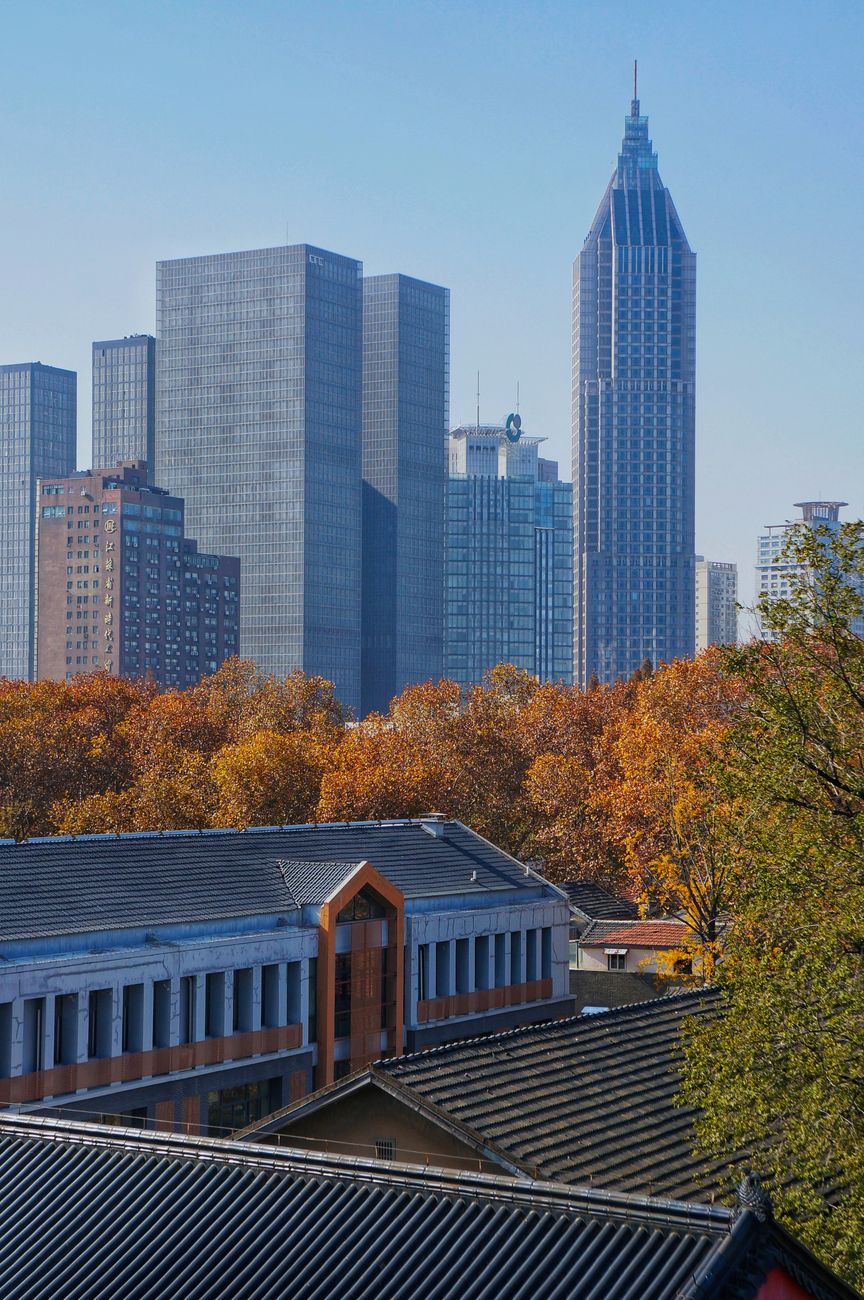
First impressions are of a big, functional city with heavy pedestrian flows in tourist pockets and quieter residential streets elsewhere. The pace changes sharply by district: tourist hubs like Fuzimiao are crowded and noisy at night, while university areas around Gulou are calmer during daytime. Expect concrete mid-rise buildings, wide boulevards and frequent construction; the city is modernizing infrastructure even in older quarters.
Travelers often underestimate distances and the time needed to move between sites on Purple Mountain and downtown. Public transit is extensive but station-to-site walking and stair climbs are real factors, especially at Sun Yat-sen Mausoleum where a long stair approach is part of the visit. The city suits people comfortable with a mix of memorials, parks and street food rather than those expecting a compact pedestrian historic core.
Is 3 days in Nanjing enough?
Three days are enough to cover Purple Mountain, the Presidential Palace, the Qinhuai River/Fuzimiao area and one or two museums with time for local food. The honest caveat: long, meaningful visits to the Nanjing Massacre Memorial Hall or a full hike across Purple Mountain each require more time than a single short stay allows.
Who This Guide Is For
Best for travelers who want historical sites, local food and efficient transit use; less suitable for slow-paced nature treks or deep archival research that needs more than a weekend.
Local Tips for Nanjing
Practical details that most travel sites skip — specific to Nanjing.
- Buy a Nanjing Public Transport Card (金陵通) at metro stations; it works on Nanjing Metro, city buses and some taxis and saves small transfer fees compared with single paper tickets.
- The Lukou Airport is on Metro S1—expect about 35–45 minutes to Nanjing South Railway Station and a fare roughly RMB 8–15 depending on destination; leave extra time during peak hours.
- Nanjing Massacre Memorial Hall offers free entry but requires online reservation with passport/ID and a timed slot; allow for the security checks that add 15–30 minutes.
- Qinhuai River night cruises depart from piers around Fuzimiao (夫子庙) and cost about RMB 80–120 for 40–60 minutes; buy tickets at the pier rather than through touts to avoid inflated prices.
- Zhonghua Gate (中华门) has a standard ticket (around RMB 40) that includes the internal tunnels and ramparts; plan 60–90 minutes to explore the gate complex and take photos from the ramparts.
How This Guide Was Prepared
This guide treats Nanjing as a working city with layered public spaces rather than a postcard. Many guides cram every memorial into one day and ignore transit times, market schedules and reservation rules that shape a realistic weekend. This guide was prepared through a structured research that combines destination research, geographic context, itinerary planning logic, and content review.
Plan Your Stay in Nanjing
Use this itinerary as your starting point, then compare areas to stay, transport options, seasonal timing, and realistic daily costs before booking.
Why Visit
The set of 20th-century memorials makes Nanjing unusually direct about recent Chinese history. The Nanjing Massacre Memorial Hall and the Presidential Palace offer contrasting perspectives on modern politics and memory.
Purple Mountain provides concentrated heritage: Ming Xiaoling, Sun Yat-sen Mausoleum and Linggu Temple are a half-day of tomb architecture, stone carvings and forested paths within one area. Walking paths and stairs mean the sites feel like distinct stops rather than a single theme park.
Qinhuai River and Fuzimiao deliver an urban-night experience: lit riverbank, local snacks and boat rides that reveal how the city frames its evening tourism. The food scene includes Jiangsu specialties such as salted duck and huaiyang cuisine found in mid-range restaurants and family-run shops.

Quick Planning Tips
Fly into Lukou Airport or arrive at Nanjing South Railway Station and plan for 35–50 minutes from the airport on Metro S1 to central districts. Use the official Nanjing Metro app for maps and real-time line info; top up a Jinling Public Transport Card (金陵通) at station machines for convenience.
Carry passport/ID for museum reservations and the Massacre Memorial Hall entry; several major museums are free with timed tickets but require registration. Exchange at ATMs if needed, but mobile payments via WeChat or Alipay are accepted almost everywhere; have a payment app set up or carry small cash for corner stalls.
Avoid scheduling the Massacre Memorial Hall during the early morning rush or national holidays without prior booking; leave buffer time for security checks and queuing.

Day 1
Morning: Start at the Presidential Palace (总统府) near Daxinggong Metro Station (Lines 2 and 3). Allow 1.5–2 hours to see the ceremonial halls, office blocks and the small gardens; the site explains Republican-era politics and is within a short walk of nearby museums.
Late morning: Walk or take a short Metro ride to Xinjiekou (Line 1/2 intersection) for the central shopping district and an early lunch. Xinjiekou has many mid-price restaurants; choose a huaiyang cuisine spot for steamed river fish or salted duck. Walking from the Presidential Palace to Xinjiekou takes about 20–30 minutes or 10 minutes by metro.
Afternoon: Head to Nanjing Museum near Nanjing University (Mochouhu Station on Line 2 is a transfer away); allow two hours to see regional archaeology and Ming/Qing displays. The museum requires online registration on busy days.
Evening: Move to Qinhuai River and Fuzimiao (Gongyuanqian Station, Line 1) for a night cruise and street snacks. Dinner options include a riverside restaurant or dumplings at the Fuzimiao food alleys. After the cruise, stroll the pedestrian streets; expect crowds and souvenir stalls.

Day 2
Morning: Allocate the morning to Purple Mountain (Zijin Shan). Take Metro Line 2 to Gulou, then bus/taxi up or use the Sun Yat-sen Mausoleum shuttle; the climb to Sun Yat-sen Mausoleum involves long stairs so wear good shoes. Expect 1.5–2 hours for the mausoleum and the main terrace.
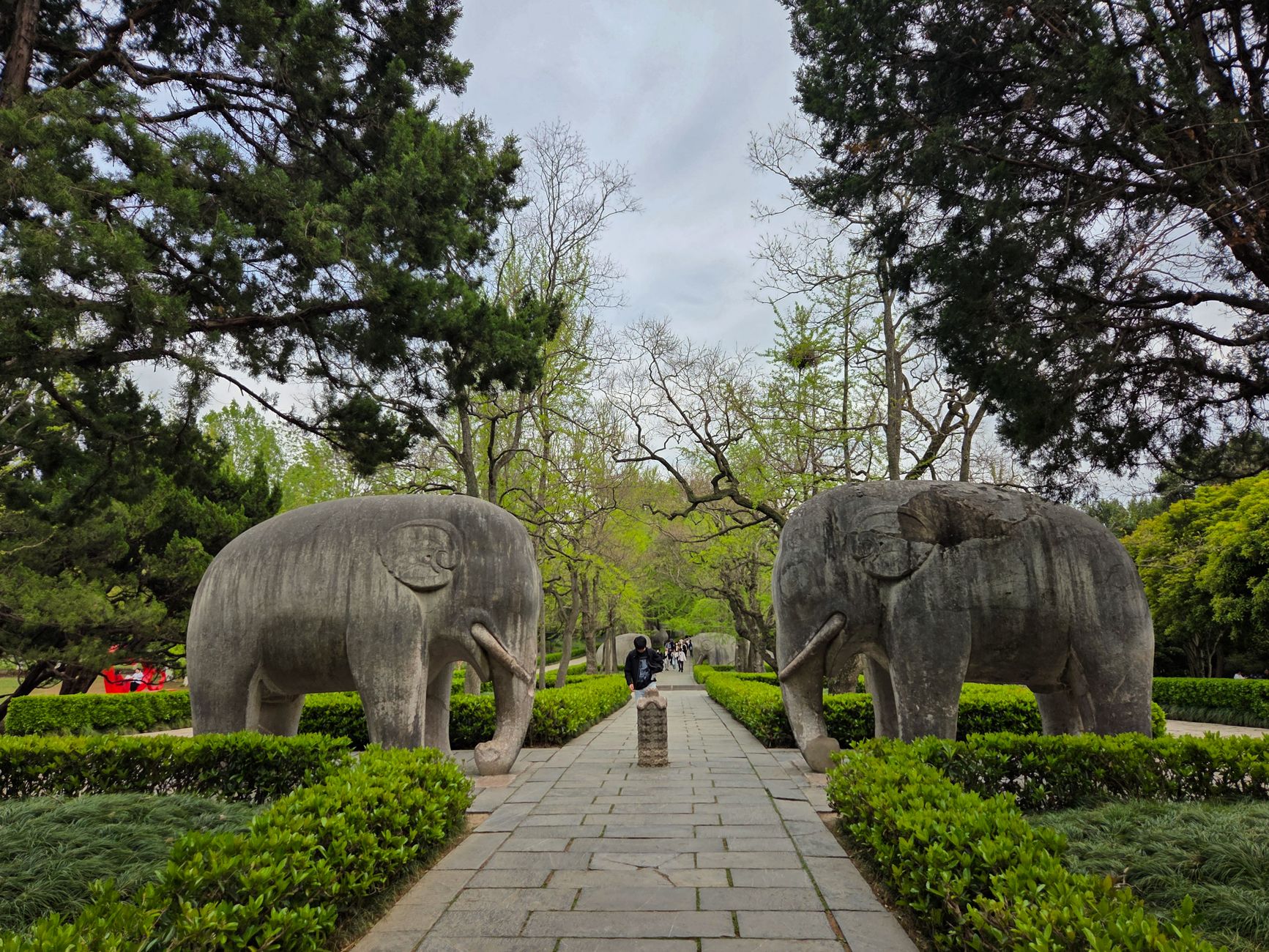
Late morning: Walk or take a short bus ride to Ming Xiaoling Mausoleum (明孝陵) and its stone spirit way with carved animals; the scenic area fee is modest and the route takes another 1–1.5 hours. Combine these two sites and leave room for a tea break in the park.
Afternoon: Visit Linggu Temple and the nearby pagoda or take the Purple Mountain scenic bus to the observatory area. Travel time between Purple Mountain sites can be 10–20 minutes by park bus or taxi. For a quieter contrast, head down to Xuanwu Lake Park (Xuanwumen Station) in late afternoon for a relaxed walk or paddle boat rental.
Evening: Return to the Gulou area for dinner near Laomendong or Hunan Road restaurants. End the day at a local craft beer bar or teahouse around Fuzimiao or Gulou depending on energy levels.
Day 3
Morning: Start at Zhonghua Gate (中华门) to explore the city wall complex and internal tunnels; allow 60–90 minutes. The gate is accessible via Line 1 to Zhujianglu or Line 3 to Zhonghuamen Giant translations can be confusing so follow local signage.
Late morning: Walk or take Metro Line 1 to Nanjing Massacre Memorial Hall (Memorial Hall Station, Line 4/2 connections). Reserve a timed entry; the exhibition is heavy and typically requires 1.5–2.5 hours for a conscientious visit. Photography rules and security checks slow movement.
Afternoon: If catching an afternoon flight or train, return to the city center for a quick lunch near the station. Lukou Airport on Metro S1 needs 35–45 minutes from Nanjing South so allocate transit and security time if departing. If time allows, squeeze in a short shopping trip to Xinjiekou or a final walk on the city wall at midday.
Evening (if staying late): Finish with dinner near the station or at a recommended restaurant serving salted duck and huaiyang dishes; order in advance at busy times to avoid waits.

Best Local Experiences
Take a Qinhuai River night cruise from the Fuzimiao piers to see the lit riverbanks and old-style storefronts. Book at the pier and avoid peak holiday nights for shorter queues.
Attend a morning visit to the Confucius Temple area (夫子庙) before the tourist rush to sample street snacks like Ningbao tangyuan. The area changes character from quiet daytime alleys to crowded night market after 6pm.
Walk stretches of the Ming city wall starting at Zhonghua Gate and follow the ramparts toward the southeast sections for less-crowded views. Visit the Nanjing Museum (南京博物院) on a weekday morning—reserve in advance for free entry and to avoid school groups.
Try a salted duck tasting at a local shop such as Deyuelou or Laobaijia, and pair with huaiyang soups at a family-run restaurant near Laomendong. Attend an early-evening teahouse session near Gulou to observe local daily life and tea service customs.
Buy local crafts at Laomendong pedestrian street and compare porcelain or lacquerware pieces with items in Suzhou or Hangzhou for regional differences.

Where to Stay
Gulou / Laomendong: Suits visitors who want cafes, university energy and walkable nightlife. Near Gulou Station (Lines 1/2/4), rooms run about RMB 300–800/night (≈EUR 38–100, USD 40–120) for mid-range hotels and guesthouses.
Xinjiekou: Suits shoppers and those using central transit connections; near many metro lines and bus routes. Expect mid-range hotel rates around RMB 400–900/night (≈EUR 50–110, USD 55–130). This is noisy at night but extremely convenient.
Near Nanjing South Railway Station / Lukou airport corridor: Suits travelers prioritising train or flight connections and those with early departures. Hotel prices vary from RMB 250–600/night (≈EUR 32–75, USD 35–85) for business hotels and chain options.
Choose a location based on departure logistics and how much evening walking is desired. Book earlier around national holidays when prices jump notably.
Food and Drink
Salted Nanjing duck (南京盐水鸭): A local cold dish of brined duck with subtle spice and lean meat. Find good versions at Deyuelou or street vendors near Laomendong; expect RMB 30–80 for a portion.
Ningbao tangyuan (汤圆): Glutinous rice balls often served sweet or in savory broth near Fuzimiao; a bowl costs RMB 8–20 and makes a quick breakfast or snack. Try shops lining Qinhuai River alleys.
Huaiyang cuisine braised river fish (清蒸河鱼): A light, slightly sweet steamed fish common in mid-range restaurants like Jinling hotels or family-run eateries; a shared dish costs RMB 80–200.
Street food: Fried rice cakes (煎饼 or 粉蒸) and small skewers appear in the Fuzimiao night market; expect RMB 5–20 per item. Drink: hot soy milk or tea from street stalls for RMB 5–12.
Dinner recommendation: A restaurant serving Jiangsu set meals such as Lao Men Dong or a well-reviewed huaiyang restaurant around Xinjiekou; budget RMB 100–250 per person for a proper multi-dish meal.
Getting Around
Use the Nanjing Metro network: key lines for tourists are Line 1 (north-south through Xinjiekou), Line 2 (east-west), Line 3 and Line 4. The airport is connected by Line S1 to Nanjing South. Single-ride fares begin around RMB 2 and rise with distance; expect typical short trips of RMB 2–6.
Buy and top up a Jinling Public Transport Card (金陵通) for convenience and small transfer savings. The official Nanjing Metro app provides route planning; Didi is widely used for taxis and rideshares. A taxi from Lukou Airport to central Xinjiekou costs roughly RMB 150–220 depending on traffic.
Bike-share apps (Mobike, Meituan) and buses fill gaps where metro coverage is thin. Day passes are uncommon; multi-ride tourists generally top up the transport card or use QR-code payment through WeChat/Alipay.
Best Time to Visit
Spring (March–May): Mild temperatures 10–22°C and many flowers on Purple Mountain; expect moderate crowds in April and around Tomb-Sweeping Day (Qingming). Accommodation prices are steady but spikes occur on holiday weekends.
Summer (June–August): Hot and humid, often 25–35°C with heavy rain in July; museum visits are manageable but outdoor climbing is more tiring. Peak domestic travel in July–August increases crowds at Fuzimiao and Purple Mountain.
Autumn (September–November): Clear weather and comfortable temperatures 15–25°C; the best value months are October and November when crowds fall after Mid-Autumn and National Day. Winter (December–February): Cold, often 0–8°C with fewer tourists; some outdoor attractions are brisk but museums remain open and less crowded.
Budget and Practical Tips
Approximate daily budget for a mid-range traveler: Accommodation RMB 350–700 (≈EUR 44–88, USD 45–90), food RMB 120–250 (≈EUR 15–32, USD 16–36), transport RMB 20–60 (≈EUR 2.5–7.5, USD 2.5–8.5), entry fees RMB 0–150 (≈EUR 0–19, USD 0–20) depending on sites. A reasonable three-day total for mid-range travel sits around RMB 1,500–2,500 (≈EUR 190–320, USD 200–360).
Entry fees: Zhonghua Gate about RMB 40, Qinhuai night cruise RMB 80–120, Ming Xiaoling/Sun Yat-sen Mausoleum area varies but plan RMB 40–80 for combined tickets at peak season. Tipping: not customary in restaurants; small change for porters or a polite RMB 5–10 at high-end hotels is fine but not expected.
Use mobile payments (WeChat/Alipay) for most transactions; keep small cash for market vendors. Carry ID for museum bookings and for some hotel check-ins.
FAQ
Is Nanjing safe for solo travelers?
Yes; daytime tourist areas and metro lines are generally safe. Exercise usual caution at night in crowded markets and keep an eye on belongings on boats or trains.
How do I get from Lukou Airport to the city center?
Take Metro S1 to Nanjing South (35–45 minutes) then transfer onto Lines 1/3/2 depending on final destination; taxis cost roughly RMB 150–220 to central Xinjiekou.
Is a city card or museum pass worth buying?
Most major museums require separate timed reservations; there is no single pass that covers all attractions for tourists, so book individual tickets or use free-entry reservation routes when possible.
Are English signs and information available on-site?
Major sites and metro stations have English signage and some English audio/leaflets, but smaller museums and markets will have limited English; a translation app is useful.
Can foreign visitors use WeChat or Alipay easily?
Yes, but linking a foreign card to WeChat/Alipay can be difficult; use a visitor-friendly app or keep cash for small vendors and top up the Jinling transport card for transit.
How long should I budget for the Nanjing Massacre Memorial Hall?
Plan 1.5–2.5 hours for the main exhibition; allow extra time for ID check, security and contemplation.
Are guided tours recommended?
Guided tours add context for historical sites like the Massacre Memorial or the Presidential Palace and can be worth it for first-time visitors who want interpretation beyond signage.
Conclusion
A 72-hour stay will leave a clear sense of the city's memorial architecture, parkland on Purple Mountain and the evening life along Qinhuai River. Most travelers will remember the contrast between solemn museum spaces and crowded night markets more than any single monument.
If time is squeezed, prioritise the Nanjing Massacre Memorial Hall for context and one Purple Mountain site (Sun Yat-sen Mausoleum or Ming Xiaoling) to get both historical narrative and outdoor space. Practical planning around reservations and transit times makes the difference between a rushed trip and a useful three-day visit.
How this guide was prepared
This guide was prepared through a structured research that combines destination research, geographic context, itinerary planning logic, and content review.