
Three Days in Tianjin: Practical 72-Hour Itinerary and Tips
A practical 3-day plan for Tianjin covering the Bund, Nanshi snacks, Italian Style Street, transit tips, and realistic budget numbers for planning.
A clear, no-nonsense 72-hour plan for Tianjin that balances the riverfront architecture, local snacks, the Italian concession and a quick visit to Binhai without overscheduling.
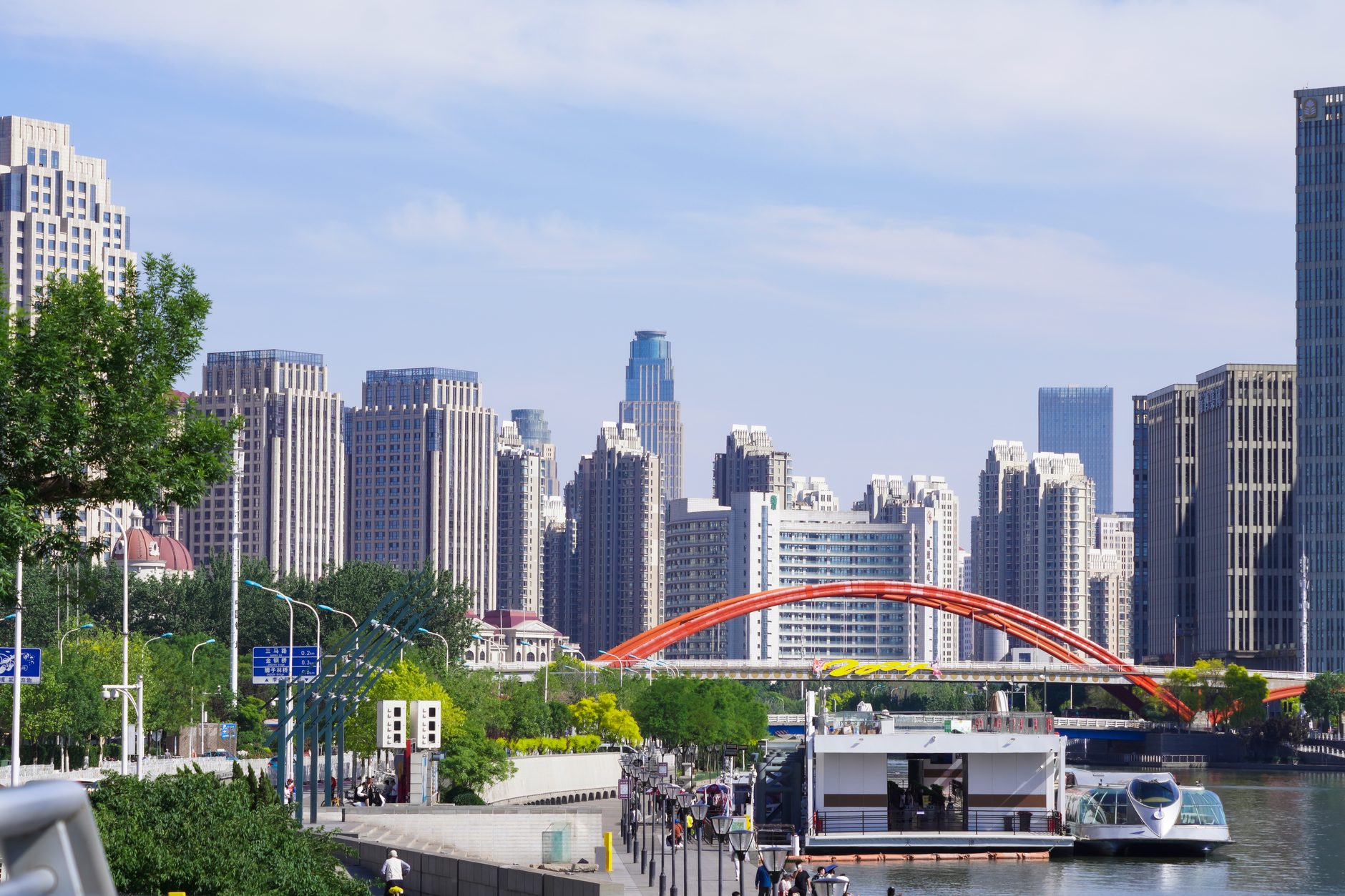
First impressions are often a mixture of broad avenues, riverside promenades and compact snack streets. The Haihe river cuts through a city that was an important treaty port, so architecture ranges from late-19th-century European villas to contemporary high-rises near the port. Movement here feels less frantic than Beijing; travel distances are shorter but traffic can still be slow at peak times.
Expect loud street-level commerce around markets and quieter tree-lined residential lanes in the Five Great Avenues area. Many visitors underestimate how much time is spent moving between riverside sights and outlying districts like Binhai. This stay suits people who like architectural variety, hands-on food sampling and short urban walks rather than those seeking extensive museum time or rural scenery.
Is 3 days in Tianjin enough?
Yes — three days are enough to cover the historical core (Ancient Culture Street, Five Great Avenues, Italian Style Town), the Haihe riverfront including the Tianjin Eye, and a focused trip into Binhai. The caveat: deeper exploration of Binhai's industrial zones, museums with long exhibits or day trips to nearby towns will have to wait for a longer stay.
Who This Guide Is For
Best for architecture-minded travelers, food-focused visitors who want snack culture, and short-stopover tourists between Beijing and the coast. Less suitable for mountain hikers or travelers seeking nightlife-driven trips.
Local Tips for Tianjin
Practical details that most travel sites skip — specific to Tianjin.
- Buy a Tianjin Public Transport Card (天津通) at metro station kiosks or convenience stores; it works on metro, buses and some taxis and speeds boarding with small fare savings.
- The main rail hub is Tianjin Railway Station (天津站); many high-speed trains from Beijing arrive here — taxis from the station to Heping District cost roughly ¥15–35 depending on traffic.
- Goubuli (狗不理) retains a flagship on Nanshi Food Street (南市食品街) near Ancient Culture Street; a steamed-bun set there typically runs ¥15–30 depending on filling and restaurant grade.
- Binhai Library (滨海图书馆) atrium access sometimes restricts entry for crowd control; check the library’s official Weibo or opening announcements before scheduling a visit to avoid disappointment.
- The Tianjin Eye ferris wheel sits on Yongle Bridge over the Haihe; evening rides give lights-on river views and tickets commonly range from about ¥40–70 depending on season and time.
How This Guide Was Prepared
Tianjin mixes former treaty-port architecture, working riverfront life and a surprisingly distinct local food scene centered on snacks like Goubuli and mahua. Most guides either treat Tianjin as a Beijing side-trip checklist or praise only the European facades; they often skip the working port, river culture and how timing (tides, ferry schedules, museum opening hours) affects a short visit. This guide was prepared through a structured research that combines destination research, geographic context, itinerary planning logic, and content review.
Plan Your Stay in Tianjin
Use this itinerary as your starting point, then compare areas to stay, transport options, seasonal timing, and realistic daily costs before booking.
Why Visit
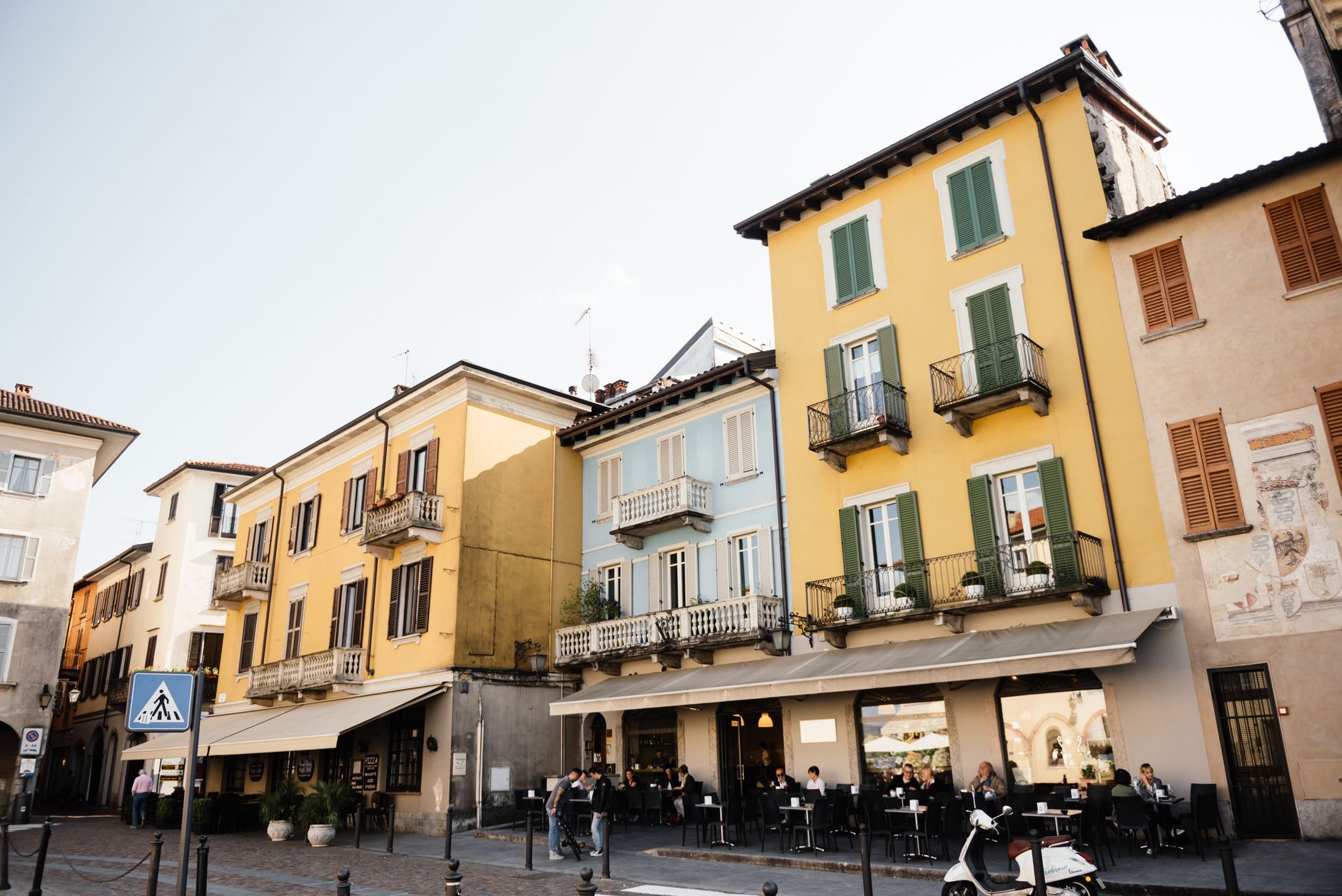
The city’s treaty-port legacy leaves a compact set of well-preserved foreign-style buildings concentrated near the Haihe and Wudadao, so architecture can be sampled without long transfers. Specific places to see include the Italian Style Town (Italian Concession) and the row of embassies and villas on Five Great Avenues.
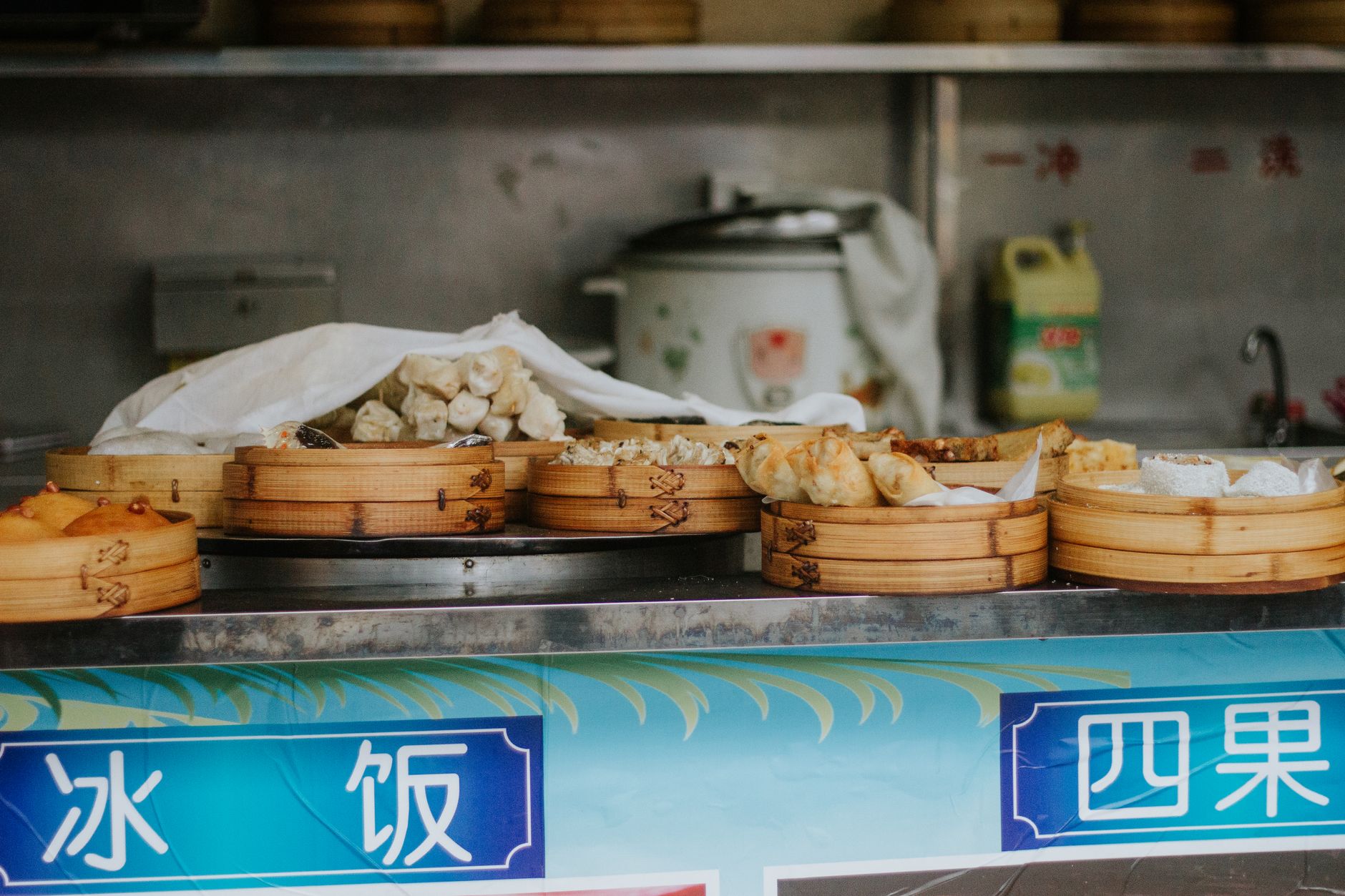
Snack culture and bakery traditions are unusually strong — brands and items like Goubuli buns, Erduoyan fried cake, and Guifaxiang mahua are local specialties that are easy to sample street-side in Nanshi and at food streets. The river itself is active: the Tianjin Eye and evening river cruises give a working-port perspective that differs from purely touristic waterfronts.
A practical reason to visit is connectivity: fast trains from Beijing take under 40–45 minutes to Tianjin’s main stations, making the city a good standalone short trip. The Binhai New Area also offers a look at contemporary coastal development and the striking interior of Binhai Library, which many visitors find visually memorable.
Quick Planning Tips
Best arrival points are Tianjin Railway Station (for high-speed trains from Beijing) and Tianjin Binhai International Airport (TSN). From the airport, shuttle buses and taxis are straightforward; taxi rides to central districts typically cost about ¥80–120 depending on traffic and time of day. From the main rail hub, short taxi rides reach Heping or Hedong districts in 10–20 minutes.
Carry a Tianjin Public Transport Card (天津通) or load a transport e-pass in Alipay for metro and bus convenience. Both Alipay and WeChat Pay are widely accepted; smaller vendors may still prefer cash of small denominations. One common planning mistake to avoid is assuming all museums have the same opening hours — many close mid-afternoon or have lunch breaks. Check opening times, and book timed tickets for popular attractions when possible.

Day 1
Morning: Start at the Ancient Culture Street (古文化街) to see local snack stalls, temple architecture and souvenir shops. Expect a 60–90 minute walk through the lanes and allow extra time for Goubuli buns at the Nanshi branch. From Ancient Culture Street, the walk to the nearby Haihe riverside is about 10–15 minutes.
Late morning: Walk along the Haihe riverbank toward the Tianjin Eye on Yongle Bridge. The riverside walk with bridges and riverside sculptures takes about 20–30 minutes from the Ancient Culture Street area. Riding the Tianjin Eye (ticket usually around ¥40–70) gives a quick overview photo opportunity.
Lunch: Eat at a Nanshi Food Street restaurant or one of the noodle shops near Xiaobailou; a set meal with soup and buns typically costs ¥25–60. After lunch, cross to the Porcelain House (瓷房子) — a short taxi ride or 25–30 minute walk from the river — to see the house covered in porcelain and tiles (entry often ~¥50).
Afternoon: Head to the Five Great Avenues (五大道) district for villa viewing and a relaxed stroll; expect 15–20 minutes by taxi from Porcelain House. Time your visit to include the former residences along Jianguo Road and the small Wudadao museums.
Evening: Dinner in the Italian Style Town (意式风情区/Italian Concession) where restaurants and bars line the streets; a mid-range dinner runs ¥80–200 for two. End the night with a riverside walk or a short Haihe evening cruise if schedules allow.

Day 2
Morning: Spend the morning exploring the Italian Style Town and its side streets. Start at the main pedestrian road and move into adjacent lanes to see small cafés and European façades. Walking between the main piazza and the waterfront is 10–15 minutes; allow extra time for coffee or an espresso-style snack.
Late morning: Take a short taxi or tram ride to the Five Great Avenues area if not already visited on day one. Rent a bike or walk the tree-lined routes to get a neighborhood perspective on the colonial-era villas and planned green strips. A guided villa tour or museum visit in this area usually takes 60–90 minutes.
Lunch: Try a local noodle restaurant or a guijia stall along the avenue; expect ¥25–60 per person. After lunch, head to the Tianjin Museum (天津博物馆) for modern collections and displays of local ceramics and artifacts; taxi from Five Great Avenues is 10–15 minutes.
Afternoon: Move to Nanjing Road and the nearby shopping streets for window shopping and tea houses. Transit between these central areas is best by short taxi hops or the metro for faster movement during peak traffic.
Evening: For dinner, pick a seafood restaurant in the Hedong or Hebei neighbourhoods closer to the river, where fresh local catches are available. Finish with a drink at a quiet bar in the Italian concession if energy remains.

Day 3
Morning: Dedicate the morning to Binhai New Area. Travel time by metro or taxi from central Heping is roughly 40–60 minutes depending on line and traffic; plan this as a half-day trip. First stop is the Binhai Library (滨海图书馆) — aim to arrive at opening to avoid crowd control limitations and check the official schedule before leaving.
Late morning: Walk the Binhai coastal zones and, if time allows, visit the nearby Binhai Exhibition Center or the port outlook areas to get a sense of modern development. Entry times and transport between sites in Binhai can be longer than expected; allocate at least 3 hours.
Lunch: Have a seafood-focused lunch at a Binhai restaurant or return toward the city center and stop at a riverside spot in the Nanshi area; lunch in Binhai often ranges ¥60–150 depending on seafood selection.
Afternoon: If catching an afternoon flight, plan travel time to the airport at least 90–120 minutes from central districts and 60–90 minutes from Binhai depending on traffic. For travelers checking out of hotels, leave luggage with reception if the flight is late and use late-afternoon riverfront time for a final walk or a last snack stop at Nanshi Food Street.
Evening (if staying): A final stroll along the Haihe with street-side fried pastries or mahua is a low-effort way to close a three-day visit.

Best Local Experiences
Ancient Culture Street (古文化街): shop for clay teapots, traditional snacks and small antiques; many stalls open early and close by late afternoon. Nanshi Food Street (南市食品街): sample Goubuli buns, Erduoyan fried cake and seed-studded pastries; this is where snack culture is concentrated. Five Great Avenues (五大道): stroll or rent a bike to cover many villa styles quickly.
Italian Style Town (意式风情区): best for café culture and relaxed people-watching on tree-lined streets. Binhai Library visit to see the tiered reading room and the lacquered interior — check access rules. Yangliuqing (杨柳青): a short trip by suburban bus or taxi if interested in New Year woodblock prints and a quieter township atmosphere.
Evening river cruise on the Haihe or a Tianjin Eye rotation: both give a working-river perspective and night lights. Finally, visiting a Guifaxiang mahua shop to buy locally made twisted pastries offers a take-home snack that is often fresher than supermarket versions.
Where to Stay
Heping District (和平区): the main choice for first-time visitors. Close to Ancient Culture Street, Nanshi and the river. Best for walkers who want easy access to sights and restaurants. Mid-range hotels typically run ¥350–800 per night (approx €45–100 / $50–115).
Hexi / Five Great Avenues area (河西/五大道): quieter villa streets and boutique stays. Suits travelers who want leafy streets and mansion views rather than late-night bars. Expect boutique hotel prices from ¥300–700 (approx €38–88 / $42–100).
Binhai New Area / TEDA (滨海新区): practical for business travelers or those prioritizing the library and coastal development. Distances to central attractions increase travel time. Prices vary widely; budget to mid-range hotels here commonly range ¥250–600 (approx €30–75 / $35–85).
A note on deals: weekday stays can be noticeably cheaper than weekend nights, and early booking during peak holiday windows such as National Day or Chinese New Year is essential.
Food and Drink
Goubuli baozi (狗不理包子): a steamed stuffed bun with various fillings. Try the original shop on Nanshi Food Street; expect ¥15–30 for a small set. Erduoyan fried cake (耳朵眼炸糕): a sweet fried dough from the Erduoyan vendor near the old concession areas; single pieces around ¥6–12.
Guifaxiang mahua (桂发祥麻花): the twisted fried pastry sold in branded shops; a small bag is ¥8–25 depending on size. Jianbing (煎饼): savory crepe sold by morning stalls; a typical street jianbing is ¥6–12. Seafood in Binhai: fresh local clams, crabs and fish are available at restaurants in Binhai; mid-range seafood lunch often ¥80–200 per person.
Breakfast option: a small noodle shop or congee place in the morning near train stations, budget ¥10–25. Dinner recommendation: a riverside restaurant in the Italian Style Town or a mid-range spot on Nanjing Road for mixed seafood and regional dishes, typically ¥80–200 for two people. For drinks, small bars in the Italian concession charge domestic beer ¥20–40 and cocktails ¥50–120.
Getting Around
Metro: multiple lines serve central districts and extend into Binhai; use the official Metro Tianjin app or the Metro WeChat mini-program to check routes and times. Buses: dense network for short hops, but slower in peak hours. Taxis and ride-hailing: DiDi and local taxis are common; drivers may prefer cash for small fares.
Single-ride metro fares typically start around ¥2–4 depending on distance; expect longer journeys to cost more. A one-day travel budget for public transport (multiple metro and bus trips) is roughly ¥15–25. There is no widely used tourist day pass like in some European cities, so the Tianjin Public Transport Card (天津通) or mobile payment e-passes are the most convenient for transfer discounts.
Airport transfer: a taxi from Tianjin Binhai International Airport to central districts commonly costs ¥80–120 depending on traffic; airport shuttle buses are cheaper but slower. Useful apps: Amap (高德地图) for navigation and public transit, Metro Tianjin for line maps and times, and DiDi for ride-hailing.
Best Time to Visit
Spring (March–May): pleasant temperatures (8–22°C) and fewer tourists than summer. A good balance of weather and manageable crowds. Summer (June–August): hot, humid and sometimes stormy with highs often above 30°C; July and August house higher domestic travel, so expect crowds at major sights.
Autumn (September–November): the most comfortable weather with clear skies and temperatures from about 10–22°C; this season offers the best combination of weather and lower humidity. Winter (December–February): cold and windy, often dipping below freezing; travel costs can be lower outside of Chinese New Year but some outdoor activities are less pleasant.
Best value months: late November through February (excluding Chinese New Year) for lower hotel rates. Months to avoid if sensitive to heat or high domestic crowds: July and August.
Budget and Practical Tips
Daily budget example (per person, reasonable mid-range): Accommodation ¥300–700 (≈ €38–90 / $42–100), Food ¥80–200 (≈ €10–25 / $12–28), Transport ¥20–60 (≈ €2.5–7.5 / $3–8), Entry fees and extras ¥50–150 (≈ €6–19 / $7–20). A conservative daily total is about ¥450–1,100 (≈ €55–140 / $60–150).
Tipping: tipping is not expected at cafés, small restaurants or taxis; larger hotels sometimes add a service charge. Bring a mix of cash and mobile payment options — Alipay and WeChat Pay cover most purchases, but small vendors may prefer exact change in cash.
Practical note: pack a windproof layer for riverfront time and check museum opening hours in advance. Keep Chinese characters for key destinations saved on the phone and download offline maps in Amap to avoid connectivity issues.
FAQ
Is Tianjin safe for solo travelers?
Yes. Normal urban precautions apply: avoid poorly lit side streets at night, secure belongings in crowded markets and use licensed taxis or DiDi for late returns.
How do I get from Beijing to Tianjin?
High-speed trains run frequently between Beijing South and Tianjin stations; journey time is roughly 30–45 minutes depending on service type. Book tickets in advance during holidays.
Is a city pass worth buying?
There is no single all-attraction pass that suits most visitors; buying tickets for major attractions individually and using the Tianjin Public Transport Card is usually more cost-effective.
Are there English signs and help at stations?
Major metro stations and tourist sites have some English signage, but smaller stops and markets will be Chinese-only. Keep station names in Chinese on your phone.
Can credit cards be used widely?
Major hotels and restaurants accept cards, but small vendors prefer Alipay/WeChat or cash. Carry small bills for markets and snacks.
Is Wi‑Fi available for tourists?
Many hotels offer Wi‑Fi; public Wi‑Fi in cafés and malls exists but a VPN may be needed for some international services. Mobile data with a local SIM is often the easiest option.
Conclusion
A three-day stay delivers a clear sense of the city’s river-centered geography, snack-focused food culture and the contrast between historic concessions and contemporary Binhai development. Travelers will most likely remember the snack streets, the villa-lined avenues and the visual impact of Binhai Library’s interior. If time is tight, prioritize a morning in Ancient Culture Street plus an afternoon riverside walk and a Tianjin Eye ride — those elements give the quickest, most representative view of the city.
How this guide was prepared
This guide was prepared through a structured research that combines destination research, geographic context, itinerary planning logic, and content review.