

3-Day Practical Guide to Quebec City: Itinerary & Tips
A frank 3-day plan for Quebec City covering Old Quebec, Montmorency Falls, Île d'Orléans, transit, food and realistic budgets for a weekend trip.
A clear, no-fluff 72-hour plan for Quebec City: what to see each day, where to eat, how to move around, when to visit and a realistic budget for a weekend.
Arrivals usually notice the high stone walls, the steep streets and the heavy use of French right away. Expect an urban centre where tourism is concentrated in a compact fortified core while everyday life spreads into neighbouring districts like Saint-Roch and Montcalm.
Old Quebec has the greatest density of sights in a small area, so the place can feel crowded in summer and festival times. The city suits people who want historic streets, river views and strong local food; it is less convenient for a long slow beach holiday or for visitors who need flat, even pavements all the time.
Is 3 days in Quebec enough?
Yes — three days are enough to cover Old Quebec, a museum or two, and a side trip to Montmorency Falls or Île d'Orléans, provided time is used tightly. The caveat: museums, a full winery/food crawl on Île d'Orléans or a slow winter festival schedule will force choices.
Who This Guide Is For
Best for history and food lovers on a short trip and for travelers who can handle a lot of walking on cobbles and stairs. Not ideal for low-energy travelers who need flat, quiet neighbourhoods and lots of rest between sights.
Local Tips for Quebec
Practical details that most travel sites skip — specific to Quebec.
- Buy RTC single tickets or day passes with the RTC mobile app (search 'RTC Mobilité'); a single adult fare is about CAD 3.50 and a 24-hour pass runs around CAD 8–10.
- The ferry from Gare du Palais to Lévis is a 12-minute crossing, runs year-round, and costs roughly a single bus fare (around CAD 3.50); it’s the quickest free-or-cheap skyline photo of the Château Frontenac.
- Montmorency Falls (Parc de la Chute-Montmorency) has a cable car with round-trip fare about CAD 12 and free access to the park; parking fees apply in high season at the park lot.
- Boulangerie Paillard (Rue Saint-Jean) opens early and is the most reliable spot for breakfast pastries and coffee; expect CAD 4–8 for a croissant or tart.
- Many restaurants in Vieux-Québec and Grande Allée add a separate tax and expect 15–20% tip; check the bill before paying to avoid double-tipping.
How This Guide Was Prepared
This guide treats Quebec City as a compact working city with a heavy tourist heart, not a theme-park version of itself. Many guides emphasize only Old Quebec; this one balances the fortified core with Saint-Roch, Montmorency Falls and Île d'Orléans, and gives practical timing, transit and cost details that most promotional pieces skip. This guide was prepared through a structured research that combines destination research, geographic context, itinerary planning logic, and content review.
Plan Your Stay in Quebec
Use this itinerary as your starting point, then compare areas to stay, transport options, seasonal timing, and realistic daily costs before booking.
Why Visit
The fortified Old Town (Vieux-Québec) offers immediate visual drama: stone ramparts, Château Frontenac and Place Royale are concentrated for easy sightseeing. Passe a morning through Musée de la Civilisation to understand the province’s history and First Nations context before walking down to Petit Champlain for architecture and shops.
A short trip to Montmorency Falls or a loop around Île d'Orléans gives a rural counterpoint — waterfalls, orchards and farm stands are reachable in under an hour from the core. Contemporary Quebec culture appears in Saint-Roch’s shops and microbreweries and in MNBAQ (Musée national des beaux-arts du Québec) on Grande Allée, which showcases Quebec artists alongside rotating shows.
Seasonal festivals supply a different reason to come: Carnaval in February and the Festival d'été in July draw large crowds but offer unmatched local music and traditions.

Quick Planning Tips
From Jean Lesage International Airport (YQB) the simplest options are taxi (roughly CAD 35–45, 20–30 minutes depending on traffic) or the airport shuttle that links to Gare du Palais for around CAD 9–12. Trains (Via Rail) arrive at Gare du Palais in summer; check schedules well in advance if coming by rail.
Carry Canadian dollars but use chip-and-PIN or contactless cards widely accepted in shops and restaurants. For local travel, buy RTC tickets on the RTC Mobilité app instead of paying cash on board when possible; exact-change bus fares can be awkward.
Avoid the mistake of assuming all attractions keep summer hours year-round; many smaller museums and restaurants reduce hours from November through April. Book special activities like the Citadelle guided tour or an Ice Hotel stay well ahead for winter.
Day 1
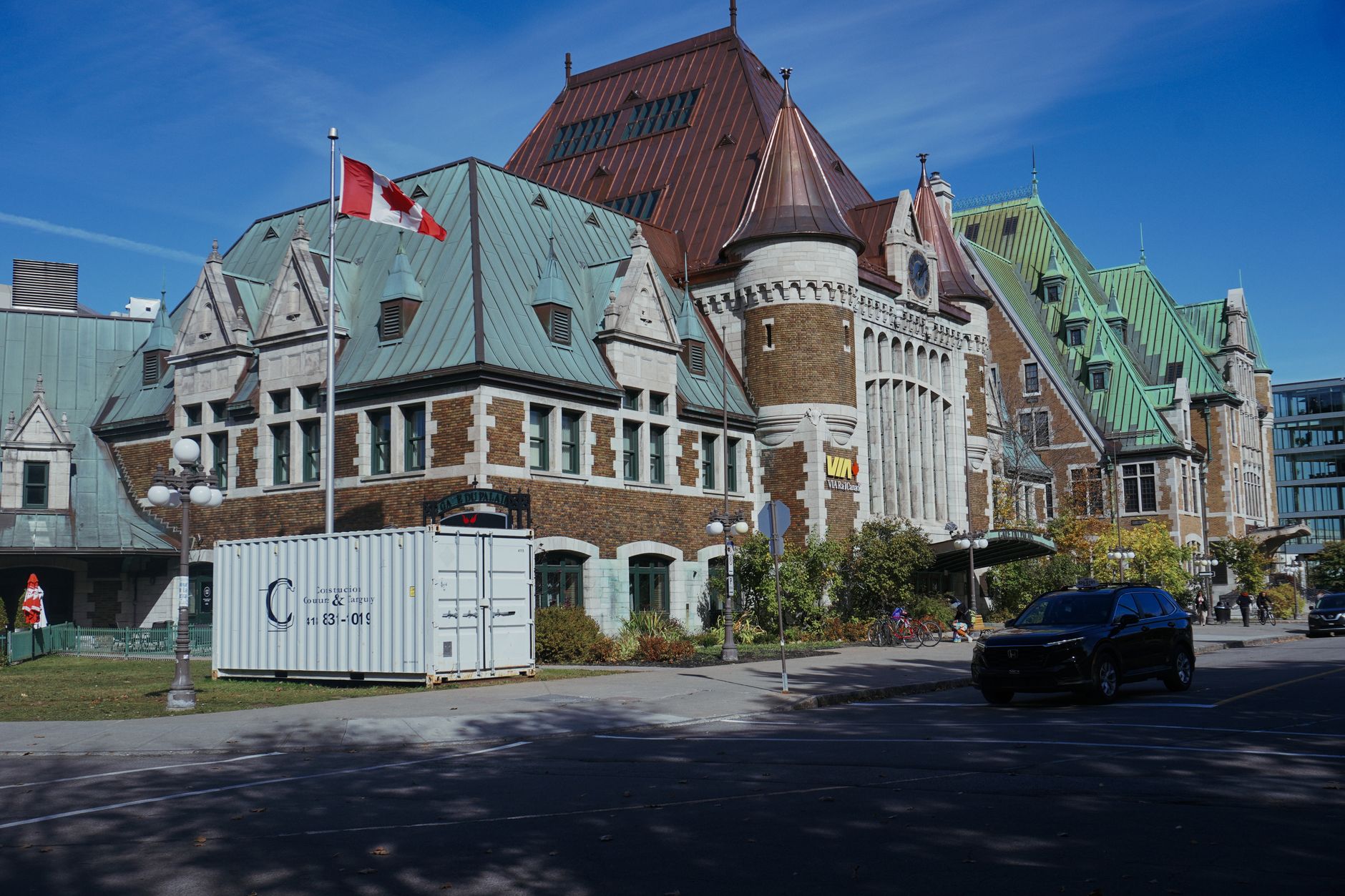
Morning: Start at Gare du Palais to orient — the station is beside the St. Lawrence and steps from Old Port viewpoints. Walk 10 minutes up to Château Frontenac and Terrasse Dufferin for the classic skyline and river views; allocate 45–60 minutes for photos and the promenade.
Late morning: Descend the Terrasse’s stairs to Place Royale and the historic square; allow 10–15 minutes between the château and Place Royale because of stairs and cobbles. Explore the Musée de la Civilisation (around CAD 18–22 entry) if museums are a priority; set aside 1.5–2 hours.
Lunch: Eat at Le Chic Shack (near Château Frontenac) for a solid, quick poutine or burger option (CAD 12–20). Afternoon: Walk into Petit Champlain to see Rue du Petit-Champlain and the boutiques; this is a short 5–10 minute downhill walk from Place Royale. Add a stop at the Funiculaire if mobility is a concern — it links Haute-Ville and Basse-Ville.
Evening: Dinner at Le Lapin Sauté in Petit Champlain or Aux Anciens Canadiens for a traditional meat pie and regional dishes (expect CAD 30–60 for a main). After dinner, head back up to Terrasse Dufferin for night views or walk toward Grande Allée for bars and a livelier evening scene; the walk from Old Quebec to Grande Allée is about 15–20 minutes depending on the route.

Day 2
Morning: Take a slow walk or short bus ride to the Plains of Abraham (Les Plaines) and the adjacent Battlefields Park; allow 1–2 hours to walk the paths, visit the park slopes and see the park’s museums from outside. From the park, it’s a 10–15 minute walk to the Assemblée nationale (Parliament Building) and the nearby Observatoire de la Capitale for a 360° city view (ticket roughly CAD 10–13).
Midday: Head to Saint-Roch for lunch — this neighbourhood is about a 20–25 minute walk from Old Quebec or a short bus ride. In Saint-Roch try a microbrewery or the Marché du Vieux-Port for local vendors. Spend time exploring Rue Saint-Joseph’s boutiques and café scene; this area offers lower prices and fewer tourists.
Afternoon: Visit the Musée national des beaux-arts du Québec (MNBAQ) in Montcalm, a 10–15 minute taxi or bus ride from Saint-Roch; plan 1–2 hours for permanent and temporary galleries. If preferring a river view, take the ferry from Gare du Palais to Lévis for a different perspective of the skyline and a 12-minute crossing; combine that with an early evening return walk along the waterfront.
Evening: Dinner back in Saint-Roch or on Grande Allée. Saint-Roch offers a mix of casual bistros and experimental cuisine; expect mains in the CAD 18–35 range. End the night with a short walk along Rue Saint-Jean if shops are still open.

Day 3
Morning: Reserve Day 3 for either Montmorency Falls or Île d'Orléans depending on weather and interest. Montmorency Falls is about 15–20 minutes by car from Old Quebec; the park has a suspension bridge and cable car (cable car fare about CAD 12) and takes 1.5–3 hours to explore depending on hiking choices.
Alternative morning: Drive or join a short tour to Île d'Orléans (25–40 minutes including the bridge). Stop at 2–3 farm stands for strawberries, cider or wine tastings and a quick visit to Sainte-Pétronille or Saint-Laurent for views of the river; farm-stand prices vary but expect CAD 5–20 for local produce or tastings.
Lunch: On Île d'Orléans try a sugar pie or a set menu at a local auberge in summer (CAD 18–35) or return to Old Quebec for a late lunch at Boulangerie Paillard for sandwiches and pastries. Practical note for departures: if catching a mid-afternoon flight, plan to be back in the city two hours before check-in and allow 20–30 minutes to reach Jean Lesage Airport from downtown by taxi.
Afternoon/Departure: If flight times allow, finish with a short museum visit or a final stroll on Rue Saint-Jean for last-minute shopping; factor luggage pickup and city traffic into the schedule to avoid stress.

Best Local Experiences
Carnaval de Québec (February) is a major local festival with night parades, sculptures and the Bonhomme mascot; book accommodation early. Festival d'été de Québec (July) brings large concerts across multiple stages — tickets and crowd levels make this a very different visit than a quiet shoulder-season weekend.
Marché du Vieux-Port (Old Port Market) runs seasonally with local producers and cheeses; great for grab-and-go meals and local specialities. Île d'Orléans farm stands and cideries offer tastings and orchard views — sample local cidre and strawberries in season. The Citadelle of Quebec offers guided tours and the summer Changing of the Guard; the site requires a ticket for the guided visit and is an active military base so check times in advance.
Other experiences: take the short ferry to Lévis at sunset for skyline photos, eat maple taffy on snow at a cabane à sucre in March, and try the Parc de la Chute-Montmorency cable car ride and suspension bridge for a different perspective on regional geology.
Where to Stay
Old Quebec (Haute-Ville/Basse-Ville): Suited for first-time visitors who want immediate access to Château Frontenac, Terrasse Dufferin, Place Royale and many restaurants. Nightly rates range widely: expect CAD 180–350 per night (about EUR 120–235 / USD 125–240) depending on season and hotel class.
Saint-Roch: Suited for budget-minded travelers and people who prefer local bars, microbreweries and design shops. It’s 10–25 minutes on foot from Old Quebec and close to Gare du Palais. Expect CAD 110–180 per night (about EUR 75–120 / USD 75–125).
Montcalm (near MNBAQ and Grande Allée): Good for quieter evenings, museum access and an artsier neighbourhood feel while still being a 10–20 minute walk to Old Quebec. Nightly rates typically CAD 120–200 (about EUR 80–135 / USD 85–140).
Tip: midweek and shoulder-season rates are substantially lower; festival weekends often double standard prices, so check dates before booking.
Food and Drink
Poutine — fries topped with cheese curds and gravy; reliable versions at Le Chic Shack or Chez Ashton (CAD 8–15). Tourtière — a spiced meat pie often served in traditional restaurants like Aux Anciens Canadiens (mains CAD 18–30). Tarte au sucre (sugar pie) — a very sweet maple-scented pie available at Boulangerie Paillard or local pastry shops (CAD 3–6 slice).
Cretons — a pork spread served at breakfast in some boulangeries and classic diners; try it with bread in local breakfast spots (small plate CAD 4–7). Queue de Castor (BeaverTail) — a fried pastry with various toppings sold at kiosks in tourist areas (CAD 6–10). Drink: caribou — a spiced wine-and-spirit drink found at winter festivals and some bars (glass CAD 5–10).
Breakfast option: Boulangerie Paillard on Rue Saint-Jean for breads, tartes and strong coffee (CAD 6–12). Street food option: quick poutine or smoked-meat sandwiches from fast-casual spots in Saint-Roch. Dinner recommendation: Le Saint-Amour or Le Lapin Sauté for traditional Quebecois plates; expect CAD 30–70 per person depending on courses and wine.
Getting Around
Public transit is operated by RTC (Réseau de transport de la Capitale) — buses cover the city and outskirts; buy tickets on the RTC Mobilité app or from machines. A single fare is about CAD 3.50 and a 24-hour pass runs roughly CAD 8–10; fares change so check the app before travel.
The ferry links Gare du Palais with Lévis; it’s a short 12-minute crossing and fares align with a standard RTC single fare. Intercity travel uses Via Rail at Gare du Palais for trains to Montreal or Halifax and Orléans Express buses for regional connections. Taxi from Jean Lesage Airport to downtown is around CAD 35–45 and takes 20–30 minutes depending on traffic.
Walking is often the fastest way within Old Quebec due to narrow streets and short distances; wear shoes suitable for cobbles and stairs. Bike rentals and guided tours are available seasonally but watch for steep sections and vehicle traffic on some streets.
Best Time to Visit
High season is June–August when temperatures average 18–26°C and festivals bring crowds and higher prices; book early for festival weekends. Shoulder seasons May and September–October offer cooler days (5–18°C), fall foliage on Île d'Orléans and fewer tourists, which often means better rates and shorter lines.
Winter (December–February) is cold (average -5 to -20°C) but unique for Carnaval, the Ice Hotel and snow sports; prepare for icy sidewalks and closed-off summer attractions. Spring can be muddy and changeable; many outdoor vendors open only in late May or June, so check hours if arriving in April–May.
Budget and Practical Tips
Typical daily budget ranges: low-cost traveler CAD 90–140 per day, mid-range CAD 170–300, and comfort traveler CAD 300+ (all amounts exclude airfare). Breakdown example for a mid-range day: accommodation CAD 140–220, food CAD 40–70, transport CAD 8–15, entry fees CAD 15–40.
Entry fees: Musée de la Civilisation CAD 18–22, MNBAQ CAD 16–23, Citadelle guided tour CAD 15–20, Observatoire de la Capitale CAD 10–13. Tipping norms: 15–20% at restaurants is standard; round up short taxi rides and add a small tip for exceptional service in bars.
Carry a small amount of cash for market stalls and seasonal kiosks but use chip-enabled credit or debit cards for most purchases. Watch for narrow sidewalks and cobbles when packing luggage — wheel suitcases are workable but expect short stair carries.
FAQ
Is Quebec City safe for tourists?
Yes. The central tourist areas and daytime neighbourhoods are generally safe; use normal precautions against pickpocketing in crowded summer areas and avoid poorly lit side streets late at night.
How do I get from the airport to downtown?
Taxi is about CAD 35–45 and 20–30 minutes; an airport shuttle or shared transfer links to Gare du Palais for around CAD 9–12, and some hotels offer paid shuttles.
Is there a useful city card for tourists?
There is no single must-buy all-in-one pass that always saves money; individual museum memberships or combined attraction tickets can pay off if visiting multiple paid sites, but casual visitors usually do not need an all-day package.
Can I use public transit with a contactless card or do I need cash?
Use the RTC Mobilité app to buy tickets; some buses accept exact cash but the app or contactless payment is easier. Keep small change if planning to ride immediately without the app.
How much time should be allowed to visit Montmorency Falls and back?
Plan 2.5–4 hours round trip from the city centre if driving or using a short tour: travel time about 20 minutes each way plus time on-site for the bridge, cable car and short hikes.
Are attractions open year-round?
Many core sights like Château Frontenac views, the ferry and basic museum operations run year-round, but smaller shops and seasonal tours reduce hours outside June–September and during early winter; check schedules before travel.
Is French required?
French is the working language; most staff in tourist areas speak English, but learning basic greetings and thank-yous will be appreciated.
Is Quebec City walkable for three days?
Yes — the central sights are walkable, but expect steep climbs, cobbles and stairs that slow pace; plan for shoes that handle uneven surfaces.
Conclusion
A three-day visit will be remembered for the fortified Old Town, the river views from Terrasse Dufferin, and a single memorable side trip — either the spray of Montmorency Falls or the slow-food route around Île d'Orléans. Prioritise a morning in Vieux-Québec to absorb the architecture and a late-afternoon ferry ride for skyline photos if time is short. Practical planning — transit app, sensible shoes, and a heat- or cold-ready layer depending on season — makes a compact trip feel relaxed rather than rushed.
How this guide was prepared
This guide was prepared through a structured research that combines destination research, geographic context, itinerary planning logic, and content review.