

Responsible Travel in San Francisco — Practical Support for a 3-Day Visit
Practical, local-first advice for a low-impact 3-day trip to San Francisco: where to stay, how to get around, sustainable activities, booking tips, and nearby day trips.
A compact, practical guide to traveling responsibly in San Francisco. Includes neighborhood picks, public-transit options, seasonal notes, sustainable activities, and how this page supports the 3-day itinerary.
Quick Answer
A compact, practical guide to traveling responsibly in San Francisco. Includes neighborhood picks, public-transit options, seasonal notes, sustainable activities, and how this page supports the 3-day itinerary.
Who This Page Is For
This page is for travelers planning a stay in San Francisco who want clearer decisions about responsible travel, local logistics, timing, budgeting, and practical trip planning.
How This Page Was Prepared
This page was prepared through a structured editorial workflow that combines destination research, geographic context, and practical travel-planning review.
Plan the Rest of Your Trip
Use this page together with the full itinerary and the related planning pages below to make better booking, timing, transport, and budget decisions.
Best single piece of advice: prioritize public transit, walking, and neighborhood spending. Stay centrally (e.g., Hayes Valley, Mission, or North Beach) to cut transit miles. Book Alcatraz and any timed museum entries in advance, and choose shoulder seasons (April–May, September–October) for fewer crowds and milder weather.
This support page is built to complement our main 3 days in San Francisco itinerary with a focus on low-impact choices, practical booking advice, and neighborhood-level tips. Read this before you finalize accommodation, transport, or day trips so your visit benefits local businesses and minimizes environmental and social impact.
What This Page Helps You Decide
Use this page to make concrete choices that support a responsible, easy 3-day visit:
- Where to base yourself for short transit times and local businesses
- Which attractions need advance booking (Alcatraz, Muir Woods shuttle, popular museums)
- When to visit to reduce crowds and avoid heavy fog
- How to get to nearby cities like Oakland, Napa, and South San Francisco with low impact
You can follow the decisions here and then open our 3 days in San Francisco itinerary to arrange each day’s schedule and reservations.
Top Recommendations
Neighborhoods to consider for a 3-day stay:
- Hayes Valley: central, walkable, strong local shops and restaurants.
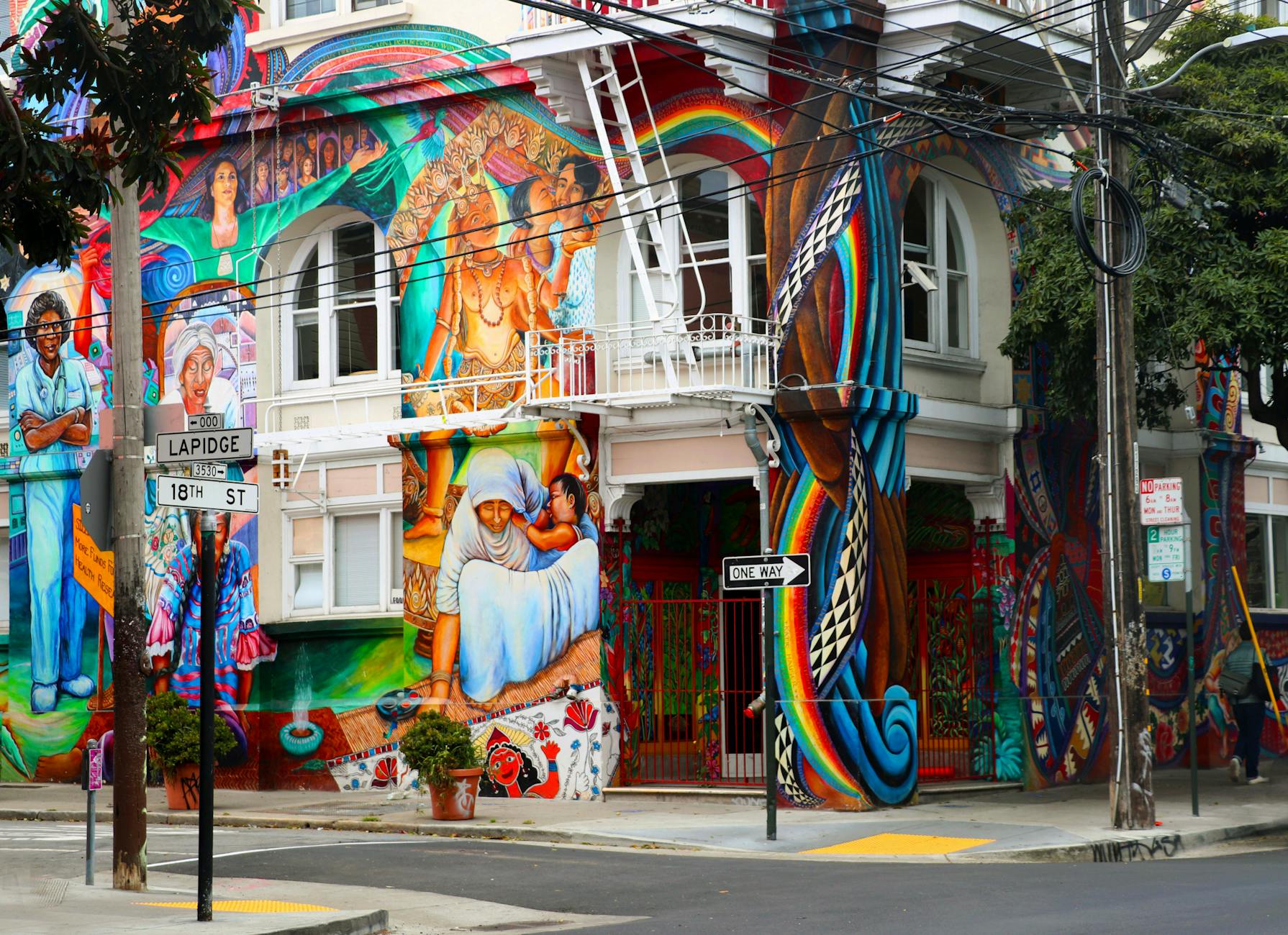
- Mission: lively food scene, murals, good access to BART and buses.
- North Beach/Telegraph Hill: historic streets within walking distance of waterfront.
Must-book and low-impact activities:
- Reserve Alcatraz tickets well in advance; morning slots are cooler and calmer.
- Bike across the Golden Gate or use the PresidiGo shuttle to access the Presidio.
- Spend time at the Ferry Building Farmers Market (Tues, Thurs, Sat) to support local producers.
Low-effort day trips: ferry to Oakland or Sausalito, or a sustainable shuttle to Muir Woods (book required). For wine country, consider a small-operator eco tour to Napa rather than driving yourself.
Local Context
Seasonal patterns:
- Summer (June–Aug): warm inland but often foggy along the waterfront; busiest and most expensive.
- Shoulder seasons (April–May, Sept–Oct): best combination of weather and lower crowds.
- Winter (Nov–Mar): rainier, quieter, better deals on accommodation.
Transport realities:
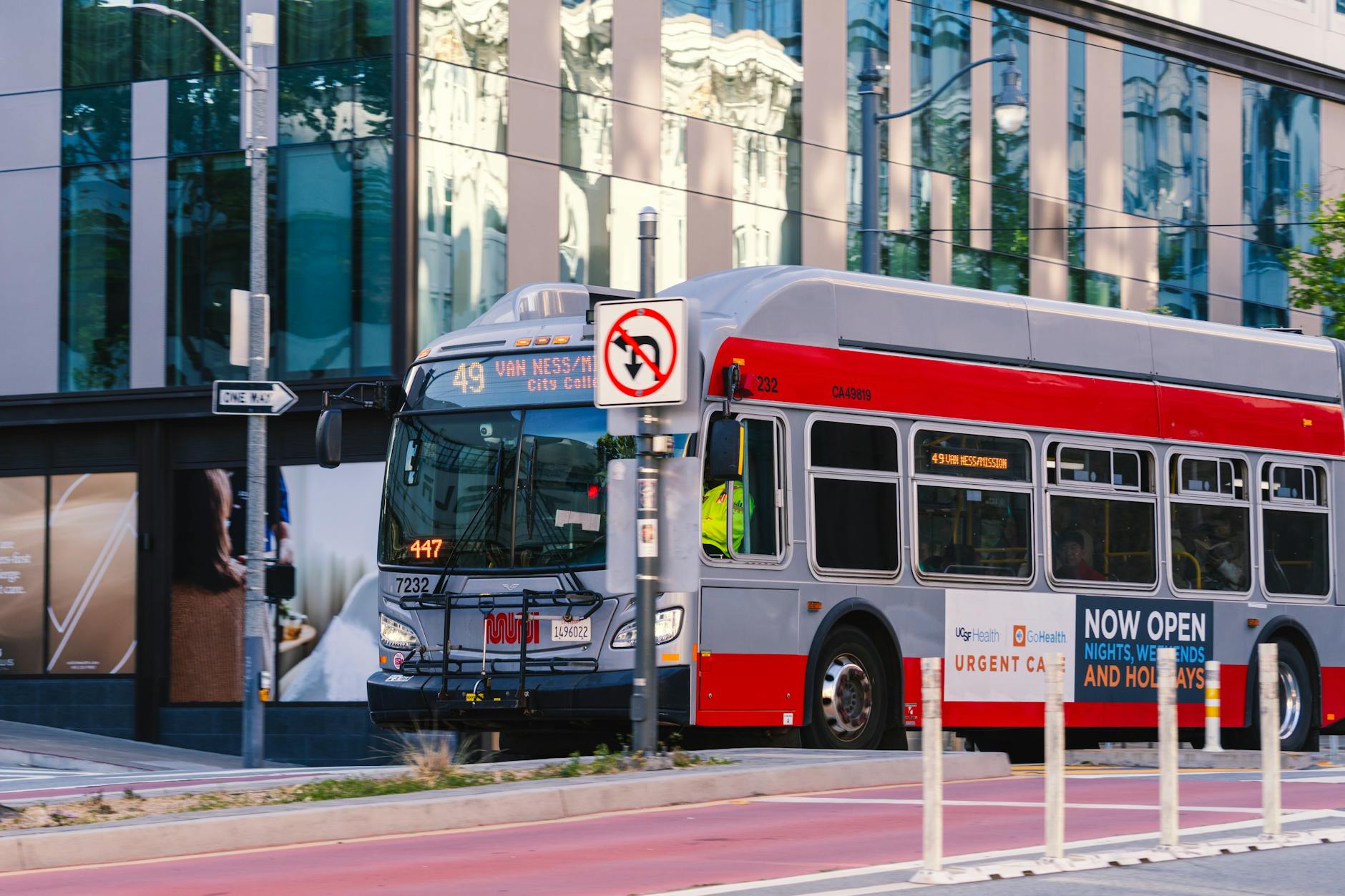
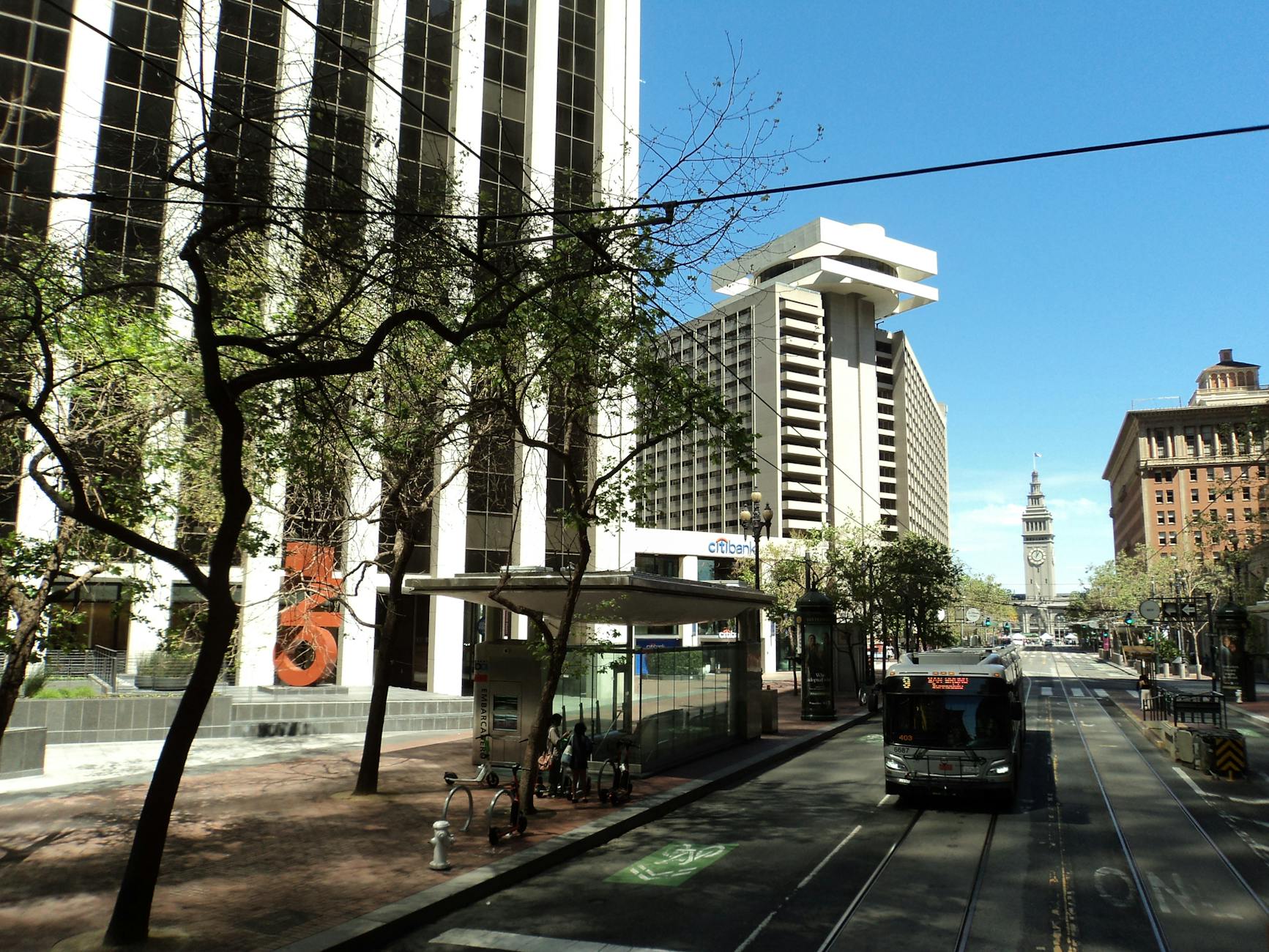
- Muni (buses, light rail, historic streetcars) covers most neighborhoods; buy a Clipper card.
- BART is fastest to/from SFO and to East Bay cities like Oakland and Fremont.
- Cable cars are scenic but slow and busy—use for short experiences, not point-to-point commuting.
Local etiquette and realities:
- Tipping norms: 15–20% at full-service restaurants, $1–2 per coffee or for small services.
- Photography: ask before photographing people, especially in communities with privacy concerns.
- Homelessness is visible; respond with empathy and respect local staff and volunteers.
How to Choose Well
Selecting accommodation:
- Prioritize locally owned guesthouses, small inns, or eco-certified hotels in Hayes Valley, Mission, or North Beach.
- Check proximity to a BART or Muni line to reduce taxi/ride-share use.
Selecting activities and operators:
- For boat or wildlife tours, choose small operators who follow wildlife-distance rules.
- For bike rentals, pick companies with safety helmets, locks, and clear routes; prefer pedal-assist e-bikes from reputable local shops.
Timing and bookings:
- Book Alcatraz, Muir Woods, and popular museum time slots early.
- Reserve restaurants for dinner, especially in the Mission and North Beach.
Practical checklist:
- Carry a Clipper card or set up contactless payment.
- Pack a light windproof layer: microclimate changes quickly near the water.
- Plan one lower-impact day (parks, neighborhoods, markets) between heavy sightseeing days.
Responsible and Local-First Tips
Spend where it helps the neighborhood:
- Eat at family-run cafés and bodegas in the Mission, Richmond, or Sunset.
- Buy art from local muralists and small galleries instead of chain stores.
Transport and carbon-light choices:
- Use Muni and BART; take ferries to Oakland and Vallejo when practical.
- Walk or cycle short distances; leave the car parked unless you need it for Napa.
Nature and wildlife care:
- Stay on marked trails in the Presidio and Lands End; don’t feed wildlife.
- If visiting Muir Woods, use the shuttle or a certified tour to avoid parking pressure.
Engage respectfully with communities:
- Ask before photographing street vendors and residents.
- Tip service workers and consider purchasing small items to support micro-businesses.
Common Mistakes to Avoid
Avoid these frequent missteps:
- Expecting sunny weather everywhere: bring layers and check microclimates.
- Underbooking key experiences like Alcatraz or timed museum entries.
- Relying on a car within the city: parking is expensive and traffic is heavy.
- Ignoring neighborhood rhythms: many places (especially in the Mission) close mid-afternoon.
- Skipping local markets and small cafes in favor of chain options—this reduces local benefit.
Simple fixes:
- Check transit options and buy a Clipper card on arrival.
- Reserve evening restaurants and special tours at least a week ahead in high season.
FAQ
When is the best time to visit San Francisco to avoid crowds but still have good weather?
Aim for shoulder seasons—April–May and September–October. You’ll often get clearer skies and fewer visitors than in July.
Do I need a car for a 3-day trip?
No. For most visitors a car adds cost and hassle. Use Muni, BART, ferries, bikes, and occasional ride-shares. Rent a car only for specific day trips (Napa, Muir Woods remote access) if needed.
How far in advance should I book Alcatraz and Muir Woods?
Alcatraz can sell out weeks in high season—book as soon as your dates are fixed. Muir Woods requires a parking or shuttle reservation; book at least a few weeks ahead for weekends.
Which neighborhood is best for a central, local experience during a short stay?
Hayes Valley balances walkability, independent shops, and transit access. Mission is best for food and murals; North Beach is excellent for proximity to the waterfront.
How can I support local businesses on a tight budget?
Eat at neighborhood cafés, buy a coffee and pastry instead of a sit-down meal at an expensive tourist spot, and pick up snacks or a souvenir from a local market rather than chain stores.
Is it safe to bike across the Golden Gate Bridge?
Yes, with basic experience and caution. Use a reputable rental with a helmet, pick a weekday or early morning for lighter traffic, and follow bike lane rules. Consider guided bike trips if unsure.
Conclusion
A well-planned, responsible 3-day trip to San Francisco can be compact, locally beneficial, and low-impact. Use public transit, book high-demand activities early, and split sightseeing with slower neighborhood time. For more detailed day-by-day planning, open our main 3 days in San Francisco guide; use nearby pages for visits to Oakland, South San Francisco, Fremont, Sunnyvale, or Napa to extend your responsibly planned trip.
How this guide was prepared
This guide was prepared through a structured research that combines destination research, geographic context, itinerary planning logic, and content review.