

Rotterdam in 3 Days: Practical Weekend Itinerary and Tips
A frank, practical 3-day guide to Rotterdam with neighbourhood plans, transit tips, realistic costs and must-see spots for a compact city break.
A focused 72-hour plan that balances modern architecture, working harbours, neighbourhood food and practical transit advice for a short stay in Rotterdam.
Expect a hard-working port skyline, wide streets and a mixture of 19th-century dockland and postwar experimental architecture. The first impression is more industrial and direct than decorative; there are dramatic bridges and cranes alongside cafés and food halls. Noise from trams and the occasional ship is normal; this is not a small-town pedestrian zone.
The city rewards people who enjoy architecture, markets and good ferry rides rather than slow sightseeing. Plenty of attractions are close together, so three days feel busy but achievable if time is focused on distinct neighbourhoods rather than trying to see every museum.
Is 3 days in Rotterdam enough?
Yes: three days are enough to see central highlights—Erasmusbrug, Markthal, Cube Houses, Depot Boijmans—and to sample two neighbourhoods (Katendrecht and Noord). Caveat: deep museum crawls or a full-day trip to The Hague or Delft will require extra time or skipping part of the downtown itinerary.
Who This Guide Is For
Best for urban travellers who like modern architecture, markets and short neighbourhood walks; not ideal for those who want a relaxed rural or museum-heavy holiday. Budget travellers on hostels and mid-range travellers both fit well; luxury stays are available but pricier near the Erasmusbrug.
Local Tips for Rotterdam
Practical details that most travel sites skip — specific to Rotterdam.
- Pick up an OV-chipkaart at the ticket machines in Rotterdam Centraal or use the RET app for single-day metro/tram tickets; the card is needed to check in/out on most public transport.
- Binnenrotte market runs Tuesday and Saturday (big market on Saturday) — the fish stalls and cheese vendors are busiest by 09:00; arrive early for the best selection.
- Kapsalon originated in Rotterdam; try a local version at snackbars around Rotterdam Centraal or in Oude Noorden for the original doner-meets-fries dish.
- From Rotterdam The Hague Airport take bus 33 to Meijersplein then transfer to RET metro line E or a short taxi; buses run roughly every 20–30 minutes.
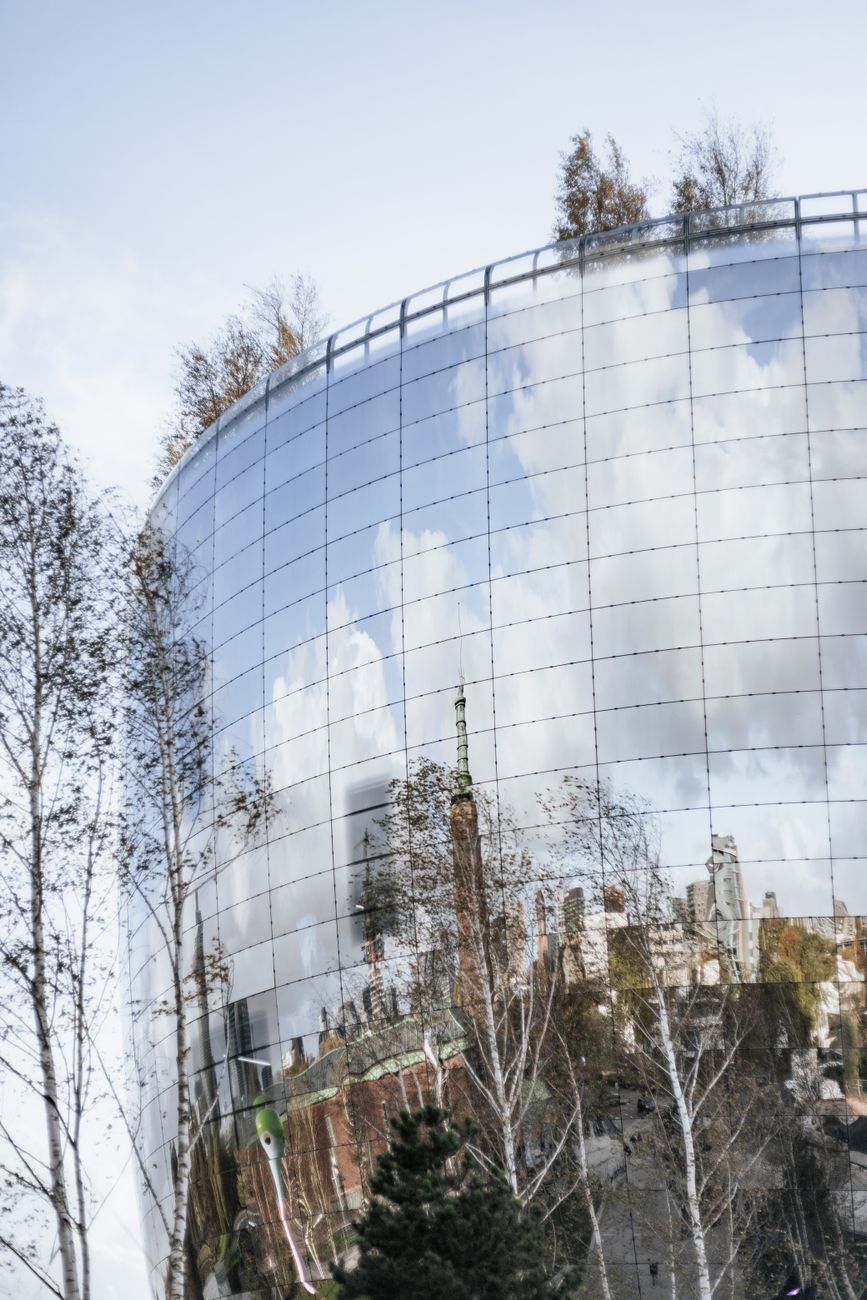
- Depot Boijmans Van Beuningen requires timed-entry tickets (around €15); buy online to avoid sold-out slots on weekends and public holidays.
How This Guide Was Prepared
This guide treats Rotterdam as a working port city with bold postwar architecture and neighbourhood-specific food culture, not a tidy tourist package. Most guides over-emphasize central sights like the Markthal and Cube Houses; this one balances those with practical neighbourhood time in Katendrecht, Delfshaven and Noord and honest timing for museum visits and harbour access. This guide was prepared through a structured research that combines destination research, geographic context, itinerary planning logic, and content review.
Plan Your Stay in Rotterdam
Use this itinerary as your starting point, then compare areas to stay, transport options, seasonal timing, and realistic daily costs before booking.
Why Visit
Modern architecture is the main draw: from the Cube Houses on Blaak to contemporary blocks along the Wilhelminapier. The river and harbour are active working spaces, and harbour tours and the SS Rotterdam give access to real maritime infrastructure.
The food scene mixes immigrant snacks, Dutch market stalls and quality producer spaces such as Fenix Food Factory on Katendrecht. Art and design are concentrated in a few compact places: Depot Boijmans provides museum storage-as-architecture, and Kunsthal hosts rotating exhibitions that change the cultural makeup week to week.
Public transport is fast and frequent, making it possible to move between distinct neighbourhoods (Centrum, Noord, Katendrecht) in under 30 minutes. The city works well for short stays because transit and pedestrian routes are straightforward and well signed.

Quick Planning Tips
Arrive by train if possible: Intercity NS from Schiphol to Centraal takes about 25–30 minutes and avoids traffic; book tickets via the NS app or at the machine. From Rotterdam The Hague Airport use bus 33 to Meijersplein then RET metro line E to Centraal, or take a taxi if luggage is heavy.
Bring a reloadable OV-chipkaart or use the RET app for trams and metro; planning apps 9292 and the RET app show live departures and disruptions. Major museums use timed tickets; buy them online to avoid disappointment, especially for Depot Boijmans and SS Rotterdam.
Pack a rain shell even in summer; weather changes quickly. Avoid the mistake of scheduling many museums on the same day—spread one indoor museum day with two neighbourhood walking days to keep the trip flexible.

Day 1
Morning: Start at Rotterdam Centraal and walk 5 minutes to Blaak station. See the Cube Houses (Kijk-Kubus) and the busy Markthal; allow 45–60 minutes to browse stalls and try a quick herring or stroopwafel from a stall. Walk time Blaak to Markthal: immediate, same area.
Late morning: Head to Market Hall and then follow Hoogstraat south to the Maritime Museum on Leuvehaven; tram or a 15–20 minute walk will get there. Maritime Museum entry is about €15–€18; allow 1.5–2 hours to see ship models and harbour exhibits.
Lunch: Eat at one of the Markthal stalls or walk across to Oude Haven for terrace cafés. Expect €10–€18 for a market lunch. Afternoon: Walk the Erasmusbrug to Wilhelminapier (10–15 minutes across the bridge) and visit the Hotel New York area and SS Rotterdam if time allows. SS Rotterdam museum tickets roughly €12–€16; tours can take 1–2 hours.
Evening: Return to Witte de Withstraat for bars and dinner; several small restaurants and wine bars line the street. Typical dinner in this area runs €20–€35 per person. Finish with a short night-time walk along the Maas for lit-bridge views.

Day 2
Morning: Take metro or walk to Noord using the free ferry from Parkhaven/Veerhaven to Noord (veer 20–30 minutes including waits). In Noord explore the Oosterpark and cafes on the Noordsingel; visit local coffee shops and small galleries in 30–45 minutes. Ferry crossings run frequently and are free for foot passengers.
Late morning: Ride tram or bus back to Katendrecht via Rijnhaven and walk to Fenix Food Factory housed in an old warehouse on Katendrechtplein; this is a good lunch stop with local producers and €8–€15 meal options. From Wilhelminapier metro stop to Katendrecht is 10–15 minutes by foot across the Rijnhaven or a short tram ride.
Afternoon: Visit the Nederlands Fotomuseum or walk the quay to the old shipyards; both are within a 10–15 minute walk on the Wilhelminapier. Alternatively, book a harbour cruise from Veerhaven to see container terminals and bridges up close; cruises range €12–€18 and last 60–90 minutes.
Evening: Eat in Katendrecht at one of the taverns or at Fenix Food Factory a second time for varied snacks. If nightlife is desired, return to Witte de Withstraat for late bars or try café culture along the Oude Haven for a quieter evening.

Day 3
Morning: Start with a visit to Depot Boijmans Van Beuningen (timed ticket, about €15). The building itself is worth 45–60 minutes to see storage architecture and rotating displays. From Centraal, take metro or tram to Museumpark, roughly 10–15 minutes.
Late morning: Walk Museumpark to Kunsthal and the Natural History Museum complex; Kunsthal rotating exhibitions typically take 1–1.5 hours and tickets are about €10–€15. After museums, stroll through Park (Museumpark) and head to the Laurenskerk in Delfshaven if interested in older architecture; tram to Delfshaven takes 10–15 minutes.
Lunch: Try a café near Museumpark or head to Binnenrotte market on market days for sandwiches or cheese tasting; expect €6–€12. Afternoon: If catching an afternoon flight or train, schedule travel time—allow 45–60 minutes to reach Rotterdam Centraal from most central neighbourhoods and 30–40 minutes to Schiphol by Intercity NS.
Departure note: For Rotterdam The Hague Airport allow at least 60 minutes for bus 33 and transfer times; taxis to the airport typically cost €25–€35 and are quicker with luggage. End the stay with a final walk along the Maas if time permits.
Best Local Experiences
Binnenrotte market (Tuesdays and Saturdays) for fish stalls, cheeses and local shoppers. The free pedestrian ferries from Parkhaven to Noord for skyline views and a fast neighbourhood switch.
Fenix Food Factory on Katendrecht for maker stalls, local beer and small plates, typically open weekends and Fridays. A harbour cruise from Veerhaven to see container terminals, the Maasvlakte skyline and working locks—different from tourist riverboat sightseeing.
An evening on Witte de Withstraat for gallery openings and small-plate restaurants, with late-night bars clustered in the same two blocks. A visit to SS Rotterdam for a ship-hotel/museum hybrid experience and the deck views across the river.

Where to Stay
Centrum/Central Station area: Suits first-time visitors who want short walks to Blaak, Markthal and the Cube Houses. Many mid-range hotels cluster near Luchtsingel and Kruisplein; expect €90–€170 per night (about €97–€185 USD). This area is noisy at night but very convenient.
Wilhelminapier/Kop van Zuid: Suits travellers wanting riverside views and a quieter evening; near the Erasmusbrug and Hotel New York. Nightly rates run €110–€200 (about €119–€217 USD) and often include better river views.
Katendrecht/Oude Haven: Suits food-focused travellers and those who prefer a neighbourhood feel with easy ferry access to Noord. Small boutique hotels and apartments run €80–€150 per night (about €86–€163 USD). This area is quieter after 22:00 and good for walking to food halls.
Food and Drink
Kapsalon: Oven-baked fries topped with döner/shawarma, cheese and salad; originated locally and found at snackbars around Centraal and Oude Noorden. Price €7–€12.
Haring (raw herring): Served by fish stands on Binnenrotte and near Blaak; eat with onions and pickles for about €2–€4. Stroopwafel: Thin waffle with syrup center, often sold fresh in Markthal stalls or bakeries; €1.50–€3.
Bitterballen: Breaded beef ragout bites served in brown cafés like those along Oude Haven; a portion is €6–€9. Dutch pancakes (pannenkoeken): Larger, thin pancakes with sweet or savory toppings—good for brunch in family cafés around the city center for €8–€14.
Dinner recommendation: Try a river-view restaurant along the Oude Haven or one of the Chef-driven places on Witte de Withstraat; expect €20–€35 per main course. For casual beer and local snacks, Fenix Food Factory has local brewers and cheese producers with plates €6–€12.
Getting Around
Public transport is run by RET for metro, tram and city buses; metro lines include A, B, C, D and E. Trams run on numbered routes such as 4, 7 and 21; use the RET app for tickets and live departures and 9292 for multi-operator planning.
Buy or top up an OV-chipkaart at Rotterdam Centraal machines, or buy single-day tickets in the RET app. Single-ride fares on trams and metro are typically in the €3–€4 range (use RET app for exact prices); a 24-hour pass often costs in the €8–€12 range.
NS trains connect Schiphol and Rotterdam Centraal in about 25–30 minutes; use the NS app for reservations and discounts. Taxi from Rotterdam The Hague Airport to the centre runs about €25–€35; taxi from Schiphol is roughly €120–€160 depending on traffic. OV-fiets rental at stations is a practical last-mile option for short urban rides.
Best Time to Visit
Late spring (May–June) and early autumn (September) offer mild weather and fewer cruise-ship crowds; daytime temperatures range 12–22°C (54–72°F). Summer (July–August) brings warmer days 18–25°C (64–77°F) and the highest tourist numbers; book accommodation early if visiting then.
Winter (December–February) is colder and windier with temperatures around 0–7°C (32–45°F) and some grey, wet days; this is the cheapest period for hotels but some outdoor sights feel exposed. Shoulder seasons are best for reasonable prices and comfortable walking.
Budget and Practical Tips
Sample daily budget (mid-range): Accommodation €100–€150; food €35–€55; local transport €6–€12; entries and extras €15–€30; total about €156–€247 per day (roughly $168–$267 USD). Budget travellers can aim for €60–€100 per day by using hostels and market meals; luxury budgets rise above €250 per day.
Museum entries typically €10–€18 each; plan for at least two paid entries over three days. Tipping: service is included on most bills but rounding up or leaving 5–10% for good table service is appreciated, especially in sit-down restaurants.
Carry a contactless bank card and some euros for small market stalls. Watch pockets in crowded tram and market areas; pickpocketing is rare but opportunistic in busy spaces.
FAQ
Is Rotterdam safe for tourists?
Yes; normal city precautions apply. Nights in central nightlife areas can be noisy and pickpocketing occurs occasionally in crowded trams and markets.
How do I get from Schiphol to the centre?
Take an Intercity NS train to Rotterdam Centraal (about 25–30 minutes); buy tickets on the NS app or at the station.
Is a city card or pass worth buying?
A Rotterdam Welcome Card can pay off if using public transport plus two or more paid attractions; check exact discounts against planned museum entries before buying.
Can a bike be rented and is cycling safe?
Yes; OV-fiets and many private rentals are available. Cycling is generally safe on dedicated lanes but watch tram tracks when turning.
Are museums closed on certain days?
Some museums close one weekday—check opening days for Depot Boijmans, Kunsthal and the Maritime Museum before scheduling.
Is the harbour cruise worth it?
Yes for an hour-long view of working terminals and bridges; choose a company that departs from Veerhaven for central access.
Can contactless cards be used on public transport?
Contactless bank cards work on many NS train services; for trams and metro an OV-chipkaart or RET app is the reliable option.
Conclusion
Three days provide a strong introduction to the city's modern architecture, working harbour and neighbourhood food scenes without feeling rushed if the schedule spreads museums and walks across different days. The most memorable elements tend to be crossing the Erasmusbrug, tasting street herring or kapsalon, and a ferry ride to Noord for skyline photos.
If time runs short, prioritise a riverside walk across Erasmusbrug and a market visit at Markthal or Binnenrotte—those two give the clearest sense of the place within a few hours.
How this guide was prepared
This guide was prepared through a structured research that combines destination research, geographic context, itinerary planning logic, and content review.