

3-Day Salt Lake City Itinerary and Honest Weekend Planning Guide
A practical 3-day Salt Lake City plan with transit tips, neighbourhood routes, costs, and priorities so travelers can reach museums, foothills.
A realistic, no-nonsense three-day plan for Salt Lake City that mixes the center's main sights, one solid outdoor day into the foothills, neighbourhood food and transport advice.
First impressions tend toward clean, wide streets, a compact downtown grid and a visible mountain backdrop along the east edge. The downtown core has pedestrian-friendly blocks near Main Street and a mix of mid-century government buildings and newer glass towers.
The presence of the Church of Jesus Christ of Latter-day Saints shapes several blocks around Temple Square, but that is just one element of the urban fabric; there are also university areas, working-class neighbourhoods and a straightforward nightlife scene that centers on local breweries and restaurants. Noise levels and crowds are concentrated around convention dates and University of Utah football games, so check the events calendar before booking.
This city suits visitors who want quick access to museums and an easy day in nature without long drives. It is not primarily a boutique or slow-food capital; food scenes are improving but expect casual service norms and variable opening hours on Sundays.
Is 3 days in Salt Lake City enough?
Three days is enough to see Temple Square, the State Capitol, a couple of museums, and to spend a half-day in the foothills or on Antelope Island. Expect to skip a longer canyon hike or a full Great Salt Lake shoreline exploration unless the schedule is stretched.
Who This Guide Is For
Best for city-break travelers who want a mix of civic sights, museums, and easy outdoor time without daylong drives. Not ideal for visitors whose main goal is multi-day backcountry hiking or a full ski trip.
Local Tips for Salt Lake City
Practical details that most travel sites skip — specific to Salt Lake City.
- Buy fares and passes through the UTA GoRide app or the UTA GoCard ticket machine at TRAX stations; single-ride local fare is about $2.50 and a day pass is roughly $6.50.
- TRAX light rail runs on Blue, Red and Green lines; the S-Line streetcar connects Central SLC to Sugar House — useful for an afternoon in 1100 East/Sugar House.
- Temple Square has timed entry points and a security check; weekday mornings are least crowded for exterior photos and faster museum entry.
- Park City and Big Cottonwood Canyon are under an hour by car without traffic; avoid Friday evening and Sunday afternoon for faster travel into the canyons.
- Antelope Island State Park charges a per-vehicle fee (about $10) and the main visibility is on the Causeway — plan 2–4 hours including wildlife viewing and a walk.
How This Guide Was Prepared
A compact three-day visit shows why Salt Lake City is a practical base for both civic museums and quick outdoor access to the Wasatch Front. Many guides either treat it as only a ski town or as merely a Mormon pilgrimage destination; this guide treats it as a working regional capital with specific transit quirks, parking issues, and straightforward priorities for limited time. This guide was prepared through a structured research that combines destination research, geographic context, itinerary planning logic, and content review.
Plan Your Stay in Salt Lake City
Use this itinerary as your starting point, then compare areas to stay, transport options, seasonal timing, and realistic daily costs before booking.
Why Visit
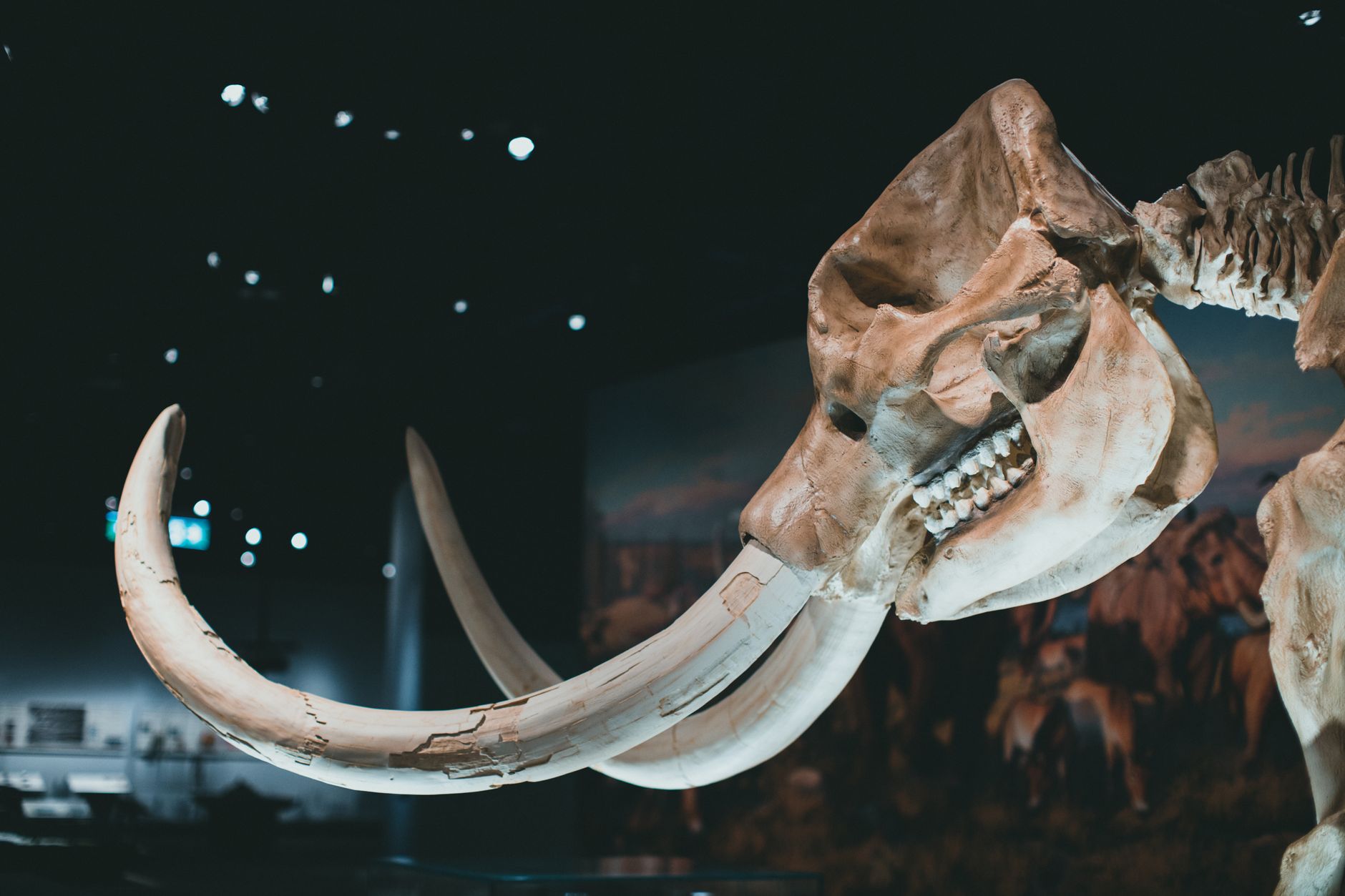
The civic core offers accessible cultural institutions: the Natural History Museum of Utah (on University of Utah campus) and the Clark Planetarium provide concise, well-presented exhibits that fit a short stay. This makes the city efficient for museum-focused itineraries.
Foothills and canyon access are unusually close: Little Cottonwood and Big Cottonwood Canyons start within a 30–45 minute drive from downtown on good traffic days, offering alpine scenery without a full-day transfer. That proximity allows a meaningful outdoor half-day while staying in the centre.
Temple Square and the Utah State Capitol are must-see for understanding regional politics and religious history; both sites can be covered in a single morning with short walks between them. The downtown retail strip at City Creek Center and local neighbourhoods such as Sugar House provide practical shopping and dining without long trips.
Quick Planning Tips
Fly into Salt Lake City International Airport and take the TRAX Green Line to Downtown Salt Lake Central for about 20–25 minutes; luggage-friendly carts are limited at some stations. If driving from I-15, downtown exits are labeled 200 South and 400 South for easier navigation.
Carry a contactless credit card and have a small amount of cash for state park fees and some farmers markets; many small stalls accept only cash. Download the UTA GoRide app before arrival for fares and real-time TRAX and bus schedules.
Avoid scheduling a canyon hike the same afternoon as arrival; traffic peaks Friday late afternoon and Sunday late afternoon for canyon returns. Plan one outdoor half-day and keep the other two days for downtown and one neighbourhood exploration.
Day 1
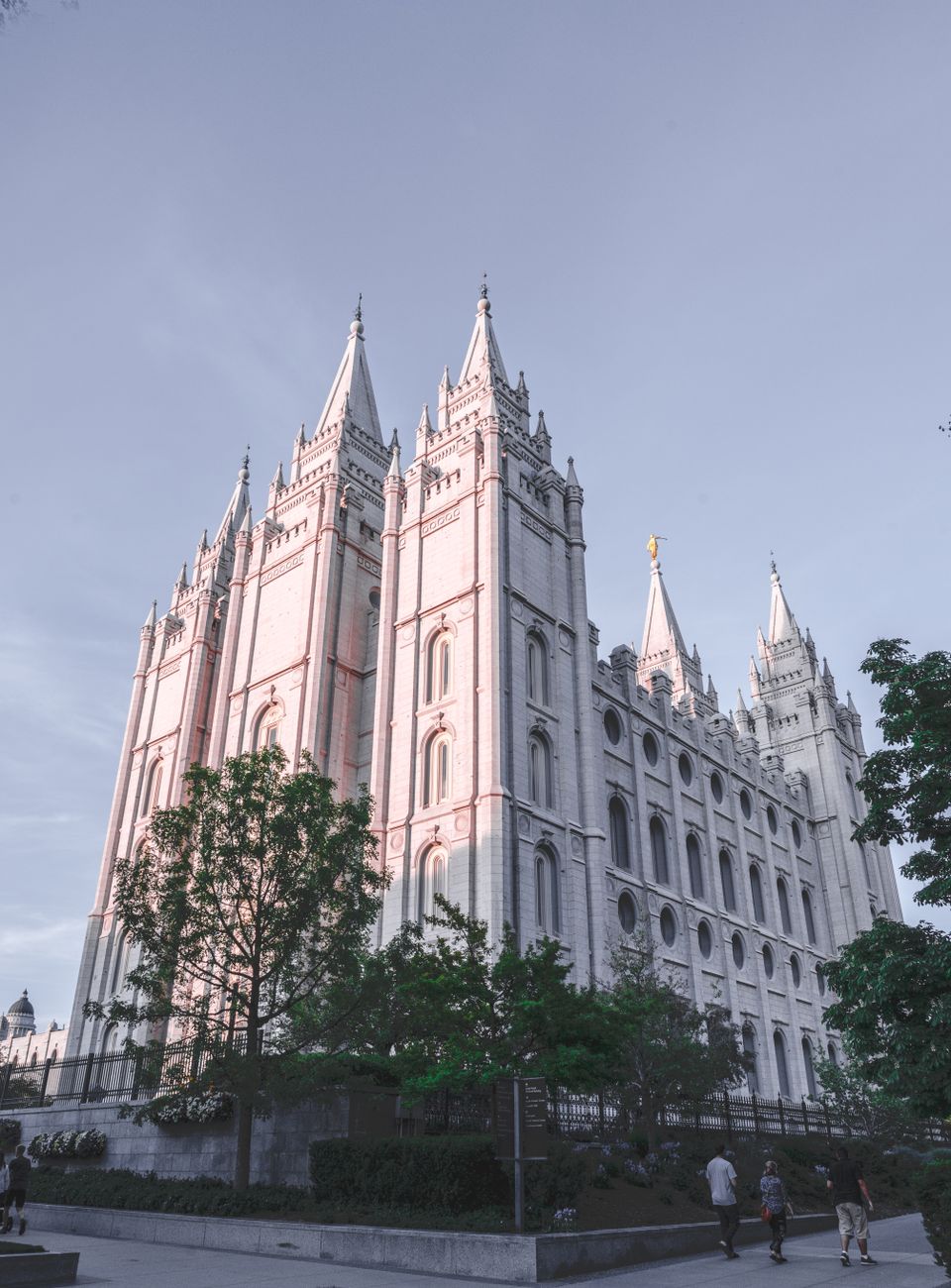
Morning: Start at Temple Square. Walk through the grounds, visit the Tabernacle exterior and the Family History Library if genealogical records are of interest. Allow 60–90 minutes; security checkpoints can add time.
Walk 6–8 minutes north to the Utah State Capitol on State Street for panoramic views down the valley and a short guided tour if available; guided tours are often free though special exhibit tickets may cost extra. Expect 20 minutes uphill on foot or a 5-minute rideshare.
Lunch: Walk back toward downtown and eat at Ruth's Diner or use a shorter option — the City Creek food court offers quick choices. Ruth's Diner in Emigration Canyon requires a short drive (20 minutes) but is a local institution; for a downtown lunch, try Red Iguana for mole (allow 10–15 minute taxi or TRAX to 900 South).
Afternoon: Visit the Utah Museum of Fine Arts (on the University of Utah campus) or the Natural History Museum of Utah for 90–120 minutes each. From the Capitol, TRAX Red Line or a 10–15 minute Lyft connects to the university area.
Evening: Return to downtown for dinner around the Gallivan Center or 300 South restaurant row. For nightlife, stop at one of the craft breweries on 200 South or the bars near 900 South; late-night options close earlier on weeknights.
Day 2
Morning: Spend a few hours in the Sugar House neighbourhood. Take the S-Line streetcar to 2100 South and walk east on 1100 East for boutique shops, coffee at The Rose Establishment and brunch at Eva's Bakery. Allow 2–3 hours including travel time from downtown (20–30 minutes by streetcar or bus).
Midday: Head to Red Butte Garden for a relaxed garden walk and lunch at the on-site café; the bus from the university area or a 15–20 minute taxi from Sugar House works well. Expect 90–120 minutes here for paths and collections.
Afternoon: Return toward the State Street corridor and visit the Clark Planetarium and Discovery Gateway Children's Museum if travelling with family. The TRAX Blue or Green lines can move between these sites; interchanges at the Central Station are straightforward.
Evening: Explore the Granary District for dinner — try HSL or current farm-to-table spots along 200 West near 600 South. This neighbourhood has small bars and late kitchens suitable for a relaxed final evening in the city centre.

Day 3
Morning: Plan a half-day trip to Antelope Island State Park on the Great Salt Lake. Drive time from downtown is about 45–60 minutes each way; allow 3–4 hours total for the Causeway, a short trail, and wildlife viewing. Bring water and sun protection; there is a per-vehicle park fee (about $10).
If preferring mountains, choose Big Cottonwood Canyon for a shorter alpine walk (Donut Falls or Brighton loop) with 30–45 minute drive times. Both options are feasible as half-day outings; canyon parking fills earlier on weekends.
Afternoon: Return to downtown, check out the shops around Main Street or the weekly farmers market if in season (Pioneer Park often hosts markets). For travelers catching an afternoon flight, plan to leave Antelope Island or the canyon by early afternoon to allow for traffic and a 20–30 minute TRAX ride from Salt Lake Central to the airport.
Evening: If still in town, have a final meal near the Depot district or grab a sunset view from Ensign Peak for a short 20–30 minute uphill walk and a quick photo stop before departure.

Best Local Experiences
Walk through Temple Square outside of guided tour hours to see gardens, the Tabernacle organ and the Family History Library after the morning rush. This offers straightforward historical context without a long museum visit.
Visit the Natural History Museum of Utah on the University of Utah hill for local geology and dinosaur displays; its hilltop plaza provides a good skyline view. Reserve a timed ticket for busy weekends.
Spend a morning at the Downtown Salt Lake City Farmers Market at Pioneer Park (seasonal, usually summer Saturdays) for local produce, bakeries and street food vendors. Bring cash for smaller stalls.
Take the S-Line streetcar and explore Broadway in Sugar House for neighbourhood cafés, independent bookstores and casual brunch spots. The streetcar trip is short and shows a different urban mood from downtown.
Drive the Antelope Island Causeway for wildlife viewing — bison, pronghorns and lake vistas are the main draws. Time the visit for morning or late afternoon for cooler temperatures and better lighting.

Where to Stay
Downtown (near Temple Square / City Creek): Suits first-time visitors who want short walks to museums, restaurants, TRAX lines and the convention center. Expect mid-range to upscale hotels from about $120–$220 per night (USD), roughly €110–€200.
The Avenues / Capitol Hill: Suits visitors prioritizing quieter streets, morning walks and proximity to the Utah State Capitol. Few hotels here; consider guesthouses or B&Bs with nightly rates around $90–$160 (USD), about €80–€150. Parking tends to be easier but steeper streets are common.
Sugar House / 1100 East: Suits travellers who want neighbourhood cafés, bakeries and a shorter commute to canyon roads. This area has smaller hotels and rentals with typical rates from $80–$150 per night (USD), about €75–€140, and is well connected by the S-Line streetcar.
Food and Drink
Breakfast — Dutch baby or pancakes at Ruth's Diner (Emigration Canyon) offers a classic regional breakfast; price around $12–$18. For downtown alternatives, try coffee and pastries at Publik Coffee Roasters for about $4–$8.
Street food — Gyro and falafel stands near 400 South and Main run about $6–$10 and represent a reliable quick meal. Food trucks at Pioneer Park and farmers markets rotate seasonally and price items $5–$12.
Dinner — Red Iguana is known for mole and Mexican dishes; main plates are $15–$25 and waits can be long, so arrive early or plan for a late dinner. For a contemporary dining option, the Granary District offers rotating chef-run kitchens with mains in the $18–$35 range.
Local dish — Funeral potatoes: a cheesy potato casserole commonly found at local diners and church potlucks; order at neighborhood cafes for $6–$10 as a side. Another regional item is Utah scones (fried bread served with honey butter) available at local bakeries for $3–$6.
Drinks — Local breweries such as Squatters and Utah Brewers Cooperative offer pints around $6–$8. For non-alcoholic local flavor, try a raspberry limeade from local cafés or craft soda shops for $3–$5.
Getting Around
Public transit is run by UTA: TRAX light rail lines are Blue, Red and Green; the S-Line streetcar serves Sugar House; buses cover numbered routes across the valley. Single-ride local fare is about $2.50; a day pass is around $6.50. Purchase via the UTA GoRide app or at ticket machines in TRAX stations.
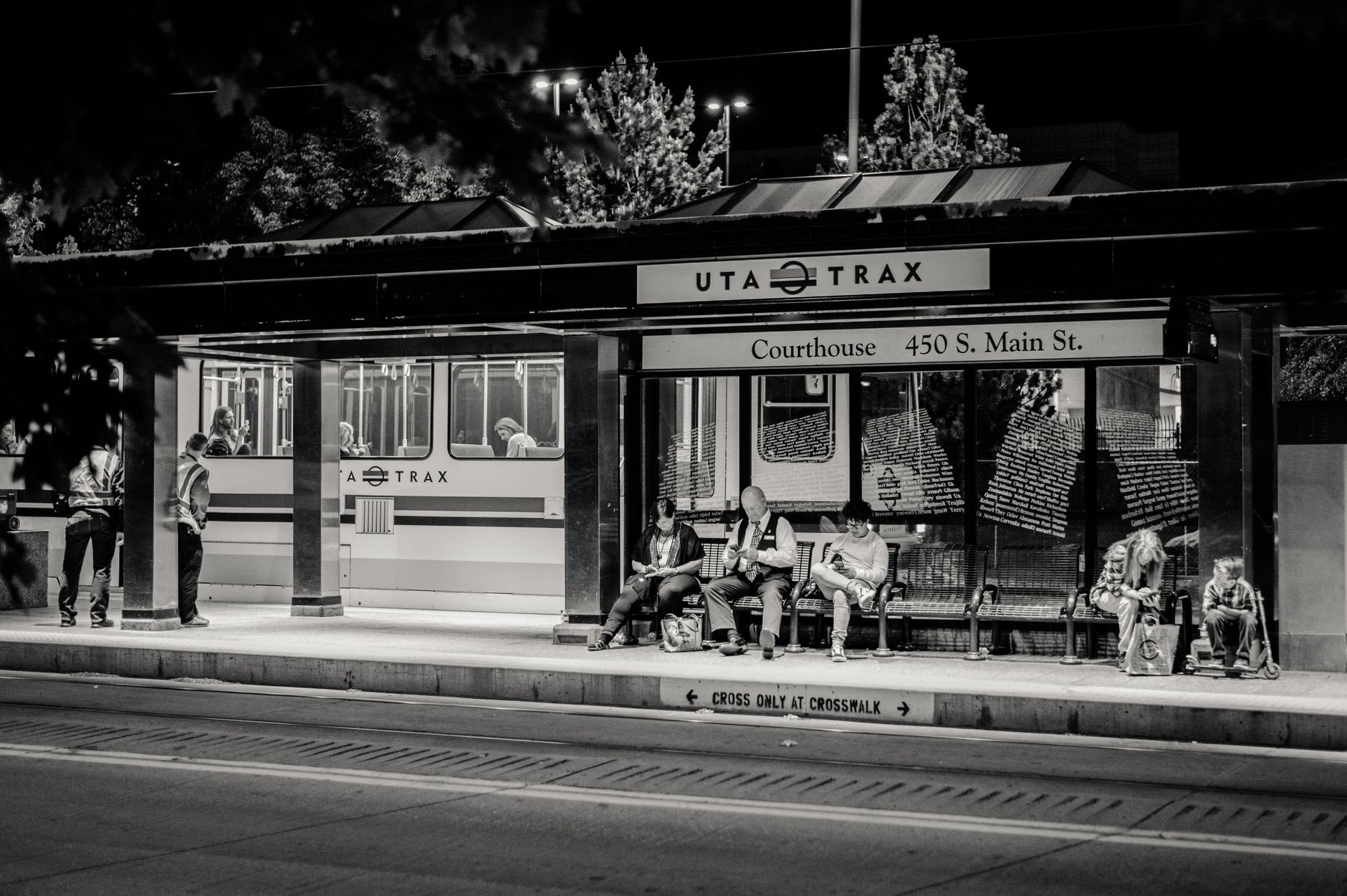
TRAX Green Line connects the airport to downtown (Salt Lake Central) in about 20–25 minutes. The Red and Blue lines run from the central core out toward the University and Draper/West Valley corridors. Plan transfers at Salt Lake Central or Courthouse station depending on destination.
Typical taxi fares from the airport to downtown run about $20–$30 depending on traffic; rideshares may be similar but surge pricing applies during events. Parking apps such as ParkMobile are widely used for downtown street parking and many garages accept credit cards.
Best Time to Visit
Summer (June–August): Warm days 80–95°F (27–35°C) and low humidity; busiest for festivals and farmers markets. Expect higher hotel rates in July and for Pioneer Day (July 24) weekend.
Shoulder seasons (April–May and September–October): Pleasant daytime temperatures 50–75°F (10–24°C) and fewer crowds. These months offer the best value for hotel rates and easier canyon access for walks or early-season foliage.
Winter (November–March): Cold winters with potential snow and skiing close by; downtown temperatures often 20–40°F (-6–4°C). Avoid travel during major snow storms unless prepared for winter driving. Spring runoff in late April and May can close some higher-elevation trails.
Budget and Practical Tips
Typical daily budget (midrange traveler): Accommodation $100–$160 per night (USD) (€90–€150), food $35–$60, transport $6–$12, attractions $10–$30. Total roughly $150–$260 per day (USD), €135–€235. Budget travellers can reduce accommodation and food costs by choosing hostels or kitchens in rentals.
Many museums have reduced or free days; check individual sites such as the Clark Planetarium and Natural History Museum of Utah for discounts. University of Utah parking meters and many downtown garages charge hourly rates, so use ParkMobile or garage monthly rates for longer stays.
Tipping follows US norms: 15–20% in restaurants, $1–$2 per bag for bell staff and $2–$5 for housekeepers depending on length of stay. Drinking water is safe from the tap and often preferred over bottled water for hikes due to environmental concerns.
FAQ
Is Salt Lake City safe for solo travelers?
Yes; central areas and major tourist sites are generally safe during daytime. Standard urban precautions apply at night, and avoid poorly lit back streets in isolated areas.
How do I get from the airport to downtown?
Use the TRAX Green Line for a 20–25 minute ride to Salt Lake Central for about the cost of a local fare, or book a taxi/ride-share for about $20–$30 depending on traffic.
Is a UTA day pass or city card worth buying?
A UTA day pass (roughly $6.50) pays off if taking more than two or three transit trips in a day; there is no single city-wide tourist card that covers all attractions.
Can Antelope Island be visited in winter?
Yes, but expect cold winds and limited services; the causeway remains open unless closed for maintenance or extreme weather. Dress warmly and check state park notices.
Are museums expensive?
Entry fees are modest: Clark Planetarium exhibits and IMAX $8–$12, Natural History Museum of Utah $14–$20 for adults (discounts for students and seniors). Many sites offer free or reduced days.
Is public transport wheelchair accessible?
Most TRAX vehicles and newer buses are wheelchair accessible, and stations generally have ramps and elevators; check UTA accessibility pages for specific station details.
Can a weekend include a canyon hike and a visit to the Great Salt Lake?
Only if one is a short walk or limited to very short shoreline stops; both together require early starts and careful timing because driving and parking take more time than anticipated.
Conclusion
A well-paced three-day visit balances downtown museums, a neighbourhood exploration and one outdoor half-day. The most memorable part for many visitors will be the contrast between the clear downtown grid and the immediate mountain landscape.
If time is tight, prioritize Temple Square plus one major museum in the morning and an afternoon in the foothills or at Antelope Island. That combination gives both civic orientation and one authentic outdoor experience without overcommitting travel time.
How this guide was prepared
This guide was prepared through a structured research that combines destination research, geographic context, itinerary planning logic, and content review.