

Saint-Malo in 3 Days: Practical Weekend Itinerary and Tips
A practical 3-day Saint-Malo guide with timed walks, tide warnings, transit tips.
A candid, day-by-day plan for three full days in Saint-Malo that covers tides, transport, where to eat, and what to skip when time is tight.
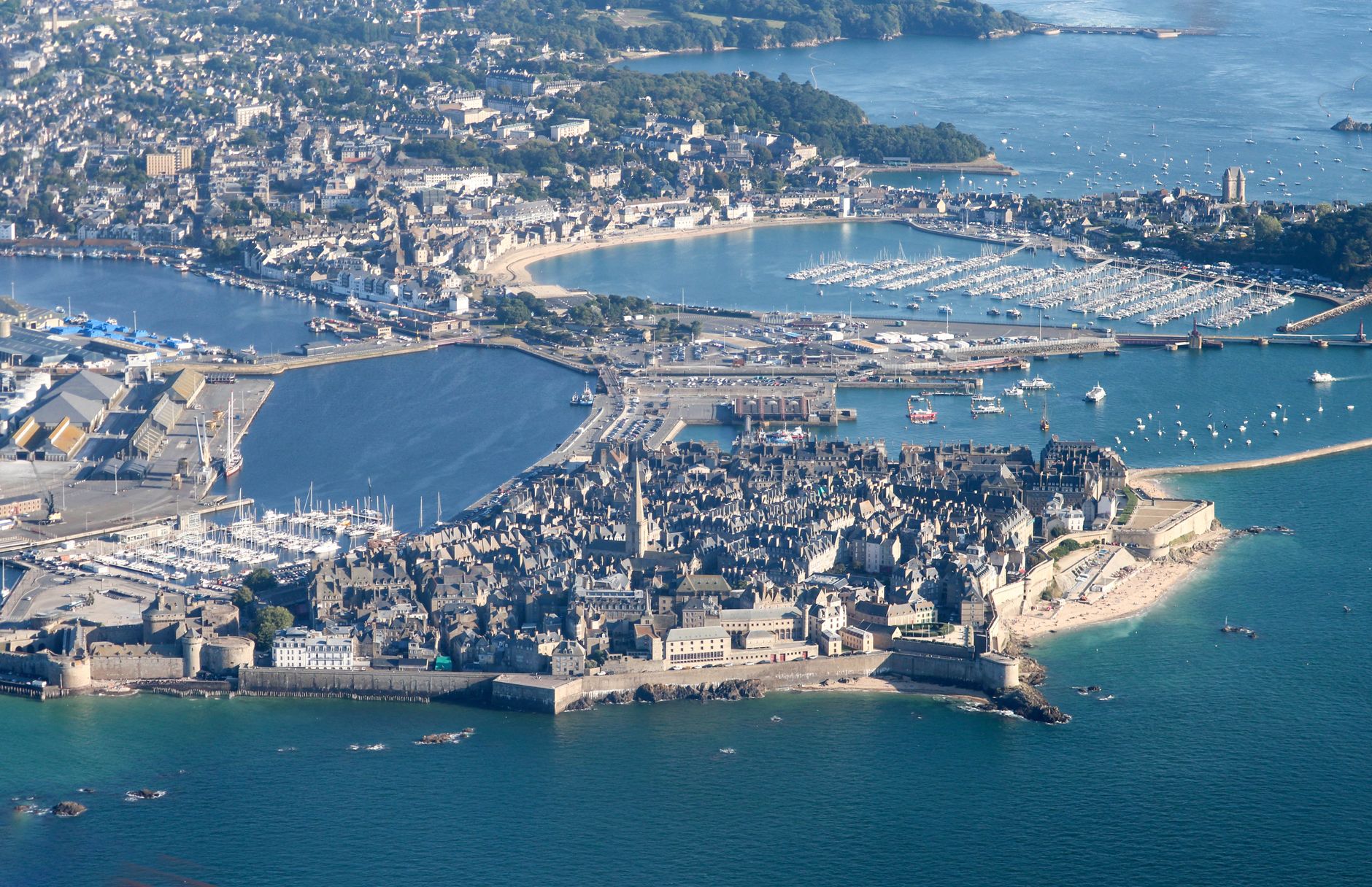
Arriving at Gare de Saint-Malo, the first impression is an exposed coastal town with a fortified core and working port. The walled Intra-Muros feels compact and busy by day; streets narrow and vendors mix with souvenir shops and serious seafood restaurants. Beyond the walls there are quieter districts—Saint-Servan and Paramé—where locals live and the pace slows.
Expect strong tides, busy summer weekends, and a real working ferry terminal. Many guidebooks over-gloss the tidal risk and focus only on the ramparts; practical planning around transport and tides makes the difference between a relaxed visit and a time-pressed scramble.
Is 3 days in Saint-Malo enough?
Three days give time to walk the ramparts, visit the main museums, soak up Plage du Sillon, and reach Rothéneuf or Saint-Servan without rushing. One honest caveat: there won't be time for a relaxed day trip to Mont-Saint-Michel and a Channel Islands crossing in the same short visit.
Who This Guide Is For
Best for short-break travelers who prefer coastal history, seafood, and tidal landscapes; less suitable for those wanting nightlife or extensive inland touring on a tight budget.
Local Tips for Saint-Malo
Practical details that most travel sites skip — specific to Saint-Malo.
- Place des Lices market runs Saturdays from about 08:00 to 13:00 in spring–autumn; fish stalls and produce sell out before midday.
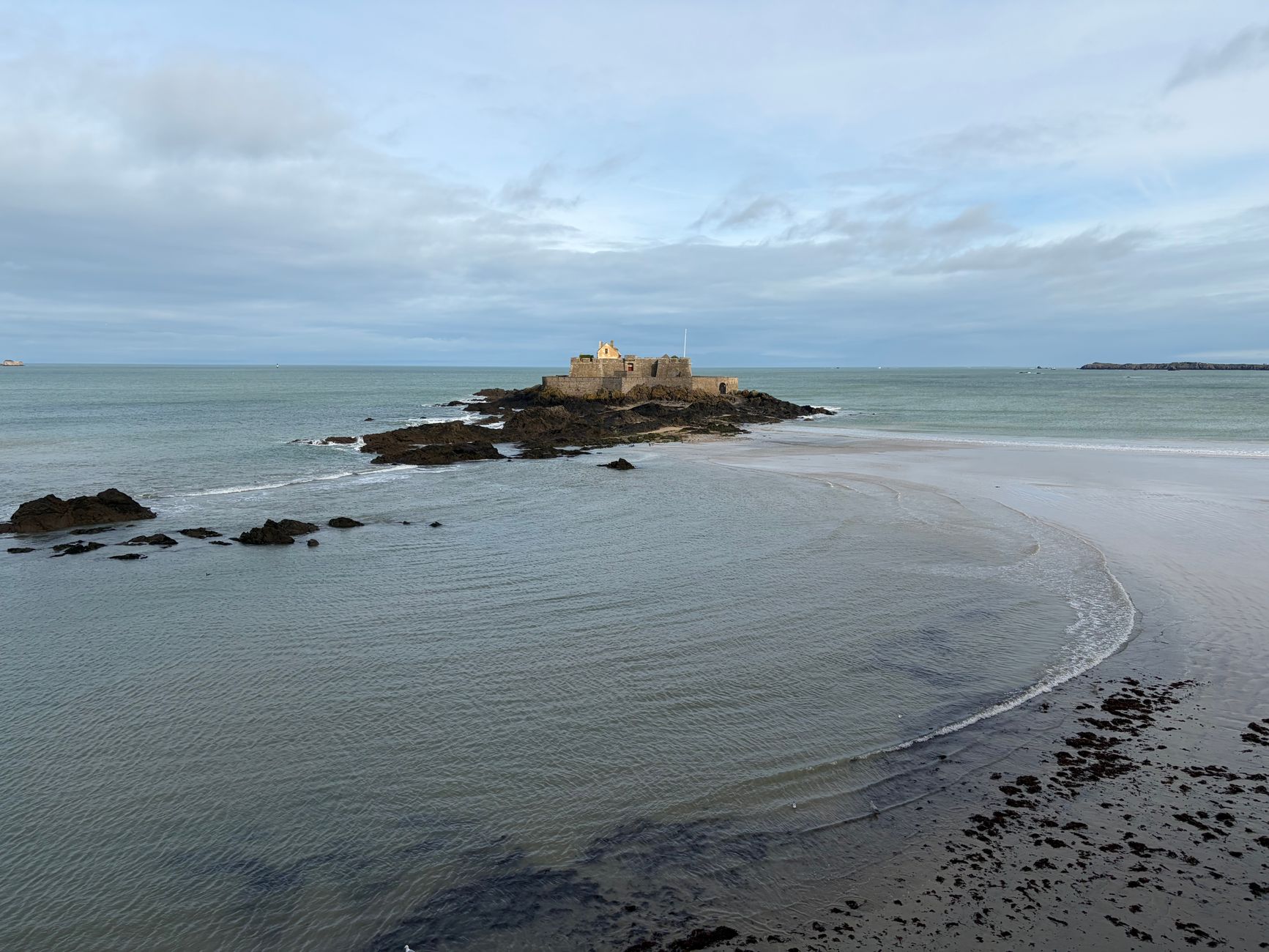
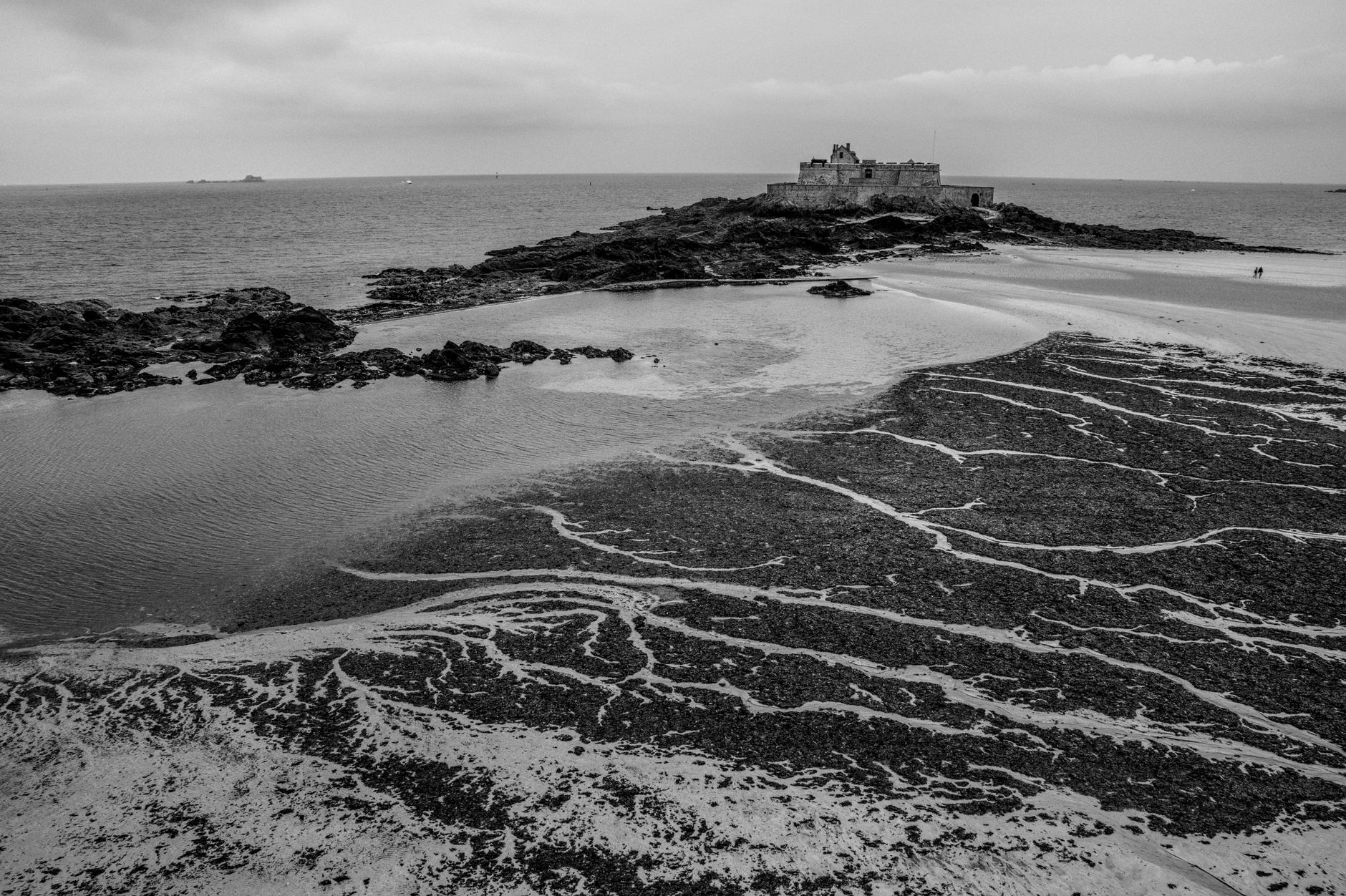
- Grand Bé and Fort National are reachable only at low tide from the ramparts near Porte Saint-Vincent—check tide times on maree.info before setting out.
- Dinard–Pleurtuit–Saint-Malo Airport (DNR) is roughly 10 km away; a taxi to Intra-Muros typically costs €25–€35 depending on luggage and season.
- TER Bretagne trains link Gare de Rennes and Gare de Saint-Malo in about 35–45 minutes; buy cheaper advance fares on SNCF Connect.
- Condor Ferries and Brittany Ferries run crossings to Jersey and Guernsey from the ferry terminal; book early for summer weekends when capacity is limited.
How This Guide Was Prepared
This guide treats Saint-Malo as a working coastal town, not a postcard. It focuses on practical details most guides skip: tide safety, ferry logistics, where services thin out off-season and how the walled Intra-Muros fits with the quieter suburbs and beaches. This guide was prepared through a structured research that combines destination research, geographic context, itinerary planning logic, and content review.
Plan Your Stay in Saint-Malo
Use this itinerary as your starting point, then compare areas to stay, transport options, seasonal timing, and realistic daily costs before booking.
Why Visit
Walkable ramparts give quick access to sea views, Fort National and Grand Bé at low tide, making coastal exploration compact and rewarding. Seafood offerings at the fish market and restaurants near Quai Saint-Louis are specific to the port and often fresher than inland towns.
The town is a practical base for short Channel crossings to Jersey and Guernsey and for regional train links to Rennes, which makes multi-destination itineraries feasible. Nearby coastal features such as the Rochers Sculptés de Rothéneuf and long sands at Plage du Sillon add visual contrast to the stone walls.
Quick Planning Tips
Fly into Dinard–Pleurtuit–Saint-Malo (DNR) for the shortest transfer; taxis cost roughly €25–€35 to Intra-Muros. If flying to Rennes, use TER Bretagne from Rennes station; trains take about 35–45 minutes to Gare de Saint-Malo.
Carry some euros in small change for market stalls; most shops accept cards but smaller vendors and some crab sellers prefer cash. Avoid the mistake of planning beach walks without consulting maree.info for tide times; tide windows determine whether several coastal attractions are reachable on foot.
Day 1
Start at Gare de Saint-Malo and walk 10–15 minutes to Intra-Muros to enter through Porte Saint-Vincent. Walk the full length of Les Remparts, a loop of roughly 1.5–2 km that takes 30–45 minutes at an easy pace and gives views to Fort National and Grand Bé at low tide.
Visit Château de Saint-Malo (Musée d'Histoire) inside the ramparts; allow 60–90 minutes for exhibits and rooftop views, and expect an entry fee in the mid-single digits in euros. From the cathedral, stroll down Rue Saint-Vincent to the fish stalls on Quai Saint-Louis and plan a seafood lunch there.
Recommended lunch: Le Chalut for seafood plates near the cathedral—service can be brisk in high season. After lunch, cross to Plage du Sillon for a 20–30 minute walk along the sand toward Paramé; this stretch exposes the town's big tidal range.
Late afternoon, take a short bus or 20–25 minute walk to Tour Solidor in Saint-Servan and check the small maritime exhibits. For evening, return to Intra-Muros for dinner and a post-dinner walk on the ramparts to see lights on the water.

Day 2
Take a morning bus or short taxi to Rothéneuf to see the Rochers Sculptés (sculpted rocks by Abbé Fouré); plan 45–60 minutes on the site and allow 15–20 minutes travel time from Intra-Muros. Return via coastal road to visit the Grand Aquarium; reserve 90–120 minutes to avoid lines and see the sharks and sea-tank exhibits.
After the aquarium, head to the suburb of Paramé and walk along Plage du Sillon toward the tip near La Digue; this area has calmer beaches and is where many locals swim in summer. For lunch, try a crêperie close to the waterfront—look for places advertising local buckwheat galettes and house-made cider.
In the afternoon, visit the Musée Jacques Cartier inside Intra-Muros or pick a guided town history walk that lasts 60–75 minutes to hear about corsairs and trade. Spend the evening in Saint-Servan for a quieter meal away from the walled centre and watch the light across the Rance river.

Day 3
Use the final day to choose either a relaxed port activity or a short trip. Option A: a morning visit to the fish market and a short museum (60–90 minutes total), then a mid-day walk to Grand Bé at low tide to see Chateaubriand's tomb; allow 2–3 hours including tide margin. Option B: an early ferry to Jersey (if booked) or a guided coastal bike ride from Intra-Muros toward Paramé and back.
If checking out and catching an afternoon flight from Dinard (DNR), plan to leave Intra-Muros by 11:30–12:00 to allow for luggage, a 20–40 minute taxi, and airport check-in. For Rennes airport connections, allow 1.5–2 hours to reach Rennes station by road or take an early TER to avoid last-minute stress.
End the visit with either a thalassotherapy session at Thermes Marins if time allows or a final coffee and salted caramel treat from a patisserie near the cathedral before luggage collection.
Best Local Experiences
Saturday market at Place des Lices for produce, cheese and morning atmosphere; arrive before 11:00 to avoid sold-out stalls. Walk the full circuit of Les Remparts at sunset for shifting light on the sea and an easy orientation to the town's layout.
Visit the Rochers Sculptés de Rothéneuf to see the unusual carved faces and figures; the site is outside the town and quieter than the ramparts. Take a boat or ferry from the port to Jersey or Guernsey for a half-day excursion; crossings fill up in July–August. Attend Étonnants Voyageurs if visiting in late spring for a book festival focused on travel writing and maritime themes.
Where to Stay
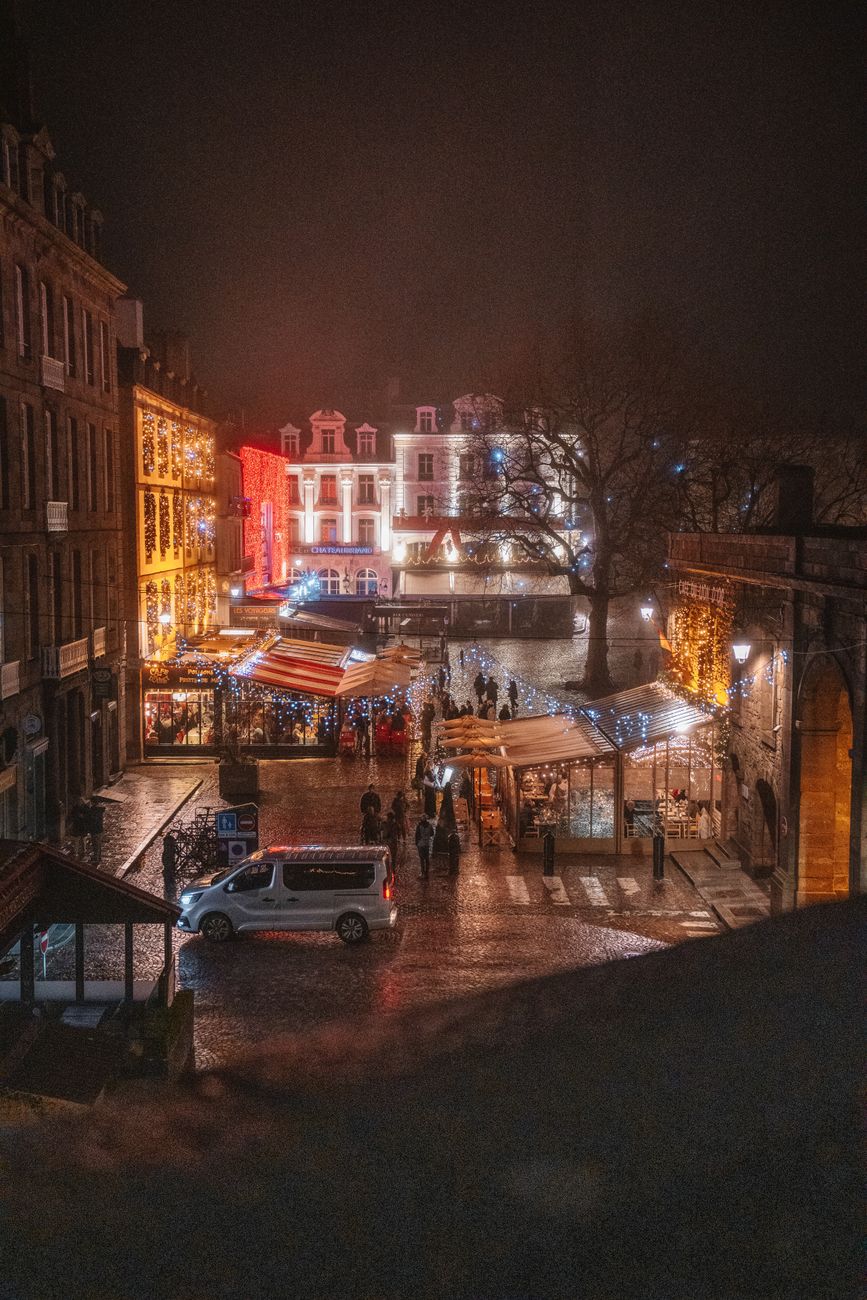
Intra-Muros: best for first-timers who want immediate access to Les Remparts, cathedral and restaurants. Rooms range widely; expect €120–€250 per night in high season (~$130–$270). This suits visitors who want to maximize time inside the walls but accept narrow streets and occasionally noisy evenings.
Saint-Servan: across the Rance estuary, quieter with a local feel and small museums like Tour Solidor nearby. Expect €80–€150 per night (~$90–$160). This neighbourhood suits families or those who prefer quieter evenings while still being a 15–25 minute walk to Intra-Muros.
Paramé / Plage du Sillon: good for beach access and longer seaside walks; hotels and apartments tend to range €90–€180 per night (~$100–$195). Choose this area for morning beach time and easier parking if arriving by car.
Food and Drink
Galette complète: a savory buckwheat crepe filled with ham, egg and cheese. Find good versions at creperies in Intra-Muros for about €7–€11. Kouign-amann: a dense, buttery Breton pastry with caramelized crust; bakeries in town sell portions for about €2–€4.
Cotriade: a Breton fish stew with mixed local fish and potatoes, often €12–€18 at traditional seafood restaurants near Quai Saint-Louis. Coquilles Saint-Jacques: seared or gratinated scallops available widely as a starter for about €10–€18. Local cider (cidre brut or doux) pairs with crepes and is sold by the bottle or by the glass for €3–€6 in cafés.
Breakfast option: a café, croissant and coffee at a patisserie near the cathedral for €5–€8. Street-food pick: fried seafood sandwiches or fish and chips from port vendors in summer for €6–€10. Dinner recommendation: a seafood restaurant close to the ramparts for a proper fish course; expect €25–€45 per person for a main and small starter.
Getting Around
No metro or tram system exists here; public transport relies on TER Bretagne trains, regional BreizhGo buses, and a small urban bus network run by Saint-Malo Agglomération. SNCF Connect is the app to buy TER tickets; BreizhGo app and timetables cover regional buses to Dinan and Rennes.
Single urban bus fares are roughly €1.70–€2.00; a day ticket or multi-ride options are available seasonally from local ticket machines or driver sales. Taxis from Dinard airport to Intra-Muros typically cost €25–€35; Rennes transfers by taxi or private shuttle cost more depending on traffic. Bike rentals and a handful of scooter services operate in the town centre for short hops.
Best Time to Visit
Summer (June–August) brings warm weather, steady ferry schedules and long opening hours; expect day temperatures around 18–23°C and busy streets, especially in July–August. Shoulder seasons (May and September) offer milder crowds, temperatures in the mid-teens to high teens Celsius, and better value on accommodation.
Winter months (November–March) are colder, wetter and many tourist services close or reduce hours; daytime temperatures often sit between 5–10°C. For the best balance of weather, value and open services, aim for late May or September when ferries run and markets and museums are open without peak crowds.
Budget and Practical Tips
Budget traveler daily: accommodation €60–€90, food €25–€40, local transport €3–€6, entries €5–€15; total roughly €95–€150 per day (~$105–$165). Mid-range traveler daily: accommodation €120–€200, food €50–€90, transport €5–€10, entries €15–€30; total roughly €190–€330 (~$210–$360).
Service is included (service compris) on restaurant bills, so tipping is optional; round up small amounts or leave €1–€3 for good table service. Carry small change for market stalls and bus drivers. A small tourist tax (taxe de séjour) applies in many hotels and will be listed at booking.
FAQ
Is Saint-Malo safe for solo travellers?
Yes, the town is generally safe; standard precautions after dark in busy tourist areas should be taken and watch for slippery stones on the ramparts after rain.
How to get from Rennes airport to the town centre?
Best is SNCF trains from Rennes station to Gare de Saint-Malo (35–45 minutes); from Rennes airport take a direct shuttle or taxi to Rennes station first.
Is a city pass worth buying?
There is no widely used all-in-one city card; museum combinations or seasonal passes appear occasionally—check Château de Saint-Malo and aquarium sites for combined tickets.
Can a visitor do a day trip to Jersey and back?
Yes, early ferries make day trips feasible but book ahead in summer; allow time for customs and luggage checks.
Are tides dangerous for swimmers or walkers?
Strong currents and rapid tide changes are real hazards; swim only at lifeguarded sections of Plage du Sillon in summer and always check tide tables before walking tidal flats.
Are credit cards widely accepted?
Most hotels, restaurants and shops accept cards but smaller market stalls and some cafés prefer cash; carry small notes.
Conclusion
Three days allow a clear, practical feel for the town: the ramparts, a main museum, beach time and one nearby excursion. What stays in memory most often is the contrast between the stone ring of Intra-Muros and the open sea, plus the way tides rearrange access to small islands and forts.
If time is limited, prioritise a full circuit of Les Remparts at low tide, a seafood lunch on Quai Saint-Louis, and a short visit to the Rochers Sculptés or Grand Aquarium depending on weather.
How this guide was prepared
This guide was prepared through a structured research that combines destination research, geographic context, itinerary planning logic, and content review.