

Larnaca in 3 Days: Practical Itinerary, Costs & Tips
Practical 3-day guide to Larnaca: sights, beaches, transport and realistic costs, including arrival from Larnaca Airport and must-see day trips.
A clear, no-nonsense 72-hour plan for Larnaca with timings, realistic prices, neighbourhood notes and what to skip if time is tight.
First impressions often focus on the palm-lined Finikoudes strip, but the city has distinct parts: the busy seafront, the quieter Old Town around Saint Lazarus Church, and the salt lake to the west that changes the mood with migrating birds. The overall pace is slower than nearby tourist hubs; weekdays feature local commerce and compact markets, while weekends bring families to the beaches.
Is 3 days in Larnaca enough?
Yes — three days gives a credible taste of central Larnaca: the salt lake and Hala Sultan Tekke, the Finikoudes/Mackenzie coast, the Old Town and a dive or beach excursion. Expect to skip in-depth visits to Nicosia or Protaras or long inland wine trails unless extra travel time is added.
Who This Guide Is For
Best for travelers who want a short coastal city break with beaches, history and easy day trips. Not ideal for those seeking a packed clubbing scene or a deep rural/archaeology itinerary.
Local Tips for Larnaca
Practical details that most travel sites skip — specific to Larnaca.
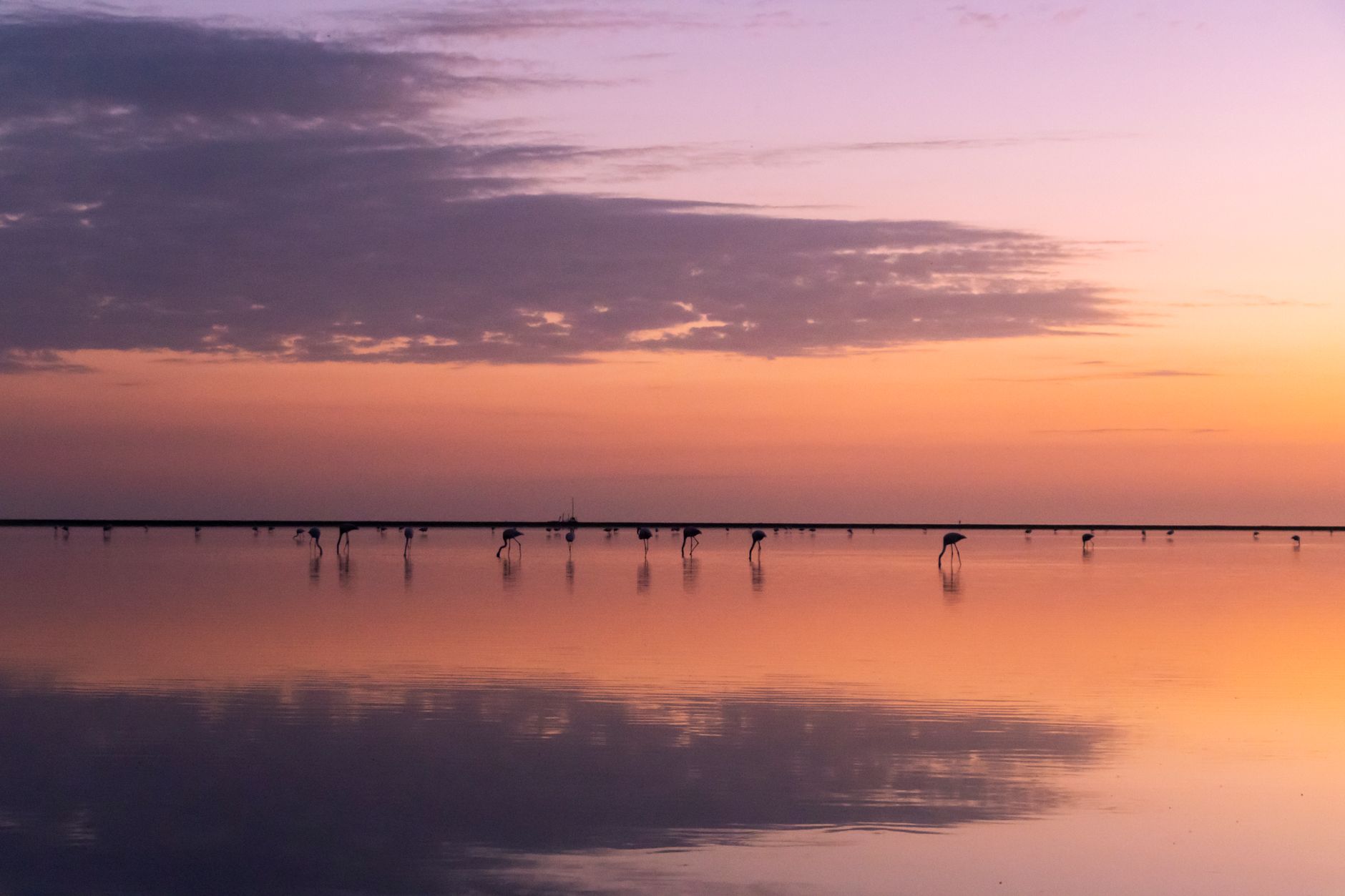
- Larnaca Salt Lake hosts migratory flamingos mainly between December and March — look at the lake edge by Pyrga for the best vantage points rather than the busy Finikoudes promenade.
- Hala Sultan Tekke at Larnaca Salt Lake is a functioning mosque; modest dress is required and women should carry a scarf. Visiting outside prayer times avoids crowds and loudspeaker calls.
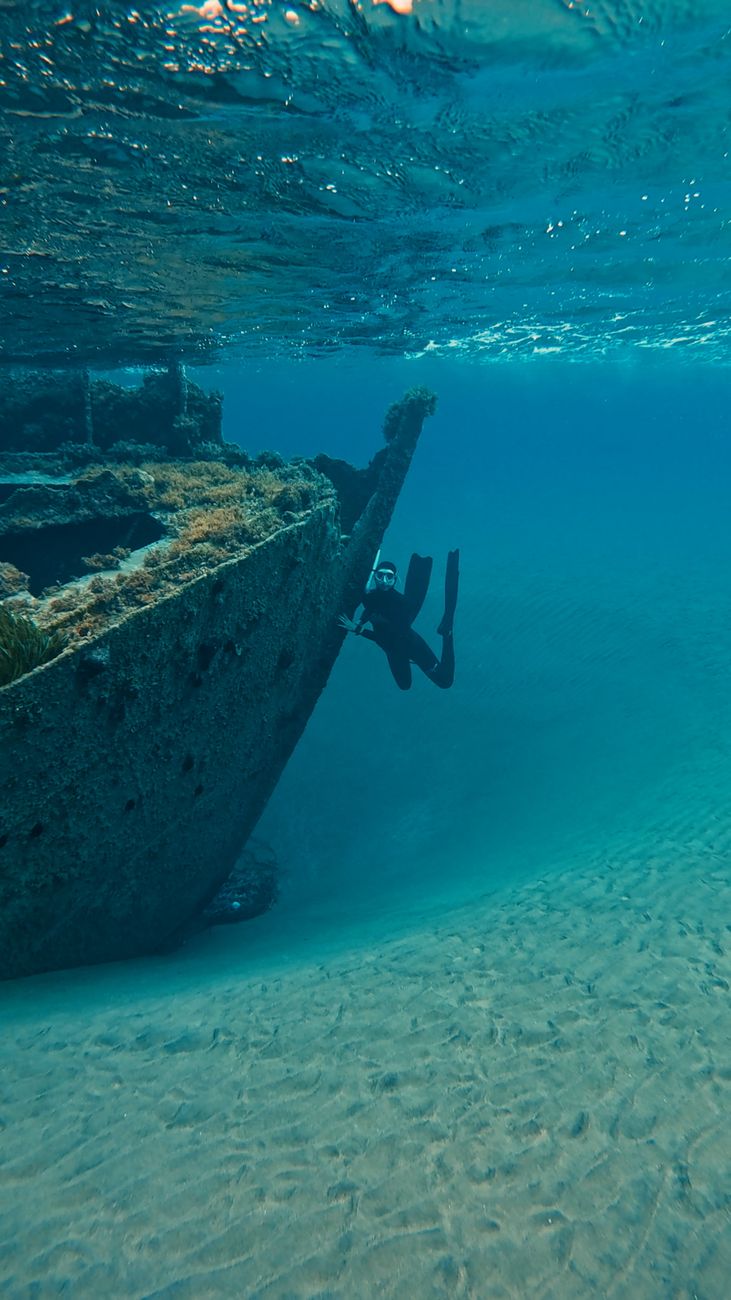
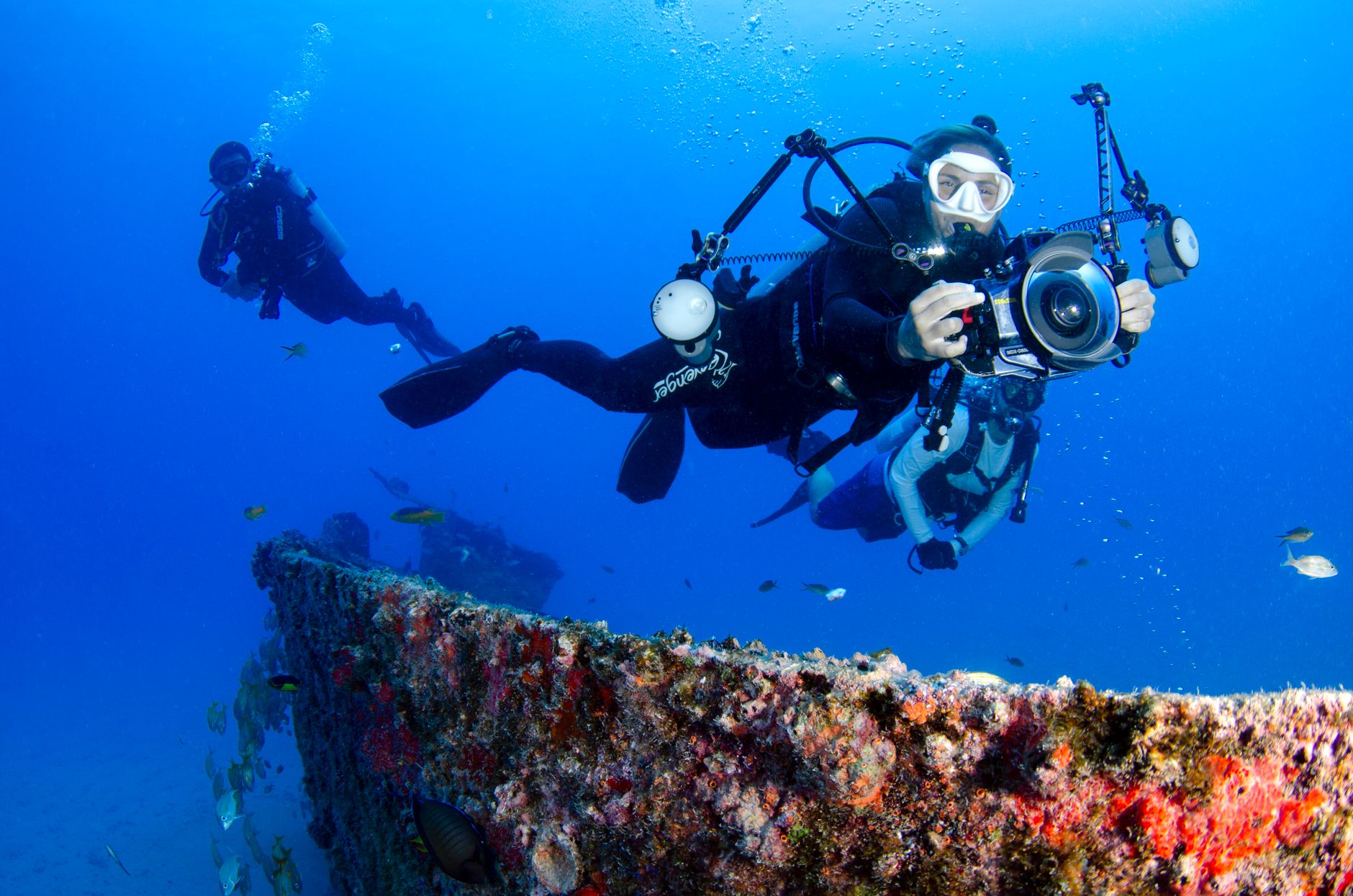
- Zenobia wreck diving trips depart from Larnaca marina and typically cost about €80–€120 per person for a two-dive day trip; the wreck sits around 42 metres at its deepest point so advanced or nitrox-certified divers can plan accordingly.
- Taxis from Larnaca International Airport (LCA) to Finikoudes cost about €10–€15 daytime; pre-booked airport transfers will be slightly more but avoid the busy taxi rank at peak arrival periods.
- Pierides Museum on Artemidos Street is a compact private collection in a stone house with an entry around €2–€4; it’s a better quick stop than larger museums for a short visit.
How This Guide Was Prepared
This guide treats Larnaca as a working coastal town with serious local life rather than a resort-only stop. Many guides overstate nightlife and underestimate the importance of the salt lake, the mosque at Hala Sultan, and the Zenobia wreck for divers; this guide shows how to fit those into three days without chasing everything. This guide was prepared through a structured research that combines destination research, geographic context, itinerary planning logic, and content review.
Plan Your Stay in Larnaca
Use this itinerary as your starting point, then compare areas to stay, transport options, seasonal timing, and realistic daily costs before booking.
Why Visit
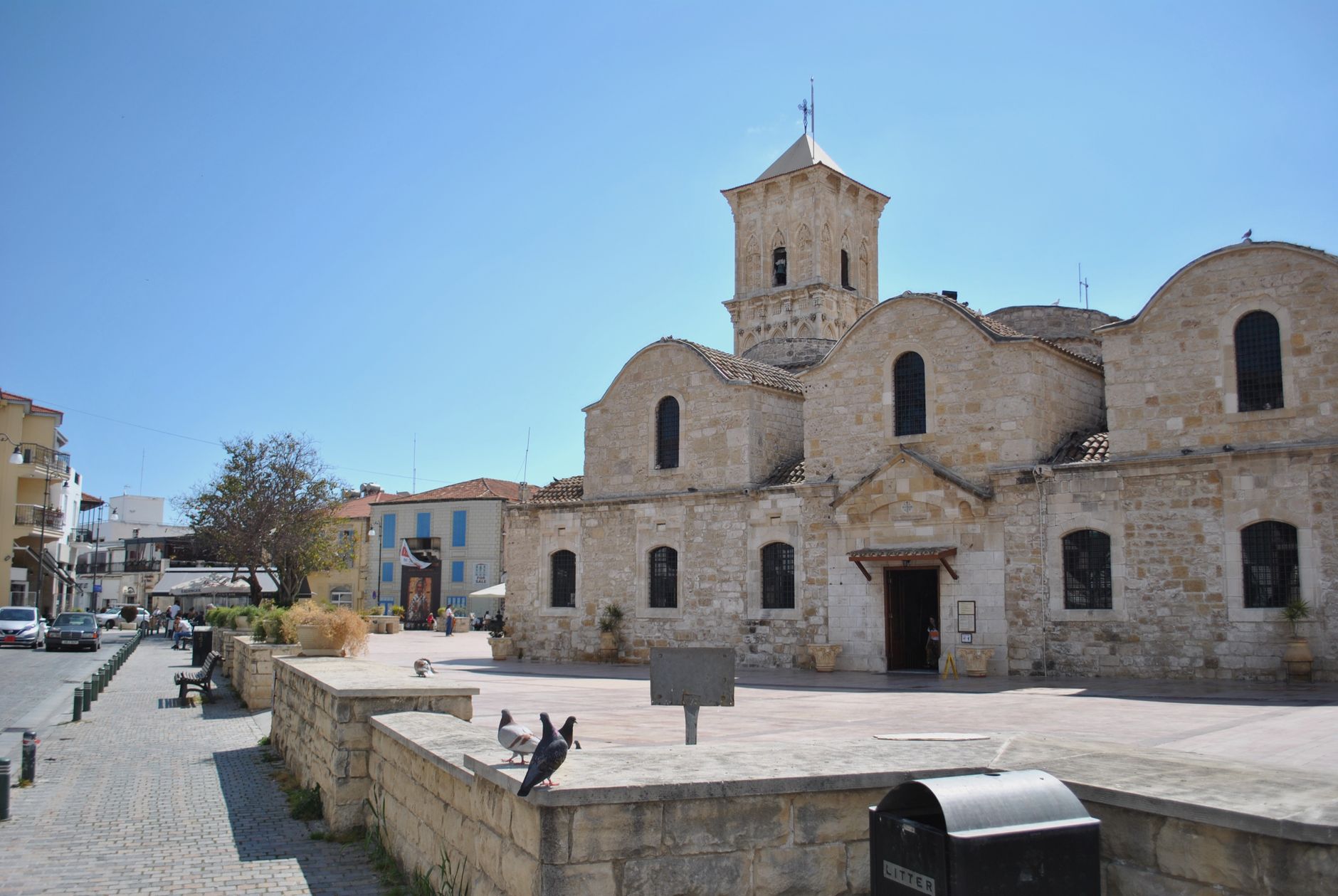
This coastal town is compact enough to move between beaches, heritage sites and the salt lake without long transfers. The Zenobia wreck off the marina is internationally renowned for scuba diving and offers an experience not available from every Cypriot port. Religious and cultural sites such as Saint Lazarus Church and Hala Sultan Tekke sit close together, making it simple to see different religious architectures in a morning. The seafront cafés on Finikoudes and the windier, bar-lined Mackenzie Beach offer two very different seaside atmospheres within 15 minutes on foot or by a short taxi ride.
Quick Planning Tips
Fly into Larnaca International Airport (LCA); the city centre is about 4 kilometres and taxis cost roughly €10–€15 during daytime. Intercity buses run between Larnaca and Nicosia, Limassol and Paphos; the Cyprus By Bus website and Moovit app are useful for timetables. Cash is accepted widely but card machines are less common at small cafés and market stalls, so carry some euros; ATM withdrawal fees can add up, use a provider with low or no foreign fees.

Day 1
Start at Saint Lazarus Church in the Old Town where the 9th-century structure and its iconostasis reward a relaxed visit; allow 30–45 minutes. Walk 3–5 minutes to the Pierides Museum on Artemidos Street for a compact private collection that takes 30–45 minutes. From there, head east along Amenoudi Fish Harbour; the walk to Larnaca Castle is about 10–12 minutes and the castle museum visit normally takes 30–60 minutes. For lunch, choose one of the seafood tavernas on Amenoudi (e.g., To Kafe tis Horiatikis) and expect to pay €12–20 per person for a set meal.
Day 2
Spend the morning at the salt lake and Hala Sultan Tekke. From Finikoudes it’s a 15–20 minute taxi or 25–30 minute bus ride depending on service; stroll the lake edge near Pyrga and plan 60–90 minutes for birdwatching and the mosque visit. After lunch, head to Mackenzie Beach for sunbathing and windsurfing; it’s a 10–15 minute taxi ride from the lake or a 20–30 minute walk along the seafront. In late afternoon, book a shore-based Zenobia information session with a dive centre if planning a dive the next day, or enjoy an evening meal on Mackenzie’s beachfront strip where prices for mains typically start around €10–€15.
Day 3
If certified for open-water diving, schedule a Zenobia two-dive trip in the morning; boats leave from the marina and trips take most of the day. Non-divers can take a morning boat trip to view the wreck from the surface or spend the morning at Oroklini Lake for quieter birdwatching, about 15–20 minutes by taxi from the centre. Check out Kamares Aqueduct and the nearby Kition archaeological remains in the afternoon; both are reachable within a 10–15 minute drive from Finikoudes. For travellers with afternoon flights, plan to be back in time for luggage collection and the short transfer to Larnaca International Airport; leave the centre at least 90 minutes before check-in for short-haul flights.
Best Local Experiences
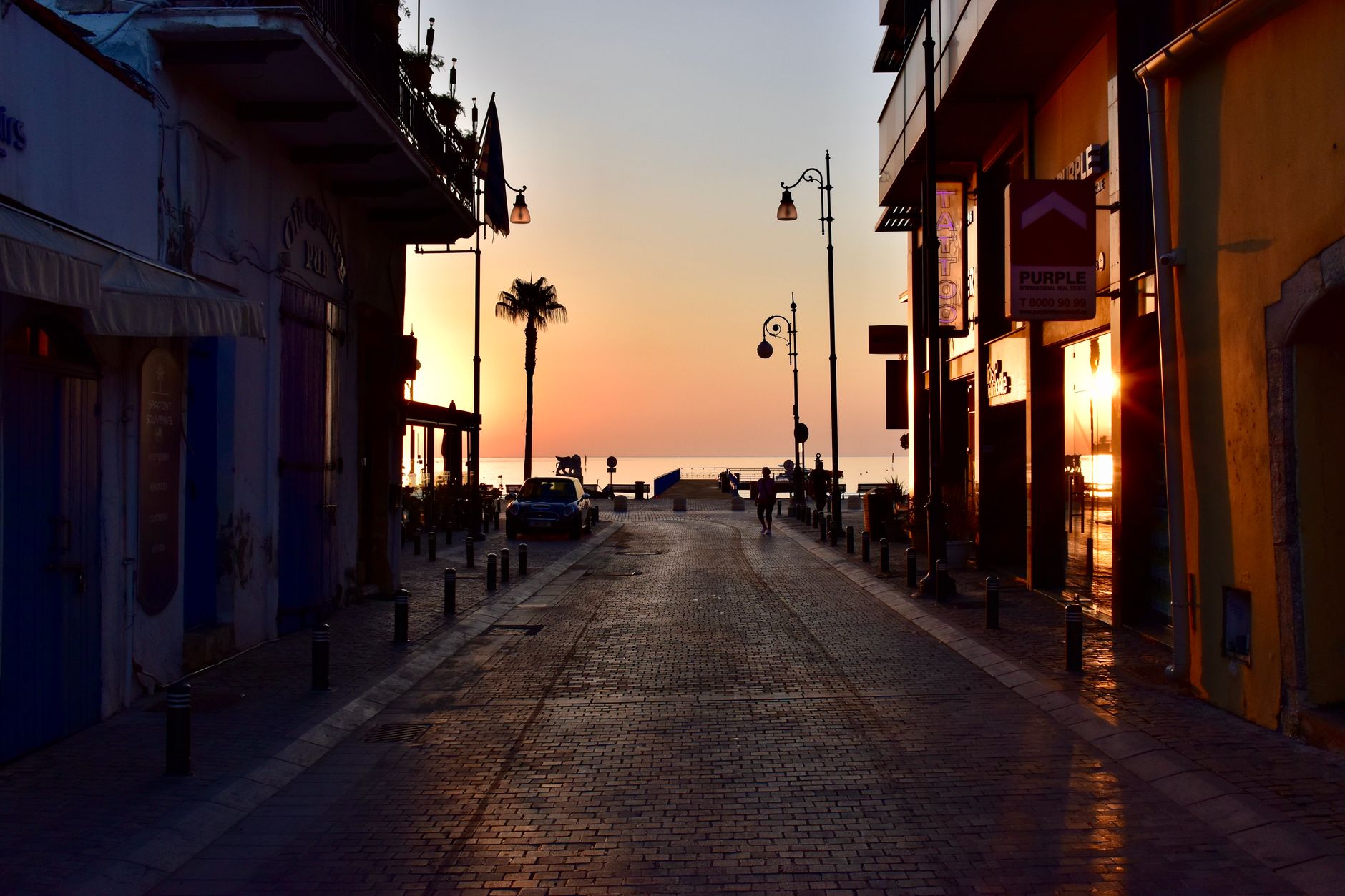
Walk the Finikoudes promenade at dawn to watch fishermen and see the city wake up before the tourist cafés open. Join a guided dive or snorkel trip to the Zenobia wreck from the marina; many small operators run half- and full-day trips. Visit Hala Sultan Tekke and the salt lake together to see migratory birds and a mosque that matters to Muslim pilgrims. Eat in Skala district by the harbour for grilled fish and local meze where families gather in the evenings. Take a short bus or taxi to Oroklini village to see a quieter agricultural side of the area, especially in spring when local farmers sell produce at small stalls.
Where to Stay
Finikoudes: suits travellers who want to be on the seafront and within walking distance of cafés, the castle and the marina. Expect mid-range hotels from €60–€110 per night (approx €65–€120 USD), cheaper outside high season. Old Town / Saint Lazarus area: good for museum and church access, smaller boutique guesthouses and apartments from €50–€90 per night (approx €55–€100 USD). Mackenzie Beach: best for beach bars and windsurfing, with beachfront hotels and apartments from €70–€130 per night (approx €75–€140 USD). Choose based on whether priority is beach access, nightlife on Mackenzie, or a quieter historic stay near Saint Lazarus.
Food and Drink
Halloumi: grilled or fried sheeting served as an appetizer; try at To Stefanelo or local tavernas for €3–6. Souvlaki and souvlakia: skewered grilled meat sold at small shops and tavernas; expect €2.50–€6 for a wrap or plate. Sheftalia: Cypriot pork-sausage wrapped in caul fat, common in izakayas and butcher-run grills; a sandwich costs roughly €3–5. Commandaria: a Cypriot dessert wine with protected designation; tasted at small wine bars or specialty shops for €6–10 per glass. Loukoumades or bougatsa: local pastries and sweet fried dough are easy breakfast or snack options from bakeries on Artemidos Street for €1.50–3.
Getting Around
Local buses connect Finikoudes, the airport and Mackenzie but services are less frequent on Sundays and late evenings; Cyprus By Bus provides intercity timetables while Moovit and Google Maps show live urban routes. Single urban fares are roughly €1.50–€2 depending on distance; taxis are plentiful and short trips in the centre are usually €6–€12. Renting a car is common for day trips to Nicosia or Protaras; expect higher parking prices on the seafront during summer. For dive trips or excursions, book transfer with the operator or use a taxi for reliable timing; meter rates and short fixed fares from central points make planning simple.
Best Time to Visit
Spring (April–June) offers warm, dry weather with daytime temperatures typically 20–28°C and fewer crowds than July–August; good value and beachable water. Summer (July–August) is hot and busy, 30–35°C daytime, high-season prices and crowded beaches; expect lively nightlife on Mackenzie but plan for higher hotel rates. Autumn (September–October) has warm sea temperatures and cooling days around 22–29°C, with better availability and comfortable sightseeing. Winter (November–March) is mild, 10–18°C, and concentrates migratory birds at the salt lake; some businesses close or have reduced hours outside the tourist season.
Budget and Practical Tips
Daily budget for a moderately priced trip: accommodation €60–€120 per night, food €25–€45, transport €5–€15, entry fees €5–€20. That equates to roughly €95–€200 per person per day (about $100–$210 USD), excluding diving or guided tours. Tipping is modest: restaurants often leave a 5–10% tip for table service; rounding up taxi fares and small tips for hotel staff are common but not mandatory. Carry some cash for small shops, market vendors and mosque donations; credit and debit cards work at most mid-range restaurants and hotels but not everywhere.
FAQ
Is Larnaca safe for solo travelers?
Yes; daytime and well-lit evening areas such as Finikoudes, the marina and Old Town are generally safe, but normal precautions against petty theft apply, especially on crowded beaches in summer.
How do I get from Larnaca to Nicosia?
Intercity buses run between Larnaca and Nicosia; check Cyprus By Bus schedules and expect a 35–50 minute journey depending on traffic and route.
Is a city card worth buying?
There is no widely used all-in-one Larnaca city card; individual museum entries are inexpensive and most visitors find pay-as-you-go cheaper unless joining multiple paid tours.
Can non-divers view the Zenobia wreck?
Yes; several operators offer surface-viewing boat trips or short snorkel sessions, but the full wreck experience requires scuba certification for deeper sections.
Are beaches safe for swimming year-round?
Summer swimming is generally safe at Finikoudes and Mackenzie; in winter check local flags and avoid sea swimming on windy days when waves and currents increase.
What are taxi costs from the airport?
Daytime taxis from Larnaca Airport to the centre are usually around €10–€15; night or pre-booked transfers can be higher.
Where to see flamingos and when?
The salt lake near Hala Sultan Tekke is where flamingos gather, chiefly between December and March depending on migration patterns.
Do buses run on Sundays and public holidays?
Buses run but with reduced frequency on Sundays and public holidays, so plan transfers in advance or use taxis for strict schedules.
Conclusion
Three days produce a manageable, honest sample of the coastline, a taste of local food and a memorable dive or birdwatching experience. Visitors will most likely remember the contrast between the calm salt lake with its birds and the active beachfront bars at Mackenzie. If time is tight, prioritise Hala Sultan Tekke plus a short tour of the Old Town and one beach afternoon; those three elements capture the city’s most distinctive experiences.
How this guide was prepared
This guide was prepared through a structured research that combines destination research, geographic context, itinerary planning logic, and content review.