
San Carlos de Bariloche: Honest 3-Day Practical Itinerary
A practical 3-day guide to San Carlos de Bariloche with step-by-step days, transport tips, realistic costs, and local advice for lakes, peaks and chocolate.
A compact, realistic 72-hour plan for San Carlos de Bariloche that focuses on how to move between lakes, mountains and neighbourhoods, what costs to expect, and what to skip if time is tight.
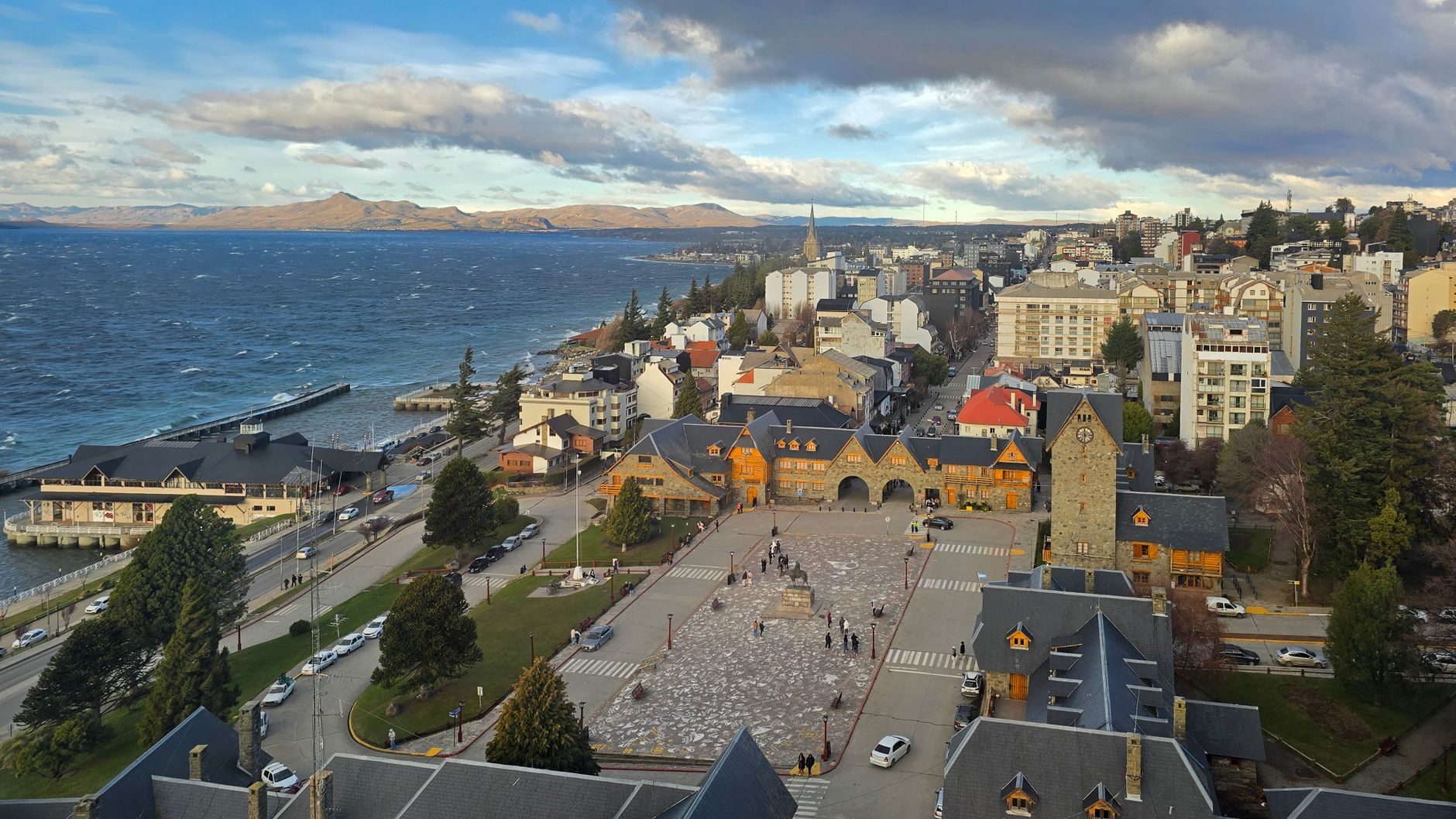
First impression on arrival: a lakeside town with steep tree-lined roads, a compact downtown and a strong outdoor culture. The waterfront promenade, Avenida Bustillo, gives an immediate sense of why people come: water views and mountain silhouettes. Expect loud high season weekends, many outdoor shops and crowded chocolate stores along Calle Mitre.
Is 3 days in San Carlos de Bariloche enough?
Yes — three days lets a first-time visitor cover Centro Cívico, Circuito Chico, Cerro Catedral or Cerro Otto and a short lake boat trip. The caveat: skiing or a long trek (Cerro Tronador) requires an extra day or an overnight in the hills.
Who This Guide Is For
Best for active travellers who like short hikes, scenic drives and chocolate shops; less suitable for those expecting relaxed multi-day trekking or extensive ski time on the same visit.
Local Tips for San Carlos de Bariloche
Practical details that most travel sites skip — specific to San Carlos de Bariloche.
- Buy a SUBE card at the Terminal de Ómnibus or many kioscos; buses in Bariloche only accept SUBE for local fares (single ride often under ARS 200 on SUBE, cash not accepted on some lines).
- Colonia Suiza artisan fair runs most Sundays on Ruta 40 near km 7 and the empanada and curanto stalls start serving around midday; arrive by bus 10 or short taxi ride.
- The Teleférico Cerro Otto multiplies in price and queue time on sunny afternoons; go just after opening to avoid long waits and expect an entrance around ARS 2000–3500 depending on season.
- The main bus hub is Terminal de Ómnibus on Avenida Juan Manuel de Rosas; most intercity buses to Villa La Angostura and Bariloche airport shuttles leave from there.
- Mitre street between Moreno and Villegas concentrates chocolate stores (Rapa Nui, Mamuschka, Fenoglio); morning visits are quieter and some stores close by 20:00, later on weekends.
How This Guide Was Prepared
Three days here works best when planned as concentrated outings rather than trying to tick every viewpoint. Most guides cram every viewpoint into a single day without accounting for mountain weather, ferry timetables or time lost waiting for buses. This guide prioritises logistical realism: transit times, where to buy SUBE and chocolate shop opening hours, and which activities require pre-booking. This guide was prepared through a structured research that combines destination research, geographic context, itinerary planning logic, and content review.
Plan Your Stay in San Carlos de Bariloche
Use this itinerary as your starting point, then compare areas to stay, transport options, seasonal timing, and realistic daily costs before booking.
Why Visit
The lakes and peaks are the primary reason: quick access to Lago Nahuel Huapi and lifts at Cerro Catedral or Cerro Otto lets visitors mix easy hikes and alpine scenery without long drives. The second reason is food and local production: Mitre street's chocolate shops, local trout parrillas and the weekend Colonia Suiza fair offer concentrated tasting without hunting for restaurants. Third, many activities are modular: a half-day boat to Isla Victoria, a half-day drive on Circuito Chico and a half-day in town are each productive uses of time. Finally, Bariloche works as a base for day trips to Villa La Angostura or San Martín de los Andes when more time is available.
Quick Planning Tips
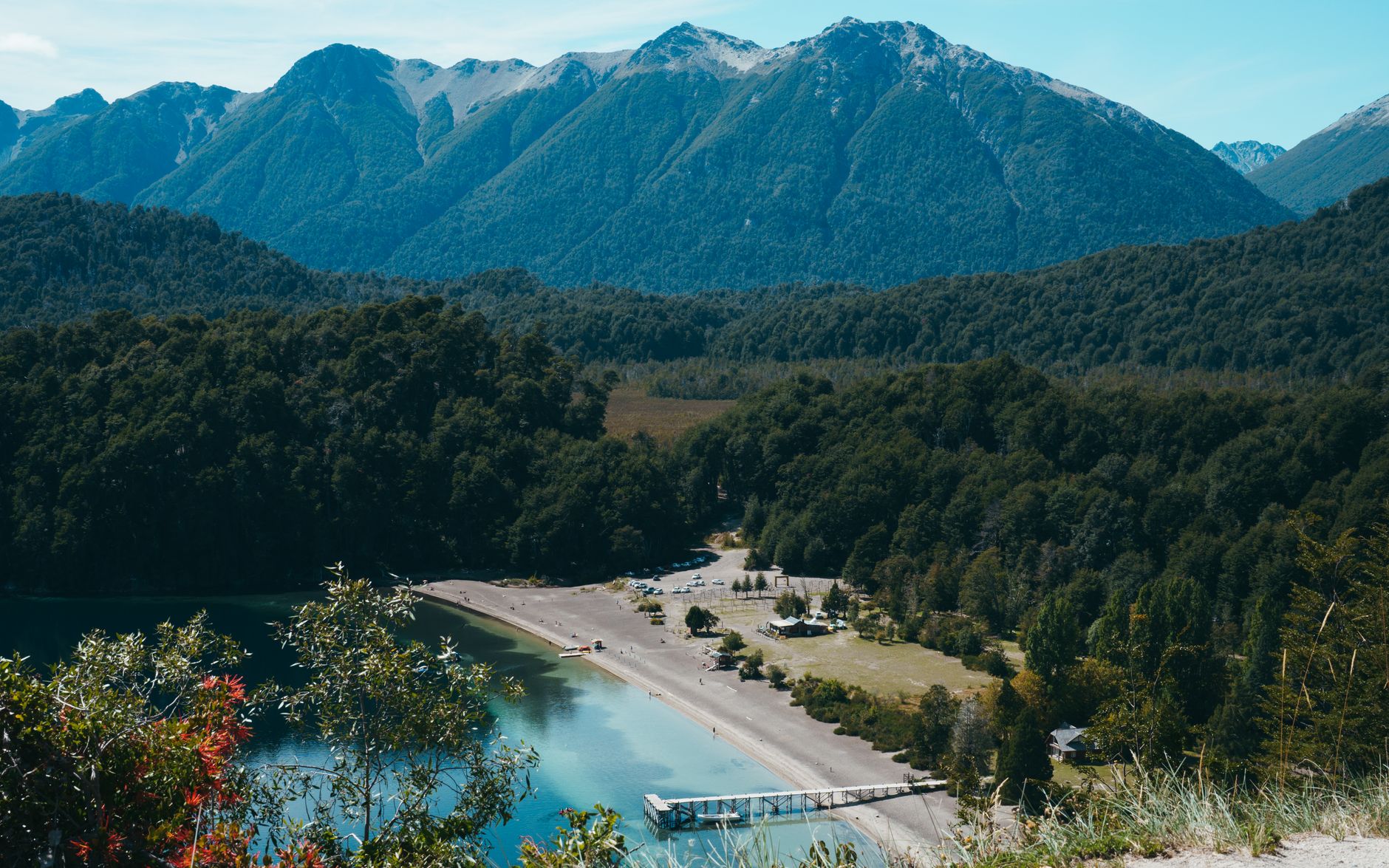
Fly into Teniente Luis Candelaria Airport (BRC); many visitors take a shared shuttle, private transfer or taxi to Centro Cívico — allow 40–60 minutes depending on traffic. From the Terminal de Ómnibus, local colectivos cover Avenida Bustillo and the Circuito Chico stops; get a SUBE card before boarding at kiosks or the terminal. Carry some Argentine pesos for market stalls and taxis; many small establishments add a 10–15% surcharge for card payments. Avoid planning tight back-to-back activities that rely on local buses during peak summer or winter weekends; buses and shuttles slow down with traffic and detours.
Day 1
Morning: Start at Centro Cívico and Museo de la Patagonia on Calle Mitre; allow 60–90 minutes to see displays and take photos of the civic buildings. Walk 5–10 minutes to the Catedral de San Carlos de Bariloche and the shoreline promenade on Avenida Bustillo for lake views and a coffee at Rapa Nui or Mamuschka. Midday: Take bus or taxi to Cerro Otto Teleférico (about 15–25 minutes from Centro Cívico by car); the cable car ride and short summit loop take 60–90 minutes and offer panoramic vantage points. Lunch: Eat at the rotating restaurant on Cerro Otto or return to downtown for parrilla at Alto el Fuego or chocolatería snacks on Mitre (expect ARS 1,500–3,000 per person for a main course). Afternoon: Head to the Museo del Chocolate Fenoglio or walk along Playa del Centenario (20 minutes from Centro Cívico) to stretch legs. Evening: Dinner on Calle Onelli or Villegas; end with a short tasting at a chocolate boutique. Walking and transfers this day are short but factor in time for queues at popular chocolate shops.

Day 2
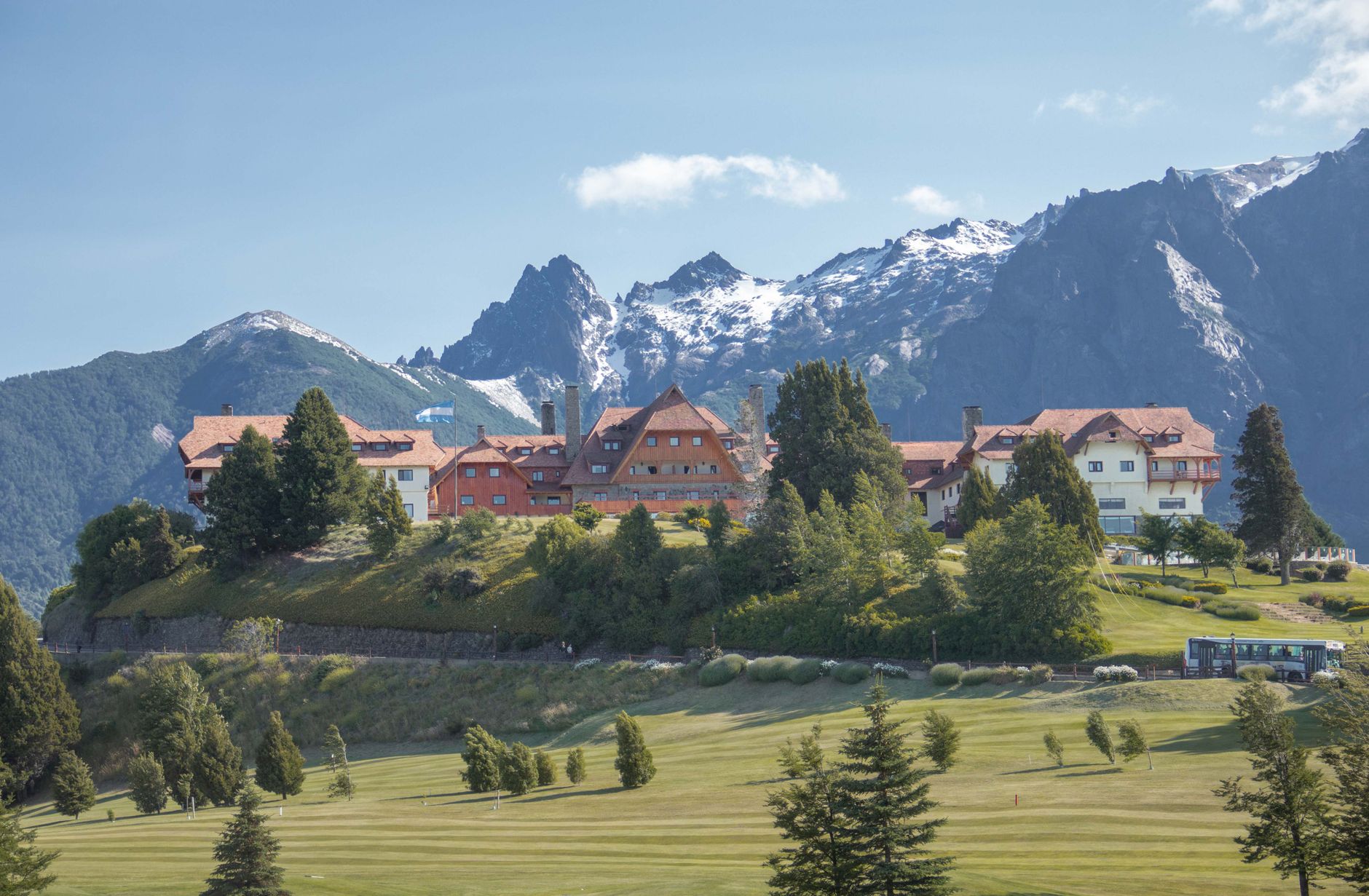
Morning: Do Circuito Chico — rent a car or take a guided minibus from Centro Cívico (the loop is about 65 km with multiple stops). First stop: Punto Panorámico (lookout) and Capilla San Eduardo; allow 20–30 minutes between viewpoints. Next: Llao Llao Hotel viewpoint and Bahía López for photos. Midday: Stop in Colonia Suiza (about 25–30 minutes from Centro Cívico) for the artisan fair if it's Sunday; sample curanto-style food or empanadas at local stalls and a small bakery. Afternoon: Continue the circuit to Playa Serena or the Cerro Llao Llao walking trails; the circuit involves short hikes of 20–60 minutes. Transport: from Colonia Suiza back to Centro Cívico by bus takes roughly 35–50 minutes depending on stop. Dinner: Try a trout parrilla or a menu del día at a Llao Llao cafe if still open, otherwise return to downtown restaurants on Onelli or Constitución. Evening recommendation: lakeside sunset at Playa Bonita or a bar near Calle Mitre; check closing times in shoulder seasons.
Day 3
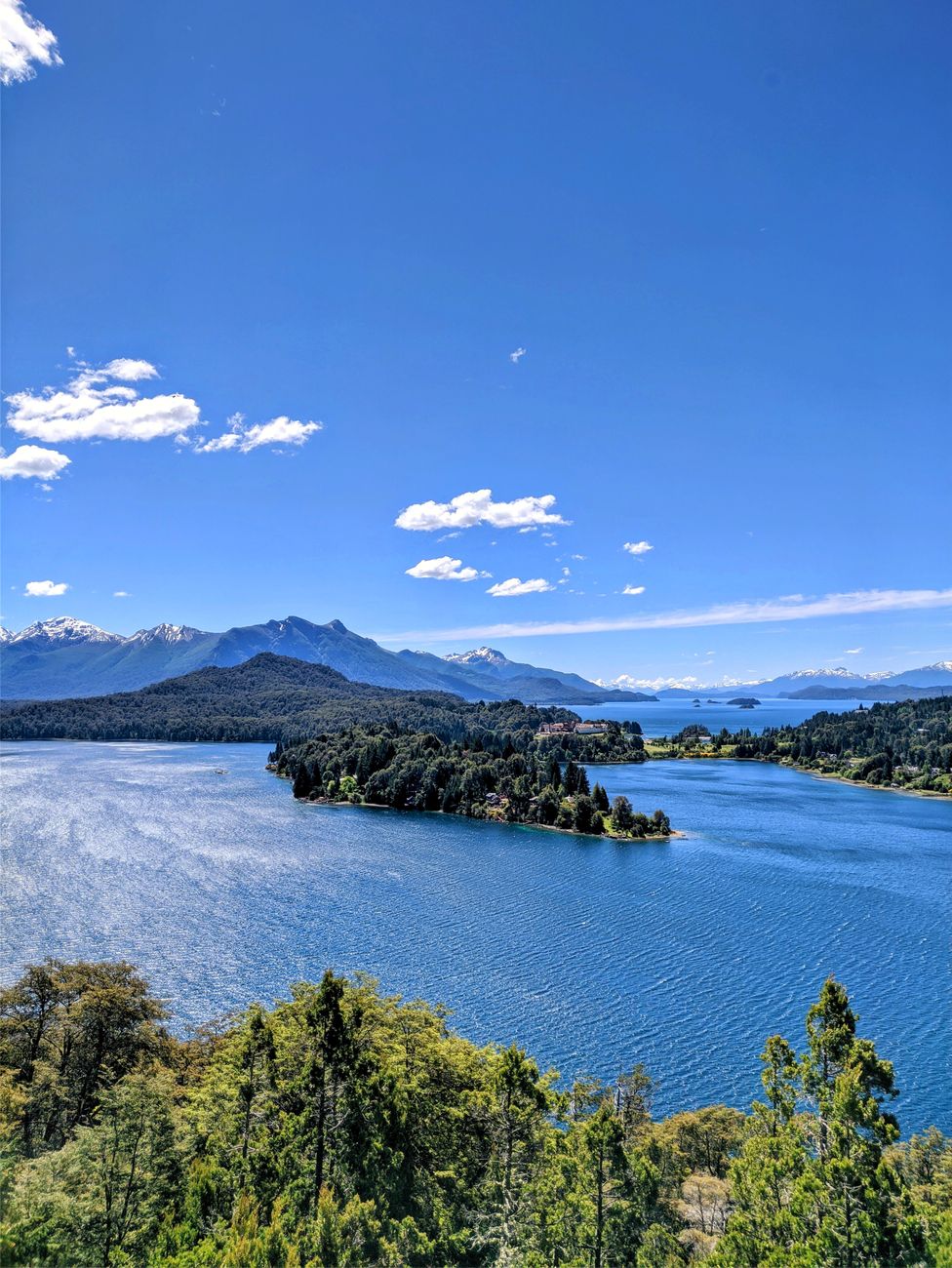
Morning: Choose between Cerro Catedral for mountain scenery or a boat trip to Isla Victoria plus Arrayanes Forest. Cerro Catedral requires a drive of 30–50 minutes from Centro Cívico or a shuttle; plan for ski-lift queues and altitude chill. The Isla Victoria boat departs from Puerto Pañuelo (45–60 minutes by car/bus from Centro Cívico) and the full round trip takes 4–5 hours if stopping on the island. Midday: If on the boat, bring a packed lunch or eat at the island kiosk; in town, stop at El Boliche de Alberto for a late grill lunch. Afternoon: Return to town for a final espresso and pick up chocolates to go; allow 60–90 minutes to collect luggage from accommodation if checking out. Practical note for departures: airport taxis from Centro Cívico cost roughly ARS 4,000–7,000 depending on season; allow 60 minutes to the airport with buffer for traffic. Evening: If flight late, stroll Avenida San Martín and have pizza or a light meal near the bus terminal.
Best Local Experiences
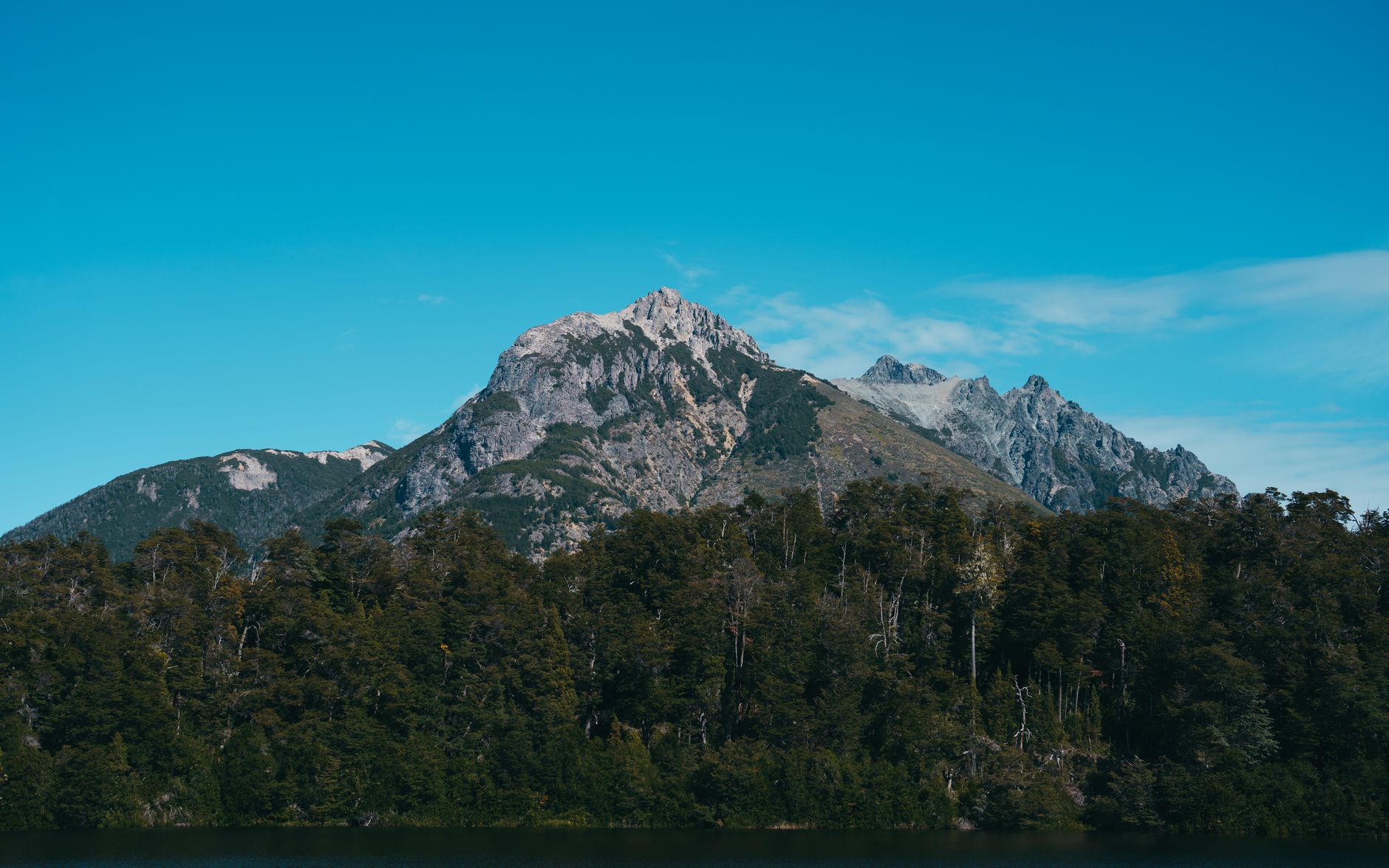
Harvest the local food scene: chocolate tastings on Calle Mitre at Rapa Nui, Mamuschka and Fenoglio. Attend the Colonia Suiza weekend fair on Ruta 40 for curanto and local crafts. Take the catamaran to Isla Victoria and walk through the Arrayanes Forest near Puerto Quetrihué. Drive or bike the Circuito Chico for a mix of lookouts, small beaches and Llao Llao viewpoints. Ski or ride at Catedral Alta Patagonia in winter for alpine terrain and accessible lifts. Each of these is specific and requires different planning: check Colonia Suiza’s Sunday schedule, pre-book the catamaran in high season, and reserve ski passes for holidays.
Where to Stay
Centro Cívico / Centro: Suits first-time visitors who want walking access to Mitre, restaurants and the waterfront. Pros: immediate access to bus connections and shops. Typical nightly cost: ARS 18,000–40,000 (≈ EUR 50–110 / USD 55–120) depending on season and hotel class. Barrio Melipal / Playa Bonita: Suits those who prefer quieter nights and quick access to Avenida Bustillo for lakeside walks. Pros: calmer evenings, short drive to Circuito Chico. Typical nightly cost: ARS 14,000–30,000 (≈ EUR 40–85 / USD 45–95). Llao Llao / km 20 area: Suits travellers wanting mountain scenery and proximity to hiking trailheads; best for those with a car or who plan guided tours. Pros: access to Llao Llao viewpoints and private beaches; higher prices and fewer restaurants nearby. Typical nightly cost: ARS 30,000–90,000 (≈ EUR 85–250 / USD 95–280).
Food and Drink
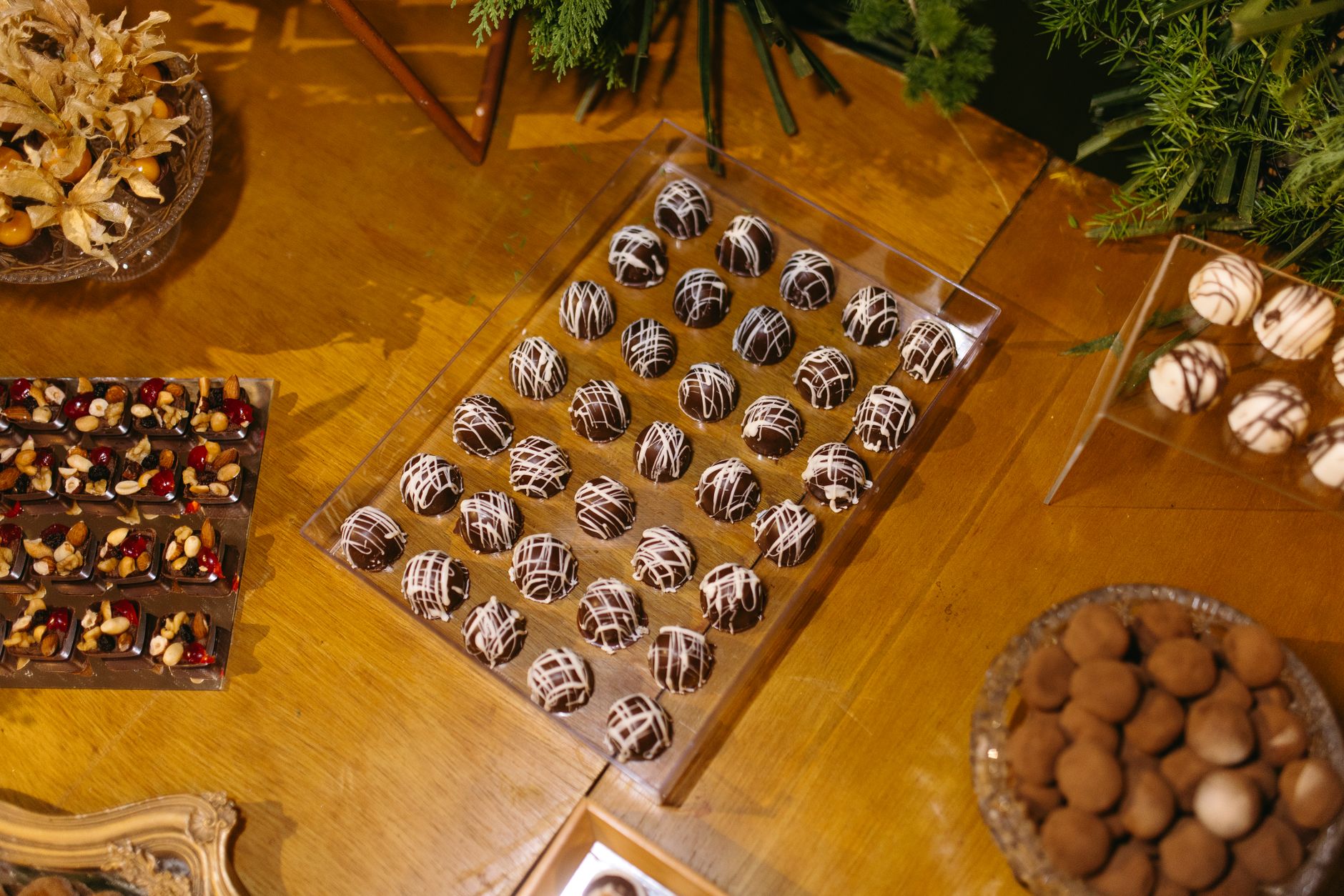
Breakfast option: medialunas and café con leche at La Baita or Rapa Nui on Calle Mitre; expect ARS 600–1,200 for a simple breakfast. Street food: empanadas and curanto at the Colonia Suiza fair (Sundays) — empanadas around ARS 300–500 each, curanto portions ARS 1,000–2,000. Local drink: craft cervezas from local breweries such as Berlina or Manush — pint prices ARS 700–1,500. Trout (trucha) parrilla: grilled lake trout at El Boliche de Alberto or local parrillas for ARS 2,000–4,000 a main. Dinner recommendation: a parrilla or ristorante on Onelli or Calle Villegas; expect ARS 3,000–6,000 per person for a multi-course meal. Include a chocolate tasting session as part of dessert: tasting flights at Fenoglio or Rapa Nui cost around ARS 800–1,800.
Getting Around
Main modes: local colectivos (buses), taxis/remises, rental cars, and tourist shuttles for Circuito Chico and ski resorts. Buses depart from Terminal de Ómnibus and run along Avenida Bustillo; most local services now require a SUBE card. Single bus fares on SUBE often run under ARS 200–350 within city limits, while longer tourist shuttles are higher; day passes are uncommon locally. Airport taxi or private transfer from Centro Cívico to Teniente Luis Candelaria typically costs ARS 4,000–7,000 depending on season. Use Google Maps and Moovit for timetables; local kioscos sell SUBE and top-ups. Remis (prebooked radio taxis) are common for early departures when bus frequency is low.
Best Time to Visit
Summer (December–February): warm daytime temperatures 20–28°C and long daylight; busiest and priciest for accommodation and catamarans. Shoulder seasons (October–November, March–April): cooler days 8–18°C, fewer crowds and lower prices; good for hiking when snow has melted. Winter (June–August): cold with frequent snow at altitude and reliable skiing at Catedral; daytime temps often 0–8°C in town but colder on lifts. Avoid late May and late September when services are sometimes reduced and weather is unpredictable.
Budget and Practical Tips
Sample daily budget per person (low to mid-range): Accommodation ARS 14,000–30,000 (EUR 40–85 / USD 45–95), food ARS 3,000–6,000 (EUR 8–17 / USD 9–20), transport ARS 400–1,500 (EUR 1–4 / USD 1–5), entry fees and activities ARS 2,000–10,000 (EUR 5–28 / USD 6–30) depending on boat trips or lifts. Tipping: restaurants typically expect 10% if service is good; small cash tips for porters and taxi drivers are appreciated. ATMs are widely available in Centro but expect fees; bring enough cash for market stalls and remote guides. Practical tip: check lift and catamaran timetables in advance and book online for high season to lock in prices.
FAQ
How safe is Bariloche for solo travelers?
Generally safe in daytime tourist areas such as Centro Cívico and Avenida Bustillo; exercise normal precautions at night and avoid poorly lit streets. Petty theft can occur near crowded chocolate shops.
Is a SUBE card necessary?
SUBE is the practical option for local colectivos and some shuttle services; buy and top up at kioscos or the bus terminal.
Are ski lifts and mountain activities open year-round?
No. Ski lifts at Cerro Catedral operate primarily in winter; some chairlifts at Cerro Otto run year-round but schedules change with weather.
Is a city card worth buying?
There is no single city card that covers all activities; purchase ski passes, boat tickets and museum entries separately.
What’s the best way to get to the airport?
Shared shuttles, private transfers and taxis from Centro Cívico are the most reliable; allow 40–60 minutes.
Can day trips to Villa La Angostura or San Martín de los Andes be done from here?
Yes, but expect long drives (1.5–3 hours each way); consider an overnight if planning to explore either town properly.
Are credit cards accepted everywhere?
Most mid-to-high-end restaurants and hotels accept cards, but small stalls, Colonia Suiza vendors and some taxis may be cash-only or add a card surcharge.
Conclusion
A three-day visit will be remembered for lake views, a chocolate run along Mitre and at least one mountain outing. Prioritise either a full walk/drive around Circuito Chico with Colonia Suiza or a day on the lifts/boat to Isla Victoria; trying to do both plus an extensive trek in the same 72 hours will feel rushed. If time is tight, choose a single big outdoor experience and use remaining time to sample food, chocolate and the waterfront.
How this guide was prepared
This guide was prepared through a structured research that combines destination research, geographic context, itinerary planning logic, and content review.