

Cordoba in 3 Days: Practical Itinerary and Honest Tips
A detailed, no-nonsense 3-day Cordoba guide with timed routes, transit and taxi tips, realistic food and entry costs, and what to skip if time runs out.
A direct, realistic 72-hour plan for Cordoba that prioritizes the Mezquita, the Judería, local patios and a half-day at Medina Azahara, with cost and timing details.
First impressions are often a close-packed old town, heavy with stone, narrow lanes and courtyards where residents live above shops. The pace inside the historic core leans toward morning markets, siesta hours in the afternoon and calm late afternoons when patios open to the public. Sun and heat shape movement during summer; many locals avoid the central streets midday.
Expect concentrated visits rather than scattered sightseeing: many key monuments sit within a 10–20 minute walk of each other, so walking and short bus hops are the most efficient ways to move. Preconceptions that this is just a single-site stop are common; the Mezquita is the headline but the sequence of patios, palaces, and the modern food scene define the visit.
The city suits people who prefer layered, slow discovery: museum rooms, courtyard visits, and tapas bars taken in small doses. Those seeking big modern attractions or late-night clubbing will find the offer limited compared with Malaga or Seville.
Is 3 days in Cordoba enough?
Three days is enough to see Cordoba's main sights: the Mezquita-Catedral, the Alcázar, the Jewish Quarter, and a visit to Medina Azahara if planned as a half-day. Caveat: skipping long museum lines and a relaxed patio-hopping afternoon usually means sacrificing depth for breadth.
Who This Guide Is For
Best for history-minded walkers, food-focused travelers, and people who enjoy compact city centres and mid-range budgets. Not ideal for travelers who need fast-paced nightlife or large modern-mall shopping.
Local Tips for Cordoba
Practical details that most travel sites skip — specific to Cordoba.
- Buy timed-entry tickets for the Mezquita-Catedral online (€11–€12 general admission in shoulder season) and arrive 15 minutes before the slot to clear security lines.
- Take the C5 bus from Estación Córdoba (Renfe) to Avenida del Gran Capitán for quick access to the Alcázar and Plaza de la Corredera; a single bus ride costs about €1.30.
- Patio season is officially judged in May; during the Concurso de Patios expect crowds and many places charge a small entrance fee or request a donation.
- Medina Azahara archaeological site charges around €1.50 for the audio guide and the bus shuttle from the visitor centre to the ruins runs limited services—check the schedule and allow 1.5–2 hours on-site.
- Use the Renfe app or website to book AVE/Media Distancia trains; advance fares between Seville and Córdoba can drop to €10–€20 but increase close to departure.
How This Guide Was Prepared
Cordoba rewards slow, on-foot exploration of a compact historic centre and courtyard culture rather than checking off distant attractions. Many guides overpack the schedule or treat the Mezquita as a single stop; the experience requires time, timing and understanding how closing hours and prayer services affect visits. This guide was prepared through a structured research that combines destination research, geographic context, itinerary planning logic, and content review.
Plan Your Stay in Cordoba
Use this itinerary as your starting point, then compare areas to stay, transport options, seasonal timing, and realistic daily costs before booking.
Why Visit
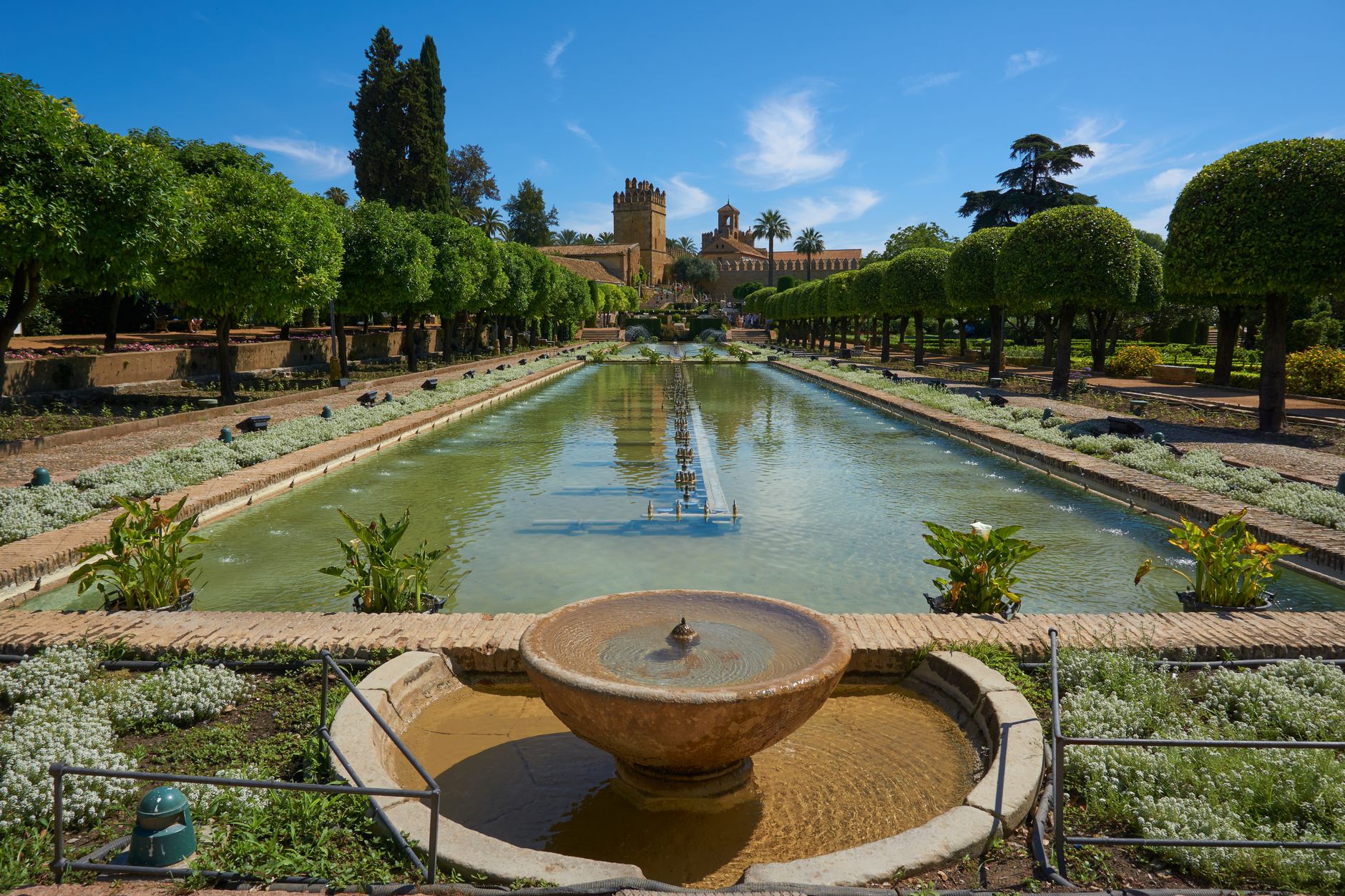
High architectural contrast: Roman, Islamic and Christian layers meet in a single area—start with the red-and-white arches inside the Mezquita-Catedral and move to the fortress gardens of the Alcázar de los Reyes Cristianos for different textures in one walk. The Mezquita is not just big; its construction phases and later cathedral insertion reveal political and religious shifts visible on the fabric.
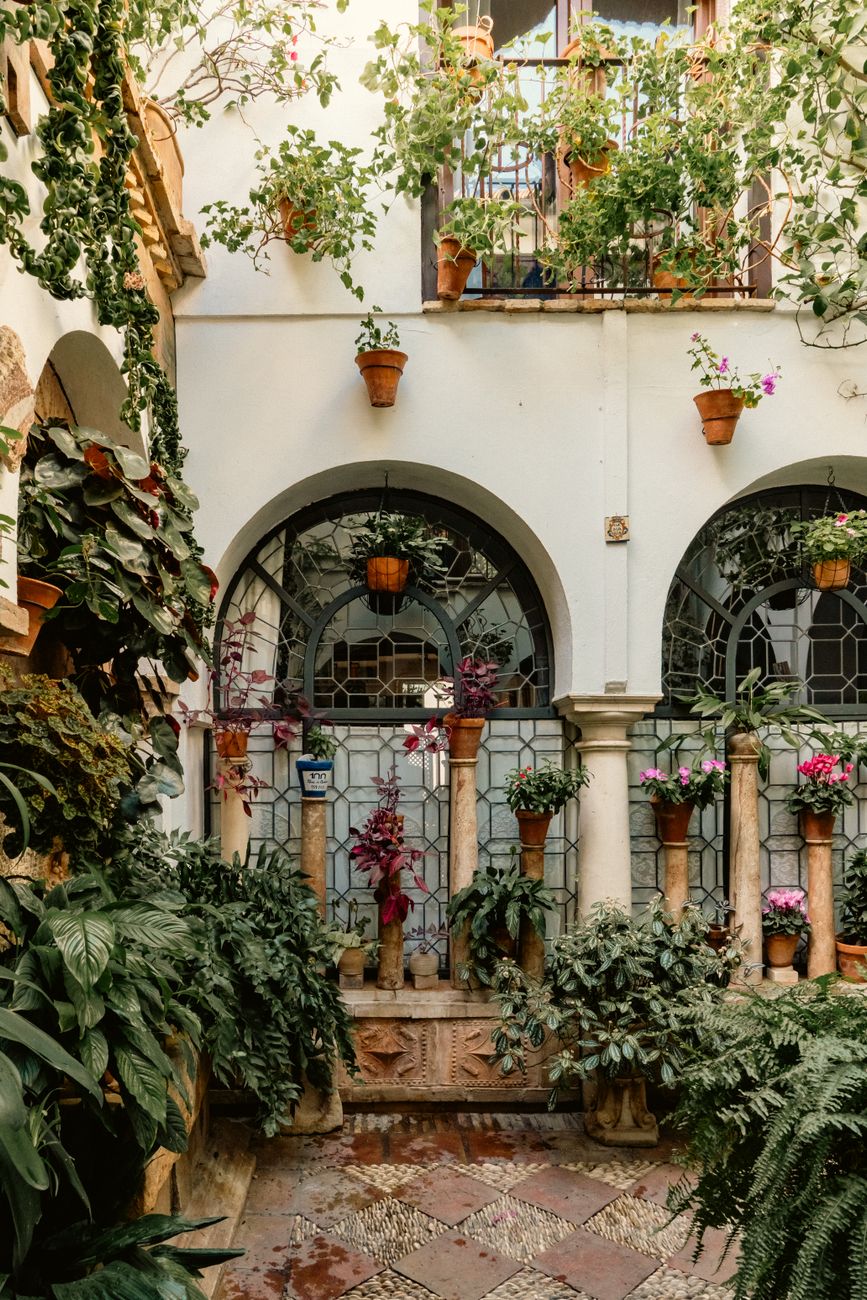
Patio culture and urban gardening are unusual here. Palacio de Viana and the private patios judged each May show a domestic side to local life that differs from municipal parks. Eating a meal in a small plaza, or trying berenjenas con miel and salmorejo at a tavern, offers specific culinary signatures.
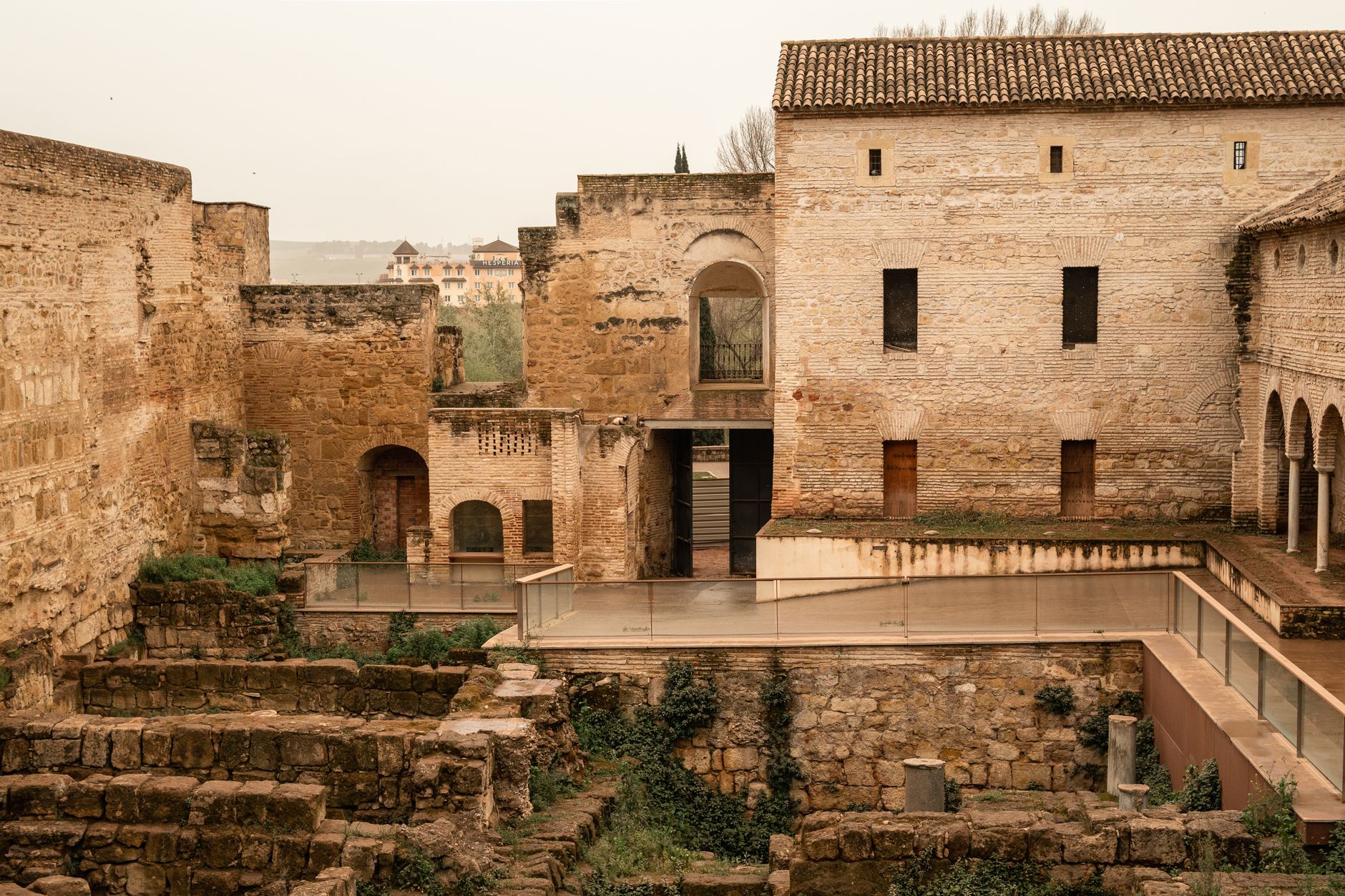
Medina Azahara provides a half-day outside the centre to see a large Caliphal palace complex set on a hill; it contrasts with the tight streets of the Judería and gives a sense of medieval court life. Finally, the city’s compactness makes it practical for short stays: train connections to Madrid and Seville mean a long weekend can be efficient.
Quick Planning Tips
Arrive by train if possible; Renfe AVE and Media Distancia trains stop at Estación Córdoba (Córdoba Central) with direct services from Madrid and Seville. If flying, nearest major airports are Seville (SVQ) or Malaga (AGP); both have regular trains and buses to Córdoba but allow 1.25–2.25 hours travel time.
Carry euros and a credit card; small cafés and markets accept cards but many tapas bars prefer cash for bills under €10. Avoid planning the Mezquita, Alcázar, Palacio de Viana and Medina Azahara on the same afternoon—each needs dedicated time and some open only morning or early evening. Book the Mezquita slot and Medina Azahara shuttle in advance during high season.

Day 1
Morning: Start at the Mezquita-Catedral de Córdoba. Allow 1.5–2 hours including the main prayer hall, mihrab area, and the Cathedral nave. Book a timed ticket for a morning slot and factor in security lines. From the Mezquita head 5 minutes on foot to Calleja de las Flores for a quick photo stop and then to the Roman Bridge (Puente Romano); the walk from the Mezquita to the bridge is roughly 7 minutes.
Lunch: Eat at Bodegas Campos (Calle Lineros 32) for classic Córdoba dishes; expect tapas from €3–€8 and mains €12–€18. The restaurant is a 6–8 minute walk from the Roman Bridge.
Afternoon: Walk across the Puente Romano to the Calahorra Tower (Torre de la Calahorra) and its museum about 10–15 minutes total from the bridge. Return across the bridge and spend 20–40 minutes in the Jewish Quarter (Judería) exploring synagogues and artisan shops. Then visit the Museo Julio Romero de Torres (5–7 minutes from Judería) for local painting; allow 45–60 minutes.
Evening: Finish with dinner in Plaza de la Corredera, where several taverns serve relaxed plates and outdoor seating. After dinner, stroll the lit Roman Bridge for night views; the bridge is 8–12 minutes on foot from the square.

Day 2
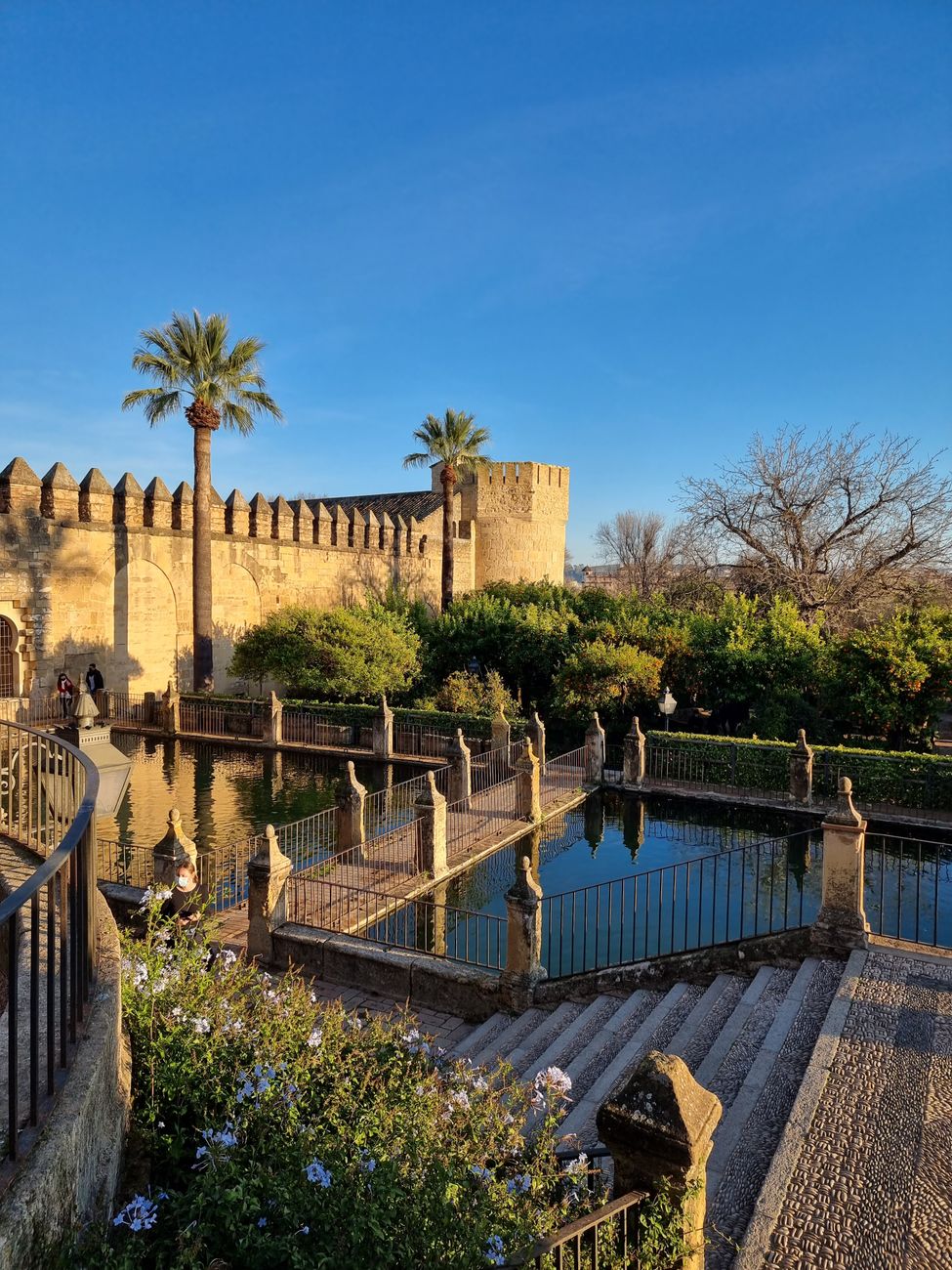
Morning: Dedicate the morning to Alcázar de los Reyes Cristianos and its gardens. From Plaza de la Corredera, take a 10–12 minute walk to the Alcázar. Allocate 1–1.5 hours for the towers, baths display and tiled rooms, plus garden time. Nearby, visit the Alcázar gardens' rose beds which are at their best in late spring.
Midday: Walk 8–10 minutes to Palacio de Viana for its sequence of courtyards; plan 1–1.25 hours and check opening hours as some courtyards close midday. Lunch at Taberna El Caballo Rojo (nearby) for local salmorejo and flamenquín—expect mains €10–€15.
Afternoon: Catch a local bus or walk 20 minutes to Mercado Victoria for a food-stall scene and a coffee. After a market stop, head toward the modern parts around Avenida del Gran Capitán for a contrast with the historic centre—use bus C5 from central stops to save time (10–15 minutes ride). Visit small contemporary galleries or relax in Jardines de la Agricultura.
Evening: Return to the historic centre for a tapas crawl in San Basilio and the narrow streets around Plaza del Potro; these areas are 12–15 minutes on foot from Avenida del Gran Capitán and offer quieter evening options.
Day 3
Morning: Reserve the morning for Medina Azahara. Take the ARACENA/Línea C1 shuttle or book the guided minibus from the visitor centre; allow 3–4 hours including a 25–30 minute shuttle/drive and 1.5–2 hours at the ruins. Return to the city by early afternoon.
Lunch: Back in the centre, stop at Mercado de la Corredera stalls or a nearby taberna for a quick meal—expect €8–€15 for a reliable midday plate. If staying on after checkout, store luggage at Estación Córdoba left-luggage or use hotel storage—allow time for transfers.
Afternoon: Use the last afternoon to walk any missed patios or to visit Palacio de Viana if skipped earlier. If catching an afternoon train or flight, plan to be at Estación Córdoba at least 45–60 minutes before departure for ticket lines and platform changes. For those flying from Seville or Malaga, allow 2.5–3 hours for train plus airport transfer time.
Evening/Departure: If time allows, squeeze in a final coffee at Plaza de las Tendillas or buy local sweets like pastel cordobés from a bakery near the Judería before heading to the station or bus terminal.
Best Local Experiences
Patio visits during the Concurso de Patios (May) or quieter private patios at Palacio de Viana show the gardening culture unique to the city. The weekly flea and antique stalls along Paseo de la Ribera surface occasionally; check local listings for exact dates.
Mercado Victoria is a converted market hall with local producers and tapas stalls; try small shared plates at a stall. Attend a flamenco night in an intimate tablao such as Tablao El Cardenal for a shorter, foot-stomping performance rather than large tourist shows.
Take a guided early-morning walk through the Judería to see craft workshops and hat makers before shops open. Visit the Zoco Municipal craft market near the Mezquita for silver filigree and leatherwork. Finally, an afternoon spent tasting Montilla-Moriles wines at a local bodega or bar gives a regional wine perspective distinct from Jerez or Malaga.
Where to Stay
Judería (Historic Jewish Quarter): Best for first-time visitors who want doorstep access to the Mezquita, Calleja de las Flores and most museums. Narrow streets mean limited parking but everything is walkable. Expect mid-range boutique rooms from €70–€140 per night (approx. $75–$155).
Plaza de las Tendillas / Centro: Suits travelers who want transport links and daytime energy; close to shops and Estación Córdoba is a 10–15 minute walk. Nightlife is modest; rooms run €60–€120 per night (€65–$135).
Around Estación Córdoba / Campo de la Verdad: Practical for arrivals and departures, and better for drivers. This area suits families or people catching early trains. Expect chain hotels and business-style rooms from €50–€90 per night (approx. $55–$100).
Booking tip: the Judería fills first in high season and during patio festival dates; for value, stay near Tendillas and walk 10 minutes into the old town.
Food and Drink
Salmorejo: A thick chilled tomato-and-bread purée topped with ham and egg; find it at traditional taverns like Bodegas Campos for €4–€7 a starter. Berenjenas con miel (fried aubergine with honey/molasses): A local tapa served in Casa Pepe de la Judería and many small bars for €3–€6.
Flamenquín cordobés: Pork rolled with jamón, breaded and fried; served as a main at tabernas such as Taberna San Miguel for €10–€15. Pastel cordobés: A sweet puff pastry filled with sweet potato or pumpkin and sugar, available from panaderías near Plaza de la Corredera for about €1.50–€3.
Breakfast option: simple café con leche and a tostada or napolitana at local cafés near Tendillas for €3–€5. Street food/snack: Montaditos and small bocadillos at Mercado Victoria stalls, €2–€6 each. Dinner recommendation: try a tasting-style tapas route—three or four plates at mid-range taverns will average €18–€30 per person excluding wine.
Drink: Montilla-Moriles wines are the regional fortified styles—a glass in a bar costs €2.50–€6; tinto de verano is common and cheap at €2–€4.
Getting Around
Walking covers the historic centre; expect most central attractions within 10–20 minutes on foot. There is no metro system. Urban buses serve outer districts and run to the Alcázar approaches; a single bus fare is roughly €1.30 and local day passes (when available) run around €4–€6.
Long-distance travel uses Renfe trains: AVE and Media Distancia services run from Estación Córdoba to Seville, Madrid and Malaga. Buy tickets on the Renfe app or website. Taxis are available; a ride from Córdoba Airport (ODB) or the periphery to the centre costs about €12–€20 depending on time and exact location. For route planning use Google Maps or the Moovit app for bus timetables and walking directions.
Best Time to Visit
Spring (April–June) offers the best balance: daytime highs 18–28°C, patio festival in May, and fewer intense heat days. Expect higher prices and crowds during the Concurso de Patios weekend.
Summer (July–August) brings highs often above 35°C; many locals retreat indoors midday. If visiting in summer, plan early mornings and evenings for walking and accept quiet businesses during siesta hours.
Autumn (September–October) cools to 20–28°C with steady visitor levels and lower hotel rates than spring. Winter (November–March) is mild compared with northern Europe, 8–16°C, with off-season prices and quieter streets; some small attractions may have shorter opening hours.
Budget and Practical Tips
Daily budget estimate (moderate traveler): Accommodation €60–€120; food €25–€45; local transport €3–€8; entry fees and activities €10–€30. In USD approximately: accommodation $65–$135, food $28–$50, transport $3–$9, entries $11–$33.
Examples: Mezquita ticket €11–€12, Alcázar €5–€7, Palacio de Viana €6–€10, Medina Azahara guided visit + shuttle about €4–€8 extra depending on booking. Many tapas bars accept cards but small cafés and market stalls may prefer cash under €10.
Tipping: rounding up or leaving 5–10% in sit-down restaurants is normal but not mandatory. For taxi drivers, rounding up to the next euro or adding 5–10% for help with bags is appreciated. Carry a small amount of cash for markets and patios that charge small entrance fees.
FAQ
Is Cordoba safe for tourists?
Yes; central neighbourhoods are generally safe by day and evening. Standard precautions apply—watch belongings in crowded areas and avoid poorly lit side streets late at night.
How long does it take to visit the Mezquita?
Plan 1.5–2 hours including security lines and time to absorb the main spaces; guided tours run longer and provide historical context.
Is a rental car necessary?
No for a 3-day stay focused on the historic centre. A car is useful only for rural exploration or if staying outside the centre; parking is limited in the Judería.
Is Medina Azahara worth the trip from the city?
Yes for visitors interested in Caliphal architecture and archaeology; allocate a half-day as shuttle times and walking around the ruins take time.
Are city cards or passes worthwhile?
No widely used multi-attraction pass exists that pays for itself for most 3-day itineraries. Buy timed tickets for the Mezquita and individual entry tickets for other sites instead.
What is the best way to get here from Seville or Madrid?
Renfe trains (AVE/Media Distancia) to Estación Córdoba are the fastest and most convenient; book early for lower prices. From Seville expect about 45–50 minutes on the fast train, from Madrid about 1 hour 40 minutes on AVE depending on service.
Conclusion
A 72-hour visit will be remembered for the contrast between the vast Mezquita interior and the small, plant-filled patios seen in palace courtyards. The most valuable thing to prioritise is a timed entry to the Mezquita and a half-day for Medina Azahara—these two elements give both the concentrated centre and the wider medieval context.
Allow time for slow meals and courtyard pauses rather than trying to rush every museum. With sensible timing and advance tickets, three days delivers a layered understanding of the city beyond its headline monument.
How this guide was prepared
This guide was prepared through a structured research that combines destination research, geographic context, itinerary planning logic, and content review.