

3 Days in San Luis Potosi: A Practical Itinerary
Plan 3 days in San Luis Potosi with this practical itinerary covering major sights, neighborhoods, food, and transport.
A candid, action-focused 72-hour plan for San Luis Potosí: centre and museums on day one, park and markets on day two, a nearby mining town or Real de Catorce day trip on day three, plus food, transit and cost specifics.
Expect a city that alternates between formal civic boulevards and long stretches of modern urban development. Centro Histórico is compact and easy to walk, with plazas, a cathedral and late-19th-century government buildings concentrated within a few blocks. Away from the centre there are wide parks, large residential avenues and industrial corridors; these areas change the pace and soundscape — mornings in the park feel very different from rush hour on Avenida Venustiano Carranza.
Many visitors think of the state’s waterfalls and mountain scenery first, and that leads them to underestimate the capital itself. The city suits travellers who value museums, colonial-era public architecture and one-day mining-town trips rather than those looking for dense nightlife or remote hiking. Noise, traffic and dust are real in some neighbourhoods, particularly during weekday mornings, so plan walking-heavy time for late morning or early afternoon. Public spaces tend to open early and close early, which makes good timing essential for museum visits.
Is 3 days in San Luis Potosi enough?
Yes — three days is enough to see Centro Histórico, key museums like the Museo Nacional de la Máscara and Teatro de la Paz, spend relaxed time in Parque Tangamanga and take a half-day trip to Cerro de San Pedro or a full-day to Real de Catorce. One honest caveat: a full exploration of Huasteca Potosina landscapes requires more time and a separate trip.
Who This Guide Is For
Best for cultural travellers who prefer architecture, museums and walkable city days with one day-trip; less suitable for travellers focused solely on waterfalls and Huasteca eco-tours or those who need nonstop nightlife.
Local Tips for San Luis Potosi
Practical details that most travel sites skip — specific to San Luis Potosi.
- Fly into Aeropuerto Internacional Ponciano Arriaga (SLP); an authorized taxi from the airport to Centro Histórico costs about MXN 200–300 while an Uber generally runs MXN 120–200 depending on demand.
- Buy small bills and coins for municipal buses; a single urban bus fare is about MXN 10 and drivers rarely make change for large notes on busy routes.
- Museo Nacional de la Máscara typically charges MXN 40–60 for general entry and stamps rotating temporary exhibitions; check opening hours before visiting because weekday hours vary.
- Parque Tangamanga I has formal walking loops, a small planetarium and bike rental stalls; plan 1.5–3 hours there — it’s free to enter but bike rentals are around MXN 30–70 per hour.
- Real de Catorce day trips leave early; a collectivo or tour from the city centre takes about 3.5–4 hours one way and costs MXN 350–700 depending on vehicle and guide.
How This Guide Was Prepared
San Luis Potosí is a working capital where 19th-century civic architecture sits next to wide parks and an active industrial belt; many guides over-romanticize the Centro and ignore the city's large green spaces and mining-era suburbs. This guide stresses realistic movement times, where to save time on transit, and which museums genuinely reward the visit. This guide was prepared through a structured research that combines destination research, geographic context, itinerary planning logic, and content review.
Plan Your Stay in San Luis Potosi
Use this itinerary as your starting point, then compare areas to stay, transport options, seasonal timing, and realistic daily costs before booking.
Why Visit
There is concentrated civic architecture in the Centro that tells an industrial-era story not visible in nearby Guanajuato or Morelia; the Palacio de Gobierno and Teatro de la Paz are good examples. The Museo Nacional de la Máscara offers one of the country’s larger dedicated mask collections with regional and ritual pieces that change the conversation about Mexican costume arts. Parque Tangamanga is a rare, extensive urban park in a state capital — big enough for cycling, small sports fields and a planetarium, which makes it an easy morning for families or anyone needing a pace break.
Finally, the city is a practical base for two very different day trips: Real de Catorce, a high desert mining town with a horseback and tunnel approach, and Cerro de San Pedro, an eroded mining settlement with ruins and views of surrounding plains. Those trips present contrasting scenery to the city and can be done without overnight travel if scheduled carefully.

Quick Planning Tips
Arrive via Aeropuerto Internacional Ponciano Arriaga (SLP); the fastest option to Centro Histórico at off-peak times is an app-based ride (Uber or Didi) at roughly MXN 120–200, while authorized airport taxis run MXN 200–300. Trains do not serve the city; intercity buses arrive at Central Camionera which is a short taxi ride from Centro.
Carry Mexican pesos for mercados and bus fares; many small food stands accept cash only and ATMs can charge fees. A common planning mistake is scheduling museums for Sundays without checking hours — several sites close or reduce hours on Sundays and Mondays.

Day 1
Morning: Start at Plaza de Armas and the Catedral Metropolitana — these sit within a single square and take 30–60 minutes to view, depending on interest in architectural details and the cathedral museum. Walk two blocks to Teatro de la Paz; if possible, book a guided tour or check for an afternoon performance.
Late morning: Head to Museo Nacional de la Máscara (10–15 minutes on foot from Teatro de la Paz). Allocate 60–90 minutes for the permanent collection and temporary shows; entry roughly MXN 40–60. From there, cross Avenida Venustiano Carranza to the Museo Regional Potosino (short walk) to see regional archaeology and colonial artifacts.
Lunch: Eat at Restaurante El Ropedero or a comparable Centro spot for regional classics — a midrange lunch runs MXN 150–280. After lunch, stroll Calle Independencia and the small artisan stalls around Plaza de los Fundadores for local sweets and handicrafts.
Afternoon/evening: Walk to Estación del Ferrocarril to see the old rail architecture (10–15 minutes) and finish the day with an early evening drink at a café on Calle Salvador Nava. If there's a performance at Teatro de la Paz, plan dinner before or after depending on showtime.

Day 2
Morning: Spend the morning in Parque Tangamanga I. Enter near Avenida Industrias and use the bike paths or rent a bicycle; plan 1.5–3 hours to walk, cycle and visit the planetarium or small sports facilities. The park is large enough that it feels like a separate zone from the city.
Midday: Take an Uber (15–25 minutes depending on traffic) to a local mercado — Mercado de Santo Domingo or a similar municipal market — for street food and informal midday life. Try enchiladas potosinas from a market stand (around MXN 30–60) and finish with a fresh fruit agua fresca.
Afternoon: Visit Museo del Ferrocarril or the Centro de las Artes for rotating contemporary shows (short taxi from the market). Then walk sections of the Avenida Venustiano Carranza corridor to see early-20th-century apartment blocks and shop-fronts.
Evening: Have dinner in Colonia Tangamanga or Colonia Lomas for calmer evening streets; a midrange dinner is MXN 150–350. Finish with a relaxed walk along Boulevard Salvador Nava if weather permits.

Day 3
Option A — Short trip to Cerro de San Pedro: Depart early with a booked colectivo or private transfer (40–60 minutes each way). Explore the ruined mining buildings, viewpoints over the plains and short walks around the old shafts. Bring water and sun protection since shade is minimal. Return by early afternoon and use remaining time for last-minute museums or shopping in Centro.
Option B — Full day to Real de Catorce: Leave before dawn; combined transfer and mule/tunnel approach takes most of the day (expect 10–12 hours round trip). This is rewarding but tiring; if catching an afternoon flight back, skip this option. Both options require sturdy shoes and prepared snacks.
Practical note for departures: If the flight is in the afternoon, plan museum visits or a market morning, then take an Uber to Aeropuerto Ponciano Arriaga allowing at least 90 minutes for traffic and check-in on domestic routes. If the flight is early morning, arrange the airport transfer the night before with a confirmed time.
Best Local Experiences
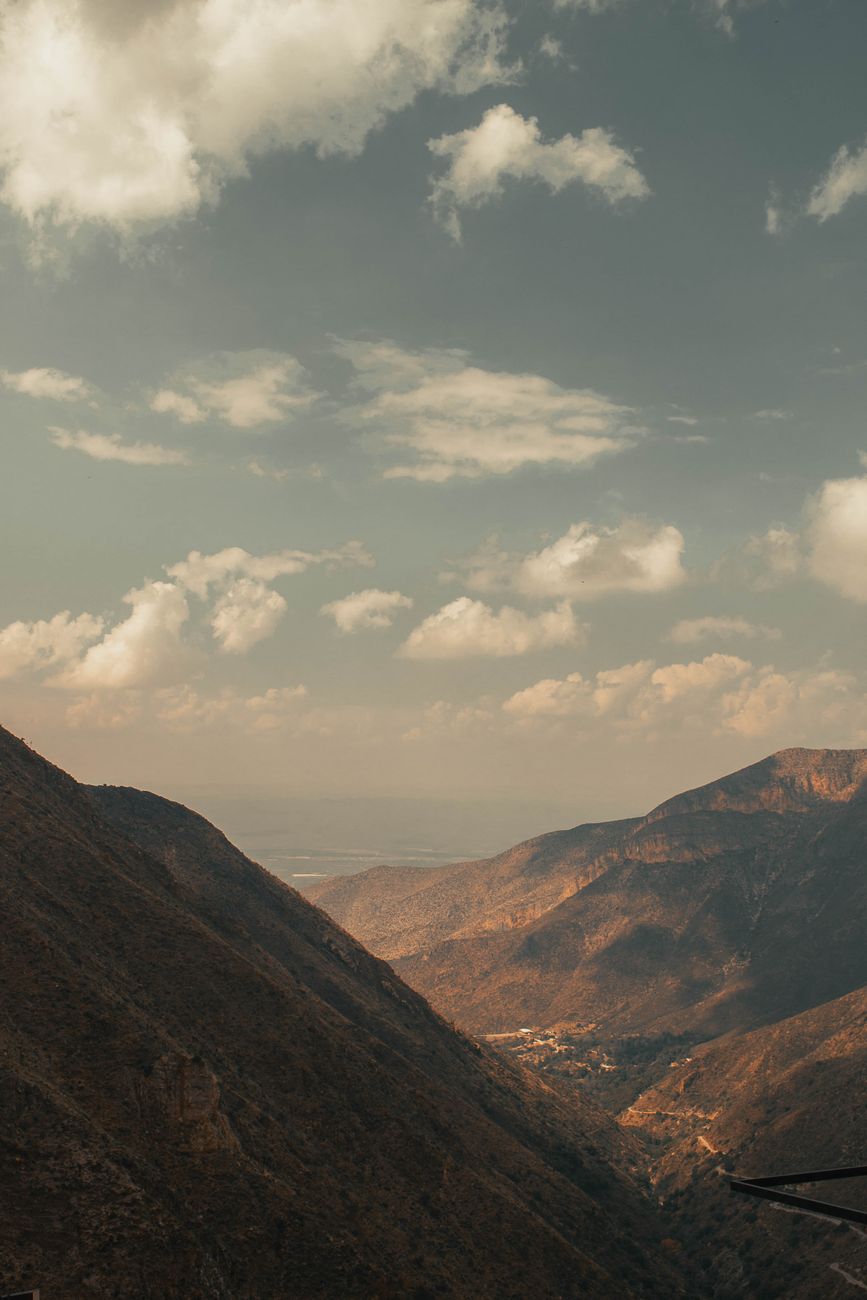
Mercado de Santo Domingo (or the main municipal market) for enchiladas potosinas and street-level life. Museo Nacional de la Máscara to see ritual masks from across Mexico and rotating exhibitions. Parque Tangamanga I for cycling, a planetarium visit and a picnic away from Centro. Teatro de la Paz for classical music or local theatre performances in a 19th-century hall. A day trip to Real de Catorce for the tunnel approach and high-desert atmosphere or a shorter visit to Cerro de San Pedro for mining ruins and panoramic views.
Additional options: visit Estación del Ferrocarril to examine rail heritage, spend an evening on Calle Salvador Nava for cafés and low-key bars, and time a Saturday morning for artisan stalls around Plaza de los Fundadores. Each experience contains specific local customs and operating hours, so confirm times the day before.

Where to Stay
Centro Histórico: Suited to first-time visitors who want walking access to Plaza de Armas, Teatro de la Paz and museums. Expect small boutique hotels and guesthouses; nightly rates typically MXN 700–1,500 (about EUR/USD 35–75) depending on season and room class.
Colonia Tangamanga / Lomas: Good for families and park users who want quieter streets and proximity to Parque Tangamanga I. Midrange hotels and apartment rentals run MXN 800–1,600 per night (EUR/USD 40–85). This area is more car or taxi-dependent.
Polanco-like business districts near Avenida Salvador Nava: Suited to business travellers or those wanting newer hotels and easy taxi access to the bus station. Expect chain hotels and corporate rates around MXN 900–1,800 (EUR/USD 45–95).
Food and Drink
Enchiladas potosinas — a thick corn tortilla mixed with chile and cheese, folded and fried; best at market stalls and local fondas for MXN 30–60. Zacahuil — a large Huasteca tamal served at special events and some regional restaurants; portions are large and shared, prices vary but expect MXN 100–300 per serving depending on size. Tamales potosinos or regional tamales — found at mercados and small stands for MXN 20–50.
Breakfast option: a plate of hot tortilla-based dishes with coffee from a Centro café, MXN 80–150. Street food: gorditas or tacos from market stalls, MXN 15–60 each depending on filling. Dinner recommendation: a midrange restaurant in Centro serving regional Potosino plates and grilled dishes, expect MXN 150–350 per person. For drinks, mezcal and tequila are widely available; a tasting flight at a specialized bar is MXN 150–350.
Getting Around
There is no metro system. Urban buses serve most neighbourhoods with a single fare of about MXN 10; buses are pay-on-board and can be slow in peak traffic. App-based ride services (Uber and Didi) work reliably and are the quickest way to cross the city; short trips in Centro are often MXN 40–120 depending on distance.
Taxis are available but insist on an authorized taxi from the airport; airport-authorized taxis run MXN 200–300. For transit planning, use Moovit or Google Maps for bus routing and Uber/Didi apps for car rides. Bicycle rentals in Parque Tangamanga are an easy short-term option; street cycling outside the park requires caution due to traffic.
Best Time to Visit
High season runs November through April when temperatures are dry, daytime highs around 20–28°C and nights can drop to 8–12°C. This is the most comfortable weather for walking and museum visits but also the busiest period for domestic tourists. May through October is hotter and includes the rainy season; expect afternoon showers and highs of 28–34°C, with humidity rising in summer months.
For value and lower crowds, late October or early November (after the rainy season) offers lower hotel rates than December and pleasant weather. Avoid late July and August if rain-dependent outdoor plans are essential, and plan museum visits for mornings during festival weekends when sites can close early.
Budget and Practical Tips
Typical daily budget for a midrange traveller: accommodation MXN 900 (EUR/USD 45) for a midrange hotel, food MXN 350 (EUR/USD 17–20) including one restaurant dinner and street food lunches, transport MXN 150 (EUR/USD 7–8) for a mix of buses and Uber rides, entry fees MXN 80 (EUR/USD 4) for one or two museums. Total daily: about MXN 1,480 (EUR/USD 75).
Backpacker budget: MXN 500–800 per day by staying in budget hostels, using buses and eating at markets. Upscale travellers should add MXN 800–1,500 per night for boutique hotels. Tipping: leave 10–15% in sit-down restaurants if service is not included; rounding small bills for street vendors is normal but not required. Carry small bills (MXN 20, 50) for markets and buses.
FAQ
Is San Luis Potosí safe for tourists?
Most central areas and major tourist sites are safe during daytime with normal street-smart precautions; avoid poorly lit side streets late at night and use registered taxis or Uber after dark.
How do I get from the airport to Centro Histórico?
The most practical options are Uber/Didi (MXN 120–200) or an authorized airport taxi (MXN 200–300); public buses require transfers and take longer.
Should I buy a city card or museum pass?
There is no widely used city-wide pass; buy single tickets at museums — some sites have combined discounts during special cultural weeks but these are not permanent.
Can one day cover Real de Catorce?
A day trip is possible but long — expect 10–12 hours round trip and a tiring schedule; an overnight stay is more relaxed.
Are credit cards accepted widely?
Cards work at hotels, midrange restaurants and many shops, but bring cash for mercados and small vendors.
What about luggage storage on departure day?
Many hotels will hold luggage for a few hours; if checking out early for an afternoon flight, leave bags at the front desk and plan museum time or a market visit nearby.
Conclusion
Three days provides a clear snapshot: an architecture-and-museum day in Centro, a park-and-market day to see daily life, and a day-trip option to mining-era sites. The aspect most likely to stick is the contrast between formal plazas and the wide park, plus the specificity of dishes like enchiladas potosinas. If time runs short, prioritise Plaza de Armas, Museo Nacional de la Máscara and a relaxed hour in Parque Tangamanga — those three give the quickest, most accurate sense of the place.
How this guide was prepared
This guide was prepared through a structured research that combines destination research, geographic context, itinerary planning logic, and content review.