
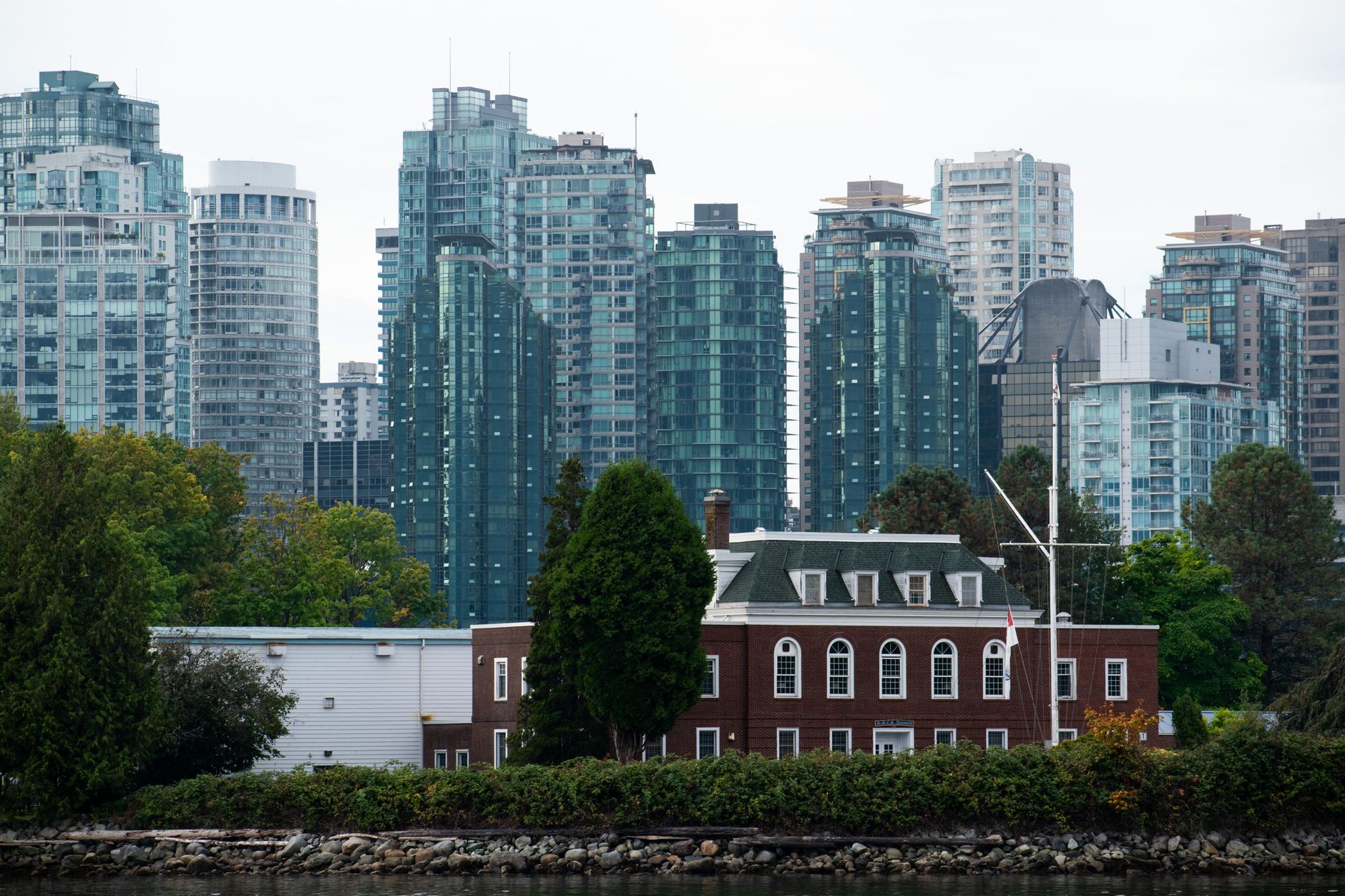
Responsible Travel in Vancouver: Practical Tips to Support a 3-Day Visit
Practical, local-first advice for low-impact travel in Vancouver. Neighborhood guidance, seasonal tips, transit realities, and sustainable choices to pair with our 3 days in Vancouver itinerary.
A compact, practical guide to traveling responsibly in Vancouver. Learn how to choose neighborhoods, low-impact transport, seasonal planning, and local-first experiences to complement your 3 days in Vancouver itinerary.
Quick Answer
A compact, practical guide to traveling responsibly in Vancouver. Learn how to choose neighborhoods, low-impact transport, seasonal planning, and local-first experiences to complement your 3 days in Vancouver itinerary.
Who This Page Is For
This page is for travelers planning a stay in Vancouver who want clearer decisions about responsible travel, local logistics, timing, budgeting, and practical trip planning.
How This Page Was Prepared
This page was prepared through a structured editorial workflow that combines destination research, geographic context, and practical travel-planning review.
Plan the Rest of Your Trip
Use this page together with the full itinerary and the related planning pages below to make better booking, timing, transport, and budget decisions.
If you have only three days, prioritize walkable neighborhoods (Gastown, Coal Harbour, Kitsilano), use public transit or bike share, and book experiences with local operators. Travel shoulder-season (April–early June, September–October) to avoid crowds and support local businesses between peak periods. Refer to the 3 days in Vancouver itinerary for a day-by-day route and use these tips to make it lower-impact and more locally beneficial.
This page helps travelers who plan to spend a short stay in Vancouver and want to do so with low environmental impact and authentic local benefit. It focuses on choices that fit naturally with the companion guide, 3 days in Vancouver, and on practical trade-offs for those who want quieter neighborhoods, shorter transfers, and locally owned experiences. Use this as a support page for itinerary tweaks, booking advice, and sustainable substitutions.
What This Page Helps You Decide
This page helps you choose:
- Where to stay for short, low-impact visits (neighborhood trade-offs and transit time).
- Which transport modes to favor: transit, walking, cycling, ferries.
- When to visit for better weather and fewer crowds.
- Which tours and operators return value to local communities.
- Day-trip priorities if you want a safe, sustainable excursion to nearby cities like Richmond or Victoria.
It does not replace the 3 days in Vancouver itinerary; instead, it refines choices within that plan.
Top Recommendations
Practical, high-impact choices to pair with a 3-day stay:
- Stay central and low-impact: pick a small boutique hotel or sustainably run B&B in Downtown, Yaletown, or Gastown to minimize intra-city transit.
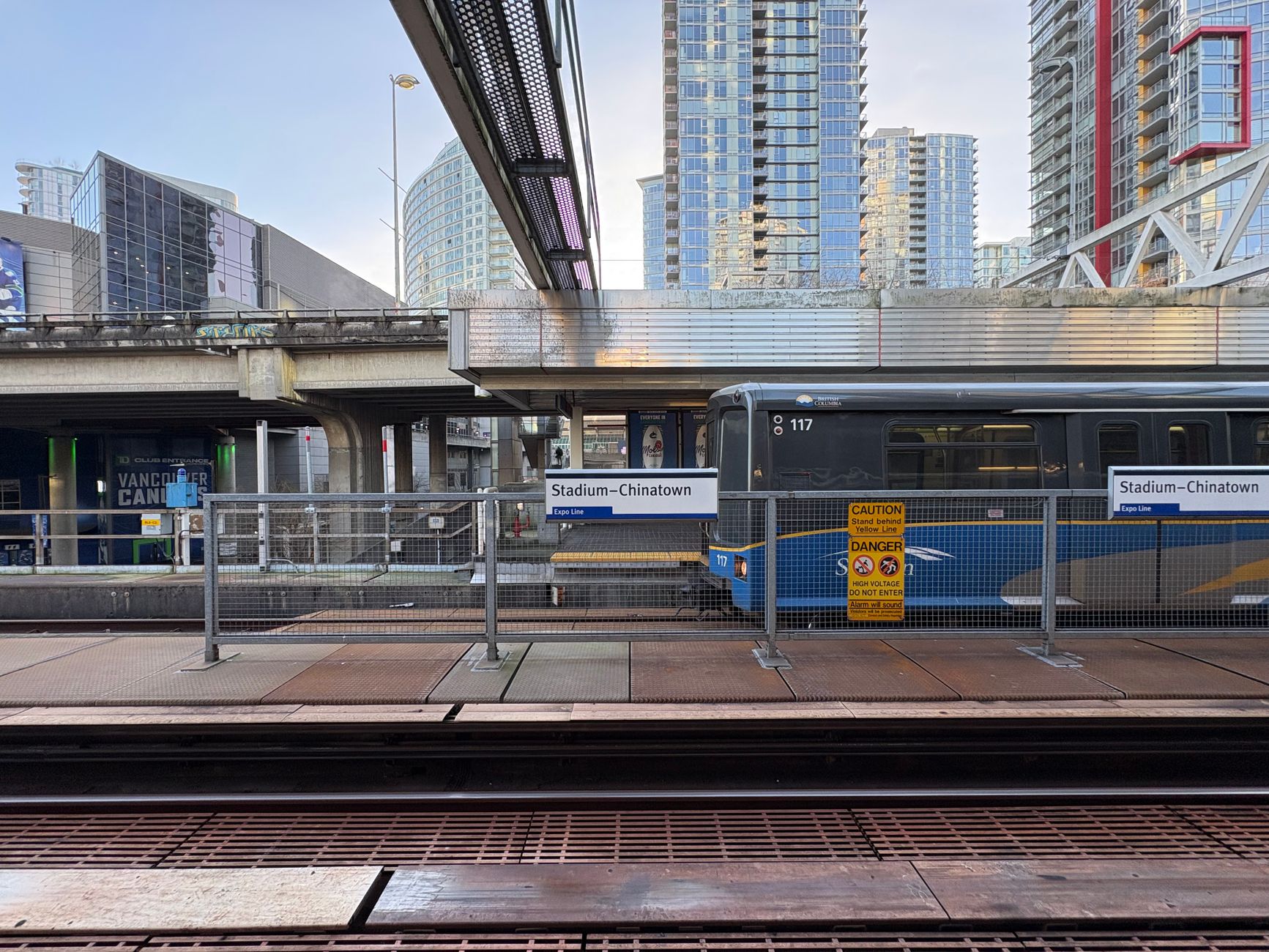
- Favor active arrival: if you're coming from Vancouver International Airport, take the Canada Line SkyTrain to Downtown (cheap, fast, low emissions) rather than a private taxi when possible.
- Book locally run tours: choose operators who hire local guides and contribute to conservation (e.g., small-boat wildlife tours with responsible viewing protocols).
- Reframe day trips: take the ferry to Victoria or the West Coast ferry to reduce car use; for Richmond or Surrey, use the SkyTrain or West Coast Express weekday services.
- Eat local: buy breakfast at a farmers' market or Granville Island vendors, and choose restaurants that source BC ingredients.
If you need to swap an activity from the 3 days in Vancouver itinerary, prefer outdoor, low-cost options like the Seawall or community beaches during shoulder season.
Local Context
Neighborhood and transit realities:
- Downtown & Coal Harbour: highest walkability and proximity to the waterfront attractions in the 3-day plan, but pricier and busier during cruise season (May–September).
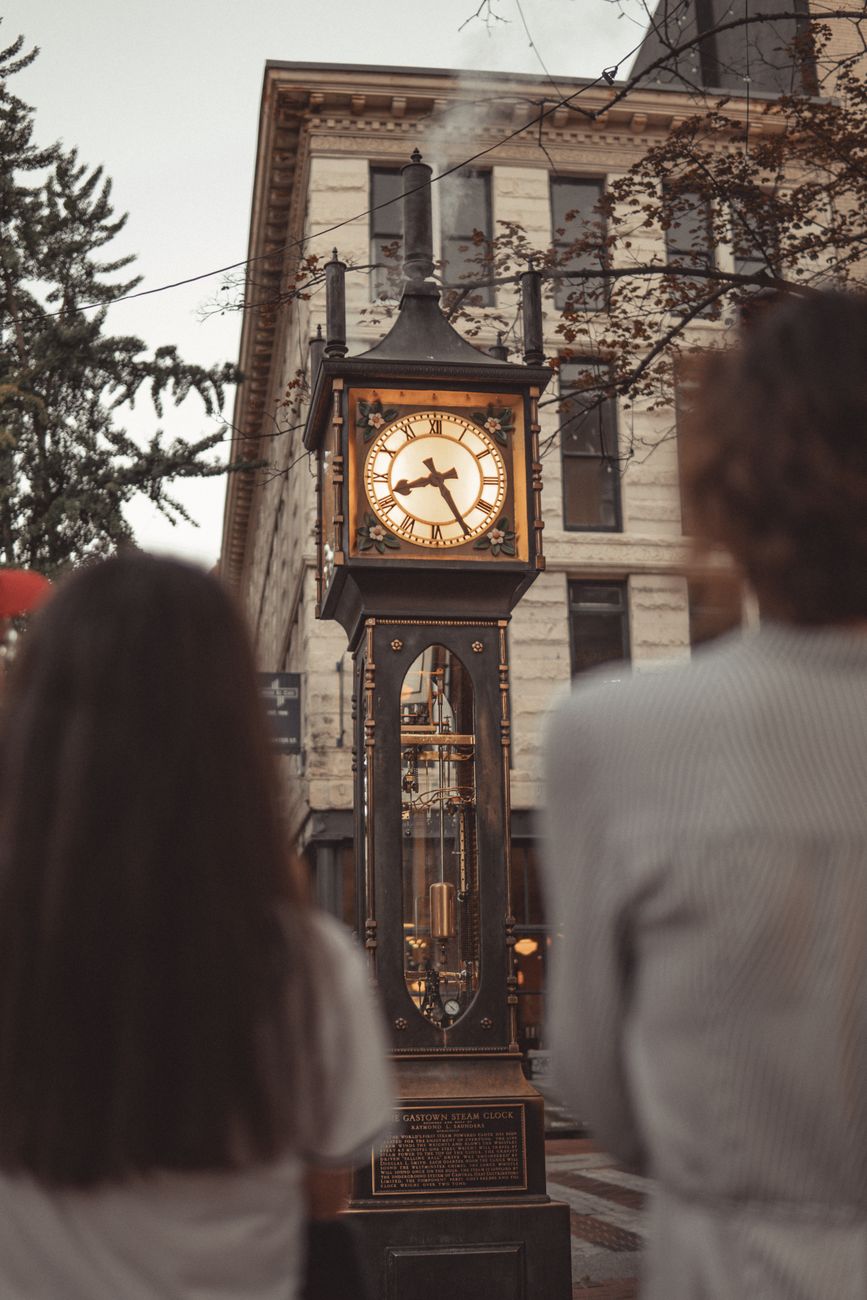
- Gastown & Chinatown: heritage streets, independent shops, excellent food options; cobblestones and some uneven sidewalks matter if you have mobility concerns.
- Yaletown & False Creek: modern mixed-use area with good cycling infrastructure and water taxi options to Granville Island.
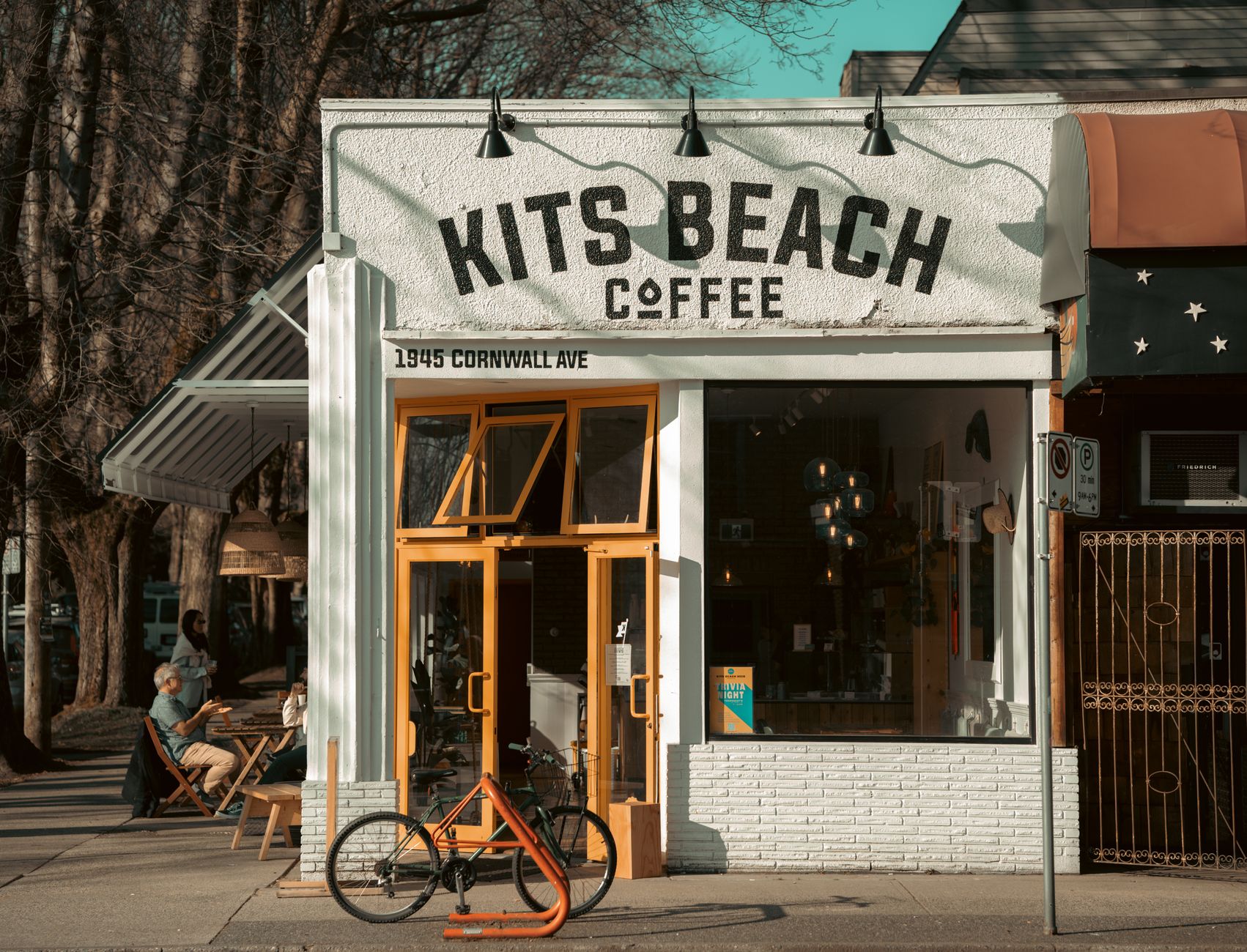
- Kitsilano & West End: beaches and community cafés—better for relaxed mornings and local markets.
Seasonal patterns:
- Winter (Nov–Feb): mild temperatures, wet weather—great for museums and lower prices but carry a rain shell.
- Shoulder seasons (Apr–Jun, Sep–Oct): fewer crowds, better rates, wildflower and fall colors in nearby parks.
- Summer (Jul–Aug): longest days and busiest tourist season; book accommodations and tours weeks to months ahead.
Transport realities:
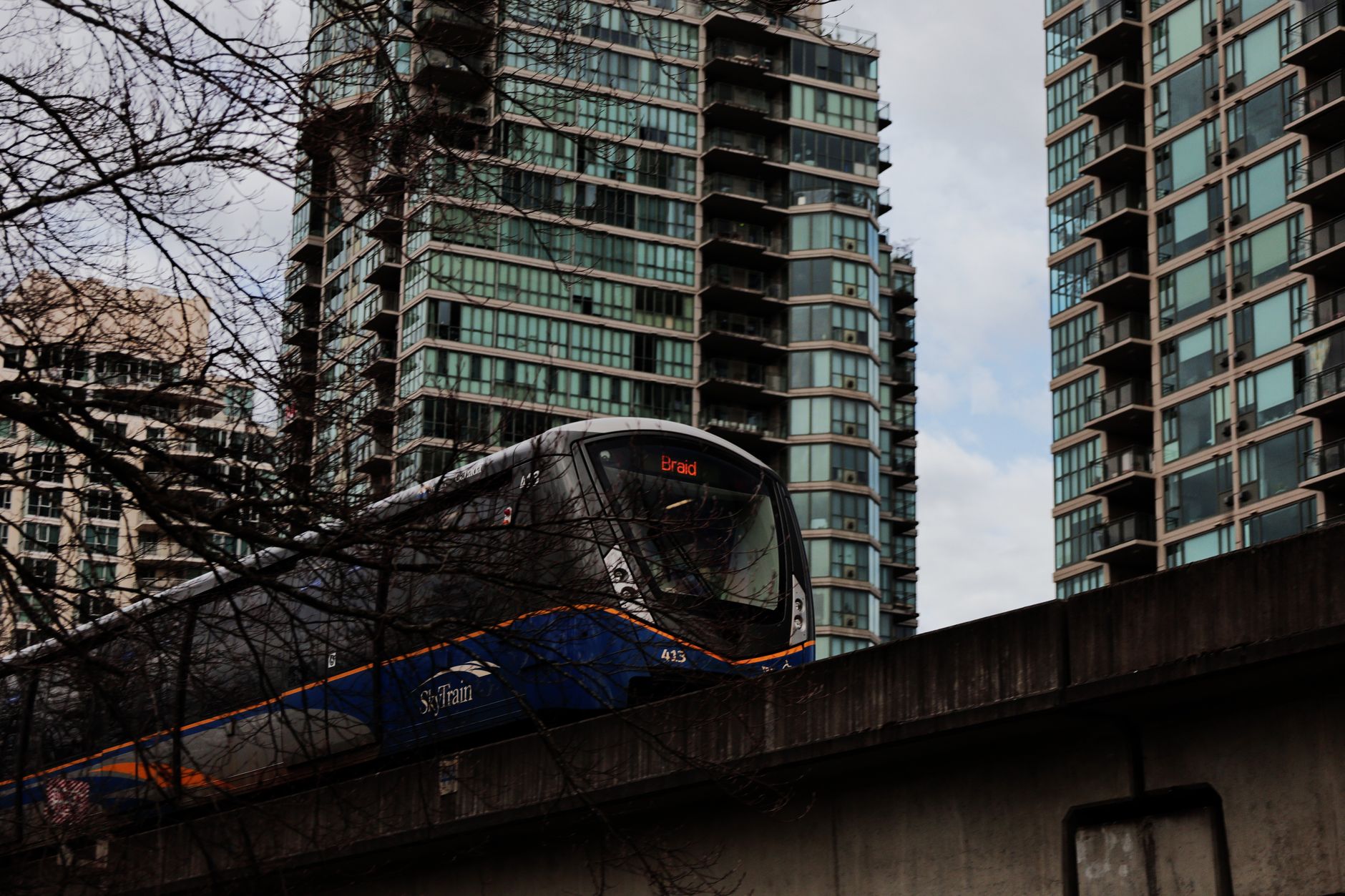
- SkyTrain and buses cover major corridors efficiently; expect delays only at peak commute times.
- Car-free options (bike share, e-scooters in permitted areas, SeaBus to North Vancouver) reduce emissions and parking headaches.
How to Choose Well
Choosing accommodation:
- Prioritize small hotels, certified green properties, or locally run guesthouses within walking distance of your planned days in the 3 days in Vancouver itinerary.
- Check for laundry policies that reduce water use, refillable bathroom amenities, and charging for unused linens as sustainable indicators.
Selecting tours and activities:
- Ask operators about group size, wildlife viewing rules, and whether fees support conservation or local communities.
- Prefer short-transfer options to reduce fuel use—reserve ferries, SeaBus, or bicycle-friendly excursions.
Dining and shopping decisions:
- Favor restaurants that list local farms and fisheries, and buy souvenirs from local artists rather than mass-produced imports.
- Use markets like Granville Island Public Market for direct support to producers.
Booking advice:
- Book key paid experiences in advance in summer; in shoulder seasons, you can often reserve a day or two ahead but check cancellation terms.
- When comparing transport options, include door-to-door time and cost for a clearer sustainability trade-off.

Responsible and Local-First Tips
Small choices that amplify local benefit:
- Spend with small businesses: cafés, family-run restaurants, local guides, and independent shops retain more value in the community.
- Respect Indigenous places and protocols: learn which sites are on unceded Musqueam, Squamish, and Tsleil-Waututh territory, seek Indigenous-led tours, and purchase Indigenous-made goods from certified makers.
- Reduce single-use waste: carry a reusable bottle and cutlery; many cafés offer filtered water stations and will fill bottles.
- Wildlife and park etiquette: keep distance from seals and birds, pack out what you pack in, and follow posted rules in ecological reserves.
- Offset only when necessary: prefer behavioral reductions (transit, walking) before carbon offsets, and if you offset, choose reputable local projects.
These choices fit into a 3-day plan by shifting small purchases and one or two experiences to local-first options.
Common Mistakes to Avoid
Don't make these avoidable errors:
- Assuming short distances mean no planning: reserving popular restaurants or a whale-watching slot the morning of a peak day often fails in summer.
- Renting a car for central Vancouver: parking is costly and unnecessary unless you're heading inland to Kelowna or Kamloops.
- Ignoring microclimates: it can be sunny downtown and raining in North Vancouver; pack layers and check local forecasts before sea or mountain activities.
- Overbooked days: three days go quickly—leave space for unexpected local recommendations or bad weather.
- Equating 'cheap' with sustainable: the lowest price often supports large chains rather than local suppliers.
FAQ
Is Vancouver easy to do without a car?
Yes. The SkyTrain, buses, SeaBus, and extensive bike lanes make car-free travel practical for the 3 days in Vancouver plan. Reserve a car only if you plan day trips to Kelowna or Kamloops.
When is the best shoulder season to visit for fewer crowds?
April–June and September–October offer milder weather, thinner crowds, and more favorable rates. Spring brings blossoms; fall gives crisp air and foliage in parks.
How should I budget tipping and local fees?
Tipping for table service is typically 15–20% in Canada. Small tips for coffee or taxi drivers are appreciated. Many attractions add tax (GST/PST); check totals before booking.
Are there Indigenous-led tours I can book from Vancouver?
Yes. Look for Indigenous-owned cultural experiences—check operator credentials, read recent reviews, and prefer direct bookings that route money to the community.
Can I combine a visit to Victoria or Richmond with a 3-day Vancouver stay?
Yes. Victoria is best reached by ferry or seaplane—plan a full day or an overnight. Richmond is a short Canada Line ride from the city and is ideal for food-focused half-day visits. See nearby city guides for Richmond, Surrey, Victoria, Kamloops, and Kelowna for suggested routes and sustainable transport options.
Conclusion
Use the suggestions here to refine the 3 days in Vancouver itinerary: choose central, low-impact lodging, favor public transit or active modes, and book small-group or local-run experiences. If you have extra time, consult nearby city guides for Richmond, Surrey, Victoria, Kamloops, and Kelowna to plan sustainable day trips or overnight extensions. Thoughtful planning amplifies the benefit to local communities while keeping your visit low-impact and memorable.
How this guide was prepared
This guide was prepared through a structured research that combines destination research, geographic context, itinerary planning logic, and content review.