
Three-Day Practical Guide to Santa Marta, Colombia — Itinerary & Tips
Practical 3-day Santa Marta itinerary with transit tips, neighbourhood plans, estimated costs, safety notes, and what to skip to save time on a tight trip.
A clear, no-fluff 72-hour plan for Santa Marta that balances the historic centre, nearby beaches, and a mountain day. Includes transit, costs, safety tips and must-prioritise visits.
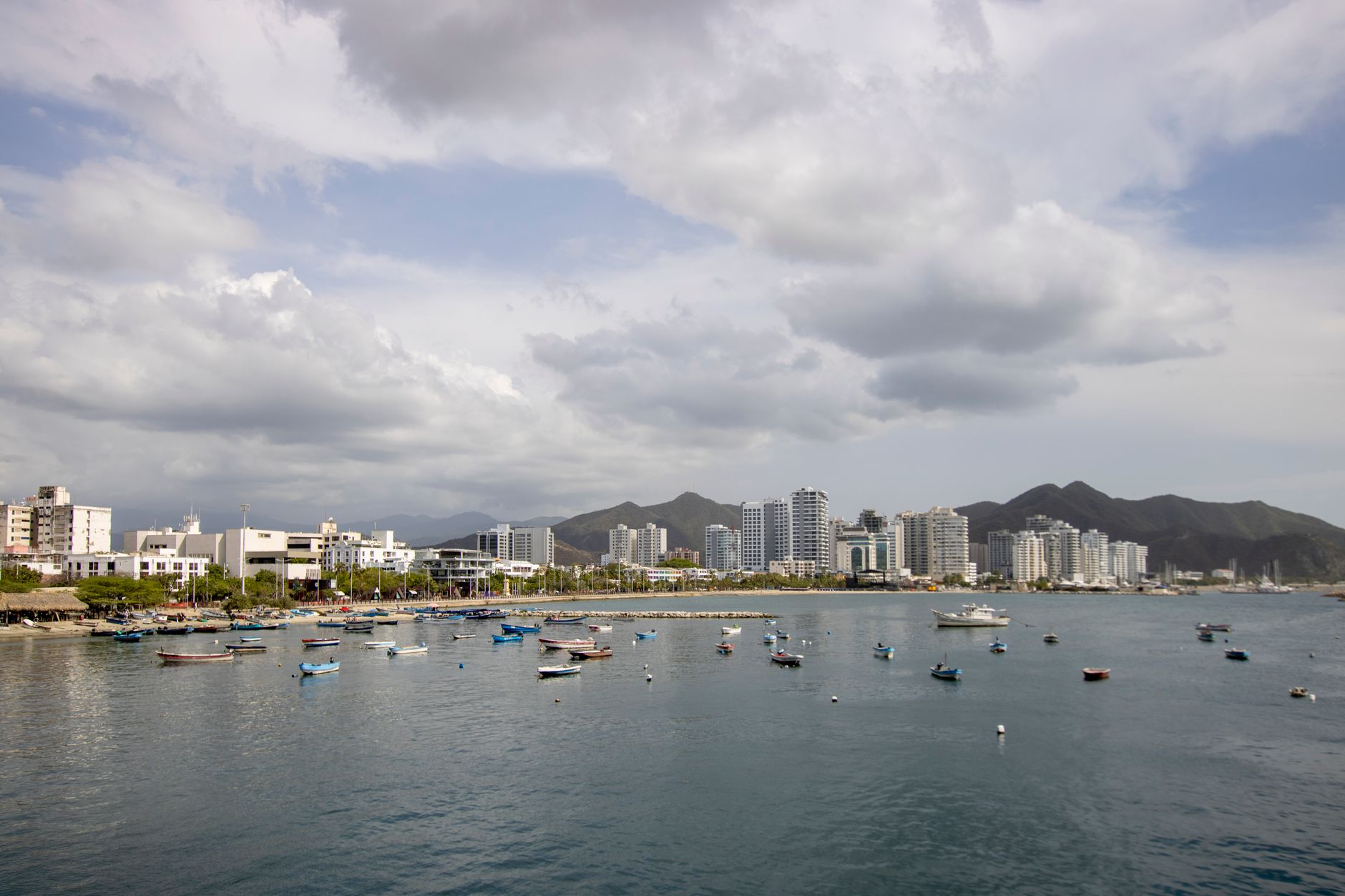
Expect a hot, humid port town where mornings are busy with market traffic and afternoons draw people toward the coast. The historic core has colonial streets, a simple cathedral and a compact cluster of cafés and restaurants that are walkable; expect raised voices, motorcycles, and street sellers more than polished tourist infrastructure.
The waterfront is an active working area with fishing boats and ferries; boat services are seasonal and weather-dependent. Many travellers use this place mainly as a gateway to Tayrona or Minca and miss the city’s markets, Simon Bolívar sites and Parque de los Novios nightlife, which reward a few focused hours.
Is 3 days in Santa Marta enough?
Yes: three days is enough to see the historic centre, hit at least one Tayrona-access beach or Taganga boat trip, and spend a half-day in the Sierra Nevada foothills near Minca. Caveat: a deep Tayrona hike or a multi-day Minca coffee trek must be left for a longer trip.
Who This Guide Is For
Best for active travellers who tolerate heat, basic transport and want beach + mountain variety in a short trip. Not a good fit for travellers expecting high-end resort services everywhere or those who need fully predictable public transport.
Local Tips for Santa Marta
Practical details that most travel sites skip — specific to Santa Marta.
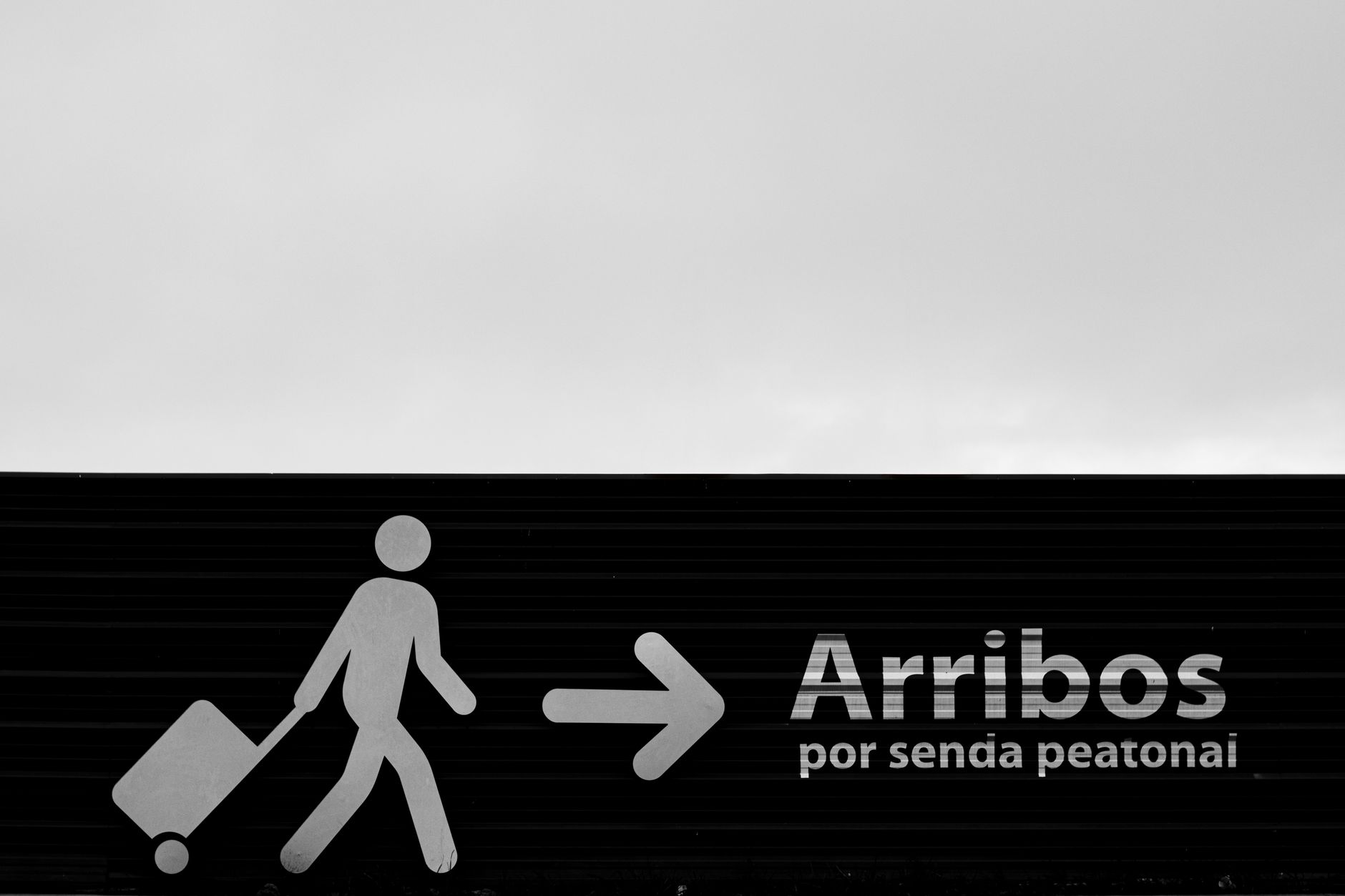
- Simón Bolívar International Airport (SMR): use the official taxi kiosk at arrivals — expect COP 25,000–40,000 to Centro Histórico depending on time and luggage.
- Terminal de Transporte on Carrera 2 is the bus hub for longer trips; buses to Palomino, Ciénaga and Valledupar sell tickets at the terminal counter, not online storefronts.
- Mercado Público on Calle 11 is where local fishermen deliver morning catch; go before 9:00 to see the best selection and buy ceviche ingredients for COP 10,000–20,000.
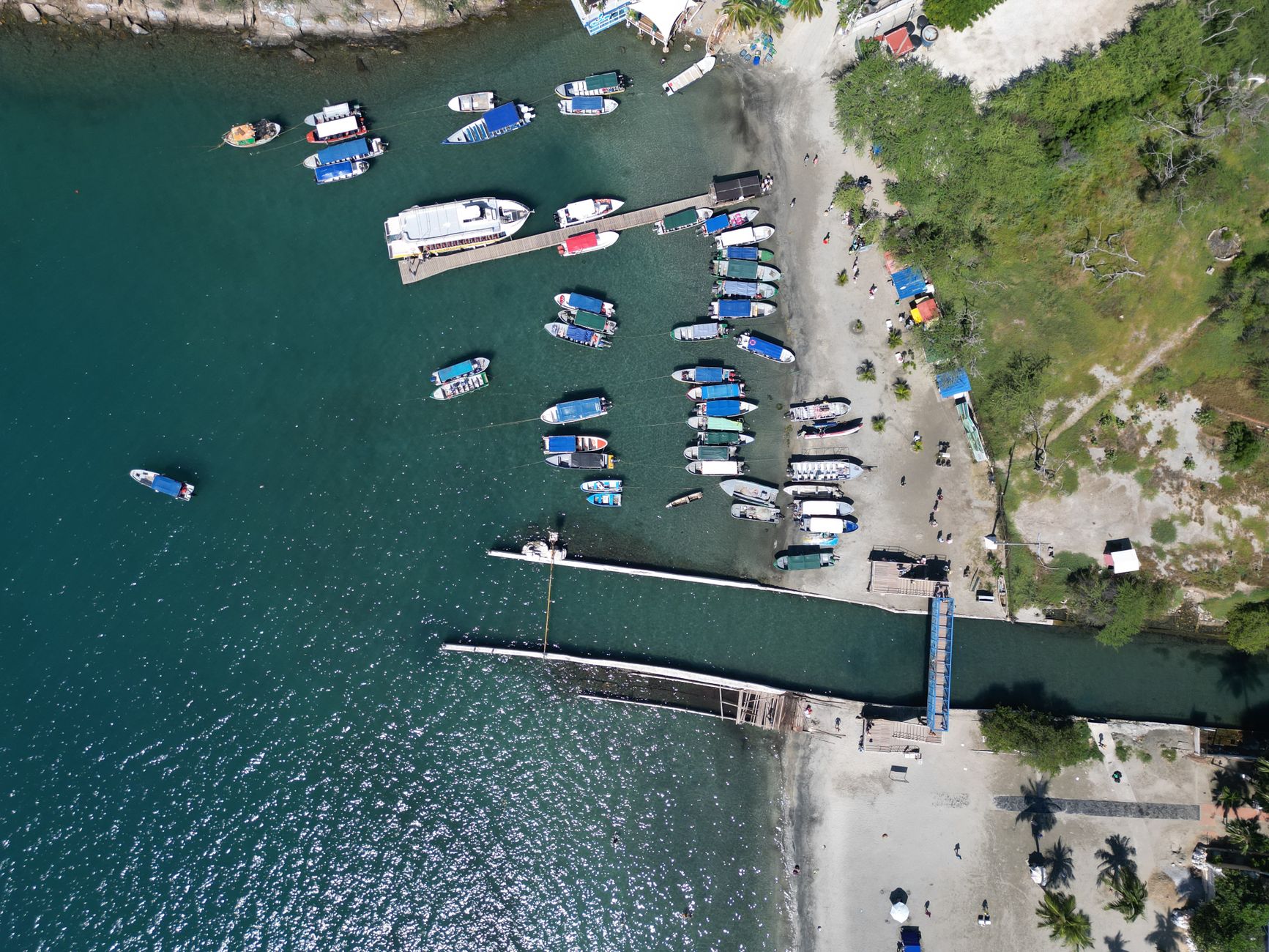
- Boat taxis to Tayrona and Cabo San Juan run from Taganga beach in high season; a one-way boat to Cabo San Juan is roughly COP 60,000–90,000 depending on sea conditions.
- Use InDriver or a radio taxi number (consult your hotel) after midnight; street haggled rides late at night can be unsafe and some drivers add surcharges.
How This Guide Was Prepared
This guide treats Santa Marta as a working coastal city with a colonial core, a busy beach resort strip and immediate access to protected natural areas; most guides treat it as a base for Tayrona and skip the town itself. It points out where time is actually spent — transport waits, sun exposure, and evening safety trade-offs — and gives concrete sequence and timings so three days feel doable instead of rushed. This guide was prepared through a structured research that combines destination research, geographic context, itinerary planning logic, and content review.
Plan Your Stay in Santa Marta
Use this itinerary as your starting point, then compare areas to stay, transport options, seasonal timing, and realistic daily costs before booking.
Why Visit
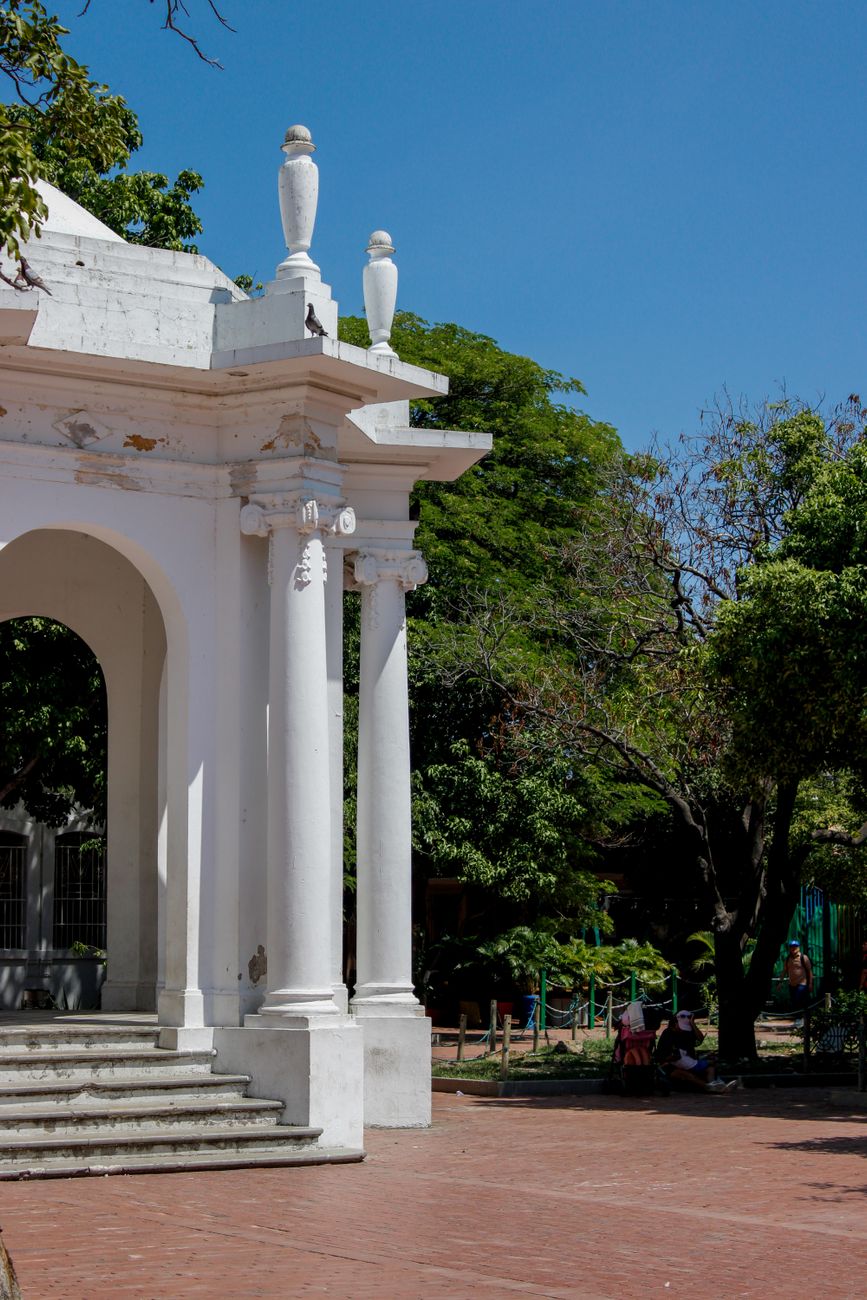
A short stay gives an unusual contrast: colonial streets and plazas beside immediate beach access and quick routes into Sierra Nevada cloud forest. Visit Quinta de San Pedro Alejandrino to see Simón Bolívar’s last home and the museum displays; it’s a compact visit that connects national history to local landscape.
Tayrona National Natural Park is world-famous for beaches like Cabo San Juan and Playa Cristal and can be reached as a day trip from the city; the park’s coastal trails reward even a single beach stop. Minca, forty-five minutes uphill, offers short coffee farm tours and waterfalls that can be squeezed into a half-day for a mountain feel without long travel.
Quick Planning Tips
Fly into Simón Bolívar International Airport (SMR) and use the official kiosk taxi or an arranged transfer; public buses to the terminal are sparse with luggage. From Terminal de Transporte, direct buses run east to Palomino and north-west to Ciénaga; buy tickets at the terminal windows and allow buffer time for loading luggage.
Carry cash in COP for mercado purchases and Taganga boats; small vendors rarely accept cards and ATMs can run out on holiday weekends. Avoid booking Tayrona entrance for the same morning arrival: book online the day before if visiting weekends or public holidays to guarantee capacity.
Day 1
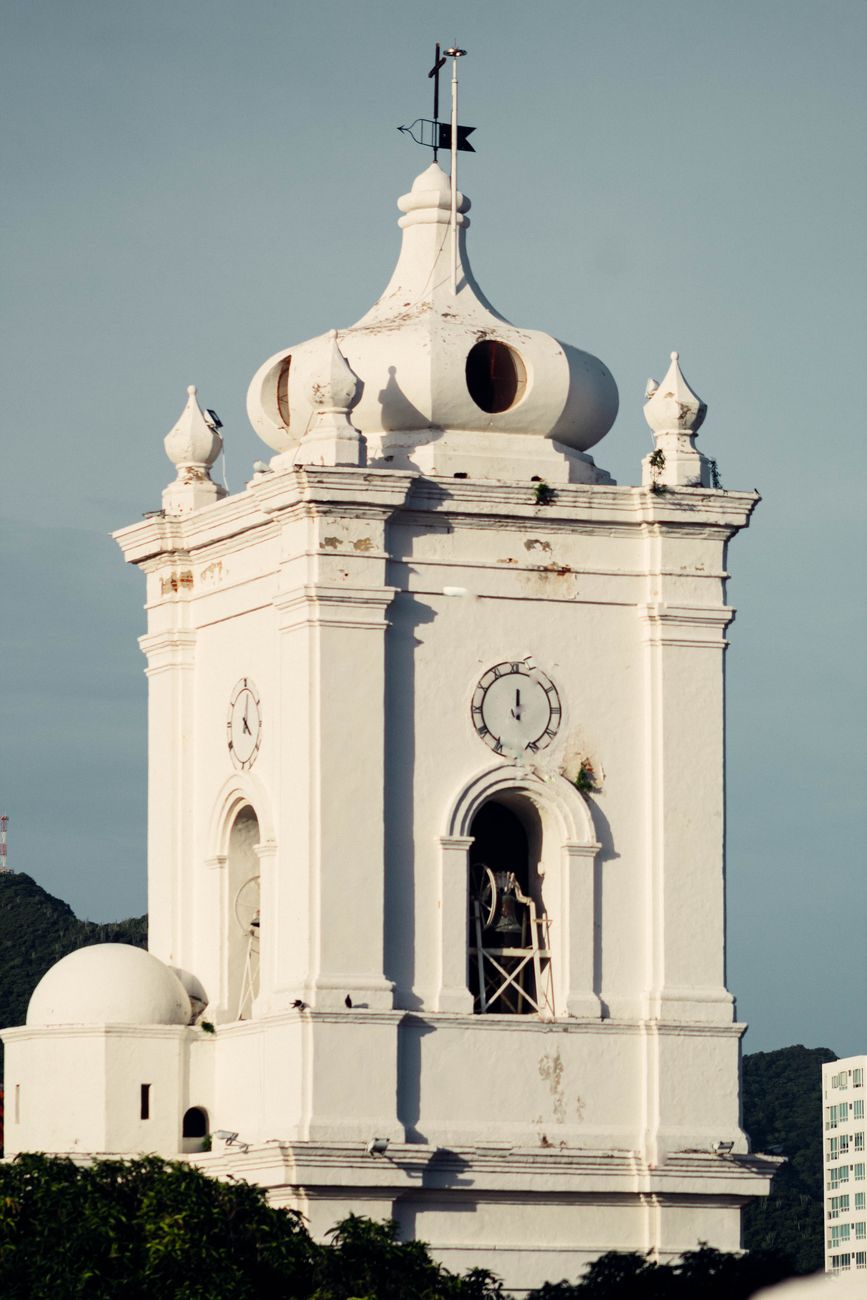
Start at the Centro Histórico: Plaza de Bolívar and Santa Marta Cathedral on Carrera 3. Spend 60–90 minutes here visiting the cathedral, taking photos of colonial façades and browsing small craft shops; cafes on Calle 16 are nearby for a quick coffee.
Walk 5–10 minutes to Casa de la Aduana and the Museo del Oro Tairona to see pre-Columbian pieces; allocate 45–60 minutes. From the museum, walk 7–12 minutes to Quinta de San Pedro Alejandrino on Carrera 2; a taxi is faster if heat is heavy (5–10 minutes, COP 6,000–10,000).
Lunch at Restaurante Lulo (Calle 14) or at a seafood stand near the Mercado Público on Calle 11; budget COP 18,000–35,000 for a main. After lunch, walk or take a short taxi (5–15 minutes) to Parque de los Novios for late afternoon people-watching; the area has bars and live music into the evening.
Dinner option: Restaurante Ouzo or a seafood restaurant on the Parque de los Novios perimeter — expect COP 30,000–60,000 per person. Evening recommendation: stay around Parque de los Novios for security and taxi access; radio taxis or InDriver are sensible choices after 23:00.
Day 2
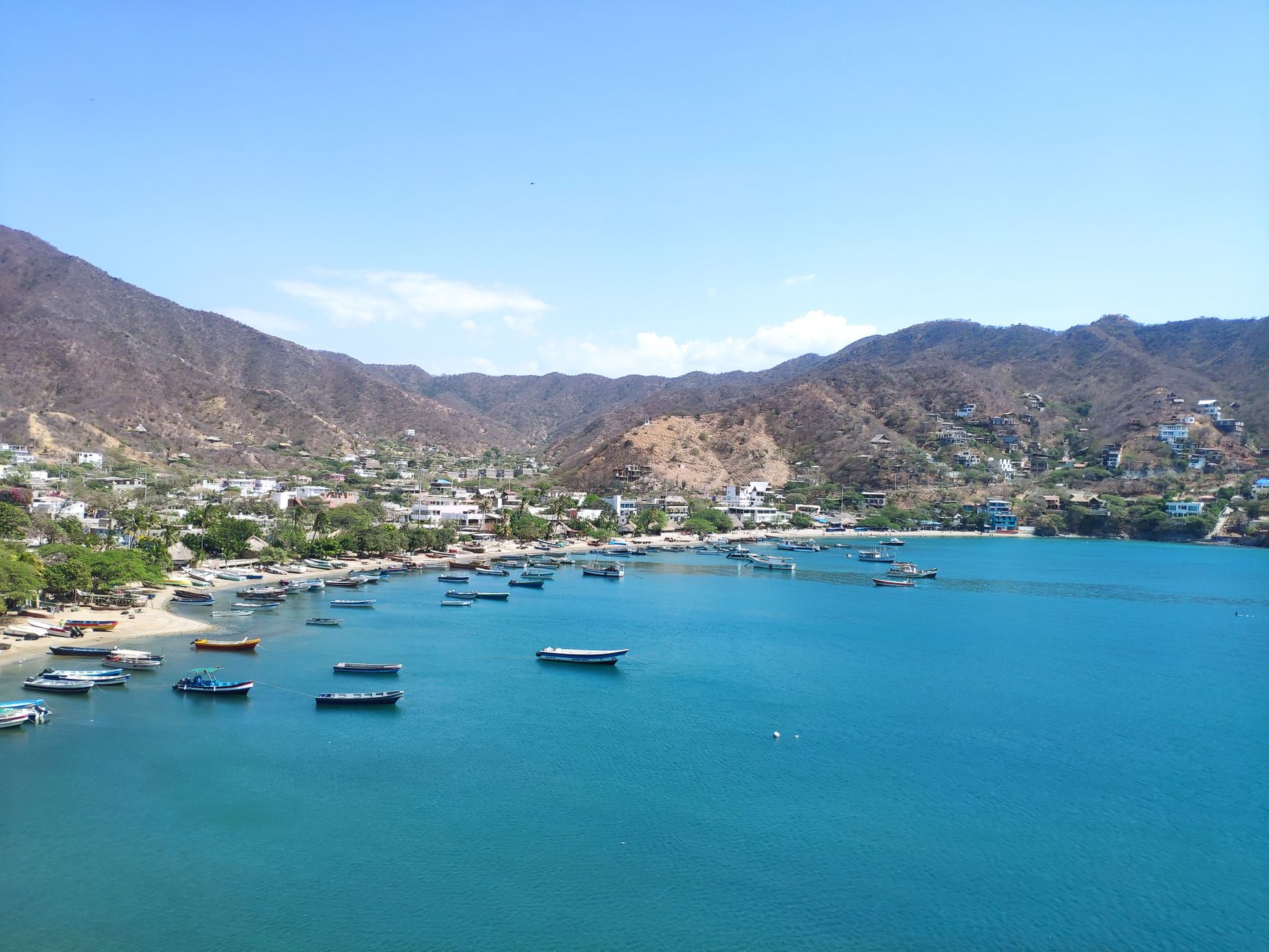
Devote this day to the coast: choose either Taganga + a boat to Tayrona or El Rodadero for easier beach time. Option A: Taganga. Take a 15–25 minute taxi (COP 8,000–18,000) to Taganga; arrive early to secure a boat or a snorkeling spot. Boats to Cabo San Juan or Playa Cristal run from Taganga; a one-way ride to Cabo San Juan takes 40–70 minutes on open water and costs roughly COP 60,000–90,000 depending on operator and sea state.
Walk to Taganga viewpoint for a short 20–30 minute climb for sunrise or early-morning light. If staying in Taganga, lunch at a beachfront cebichería offers fresh shrimp ceviche for COP 12,000–25,000. Option B: El Rodadero. Take a 15–25 minute taxi or bus (COP 2,000–4,000) to the Rodadero beach strip for wider sand, paddle rentals and the Rodadero Aquarium and Museum of Marine Wonders (entrada around COP 10,000–20,000).
Return late afternoon to Centro Histórico or Parque de los Novios. Evening recommendation: pick a restaurant close to the hotel for easier transit after beach sun and salt; many travellers find late taxi waits are longer during high season, so plan a ride earlier than needed.
Day 3
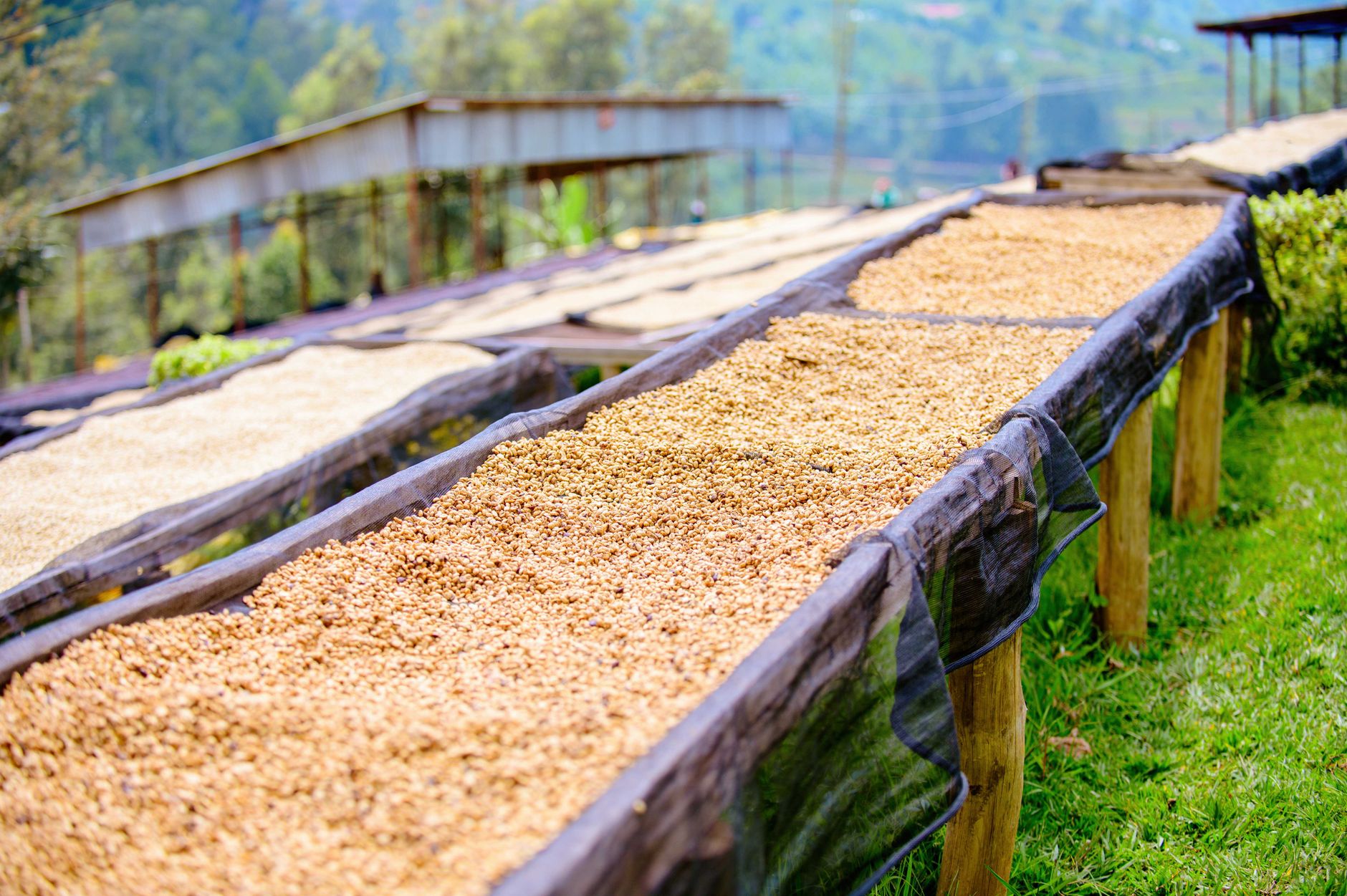
Use this day for the Sierra Nevada foothills — Minca or a short inland excursion — or for a remaining beach stop if transport to the hills feels slow. Minca is 35–45 minutes by car on a winding climb; taxis charge COP 40,000–70,000 one way, colectivos are cheaper but less predictable. Start with a coffee farm tour (many charge COP 30,000–50,000 including tastings) and then visit Pozo Azul waterfall for a 45–60 minute walk from the main road.
Alternative: a morning trip to Palomino (east along the coast, about 1.5–2 hours by bus) for tubing on the Río Palomino; buses leave from Terminal de Transporte or private shuttles from the Centro. If checking out and catching an afternoon flight, leave Minca by late morning to allow 2–3 hours to return to SMR given traffic and slow roads.
Lunch in Minca often features grilled fish or patacones at small cafés (COP 12,000–25,000). For an evening or afternoon flight, allow at least 90 minutes transfer time to the airport from Centro Histórico and add 30 minutes for security lines at SMR.
Best Local Experiences
Boat to Cabo San Juan from Taganga: rough seas can cancel trips, so book for an early departure and check operator credentials. Minca coffee farm tour: pick a family-run finca on the Minca road between Los Pinos and Marinka for a short roast-to-taste walkthrough and a waterfall visit.
Quinta de San Pedro Alejandrino: a short, tidy historical site useful for a morning visit before markets heat up. Mercado Público (Calle 11) mornings are where fishermen and fruit sellers gather; buy fresh coconut water, arepa de huevo or prawns to sample. Evening at Parque de los Novios: a concentrated bar and restaurant area that is more convenient and substantially safer than wandering quieter streets late at night.
Where to Stay
Centro Histórico: suits travellers wanting short walks to museums, cafés and Parque de los Novios. Proximity to the cathedral and Quinta de San Pedro Alejandrino means minimal taxi use; expect mid-range guesthouses from COP 80,000–200,000 per night (≈EUR 18–45 / USD 20–50).
El Rodadero: suits travellers prioritising beaches and a family-style resort feel. Close to larger hotels, restaurants and the Rodadero aquarium; expect nightly rates from COP 120,000–300,000 (≈EUR 27–67 / USD 30–75) depending on season. Taganga: suits backpackers and snorkelers who accept basic guesthouses and easy boat access. Small hostels and cabanas cost COP 40,000–120,000 per night (≈EUR 9–27 / USD 10–30) with cheaper dorm beds available.
Food and Drink
Arepa de huevo: an egg-stuffed, deep-fried corn cake commonly sold by street vendors in the mercado; expect COP 2,500–5,000. Ceviche de camarón: shrimp cured in citrus and blended with onion and cilantro; good versions at Mercado Público stalls or beachfront cebicherías for COP 12,000–25,000.
Pargo frito (fried red snapper): commonly served in rodizio restaurants or beachfront spots; expect COP 25,000–60,000 depending on portion and location. Sancocho de pescado: a hearty fish soup served at local eateries and family restaurants for around COP 12,000–25,000. Cocada or cocada fría: coconut sweets and chilled coconut drinks sold at markets and street carts for COP 1,500–6,000.
Breakfast option: tinto (small black coffee) and calado are common; many cafés serve a breakfast plate with eggs, plantain and arepa for COP 8,000–18,000. Drink to try: agua de panela with limón sold at markets and stalls for COP 1,500–4,000; fresh guarapo (sugarcane juice) appears at roadside stands in season.
Getting Around
Main modes are taxi, motorcycle taxi (moror-taxi), shared minibuses/collectivos and private shuttle services. No metro exists; most travel inside town is by taxi or mototaxi for short hops and by terminal buses for longer coastal routes.
Single local bus rides and collectivo segments generally cost under COP 3,000 in town; taxis start around COP 3,500–5,000 on short trips and about COP 25,000–40,000 from the airport to Centro Histórico. For rideshare-style hailing use InDriver to negotiate fares; Moovit helps with bus timings. For boats to Tayrona, buy tickets at the Taganga pier and budget COP 60,000–90,000 for popular routes.
Best Time to Visit
High season runs December to mid-January and again around Holy Week; expect higher prices and crowded beaches. Temperatures year-round sit between 27–32°C (80–90°F) on the coast; humidity is high and mid-day sun can be intense.
April–June offers fewer crowds and lower prices but occasional heavy rain; October–November are the wettest months and can disrupt boat services and park entries. For best value combined with reliable beach weather choose late February–March or September for lower room rates and acceptable sea conditions.
Budget and Practical Tips
Sample daily budget (mid-range traveller): accommodation COP 120,000 (EUR 27 / USD 30), food COP 50,000 (EUR 11 / USD 13), transport COP 20,000 (EUR 4.5 / USD 5), entries and activities COP 40,000 (EUR 9 / USD 10) — total about COP 230,000 per day (≈EUR 52 / USD 58). Backpacker budget with dorms and street food can go as low as COP 70,000–110,000 per day (≈EUR 16–24 / USD 18–28).
Tipping: leave 10% in sit-down restaurants where service is good but check the bill first — some places add service. Carry small COP notes for mercados and vendors; larger bills are often hard to break. Security practicalities: keep valuables out of sight on beaches and use hotel safes where available.
FAQ
How safe is the historic centre at night?
Parque de los Novios and nearby streets are generally safe with people and taxis present, but avoid walking alone in poorly lit side streets after 23:00 and use a radio taxi or InDriver.
What’s the best way to get from SMR airport to the city?
Use the official taxi kiosk at arrivals for a metered or fixed-rate ride (COP 25,000–40,000) or pre-book a shuttle through a reputable hotel.
Is a city pass or tourist card worth buying?
No widely used municipal city card exists; paid entries (Quinta, Tayrona, some museums) are usually purchased individually and online booking is only necessary for Tayrona at peak times.
Can Tayrona be done as a day trip?
Yes: expect 1–1.5 hours each way by road from Centro Histórico plus park walking time; plan for at least 10–12 total hours if including a beach stop and return before nightfall.
Are there reliable taxi apps in town?
InDriver is commonly used and works locally; some travellers also rely on hotel radio-taxi numbers. Uber presence is inconsistent and usually not dependable here.
How to avoid getting seasick on Taganga-to-Tayrona boats?
Take an early-morning departure, sit forward, bring motion-sickness tablets and avoid heavy meals before boarding. Rough sea days often lead operators to cancel.
Conclusion
Three days provide a solid introduction: one day for the historic core and museums, one for coastal time (Taganga/Cabo San Juan or El Rodadero), and one for a short mountain excursion to Minca or a relaxed additional beach. Most travellers will remember the contrast between the colonial plaza mornings and humid beach afternoons, plus the taste of fresh ceviche at the mercado.
If time runs short, prioritise Quinta de San Pedro Alejandrino and one beach or boat to Tayrona — that combination gives history, sea and a clear sense of the wider region in limited hours.
How this guide was prepared
This guide was prepared through a structured research that combines destination research, geographic context, itinerary planning logic, and content review.