
3 Days in Beaune, France: Practical Itinerary and Local Tips
A practical 3-day Beaune guide with step-by-step days, market and wine-route tips, transport advice, costs, and realistic local warnings.
A clear, no-nonsense three-day plan for Beaune focused on the Hospices, the market, cellar visits on the Route des Grands Crus, and realistic transport and budget advice.
A compact walled town whose economy still revolves around wine and the annual Hospices auction. First impressions are stone roofs, narrow streets, and more wine merchants than souvenir shops; most activity happens between 09:00 and 18:00, then the town becomes quiet in the evening except for restaurant crowds. Expect locals who work in négoces and domaines, and many visitors who treat the town as a base for drives through the Côte de Beaune.
What many first-time planners miss is that Beaune is not a place of unlimited free tastings or late-night entertainment; culture here is daytime-focused: markets, cellar appointments, and cellar doors. That suits travelers who like to walk, compare wines at a measured pace, and eat well, but not those wanting a lively urban nightlife. The compact size means most main sights are within a 10–20 minute walk of Gare de Beaune or Place Carnot.
Is 3 days in Beaune enough?
Yes: three days lets a traveler see the Hospices (Hôtel-Dieu), walk the ramparts, spend a morning at Les Halles market, and fit one full vineyard loop with tastings. The honest caveat: deep cellar tours and multiple domaine visits require bookings and more time, so skip trying to visit several top domaines in a single afternoon.
Who This Guide Is For
Best for wine-focused travelers, food-minded walkers, and people who prefer short walking distances over long drives. Poor fit for nightlifers or travelers who expect many free tastings and cheap transport connections.
Local Tips for Beaune
Practical details that most travel sites skip — specific to Beaune.
- Buy timed-entry tickets for Hospices de Beaune (Hôtel-Dieu) online; adult tickets are around €12–€15 and skip a long queue on busy days.
- Les Halles (Place Carnot) runs a large market every morning; Saturday is the busiest for local producers and rotisserie stands.
- Trains run on the TER Bourgogne-Franche-Comté line between Dijon-Ville and Gare de Beaune in roughly 20–25 minutes; one-way fares are commonly €6–10 bought on the SNCF Connect app.
- The Route des Grands Crus follows the D974/D973 out of town toward Pommard, Volnay and Meursault; roads are narrow and parking at small domaines is limited—arrive early or book a tasting slot.
- Patriarche Père & Fils in the town cellars offers large, walk-in tastings late afternoon, but smaller family domaines usually require an appointment and often charge €10–€30 per tasting.
How This Guide Was Prepared
A short visit here is mostly about concentrated wine culture and an unusually walkable old town. Many guides turn Beaune into a stop on a wine map; this guide treats the town itself—its market rhythms, cellar access rules, and what a traveler can reasonably do in three days—rather than promising an impossible number of tastings or scenic drives. This guide was prepared through a structured research that combines destination research, geographic context, itinerary planning logic, and content review.
Plan Your Stay in Beaune
Use this itinerary as your starting point, then compare areas to stay, transport options, seasonal timing, and realistic daily costs before booking.
Why Visit
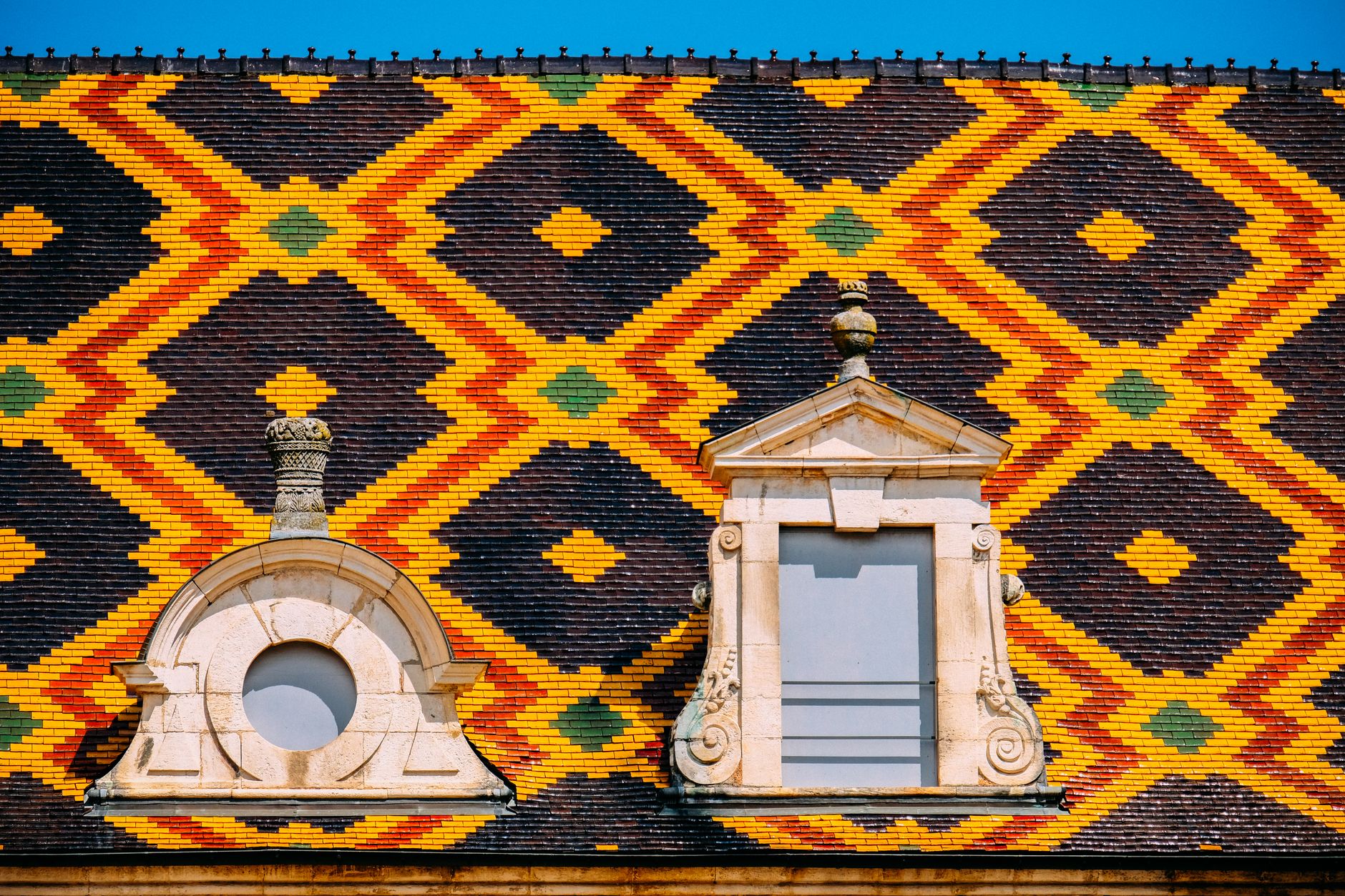
Hospices de Beaune (Hôtel-Dieu) is a single compelling reason: a medieval hospital with the tiled roof and an accessible museum explaining Burgundy's wine economy. The market at Les Halles supplies immediate, practical pleasures—fresh charcuterie, Comté, and rotisserie stalls that allow quality lunches without a restaurant booking.
The town functions as the gateway to the Route des Grands Crus: short drives reach Pommard, Volnay and Meursault within 15–30 minutes, making it possible to taste distinct terroirs in a day if appointments are booked. Finally, the town itself is pleasantly walkable: the remparts loop, the Collégiale Notre-Dame, and small cellar museums mean a visitor can mix culture and tasting without long transfers.

Quick Planning Tips
Most visitors arrive by train: take a TGV to Dijon-Ville then a TER Bourgogne-Franche-Comté service to Gare de Beaune (20–25 minutes). Trains are bookable via the SNCF Connect app; bring a printed or mobile ticket. From airports, Lyon–Saint Exupéry is the most practical major hub (car or train plus TER), while Dole–Jura and Dijon–Bourgogne serve regional flights; plan at least 90–120 minutes door-to-door from Lyon airport.
Carry euros and small notes for market stalls and small domaines—many accept cards but small producers sometimes prefer cash. One planning mistake to avoid is assuming cellars accept walk-ins; reserve tastings at Château de Pommard, Maison Louis Jadot or smaller domaines before arrival, especially at weekends or during September–October harvest.

Day 1
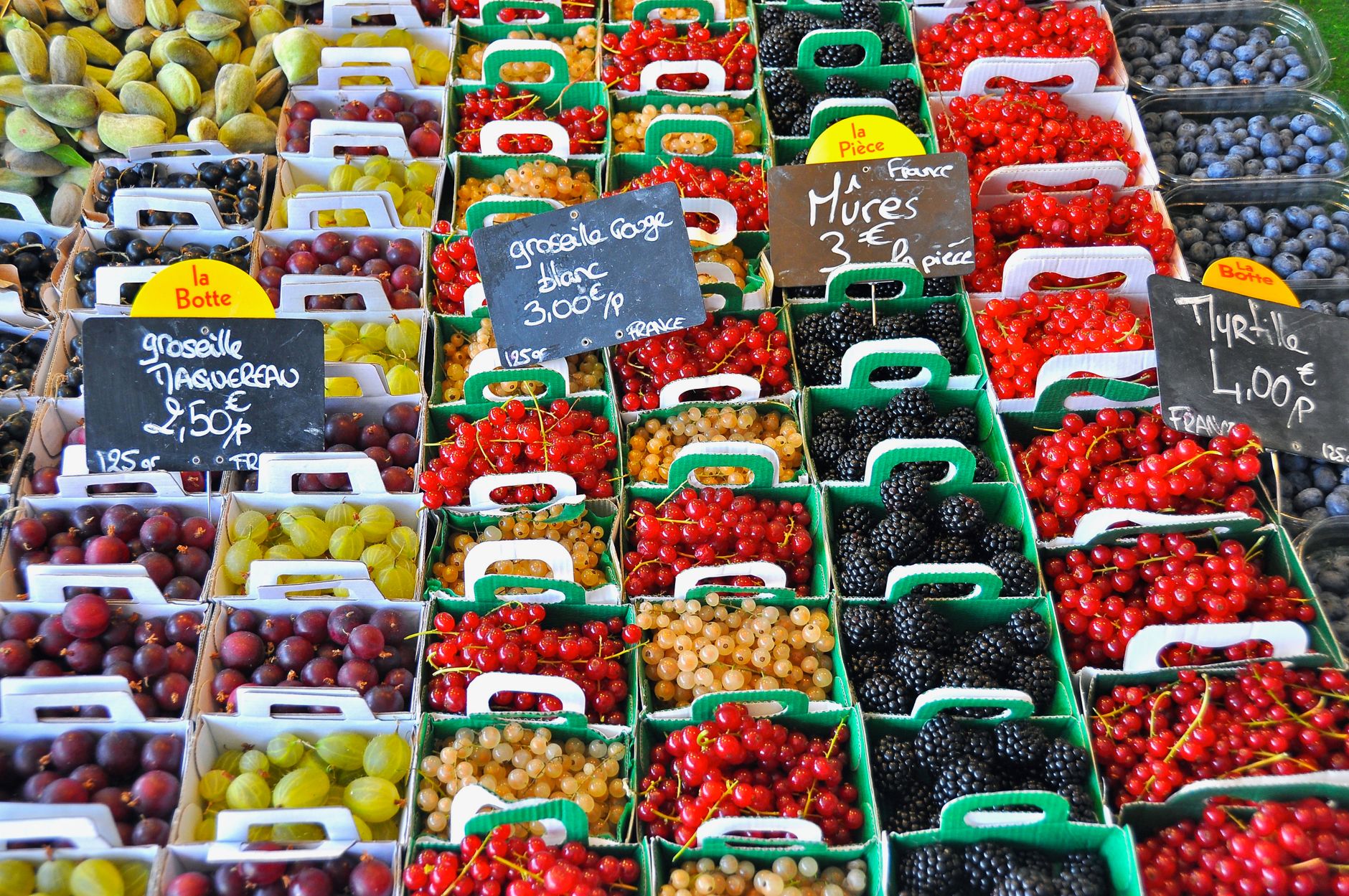
Morning: arrive at Gare de Beaune and walk 10 minutes to Les Halles on Place Carnot. Spend the morning tasting market stalls—rotisserie chicken, saucisson, local cheeses and a café—enough for a practical market lunch (walking time: 10 minutes from the station; market breakfast 08:00–12:30).
Midday: cross to Hôtel-Dieu (Hospices de Beaune), a 5-minute walk from the market. Allow 60–90 minutes for the main rooms and the small museum; buy a timed ticket to avoid queues. Afterward, walk 3 minutes to Collégiale Notre-Dame to inspect the Romanesque nave and the carved capitals.
Afternoon: climb the Beffroi or follow the remparts circuit (30–45 minutes total on foot) for a sense of the town layout and vineyard views. Visit the Musée du Vin de Bourgogne near Rue Paradis for a 45–60 minute overview of cellar techniques and regional bottling history.
Lunch suggestion: pick mixed plates at Les Halles market (€8–15). Dinner suggestion: reserve a table at La Table de Guigone near Hôtel-Dieu (mains €25–€45). Evening: short cellar tasting at Patriarche Père & Fils cellars (open late) or a glass at a wine bar on Rue Carnot; both are within a 5–10 minute walk of central hotels.
Day 2
Morning: rent an e-bike or hire a driver and head south on the Route des Grands Crus toward Pommard (car 10–15 minutes, bike 25–40 minutes depending on fitness). First stop: Château de Pommard for a cellar tour and grounds walk—book ahead if a guided tasting is required and allow 90 minutes.
Midday: continue to Volnay and Meursault (each village 10–15 minutes by car). Stop for vineyard views and a scheduled tasting; many small domaines close between 12:30 and 14:00 so either book a lunch or arrive early. Lunch suggestion: the on-site restaurant or bistro at Château de Pommard or a village auberge (€18–30 for a bistrot lunch).
Afternoon: head to Puligny-Montrachet or Meursault for a Chardonnay-focused tasting; return to Beaune by late afternoon (30–40 minutes from Puligny). If biking, allow extra time and avoid the D974 at peak traffic.
Evening: relax back in town. A quieter evening at a wine bar lets tasting notes be compared with maps; Rue de l'Hôtel-Dieu and Rue Carnot have several cellar doors and small bars open until 22:00. Note travel: if using public transport, check return TER times; weekends and Sundays have reduced services.
Day 3
Morning: pack and leave luggage at the hotel or use the station lockers at Gare de Beaune if checking out early. Start with a calm walk in Parc de la Bouzaize for a local feel and a bakery breakfast near Place Carnot (20–30 minutes at a relaxed pace).
Midday: visit any sights missed earlier—small museum visits like Musée du Vin de Bourgogne or a last-minute cellar in town. Allow at least 60 minutes for one museum or a cellar tour; many cellar visits run to a fixed schedule so match it to train times.
Afternoon: if catching a late train or flight, confirm TER departures at Gare de Beaune and allocate 30–45 minutes to reach Dijon for TGV departures. For Lyon–Saint Exupéry flights, allow 90–120 minutes to transfer by car or train plus extra time for luggage and rental returns.
Practical note: hotels commonly hold luggage through the afternoon but confirm before checkout. If time is short, prioritize Hôtel-Dieu or a single village tasting; both give different, quickly accessible impressions of the area.

Best Local Experiences
Les Halles market (Place Carnot) on Saturday morning is essential for tasting local charcuterie, cheese and rotisserie offerings. Hospices de Beaune with its painted poly-chrome roof and annual November auction is a cultural anchor—attend the museum year-round and plan ahead for the auction week if visiting in November.
Drive or cycle the Route des Grands Crus from Beaune toward Pommard, Volnay and Meursault to sample contrasting terroirs. Cellar visits: Patriarche Père & Fils for a large, walk-in cellar experience in town, and Château de Pommard for a more curated tour. Attend the Festival du Film Policier (crime film festival) if traveling in late March; the town hosts it and many screenings are in local cinemas and halls.
Also try an early-morning guided cellar or walking tour led by a local sommelier—these explain labels like Côte de Beaune, Premier Cru and village appellations in context.

Where to Stay
Historic centre / Place Carnot: suits those wanting immediate access to Les Halles, restaurants and main museums. Expect boutique hotel rooms from €120–€220 per night (≈USD 125–230). Rooms are compact but save taxi time.
Near Gare de Beaune: suits budget travelers or those arriving late by train. Short walk (8–12 minutes) to the centre and easier car access for vineyard drives. Expect basic hotels and chain options from €70–€110 per night (≈USD 75–115).
Vineyard outskirts (toward Pommard/Volnay): suits people wanting early vineyard visits and quieter nights. Expect B&Bs and converted farmhouses from €90–€180 per night (≈USD 95–190). Parking is generally easier here, but evening dining options may be limited so plan a reservation in Beaune if needed.
Food and Drink
Breakfast: croissant and coffee from a boulangerie near Place Carnot (≈€3–5) or a market coffee and pastry at Les Halles for a local start. Street food: a jambon-beurre sandwich or rotisserie chicken from Les Halles (market lunch €6–15).
Must-eat dishes: Boeuf Bourguignon—slow-cooked beef in red wine, common at bistro tables (mains €18–30). Escargots à la Bourguignonne—garlic-herb snails offered in classic restaurants (€8–14 as starter). Epoisses cheese—soft, washed-rind cheese from the region available at cheese shops and the market (whole ≈€8–18 depending on weight).
Drinks: Pinot Noir from Côte de Beaune (glass €4–8 in bars, bottles €15 and up), Chardonnay from Meursault and Puligny-Montrachet (prices start higher), and Crémant de Bourgogne for sparkling options. Dinner recommendation: reserve a mid-range table at La Table de Guigone or a bistro near Hôtel-Dieu for regional dishes and a reasonable wine list (mains €25–45).
Getting Around
Primary intercity rail is TER Bourgogne-Franche-Comté and SNCF TGV connections via Dijon-Ville. The Dijon–Beaune TER runs regularly; one-way tickets are commonly €6–10 if bought close to departure. Use the SNCF Connect app to buy and display tickets.
Within town everything is walkable; expect 10–20 minute walks between most central sights. Local buses exist but run infrequently—do not rely on them for vineyard hops. For vineyard touring, rent an e-bike, hire a driver or book a guided wine tour; many domaines do not provide free pickup.
Taxi fares: Dijon–Beaune transfer by taxi is roughly €60–€90 depending on time and luggage; Lyon–Saint Exupéry to town is typically €150–€220. For longer intercity options, BlaBlaCar is commonly used for lower-cost rides between regional cities.
Best Time to Visit
Spring (April–June): temperatures 10–22°C, lower crowds and many domaines open; May–June offers blossom and lighter hotel rates. Summer (July–August): warmer 20–28°C and more French domestic holidaymakers; some small shops and domaines close in late August for annual vacation.
Harvest season (September–October): daytime temps 10–22°C and vineyard activity is high—book tastings and accommodation well in advance. November–March: colder (2–10°C), quieter, and several smaller domaines reduce visiting hours; Hôtel-Dieu and museums remain open but some country restaurants close for the season.
Best value and balance of weather and cellar access are late spring (May–June) and early autumn (September), with autumn offering the added interest of harvest activity and wine events.
Budget and Practical Tips
Realistic daily budget per person (mid-range): Accommodation €90–€160 (≈USD 95–170); Food €30–60 for market lunch and a mid-range dinner (≈USD 32–64); Transport €6–20 for local TER trips or shared taxis (≈USD 6–21); Entry fees and tastings €12–30 per site or tasting (≈USD 12–32). A three-day visit therefore commonly totals €200–€350 per person excluding premium wine purchases.
Entry fees: Hospices de Beaune €12–€15; Musée du Vin de Bourgogne €5–€9. Cellar tastings vary from free in large négoces to €10–€30 at small domaines. Tipping: service is included on French restaurant bills (service compris) but rounding up or leaving €1–€5 for good service is normal and appreciated. Carry small change for market vendors and smaller tastings.
FAQ
How safe is Beaune for solo travelers?
Generally safe with low violent crime; petty pickpocketing can occur in crowded market areas—keep valuables secure and use a money belt on busy Saturdays.
Is a car necessary to visit the vineyards?
Not strictly—options include e-bike rentals, guided wine tours, or hiring a private driver. Public buses to small villages are infrequent, so a car or booked transport is more flexible.
Are tastings free at domaines?
Many are not; expect tasting fees of €10–€30 at family domaines. Larger négoces sometimes offer free or low-cost tastings but check ahead.
Is a Beaune city card or pass worth buying?
There is no widely used universal pass; timed tickets for Hospices de Beaune and combined cellar tours are more practical than a generic city card.
Can Beaune be a day trip from Dijon?
Yes—TER trains take about 20–25 minutes each way, making a full day in town feasible from Dijon.
How to book cellar visits?
Contact domaines by email or phone in advance; many list tasting options on their websites and reserve mid-afternoon slots for private tastings.
Are there luggage storage options?
Gare de Beaune has limited lockers and most hotels will hold luggage for a few hours after checkout if arranged in advance.
Are children welcome at wineries?
Policies vary; small domaine tastings often welcome families but check ahead since some tastings include alcohol-only formats or require appointments.
Conclusion
Three days here gives a compact, practical experience: Hospices de Beaune, the market, a curated vineyard loop and at least one cellar visit. The clearest lasting impression is the link between town life and wine commerce—labels, négoces, and small domaines define the streets as much as the architecture.
If time runs short, prioritize the Hospices visit and a single scheduled tasting at a château or family domaine; they combine art, architecture and the terroir story in the shortest possible window.
How this guide was prepared
This guide was prepared through a structured research that combines destination research, geographic context, itinerary planning logic, and content review.