

Smart 3-Day Guide to South Bend, IN: Practical Itinerary
A practical 3-day South Bend itinerary covering Notre Dame, Studebaker, East Race Waterway, local food, transit tips, and realistic budgets.
A clear, no-nonsense 72-hour plan for South Bend that balances Notre Dame, museums, riverfront outdoor time and local food without overpacking the schedule.
A compact Rust Belt city with a major university at its core, South Bend mixes college activity, riverfront projects and automotive heritage. First impressions are split: near Notre Dame the built environment and foot traffic feel collegiate and well kept; the downtown grid and industrial stretches still show mid-century commercial architecture and ongoing redevelopment. Expect quieter evenings than a big city, a concentrated set of attractions within walking or short transit distance, and seasonal swings in activity tied to the academic calendar and sporting events.
This place suits travelers who want clear, walkable highlights—campus architecture, the Studebaker story, a small but focused museum scene—and who can accept modest nightlife and a car-friendly layout outside the core. Visitors who expect a continuous dense dining and bar scene like Chicago will likely be disappointed. Planning visits around Notre Dame events and weekday museum hours makes a big difference to how much can be seen in three days.
Is 3 days in South Bend enough?
Yes—three days is enough to see Notre Dame’s key sights, the Studebaker National Museum, the East Race Waterway and one neighbourhood at a relaxed pace. Caveat: there won’t be enough time for a full day trip to Chicago or a deep exploration of every museum if staying on a tight schedule.
Who This Guide Is For
Best for weekend travelers who like a mix of campus culture, industrial museums, and short urban walks; less suitable for visitors wanting a nightlife scene or those wanting multiple day trips to Chicago without extra travel time.
Local Tips for South Bend
Practical details that most travel sites skip — specific to South Bend.
- Buy a South Shore Line ticket at the South Bend Airport station or on the NICTD app; one-way to Chicago Union Station runs about $14–$16 depending on peak times.
- Transpo buses use a contactless fare card and cash; a single local ride is roughly $1.75 and exact change is required for cash payments on board.
- The Notre Dame campus opens public access to the Basilica and Grotto with free entry; plan weekday mornings to avoid big tour groups after home football games.
- Studebaker National Museum parking is free in its lot; general adult admission is about $12–$15 and allows seeing both the car exhibits and the New Car Gallery.
- South Bend International Airport (SBN) is small; an Uber or taxi to downtown typically costs $20–$30 and takes 8–12 minutes in normal traffic.
How This Guide Was Prepared
This guide treats South Bend as a mid-sized Midwest city with a large university at its heart rather than a generic small-town stop. Many guides treat the campus and a single museum as the whole visit; this guide balances campus highlights with riverfront recreation, industrial history at the Studebaker museum, and how local transit and timing change what’s realistic in three days. This guide was prepared through a structured research that combines destination research, geographic context, itinerary planning logic, and content review.
Plan Your Stay in South Bend
Use this itinerary as your starting point, then compare areas to stay, transport options, seasonal timing, and realistic daily costs before booking.
Why Visit
Notre Dame’s campus is a primary draw: the Golden Dome, Basilica of the Sacred Heart and the Grotto are architecturally and culturally significant and offer easy public access without a big entrance fee. The Studebaker National Museum explains 20th-century American auto and industrial history with restored cars and factory context that differs from typical art museums.
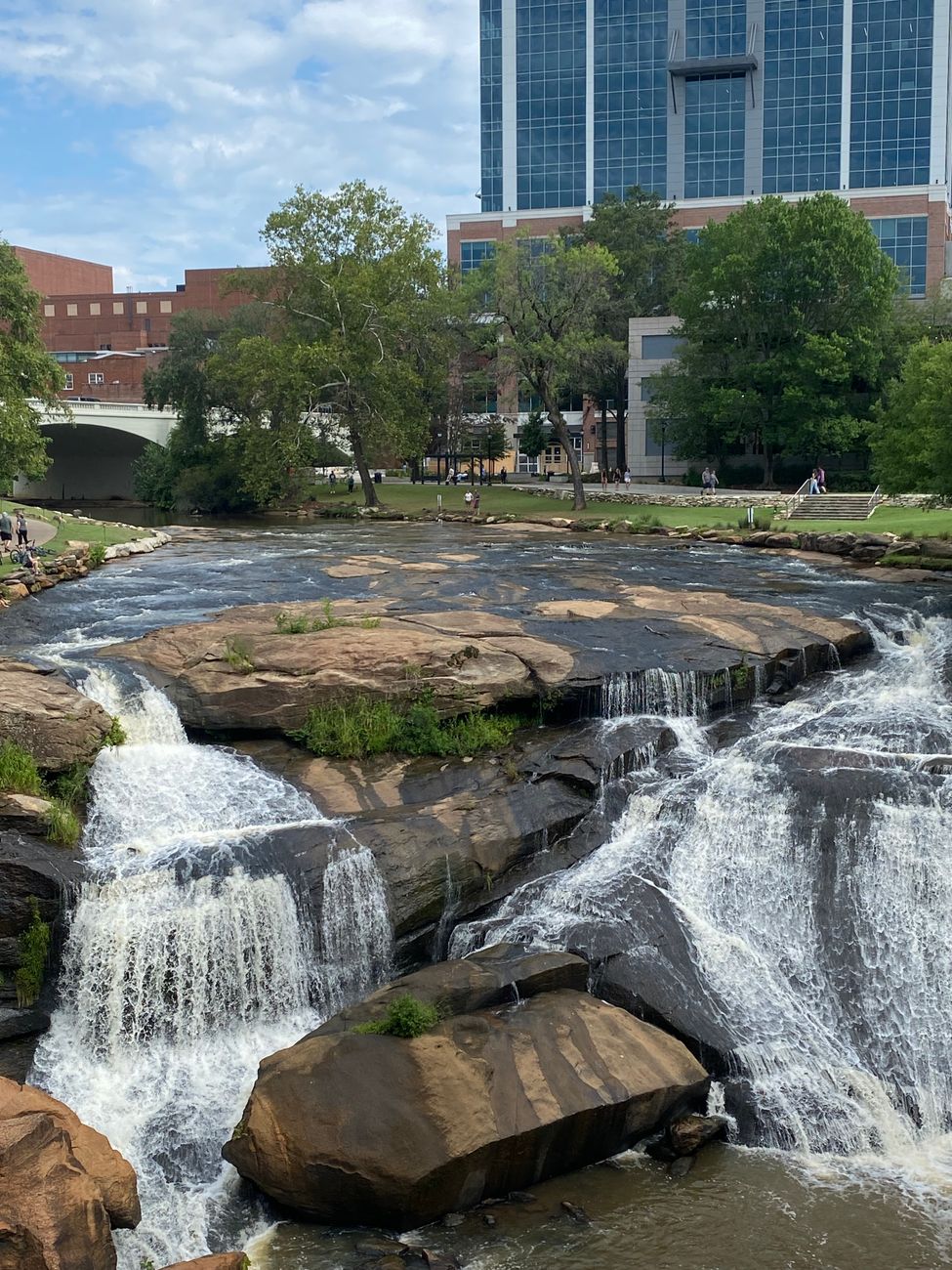
The East Race Waterway is a rare urban whitewater course next to downtown; it makes the riverfront feel active and provides short walks and photo opportunities. Small institutions like the Snite Museum of Art and The History Museum are compact but focused, letting a traveler absorb a lot in a short visit. Lastly, Eddy Street Commons functions as a practical hub for food, shopping and access to Notre Dame, which reduces logistics friction for short stays.

Quick Planning Tips
Fly into South Bend International Airport (SBN) for a short drive to downtown; SBN is small and cab/Uber service is reliable. If coming from Chicago, use the South Shore Line commuter rail to South Bend station—check NICTD schedules and buy tickets on the NICTD app for best fares.
Carry a small supply of cash for Transpo buses and exact-change requirements; the Transpo contactless options are expanding but buses still expect cash for some routes. Avoid weekend arrival during Notre Dame home football weekends unless tickets and accommodation are booked well in advance—prices spike and campus access becomes crowded. Finally, check museum hours in advance: some close Monday or have shorter winter hours.

Day 1
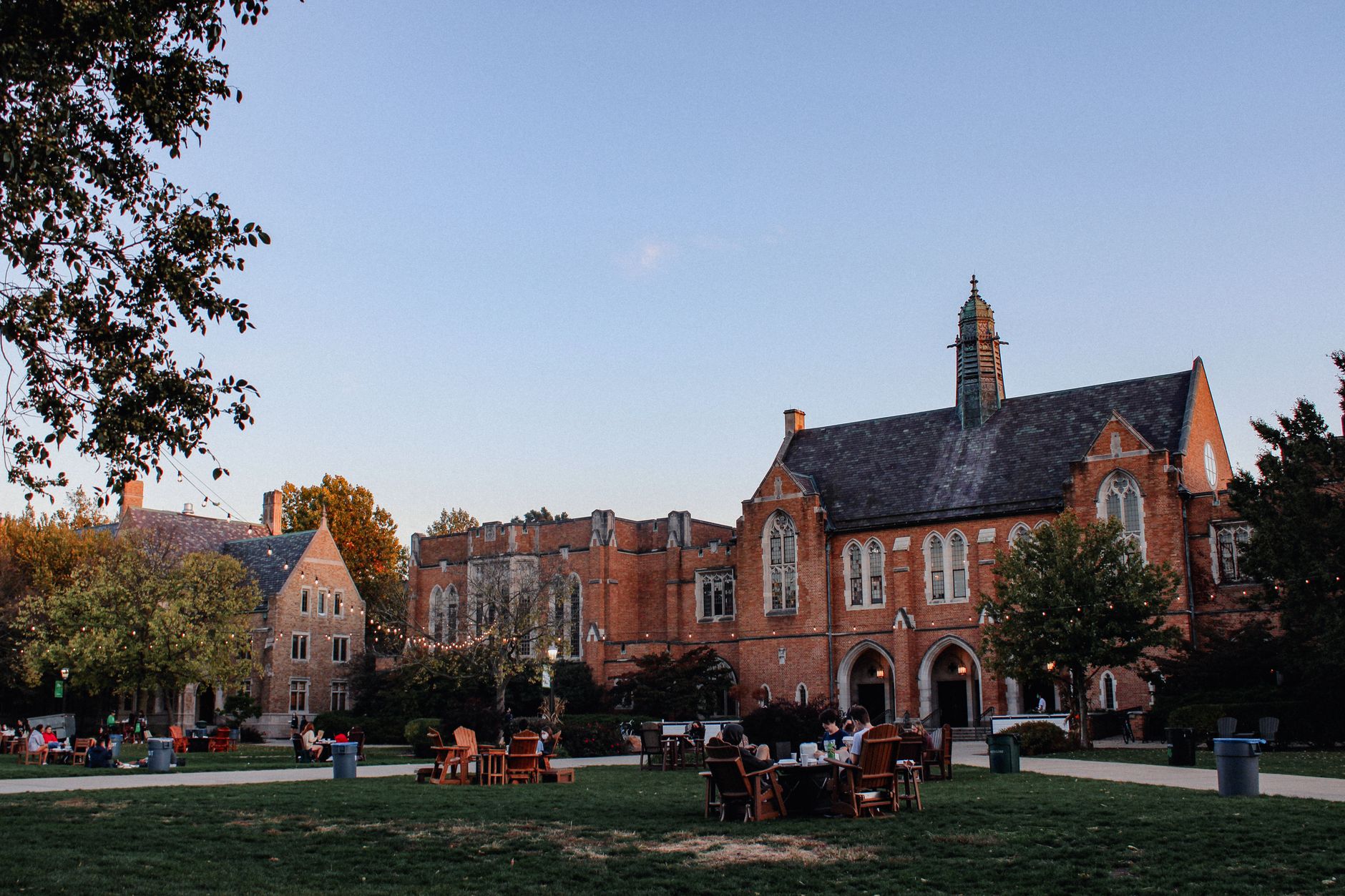
Morning: Start at the University of Notre Dame. Walk from Eddy Street Commons to the Golden Dome and the Basilica (10–15 minutes on foot). Visit the Grotto and the adjacent Snite Museum of Art (both free entry) before the midday tour groups arrive.
Lunch: Eat at a spot on Eddy Street Commons—choose a sit-down place near the circle for quicker service. Plan 30–45 minutes for lunch.
Afternoon: Walk 15–20 minutes across the St. Joseph River to the Studebaker National Museum. Allow 1.5–2 hours to see the main galleries and the New Car Gallery. From Studebaker, a 10-minute walk returns to downtown Washington Street.
Late afternoon: Visit The History Museum (about 5–10 minutes on foot from Studebaker); expect 45–60 minutes for the main exhibits. If energy remains, stroll the Riverwalk along the St. Joseph River and see the East Race Waterway by the water’s edge (5–10 minutes' walk).
Dinner: Try a downtown restaurant near Washington Street for regional American dishes and local beer. Evening: Catch a performance or check the schedule at Morris Performing Arts Center or a small live-music venue; most shows start 7:30–8:00 pm and the area is walkable from downtown hotels.
Day 2
Morning: Head to the East Bank and LaSalle Park area for a relaxed start. Walk the riverfront trails by LaSalle Park and see the Riverwalk sculptures; parking nearby makes this a good morning option if staying outside downtown (20 minutes if coming from Eddy Street Commons by car, shorter on bike).
Late morning: Visit Potawatomi Zoo in nearby Mishawaka—plan 60–90 minutes to see the main habitats. From LaSalle Park to the zoo is a 10–15 minute drive; use Transpo Route connections if avoiding a car.
Lunch: Choose a family-friendly cafe in the Mishawaka strip near the zoo or return to Eddy Street Commons for more options; allow 30–45 minutes.
Afternoon: Spend the afternoon at smaller cultural sites: the South Bend Chocolate Company café and retail storefront in downtown, then a walk through local neighborhoods such as West Washington to see historic houses. Total transit times: downtown to Mishawaka ~10–15 minutes by car, 20–35 minutes by bus depending on route.
Evening: If in season, catch a Purdue-Fort Wayne or local college game, or attend a performance at the Morris Performing Arts Center. Otherwise, choose a quieter evening stroll along the river and grab a casual dinner near Eddy Street Commons.

Day 3
Morning: Reserve this morning for anything missed earlier or for a relaxed departure option. If checking out, store luggage at the hotel and head to the East Race Waterway for a short walk or photos—this keeps the day flexible and close to downtown transit options.
Midday: Visit any remaining museums such as The History Museum or return to the Snite Museum of Art for an exhibition. Allow 60–90 minutes per small museum. If interest is in shopping or local goods, spend an hour at the South Bend Farmers Market or local shops near Eddy Street Commons; check farmers market schedule for seasonal days.
Lunch: Keep lunch close to your hotel or the airport if catching an afternoon flight—allow 45–60 minutes and factor in travel time to SBN (taxi/Uber 8–12 minutes from downtown).
Afternoon: If the flight is late, consider a short tour of Notre Dame Stadium exterior and the campus bookstore for souvenirs. For travelers leaving by train or bus, plan extra time to reach South Bend station or the bus terminal and confirm schedules; the South Shore Line to Chicago or a taxi to SBN are the common departure choices.
Practical note: For afternoon flights, aim to leave downtown 90–120 minutes before departure to account for check-in and security at SBN.
Best Local Experiences
Notre Dame campus rituals: see the Golden Dome, attend Mass at the Basilica if available, and visit the Grotto in quieter morning hours. The East Race Waterway is a unique urban whitewater course—watch paddlers or take photos from the adjacent walkways.
Studebaker National Museum tours and special exhibits give context to 20th-century manufacturing—time visits for docent talks when available. Potawatomi Zoo offers small-scale family animal encounters and seasonal events like Zoo Boo and ZooLights. Attend a Morris Performing Arts Center show or a smaller local music night to see how performing arts function in the downtown core.
Seasonal markets and events: the South Bend Farmers Market (seasonal), River Lights events, and Notre Dame home football weekends are distinct local rhythms that shape how streets feel and what services run.
Where to Stay
Downtown: Suits travelers who want walkable access to museums, restaurants and the East Race Waterway. Expect mid-range hotel rates around $110–$180 per night (USD); approximately €100–€165. This area is best for visitors who plan to walk to most sites and use taxis or Transpo for short hops.
Eddy Street Commons / Notre Dame area: Suits visitors prioritizing immediate campus access, late breakfasts and lots of dining options. Nightly rates run $120–$220 (USD); about €110–€200. This district is ideal for families or campus-focused visitors who want restaurants and shops within a short walk.
Mishawaka / River Park: Suits budget travelers or those who prefer quieter residential stays with easy highway access. Expect $80–$140 per night (USD); roughly €75–€130. It’s a practical choice when parking is needed and when driving to Potawatomi Zoo or regional sites is planned.
Food and Drink
South Bend Chocolate Company: local chocolate maker and cafe downtown; stop for ice cream or chocolate assortments—single scoop $3–$5, boxed chocolates $8–$20. Breakfast option: cafes around Eddy Street Commons serve classic American breakfasts and coffee; expect $8–$14 for a hot breakfast and coffee.
Regional dish: pork tenderloin sandwich—breaded and large, found at local diners and some pubs; price $8–$13. Midwestern comfort: sugar cream pie, a Hoosier specialty, available at bakeries and some restaurants for $3–$5 per slice.
Street food and casual: food trucks and lunch spots near the university offer sandwiches, tacos and quick bowls—typical lunch $7–$12. Dinner recommendation: pick a locally owned bistro or gastropub near Washington Street or Eddy Street Commons for a 2-course meal $18–$35 per person. Local beers and small breweries rotate seasonally; a pint costs $5–$7.
Getting Around
Transit options: South Shore Line commuter rail connects to Chicago from South Bend station—buy tickets on the NICTD app. Transpo operates local buses across routes; check route maps for connections to Eddy Street Commons, downtown and Mishawaka. Single Transpo ride is roughly $1.75; day passes and contactless payment options are increasingly available—verify current fare on the Transpo site or app.
Taxis and ride-hailing are common; expect an airport taxi or Uber from SBN to downtown around $20–$30. Bicycle rental and walking are practical in the core districts around Eddy Street Commons and Notre Dame. Useful apps: NICTD (South Shore Line) and Transpo/TransLoc or the Transit app for local bus schedules.
Best Time to Visit
Spring (April–June): Temperatures usually range 45–75°F (7–24°C). Crowds increase as the university resumes and outdoor events start; good value and fewer weather extremes than summer.
Summer (June–August): Temperatures 65–85°F (18–29°C). Peak activity, more downtown dining hours and outdoor events, but higher hotel rates during July and Notre Dame football preseason weekends.
Fall (September–October): Temperatures 40–65°F (4–18°C). Crisp weather and fall colors on campus; early autumn home football weekends are busy and expensive but atmospheric for campus fans.
Winter (November–March): Temperatures 20–40°F (-7–4°C). Snow and cold are common; museums and indoor sites remain open but expect shorter daylight and some closed seasonal hours. Best value months for lower hotel rates are January and February outside football season.
Budget and Practical Tips
Daily budget estimate (moderate traveler): Accommodation $110–160 (USD) per night; €100–€145. Food $30–50 (USD) daily for breakfast, lunch, dinner and coffee; €28–€46. Transport $5–15 (USD) daily depending on bus use and occasional taxi; €5–€14. Entry fees: Studebaker $12–15, Potawatomi Zoo $8–12, The History Museum $8–10—plan $25–40 (USD) total for two to three paid entries; €23–€37.
Tipping norms follow US standards: 15–20% at sit-down restaurants, $1–2 per drink at bars, and rounding up taxi fares. Expect free or low-cost parking at many museums but limited free downtown street parking; check individual site guidance. Bring a card with chip and PIN and carry small cash for occasional bus fares or small vendors.
FAQ
How safe is downtown for walking at night?
Downtown areas around Washington Street and Eddy Street Commons are generally safe for well-lit walks after dark, but standard city precautions apply—avoid poorly lit side streets and keep valuables secure.
Is the South Shore Line a good option for a day trip to Chicago?
The South Shore Line is convenient but consumes most of a day; one-way fares are about $14–$16 and the ride is roughly 1 hour 45 minutes to 2 hours depending on stops.
Are museum tickets worth buying in advance?
For Studebaker and special exhibitions, buying tickets or checking timed-entry options ahead helps avoid lines; small museums can sell out for special events.
What’s the best way to reach the city from SBN airport?
Taxi or ride-hailing takes about 8–12 minutes to downtown and costs roughly $20–$30; rental cars are available at the airport.
Does a city pass make sense here?
There is no widely used all-in-one city card; buying individual museum tickets and using Transpo day passes is usually more economical.
Are Notre Dame tours free?
Access to outdoor campus areas, the Basilica and the Grotto is free, but guided campus tours may require booking and operate on a limited schedule.
Is South Bend family-friendly?
Yes—Potawatomi Zoo, interactive exhibits at The History Museum and the campus green spaces are practical for families with children.
Can public transit take visitors between downtown and Notre Dame?
Yes—Transpo bus routes and short rides connect downtown with the Notre Dame/Eddy Street area; walking from Eddy Street Commons to campus takes roughly 10–15 minutes.
Conclusion
Three days provides a measured view of the university campus, automotive history at Studebaker, riverfront features like the East Race Waterway, and a sampling of local food and museums. Visitors will most likely remember the contrast between active campus life and quieter downtown blocks, plus the clear feel of industrial history made accessible through museums.
If time runs short, prioritize a campus walk (Golden Dome, Basilica, Grotto) and the Studebaker National Museum—those two experiences together capture the cultural and historical core of a short stay.
How this guide was prepared
This guide was prepared through a structured research that combines destination research, geographic context, itinerary planning logic, and content review.