

3 Days in Chicago: A Practical Itinerary
3-day Chicago itinerary: neighborhoods, architecture, museums, lakefront walks and food markets. Practical transit tips, where to stay and must-see highlights.
A practical, neighborhood-focused 3-day plan combining top museums, architecture, lakefront time, and neighborhood food scenes. Designed for first-timers and repeat visitors alike.
Chicago is a dynamic lakefront metropolis known for bold architecture, deep-dish and neighborhood food scenes, world-class museums, and a lively music and theater culture. It suits city lovers who want a mix of museums, cutting-edge design, riverside strolls, and approachable neighborhoods—families, foodies, and architecture fans all find something memorable. Three days is ideal: enough time to see signature sights, explore two or three neighborhoods at a relaxed pace, and fit in an architectural river cruise or museum visit without a rushed schedule. A compact transit network and walkable downtown make a three-day loop efficient and satisfying.
This guide maps a logical 72-hour loop with transit tips, where to stay, and the best local experiences for a weekend or short city break.
Why Visit
Chicago balances big-city culture with accessible neighborhoods. You’ll get landmark architecture from the Loop and skyscrapers, a waterfront vibe along Lake Michigan, influential museums on Museum Campus, and distinct eating scenes in the West Loop, Pilsen, and Lincoln Park. The city’s music history—from blues clubs to jazz—adds after-dark texture. Museums are concentrated and many attractions cluster within short transit hops, so you can pack a lot into three days without constant transfers or long drives.
Quick Planning Tips
Buy a 3-day transit pass or use contactless fare on the 'L' and buses for unlimited trips. Reserve timed-entry tickets for the Art Institute and popular museums, and book an architectural river cruise in advance for the best times. Dress in layers—wind from the lake can change plans even in summer. Prioritize neighborhoods instead of trying to hit every museum; two museum days plus one neighborhood and riverfront day is a comfortable rhythm.
Download a transit map, check event schedules at major venues (Wrigley shows, theater runs), and make dinner reservations for peak evenings.

Day 1
Morning: Start in the Loop. Stroll Millennium Park to see Cloud Gate and Crown Fountain, then walk to the Art Institute of Chicago for Impressionist and modern collections—plan 2–3 hours. Midday: Grab a quick deep-dish sampler or Italian beef near the Loop; try a second-city lunch in a food hall like Revival Food Hall.
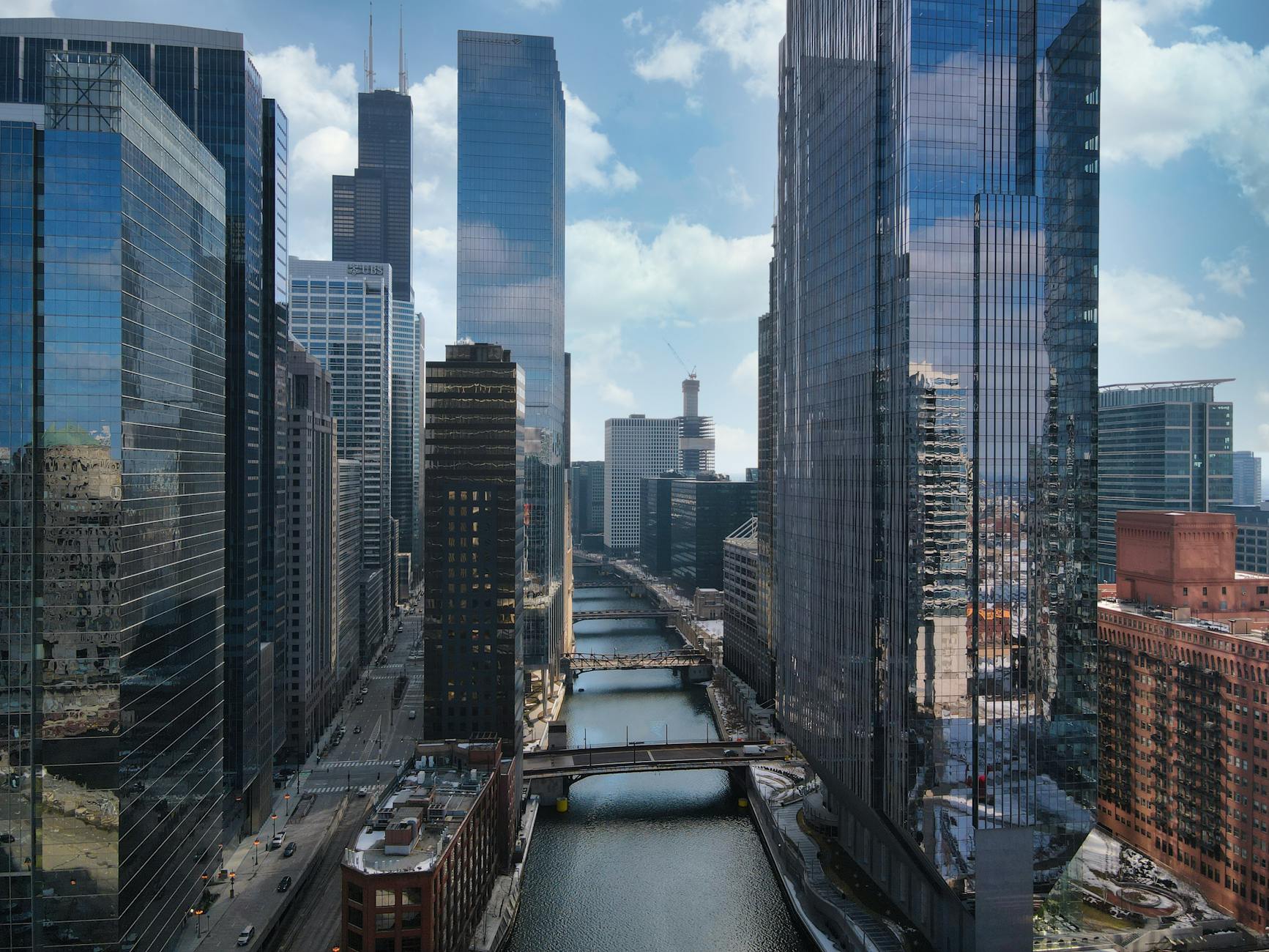
Afternoon: Take an architectural river cruise (60–90 minutes) from the Chicago Riverwalk to learn about the city’s skyscrapers. Evening: Head to the West Loop for dinner on Randolph Street (restaurant row) and rooftop drinks. West Loop has craft dining and an active night scene.

Day 2
Morning: Spend the morning on Museum Campus. Choose the Field Museum for natural history or the Shedd Aquarium for aquatic life; both are close together. If you prefer science, opt for the Museum of Science and Industry in Hyde Park instead (plan for a half to full day).
Afternoon: Walk or bike along the lakefront path toward Grant Park and Soldier Field. Stop at a lakeside café or the Museum Campus green spaces. Evening: Catch a show in the Loop or head to a blues club in River North. For sports fans, check schedules for a Cubs game at Wrigley or a Bulls/Blackhawks event.

Day 3
Morning: Explore a local neighborhood—Lincoln Park for the zoo and Conservatory, or Pilsen for murals and Mexican food. Lincoln Park offers relaxed streets, cafes, and easy access to the lake.
Afternoon: Shop the Magnificent Mile or visit the Willis Tower Skydeck for city views. If weather is good, rent a bike or take a short boat trip on Lake Michigan. Evening: End with a special meal in River North or a walk along Navy Pier to see the skyline illuminated. Time your return to airport or train with rush-hour considerations.

Best Local Experiences
Take an architecture river cruise for history and skyscraper context. Eat in the West Loop for high-end dining and at an authentic taqueria in Pilsen. Walk the Lakefront Trail from Grant Park to North Avenue Beach for water views and skyline photography. Visit a jazz or blues club—local venues often feature top musicians. Catch a neighborhood farmer’s market or visit the small museums off the beaten path for a quieter, local perspective.

Where to Stay
Loop and River North are best for first-time visitors—central, walkable, and close to metro lines. Lincoln Park and Lakeview suit quieter, more residential stays with easy lake access and good restaurants. West Loop is ideal for food-focused travelers who want trendy dining within walking distance. If attending events at UChicago or the Museum of Science and Industry, consider Hyde Park.
Book hotels near an 'L' station to minimize transfers; many attractions are within a short ride or walk.
Food and Drink
Don’t miss Chicago staples: deep-dish pizza, Italian beef, and Garrett popcorn or Chicago-style hot dogs. Neighborhoods deliver better meals: West Loop’s fine dining, Pilsen’s taquerias, Chinatown’s dim sum, and Andersonville’s cafés. Try a brunch in Bucktown or Logan Square for craft coffee and pastries. For drinks, look for rooftop bars near the river and intimate jazz/blues clubs in River North and Uptown.
Tipping: 18–20% is standard in restaurants and bars for table service.
Getting Around
Chicago’s CTA 'L' trains and buses cover the city; many attractions sit within walking distance of Loop stations. Use contactless payment or a Ventra card for convenience. Rideshares and taxis fill gaps late at night or for neighborhoods with limited transit. Biking is popular—Divvy bike-share docks are widespread along the lake and in neighborhoods. Allow extra time crossing the river during peak hours and check schedules for weekend rail maintenance.
Airport transfers: Blue Line connects O'Hare to downtown; Metra trains and buses serve Midway and suburbs.
Best Time to Visit
Late spring through early fall (May–October) offers the best weather for lakefront walks, rooftop dining, and outdoor events. July and August are busiest and warmest. Shoulder seasons—late April and October—deliver fewer crowds and lower hotel rates but can be cooler. Winters are cold and snowy, useful if you prefer museum-heavy visits, theater, and lower prices—pack warm layers and plan indoor activities.
Budget and Practical Tips
Most museums offer discounted or free entry days—check websites for deals. A transit pass saves money if you plan several trips. Many attractions have timed entries; book those in advance to avoid lines. For a midrange budget, mix one splurge dinner with casual neighborhood meals and use local bakeries for breakfast. Expect higher hotel rates during major conventions and sports events—book early.
Carry a compact umbrella and comfortable walking shoes; sidewalks and riverwalks are best explored on foot.
FAQ
How much can I see in three days?
You can comfortably visit the Art Institute, one or two Museum Campus institutions, take an architecture cruise, and explore two neighborhoods with time for dining and a skyline view.
Is public transit easy for visitors?
Yes. The CTA 'L' covers downtown and neighborhoods; connect with buses or short rideshares as needed. Use a Ventra card or contactless payment.
Where should I eat for a classic Chicago meal?
Try deep-dish at Lou Malnati’s or Pequod’s, an Italian beef sandwich at Portillo’s or a local shop, and a Chicago-style hot dog from a neighborhood stand.
Are museums easy to visit in a single day?
Museum Campus museums cluster together for efficient visits; Museum of Science and Industry is farther south and can take a half to full day.
Is the city walkable?
Downtown and many neighborhoods are very walkable; expect longer walks along the lakefront and shorter hops between transit and attractions.
Any safety tips for a short trip?
Stay in well-lit areas at night, keep valuables secure, use official cabs or rideshares after dark, and follow local transit advisories.
Conclusion
A three-day visit balances iconic sights with neighborhood flavor: architecture, museums, lakefront time, and memorable meals. Use transit to maximize time, pick one museum-heavy day, and reserve evenings for neighborhoods and live music. With a compact plan you’ll leave with a strong sense of why the city mixes big-city culture and approachable local life—enough seen to inspire a return.
How this guide was prepared
This guide was prepared through a structured research that combines destination research, geographic context, itinerary planning logic, and content review.