

Kalamazoo in 3 Days: Practical Itinerary and Local Tips
A practical 3-day Kalamazoo itinerary with transit, costs, and honest local tips to plan museums, trails, breweries, and neighborhoods efficiently.
A reliable 72-hour plan for seeing downtown museums, WMU campus, nearby Gilmore Car Museum and Air Zoo, tasting Bell's beers, and using local buses and trails.
First impression: a compact downtown with a college town edge, a busy arts scene and several museums that punch above what the population size suggests. Streets around Bronson Park and Michigan Avenue feel walkable; the university adds weekday bustle and student-oriented cafés. Traffic is generally light outside rush hours, but parking can get tight for WMU events and Saturday markets.
Expect straightforward Midwestern hospitality rather than metropolitan variety. Many visitors underestimate how much can be covered on foot plus a short bus ride or 20–30 minute drive to suburban attractions. This suits travelers who prefer paced exploring—museums, a brewery visit, a riverside walk—rather than those who need late-night entertainment or frequent high-end dining options.
Downtown hotels and a few neighborhood B&Bs concentrate convenience; a rental car helps for Gilmore Car Museum in Hickory Corners or the Air Zoo in Portage but is unnecessary for a tight downtown + WMU plan. Weather can change quickly in shoulder seasons, so keep a light rain layer for spring and fall afternoons.
Is 3 days in Kalamazoo enough?
Three days in Kalamazoo is enough to cover downtown museums, a WMU campus visit, a brewery or two, and a day trip to Gilmore Car Museum or Air Zoo. One honest caveat: a long list of small neighborhood restaurants and some seasonal festivals will have to be skipped.
Who This Guide Is For
Best for travelers who enjoy small-city culture, museums, craft beer and short drives; less suitable for those seeking major-nightlife clusters or big-city shopping. Budget travelers and families can do well here; luxury-focused visitors will find fewer high-end hotel options.
Local Tips for Kalamazoo
Practical details that most travel sites skip — specific to Kalamazoo.
- Buy a one-day Kalamazoo Metro Transit pass on board or via the Transit app; cash fares are often $1.50 exact change and drivers do not make change.
- Bell's Eccentric Café in downtown and the Bell's Brewery tasting room in Comstock/Emmett Township stock seasonal Oberon (spring–summer) and Two Hearted on draft—ask staff for flight sizes rather than full pours.
- Kalamazoo Valley Museum on W. Michigan Ave near Bronson Park is free and hits local history and science exhibits; allocate 60–90 minutes.
- Take the Kal-Haven Trailhead at Bronson Park or the Arcadia Creek Trail for short urban sections; the Kal-Haven route connects to trails toward South Haven for multi-day bikers.
- Amtrak stops at Kalamazoo Amtrak Station on the Chicago–Detroit corridor (Wolverine service); it’s a practical alternative to flying for weekend trips.
How This Guide Was Prepared
Kalamazoo rewards travelers who plan by neighborhood rather than trying to cram statewide highlights. Many guides treat it as a day-stop on the way to Grand Rapids or Chicago; this plan treats it as a small city with its own museum circuit, university ambience, and a disproportionate craft-beer scene. Practical timing, transit choices and honest costs are the focus rather than glossy lists of every possible option. This guide was prepared through a structured research that combines destination research, geographic context, itinerary planning logic, and content review.
Plan Your Stay in Kalamazoo
Use this itinerary as your starting point, then compare areas to stay, transport options, seasonal timing, and realistic daily costs before booking.
Why Visit
Kalamazoo hosts a disproportionately strong museum cluster for its size. The Kalamazoo Institute of Arts and the free Kalamazoo Valley Museum both sit within easy walking distance of Bronson Park and cover visual art and local science/history respectively.
The craft-beer scene centers on Bell's (regional flagship) and a number of local taps in downtown pubs, which makes tasting new-season American ales an easy afternoon activity without long travel. Oberon and Two Hearted are local seasonal names that frequently appear on menus.
A third reason is access to notable day-trip attractions nearby. Gilmore Car Museum in Hickory Corners is a 25–30 minute drive and is one of the country's larger car collections. Air Zoo in Portage, roughly 15 minutes by car, is an interactive aerospace museum that works well for families.
Finally, Kalamazoo's trail network and riverfront—Arcadia Creek and the Kal-Haven Trailhead—are practical for short rides or walks, which suits travelers who prefer a mix of urban culture and outdoor time without long travel to regional parks.
Quick Planning Tips
Arriving by air: Kalamazoo/Battle Creek International Airport (AZO) sits about 10–15 minutes by taxi from downtown; typical taxi fare is about $25–40 depending on time and number of passengers. Flying into Detroit or Grand Rapids is an option, but add 1–1.5 hours of driving time.
Arriving by train: Kalamazoo Amtrak Station on Rose Street serves Chicago–Detroit corridor trains and puts downtown within a 10–15 minute cab ride or a 20–30 minute walk. Book trains early on holiday weekends when student travel bumps demand.
Payment and money: most places accept cards, but bring $5–10 cash for small museum donations, farmers market vendors or transit drivers that sometimes prefer exact change. Use the Transit app or Google Maps to check Kalamazoo Metro Transit routes and real-time arrivals. Avoid the mistake of assuming rideshare coverage equals urban levels; availability can be limited late at night or on Sundays.

Day 1
Morning: Start at Bronson Park and walk to the Kalamazoo Institute of Arts (about a 2–5 minute walk). Allow 60–90 minutes for galleries and rotating exhibits; admission is usually around $8–12 for adults. From KIA, walk west along South Burdick Street to downtown shops and cafés (5–10 minutes).
Late morning: Head to the Kalamazoo Valley Museum on West Michigan Avenue (10–12 minute walk or a 5 minute bus ride via Metro Route 1/Routes that serve downtown). The museum is free; interactive exhibits and the planetarium make it family-friendly. Allocate 60–90 minutes.
Lunch: Eat at a downtown café or sandwich shop along East Michigan Avenue near Bronson Park; a typical lunch runs $10–15. Examples include café‑style delis and bakeries with salads and sandwiches.
Afternoon: Walk the Arcadia Creek trail (Arcadia Creek Festival Site) from downtown for 20–40 minutes of riverside paths, or visit the nearby Olde Peninsula for a short stroll. If interested in local breweries, visit Bell's Eccentric Café or another downtown taproom—expect 20–30 minutes travel time depending on walking route.
Evening: Dinner on Burdick or Michigan Avenue—many restaurants close by 9–10pm so book ahead for weekend dining. After dinner, check a local music venue calendar or a small downtown bar for live music; this area tends to quiet down after 11pm.

Day 2
Morning: Spend the morning on Western Michigan University grounds. Park near Miller Auditorium or the Bernhard Center and walk the campus; WMU’s campus buildings and public art take about 60–90 minutes to see. From downtown, drive or take Metro Route 10/12 which connects downtown to campus in 10–20 minutes depending on traffic.
Late morning: Visit the Fetzer Center or nearby student coffee shops for a light snack. Afterward, drive or take a short ride to the Old West Side Historic District (8–12 minutes by car from WMU) to view well-preserved 19th-century homes and shaded streets.
Lunch: Have lunch in the Old West Side or back in the Vine neighborhood where local sandwich shops and cafes serve mid-priced meals ($10–18). Allow 30–45 minutes.
Afternoon: Drive 15–20 minutes to Portage for the Air Zoo Aerospace & Science Museum. Expect 1.5–3 hours there; general admission typically runs around $20–25 for adults and offers hands-on exhibits and flight simulators. Alternatively, swap Air Zoo for time on the Kal-Haven Trail if the weather is good.
Evening: Return to downtown or the WMU area for dinner. On event nights at Miller Auditorium check show times in advance—dinner reservations help avoid rush before performances.

Day 3
Morning: Drive 25–30 minutes to Gilmore Car Museum in Hickory Corners. Allocate at least two hours; admission is often around $20–25 for adults and the grounds include multiple buildings with rotating themed exhibits. Parking is on site and straightforward.
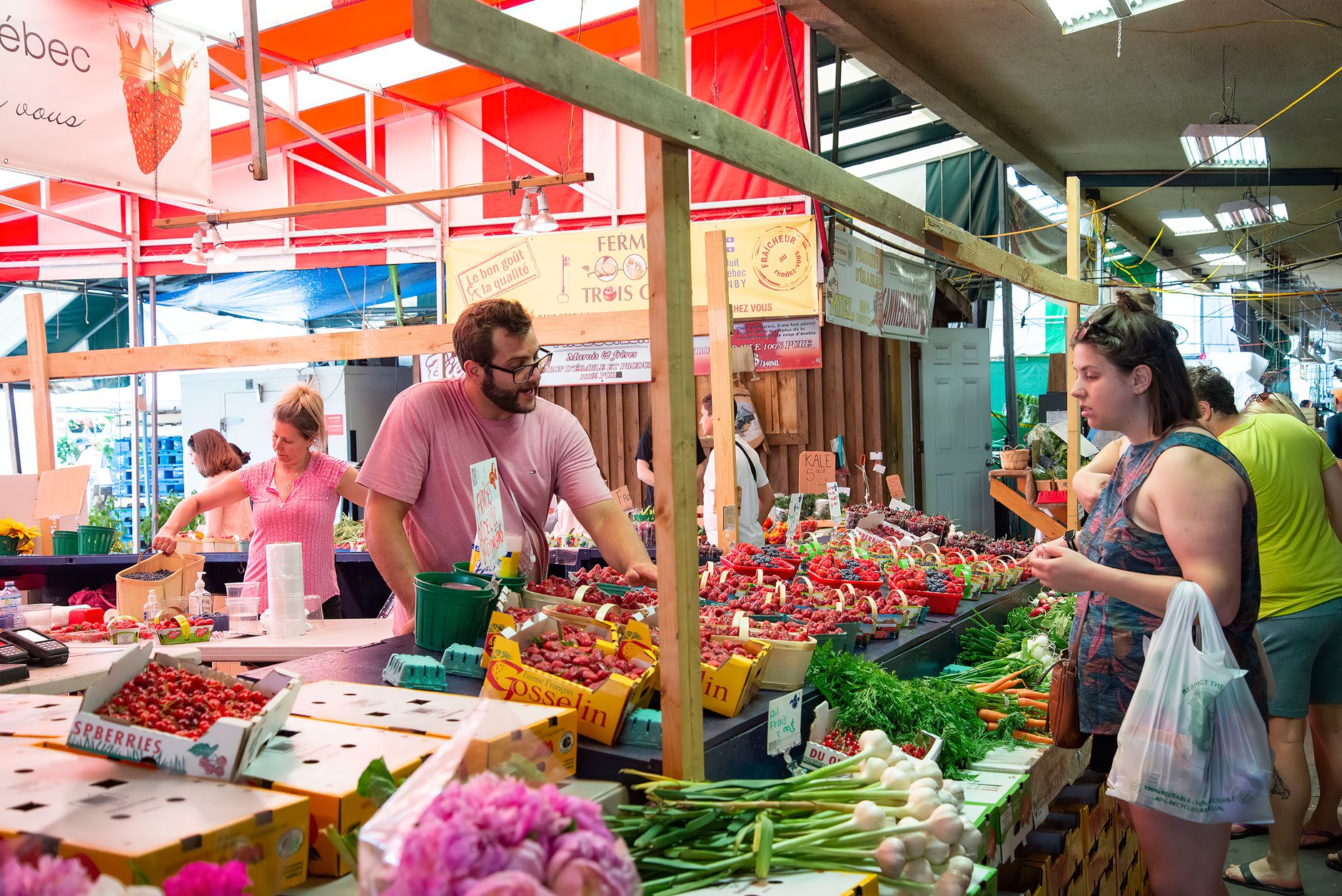
Late morning return: Head back toward downtown and stop at the Kalamazoo Farmers' Market (weekend hours vary; busiest Saturday mornings) for seasonal produce and bakery items—ideal for a casual lunch or picnic. The market is a short drive from downtown, or a 10–15 minute walk if staying near Bronson Park.
Afternoon: If flying out in the afternoon, plan for a light downtown activity such as the Kalamazoo Institute of Arts if missed on Day 1 or a short river walk on Arcadia Creek. If staying longer, consider a paddle on the Kalamazoo River with a local outfitter; allow 2–3 hours.
Departure note: For afternoon flights from AZO, leave downtown 60–90 minutes before scheduled departure to allow for rental-car return or airport security. For Amtrak departures, arrive 30–45 minutes early for checked baggage or ticketing needs.
Evening option: If time allows before a late flight, a final dinner near Bronson Park or a takeaway from a market vendor makes for an easy final meal before travel.

Best Local Experiences
Kalamazoo Farmers' Market (downtown weekend market) — best for seasonal produce, baked goods and local vendors; busiest Saturday mornings. Arcadia Creek Festival Site — riverside events and occasional concerts in summer, walkable from Bronson Park. Bell's Brewery experiences — taproom pours and seasonal releases like Oberon in spring; ask about flight sizes to taste multiple beers. Kal-Haven Trail — use the Bronson Park trailhead for short day hikes or cycling segments; this is a practical urban-to-country trail start. Gilmore Car Museum — a substantial specialty collection in Hickory Corners that justifies a half-day visit for car enthusiasts.
Additional picks: Kalamazoo Institute of Arts for rotating contemporary exhibits, the Air Zoo in Portage for interactive aerospace displays, and a local film screening or music event at the State Theatre or an alternative downtown venue. These experiences show the area's mix of college-driven arts, family-friendly museums and a strong regional beer culture.
Where to Stay
Downtown (Bronson Park / Burdick Street): Suits travelers who want walkable access to museums, restaurants and evening options. Close to Kalamazoo Institute of Arts and Kalamazoo Valley Museum. Typical nightly cost: US$110–170 (≈ €100–155). Old West Side Historic District: Suits visitors seeking a quieter historic-neighborhood feel with short drives or a 15–20 minute walk to downtown. Expect bed-and-breakfasts and guest houses. Typical nightly cost: US$90–150 (≈ €82–137). Western Michigan University area (Knauss or surrounding streets): Suits attendees of university events or those who prefer campus proximity; parking and eateries are nearby. Typical nightly cost: US$80–140 (≈ €73–128). Portage/Comstock suburbs: Suits visitors planning to use the Air Zoo or those comfortable driving; chain hotels and easier highway access. Typical nightly cost: US$80–130 (≈ €73–119).
Booking tip: Rates spike for WMU home football games and local festivals, so check the university calendar before reserving. Many hotels offer free parking, which is useful when planning day trips to Gilmore or Air Zoo.
Food and Drink
Bell's beers (Oberon, Two Hearted): Oberon is a wheat ale typically on draft in spring–summer; try at Bell's Eccentric Café or local taprooms. Expect $5–7 for a 12–16 oz pour. Farmers' Market corn and seasonal produce: Summer sweet corn and stone fruits are highlights; sample vendors on Saturday mornings, $2–5 per item depending on season.
Pasties (Upper Peninsula meat pies): A regional meat-and-potato turnover found at some bakeries and market stalls; a hearty takeaway option priced roughly $5–8. Cider and craft cocktails: Several downtown bars serve Michigan hard cider and cocktails using local apple cider; a cocktail runs $8–12. Breakfast sandwich and bakery pastries: Local cafés and bakery counters near Bronson Park or WMU offer breakfast sandwiches and pastries for about $4–8; look for cafés on Burdick Street or near campus.
Dinner recommendation: Choose a mid-priced restaurant on East Michigan Avenue or Burdick Street for seasonal American fare—mains typically $14–28. Many restaurants use local produce and rotate menus by season; reservations are recommended for weekend dinners.
Getting Around
Public transit: Kalamazoo Metro Transit operates local bus routes that serve downtown, WMU and Portage. Common routes include downtown circulators and campus connectors; check real-time schedules via the Transit app or the Metro Transit website. Single-ride fares are typically around US$1.50; day passes and reduced fares are available—buy passes on board or with the app.
Train: Amtrak Wolverine trains stop at Kalamazoo Amtrak Station on the Chicago–Detroit corridor; convenient for travelers coming from Chicago or Detroit without driving. Airport: Kalamazoo/Battle Creek International Airport (AZO) is about 10–15 minutes from downtown by taxi; airport shuttles or hotel pickups are common.
Taxi and rideshare: Taxi fares from AZO to downtown run roughly US$25–40. Rideshare coverage exists but can be limited late at night; plan ahead on weekends. Biking and walking: Downtown is compact—many neighborhoods and museums are within 10–20 minutes on foot. Bike lanes and the Arcadia Creek trail handle short rides; consider bringing or renting a bike for trail segments.
Best Time to Visit
Spring (April–June): Temperatures usually range from 45–75°F (7–24°C). Festivals begin in late May and June, and Bell's Oberon hits taps—expect pleasant weather with occasional rain; this is a good balance of mild crowds and open outdoor activities. Summer (July–August): Temperatures often sit between 65–85°F (18–29°C). Peak tourist weekends and farmers market activity occur, and trail usage is high; expect higher hotel rates and busier restaurants.
Fall (September–October): Temperatures fall to 40–65°F (4–18°C). Fall foliage and college events create strong weekend demand; this is a good time for museum visits and trail walks. Winter (November–March): Temperatures frequently drop below freezing; museum and indoor activities still work well but some outdoor plans may be limited by snow. Shoulder months (late spring and early fall) offer the best balance of weather, lower rates and available restaurant reservations.
Budget and Practical Tips
Typical daily budget (mid-range traveler): Accommodation US$110–150 (≈ €100–137), food US$30–60 (≈ €27–55), transport US$3–10 (≈ €3–9), entries US$10–30 (≈ €9–27) depending on museum choices. A reasonable daily total is US$155–250 (≈ €140–227) including one paid attraction and two meals out.
Lower-budget options: Stay in a budget chain or guesthouse (US$70–90/night ≈ €64–82), use Kalamazoo Metro Transit and eat market meals or fast-casual for food (US$15–30/day). Family costs rise mainly for attraction admissions like Air Zoo or Gilmore Car Museum.
Tipping and payments: Standard U.S. tipping norms apply—15–20% at sit-down restaurants, $1–2 per drink at bars, and 10–15% for taxi drivers. Most businesses accept cards; carry small cash for market vendors and exact-change bus fares. A practical tip: book hotels early around WMU graduation and home football weekends when local inventory tightens.
FAQ
Is downtown Kalamazoo safe for solo travelers?
Downtown is generally safe during daytime and well-lit evenings; usual precautions apply—watch belongings and avoid poorly lit side streets late at night.
How do I get from the airport to downtown?
Kalamazoo/Battle Creek International Airport (AZO) is about a 10–15 minute taxi ride to downtown with fares around US$25–40; some hotels provide shuttle service—confirm in advance.
Is a rental car necessary for a 3-day stay?
A rental car is not required if staying downtown and focusing on museums, WMU and breweries; a car is useful for Gilmore Car Museum or broader regional exploration.
Are city cards or tourist passes worth buying?
There is no widely promoted all-in-one city pass; individual attraction tickets (Gilmore, Air Zoo) are generally purchased separately, and the free Kalamazoo Valley Museum reduces pass value for museum bundles.
What are good options for getting around without a car?
Use Kalamazoo Metro Transit buses, Amtrak for regional rail, local taxis and rideshare, and walking—many downtown sights are within 10–20 minutes on foot.
Do restaurants and shops accept credit cards?
Most accept major cards, but bring small cash for farmers market vendors, some small cafés and exact-change bus fares.
How family-friendly is Kalamazoo?
Very family-friendly—Air Zoo and Kalamazoo Valley Museum offer hands-on exhibits; parks and trails are suitable for children.
Can Kalamazoo be a weekend stop between Grand Rapids and Chicago?
Yes—Amtrak service and I-94 access make it a practical stop, but allow additional travel time if depending on intercity schedules.
Conclusion
A focused 72-hour visit will leave a clear sense of the museum circuit, Bell's brewery culture and the university-flavored neighborhoods. Travelers most often remember a compact downtown around Bronson Park, the free Kalamazoo Valley Museum and a brewery flight rather than any single extravagant attraction. If time is tight, prioritize the Kalamazoo Institute of Arts or the Air Zoo (family) and one brewery visit; these deliver the most distinct local impressions in limited time.
Practical final note: plan around WMU events and farmers-market weekends for the best experience, and allow one longer half-day for Gilmore Car Museum or the Kal-Haven trail if those interests matter.
How this guide was prepared
This guide was prepared through a structured research that combines destination research, geographic context, itinerary planning logic, and content review.