
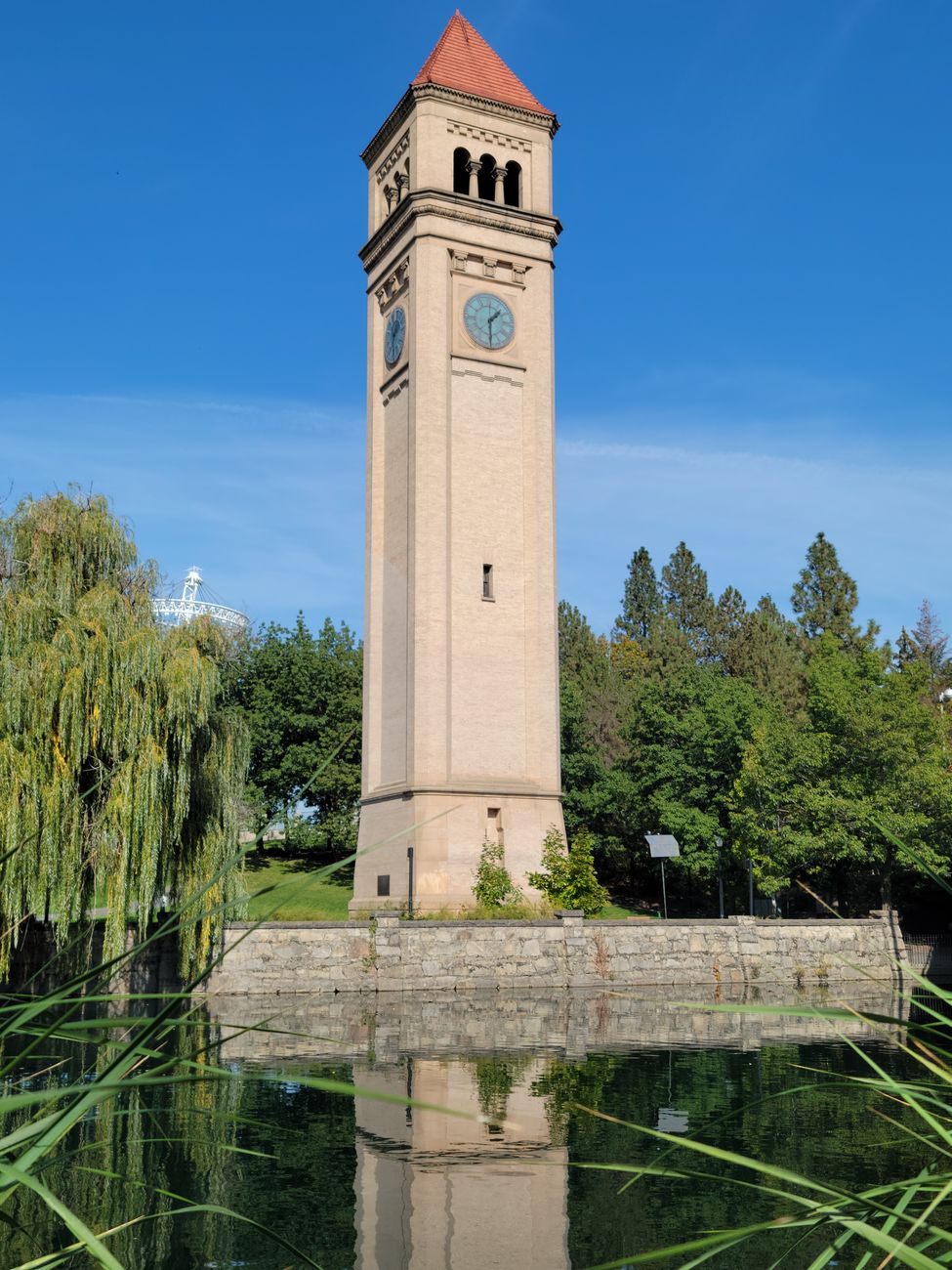
3-Day Spokane Itinerary: Riverfront, Parks & Local Eats
A practical 3-day Spokane guide covering Riverfront Park, Manito Park, Kendall Yards, Mount Spokane, transit and honest food and timing tips.
A clear, realistic plan for three days in Spokane that balances downtown sights, neighborhood walks, and one outdoor day — with timing, transit and food notes.
Expect a mid-sized inland Pacific Northwest place where the river and falls stitch industrial infrastructure into public parkland. First impressions often contrast the restored downtown riverfront and the older grid of brick storefronts with quiet, residential streets in Browne's Addition and tree-lined avenues in Moran Prairie.
Crowds concentrate around a few pinch points: Riverfront Park by the falls, Monroe Street Bridge, and weekend markets. Noise from trains and event traffic is part of the soundscape in some neighborhoods, so pick lodging accordingly.
This place suits travelers who like short urban walks paired with a single, solid outdoor day: easy access to parks, trails, breweries and a handful of museums without the cost or transit grid of a major metropolis. Visitors expecting a dense public-transit metro or dozens of museums will find the options limited compared with larger coastal cities.
Is 3 days in Spokane enough?
Yes: three days lets a traveler reliably see downtown Riverfront Park, Manito Park, the Browne's Addition and Kendall Yards neighborhoods, plus one full outdoor excursion. The main caveat is time: skipping a full day on Mount Spokane or a long Riverside State Park hike will be necessary to keep the itinerary relaxed.
Who This Guide Is For
Best for travelers who want a mix of city walks, neighborhood food and one outdoor day; not ideal for people expecting a dense museum crawl or a single compact city center. Works well for mid-range budgets and car renters.
Local Tips for Spokane
Practical details that most travel sites skip — specific to Spokane.
- Looff Carrousel at Riverfront Park costs around $1 per ride and the coin kiosk is by the roundhouse; rides can be cash-only at the machine.
- Frank's Diner (East Sprague Ave) is a classic 1927 dining car popular for breakfast and weekend queues form early, especially on game days during Gonzaga season.
- Check Gonzaga University men's basketball schedule at McCarthey Athletic Center before booking weekend hotels; home games often double downtown rates.
- Spokane Transit Authority (STA) runs buses and the City Line BRT; buy fares on the STA app or at vending machines and carry small bills for occasional cash-only kiosks.
- Bloomsday (third Sunday in May) and Hoopfest (June) are major local events — expect crowded roads, booked hotels, and limited parking if visiting during those weekends.
How This Guide Was Prepared
This guide treats Spokane as a mid-sized regional hub rather than a miniature version of Seattle. Many guides either over-sell it as a weekend resort or ignore the city’s split personality: an industrial riverfront that has been repurposed into walkable civic space and several distinct residential neighborhoods with their own food scenes. Practical trade-offs — like skipping a full Mount Spokane summit to save time for local breweries — are stated plainly. This guide was prepared through a structured research that combines destination research, geographic context, itinerary planning logic, and content review.
Plan Your Stay in Spokane
Use this itinerary as your starting point, then compare areas to stay, transport options, seasonal timing, and realistic daily costs before booking.
Why Visit
Riverfront Park and the falls offer one of the most visible civic redevelopments in the inland Northwest; the area around the Looff Carrousel and the clocktower is walkable and compact. Manito Park provides classic Olmsted-style plantings and greenhouse conservatory displays that are unusually formal for a city this size.
Browne's Addition contains late-19th-century homes and a concentration of restaurants and bars clustered near Sprague Avenue. Kendall Yards demonstrates recent infill planning with riverside paths, a farmers market and bike-friendly streets. For outdoors days, Mount Spokane State Park and Riverside State Park are both within an hour and offer everything from alpine hiking to river-side rock formations.
A small but lively craft beer and coffee scene lets food-focused visitors sample regional ingredients — huckleberry treats, smoked salmon, and locally brewed beers — without long waits or tourist markup found in bigger cities.
Quick Planning Tips
Fly into Spokane International Airport (GEG); downtown is roughly a 15–20 minute drive in normal traffic. Taxis or ride-hailing apps typically cost about $35–50 to downtown; some hotels offer a shuttle — confirm before arrival.
Carry US dollars and a chip-enabled credit card; most shops accept cards but farmers markets and a few attractions can be cash-preferred. Book hotels early for summer weekends and check for Gonzaga home-game dates or Hoopfest and Bloomsday, which double demand.
Reserve any rental car if planning Mount Spokane or Riverside State Park hikes; public transit covers downtown and nearby neighborhoods but not frequent alpine shuttles. If arriving by train on the Amtrak Empire Builder, station access is 10–15 minutes by taxi to downtown.
Day 1
Morning: Start at Riverfront Park to see Spokane Falls and the historic Looff Carrousel. Arrival at the park is best early to avoid midday crowds; the clocktower and exposed falls walkways are a 5–15 minute circuit.
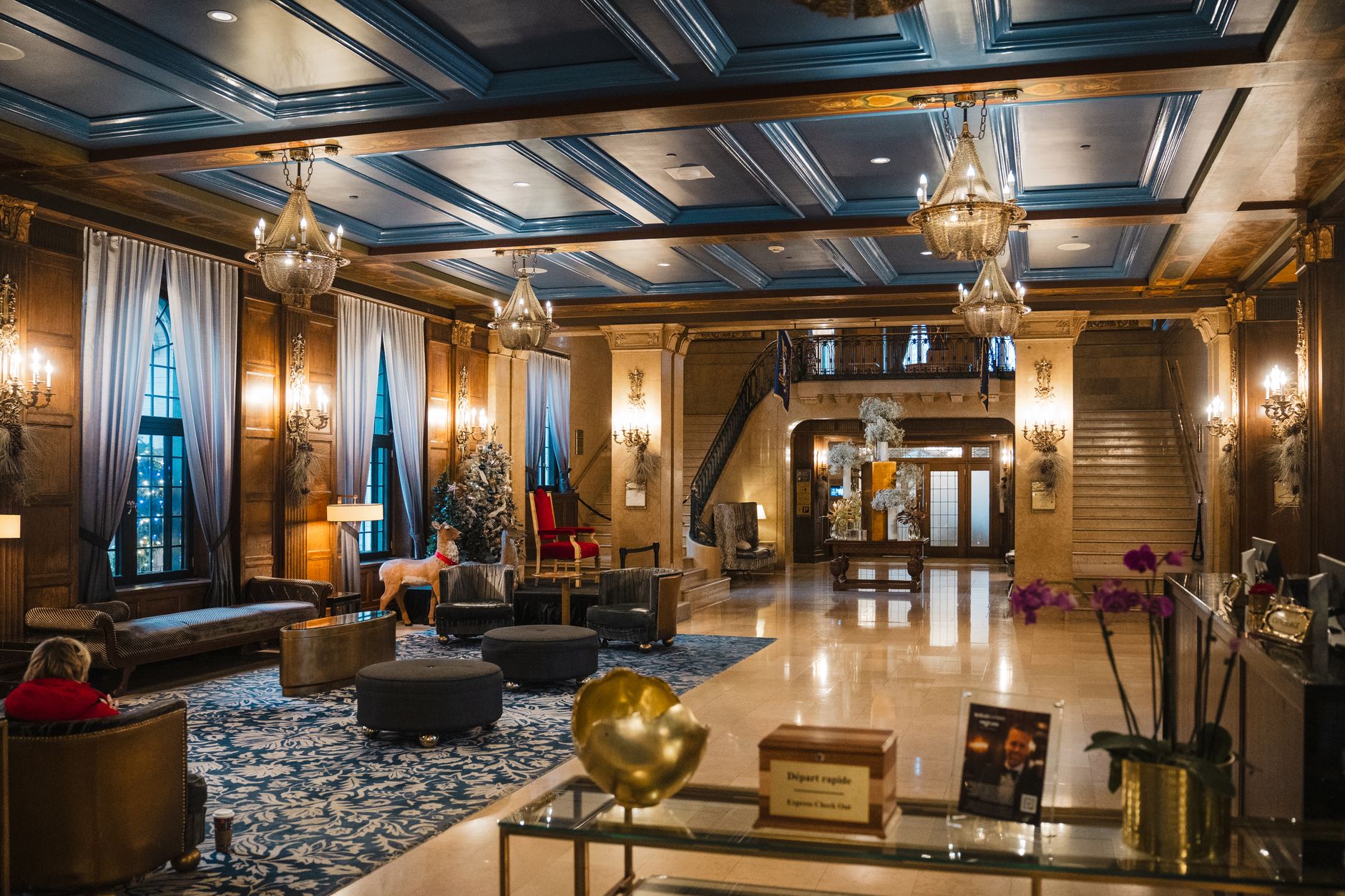
Walk (10–15 minutes) to River Park Square for a quick coffee, then head to the Davenport Hotel lobby for photos and a look at restored 1914 architecture. The Davenport is adjacent to downtown retail and a short walk to nearby galleries.
Lunch: Clinkerdagger (river-facing near the Monroe Street Bridge) offers a Pacific Northwest menu and riverside views, expect a 10–20 minute walk from Riverfront Park. After lunch, walk (5–10 minutes) to the Spokane Convention Center area to visit nearby public art and riverfront trails.
Afternoon: Cross the Monroe Street Bridge and walk into Browne's Addition’s northern edge to see the historic homes and small boutiques (15–20 minute walk from the Davenport). Pop into a local brewery or coffee shop in the neighborhood.
Evening: Finish with sunset views back at the falls and a concert or show at The Fox or Knitting Factory if there’s an event. Dinner options around the Davenport and Howard Street are plentiful, but reservations are recommended on weekends.
Day 2
Morning: Start in Browne's Addition for a residential walk past Victorian-era homes and short blocks of cafes. Frank's Diner on East Sprague is a classic breakfast stop; expect a queue on weekend mornings and plan for a 10–15 minute taxi or a 25–30 minute walk from downtown.
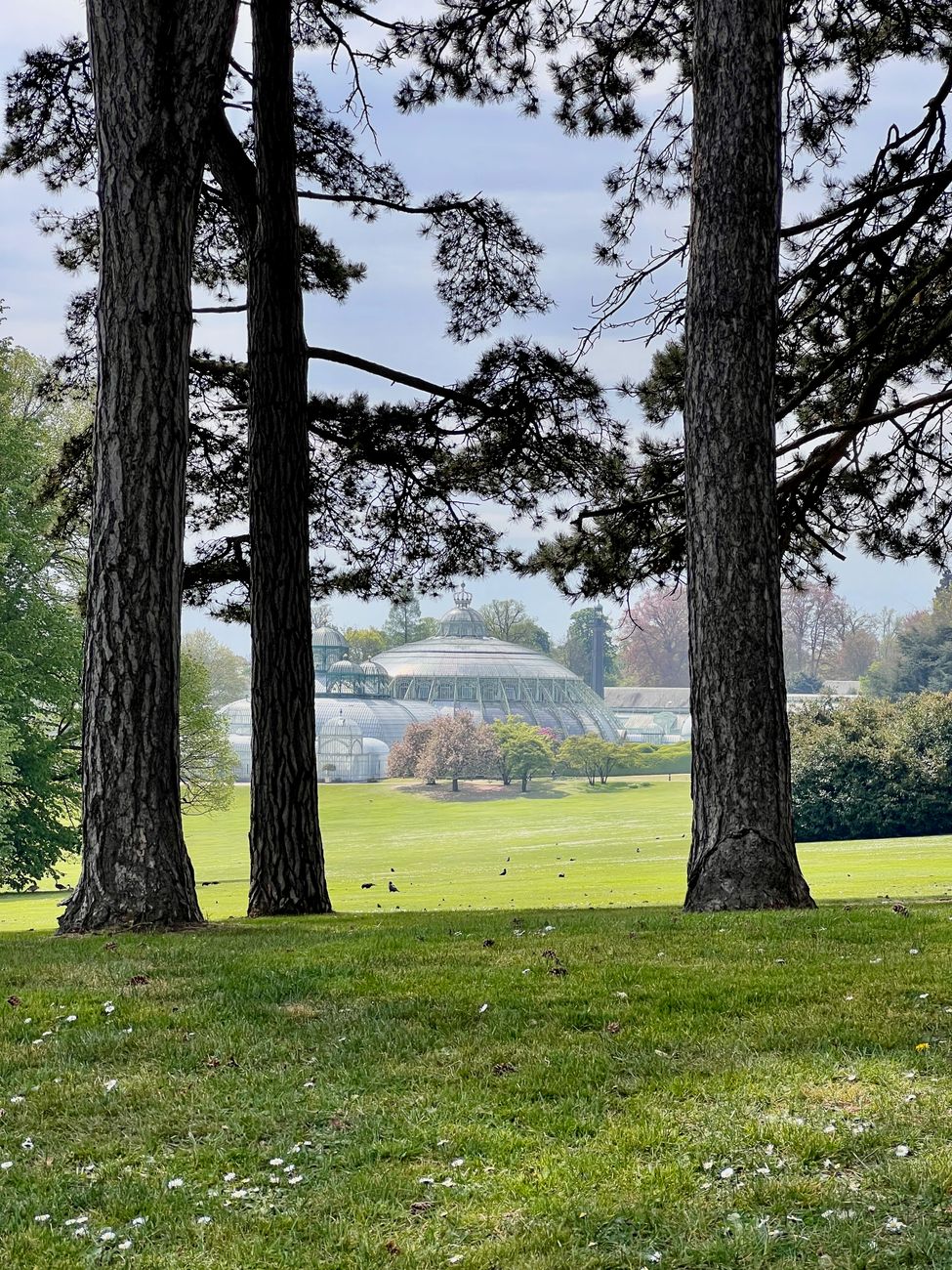
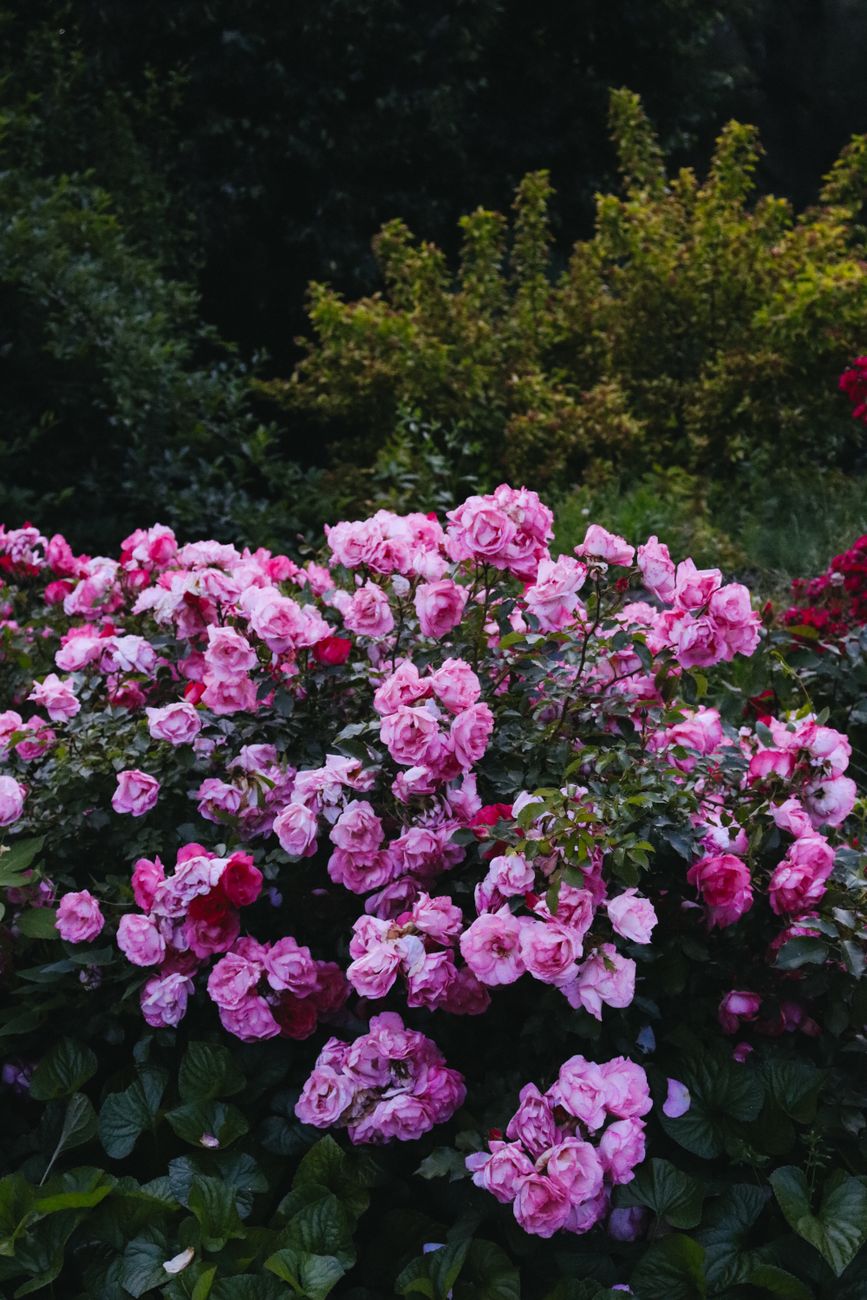
Midday: Head to Manito Park (10–15 minute drive or 30–40 minutes by bus) to explore the rose garden, Japanese garden and conservatory. The park is large enough to spend two hours enjoying formal beds and paths.
Afternoon: Visit the Northwest Museum of Arts & Culture (MAC) in the Browne's Addition area or nearby Cliffside neighborhood; allow 1–2 hours. From MAC, take a short drive or a 20–30 minute walk to Kendall Yards for late-afternoon snacks and riverside trails.
Evening: Kendall Yards has several riverfront restaurants and a small Saturday market in season. Walk the Centennial Trail west along the river for sunset views or return downtown for beers at No-Li Brewhouse or a neighborhood bar in Browne's Addition.
Day 3
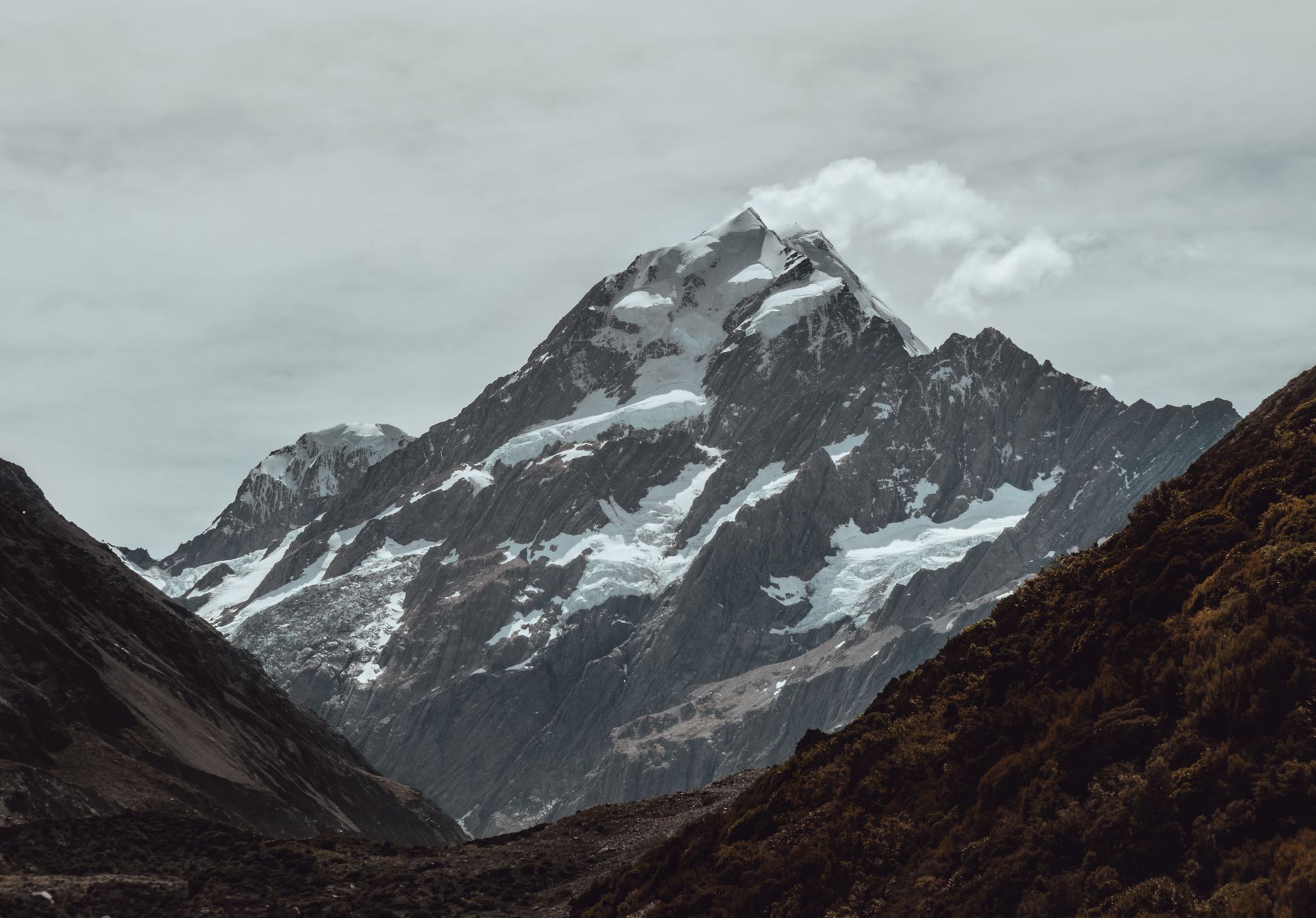
Morning: Drive to Mount Spokane State Park for a half-day hike or shorter alpine walk; driving time is about 45–60 minutes from downtown depending on traffic. Pick a trailhead like Bowl and Pitcher or summit routes based on fitness and weather.
Midday: If mountains feel too far, choose Riverside State Park’s Bowl and Pitcher (about 20–25 minutes from downtown) for river-side trails, basalt formations, and easier access without long drives. Bring water and layers — shade is limited in summer.
Afternoon: Return toward town with time to drop luggage at a hotel if checking out; many downtown hotels will hold bags. If catching an afternoon flight, plan to leave the park no later than midday to allow 45–75 minutes for driving, car return, security and taxi or ride-hail to the airport.
Evening: For later flights or departures, have a final meal near the Amtrak station or River Park Square where options are close to transit and taxi stands.
Best Local Experiences
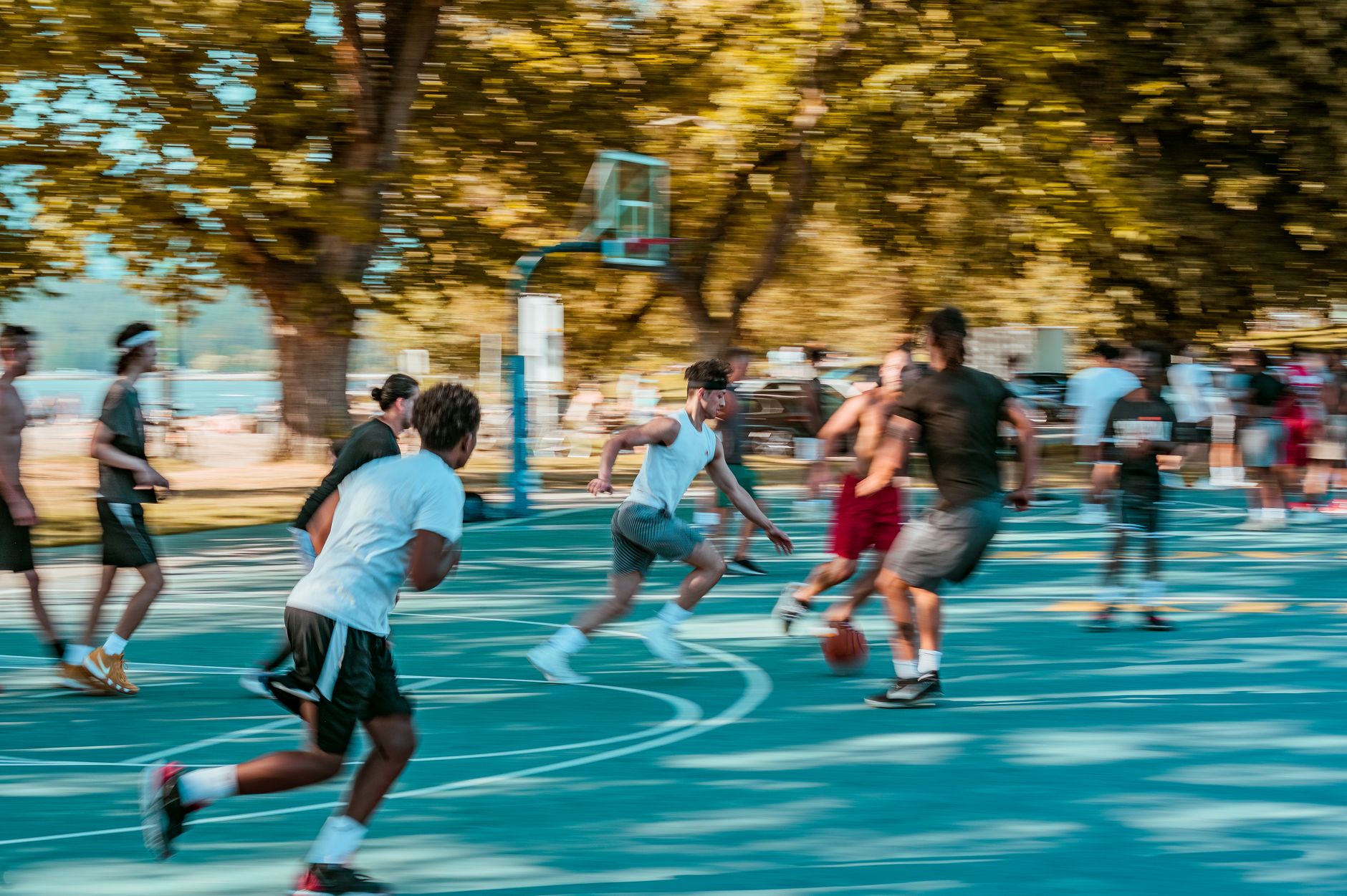
Hoopfest (June) — the world's largest 3-on-3 basketball tournament; if visiting in June, plan around road closures and hotel demand. Bloomsday (May) — a 12k city race that packs streets and affects morning logistics.
Spokane Farmers Market at Pavilion Park (seasonal weekends) — local produce, huckleberry preserves and prepared stalls. Kendall Yards Market on Sundays (spring–fall) — more neighborhood-focused vendors and bakeries.
Garland District on North Garland Avenue — independent shops, coffee and a retro movie theater. First Friday art walk in downtown and local neighborhoods — a good evening to see galleries and meet local artists.
Paddleboarding or tubing on the Spokane River in season — rentals available in Kendall Yards and near Riverfront Park. A guided wine or brewery tasting crawl featuring local producers such as No-Li Brewhouse gives a compact sample of the regional beverage scene.
Where to Stay
Downtown (Riverfront/Downtown core): Suits visitors who want immediate access to Riverfront Park, the Davenport and theaters. Typical nightly rates: USD 130–260 (≈ EUR 120–230). This area is walkable but can be noisy on event nights.
Browne's Addition: Suits travelers who prefer a quieter, historic neighborhood within easy walking distance to downtown restaurants and Frank's Diner. Expect boutique rentals and guesthouses around USD 100–170 (≈ EUR 90–150) per night.
Kendall Yards and North Bank: Suits those who want modern rentals, cafes and easy river access. Rates here run about USD 120–220 (≈ EUR 110–200), and this area is good for cyclists and people who prefer neighborhood markets to tourist sites.
Food and Drink
Breakfast: Frank's Diner — classic American breakfasts in a 1927 dining car; expect USD 8–15 (≈ EUR 7–14). Street food: tacos from neighborhood food trucks near Kendall Yards or the Garland District; typical tacos USD 3–5 each (≈ EUR 3–5).
Local dish: huckleberry pie or huckleberry ice cream — seasonal, found at markets and bakeries in summer for about USD 4–6 (≈ EUR 4–5). Regional ingredient: smoked salmon plates appear on many menus; expect USD 12–20 at casual restaurants (≈ EUR 11–18).
Dinner: Clinkerdagger or Sante 174 for an elevated local-meets-Pacific Northwest menu; entrees typically USD 18–35 (≈ EUR 16–32). Beer and drinks: sample No-Li Brewhouse, Iron Goat Brewing or Perry Street Brewing; pints run USD 6–8 (≈ EUR 5–7). Coffee: Atticus Coffee in Kendall Yards serves quality espresso and pastries for USD 3–6 (≈ EUR 3–5).
Getting Around
Spokane Transit Authority (STA) operates the local bus network and the City Line rapid transit corridor. Buses serve most neighborhoods, though frequencies fall off in evenings and on Sundays.
Typical single-ride fare on STA is about USD 2.00 and a day pass is roughly USD 5.00; buy fares on the STA app or at vending machines. Amtrak's Empire Builder stops in town for rail travelers; the station is a short taxi from downtown.
Taxis, Uber and Lyft operate locally; expect about USD 35–50 from Spokane International Airport to downtown. Bike rentals and the Centennial Trail are good for short, scenic trips along the river. Use the STA app and the Transit app for schedules and real-time arrivals.
Best Time to Visit
Summer (June–August): Warm and dry with highs often in the mid-80s to low-90s°F (around 29–33°C). This is peak tourist season, festivals are frequent and lodging prices rise.
Spring and early fall (April–May, September–October): Cooler and less crowded, with daytime highs from the mid-50s to low-70s°F (12–22°C). These shoulder months offer better value on hotels and comfortable walking weather.
Winter (November–March): Cold with possible snow and daytime highs in the 30s–40s°F (0–7°C). Good for downhill or cross-country skiing at Mount Spokane but expect shorter daylight and some closures at park facilities.
Budget and Practical Tips
Typical daily budget for a mid-range traveler (USD): accommodation USD 120–200, food USD 35–70, local transport USD 5–10, entry fees and activities USD 10–40; total USD 170–320 per day (≈ EUR 155–290). Cheaper budgets can find hostels or budget hotels from USD 60–100 per night.
Museum entry: Northwest Museum of Arts & Culture around USD 12–15 for adults; Looff Carrousel ride about USD 1. Brewery tours and tastings vary but plan USD 5–10 per tasting. Tip 15–20% at sit-down restaurants is standard; small bills for markets and carousels remain useful.
Parking: downtown garages charge hourly and prices increase near event venues. If relying on events or game dates, book parking in advance. For outdoor days, gas and park passes add to costs — plan for an extra USD 20–40 if driving to state parks.
FAQ
Is Spokane safe to visit?
Generally yes; downtown and main tourist areas are safe during daytime. Usual city precautions apply at night near busier streets and some blocks can feel less active after midnight.
Is three days enough time?
Yes for a balanced view: downtown, a neighborhood day, and one outdoor excursion. Skipping a full Mount Spokane summit will save time if needed.
Is a city card or pass worth buying?
No widely used all-in-one card for tourists exists; buying single museum tickets and using STA fares as needed is more common than an expensive city pass.
What transit options exist from the airport to downtown?
Taxis and ride-hail are fastest (approx USD 35–50). Check whether the hotel offers a shuttle; STA has limited airport service and schedules change seasonally.
Can Amtrak be used for arrival or day trips?
The Empire Builder stops here; it’s a good overland option but check schedules as trains arrive/depart at set times and downtown transfer is needed.
What about parking and driving downtown?
Expect metered street parking and several public garages; prices jump for events. Park farther and walk if attending a game or festival.
Conclusion
Three days will leave most visitors with clear, concrete memories: the power of the falls viewed from the Monroe Street Bridge, walks along Kendall Yards and the quiet, tree-lined streets of Browne's Addition, plus one sturdy outdoor day at Mount Spokane or Riverside State Park. Prioritise Riverfront Park and Manito Park if short on time; these two sites represent the city’s successful mix of civic space and garden-style public parks.
If time runs short, skip a long summit hike and instead use that morning to visit MAC or enjoy a neighborhood market and a brewery tour. That trade-off preserves urban variety and reduces transit time while still delivering a representative three-day experience.
How this guide was prepared
This guide was prepared through a structured research that combines destination research, geographic context, itinerary planning logic, and content review.