
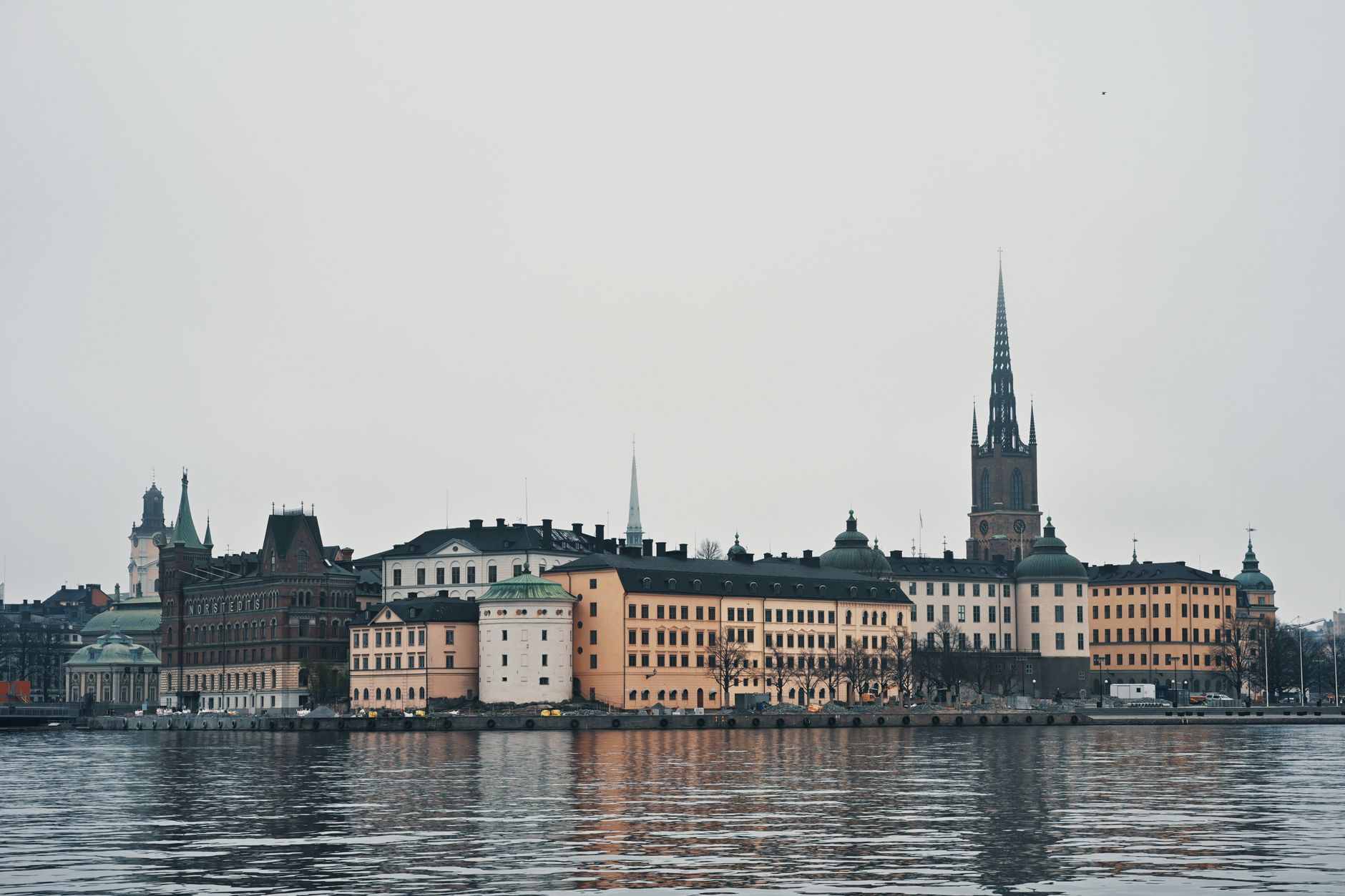
Responsible travel in Stockholm — practical support for a 3-day itinerary
How to experience Stockholm responsibly during a short stay: neighborhoods, low-impact transport, seasonal tips, local-first food and archipelago options to complement a 3 days in Stockholm itinerary.
A compact, practical guide to making your 3-day Stockholm visit low-impact and locally beneficial: where to stay, how to move, what to book ahead, and smart day-trip options to Gothenburg, Malmö and Finland.
Quick Answer
A compact, practical guide to making your 3-day Stockholm visit low-impact and locally beneficial: where to stay, how to move, what to book ahead, and smart day-trip options to Gothenburg, Malmö and Finland.
Who This Page Is For
This page is for travelers planning a stay in Stockholm who want clearer decisions about responsible travel, local logistics, timing, budgeting, and practical trip planning.
How This Page Was Prepared
This page was prepared through a structured editorial workflow that combines destination research, geographic context, and practical travel-planning review.
Plan the Rest of Your Trip
Use this page together with the full itinerary and the related planning pages below to make better booking, timing, transport, and budget decisions.
Yes — Stockholm is well suited to responsible short stays. Favor public transport (SL network), ferries and walking; choose local-owned eateries and small archipelago operators; travel in shoulder seasons (May–June, September–October) to reduce crowding. For a detailed day-by-day plan, use the 3 days in Stockholm guide and apply the sustainable swaps below.
This page is a compact, search-friendly companion to the main 3 days in Stockholm itinerary. It focuses on choices that reduce environmental impact, support local businesses, and keep your trip manageable. Use it to decide where to base yourself, which transport and tours to prioritize, and how to plan simple day trips to nearby destinations like Gothenburg, Malmö or across the Baltic to Turku, Espoo and Tampere.
What This Page Helps You Decide
Quick decisions you'll make more easily after reading this page:
- Where to stay for low-impact travel and easy access to your 3-day route (Södermalm, Östermalm, Norrmalm).
- Which transport passes and single tickets to buy for the SL network and ferries.
- What to book in advance (Vasa Museum, Skansen, archipelago excursions).
- Whether to add a day trip to Gothenburg or Malmö by train, or an overnight ferry to Turku.
- Which local food markets and small operators to prioritize for authentic experiences.

Top Recommendations
Essential, practical picks to keep your visit local and low-impact:
- Stay near a transport hub: Södermalm (easy walking, local shops), Östermalm (market access), or Norrmalm (central and efficient). Avoid airport-area hotels unless you need an early flight.
- Buy an SL travelcard or use the SL app for unlimited public transport for 24–72 hours; this covers metro, buses, trams and many inner-city ferries.
- Prioritize smaller archipelago operators for boat trips or rent a kayak from local providers on Södermalm or near Stadshuset; avoid large cruise-ship day tours when possible.
- Prebook high-demand indoor sites (Vasa, ABBA Museum, Skansen on busy dates) to avoid queues and time pressure during a short stay.
- Eat at markets and neighbourhood eateries: Östermalm Saluhall, Södermalm cafés, Hornstull street food — money stays local and portions are often smaller and less wasteful.
- If extending beyond three days, prefer fast SJ trains to Gothenburg and Malmö rather than flying; ferries to Turku/Tampere/Espoo are good for overnight travel with cabin options.

Local Context
Neighborhoods and seasonal realities:
- Gamla Stan: compact historic centre best seen on foot early morning or late evening to avoid daytime crowds; limited hotel options.
- Södermalm: creative, local shops and cafés; excellent for evening food and secondhand stores.
- Östermalm: family-friendly, home to the food hall and refined restaurants; convenient for museum-lined Djurgården.
- Djurgården: the museum island; many attractions but also parkland—good for low-impact walking days.
Seasonal notes:
- High season (mid-June to August) brings long daylight, warm weather and crowds. Book in advance.
- Shoulder season (May–June, September–October) is ideal: fewer visitors, agreeable weather, most services open.
- Winter is short on daylight and cold; museums and indoor markets shine then, but some archipelago services reduce frequency.
Transport realities:
- Stockholm is largely cashless; contactless cards and mobile payments work everywhere.
- Validate SL tickets via app, machines or onboard validators as needed. Inspect ferry routes: some inner ferries accept the SL card, others are private.
- Cycling is popular; bike lanes are good but watch tram tracks and pedestrian zones. Consider public bikes for short trips.
How to Choose Well
A short checklist to help pick hotels, tours and day trips:
- Proximity: choose a base within walking distance of a metro or major tram line to cut taxi use.
- Ownership: prefer locally owned guesthouses, small hotels, or family-run pensions over international chains when budgets allow.
- Operator size: for archipelago or wildlife trips, favor small-boat operators with clear environmental policies.
- Timing: schedule busy museums for morning slots and reserve late afternoons for parks, markets and low-impact exploration.
- Refunds and flexibility: pick tours with reasonable cancellation terms — weather in the archipelago can force changes.
Booking advice:
- Reserve museum tickets online (Vasa, Skansen, Fotografiska) for specific time slots in high season.
- For day trips to Gothenburg or Malmö, book SJ trains early for better fares; regional trains are comfortable and lower-carbon than flights.
- For Finland (Turku, Espoo, Tampere), consider overnight ferries with a cabin; they combine transport and accommodation while supporting maritime economies.

Responsible and Local-First Tips
Practical ways to make your visit beneficial to residents and the environment:
- Spend locally: buy food at markets, craft at small shops, and eat at family-run restaurants rather than international chains.
- Reduce single-use waste: carry a refillable bottle (tap water is safe), reusable cutlery and a tote bag for purchases.
- Choose non-disruptive wildlife experiences: observe seabirds and seals from a distance, and never feed wildlife.
- Respect private islands and local signage in the archipelago—many small islands have private homes and seasonal closures.
- Use public transport and ferries instead of taxis when time allows; if you must taxi, use licensed companies and shared options where possible.
- Leave feedback for small operators: positive reviews help local businesses grow without mass-tourism pressure.
- Learn basic Swedish pleasantries: 'tack' (thank you), 'hej' (hello), 'ursäkta' (excuse me) — they go a long way in small shops and cafés.

Common Mistakes to Avoid
Frequent missteps that waste time or money on a short trip:
- Skipping an SL travelcard and buying single tickets; it slows you down and often costs more.
- Trying to cram too many islands or museums into one day; quality beats quantity on a three-day visit.
- Relying exclusively on taxis or scooters for inner-city travel; they add cost and emissions.
- Booking large, generic archipelago cruises instead of smaller local operators—these often bring more people and less local benefit.
- Not checking seasonal opening times; some attractions and ferry lines reduce services outside summer.
- Forgetting basic recycling rules in public places and accommodation; ask staff where to sort waste if unsure.
FAQ
What is the best low-impact way to see the archipelago on a short trip?
For a three-day visit, take a half-day or full-day outing with a small local operator, or use public ferries (Waxholmsbolaget) to reach nearby islands like Vaxholm or Fjäderholmarna. Book in advance in summer and choose operators that limit guest numbers.
Should I buy a Stockholm Pass for three days?
The Stockholm Pass can save money if you plan many paid attractions in quick succession, but it encourages a packed schedule. For a responsible visit, compare individual tickets for Vasa and Skansen plus an SL travelcard — that often fits a relaxed 3-day plan better.
What's the tipping etiquette in Stockholm?
Tipping is modest and optional. Round up a bill or add 5–10% for table service if satisfied. Tip taxi drivers and guides for excellent service but don't feel obligated.
Can I day-trip to Gothenburg or Malmö from Stockholm?
Yes. Fast SJ trains connect Stockholm with Gothenburg (≈3 to 4 hours) and Malmö (≈4.5 hours). For lower carbon impact, choose train over flights and travel early to maximize the day. Overnight stays make the trip less rushed.
How do I get to Turku, Espoo or Tampere from Stockholm sustainably?
Overnight ferries to Finland depart regularly (e.g., to Turku) and offer cabins; they combine travel and lodging and support maritime and port communities. Alternatively, fly only if time is tight.
Any packing tips for responsible travel to Stockholm?
Pack a reusable water bottle, a lightweight rain shell, comfortable walking shoes, and a daypack. Bring a small set of reusable cutlery and a tote. Layering is essential because weather can change quickly in shoulder seasons.
Conclusion
Stockholm rewards careful planning: choose a central, walkable base, use the SL network and local ferries, and prioritize small, local businesses for food and tours. Use this page alongside the 3 days in Stockholm itinerary to slot sustainable choices into each day. If you have extra time, extend by rail to Gothenburg or Malmö, or by overnight ferry to Turku — all low-impact ways to see more of the region while supporting local economies.
How this guide was prepared
This guide was prepared through a structured research that combines destination research, geographic context, itinerary planning logic, and content review.